Archive

Yearly Archives: 2012

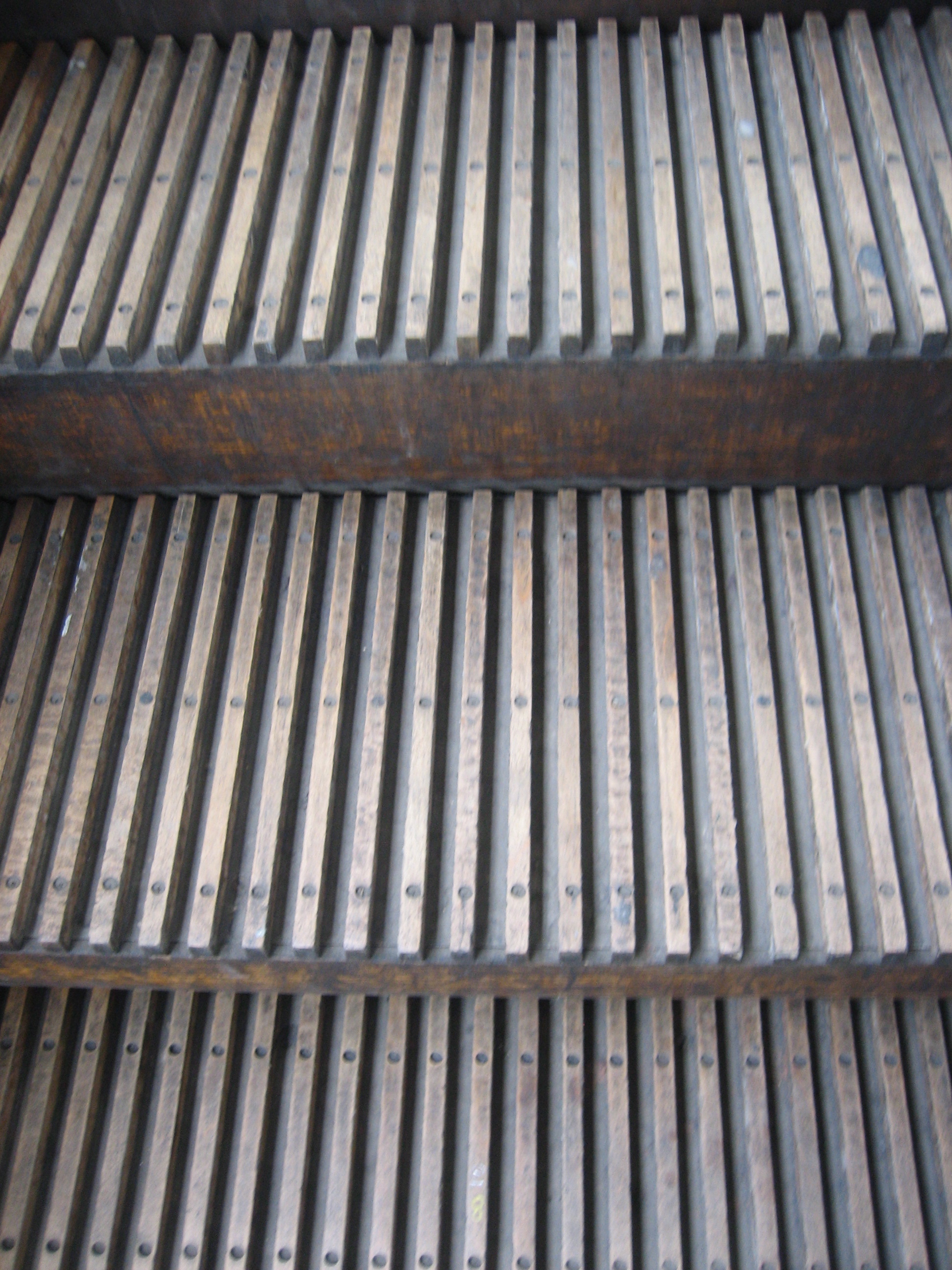
Wood, you believe it?I was chased out of Greenford station while taking these photographs. A member of staff objected to me using my camera, even though I was, as I protested, pointing it “merely at an escalator”.

This was a slightly underhand remark, as it clearly wasn’t “merely” an escalator.

Indeed, I’d come to the station precisely because it wasn’t “merely” an escalator, and was instead the only one of its kind still in service on the entire network.
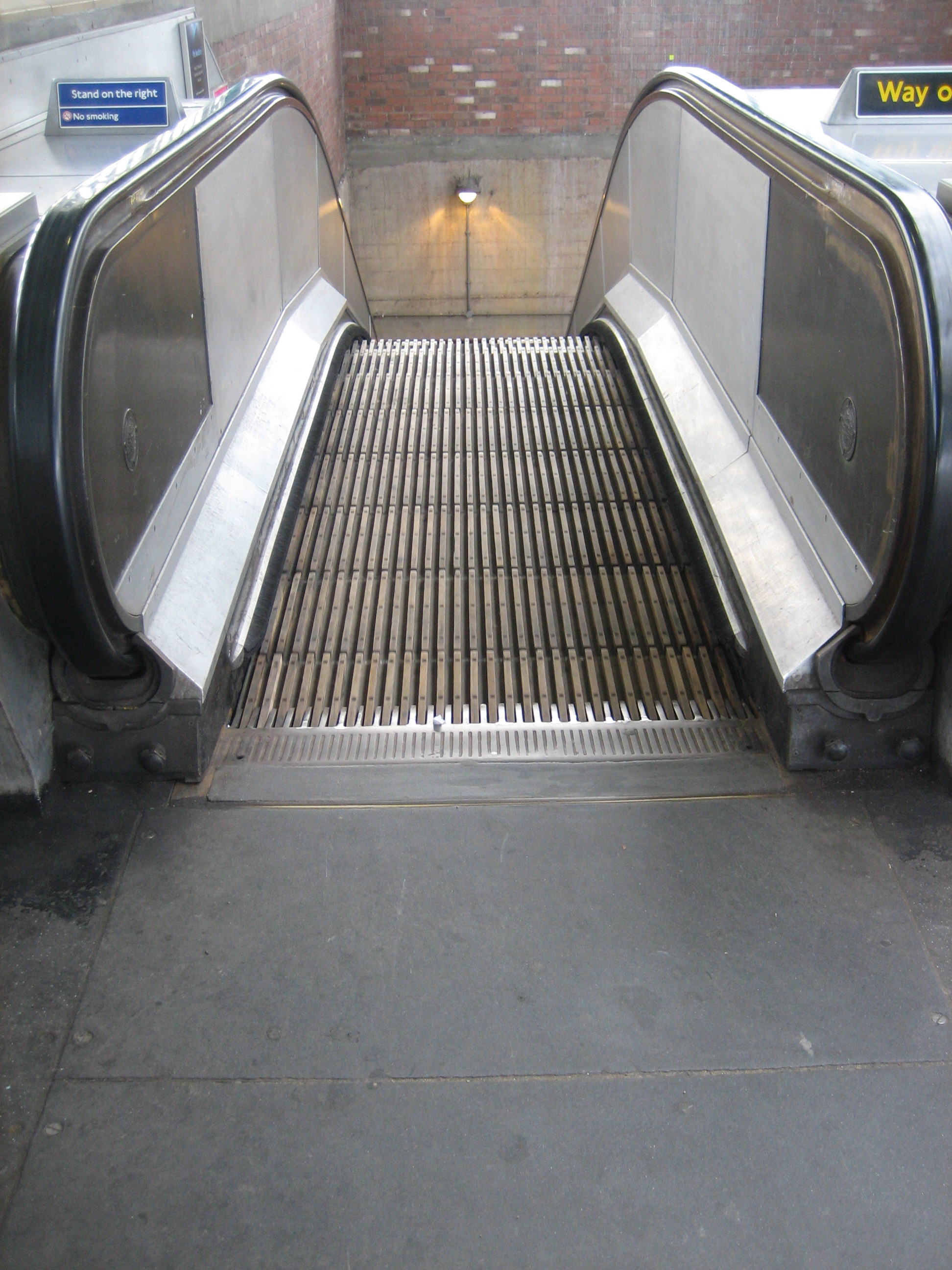
By looking at this photo you are breaking the lawWhy it’s the only one of its kind still to be found in use on the Underground I’ve no idea. I’m guessing it’s retained for its novelty value.

It’s around 100 years old and is certainly a charming oddity. All of its cousins across the network were scrapped in the wake of the King’s Cross fire in 1987.
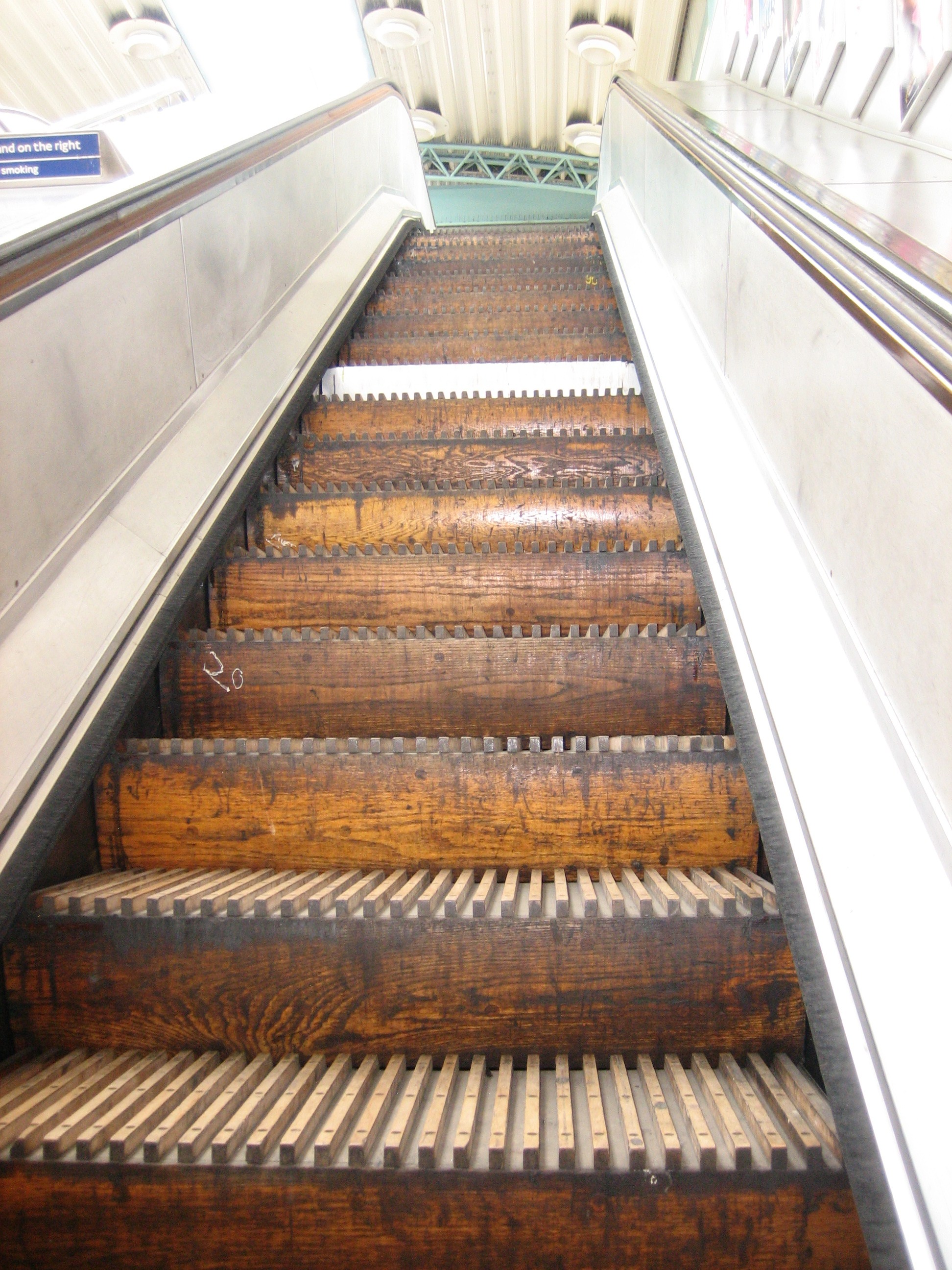
It's rude to stairWhenever I’m chased out of stations for taking photographs – which is not often, admittedly – I find myself nursing a grudge against from wherever it is I’ve been evicted.

By all means take the effort to visit Greenford and experience this unique chunk of motorised history. Just remember to secrete your camera in a specially-designed satchel, or within a ring like the one Roger Moore had in A View to a Kill.

Oh, and don’t, whatever you do, behave as if you’re there to admire something.

(A different Ian has a different, and better, set of photos.)
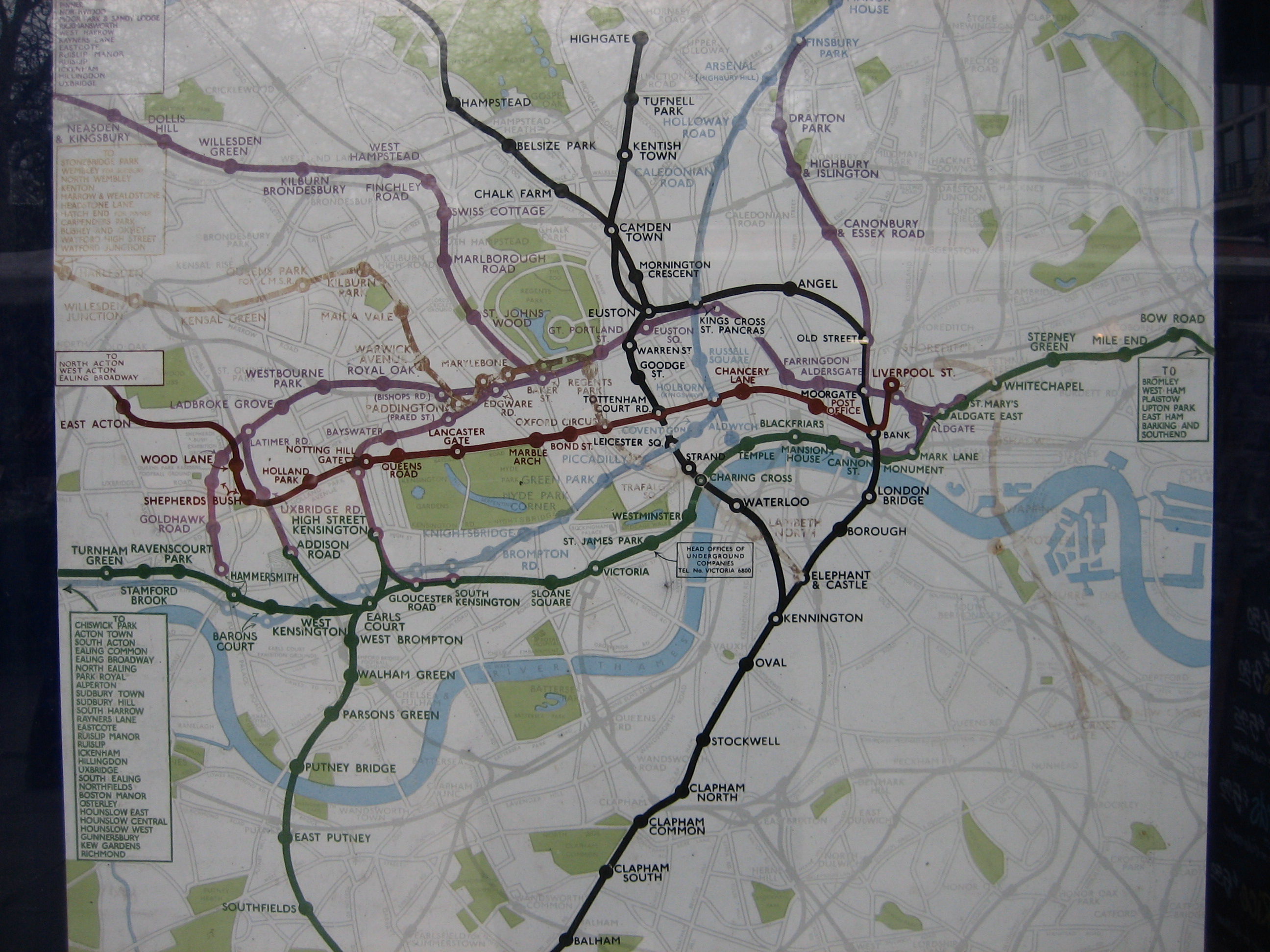
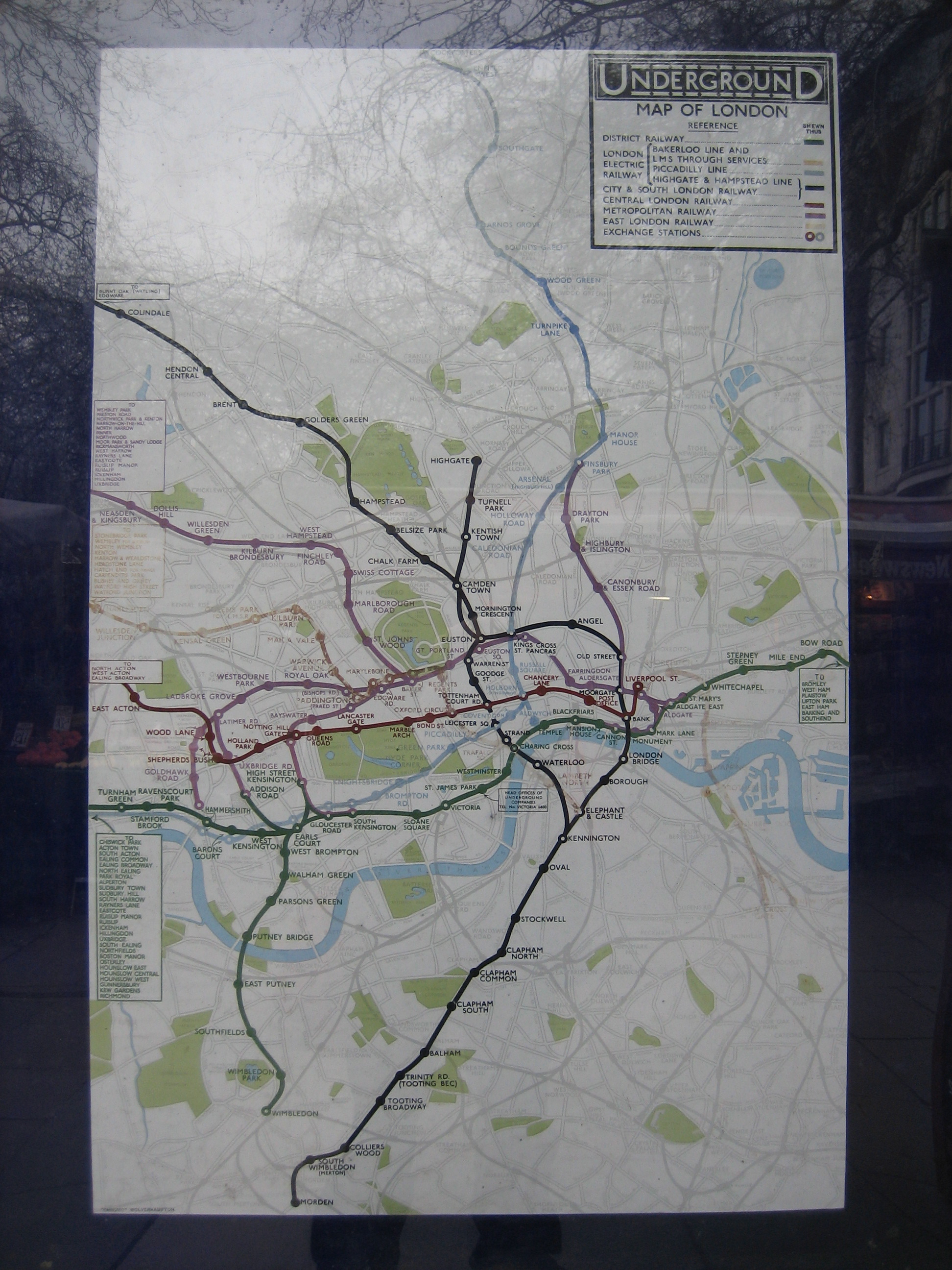
Mis-mapTo avoid having my virtual collar felt by the long arm of Transport for London’s copyright police, I can’t reproduce any sort of maps on this blog. But I’m pretty sure I can reproduce my own photos of publicly-displayed copies of heritage maps. Well – fairly sure.

I think I’m on safe ground with this one: a copy of a 1932 attempt at a map of the London Underground, which is on permanent show by the entrance to Temple station:

It's a photo of a map, not a map. Honest.I guess most people might find this mildly diverting. I find it continually fascinating, but then I’m not most people.

The map pre-dates by a matter of months the publication of the first of Harry Beck’s groundbreaking diagrammatic versions. As such it became a museum piece remarkably quickly, being officially redundant by January 1933 (and forever more).

Unofficially it has gained a second life as an exhibit on the wall outside Temple, reminding those who care to look that stations once existed called Addison Road and Post Office, that Archway used to be known as Highgate, and that if you wanted to travel anywhere west of Turnham Green you were pretty much on your own.

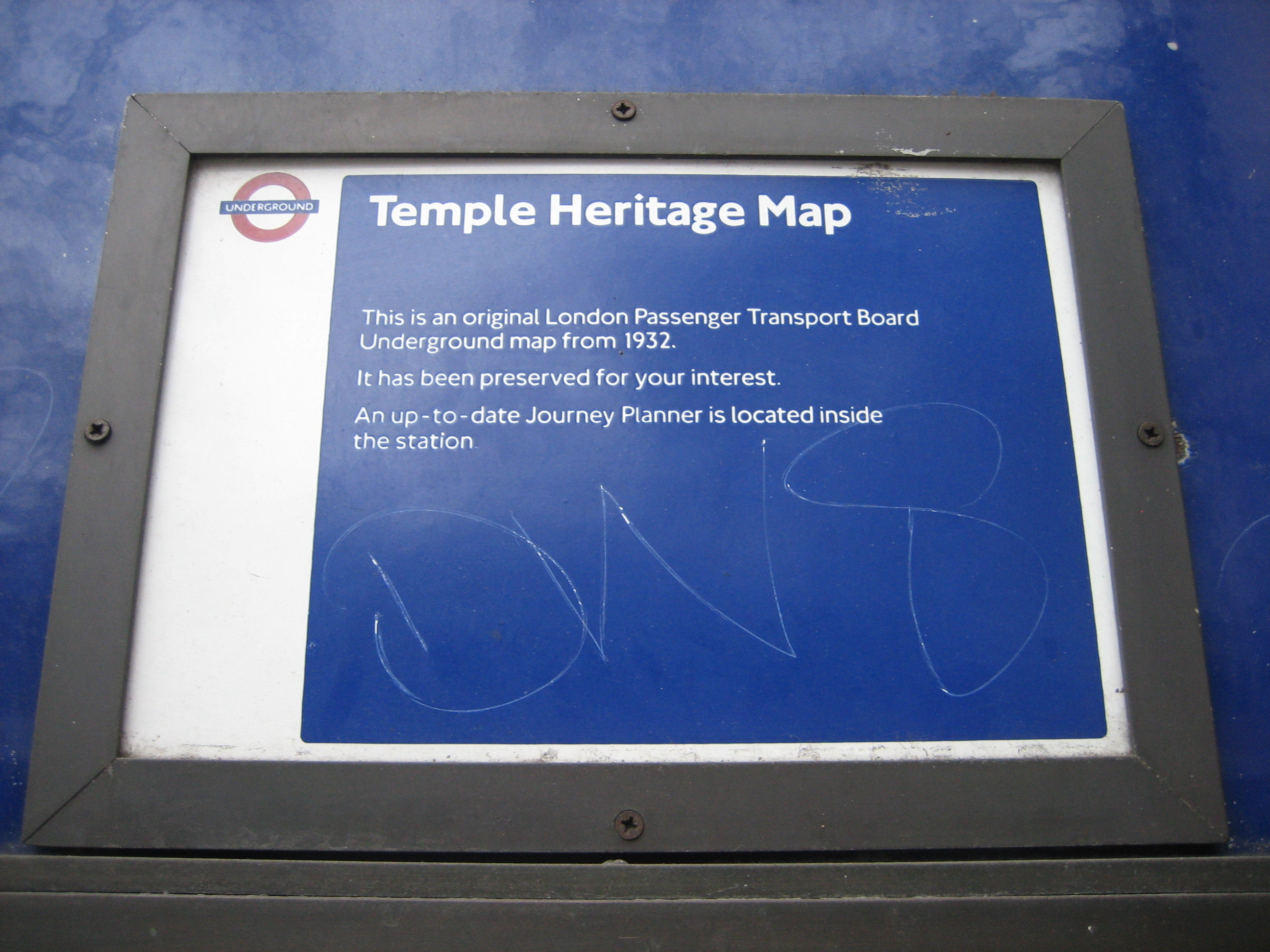
There is no single credit for this intriguing if eccentric map. Instead it is attributed to the London Passenger Transport Board, along with a few words of advice for stupid people:

Well, dur

Bang the drumThe more I write about the Jubilee line, the more I realise it is one of London’s finest collections of contemporary architecture. The stations that were either redeveloped or built from scratch to form the extension of the line between Westminster and Stratford are among the city’s most bewitching.

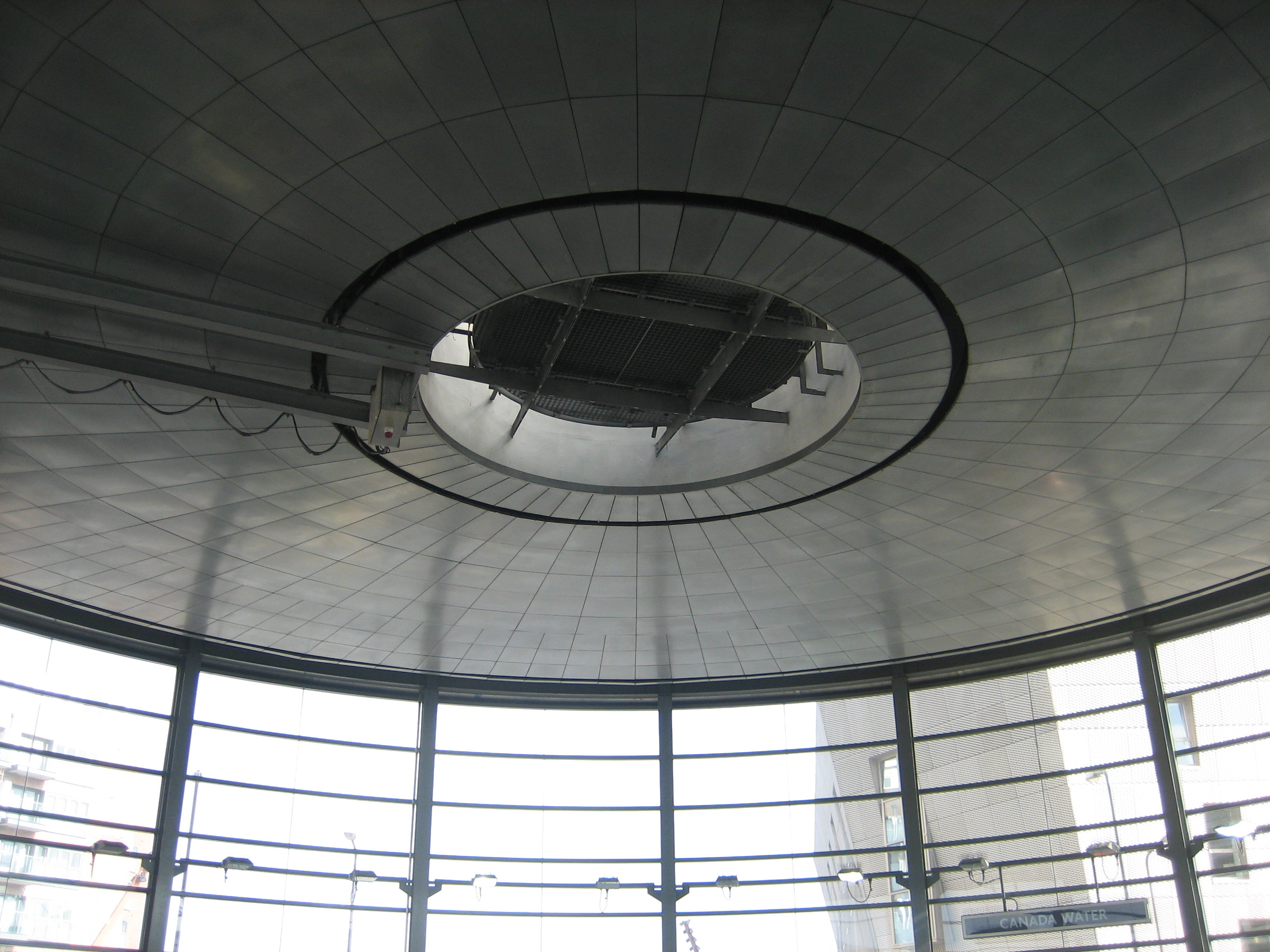
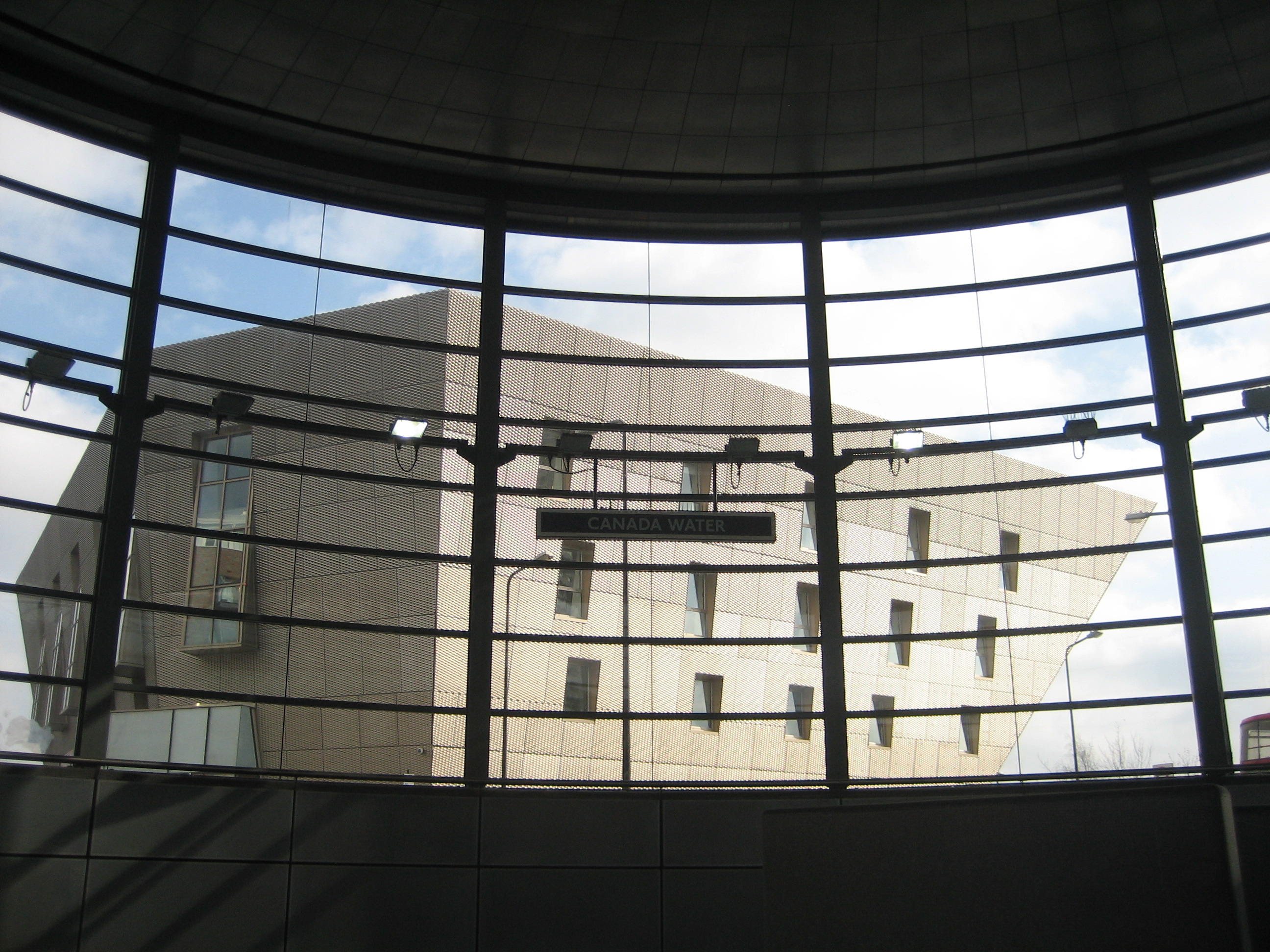
Pa-ra-pa-pa-pumThe enormous glass drum that forms the centrepiece of Canada Water is another example. Its scale and ambition is matched by its class and intelligence. Light pours down into the heart of the station, creating a beautiful patchwork of shadows, shades and silhouettes.

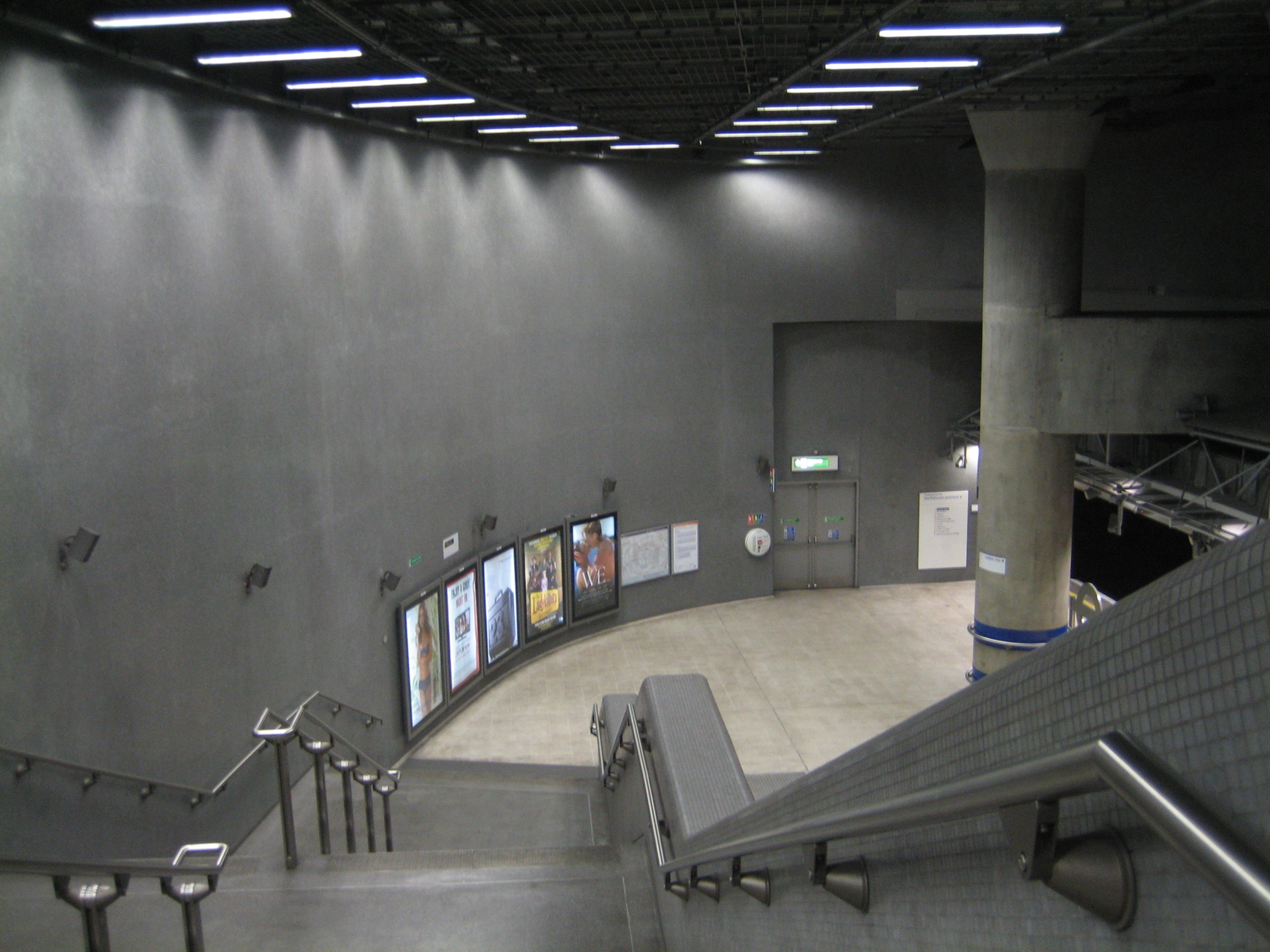
Around the edge of the drum, vast walkways and staircases circle up, around and below each other, affording plenty of views of the whole interior (should you want to sample them) while coaxing you ever downwards into the building’s bustling heart:

Fade to greyI particularly like the necessarily-huge lid on top of the drum, which reminds me a little of the similarly futuristic look of Southgate station.

A full lidPlaudits must go to the architects Buro Happold, who designed the drum and whose portfolio embraces everything from the Millennium Dome and the Lowry Centre in Salford to Ascot racecourse and the Robert Burns birthplace museum.

It’s yet another extraordinary creation in an otherwise ordinary setting.

These Jubilee line stations march across south-east London in a parade of glory. It’s hard to think we’re likely to see such a marriage of investment and imagination again.

Window on the world