Archive

Architecture

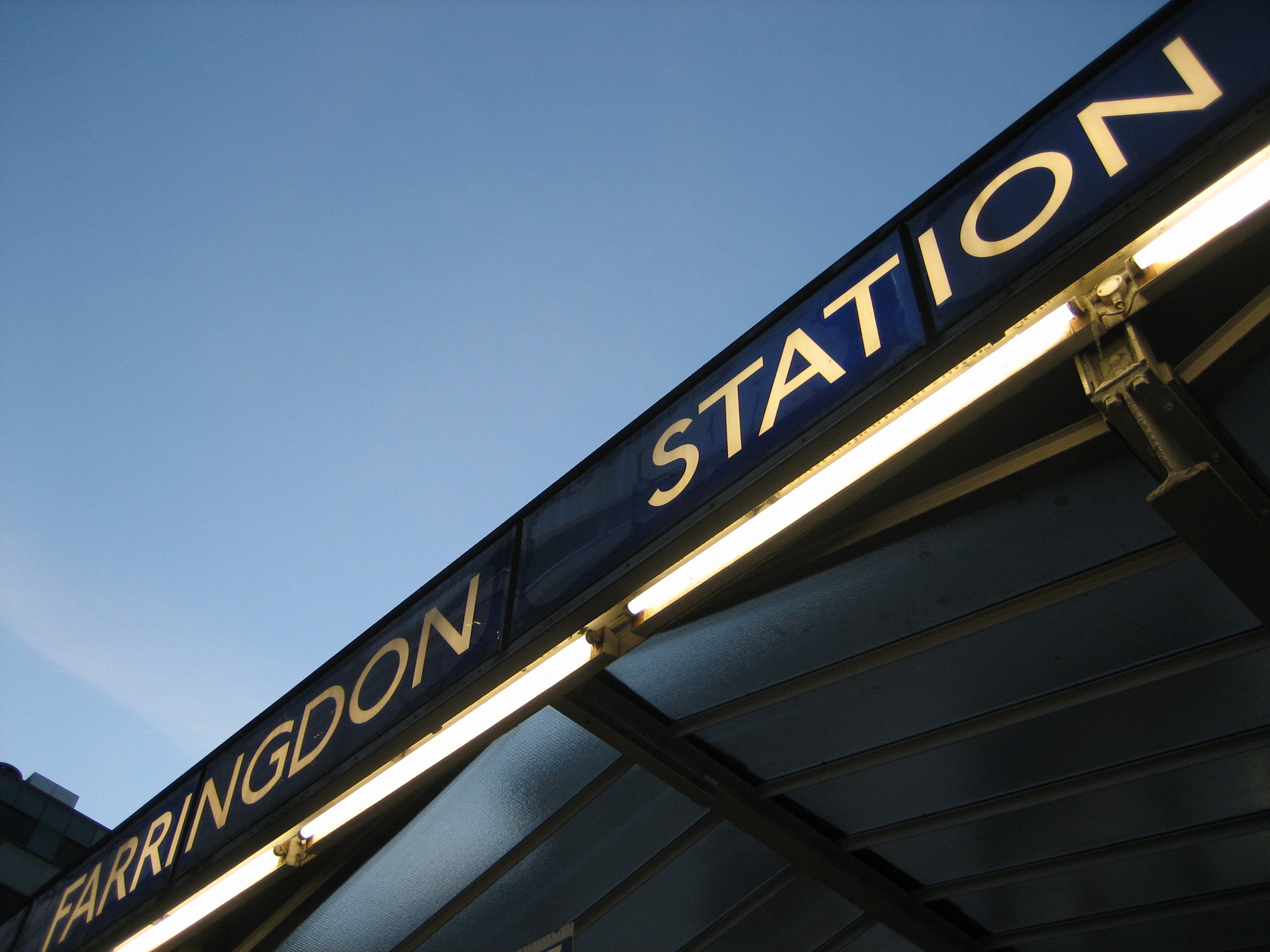
'Don roamingI’m wondering whether I need to create a new category for this blog. Because it’s not chiefly the architecture of Farringdon that’s great – or rather, the architecture of the Farringdons.

No, it’s more the concept. The idea. The notion of the station(s). The way the old and the new face each other, taciturn but benevolent, like two generations of the same family across a kitchen table.
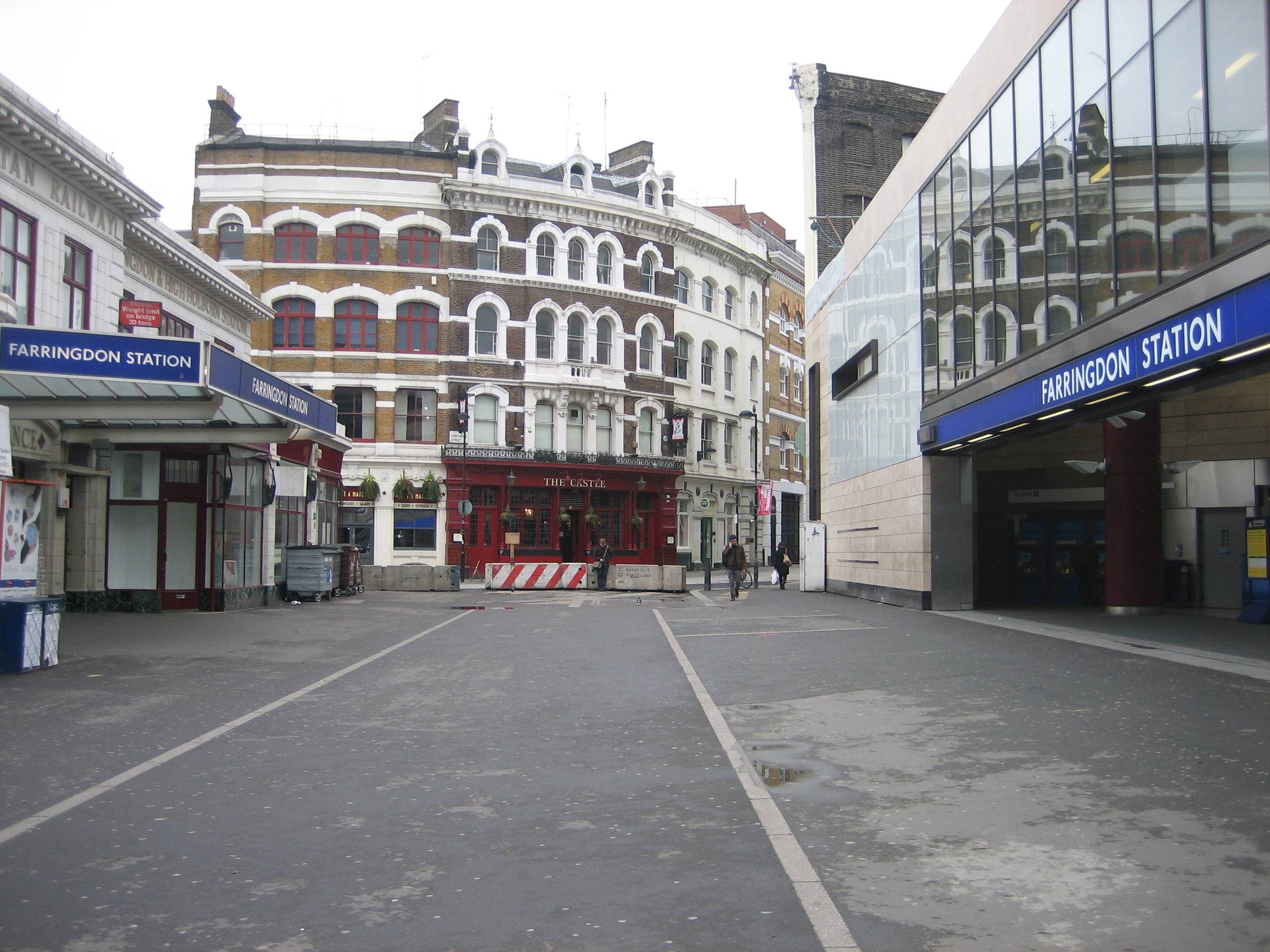
'Don doubleMaybe I’m being ‘Don quixotic. After all, they’re only entrances to buildings. Yet I have to confess to loving the arrangement here. The veteran (left) and the newcomer (right) eye each other with polite detachment, sharing the same name but hailing from very different backgrounds, straddling in just a few paces the Underground’s oldest of pasts and freshest of futures.

Stand in the middle and swivel. You rotate through 150 years of history. Old Man Farringdon shares an age almost as advanced as the network itself and wears its ancestry moderately well, including its brief rebranding in the 1920s as…
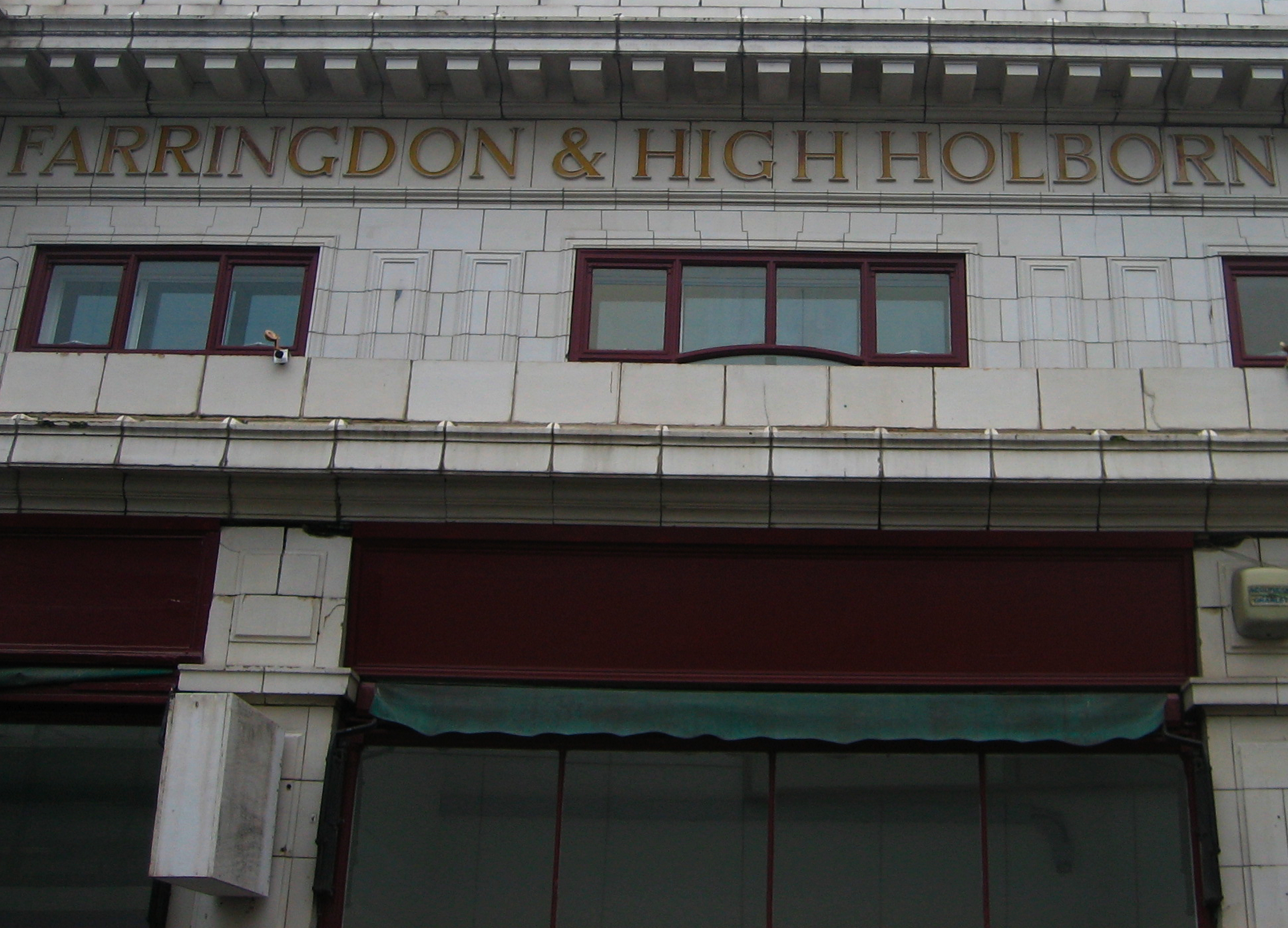
Hi, HolbornIts great-great-great-grandson, meanwhile, only has eyes on what’s to come: a career as one of London’s most intoxicating interchanges, where Thameslink meets Crossrail.

Farring-don. And on. And on.Exciting things are destined for the Farringdons. They’re on the way up, climbing the social ladder with a ferocity that would in other circumstances win them recurring fawning profiles in the Evening Standard. While the family retainer creeps towards a third century of patriarchal pride, its stylish new sibling looks set for a lifetime hosting ever-increasing armies of patrons.

Many many millions more people than now will pass through this area in decades to come, either above or below ground. Usage will rise, as will its profile and, hopefully, its sense of prestige. The only thing dropping will be the pantograph.

...and nothing else

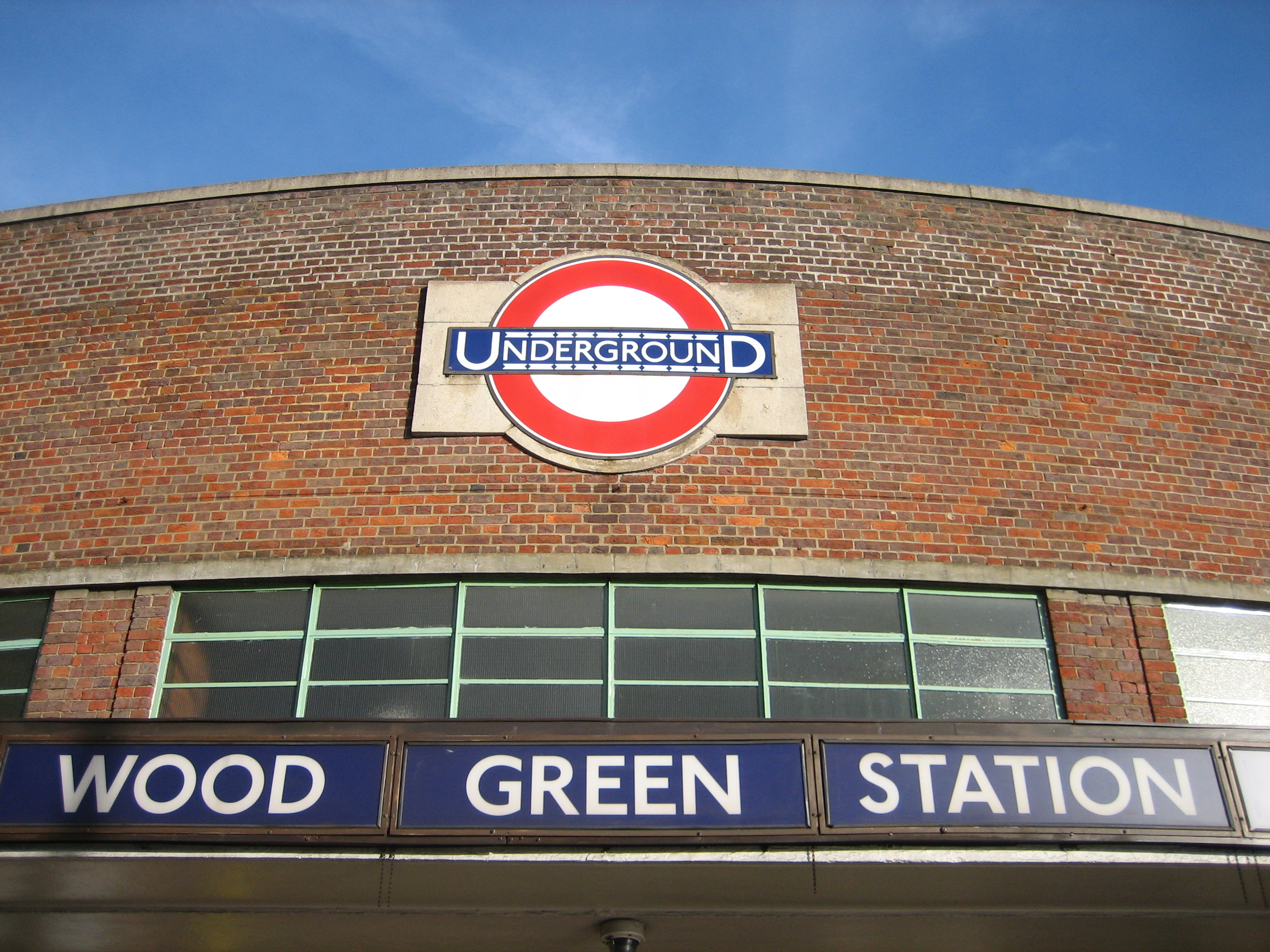
Round the Wood'If ever someone decides to ban curves on public transport buildings, Wood Green is done for.

Roundel-ramaIt’s a roundel-rama. The station swoops brassily along the junction of the eponymous high road and the wonderfully-named Lordship Lane, throwing more shapes than Su Pollard doing Back in the USSR.

Like a momentarily-paused spinning top, it bristles with potential energy. Sunlight bounces off and through its fortress of windows, meaning both the inside and outside share the gleaming spoils.

A light, hereTwo ventilation towers act like clamps on this huge, half-eclipsed zoetrope, holding either end in position as if to prevent sudden rotation. It’s as if the revolving restaurant (as once was) atop the BT Tower has spiralled off its perch and landed nonchalantly in the centre of Haringey.

If this all sounds a bit fanciful, you’re right. But then that’s what fantastic architecture does to you. Or perhaps more accurately, what fantastic architecture is meant to do to you.

Charles Holden designed this and every station on the Piccadilly line north of Finsbury Park. Legend has it that, on receiving the commission from London Transport, Holden charted a small, roundel-shaped private plane and set off from central London towards Cockfosters, laughing with glee and spraying a jet of modernist glitter in his wake. This may not be true.

Wood Green was finally given Grade II-listed status in July 2011: a decision that meant every stop from the terminus as Cockfosters down to Turnpike Lane was now protected.

That’s seven stations in total. I’m pretty sure you won’t find a similarly sequential concentration of wonder anywhere else in the UK.

Grade expectations

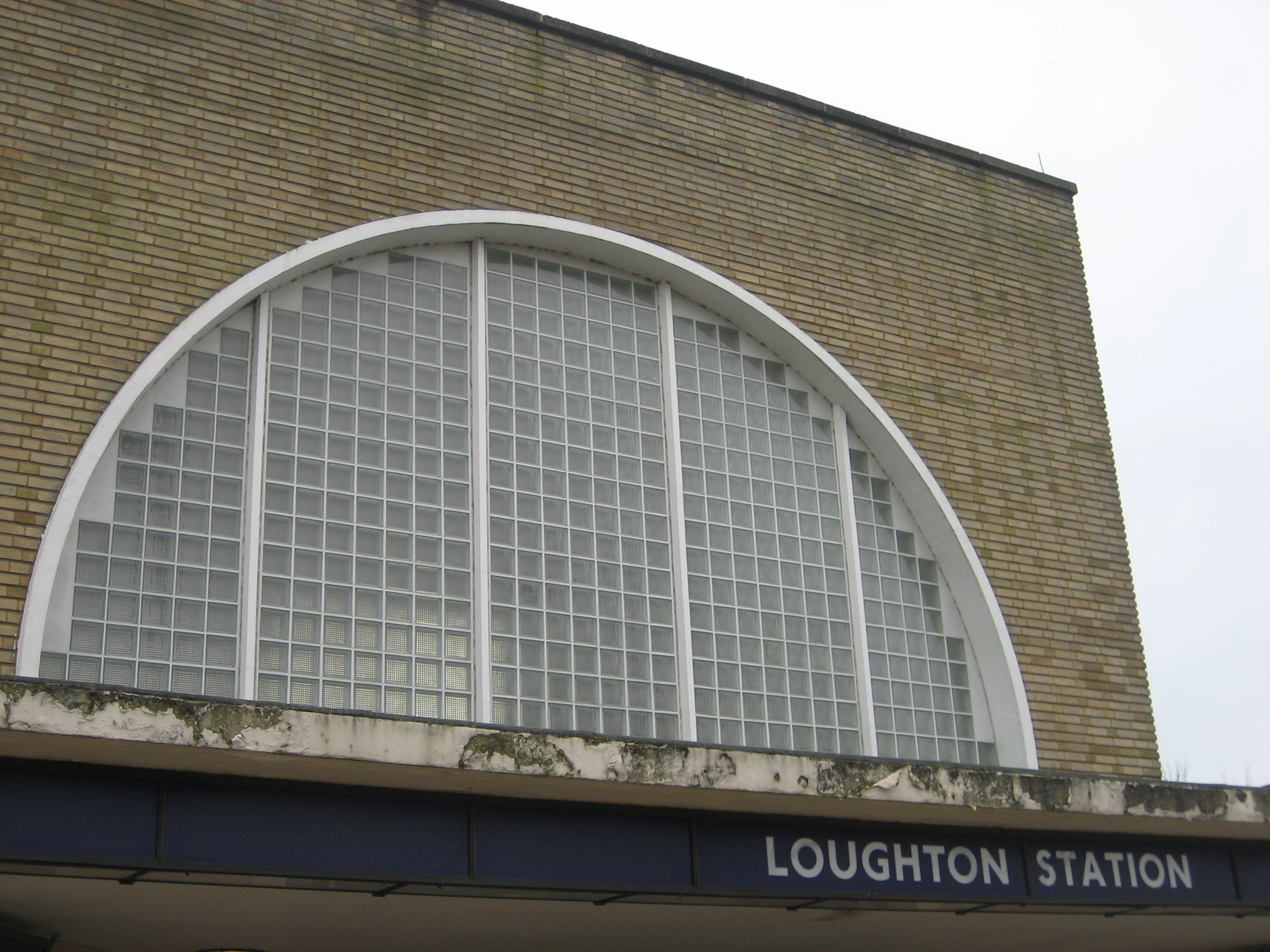
Through a glass darklyWho says Essex can’t do style?

It may sit in one corner of a thumpingly charmless concreted cul-de-sac of a car park, with an enormous branch of Sainsbury’s eyeing it threateningly across legions of preeningly-customised vehicles. And it may have to put up with neighbours the likes of a flower shop called, with devastating imagination, The Flower Stop, and a barber’s called, fatalistically, Homme Fatal.

And it may not look in the best of shape, with peeling paint and grimy walls and a sorrowful sense of clinging to its own self-worth in lieu of anyone else extending it much care or attention.

But Loughton station nevertheless defies the broad brushes of ridicule slapped over the surface of its county’s reputation to remain one of the Underground’s noblest of suburban outposts.

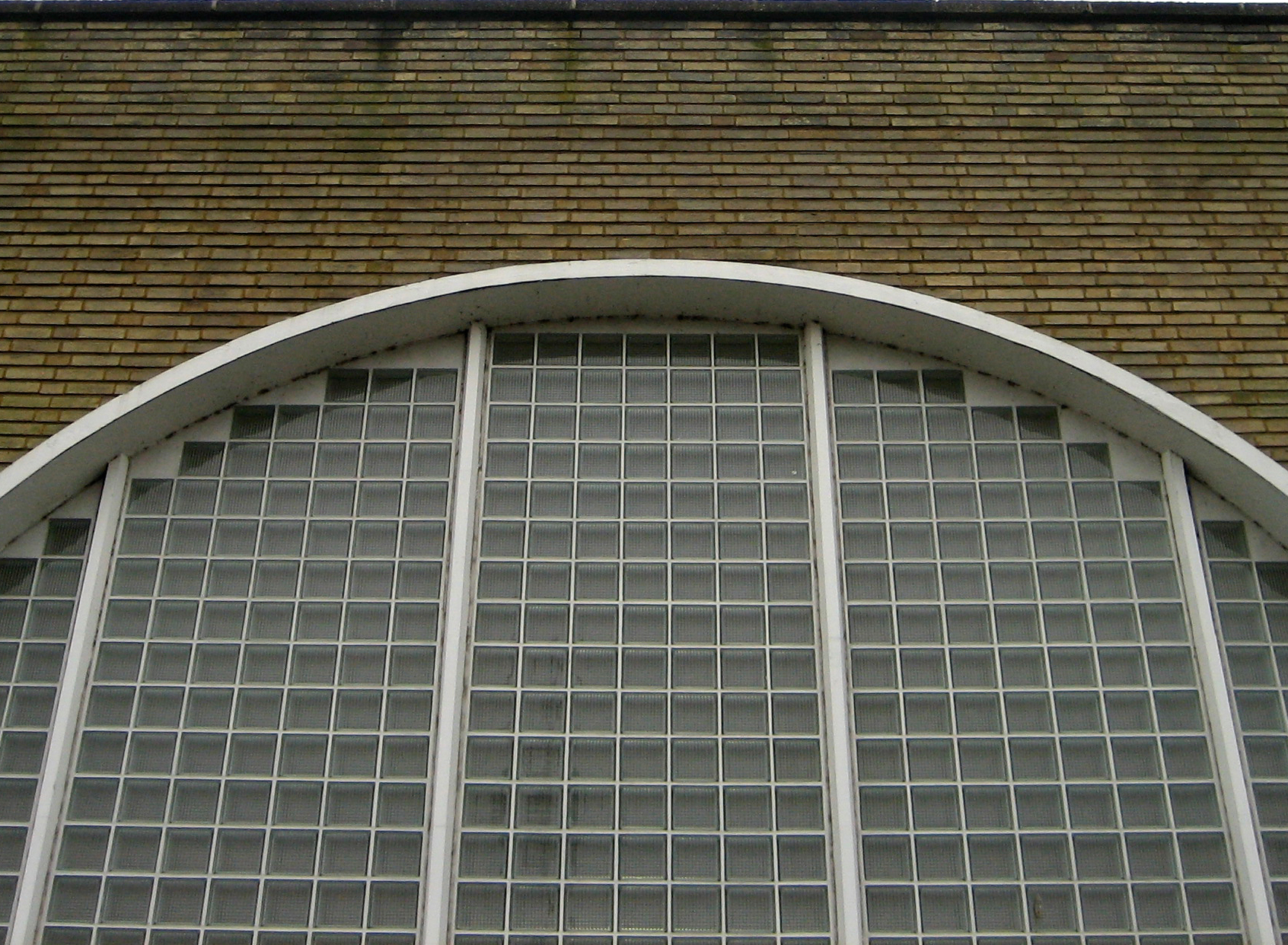
Three gracesBrick, concrete and glass: the holy trinity of Underground architecture.

Or, if you’re not of an ecclesiastical bent, the three graces. The three coins in the most fulsome of public transport fountains. The Alnitak, Alnilam and Mintaka in the constellation of London conurbations. The Holland-Dozier-Holland of…

OK, OK. Just three damn good things, used in a damn good way. Like here at Loughton, in the Grade II-listed ticket hall designed by John Murray Easton, opened just 12 days before Hitler invaded western Europe:

Three: the magic numberEaston was pencilled in to redesign all the stations on the Central line extension (previously the London & North Eastern Railway) from Woodford to Ongar. This is the only one he managed to see built, thanks to the Third Reich going on manoeuvres. It’s a massive shame, as the rest of this stretch of the line is decidedly underwhelming by comparison (it gets better – much better – back in zone 4).

Once again I wonder what railway users of the 1940s made of such grand architecture in such galling times.

I like to think they took to it instantly and enjoyed it as much as I do today, the magnificent arched window crouching above the entrance making you feel like you’re walking into some kind of box of delights (which you are).

Instead it probably got best-known as a place that provided a rich resource of nooks and shadows to trade gammon and cammy-knickers.

Much like present-day Essex*.

Postscript: looking back through photos I took of Loughton station in 2008, I notice the flower shop used to be called Pot a Fleurs – ah, such sweet pretension! – while the barber’s went by the rather dowdy name of Sideburns. And they ditched that for Homme Fatal?!

Turn Your Head and Coif*SATIRE.