 Autumn seems to suit Barons Court. I’ve been here at other times of the year and felt the station’s exterior looked a bit leaden and grubby, or too bland and sterile. But the soft light and sharp contrasts that you get on a sunny autumn afternoon flatter the place incredibly. The beauty of all the tiny details on the station’s rather intimidating walls is deepened, and the splendour of the building’s design is served up to you in generous, mellow-toned slices.
 Perhaps you need a particular kind of sunlight to pick out the care that has gone into the lettering on the station’s signage. Maybe the colour of the brickwork only comes into its own when shot through the prism of a bright October rather than a blistering July or dank December. Or perhaps it’s just that the building’s subtle hues sit best among the equally understated atmosphere that percolates right through this most gentle of seasons.
The effect is evident in the decoration both on the station’s front, and on – ahem – Barons’ green back. Good grief!
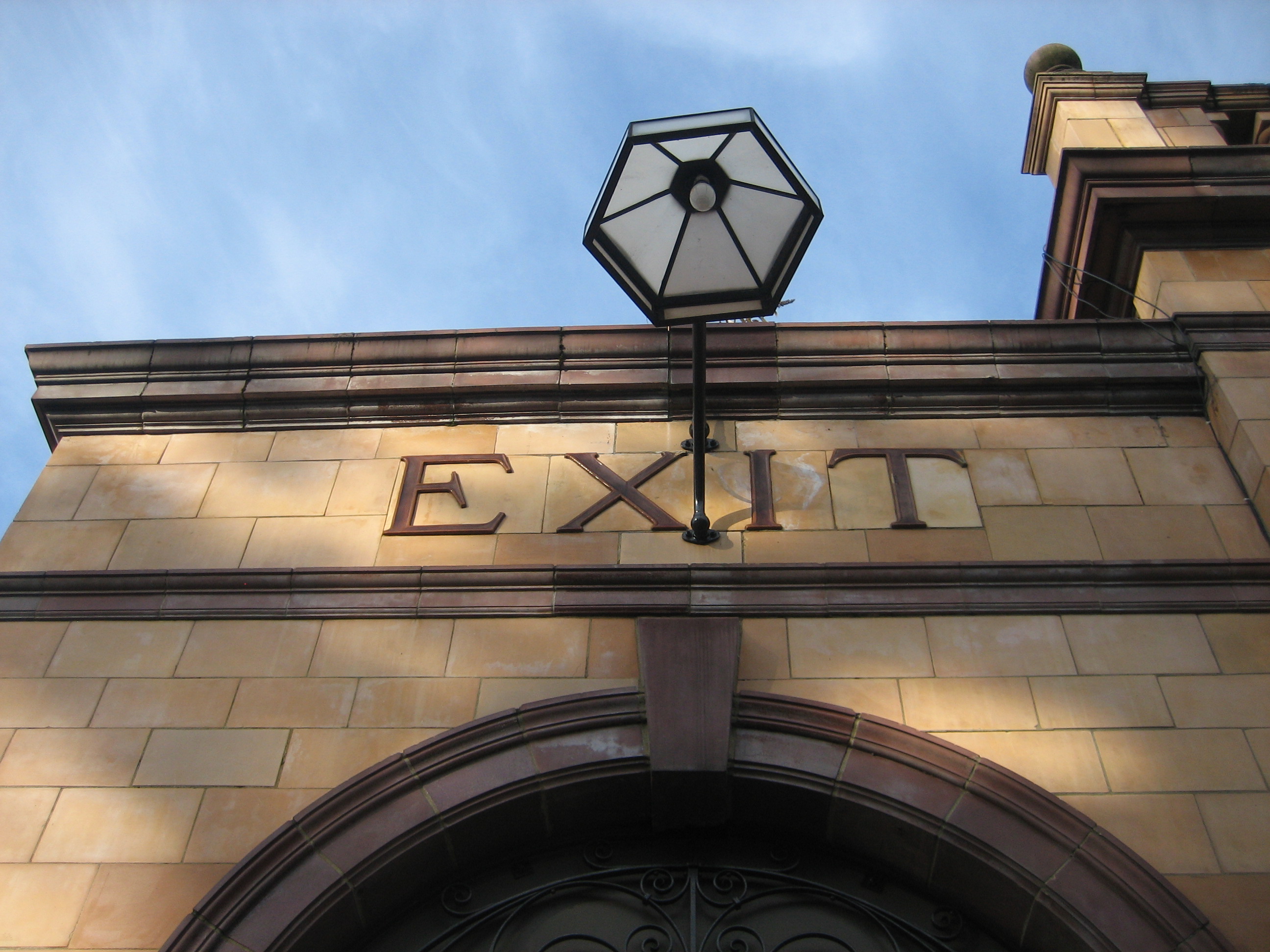 It’s all Grade II listed and was all the work of architect Harry Ford. It is stylish, and it is lovely, but it isn’t, as writer Mark Mason contests, “the most beautiful station not just on the London Underground, but in any world you, I or anyone else could possibly imagine.” Oh no. That honour lies elsewhere, with a station I’ve already celebrated here, and to which I’ll return again.


 150 great things about the Underground