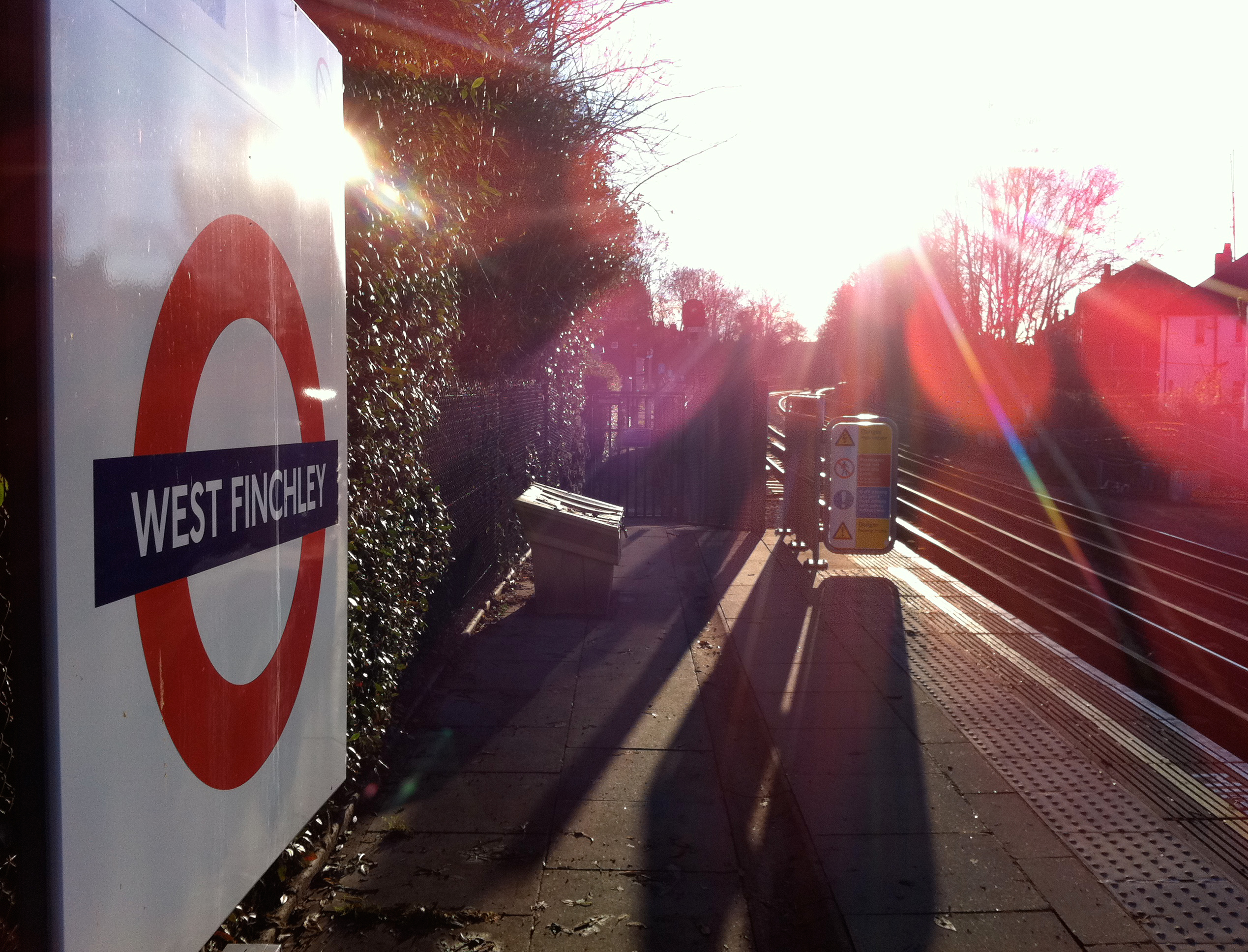
 He adored West Finchley station.
He idolised it all out of proportion.
No, make that, he romanticised it all out of proportion.
To him, no matter what the season was, this was still a place that existed in black and white and pulsated to the great tunes of something by Dennis Potter involving trains and tragedy, and which allowed him shamelessly to reference one of the finest opening sequences in cinema history, despite not having anywhere near the same style, wit or imagination.
Yes, he was too romantic about West Finchley. Yes, to him it was also a metaphor for the decay of contemporary culture. And yet, in its own restrained, sparse, under-used, over-played, half-arsed, romanticised, metaphorical way, West Finchley was his station… and always would be.
 I’d like to think everyone in London has special feelings towards their local Underground station. I’d like to think those feelings are mostly good-natured, though I’ll readily concede that’s not easy when your local station is Gunnersbury, Seven Sisters, or anywhere on the Bakerloo line north of Kilburn Park.
At the time of writing, my local station for five years has been West Finchley. I make no bones about the fact it was one of the reasons I chose to live in this area of north London. And I retain the same gushing affection towards it as I did the first time I ever had cause to pass along its platforms.
It’s not a very busy place. It’s staffed for only two hours on weekday mornings. At off-peak times, I’ll often find myself the only person waiting to get on a train, or the only person to get off. In both instances a part of my brain buried deep from any passing relationship with reality pretends it is me and only me for whom the station exists.
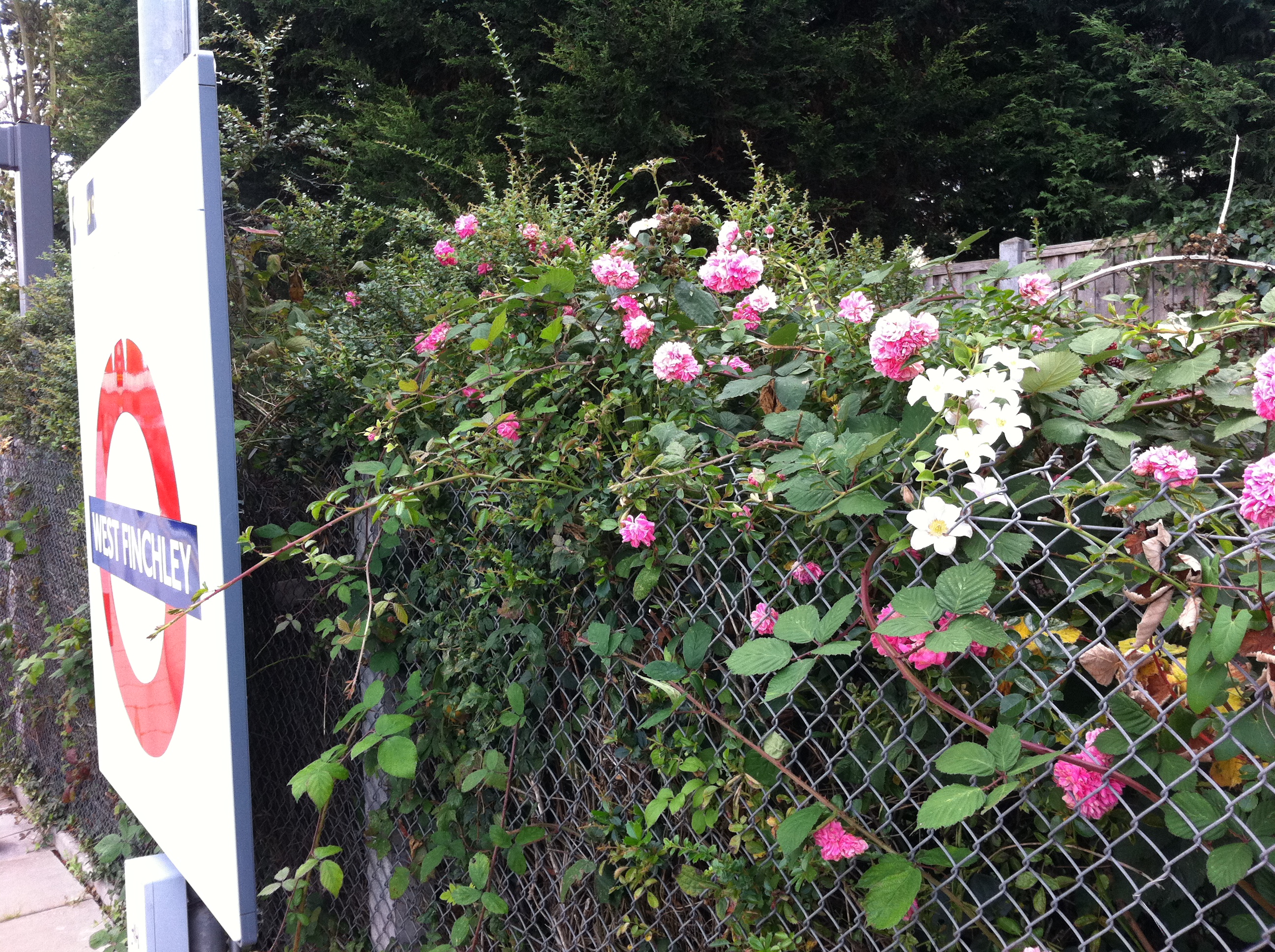
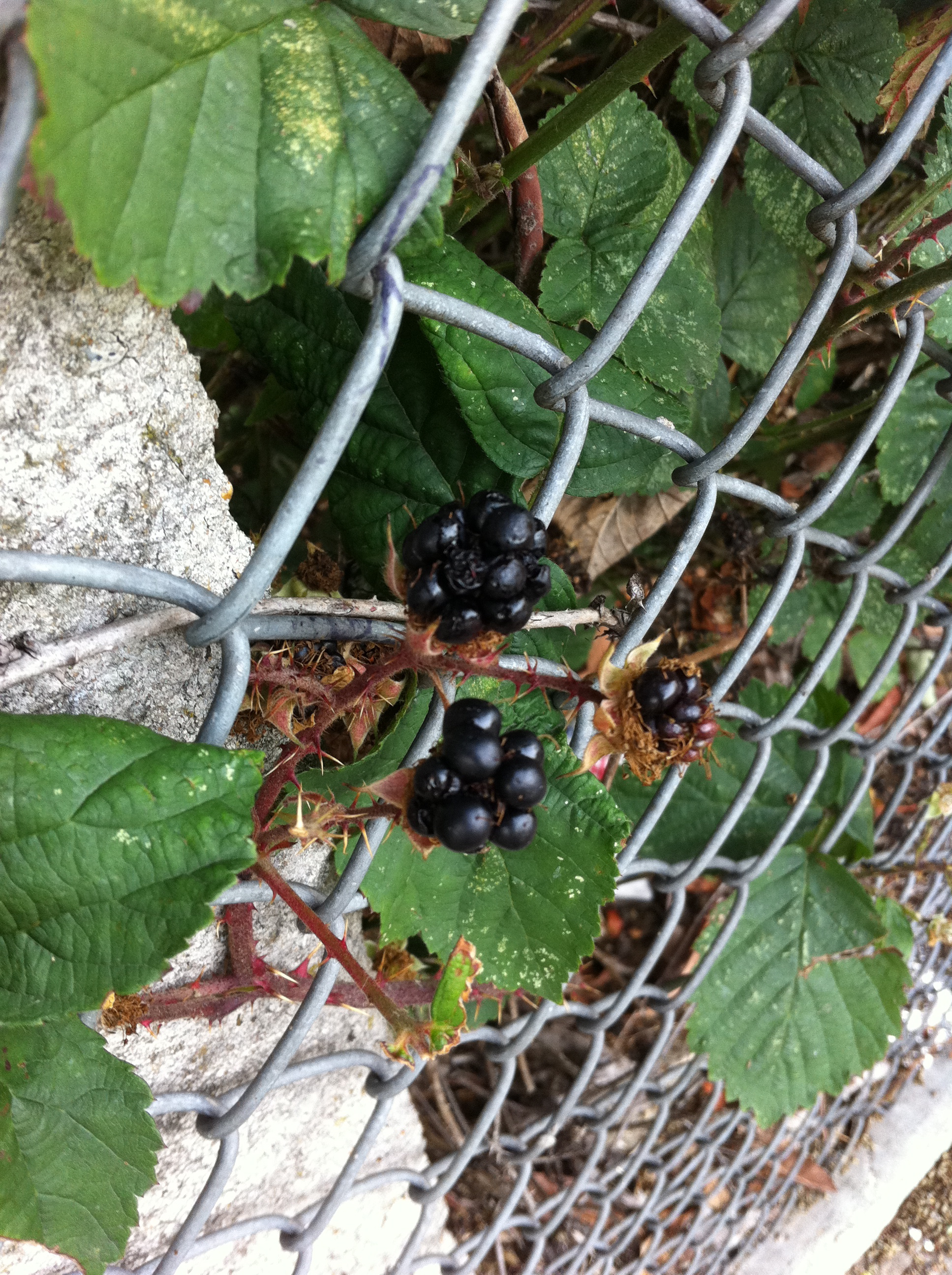 Fruit grows on the platforms of West Finchley. In summer, roses caress the barbed wire. In winter, robins perch on branches a few feet from your face.
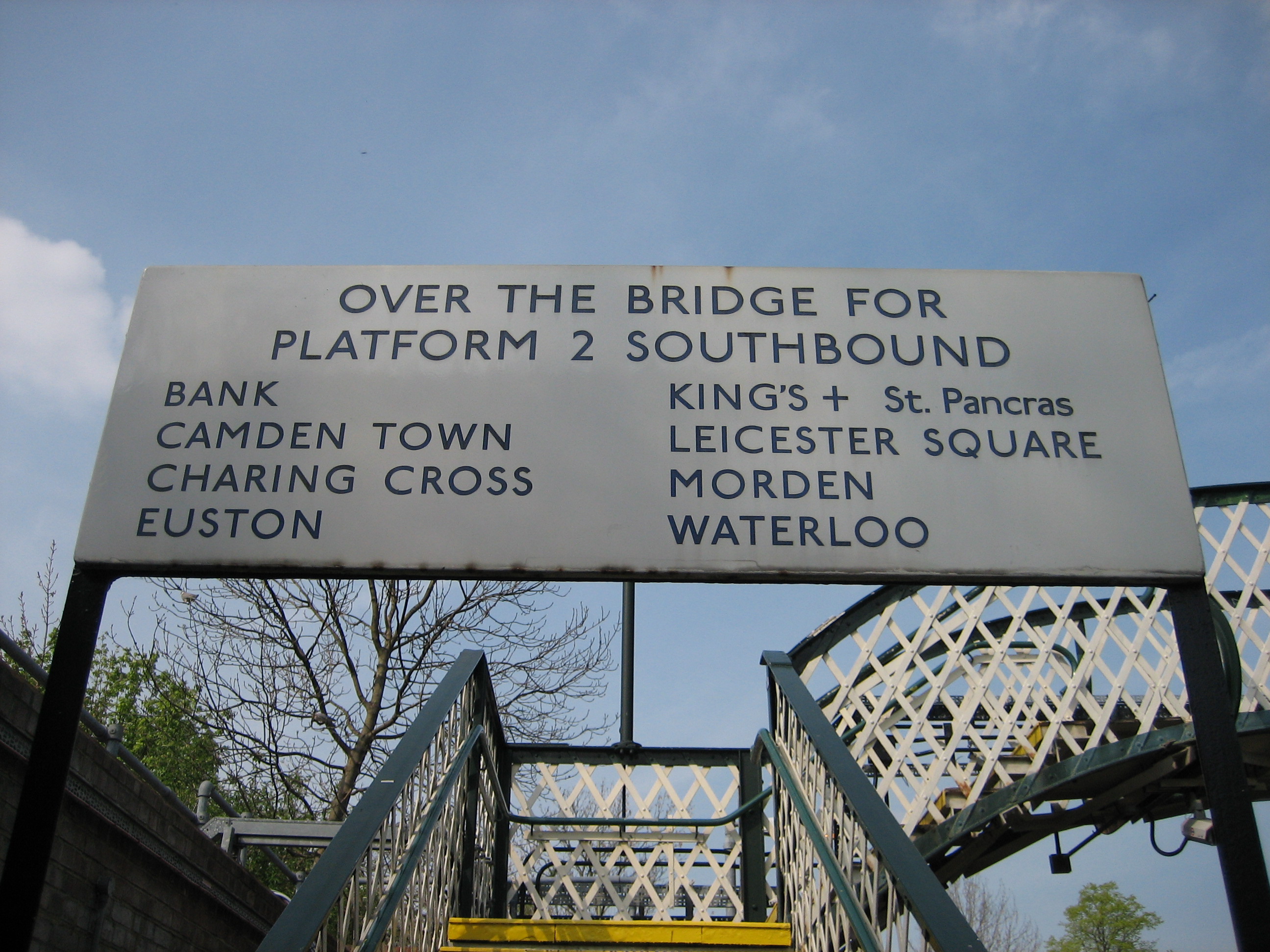
All the functional furniture of an overground Underground station – trackside cables, wires for the loudspeakers – is tucked out of sight behind bushes and trees. The automated announcements are turned down low out of respect for the residents of nearby houses. There are waiting rooms on both platforms, with electric fires. And there are toilets and pocket maps and guides for continuing your journey and benches and buttons to press for help in an emergency and a lovely great big old iron bridge that used to have a lovely great bit old iron sign above it:
 There’s also – shush! – a secret entrance. Transport for London describes West Finchley station as step-free, but unless you’re aware of the narrow passageway from an adjacent street that lets you on to the southbound platform, it’s the bridge or nothing.
To make this secret entrance even more of a secret, it’s only open for a couple of hours each morning. The rest of the time you need a special key to unlock the gates that guard the entrance. Such an arrangement could only exist, or rather only exist unnoticed, in a place like this, where things crossfade quietly between the quaint and the eccentric.
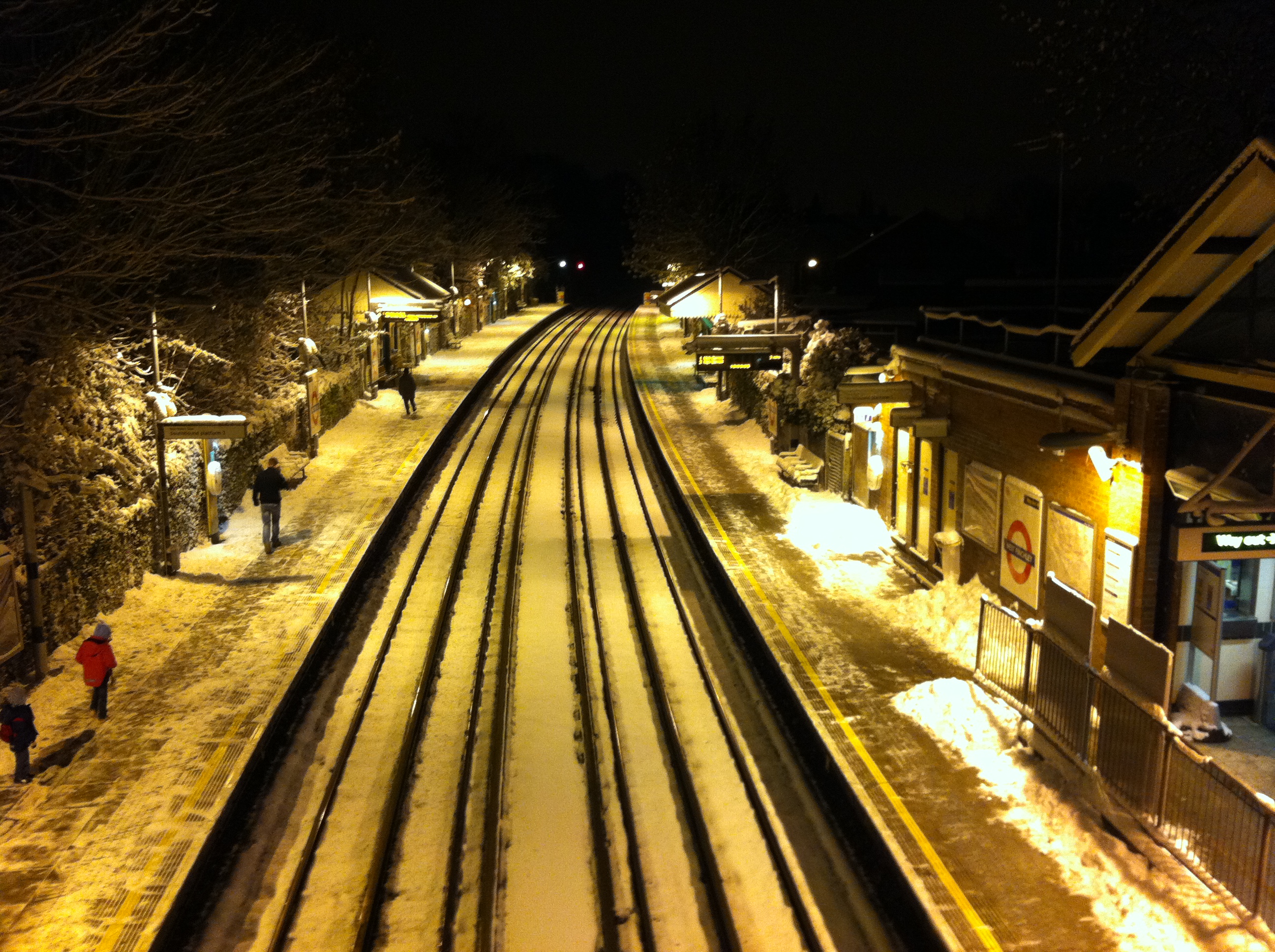 I’ve published this photo on the blog before, but I’m giving it another outing as I think it sums up for me what is the ultimate appeal of West Finchley station: its homeliness. Even in as extreme a concoction of weather, season and hour as this, the place still feels welcoming. It is safe and reassuring. It is somewhere you know you can trust. And, of course, for me it means just that: home.
I hope other people share similar sentiments about their own local station. West Finchley isn’t particularly special in the way most of the things on this blog are, in the sense of boasting great architecture or locations or even sensations. But it has the ability to be special to me. I might romanticise it out of all proportion, but that doesn’t harm anyone except myself. Which is what, ultimately, makes it so great.


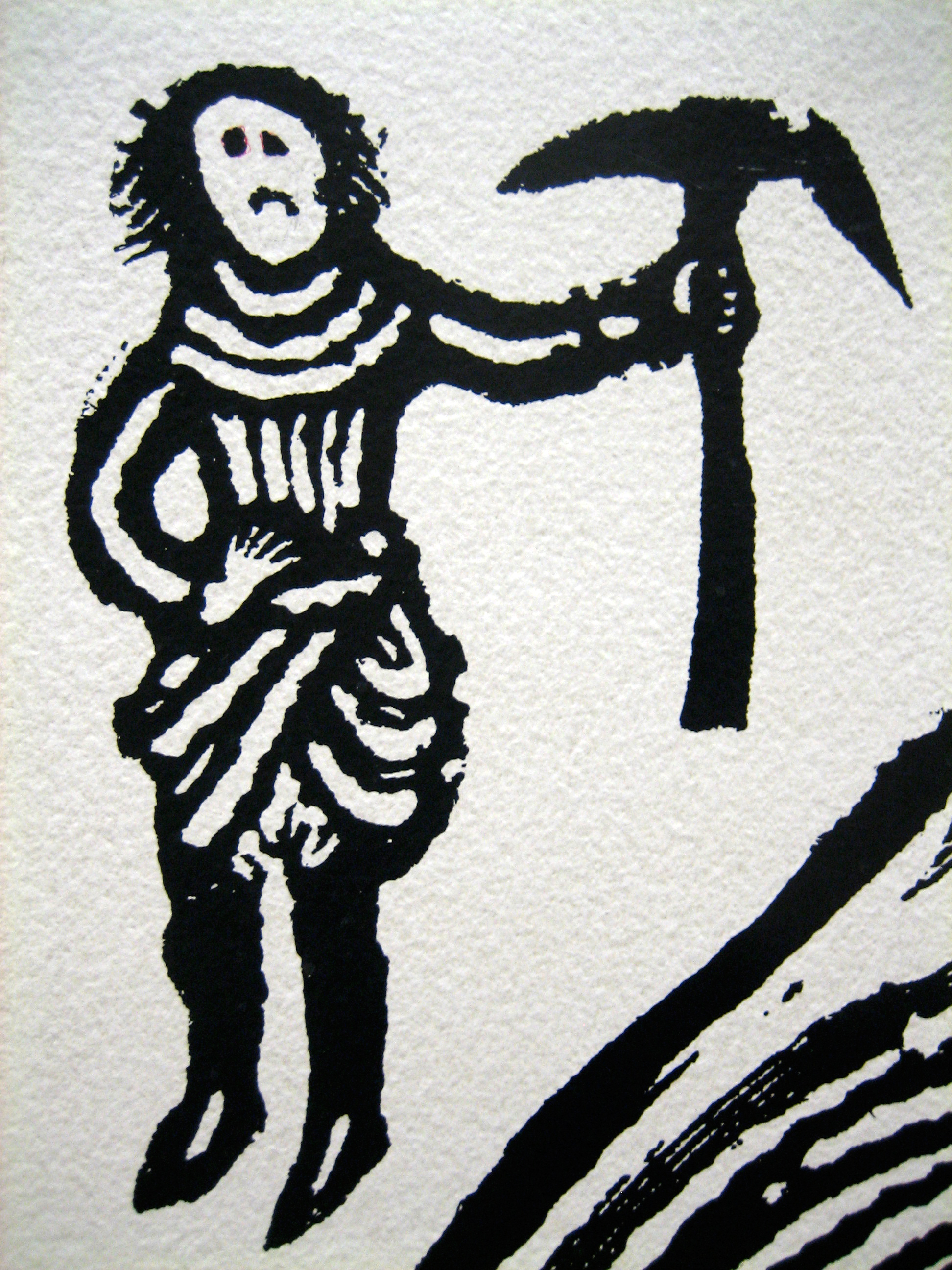


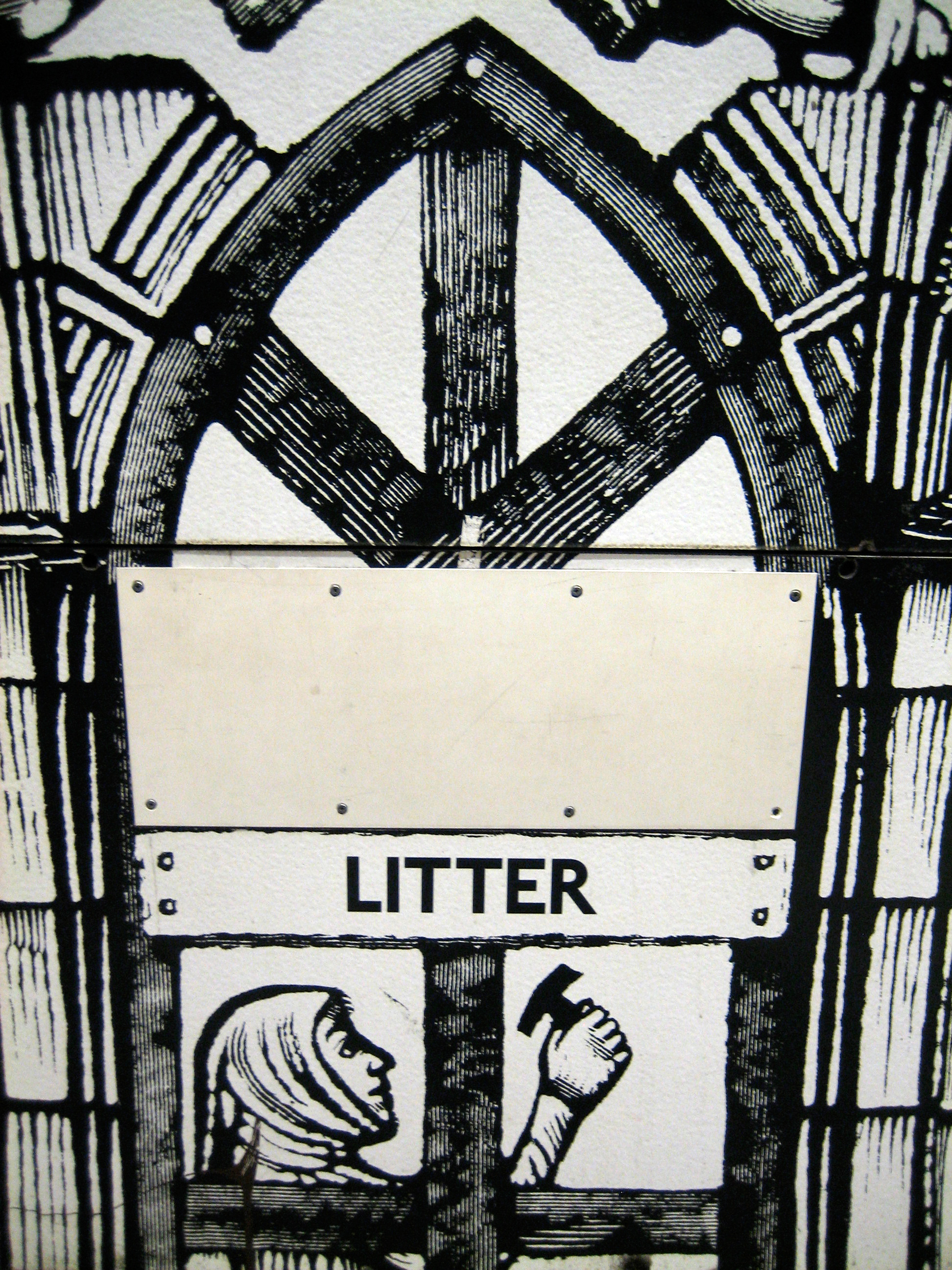
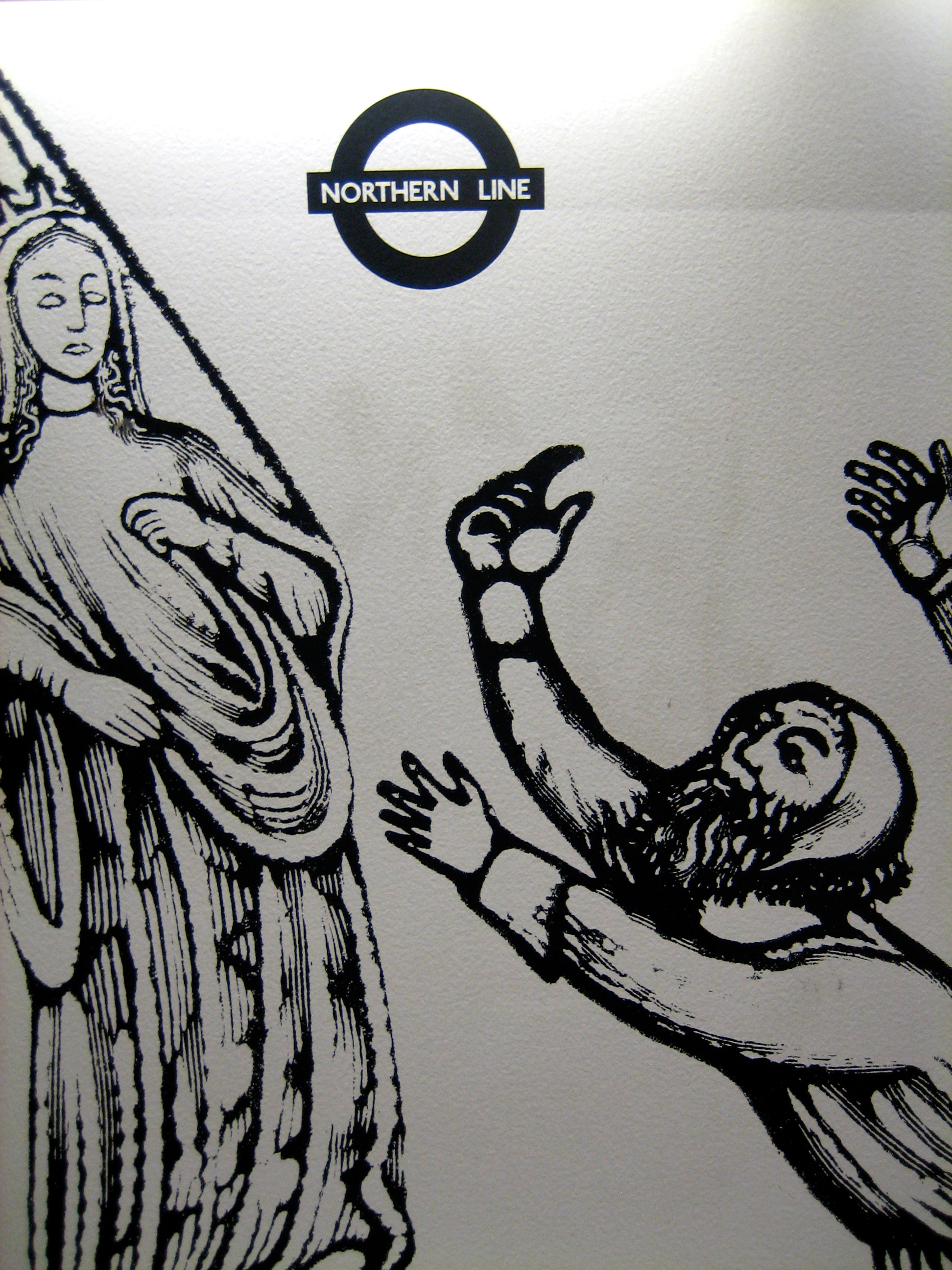
 150 great things about the Underground