Archive

Numbers 26-50

St John's? Would!The outside of St John’s Wood has been rather spoiled by the construction of a giant apartment block on top of the original modest and charming (now Grade II listed) building*.

But the inside is still worth commending. In fact it’s worth applauding:
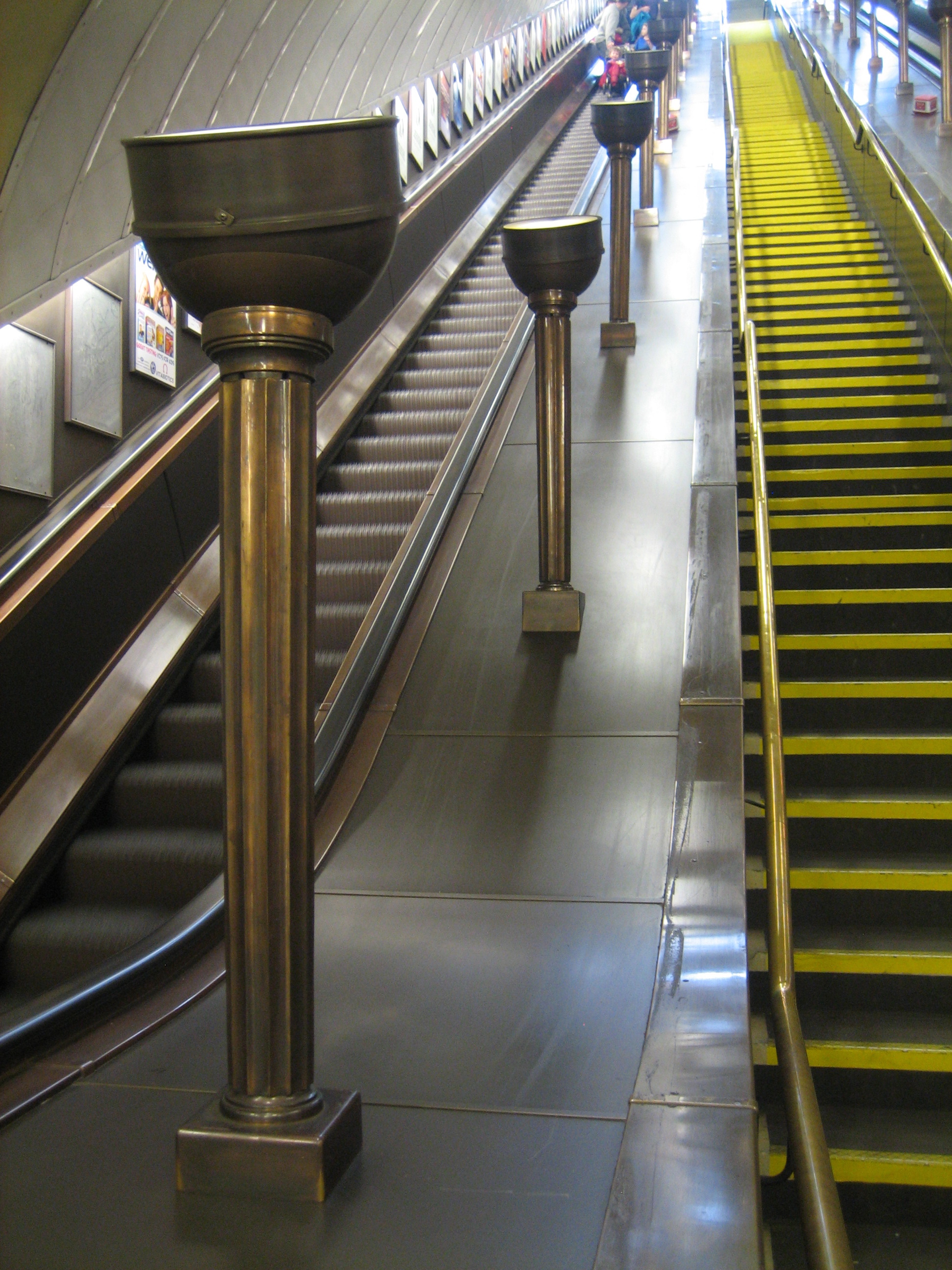
There is an uplighter that never goes outThe uplighters march up the escalators like a phalanx of benevolent brass-bound colonels, keeping you in line while guiding you safely and silently to your destination.

They have a simple elegance that somehow both calms and cools you down. I like the idea of having rich, dark furnishings inside an Underground station. As well as giving the place more beauty, they offset all the necessary but sometimes overbearing bright walls and ceilings.

St John’s Wood station opened in 1939. I think – I hope – these uplighters date from the same time.

Ditto their lovely little brother, which Transport for London should manufacture as bedside lights. I’d buy one:

Want.*Though I can’t deny the idea of living directly above an Underground station doesn’t have an appeal

God's Wandering RelicsAnother unexpected find. These benches must be at least almost a century old, for they bear the emblem of a company that helped to build and run this stretch of track long before anyone thought or tried to stitch together a single, unified Underground.

They’re on the Hammersmith platforms that are served by the Hammersmith and City and the Circle lines. It’s a chunk of the network that’s been subject to a number of revamps and rebrandings during the last 150 years. Decades ago it was the Metropolitan line that terminated here; centuries ago it was the Hammersmith and City Railway.

Each name change brought its own batch of new signs, furnishings and corporate clutter. Much will have been cleared up and thrown away down the years. But these benches have somehow survived, and they bear the imprint of the Great Western Railway: the company that helped build this bit of the line all the way back in 1863-64.

GWR: God’s Wonderful Relics, Granted Wise Reprieve.

Granted Wasteful Reprieve

Knock on OakwoodBy way of illustrating who wins in a Holden v Green contest, here’s an example of the former’s architectural genius just a few stops up the Piccadilly line from the latter’s Caledonian Road.

The inside of Oakwood, which opened in 1933, is a vast, dazzling playground of modernist design.

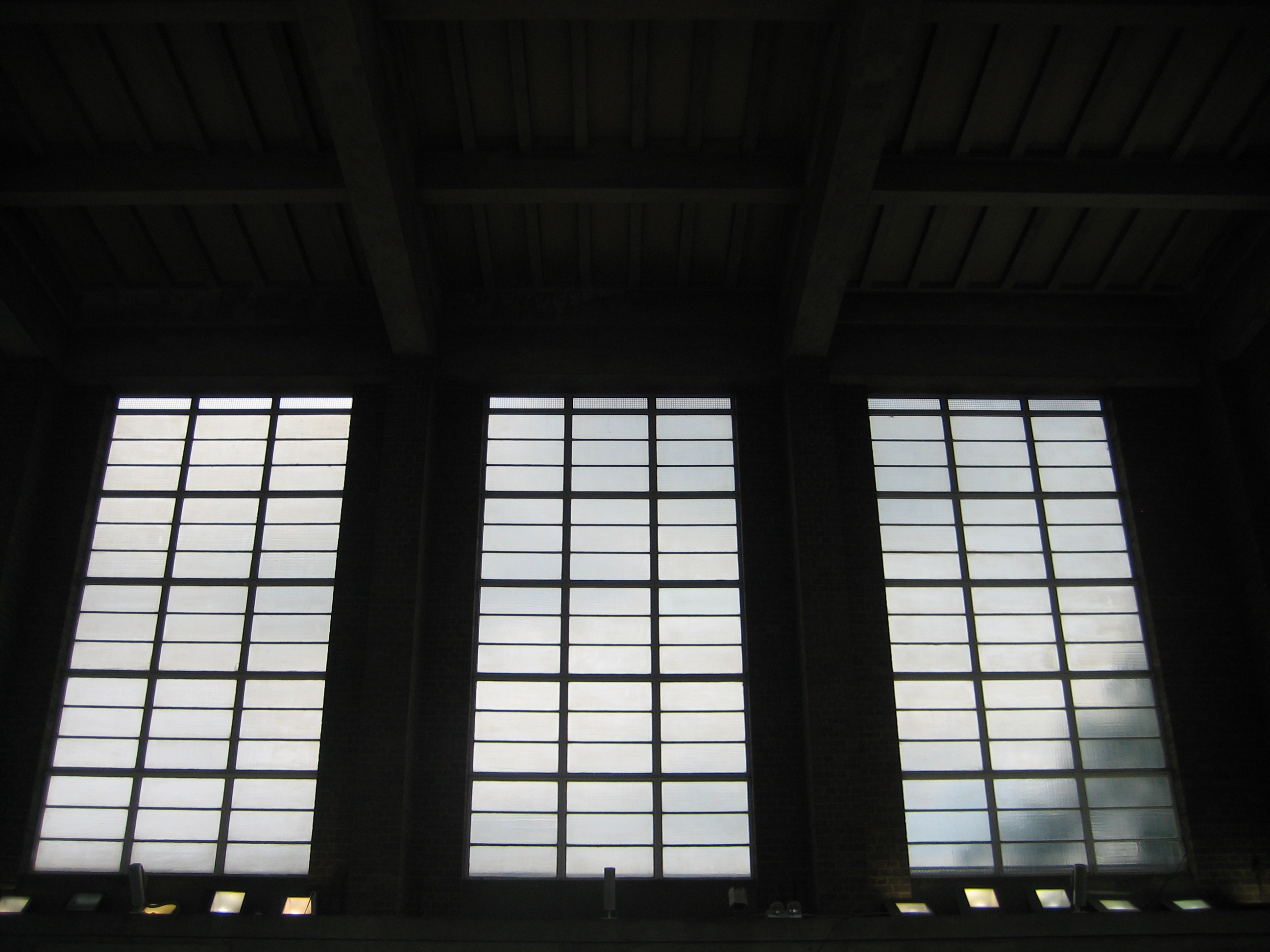
The building is, frankly, enormous, the sort more common to a mainline station than a mere metropolitan network. Those excitingly mammoth windows pictured above send natural light pouring into the sleek and spacious booking hall, in turn creating all sorts of bewitching shadows and illuminations.

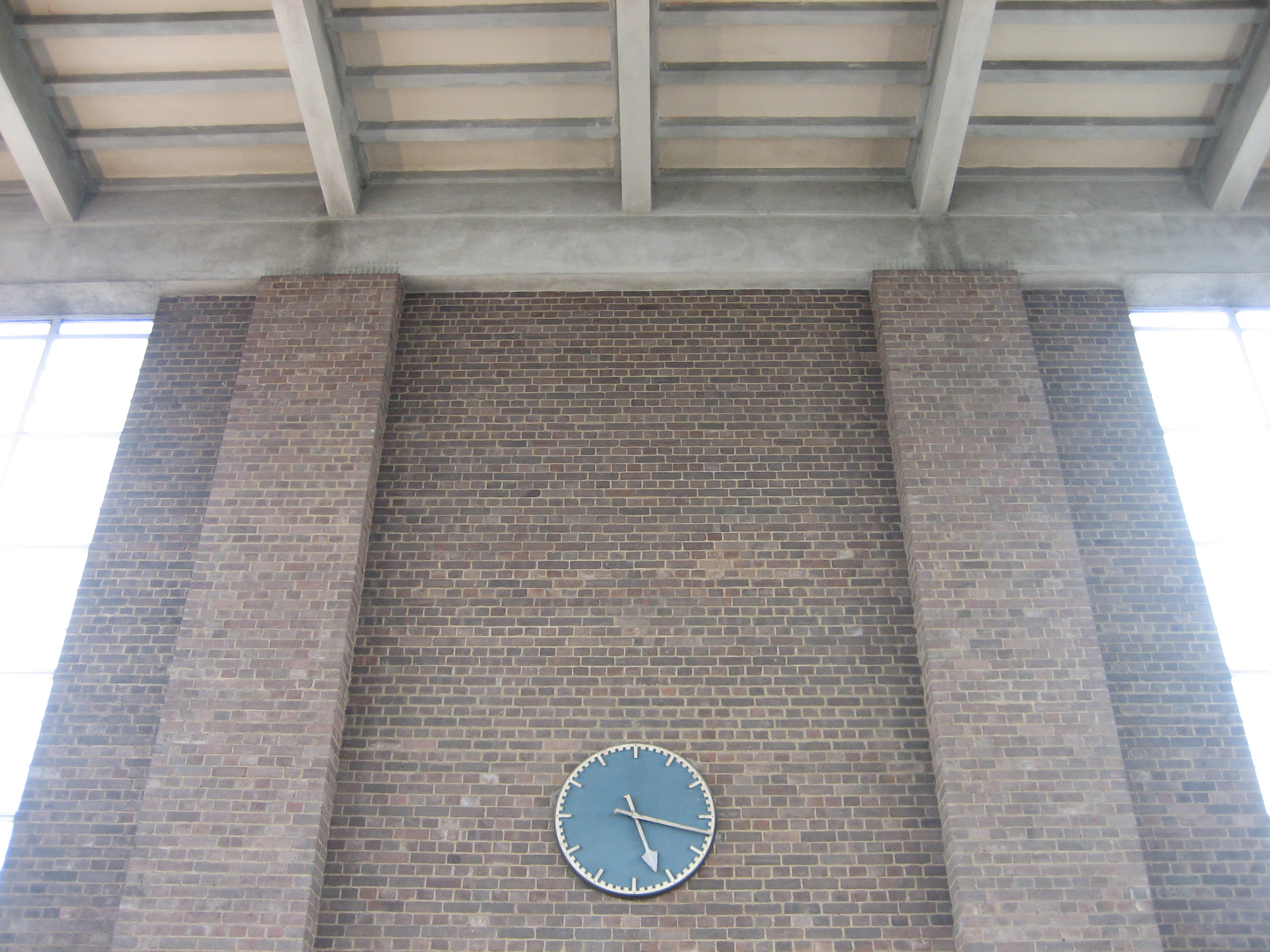
Then there’s the ceiling, a giant’s crochet of great hunks of cement, perched on top of massive walls of clean, crisp, perfect-aligned brickwork. There’s no need for ornamentation or extra decoration or even much in the way of colour. The station’s design creates its own beauty. Nothing more needs to be added.

Well, except for one neatly-positioned, charmingly-crafted clock:

Sign o'the timeThe scale and ambition of the place caught my breath. I stopped in my tracks when I walked in, stunned by what was around me. I tried to linger as long as I could before inviting suspicion from passengers and staff, none of whom seemed to be lifting their eyes a few feet above the ground.

A shame, because we are blessed and incredibly flattered by buildings like this. Apologies for sounding painfully preachy, but it feels, well, really quite humbling that someone thought it worth bestowing so much love and attention on such as ostensibly functional assignment.

Three cheers for Charles Holden!

(And I haven’t even started on the exterior of Oakwood… not to mention the platforms…)

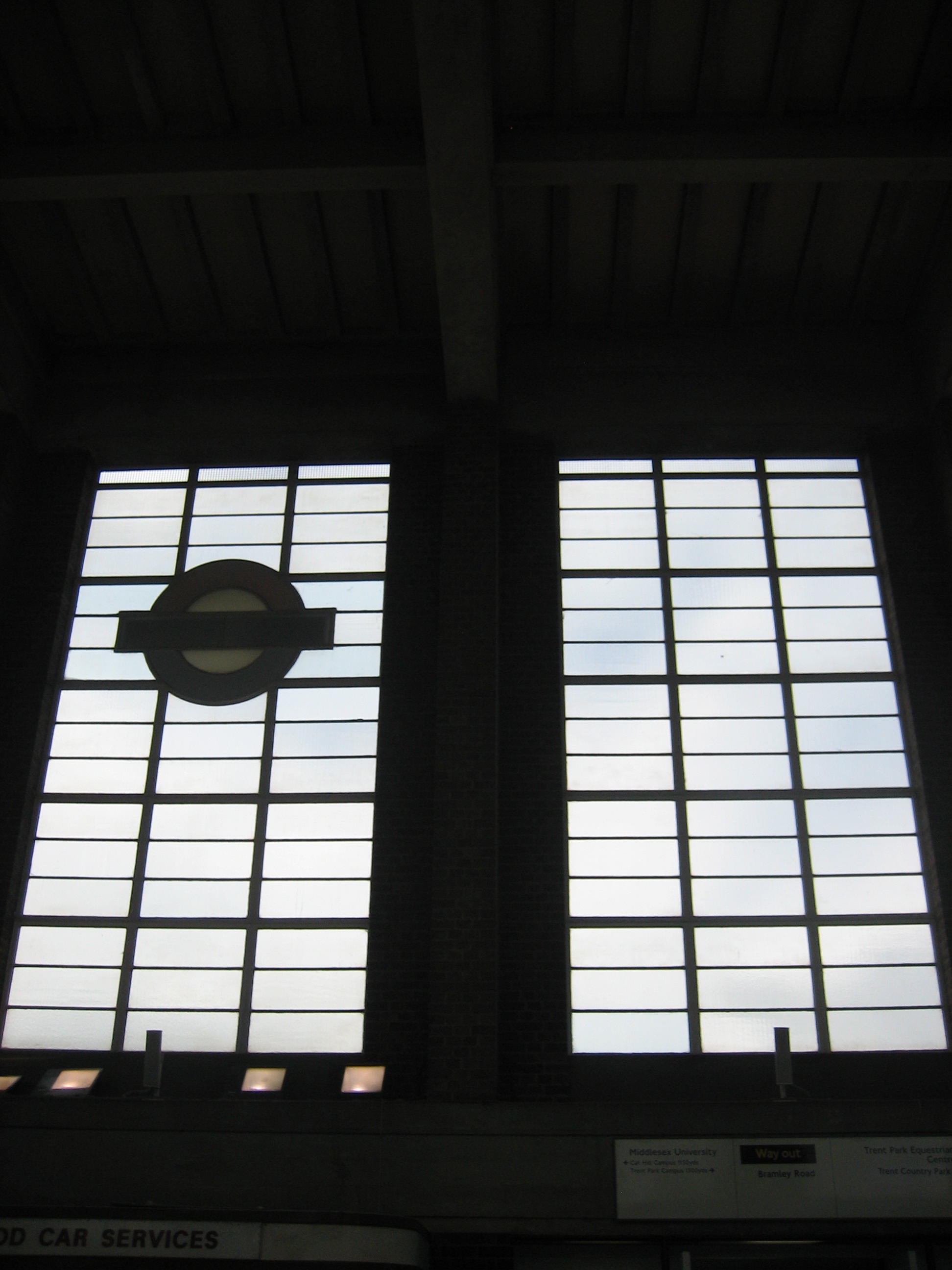
Let's go through the roundel window