Archive

Objects

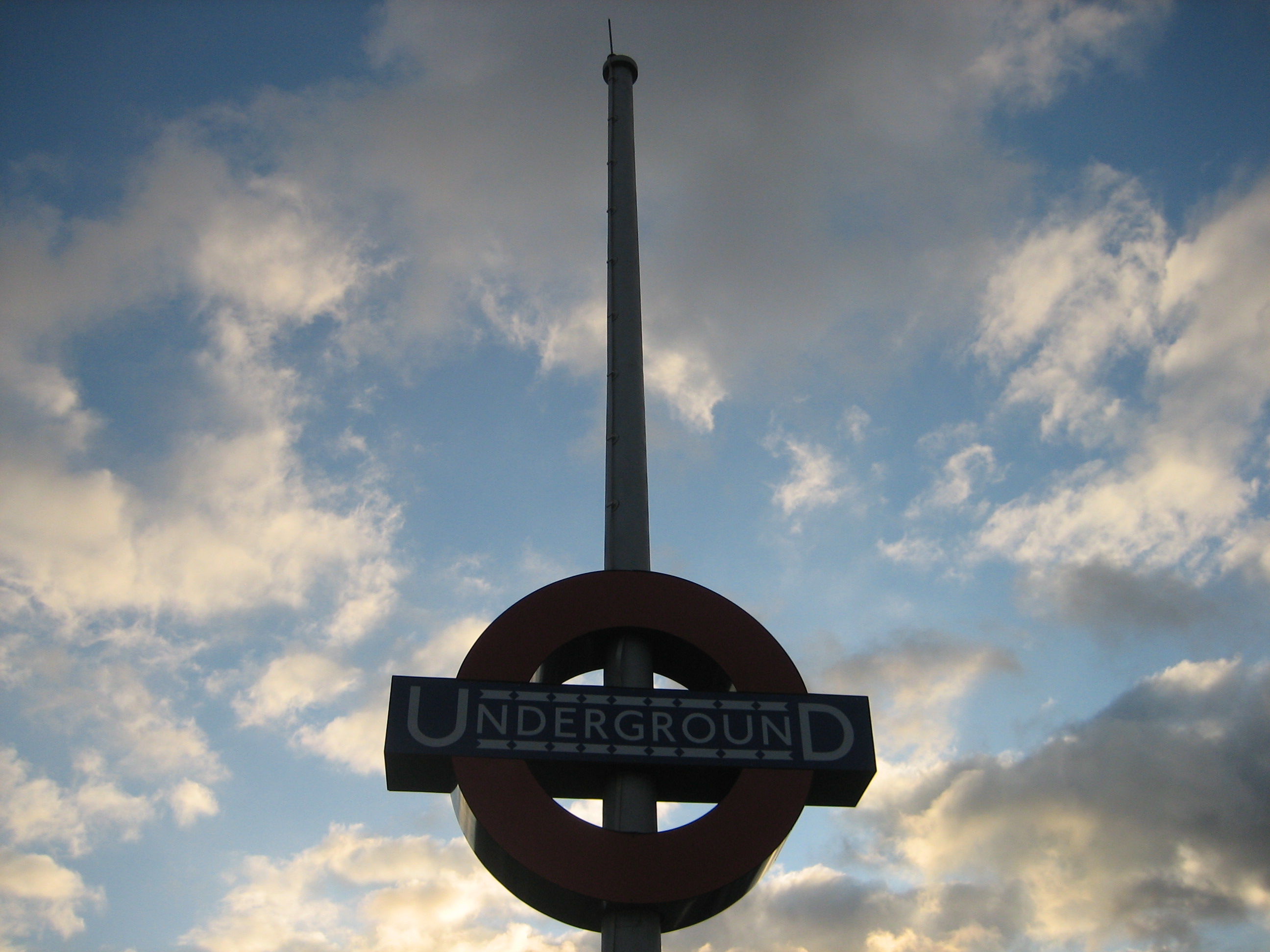
Fit for a QueensburyThis is the first item I’ve included in my quest about which I know almost nothing. I confess I’ve no idea when precisely it was built, nor who by. I haven’t a clue as to the designer. I’m not even entirely sure what to call it. A monument? A turret? A freestanding feature?
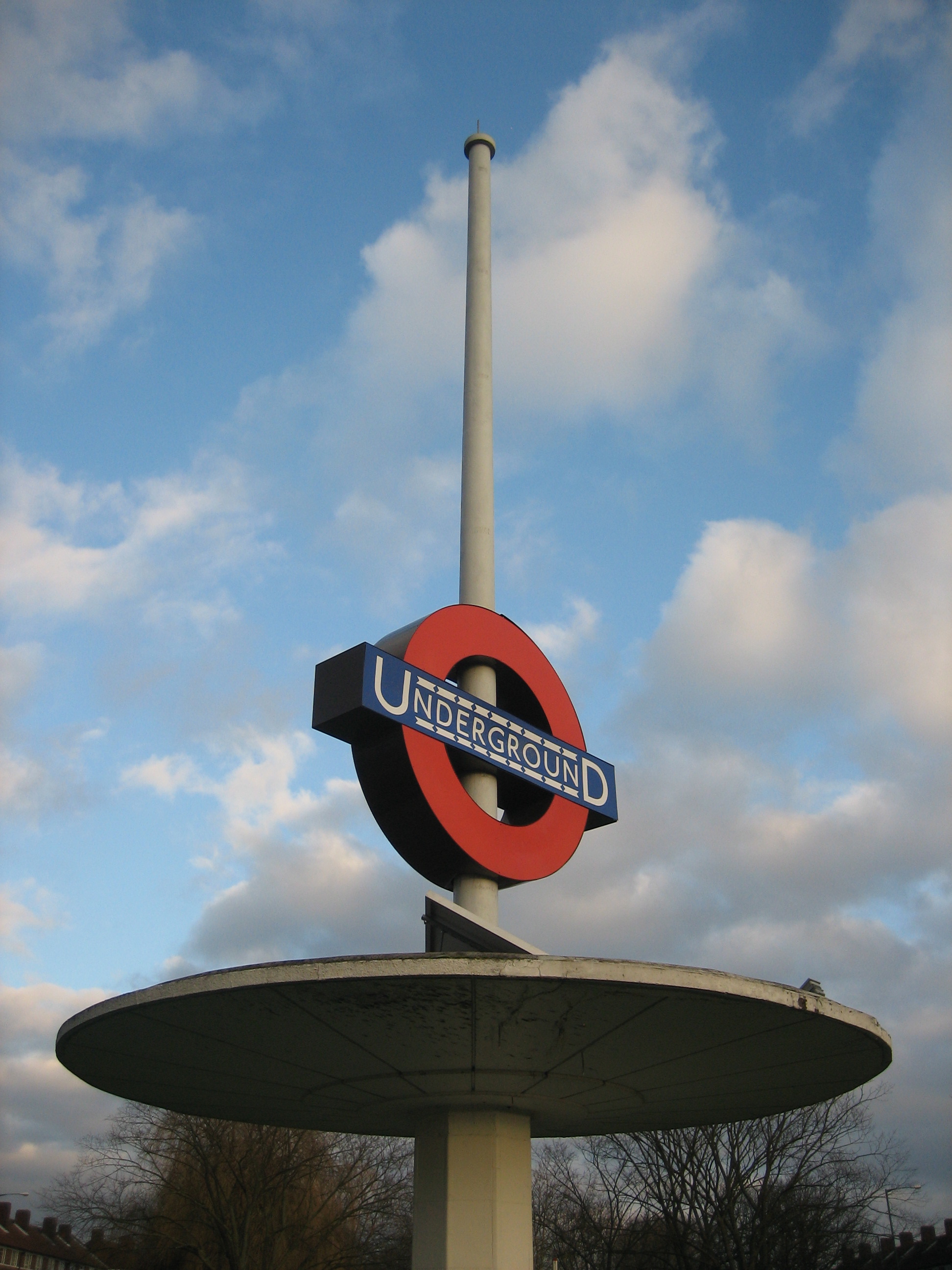
Dish of the dayIt’s not just the object itself that’s striking; it’s also where it is positioned:

Urban urbaneWhat a finely-conceived, thoughtfully-implemented bit of suburban planning.

I’m guessing the whole area was laid out around the same time as the construction of the station, which opened in December 1934.

Hopefully whoever did it received some sort of municipal honour or local corporation tie. Cleverly (but sensibly) the Underground roundel is visible from a number of approaches, including the far end of the long slice of green that stretches away from the roundabout and behind the point from which I took the above photo.

All the roads, paths, shops and houses fan out from the station – as they should. And there, right at the point where all the trajectories meet, is… is…
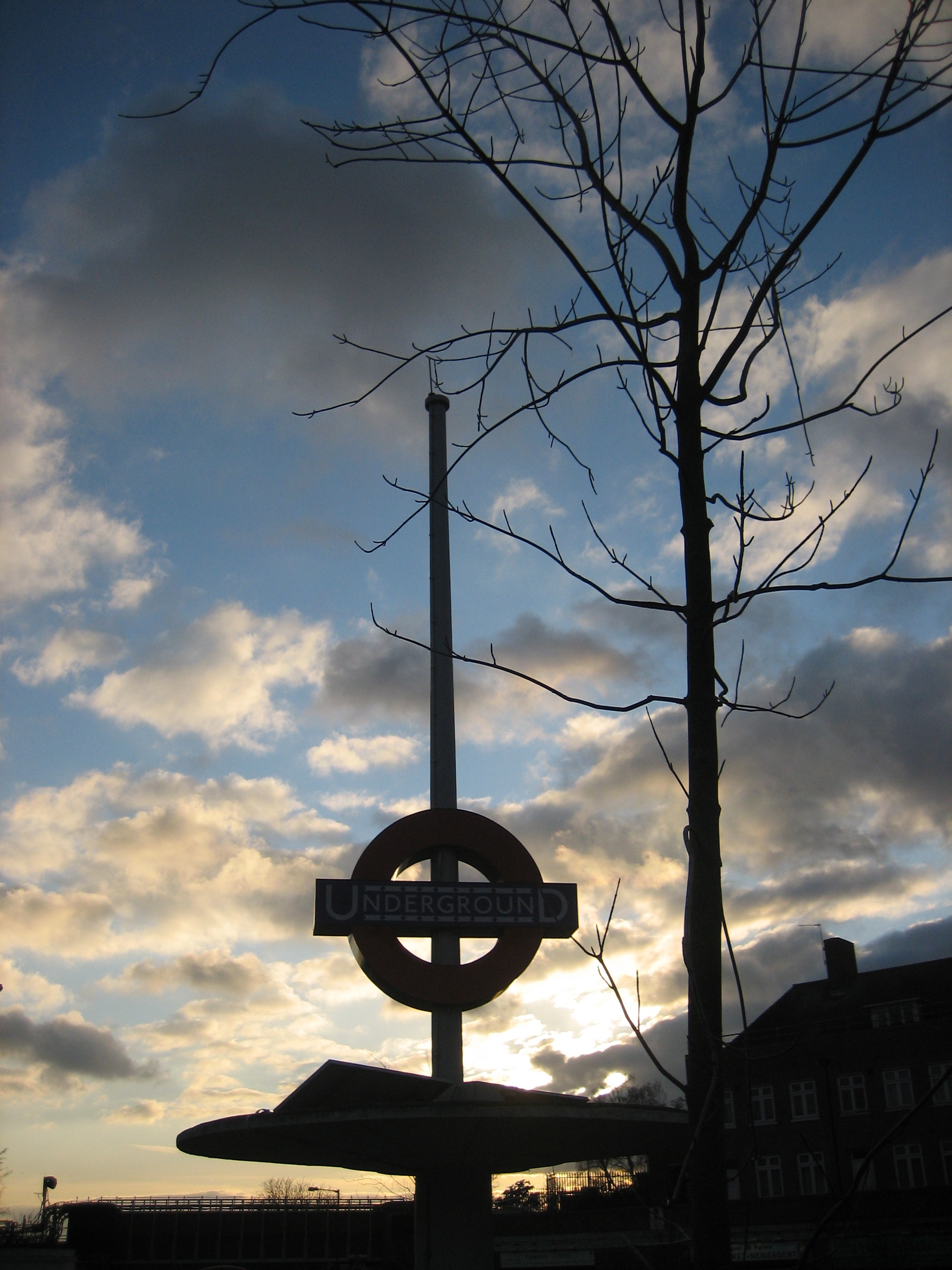
Lovely erection (steady now)Whatever it is, it’s a bit special.
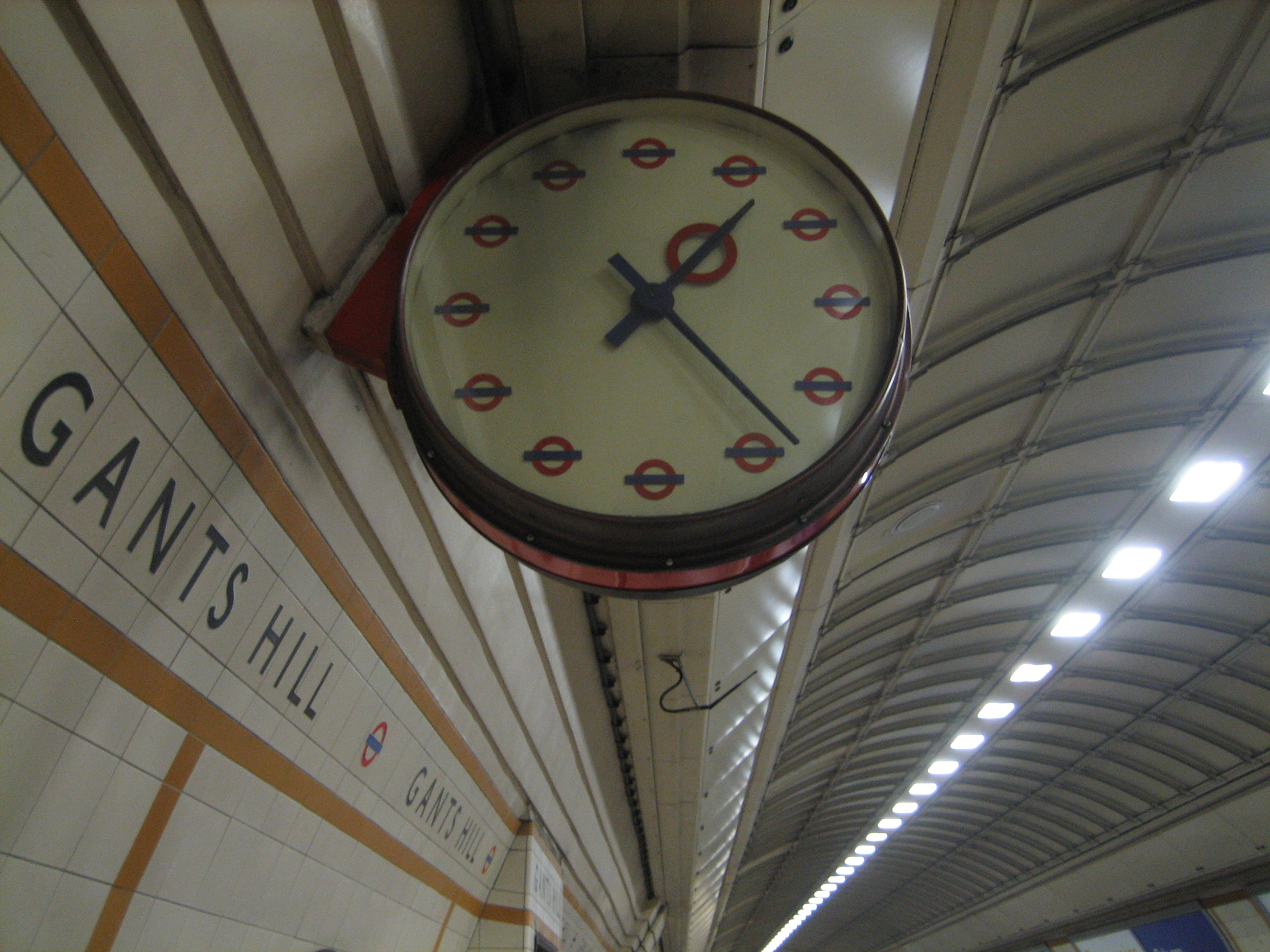
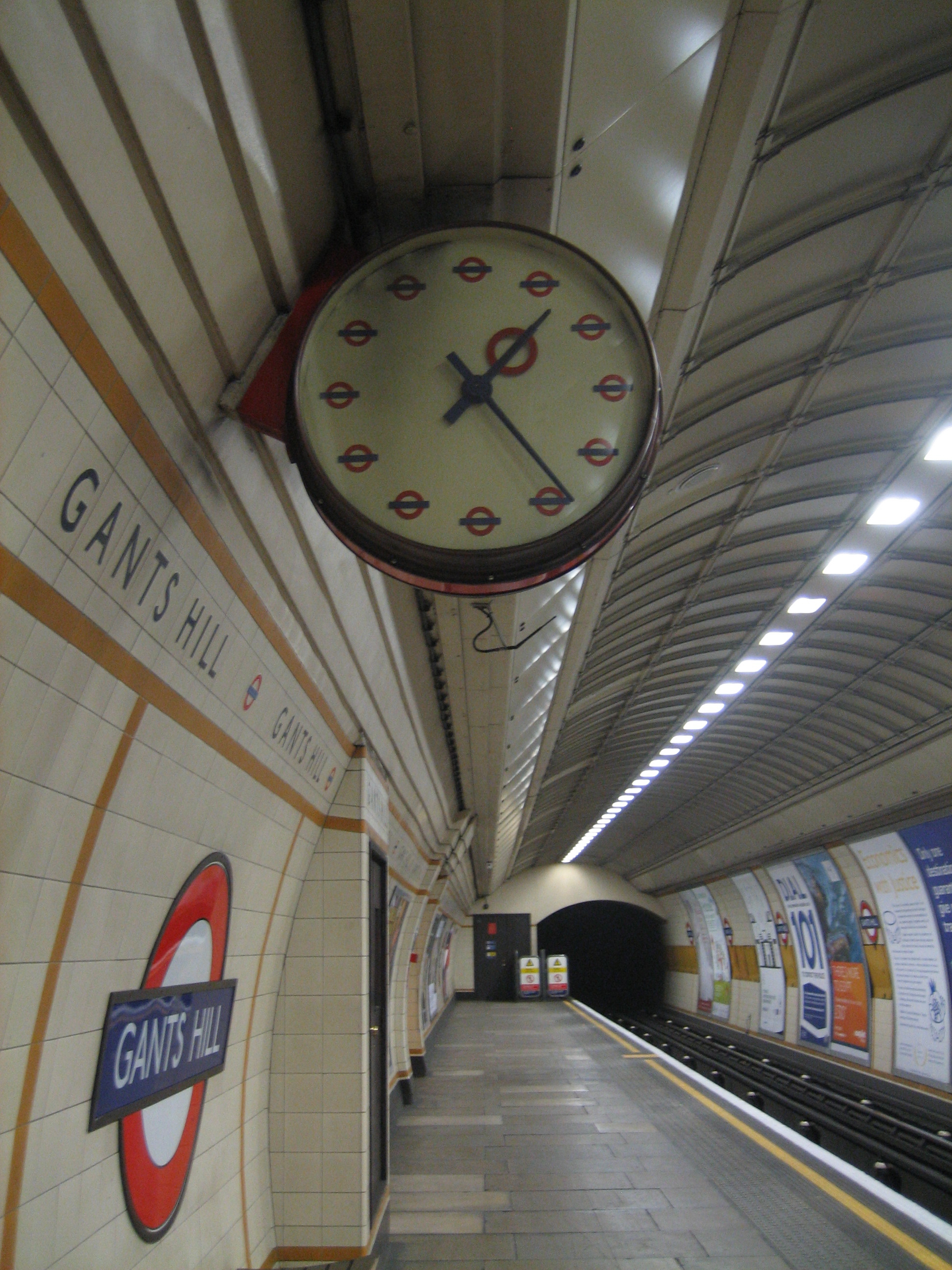
Telling the time, sensibly, steadilyThey’re not ideal if you’re trying to teach someone to tell the time. In fact they are useless. But in every other regard – which admittedly are not many – the platform clocks at Gants Hill are to be praised.

In a station graced with more eye-catching features than most, thanks chiefly to the inspired machinations of its architect Charles Holden, the clocks are understated gems.

Their design could be said to be informed by the same principles that guided Harry Beck towards his groundbreaking London Underground map: that less is sometimes more; that information should be there to serve others and not simply itself; and that on occasions the fundamentals of time, place and space are not actually that important. After all, a glance at the hands of a clock are all most of us ever want or need.

They also boast an abundance of Underground roundels – and, let’s be honest, you can never have too many of them.

Gants for the memory

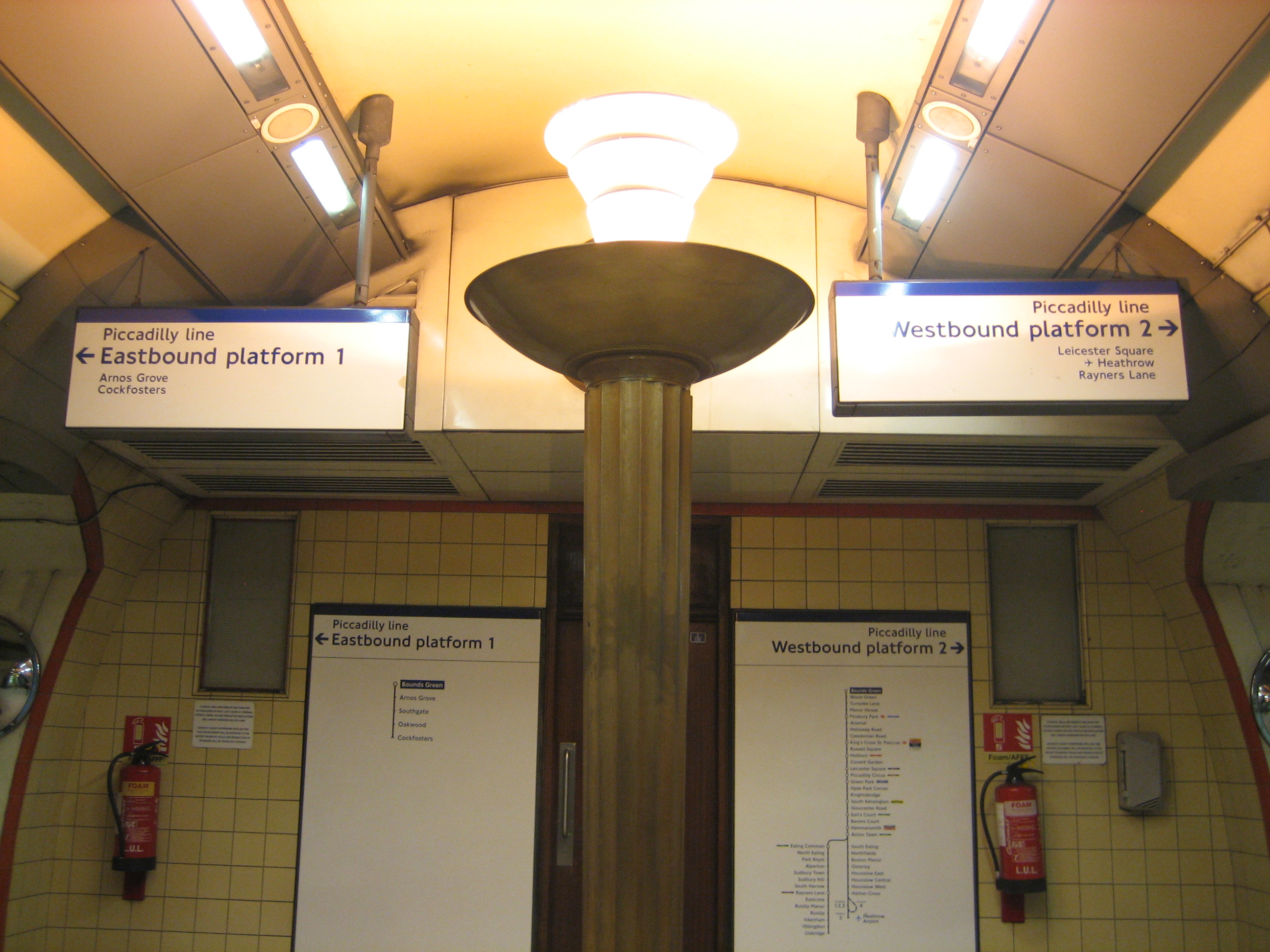
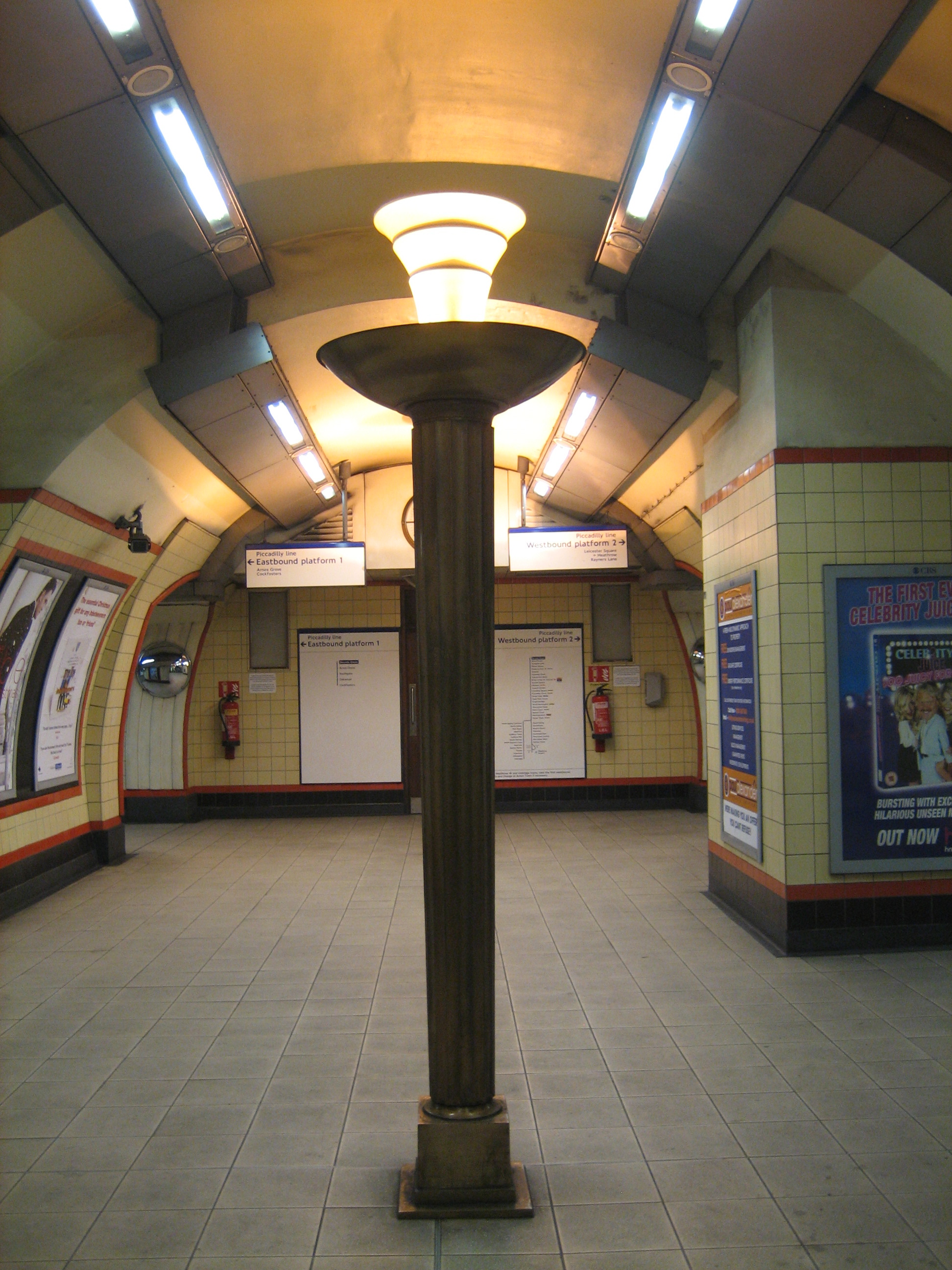
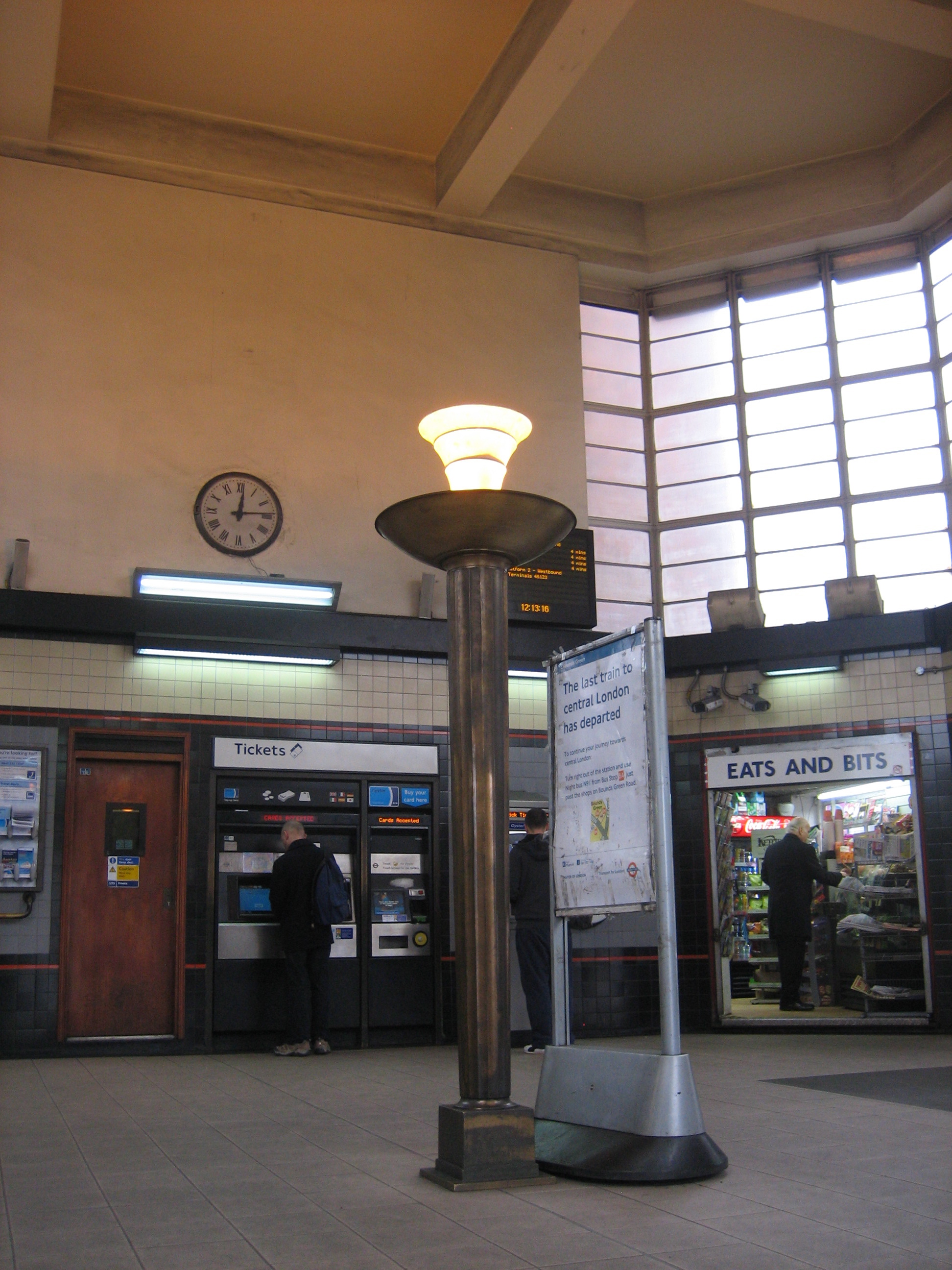
Light fantasticThe northern end of the Piccadilly line is without doubt going to feature many times in this blog. It probably boasts the most concentrated array of delights to be found on the London Underground network. I may as well admit right now that some of its stations will turn up here more than once. That’s certainly true of Bounds Green, where three of these beautiful objects live:

Glory Bound(s)The trio of bronze uplighters, two in the passageway between the platforms and one in the entrance hall, were the work of a man who is also going to make repeated appearances in this blog: Charles Holden.

The design dates back to 1932, the year Bounds Green station opened and from a time when the Underground was being subject to a complete reimagining in size, look and feel. Or rather, a complete imagining, seeing as how up until that point, nobody had seriously thought of or tried to conceive of the Underground network as one thing. Specifically, one thing that was deserving of coherent branding, original design and unique architecture. Holden and his management sponsor Frank Pick did. SPOILER: their efforts will probably comprise, oh, at least one-fifth of my 150.

Eats and BitsThe uplighters at Bounds Green, besides being Art Deco at its functional finest, create a cosy, comforting atmosphere: perhaps not the most obvious of environments for the likes of Eats and Bits, but very much in keeping with the thinking of their designer. I’m not going to disagree with him. After all, Underground stations should be places you want to be, that you feel pleased and proud to be stepping into, and not just locations from which you want to flee as soon as possible and in which you’re loathe to dwell.

But there’s more to marvel at Bounds Green station than just three exquisite illuminations. I’m already looking forward to going back.