Archive

Zone 1

Down the drainI always feared this blog would go down the drain once I’d passed the halfway mark. So I thought I’d embrace the inevitable, and celebrate the finest drain of them all.

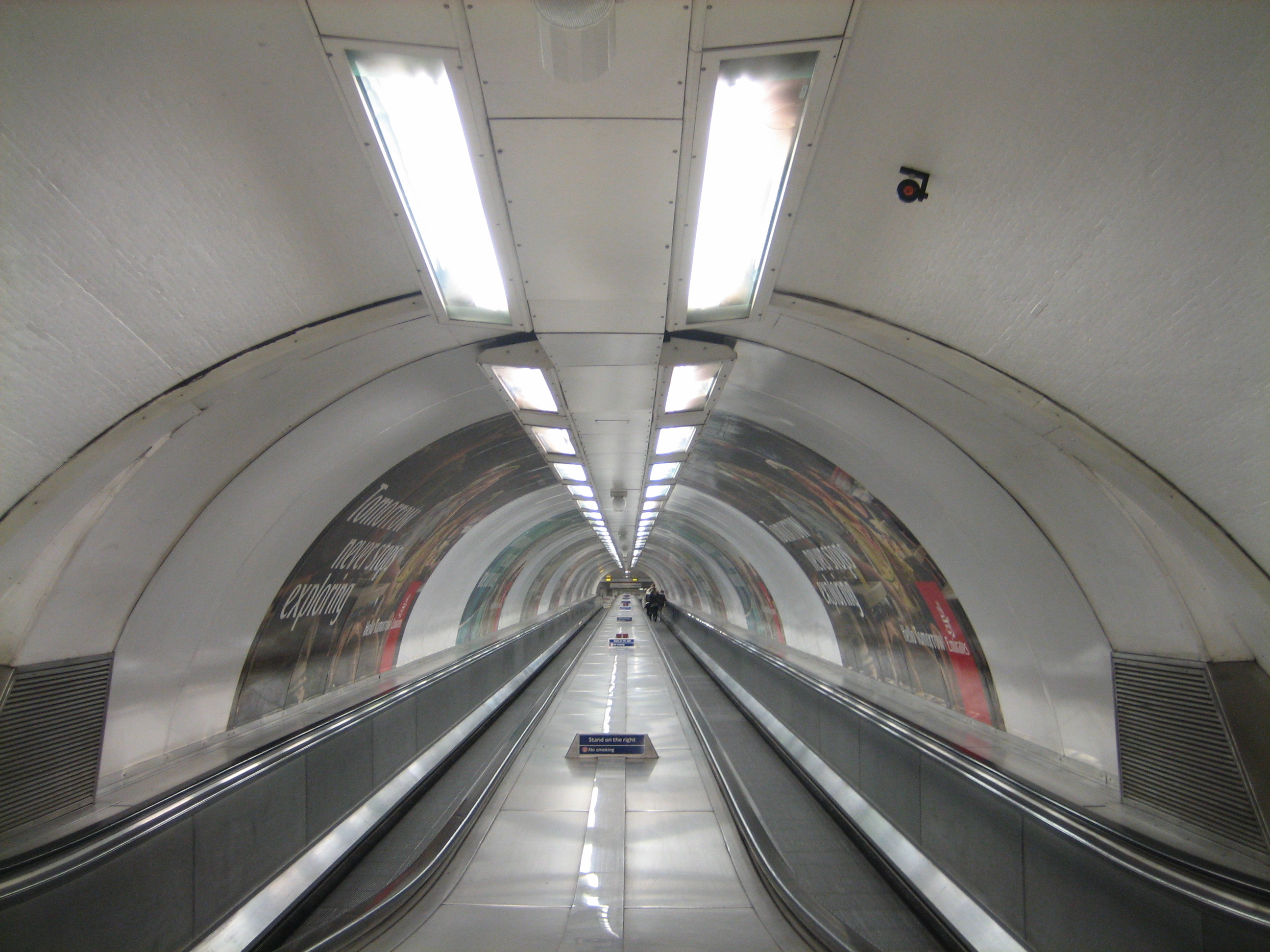
In the words of Pathe News, it’s a big welcome to the travelator!
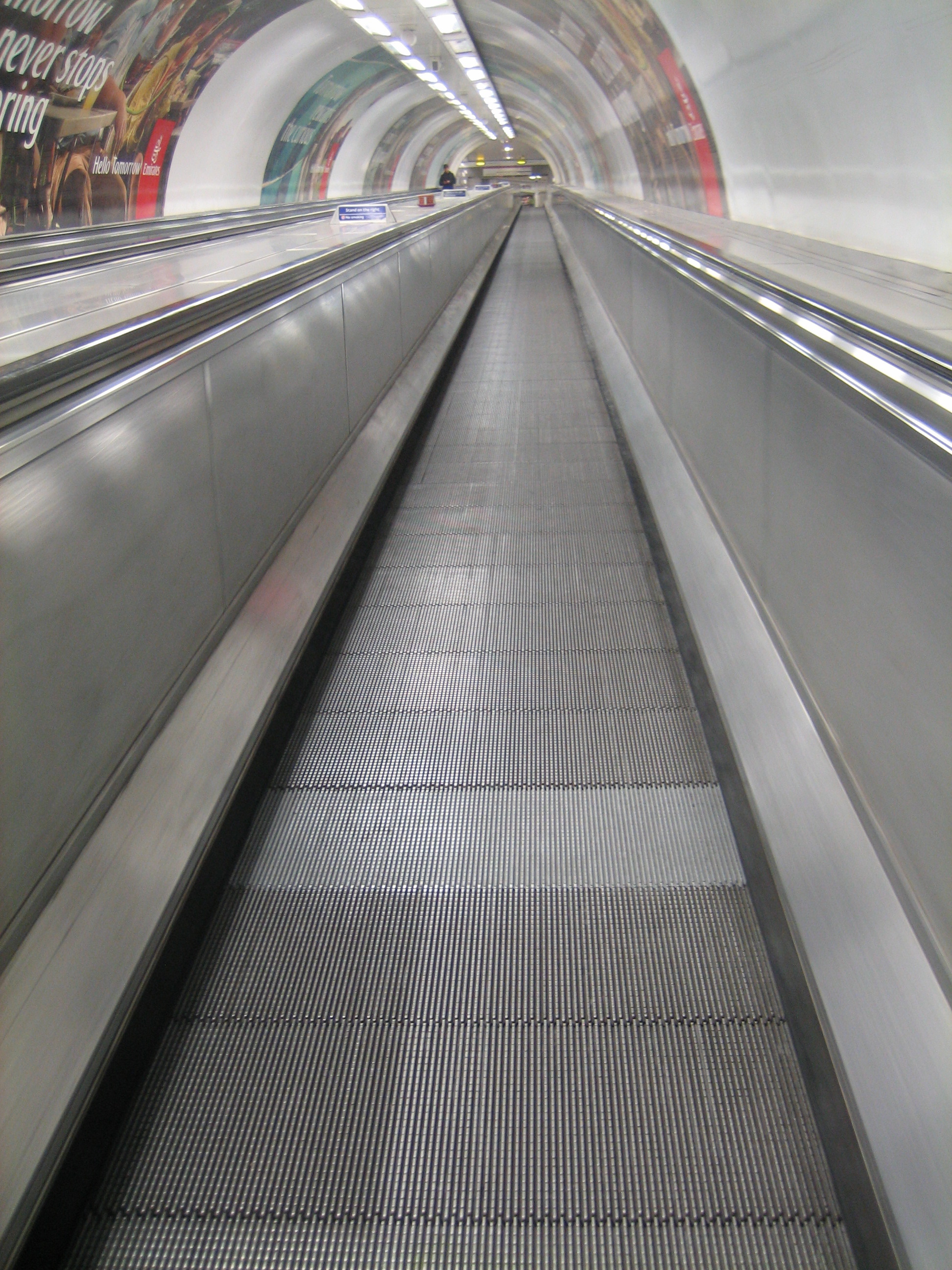
Pathway to the futureIt’s Britain’s oldest, and – by virtue of its location and purpose – its best.

Moving walkways belong in the same category as jet packs, hot plates and those pneumatic plastic tubes used for whizzing documents around a large building. They are stabs at everyday futurism. They are snapshots of what the world of yesterday thought the world of tomorrow ought to look like. And they are uniformly fantastic.

You’d be hard-pressed to find a more rousing gesture towards mass public conveyance than the travelator. Just listen to the optimism with which its arrival was greeted. It replaced “that dreadful old tunnel” through which passengers had to trudge to reach the Waterloo & City railway. Thanks to its inclination towards modernity, not to mention its actual inclination, commuters could cheer “at long last, it’s the end of the drain.”

They can still cheer. This moving walkway is still a persuasive feat of imagination and innovation. And its status has been enriched with the passing of time, for what was once spoken of as becoming universal has ended up a rarity. Consequently it is of even more value than when it was first opened to the public in September 1960.

Step onA ride on the travelator at Bank is to step, or rather to glide, back to a time when mechanisation was the great leap forward. When it was thought people would be impressed by talk of “488 segments of special aluminum”. When it was dazzling to contemplate something able to move “more than 13,000 passengers… in the peak hour”.

Yet this is no relic that has outlived its usefulness or been neglected as the decades have fallen by. It is as relevant and as robust as it appeared to look in 1960. Plus it still feels futuristic, and therefore exciting, because it remains an oddity in a world in which, by now, they were meant to be commonplace.

Walk this way…

All aboard

Illuminating the pastThe tunnel through which the very first Underground train passed 150 years ago this week is, by and large, a dump.

There’s no reason for it not to be. It’s one and a half centuries old. Much of it is in complete darkness. It doesn’t need to look or feel especially reverent. It still does the job for which it was originally built, and that’s all that matters.

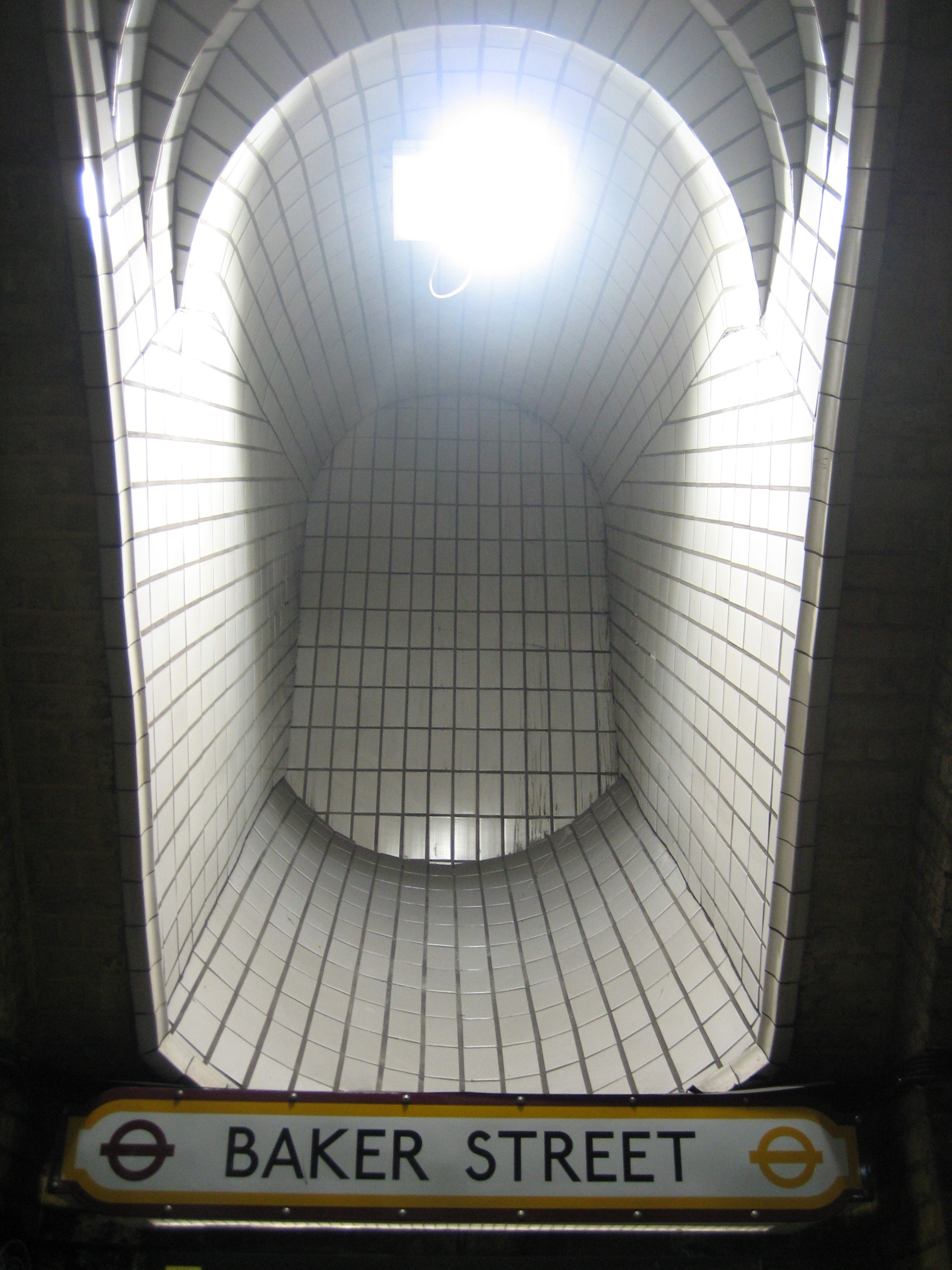
Where the tunnel lifts its skirts, as it were, is when it brushes up against the rest of the world. And it does this with the most style, but also the most dignity, at Baker Street.

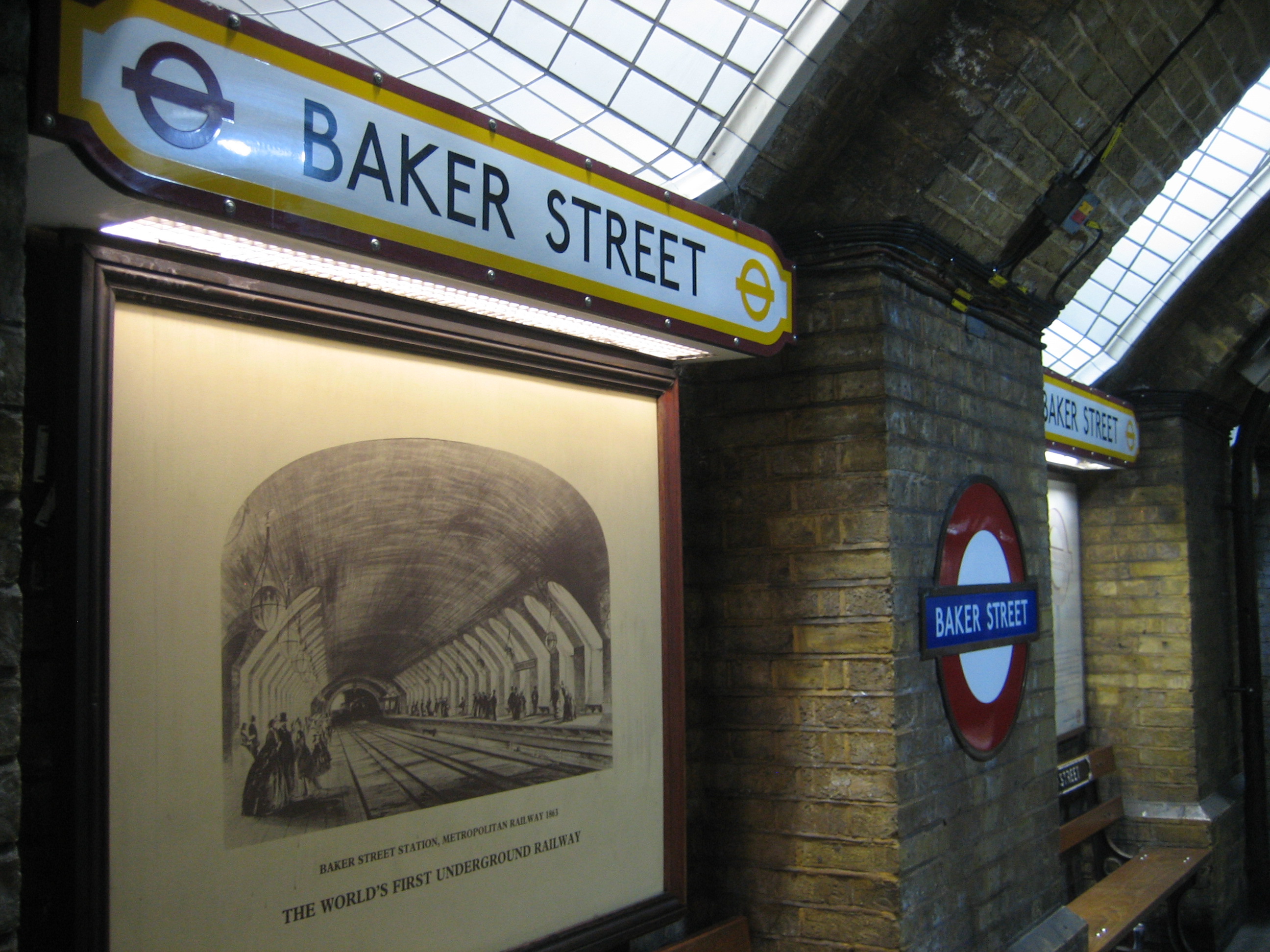
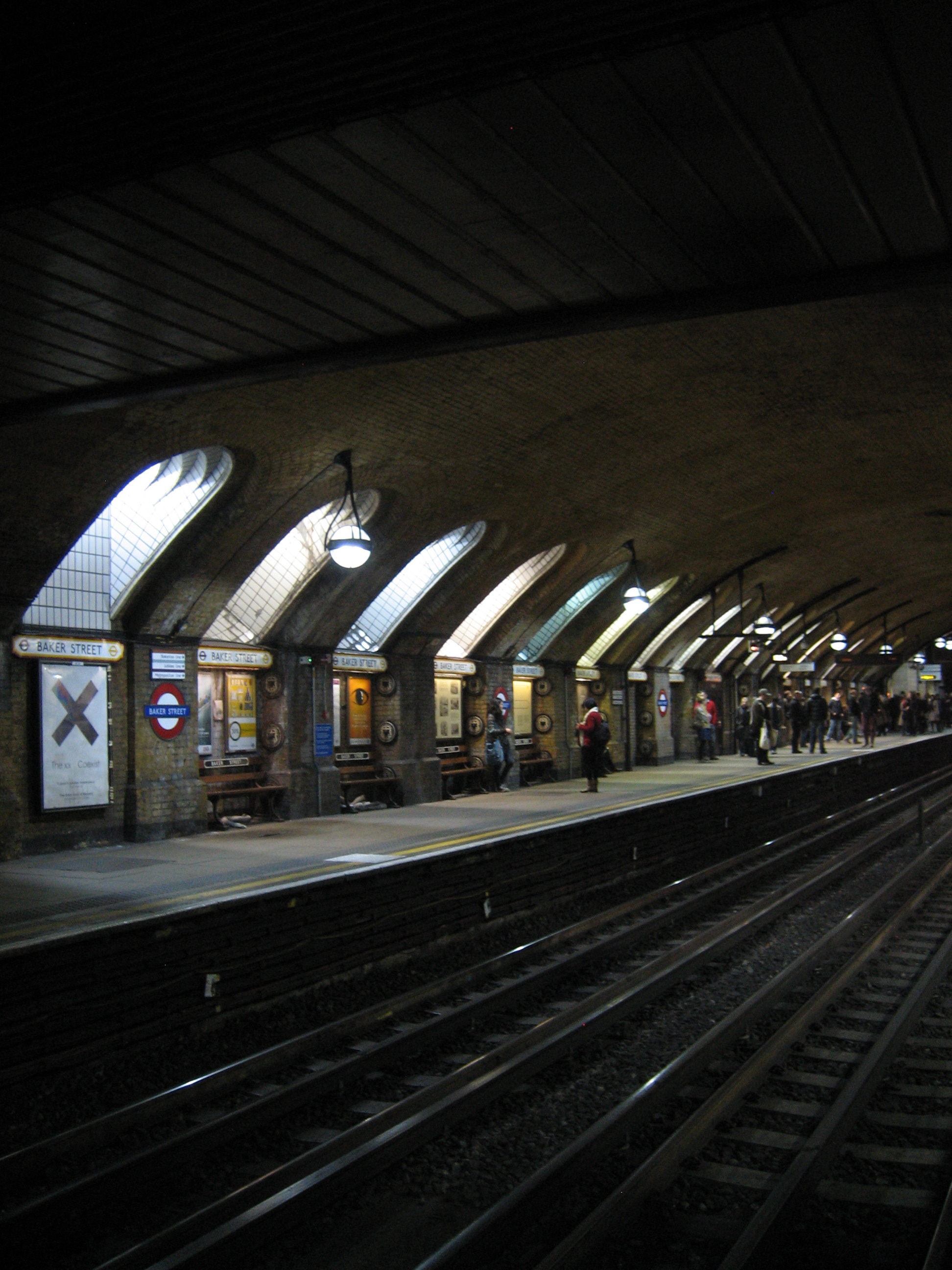
Baker's treatThere’s something about these platforms that perspires history. Granted, a degree of it is down to contrivance. The place has been done up to show off its heritage. But there’s nothing wrong with illuminating the past, and Baker Street does it literally:

A light, hereApart from stations on the Jubilee line extension, I’ve rarely come across examples of the Underground using artificial light with such precision and thought.

The care that has gone into the presentation of the original platforms at Baker Street is palpable. You feel like someone has, for once, grasped how architecture and artistry can rekindle each other in a constructive, forward-looking fashion.

This place could so easily have taken on the feel of a mausoleum. Antiquities could have been preserved out of duty rather than love. Instead the smell of Victoriana that sidles up your senses the moment you arrive on the platforms is comforting, even reassuring.

The eminence is infectious. I want to linger here, not pay my respects and move on.

To the end of the lineThe drawings and old maps and archive floor plans all help, of course. They sit in the illuminated alcoves, twinkling in the light, making the place feel even more like a living museum. I imagine, or at least I hope, they render the business of waiting for trains a little less tedious. Not that tedium is something I’d be quick to associate with Baker Street (although when I was there to take these photos, somebody was passing the time by doing the electric boogaloo – and rather well, as it happens).

These are only two of the 10 (count ’em) platforms at Baker Street, serving just two of the station’s five lines. But they are the oldest and also the finest. A bit of history gets under your fingernails every time you pass this way. Long may that continue.

150 years young

Stone meReaching such a propitious milestone as this, the midway point of my quest to list 150 great things about the Underground, demands something grand and bold. I feel I need to rise to the occasion. After all, as Roger Moore said to Jane Seymour, there’s no sense going off half-cocked.

Wait, what?

Public transport cutsYes, that is what you think it is. And you reckon today’s public transport cuts are controversial.

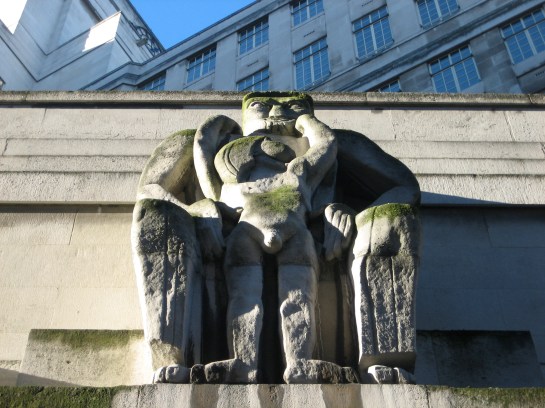
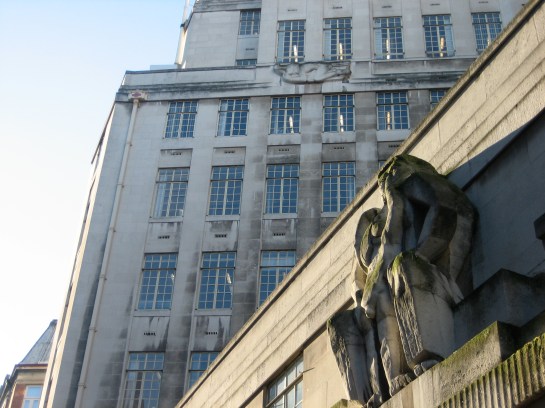
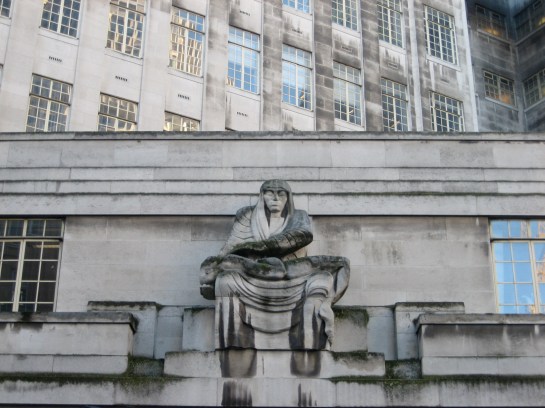
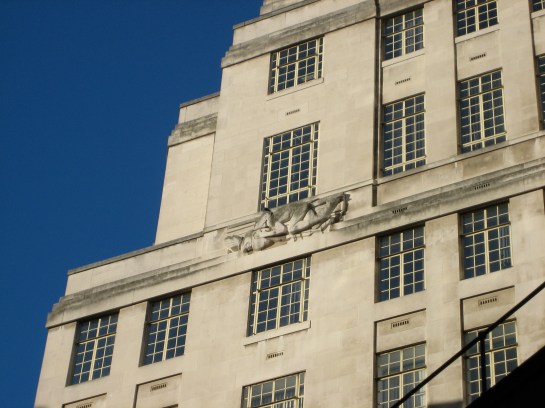
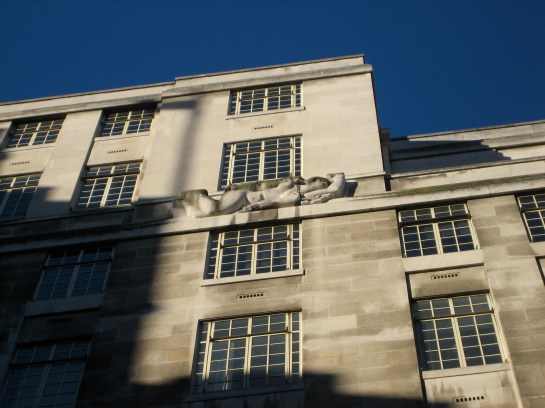
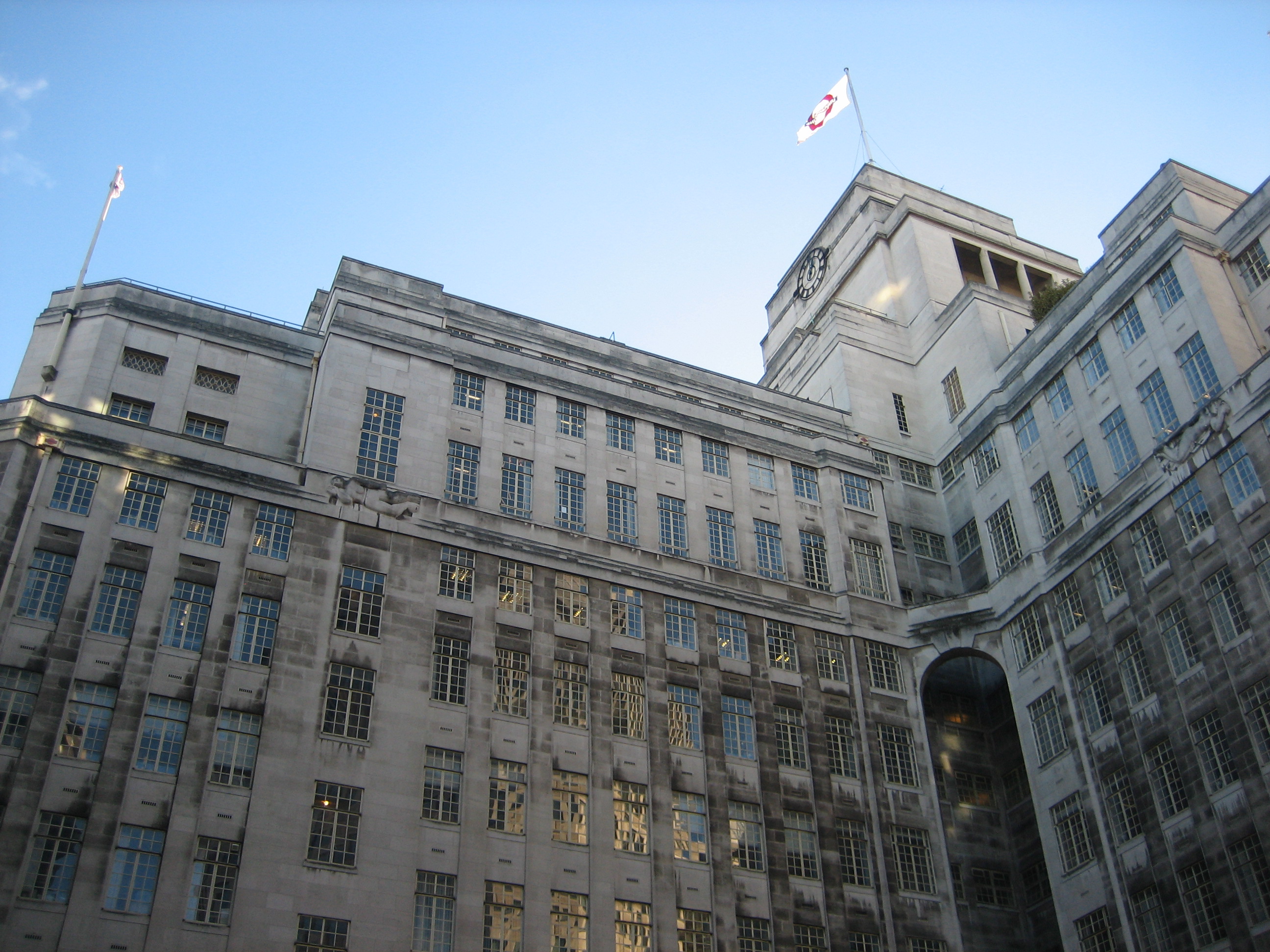
The immense and dazzling edifice that is the headquarters of London Underground at 55 Broadway, sitting astride St James’s Park station, is furnished with a set of equally striking and suitably head-turning sculptures.

Two appear in the photo directly above: in the background, high up on the beautiful facade, is North Wind by Eric Gill; in the foreground, sporting the naked child, Day by Jacob Epstein.

It was Epstein who brought down the censorious hordes of the late 1920s, who in turn almost brought down the visionary helmsman of London Underground himself, Frank Pick. For it was into Pick’s hands that the penis was placed (stop giggling at the back), and who threatened to resign if the public campaign against Epstein’s sculpture found favour with his own superiors.

An inch and a half saved the day (insert your own innuendo here). This was the length of stone Epstein agreed to remove from the naked figure. There is no information available as to how and why this particular length was calculated. Maybe there’s a secret equation used by public institutions to determine genital:scandal ratio.

But perhaps there was a bit of calculated outrage going on here. After all, Epstein’s Day is the sculpture that is most prominently displayed on the outside of 55 Broadway, and therefore the one most likely to catch the public’s eye. Pick, along with Epstein and the architect Charles Holden, must surely have anticipated the furore – and hence the extra publicity.

A total of 10 sculptures appear on the building, the work of an assembly of artists the like of which TV Times would no doubt (and appropriately) have called star-encrusted.

The immensely influential Epstein provided two: Day, and a companion work, Night, that stirred its own respective pot of societal umbrage:

Night workThe other eight sculptures depict the four winds, twice over. The engraver and noted religious sculptor Allan G Wyon supplied one East Wind:

Where there's a wind there's a wayThe other was created by Eric Gill, who also supplied the North Wind shown in the second photo above, and a South Wind.

Eric Aumonier, whose work I chose to begin this blog 75 entries ago, designed the second South Wind, while Alfred Gerrard was responsible for the other North Wind.

The two West Winds were the work of Sam Rabin:

Go, West…and no less a figure than Henry Moore (the sculpture on the left)

The Moore, the merrier

Gerrard’s North Wind is on the right (click to enlarge).

That roll-call of names shows the power that Charles Holden could wield when it came to commissioning major public art for a major public construction.

I’ll return to 55 Broadway again; the building itself more than deserves its own entry. But this particular ensemble of creativity, on such a formidable structure in such a potent location, easily supplies enough tonnage of worth to sit at such a waymarker in my quest.

Despite being one and a half inches shy of what was originally conceived, the 10 sculptures represent the ambition of the Underground as once was, and the legacy it commands and carries onwards into its future.

Plus they’ve allowed me to indulge some ripe double entendre that, unlike some of the other assertions on this blog, would surely stand up in court.