Archive

Zone 2

The sun always shines on Charles HoldenA bit of luck with the clouds, plus a bit of derring-do with the traffic, led to this picture. Granted, the station is strutting rather shamelessly in the light. All its finery is on display. But what’s not to love? West Kensington spends its life squeezed among buildings squatter in size and inferior in style, a plucky player in the jamboree of architecture that unfurls along the North End Road. Why begrudge it an occasional moment in the sun?
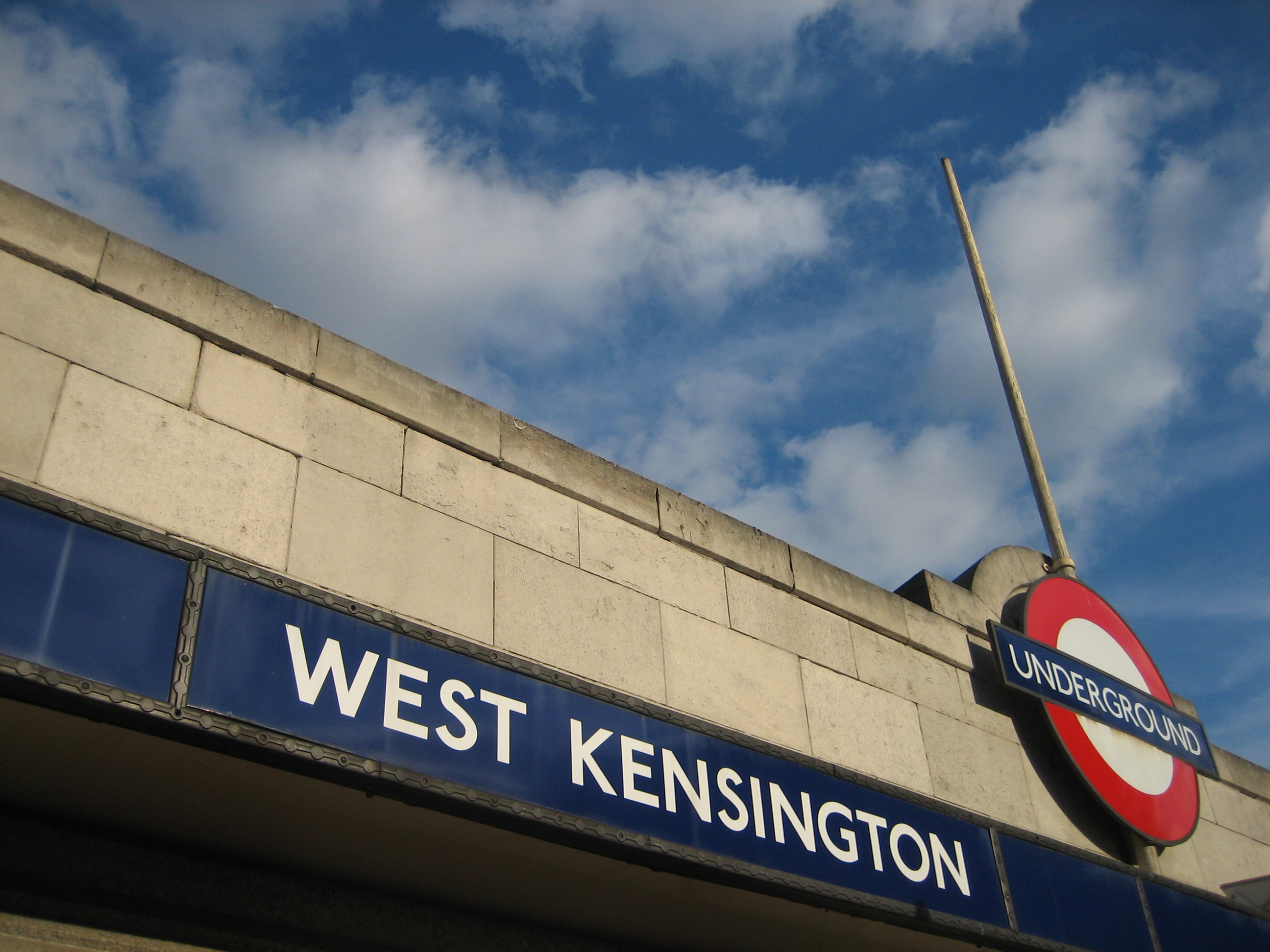
Go, West!Vehicles pummel the tarmac yards from the entrance. It’s possibly one of the least best locations for a generous slab of between-the-wars Charles Holden. You can’t fully appreciate it on your way in or out. You have, like an aesthetically-picky aircraft, to be on the right approach.

And one of these approaches is, to be granted, not especially practical if you’re hastening for a train:
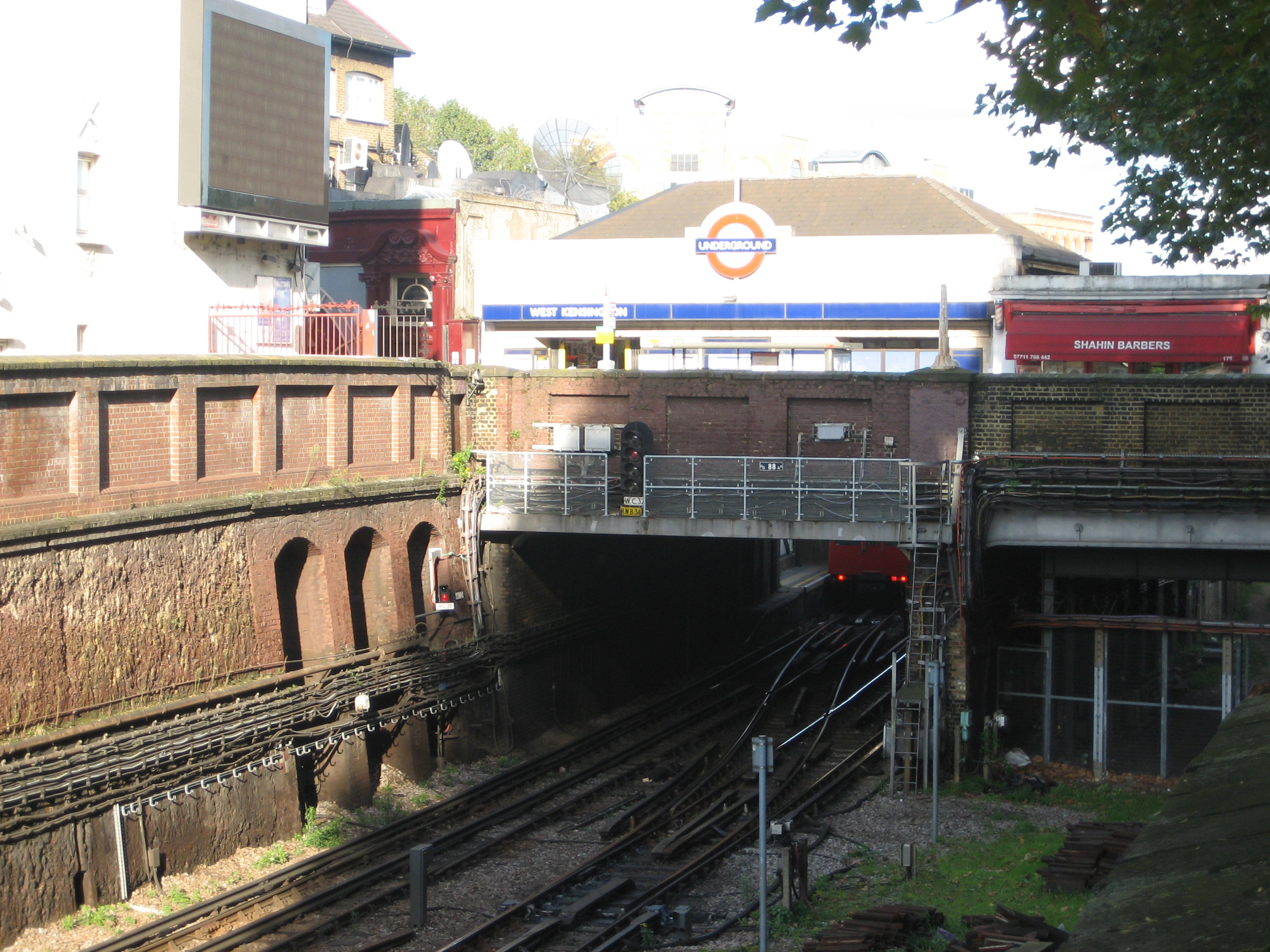
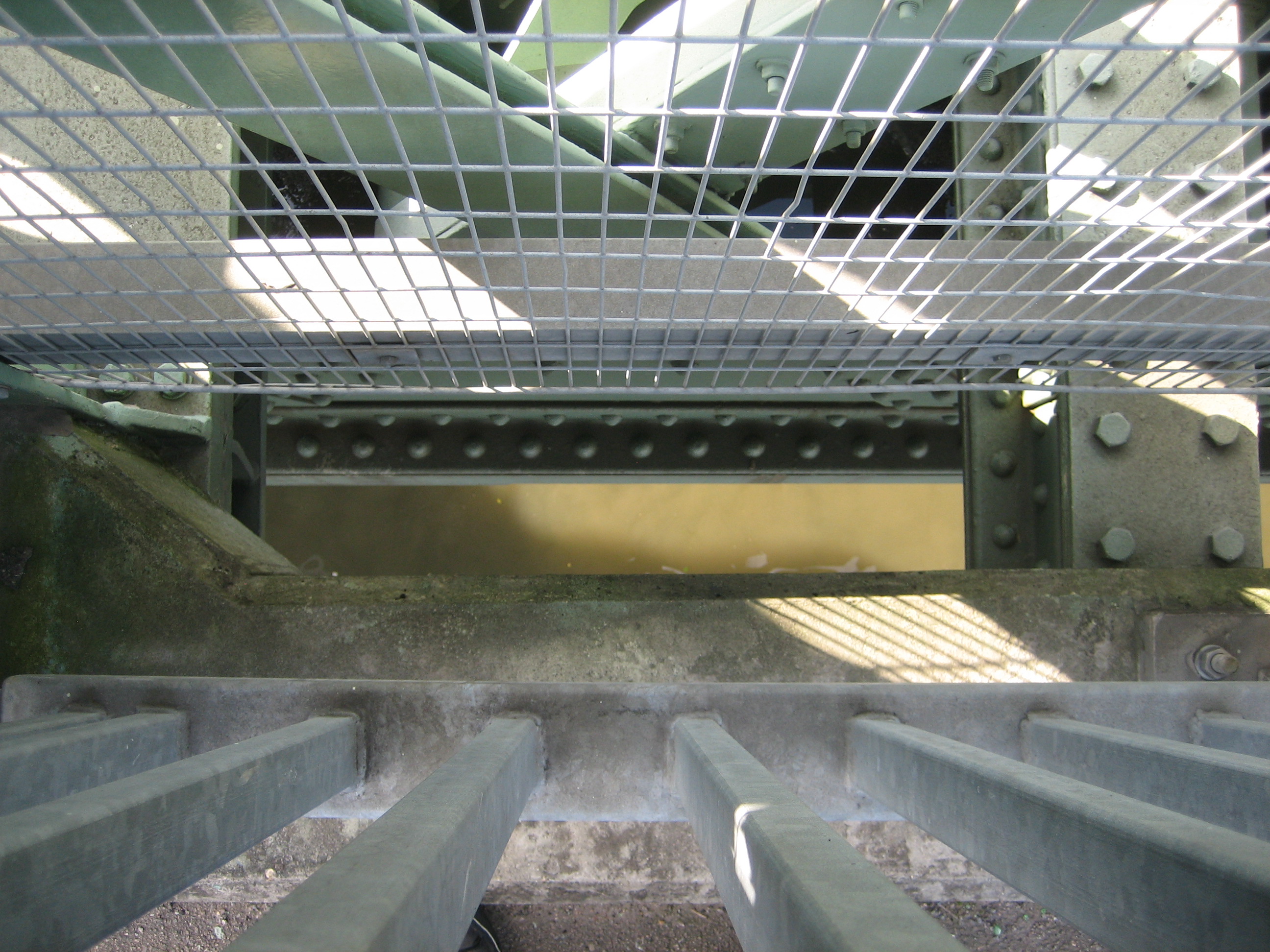
Barbed remarksBarbed wire had to be navigated to take this picture. No, there was no trespassing involved. And there was no loss of dignity either – only a few stitches.

You can see how West Kensington dwells in less than exceptional street-level surroundings. But it’s always nice to come across a bit of the Underground’s lower anatomy exposed for perusal.

That’s a fine set of alcoves, as the draughtsman said to the stationmistress.
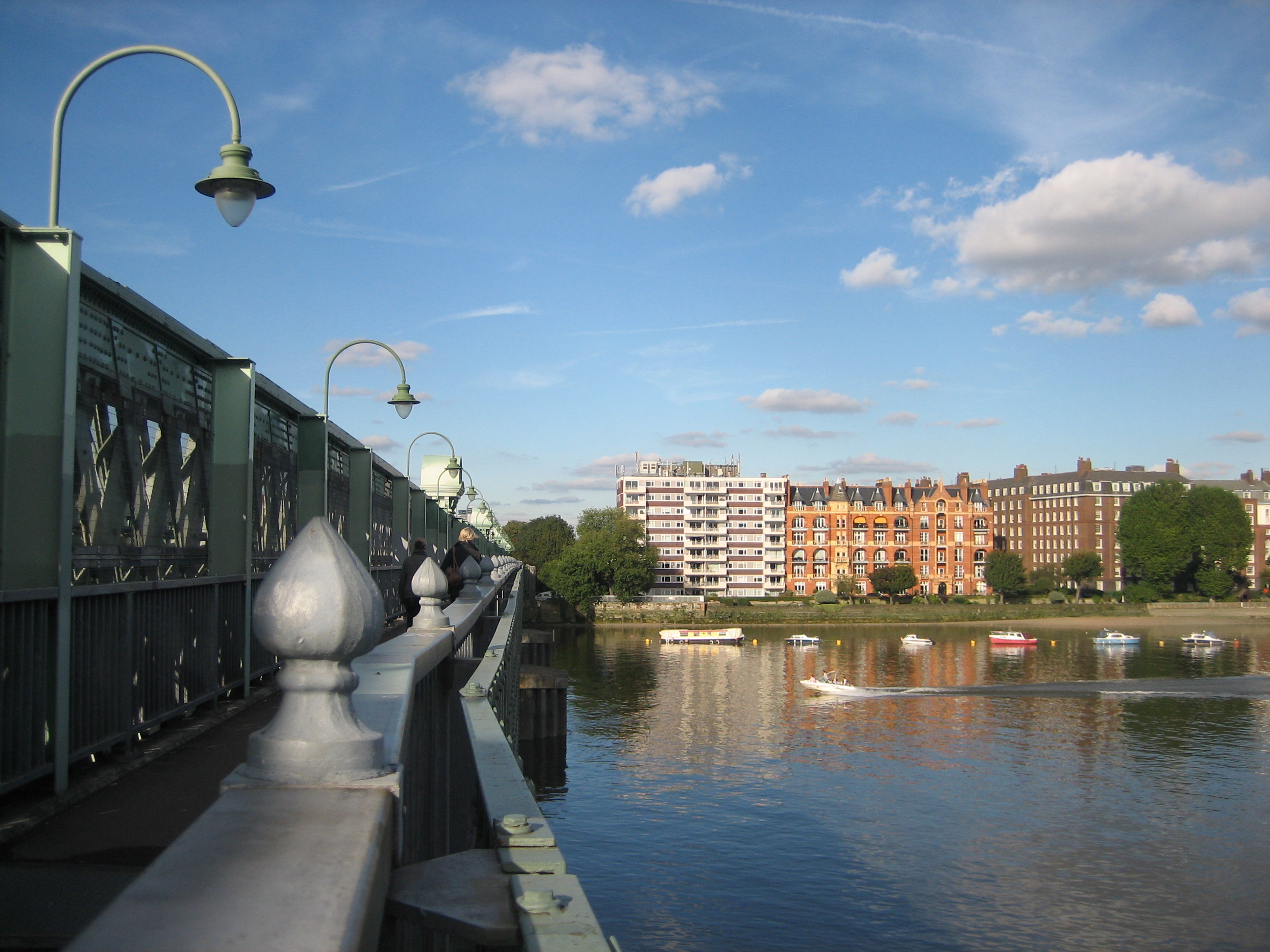
Nought but crossesFor the most part, all you get to see of the Thames while on an Underground train is its reincarnation as a cartographically-challenged blue line on a map above the head of the person sitting opposite. And even this wasn’t possible for a short period a few years ago, before wiser heads prevailed and all was soon again for the best in the best of all possible diagrammatically-realised worlds.

It’s even more exciting, therefore, when the actual Underground meets the actual Thames in the open air, which it does only twice, at Kew and here, by Putney Bridge station.

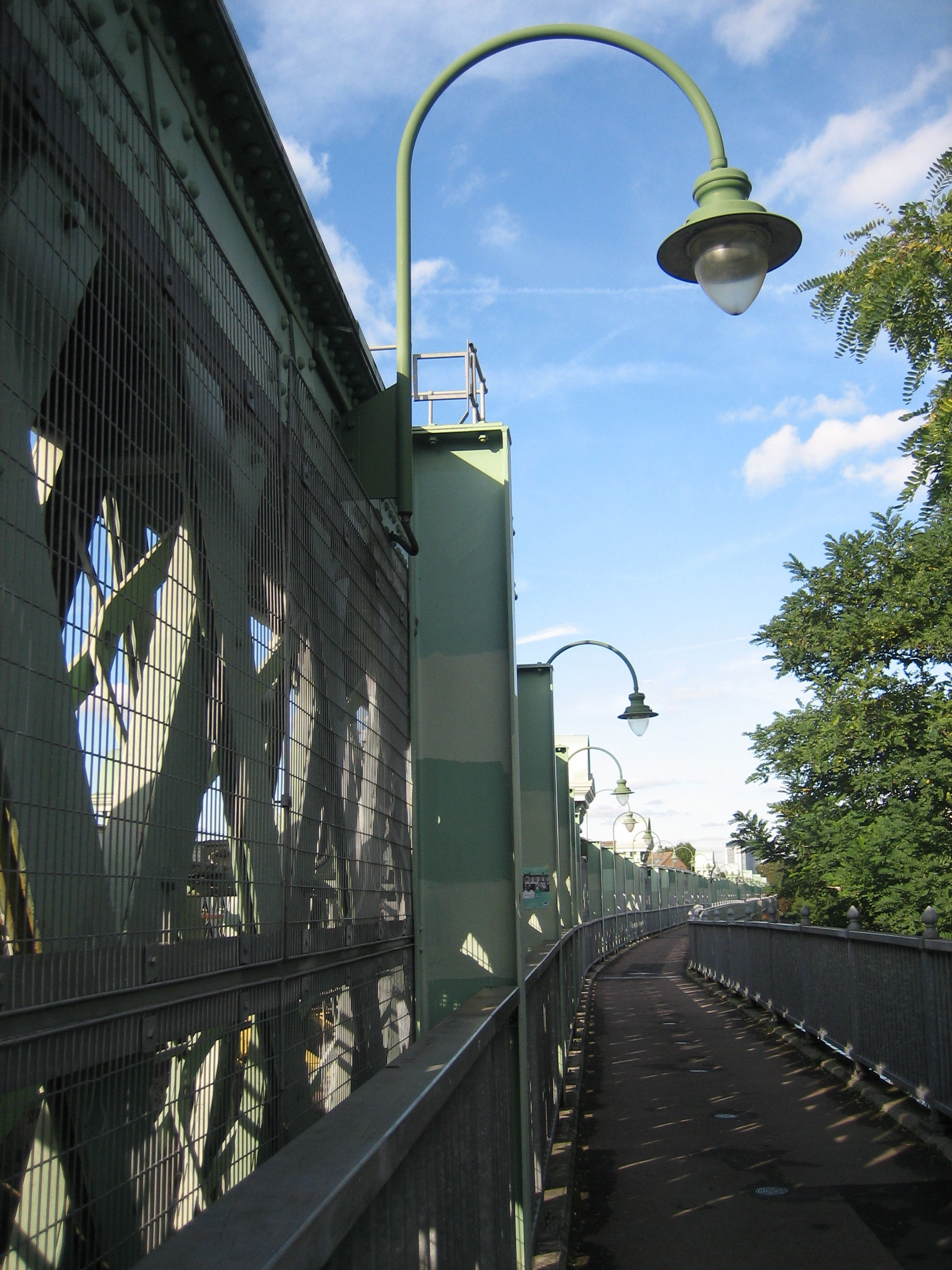
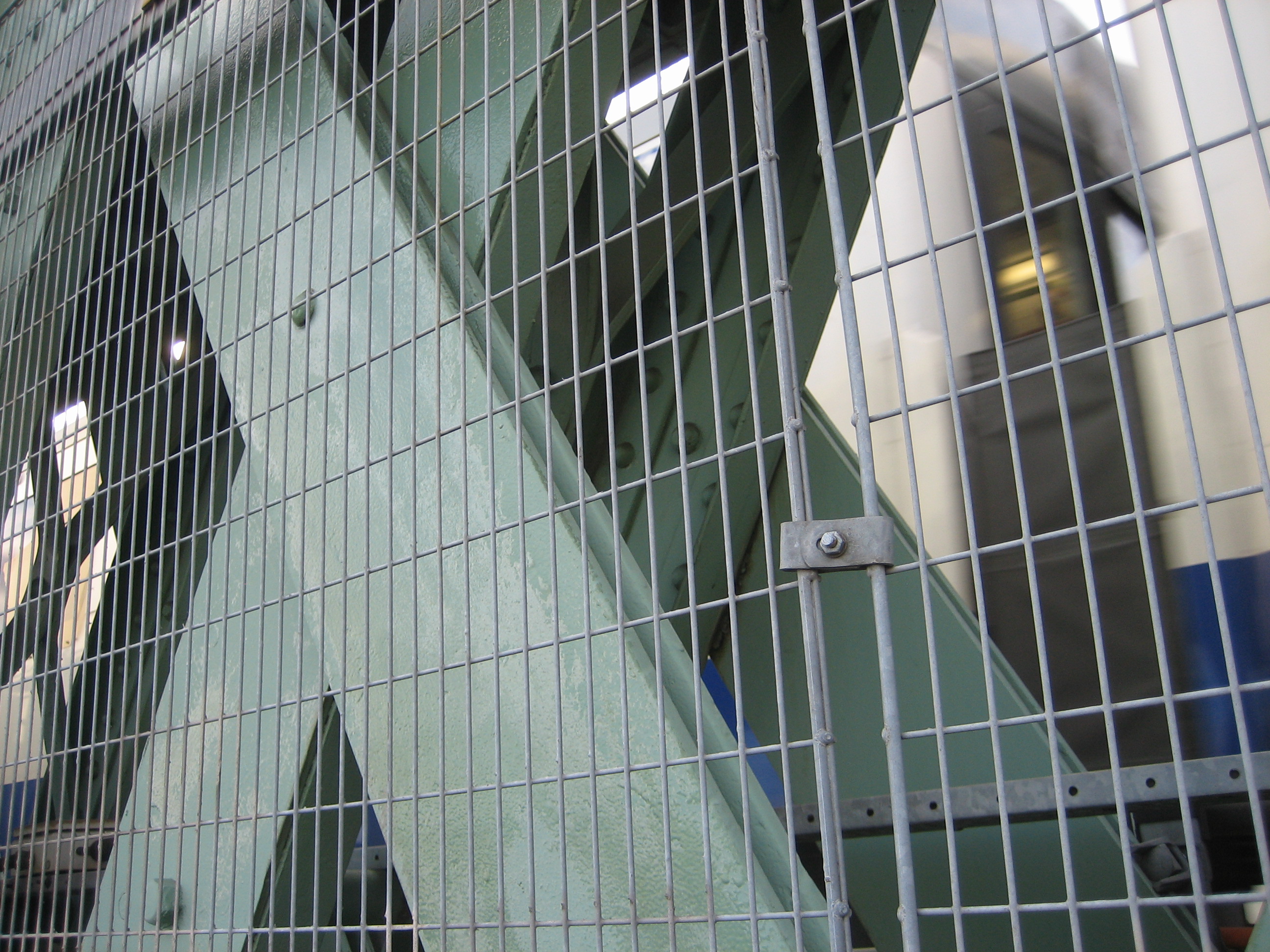
This is the Fulham railway bridge, whose splendour can be sampled either when you’re rattling over it or, and this is the real treat, ambling alongside it. For not only is this a rail crossing, it is also a pedestrian crossing, thereby allowing the spectator a close-up view of London’s two most agreeable forms of transport going about their business atop each other.

That’s not meant to sound voyeuristic, though frankly anybody loitering in a place like this with a camera isn’t exactly an innocent bystander. And yes, I did have to do quite a lot of loitering to get a shot that was free of people using the bridge for walking rather than ogling.

See? Span!It was designed by a former assistant of Isambard Kingdom Brunel, and it shows.

Iron works - as it always doesThe bridge was built between 1887 and 1889 for the London and South Western Railway, and got sympathetically refurbished just over 100 years later. It’s still in pretty good condition, and bears the twin reassurances of intelligent craftmanship and tasteful embellishment.

By defying logic and allowing your brain to process information from an illogical point of view, i.e. suspended above water, bridges inevitably alter your mood. A bridge that doesn’t entertain a continual procession of traffic, with unending, uncompromising noise, leavens this process with beauty.

In a location like this particular Thames crossing, in the silences between the romantic roar of passing trains, notions percolate, fancies take hold and ideas take flight.

Like how the river commands a pace of life unlike anywhere else in London. Like how it has become inseparable from people’s internal imprint of the Underground.

And like how it’s fun to have carriages pass alongside you above eye level: a hedgehog’s view of a train, only safer.

Mind THIS gap

Barons' green backAutumn seems to suit Barons Court. I’ve been here at other times of the year and felt the station’s exterior looked a bit leaden and grubby, or too bland and sterile. But the soft light and sharp contrasts that you get on a sunny autumn afternoon flatter the place incredibly. The beauty of all the tiny details on the station’s rather intimidating walls is deepened, and the splendour of the building’s design is served up to you in generous, mellow-toned slices.

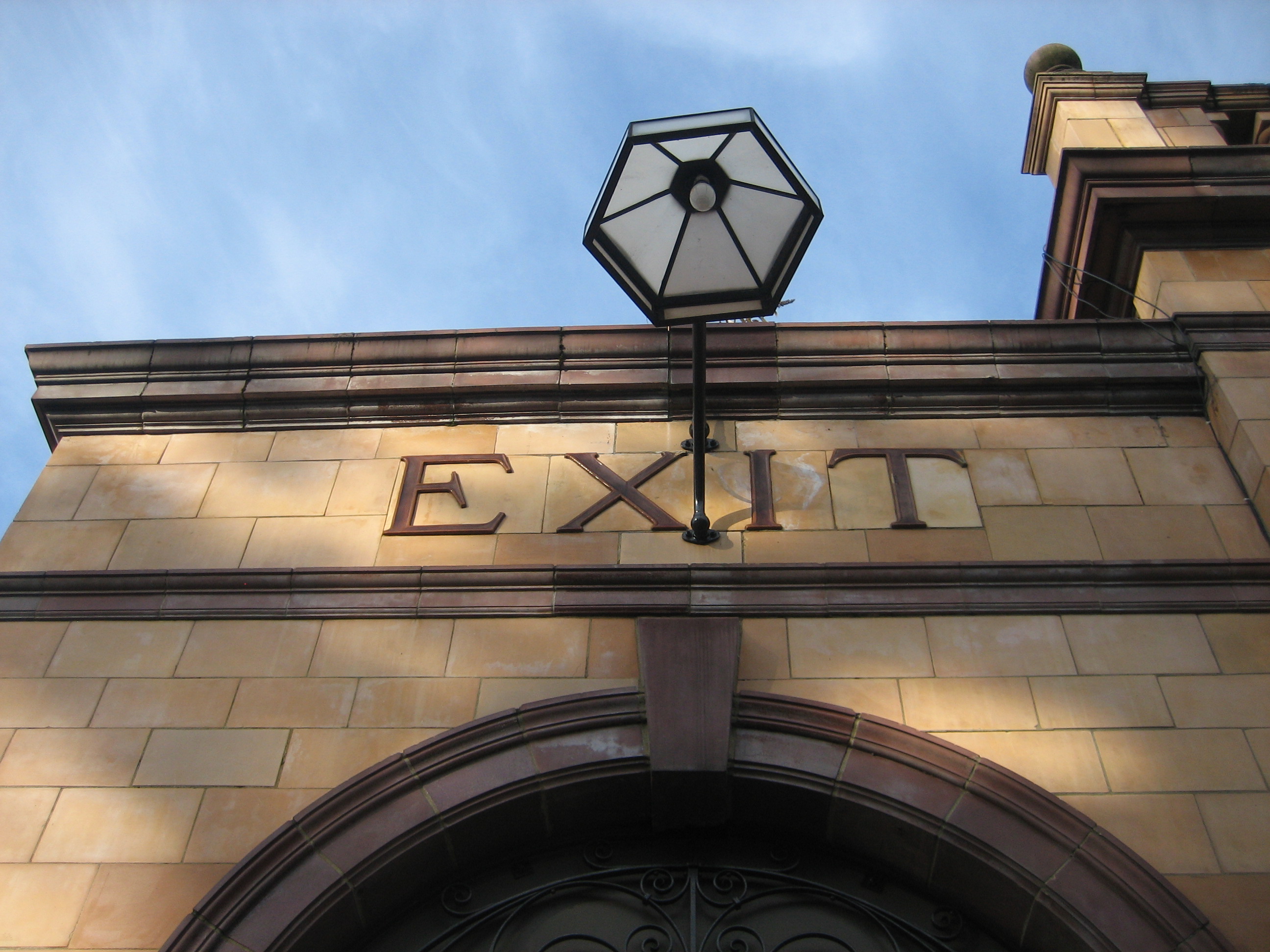
Court-ing complimentsPerhaps you need a particular kind of sunlight to pick out the care that has gone into the lettering on the station’s signage. Maybe the colour of the brickwork only comes into its own when shot through the prism of a bright October rather than a blistering July or dank December. Or perhaps it’s just that the building’s subtle hues sit best among the equally understated atmosphere that percolates right through this most gentle of seasons.

The effect is evident in the decoration both on the station’s front, and on – ahem – Barons’ green back. Good grief!

Crumbs!It’s all Grade II listed and was all the work of architect Harry Ford. It is stylish, and it is lovely, but it isn’t, as writer Mark Mason contests, “the most beautiful station not just on the London Underground, but in any world you, I or anyone else could possibly imagine.” Oh no. That honour lies elsewhere, with a station I’ve already celebrated here, and to which I’ll return again.