Archive

Zone 4

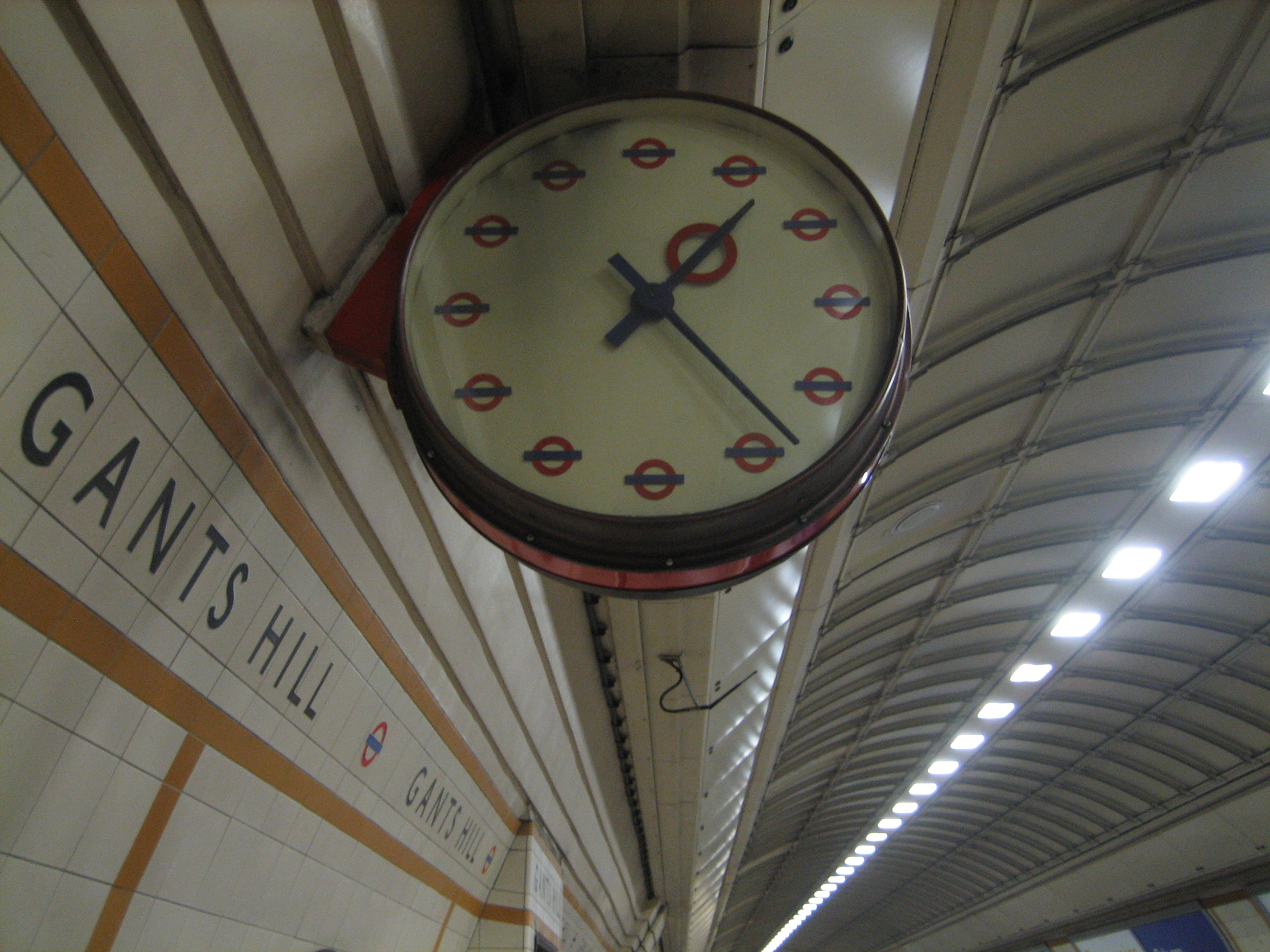
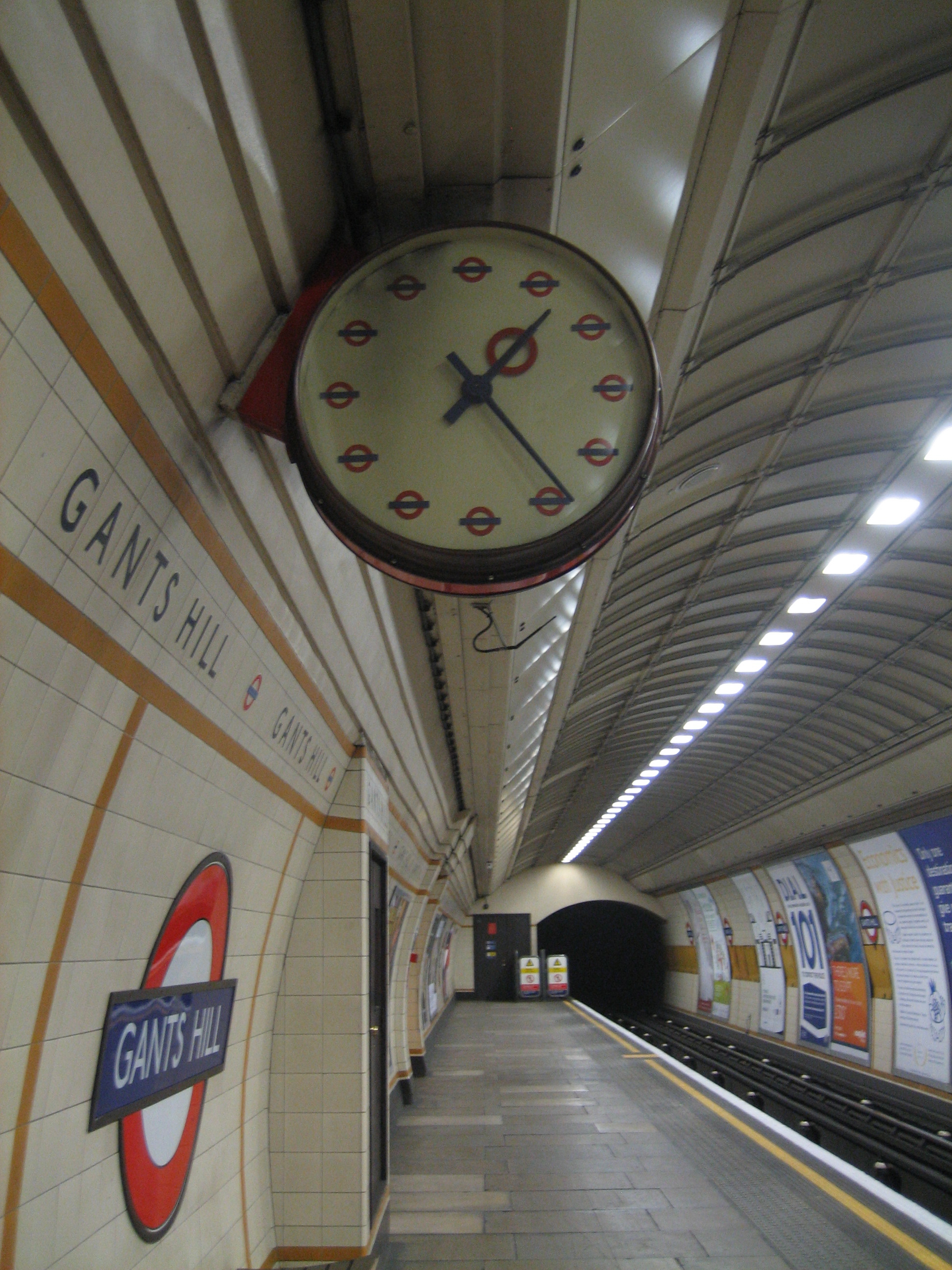
Telling the time, sensibly, steadilyThey’re not ideal if you’re trying to teach someone to tell the time. In fact they are useless. But in every other regard – which admittedly are not many – the platform clocks at Gants Hill are to be praised.

In a station graced with more eye-catching features than most, thanks chiefly to the inspired machinations of its architect Charles Holden, the clocks are understated gems.

Their design could be said to be informed by the same principles that guided Harry Beck towards his groundbreaking London Underground map: that less is sometimes more; that information should be there to serve others and not simply itself; and that on occasions the fundamentals of time, place and space are not actually that important. After all, a glance at the hands of a clock are all most of us ever want or need.

They also boast an abundance of Underground roundels – and, let’s be honest, you can never have too many of them.
Gants for the memory

The whole roof and nothing butSometimes the most dazzling spectacles of London’s Underground aren’t found inside the stations themselves. Instead they lie outside, adjacent to or nearby their parent. They all have a relationship with the Underground, but aren’t part of its cosy nucleus. They range from bridges to walkways, from monuments to air vents, and from clocks to… bus stations:

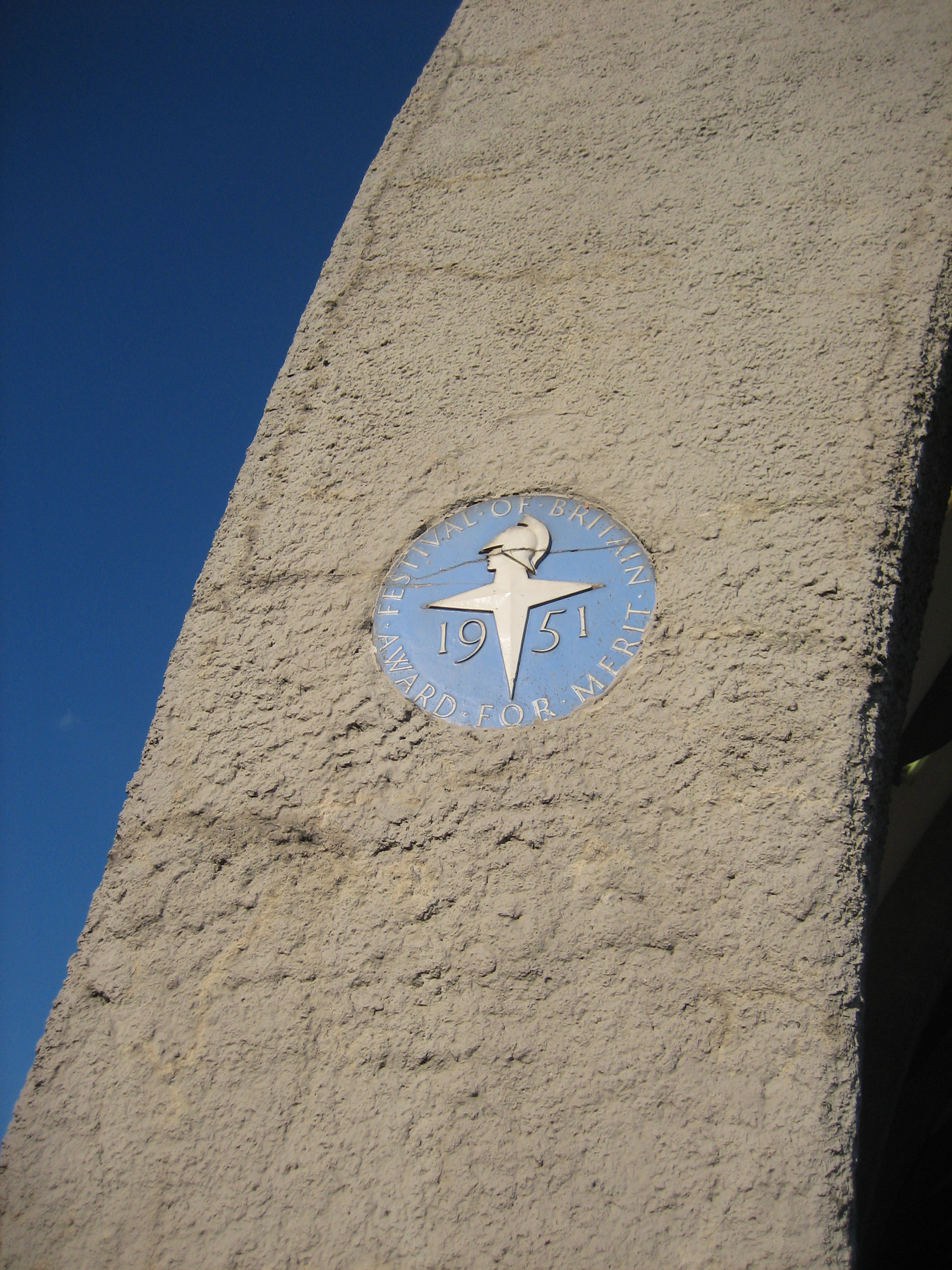
All changeThe bus station at Newbury Park sits side-by-side with its Central line namesake, but dwarfs it utterly in terms of ambition and awe. It’s that most rare yet wondrous of things: a utility that is also a piece of art. Unsurprisingly it’s won an award, but not your trifling, two-a-penny sort of bauble:

Them's were the daysAh yes, the Festival of Britain: one of those events you sense became more than the sum of its parts only when it was over.

The bus station is the work of Oliver Hill, and it opened on 6 July 1949, just two years after this part of the Central line was electrified. Seeing the building grow to completion in post-war austerity-wracked suburbia must have been an attraction both bemusing but also – you hope – a little inspiring.

There’s a simple, almost childlike elegance to the building. It might be made of plain materials, but there’s beauty in the way it manages to combine easy functionality with grand intent. It’s also very homely. It’s the sort of place in which you’d feel happy to linger, which is just as well given its purpose.

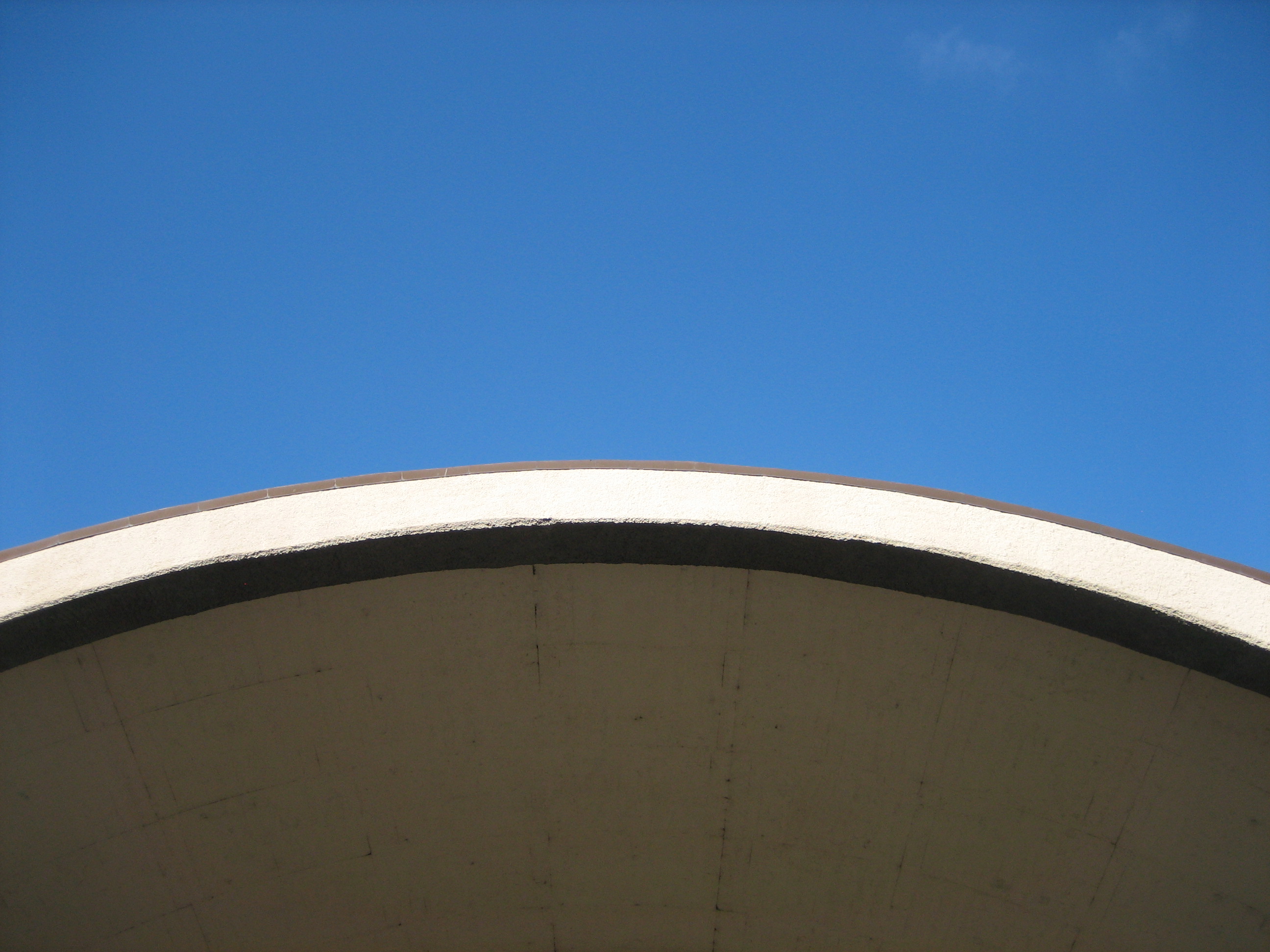
The whole structure seems larger than it really is (always a good thing) and on the day I visited the roof looked close to scraping the sky:

SoaringIt’s not quite Oliver Hill’s masterpiece; that can be found in Morecambe. But it’s undoubtedly the man’s most visited and valuable work. What a pity Newbury Park station itself can’t compete. But then maybe nothing could – or should.

Dome, sweet dome

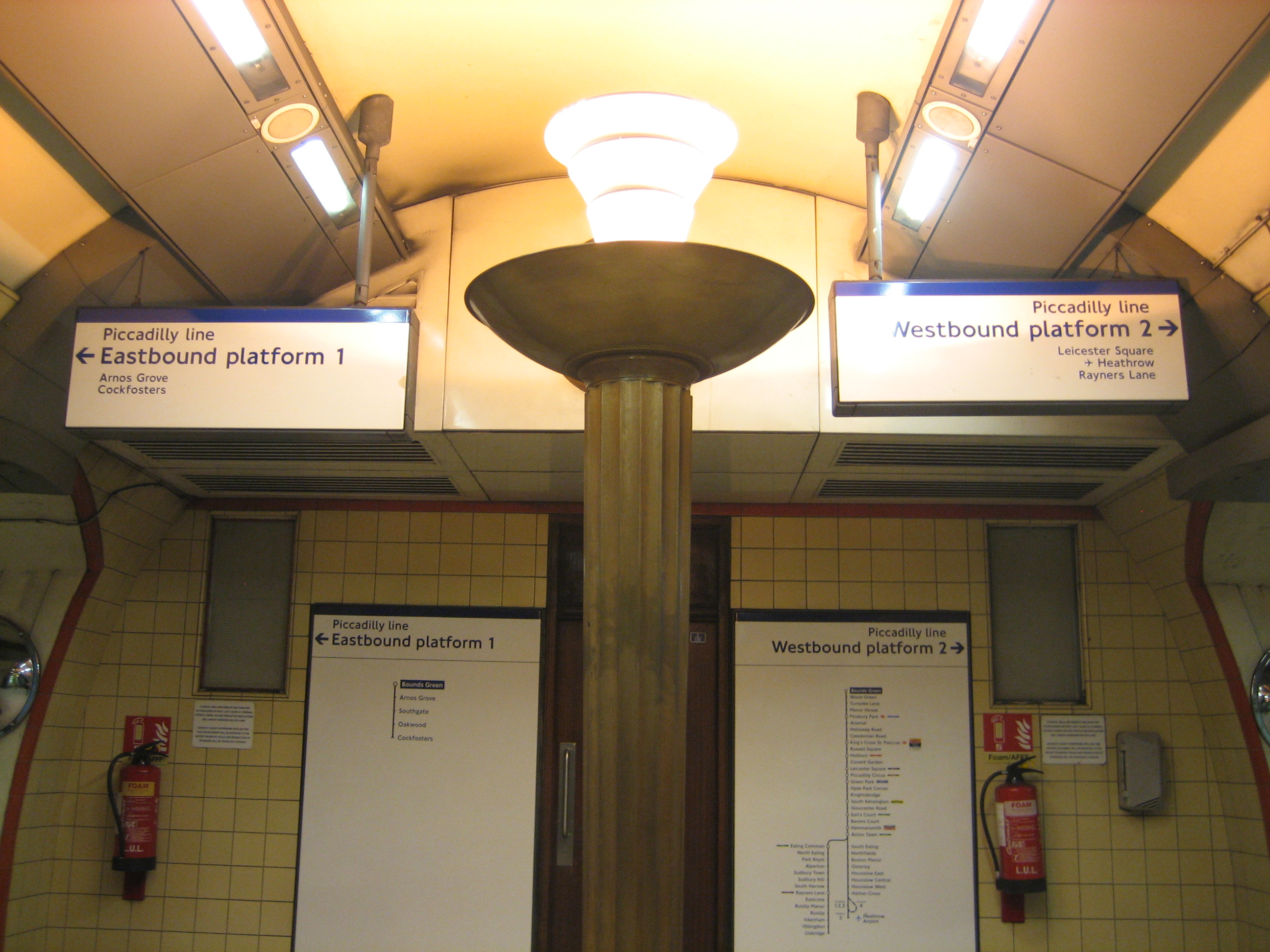
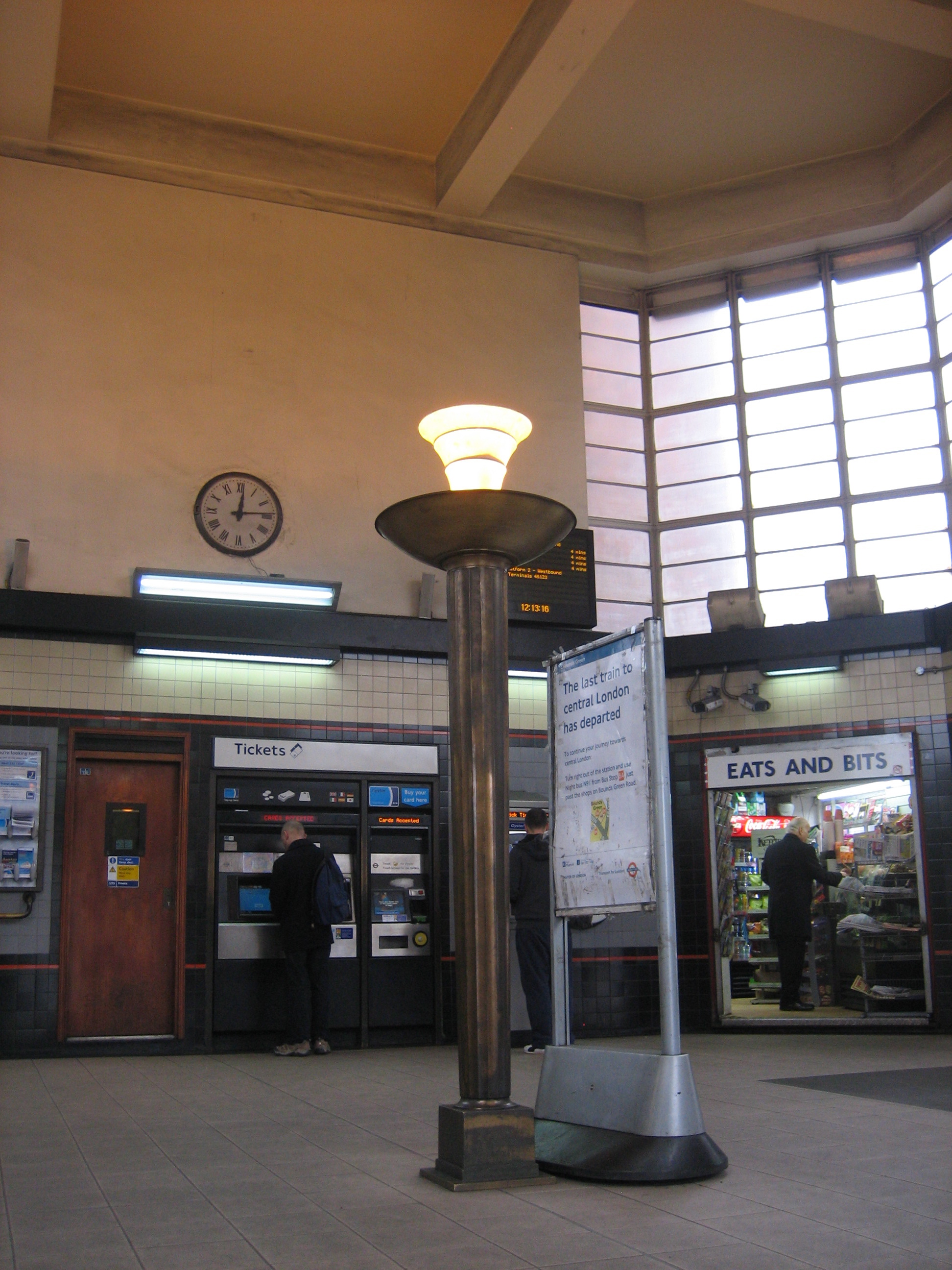
Light fantasticThe northern end of the Piccadilly line is without doubt going to feature many times in this blog. It probably boasts the most concentrated array of delights to be found on the London Underground network. I may as well admit right now that some of its stations will turn up here more than once. That’s certainly true of Bounds Green, where three of these beautiful objects live:

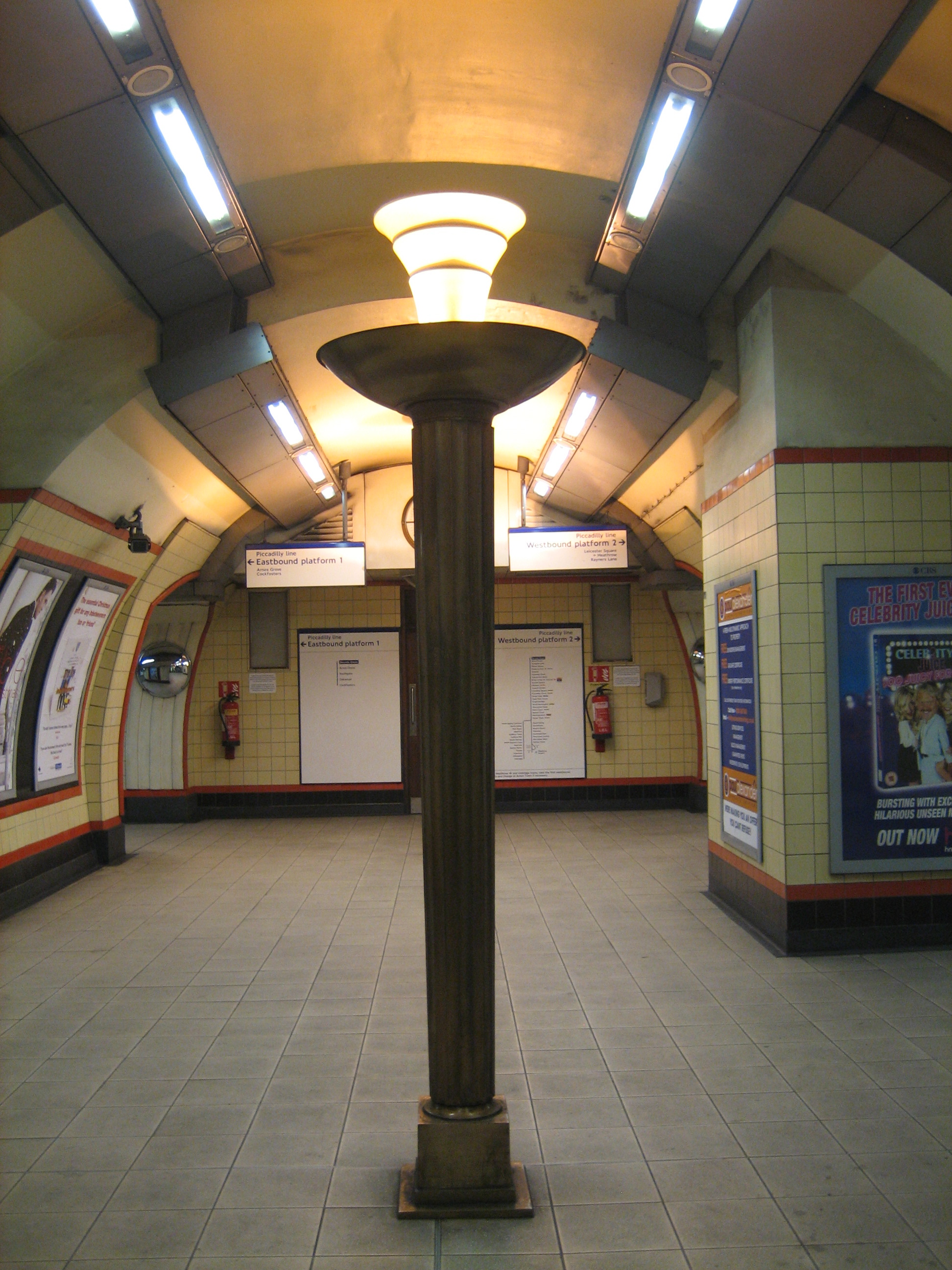
Glory Bound(s)The trio of bronze uplighters, two in the passageway between the platforms and one in the entrance hall, were the work of a man who is also going to make repeated appearances in this blog: Charles Holden.

The design dates back to 1932, the year Bounds Green station opened and from a time when the Underground was being subject to a complete reimagining in size, look and feel. Or rather, a complete imagining, seeing as how up until that point, nobody had seriously thought of or tried to conceive of the Underground network as one thing. Specifically, one thing that was deserving of coherent branding, original design and unique architecture. Holden and his management sponsor Frank Pick did. SPOILER: their efforts will probably comprise, oh, at least one-fifth of my 150.

Eats and BitsThe uplighters at Bounds Green, besides being Art Deco at its functional finest, create a cosy, comforting atmosphere: perhaps not the most obvious of environments for the likes of Eats and Bits, but very much in keeping with the thinking of their designer. I’m not going to disagree with him. After all, Underground stations should be places you want to be, that you feel pleased and proud to be stepping into, and not just locations from which you want to flee as soon as possible and in which you’re loathe to dwell.

But there’s more to marvel at Bounds Green station than just three exquisite illuminations. I’m already looking forward to going back.