Snow place like itLike dangling an arm out the window of a hot car, the Underground occasionally swaps its default environment for one that is far fresher, if fleeting.

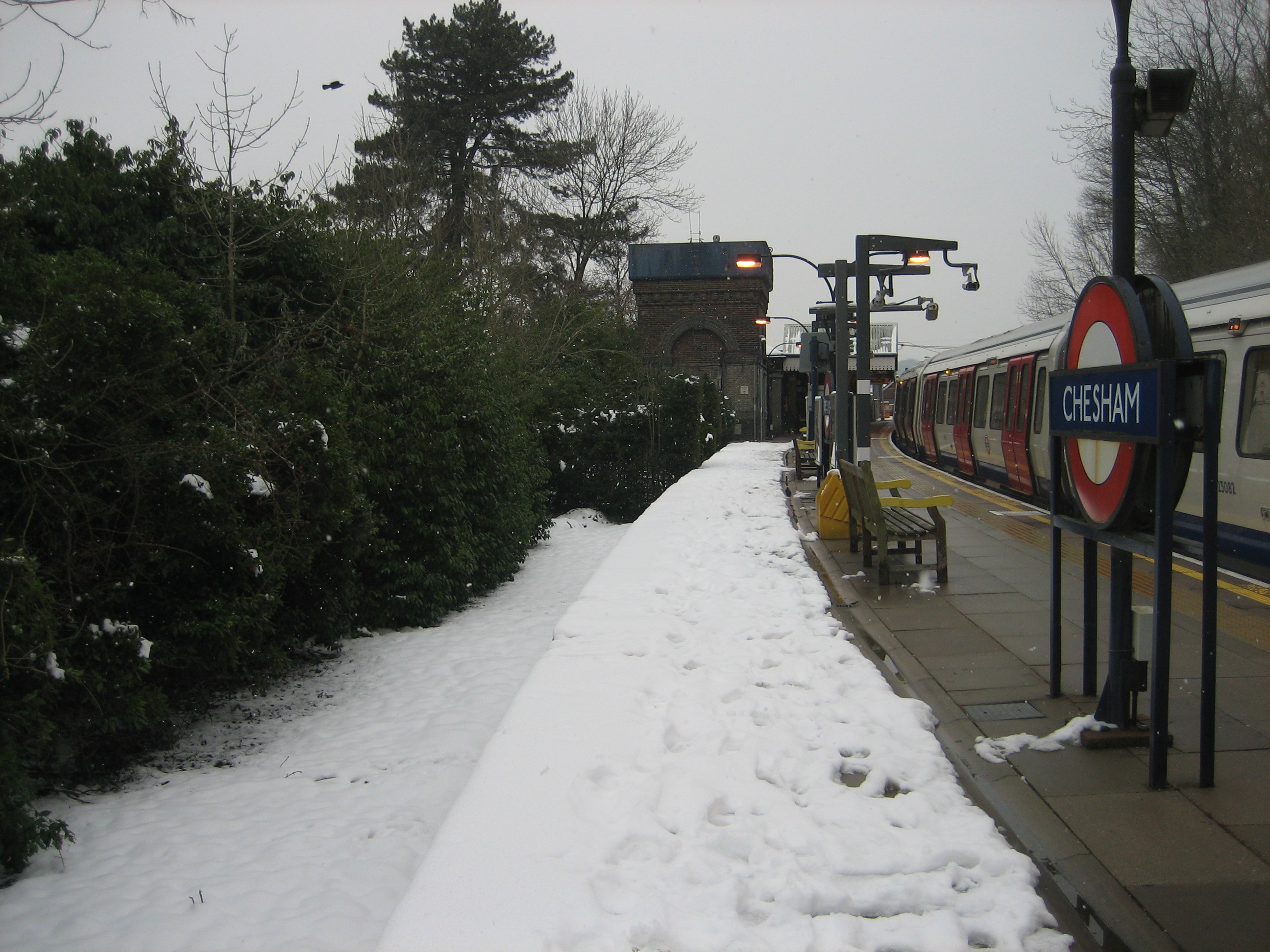
It does this by throwing a tentacle so far from the centre of London that it unfurls not only to the municipal boundary but beyond. Welcome to Buckinghamshire, home of red-faced anti-HS2 brigands, a stand-in for the headquarters of the United Nations, and this: Chesham station, Grade II-listed Victoriana a-go-go, and the most distant point on the network from the King Charles statue at Charing Cross.

Highlight of the place for me is the water tower, a relic from the 1880s. It’s wonderfully uncompromising, sitting like a sentry at the far end of the platform. A squat wodge of nostalgia:
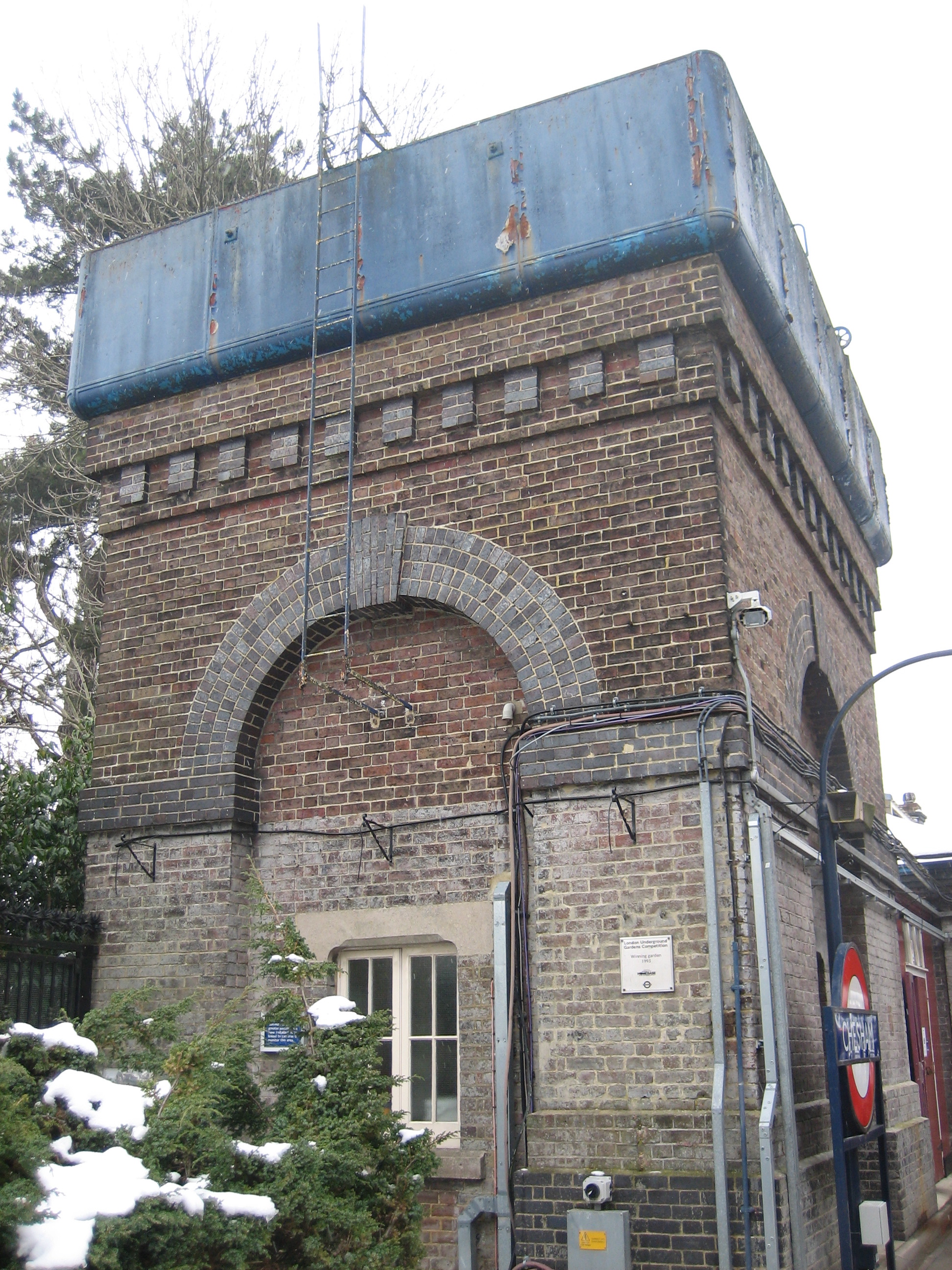
Water way to have a good timeAnother relic of the 1880s is the body of opinion that values this piece of public transport infrastructure, but hates another. I adore them both. It’s great that this water tower survives, but it’s just as great that, while Chesham’s links with Greater London are continually revised and improved, so the same is happening with the south-east and the rest of the UK. Or will do, providing reason prevails over nonsense.

There’s plenty of time to mull these things over when you come to Chesham station. You can’t treat this place like you would the rest of the Underground. There’s no point turning up expecting a train to arrive in the next two or three minutes. Carriages trundle up the single branch line from Chalfont and Latimer every half hour, resting in the platform for a good 10 minutes or so before returning whence they came.

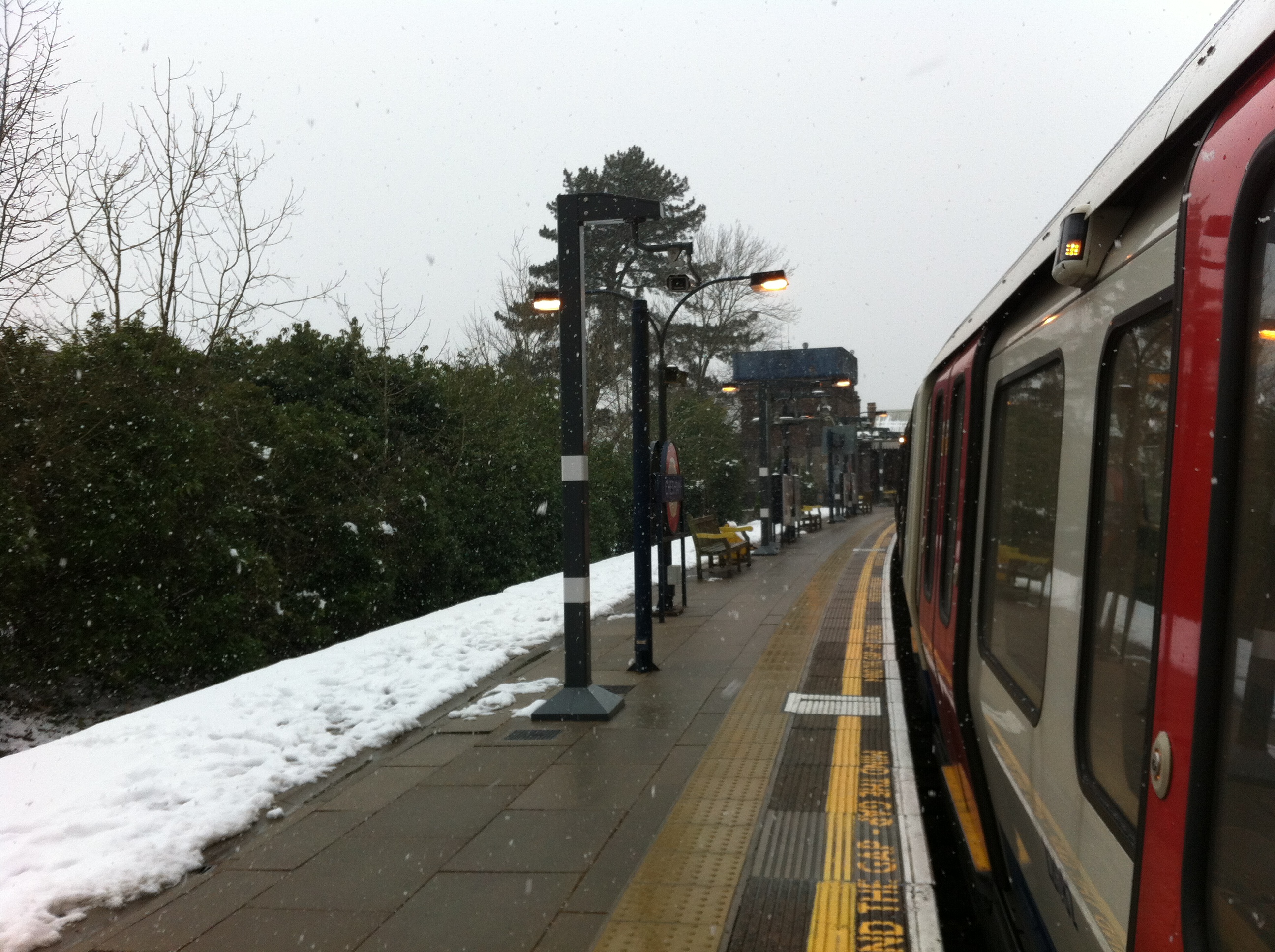
But like Bob Monkhouse and his ever-wonderful Full House, their doors are always open for you, which is extra fortunate if you happen to find yourself in the middle of a snow storm.
The best kind of shelterI’ll return to this corner of the Underground map again, for there’s much to enjoy, even if you have to endure a long ride through lesser parts (Harrow-on-the-Hill, I’m looking at you) to reach it.

Best of all, the Metropolitan line being now wholly-served by a squad of brand-new, uber-slick,  all-in-one bendy trains, the journey is more comfortable than it’s ever been.

If certain attitudes stand still in places like these, at least time doesn’t.
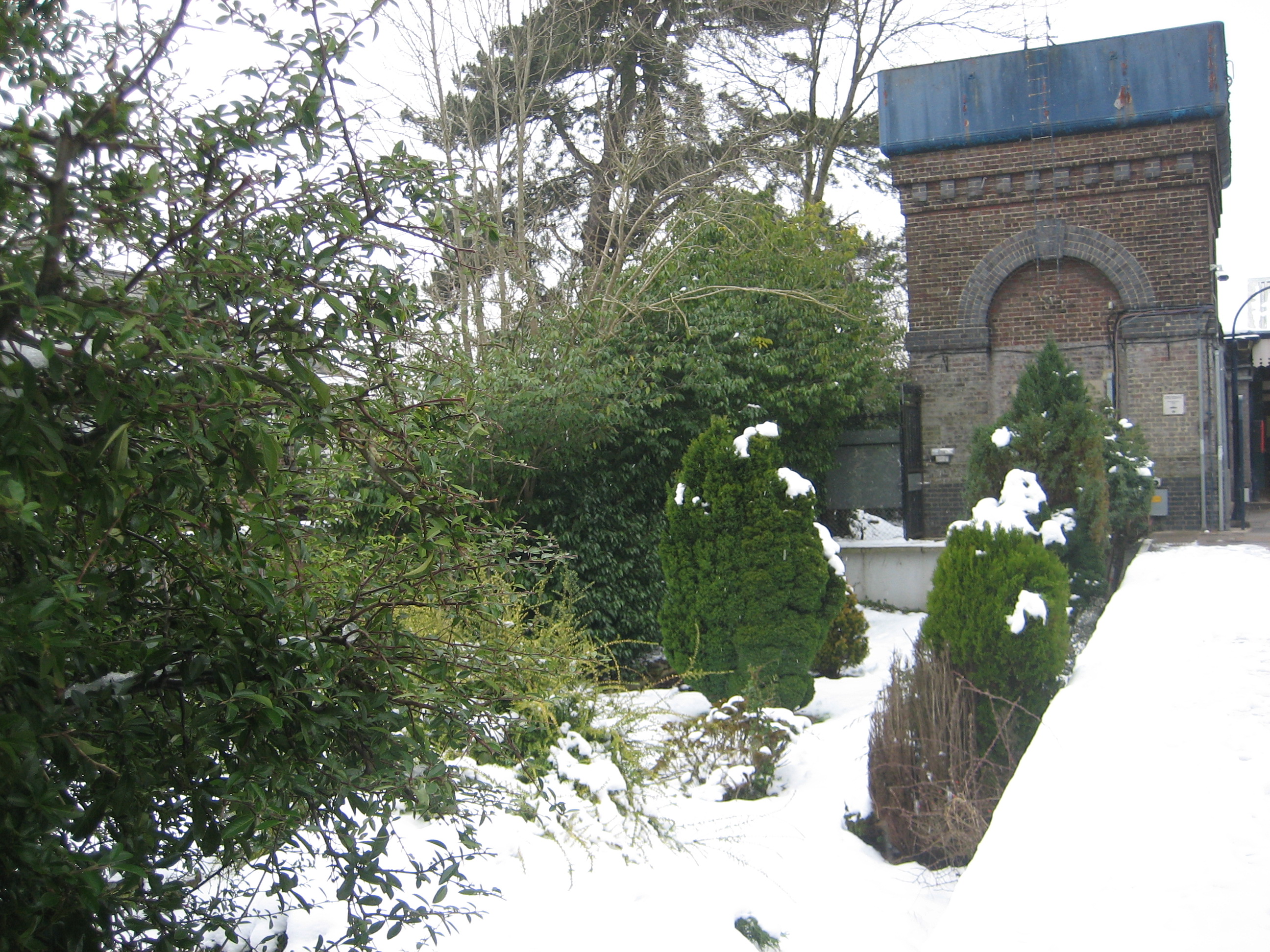
Winter wonderland

Down the drainI always feared this blog would go down the drain once I’d passed the halfway mark. So I thought I’d embrace the inevitable, and celebrate the finest drain of them all.

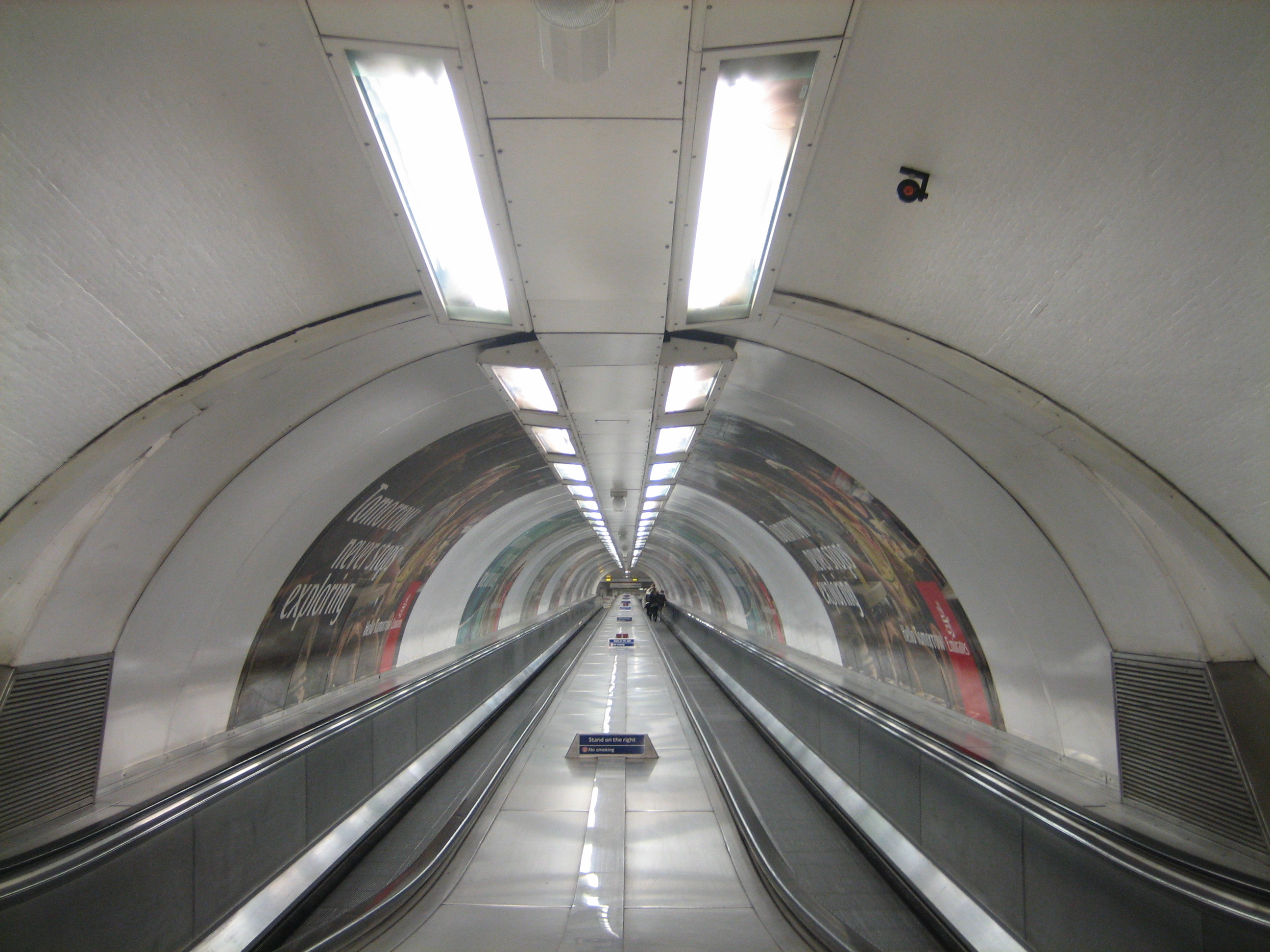
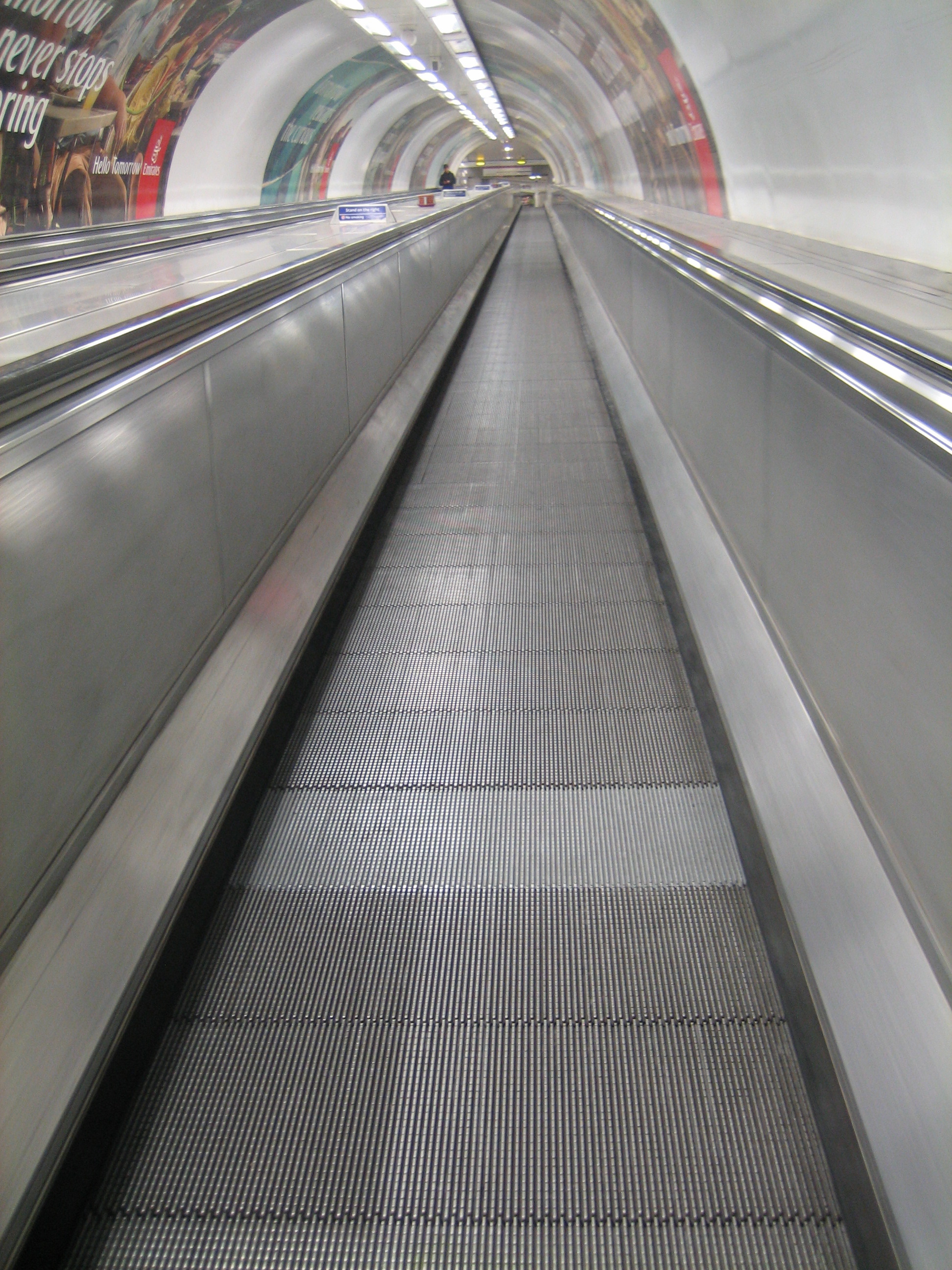
In the words of Pathe News, it’s a big welcome to the travelator!

Pathway to the futureIt’s Britain’s oldest, and – by virtue of its location and purpose – its best.

Moving walkways belong in the same category as jet packs, hot plates and those pneumatic plastic tubes used for whizzing documents around a large building. They are stabs at everyday futurism. They are snapshots of what the world of yesterday thought the world of tomorrow ought to look like. And they are uniformly fantastic.

You’d be hard-pressed to find a more rousing gesture towards mass public conveyance than the travelator. Just listen to the optimism with which its arrival was greeted. It replaced “that dreadful old tunnel” through which passengers had to trudge to reach the Waterloo & City railway. Thanks to its inclination towards modernity, not to mention its actual inclination, commuters could cheer “at long last, it’s the end of the drain.”

They can still cheer. This moving walkway is still a persuasive feat of imagination and innovation. And its status has been enriched with the passing of time, for what was once spoken of as becoming universal has ended up a rarity. Consequently it is of even more value than when it was first opened to the public in September 1960.

Step onA ride on the travelator at Bank is to step, or rather to glide, back to a time when mechanisation was the great leap forward. When it was thought people would be impressed by talk of “488 segments of special aluminum”. When it was dazzling to contemplate something able to move “more than 13,000 passengers… in the peak hour”.

Yet this is no relic that has outlived its usefulness or been neglected as the decades have fallen by. It is as relevant and as robust as it appeared to look in 1960. Plus it still feels futuristic, and therefore exciting, because it remains an oddity in a world in which, by now, they were meant to be commonplace.

Walk this way…

All aboard

Illuminating the pastThe tunnel through which the very first Underground train passed 150 years ago this week is, by and large, a dump.

There’s no reason for it not to be. It’s one and a half centuries old. Much of it is in complete darkness. It doesn’t need to look or feel especially reverent. It still does the job for which it was originally built, and that’s all that matters.

Where the tunnel lifts its skirts, as it were, is when it brushes up against the rest of the world. And it does this with the most style, but also the most dignity, at Baker Street.

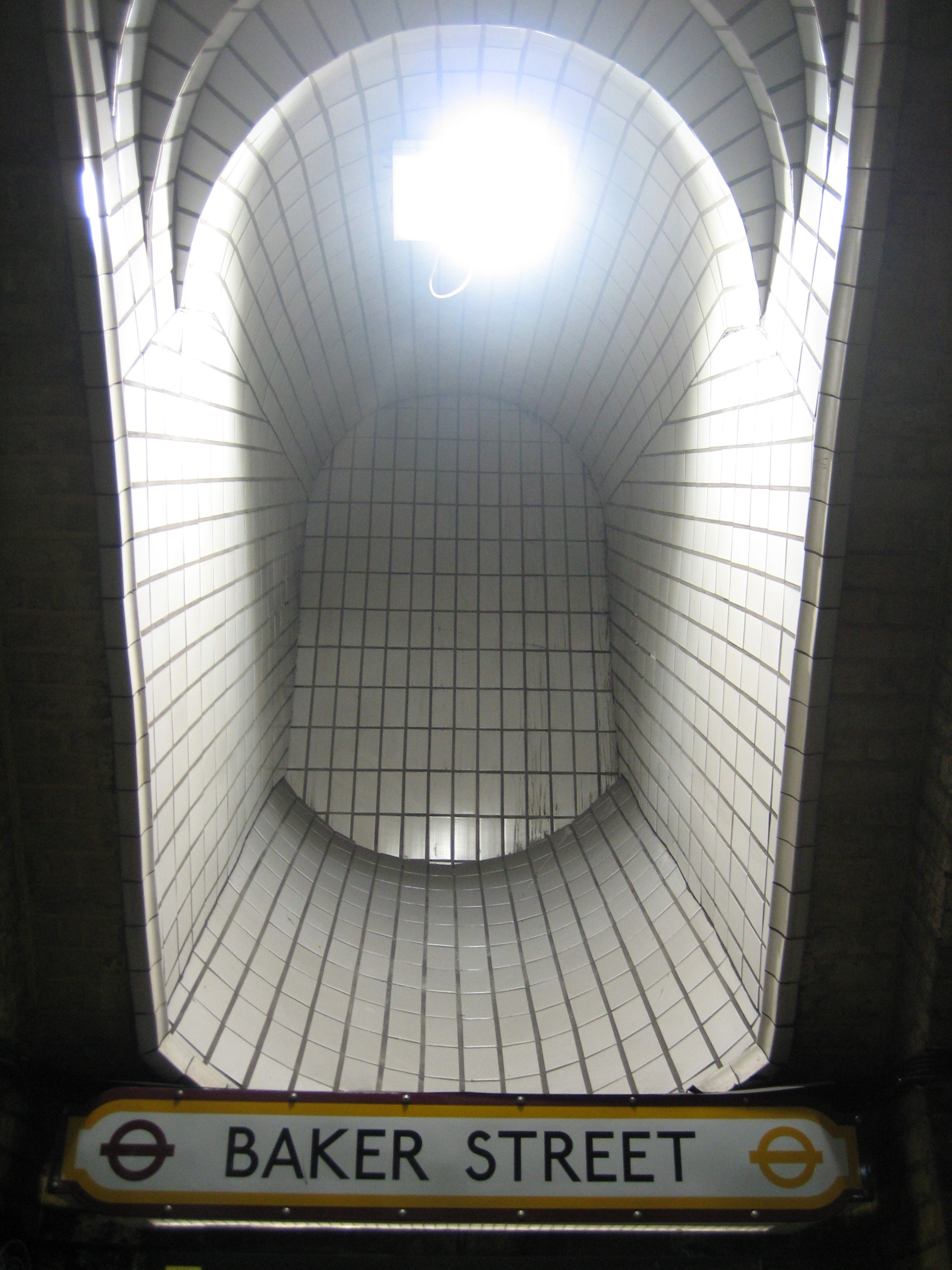
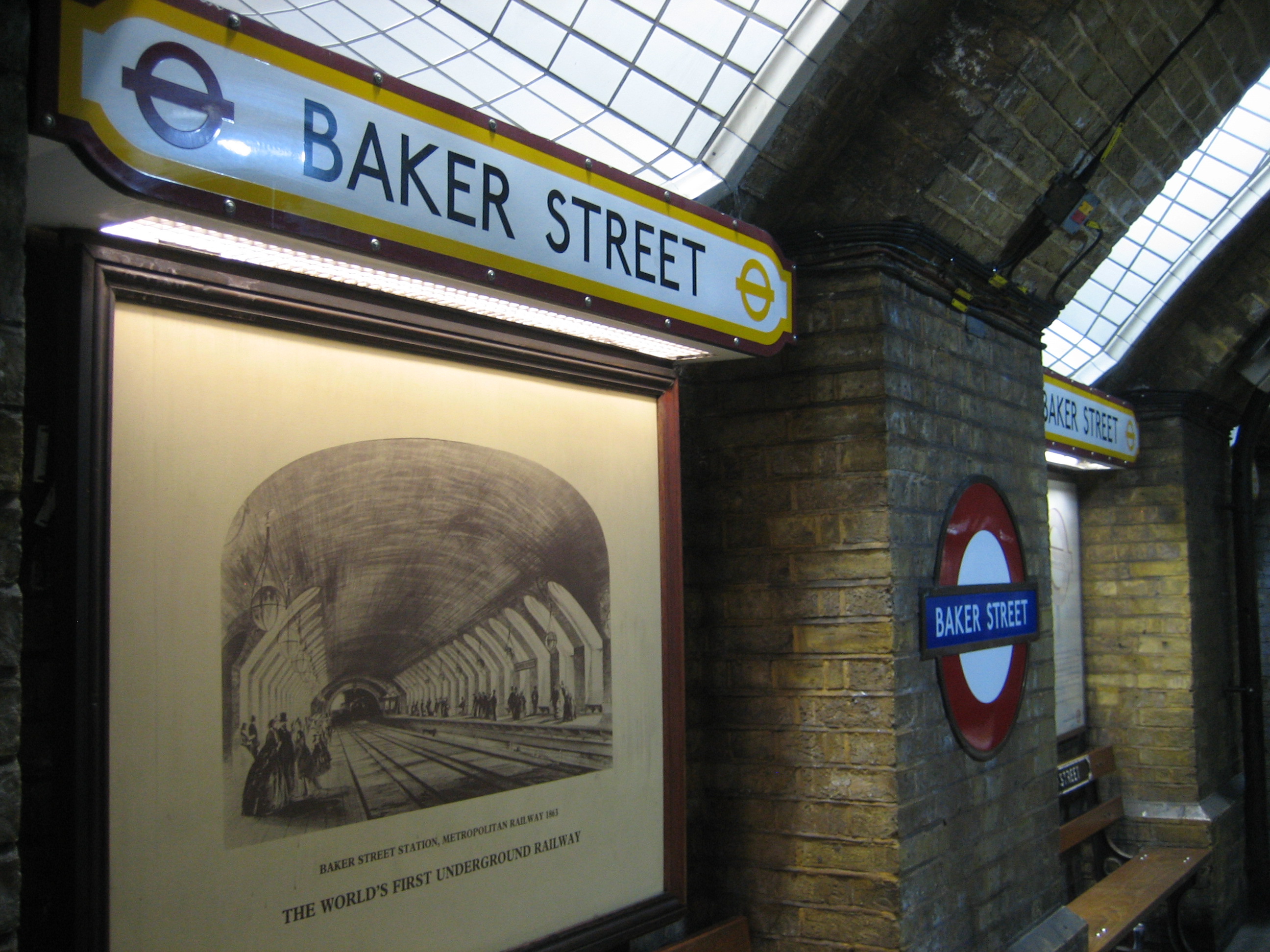
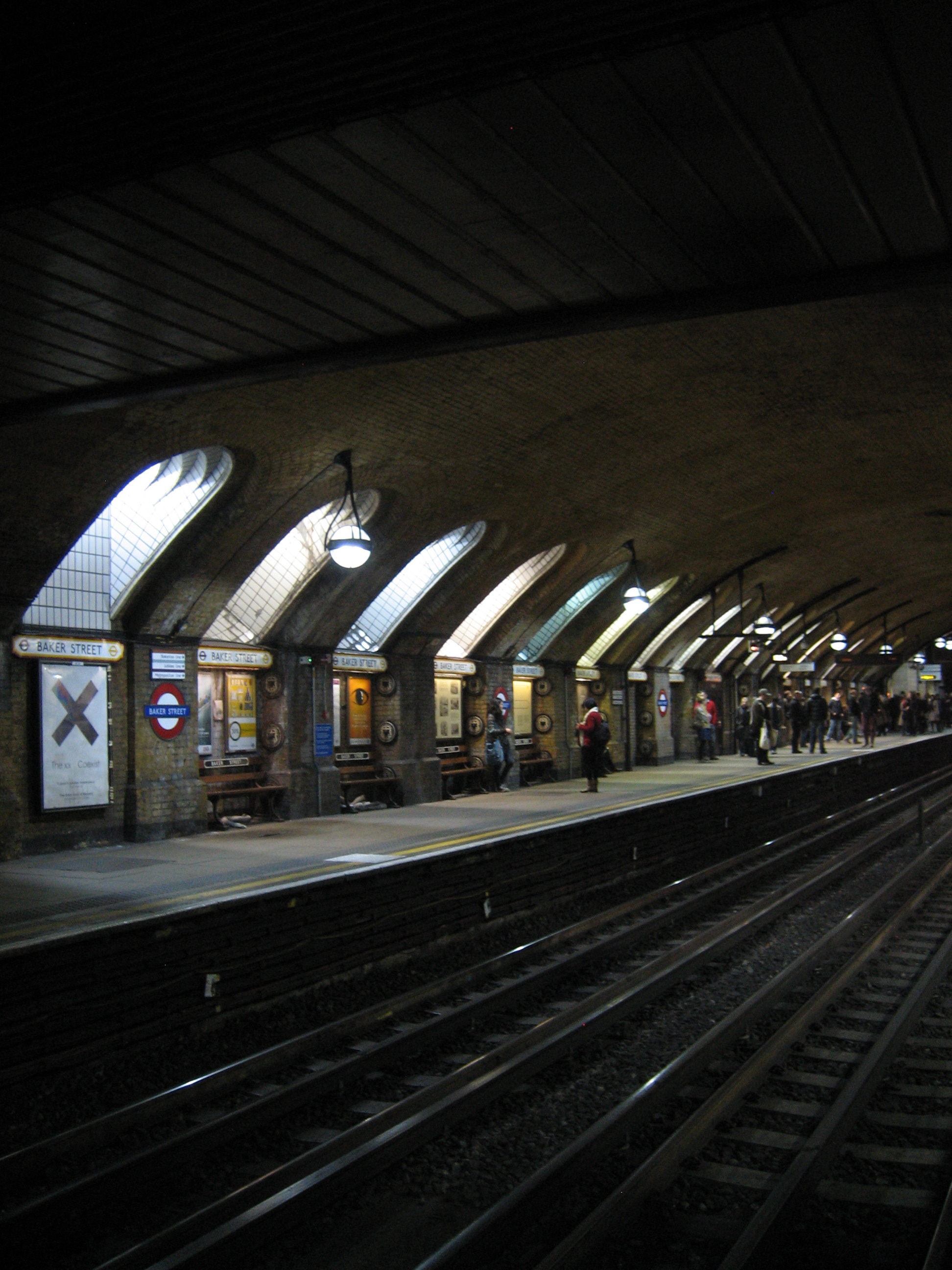
Baker's treatThere’s something about these platforms that perspires history. Granted, a degree of it is down to contrivance. The place has been done up to show off its heritage. But there’s nothing wrong with illuminating the past, and Baker Street does it literally:

A light, hereApart from stations on the Jubilee line extension, I’ve rarely come across examples of the Underground using artificial light with such precision and thought.

The care that has gone into the presentation of the original platforms at Baker Street is palpable. You feel like someone has, for once, grasped how architecture and artistry can rekindle each other in a constructive, forward-looking fashion.

This place could so easily have taken on the feel of a mausoleum. Antiquities could have been preserved out of duty rather than love. Instead the smell of Victoriana that sidles up your senses the moment you arrive on the platforms is comforting, even reassuring.

The eminence is infectious. I want to linger here, not pay my respects and move on.

To the end of the lineThe drawings and old maps and archive floor plans all help, of course. They sit in the illuminated alcoves, twinkling in the light, making the place feel even more like a living museum. I imagine, or at least I hope, they render the business of waiting for trains a little less tedious. Not that tedium is something I’d be quick to associate with Baker Street (although when I was there to take these photos, somebody was passing the time by doing the electric boogaloo – and rather well, as it happens).

These are only two of the 10 (count ’em) platforms at Baker Street, serving just two of the station’s five lines. But they are the oldest and also the finest. A bit of history gets under your fingernails every time you pass this way. Long may that continue.

150 years young