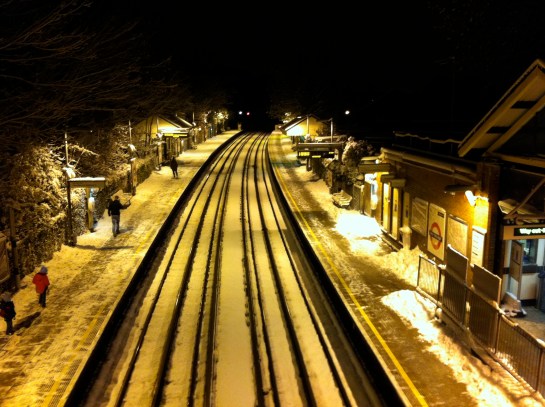
 When it snows in London, the city loses a million rough edges and raw surfaces.
Everything is smoothed over. The coarse, noisy cornerstones of the capital are substituted for oases of soft serenity. It becomes possible, just for a short while, to hear the sound of silence.
Unassuming objects take on an incredible beauty – but a beauty that is all the more affecting by virtue of being fleeting. You don’t know for how long this change will remain, or when you’ll get to see it again.
It’s a transformation that never fails to enchant me, appealing to various lingering sentimental and childlike traits. As I get older I become more stubborn in my fondness for snow, and at the same time less tolerant of people for whom it is merely an inconvenience. With each passing winter I am increasingly baffled at how something so infrequent and uncontrollable is, for some, a thing to be despised and rather brutally tamed.
Newspaper headlines always equate snow with transport misery. Yet it also works magic.
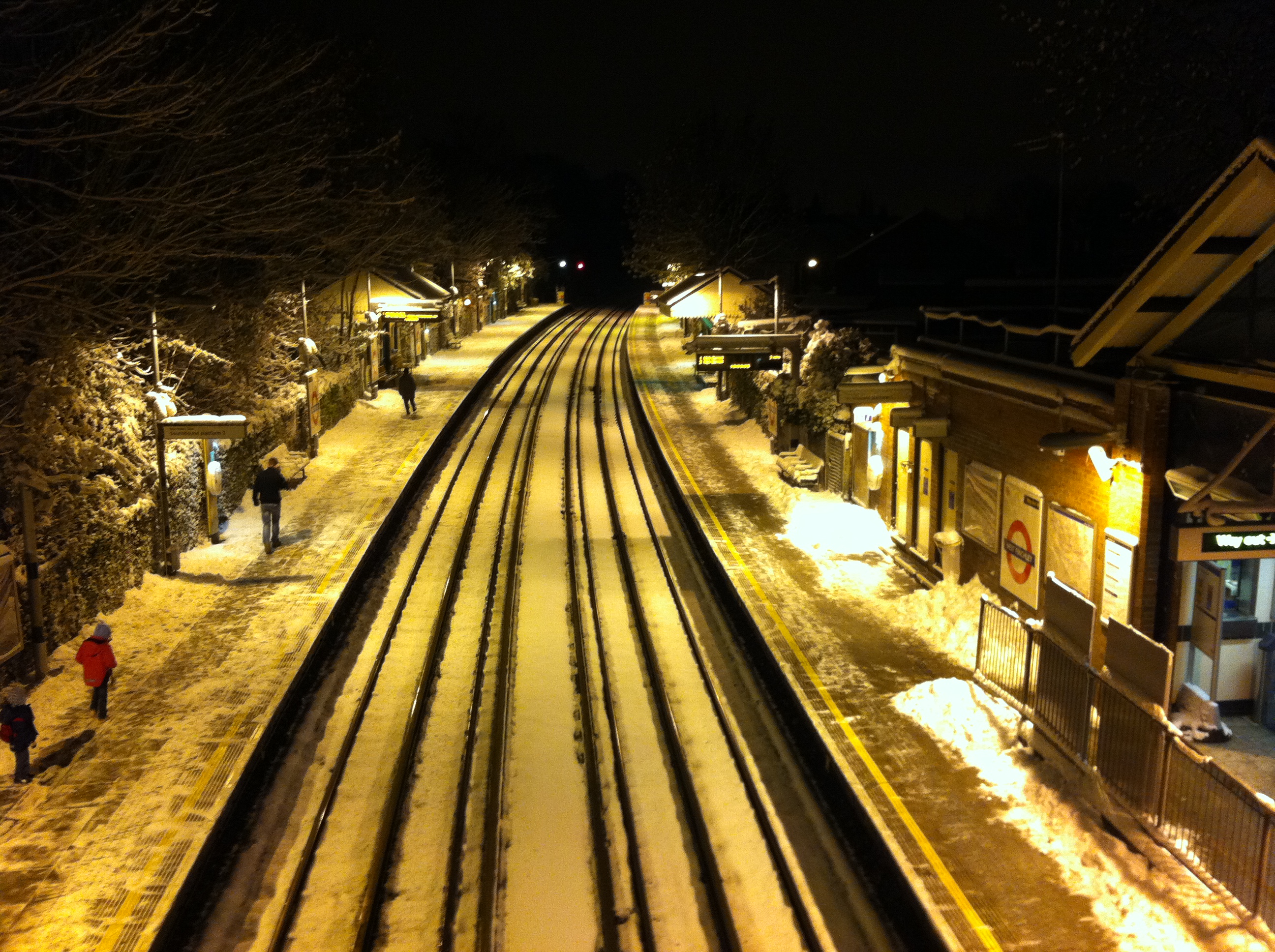
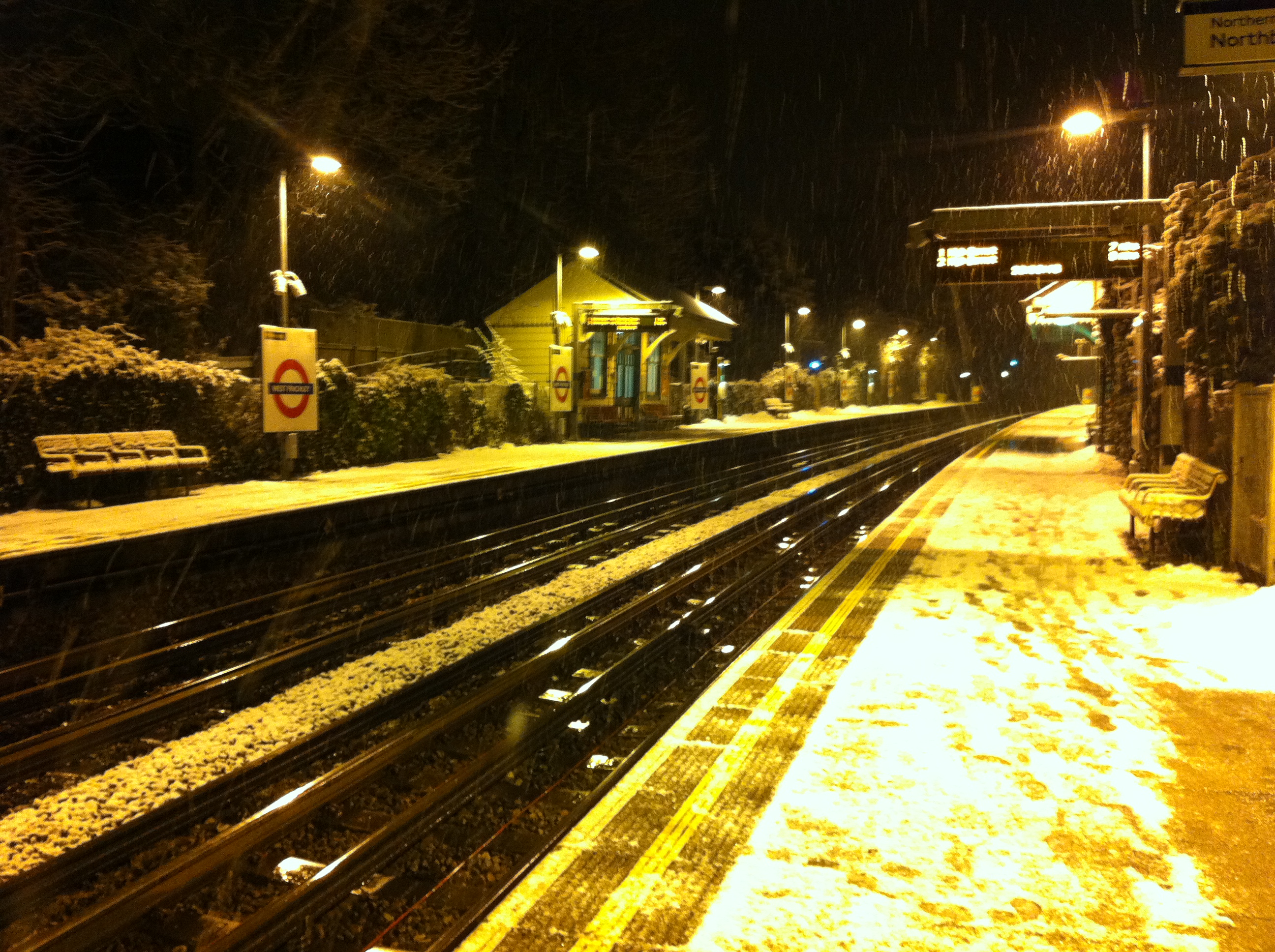
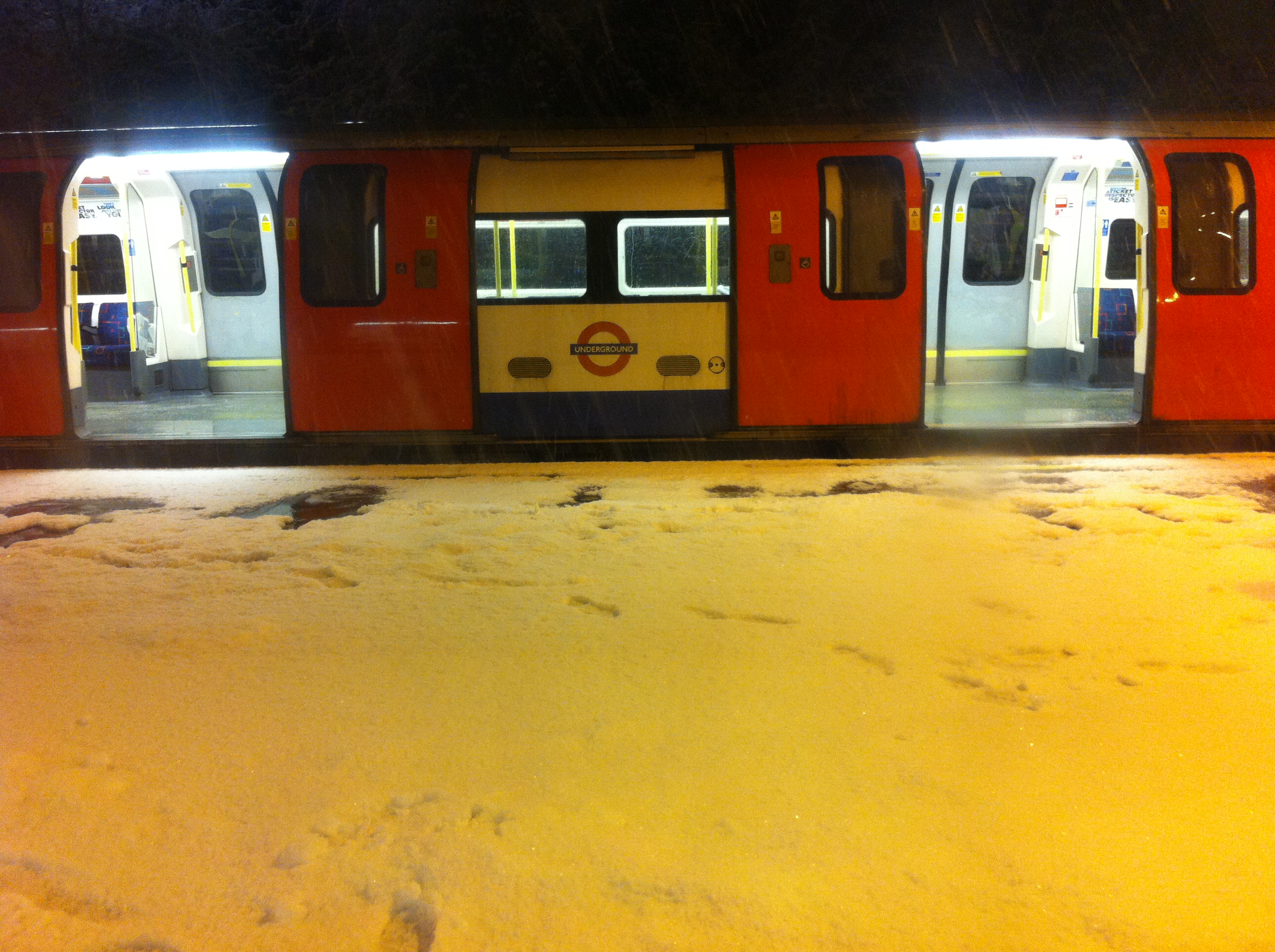
Take the Underground, or rather those stretches of line above ground. All the varied and inspired shapes and colours that comprise the network’s tapestry of stations and lines are suddenly subverted, or enhanced, or disguised, in the process ending up even more beguiling.
For some, the sight of a railway station in snow epitomises delay and despair. For me, it spells excitement.
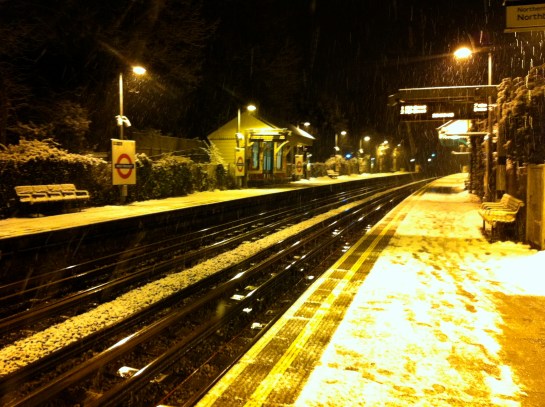
For the most part, the Underground copes astonishingly well in heavy snow. Inevitably there are times when the network reels and falls over. But it’s never for that long. Plans are put in place, extemporised services spring into life, emergency timetables take root.
And all those quieter, more far-flung stations show remarkable fortitude, remaining open as long as possible, becoming still more of a beacon, a lifeline, a sanctuary.
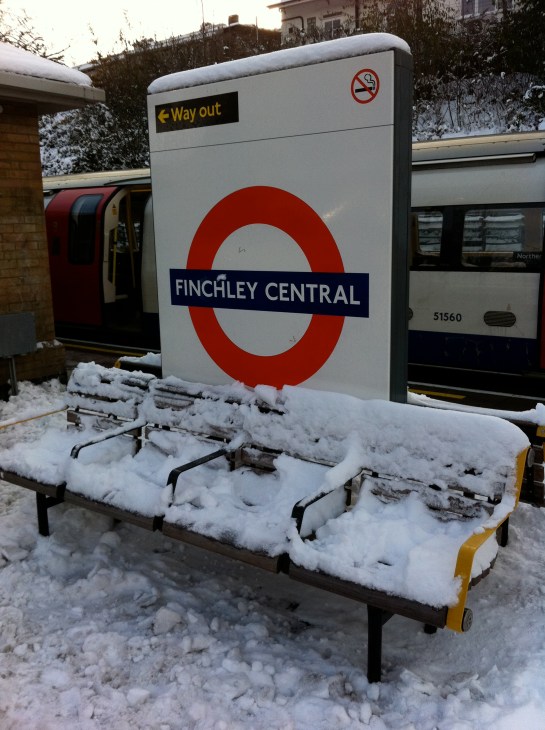
Why do rows of railway tracks appear so acutely evocative, even romantic, when carving their way stoically not just through a landscape of urban or suburban sprawl, but one that is also decked in snow?
Perhaps it’s something to do with the way they represent permanence, familiarity, even reassurance, among all the novelty and dislocation. Those tracks still know the way home, even if you don’t.
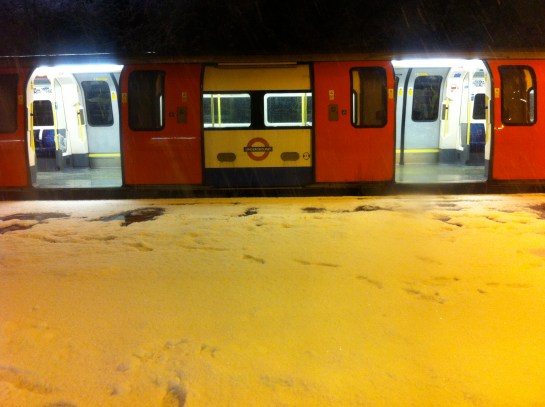
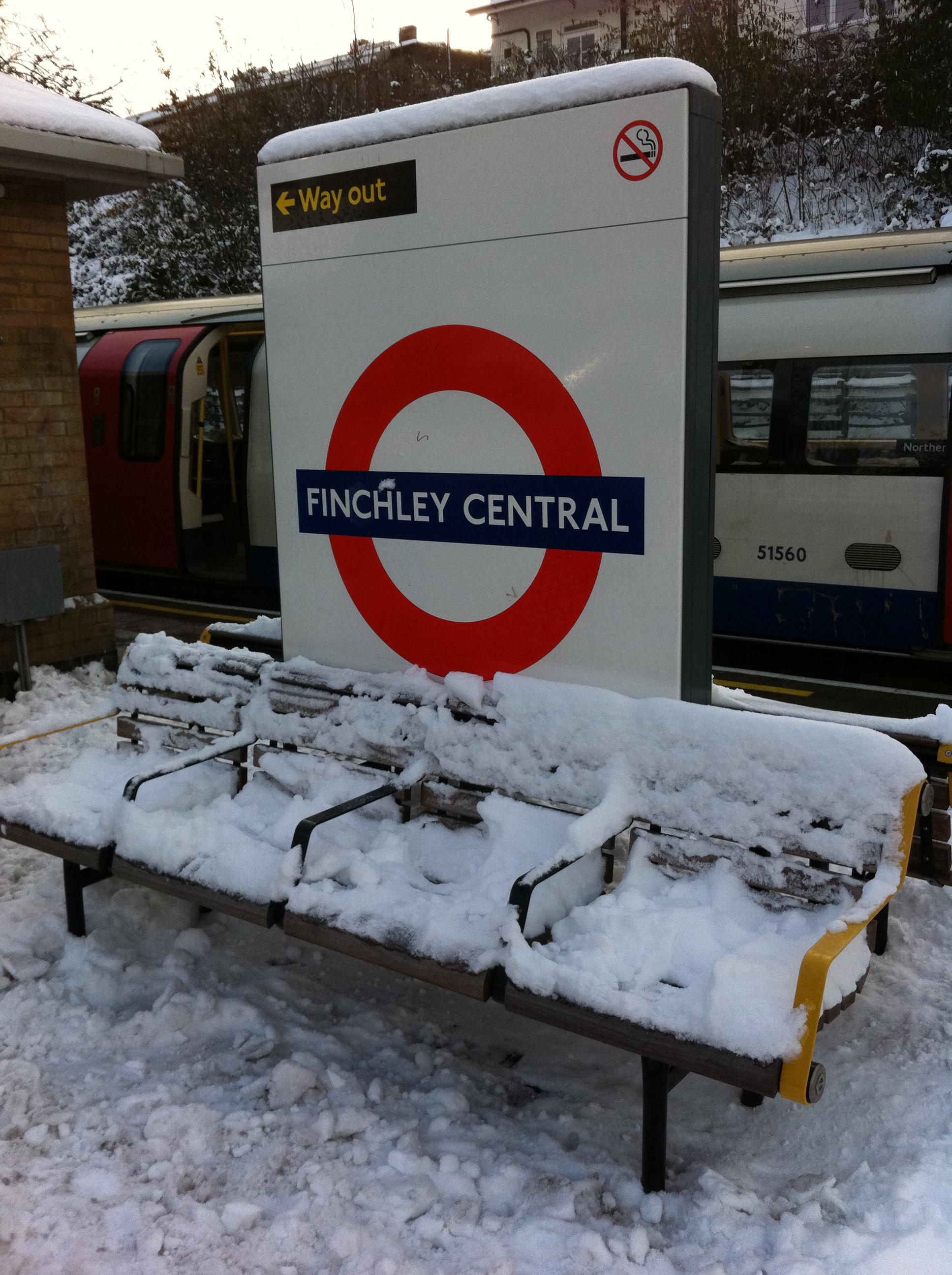
Moreover, the carriages that run along those tracks can still take you home.
Why not step inside?
 Perivale station was given Grade II listed status in July 2011. I’m surprised this took so long. The building was opened in 1947, meaning a total of 64 years passed before it was deemed worth protecting in law.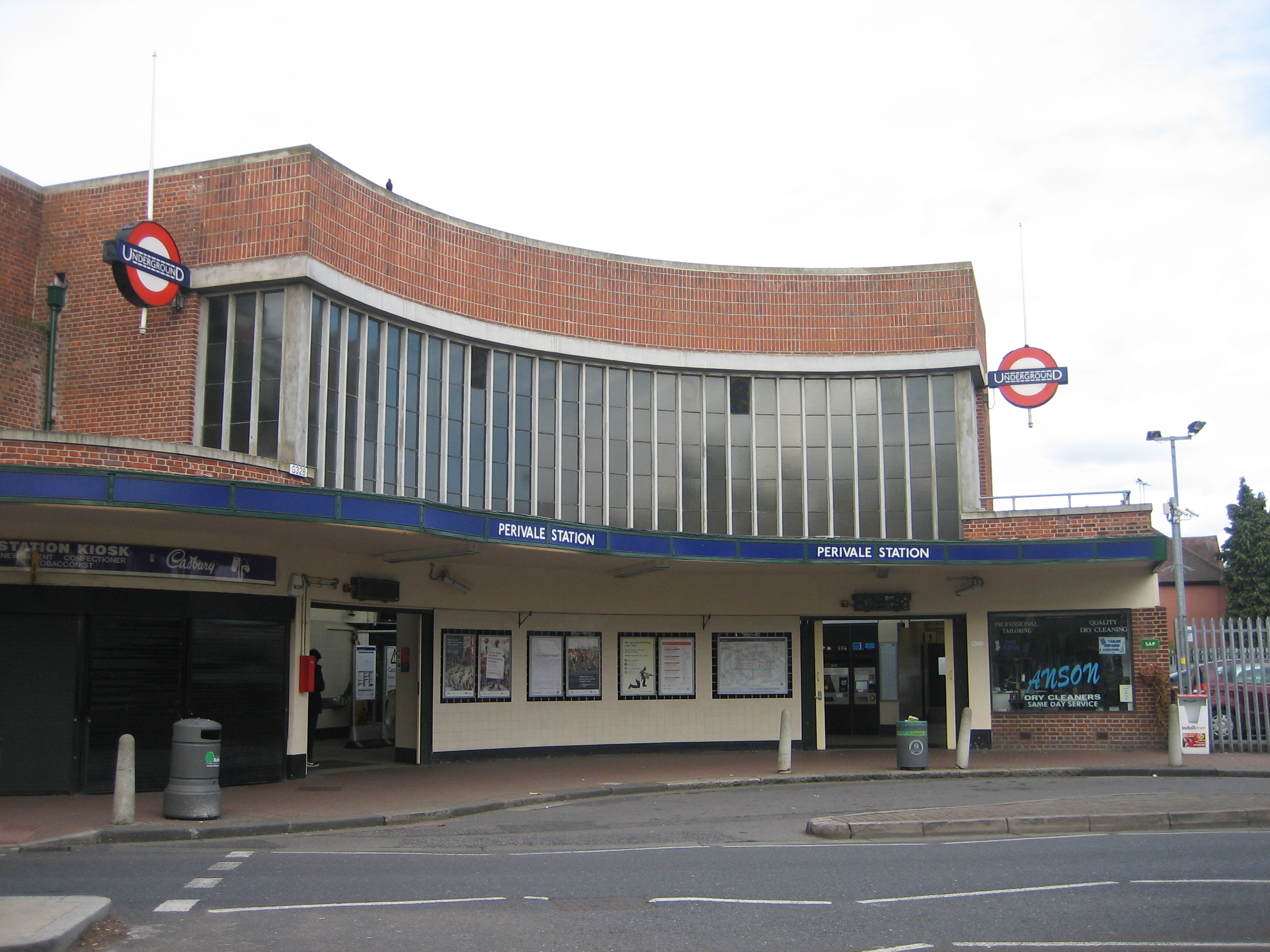


 150 great things about the Underground