The power of sevenYou can find beauty through scale on the Underground: noisy, powerful treats, things that soar and sparkle and make great play of doing an awfully marvellous job over an awfully marvellous area. But you can also find beauty through delicacy, where it’s not so much the size that dazzles but the details. Where less is more.

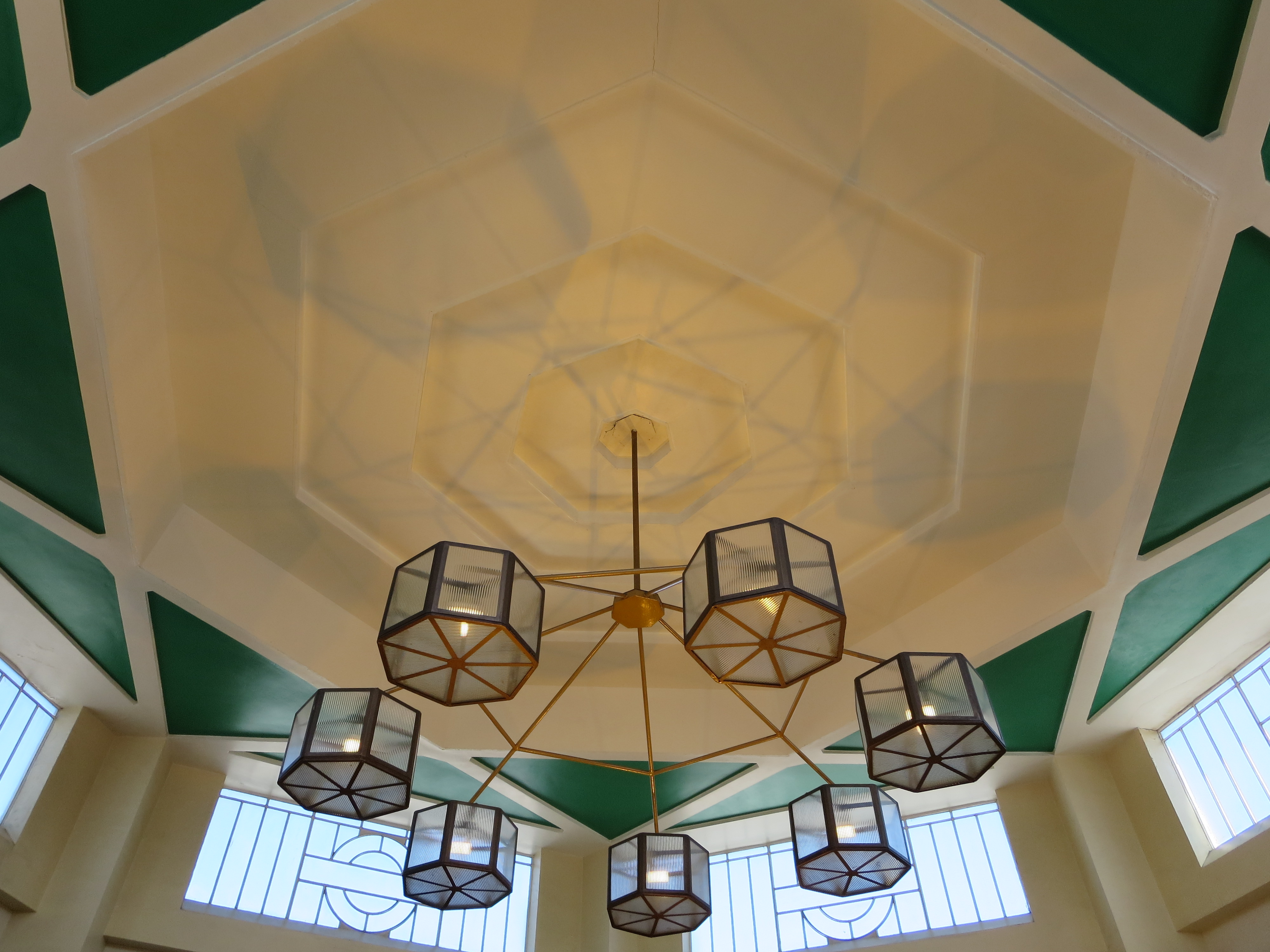
The interior of the ticket hall at Hounslow West is a bountiful treasure trove of detail. Its contents reward both the passing glance and the lingering stare. From the concept of the design to the hue of the fittings, it’s adorable – to the 128.5714286th degree.

A visit ought to be on the curriculum of every GCSE Maths and Design student, regardless of what any education secretary thinks of these kinds of buildings.
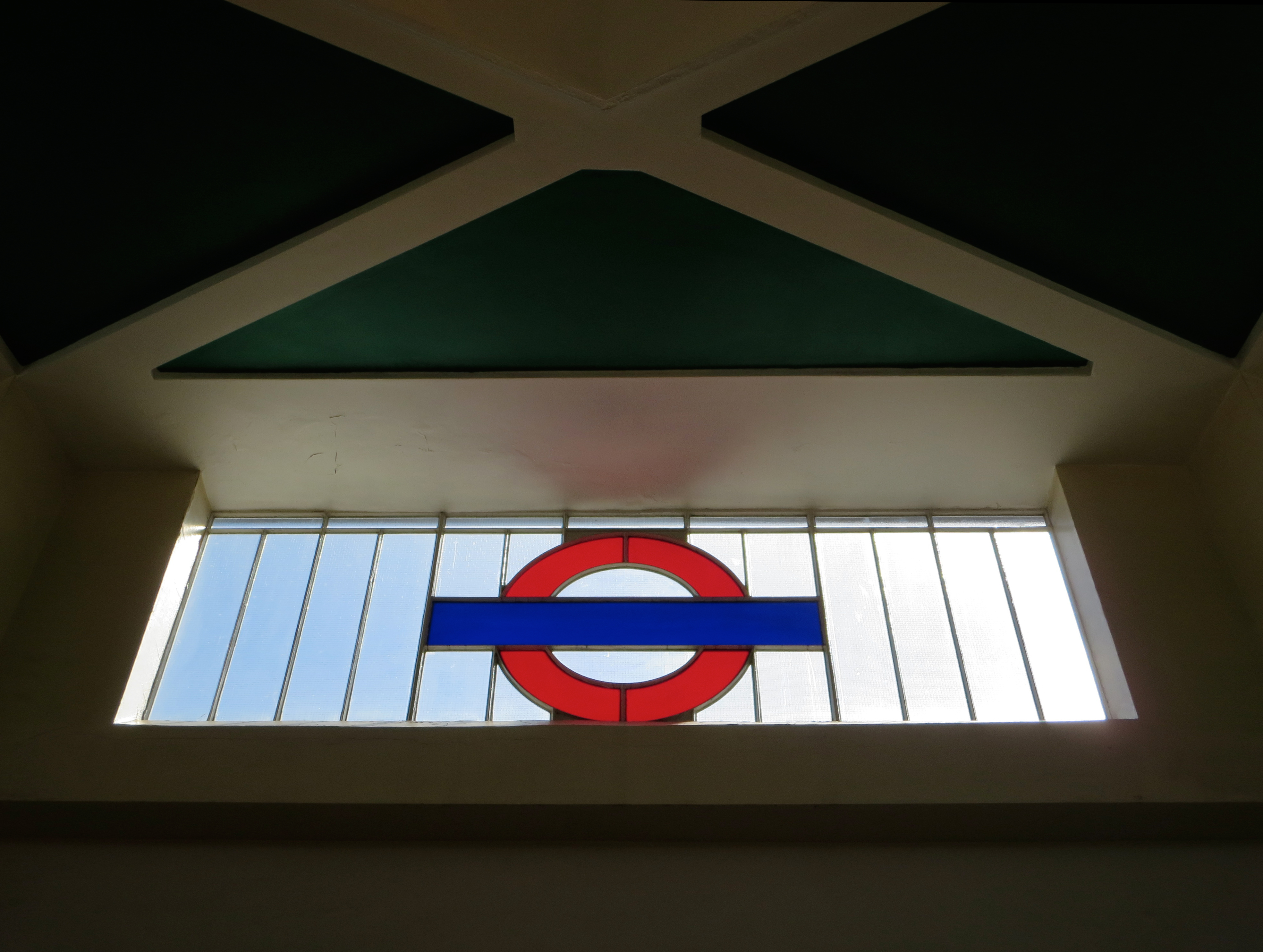
Heaps of enjoymentLight, geometry, colour, architecture, iconography, upholstery and style: the seven pillars of this heptagonal hall of wonder.

Two more Hs were involved in its creation: Holden (Charles) and Heaps (Stanley) worked together in a rare collaboration on the station, which opened in July 1931 – the same month as Sudbury Town. What a feast for the eyes of Piccadilly line passengers.

It’s as much the interaction of all the different features as the concept itself that makes this place so enchanting. There must be dozens of heptagons in total, in both two and three dimensions, which jostle and jive alongside each other as if at a polygon-themed disco. The bright blues and reds of the roundels offset exquisitely the muted tones of the walls and ceiling, and are as gorgeous as any jewel to be found in Hatton Garden. And just look at those shadows:
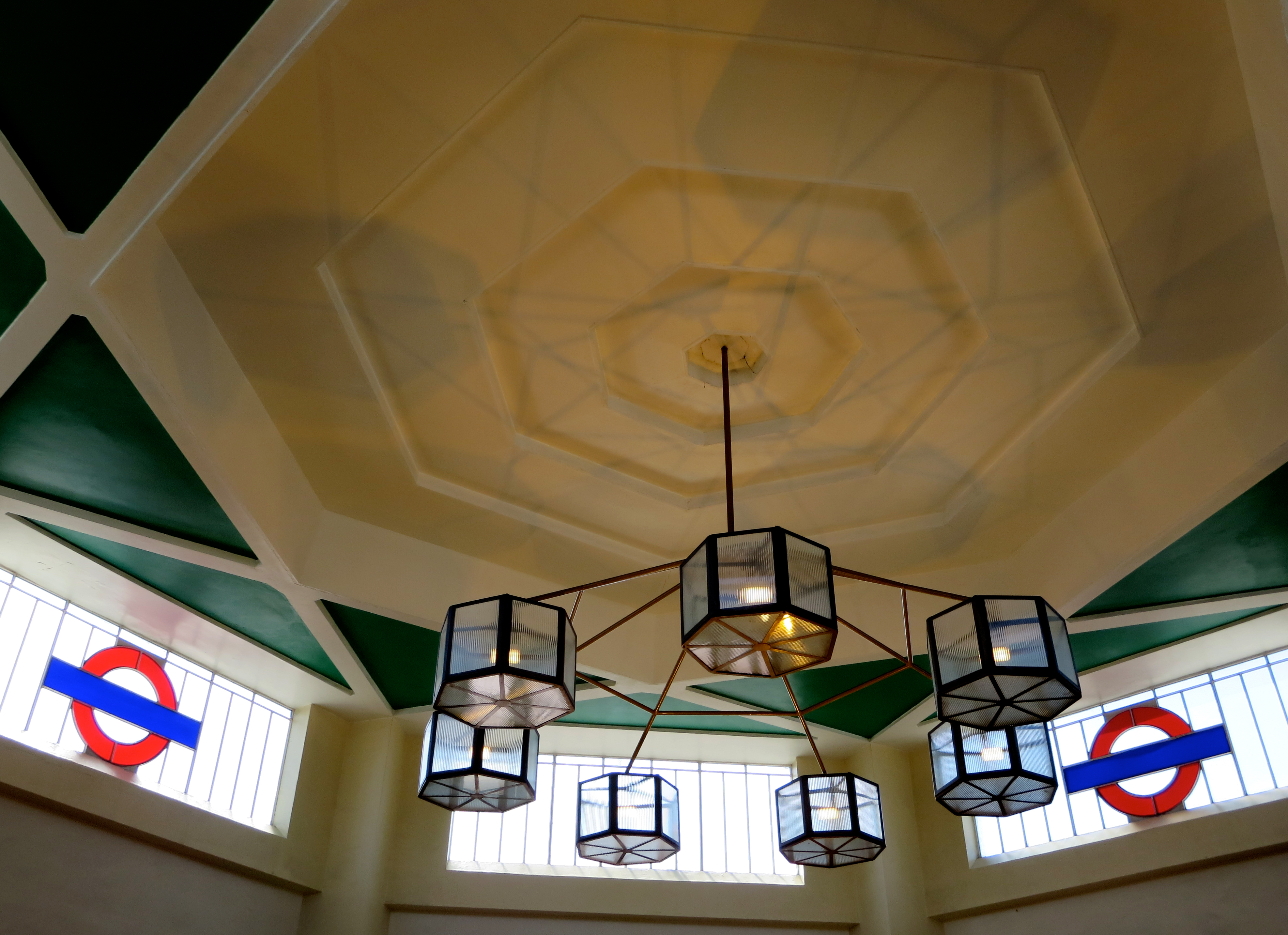
Hip-tagonalCould the exterior of Hounslow West possibly match the bewitching poise of its interior? You know the answer to that question. And it merits a separate blog entry to boot.
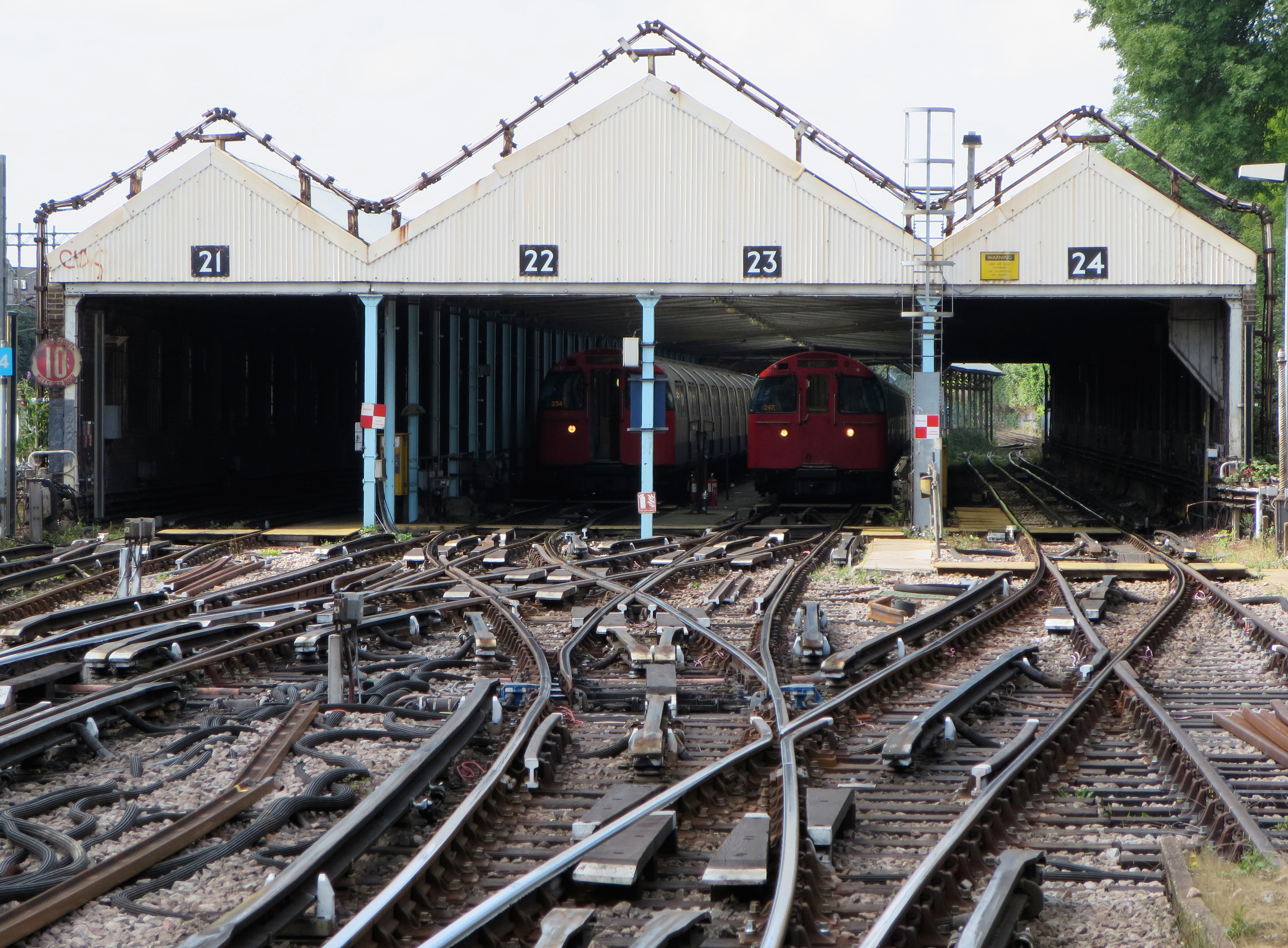
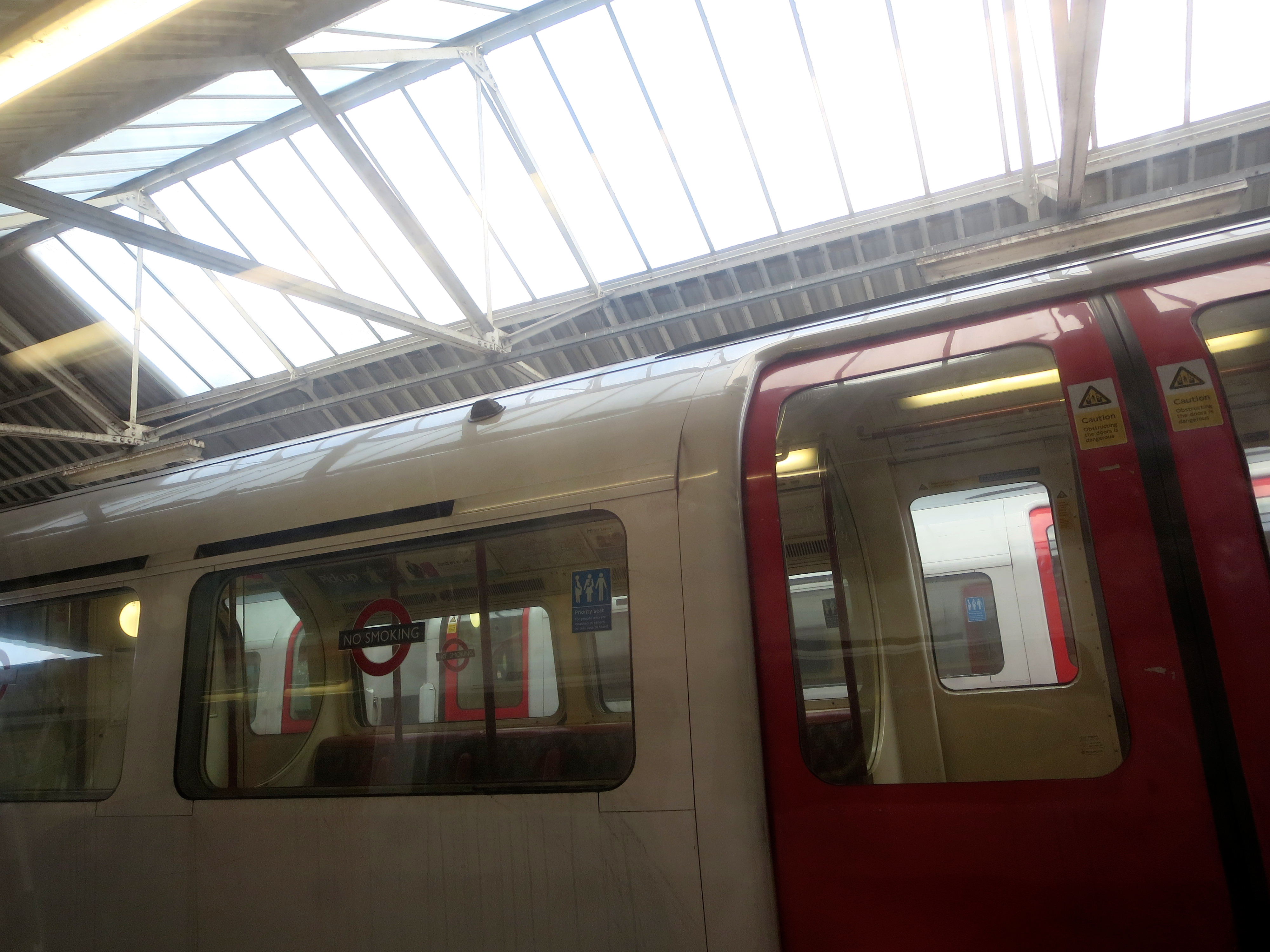
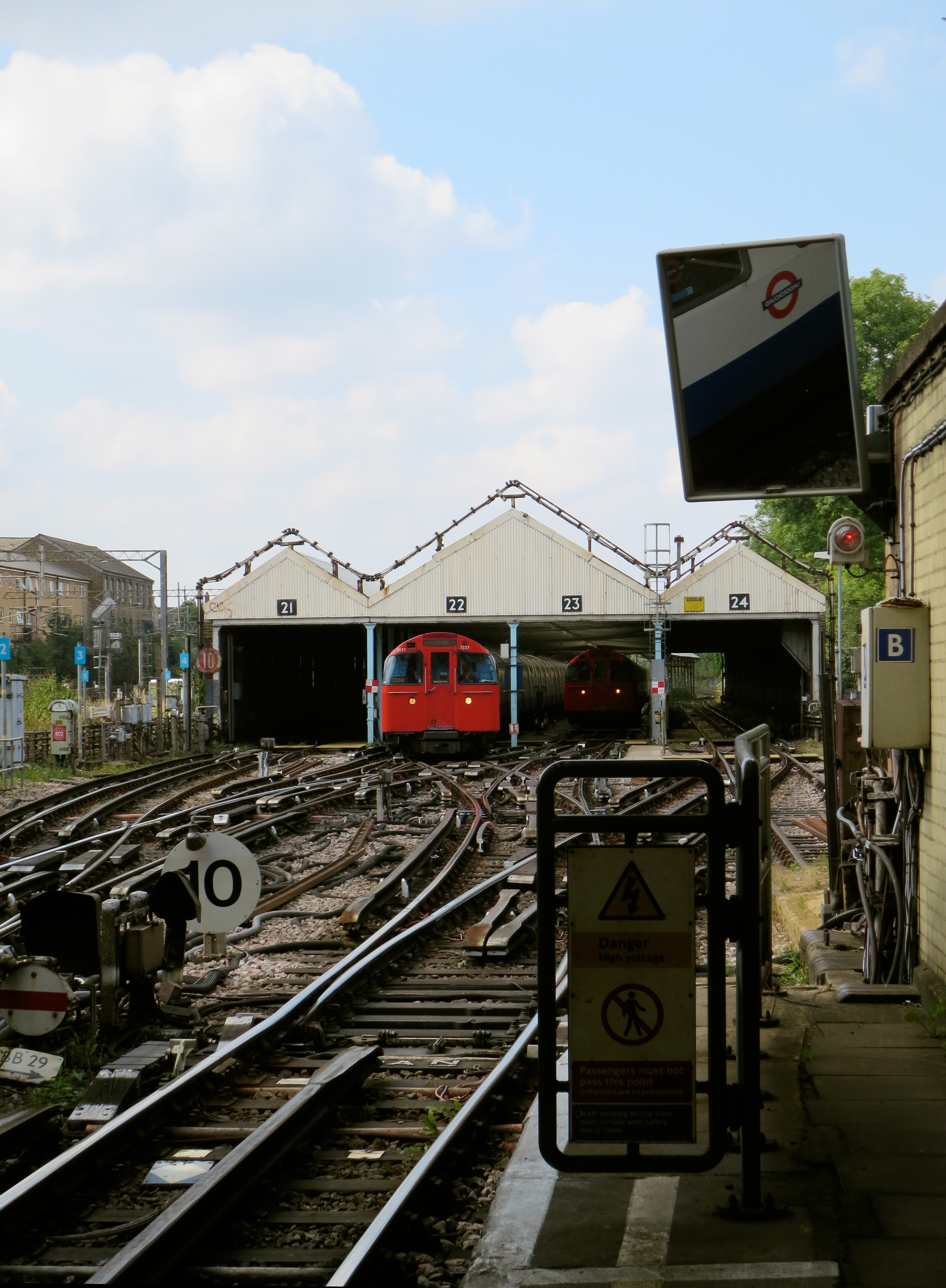
Shedding followersJust north of Queen’s Park station on the Bakerloo line, you experience something I’m pretty sure you can’t do anywhere else on the Underground.

You get to pass through a carriage shed.

That might not sound particularly tremulous, and I grant you it’s not on a par with the kind of sensory overload you endure on a ghost train or enjoy on a seaside tram. But it shares the same novelty value. And if you’re in the mood, there’s a tingle of excitement to be had from peeping inside somewhere it feels you’re not meant to go.

She said, there's something in the train shedIf you’re heading north, you trundle through entrance 21, past a very old (but still perfectly legible) 10 MILES AN HOUR warning sign. Once you’re inside, look out of the right-hand windows and you’ll probably see a couple of trains sitting in berths 22 and 23, not really doing much. You’ll possibly spend a minute or so doing the same, before your train is given a green signal to carry on up the line to Kensal Green: nemesis of all connoisseurs of The London Game.

If you’re heading south you’ll probably come through number 24. Whichever track you end up on, however, the effect is the same: a moment of anxiety as you conclude you’re sitting in a train that’s been sent to the sidings, followed by a longer moment of embarrassment when you realise your mistake.

Two little ducksWhen you pass through the shed, I wonder under whose jurisdiction you fall. I can imagine there are issues over “conveyance”, with unions and management holding urgent negotiations to agree terms of safe passage. I hope there are “lucky” entrances, and that superstitions have built up around particular numbers. In bingo lingo, would you prefer two little ducks or a knock on the door?

For shed followers, you probably can’t beat arguing about something like this. For shedding followers, you certainly can’t beat writing about something like this.

A case of cup-olaThere are a, ahem, coupla’ reasons to visit Clapham Common station.

The first is the single island platform, identical to the one at Clapham North, both of which are the only such layouts still in existence on deep-level Underground lines.

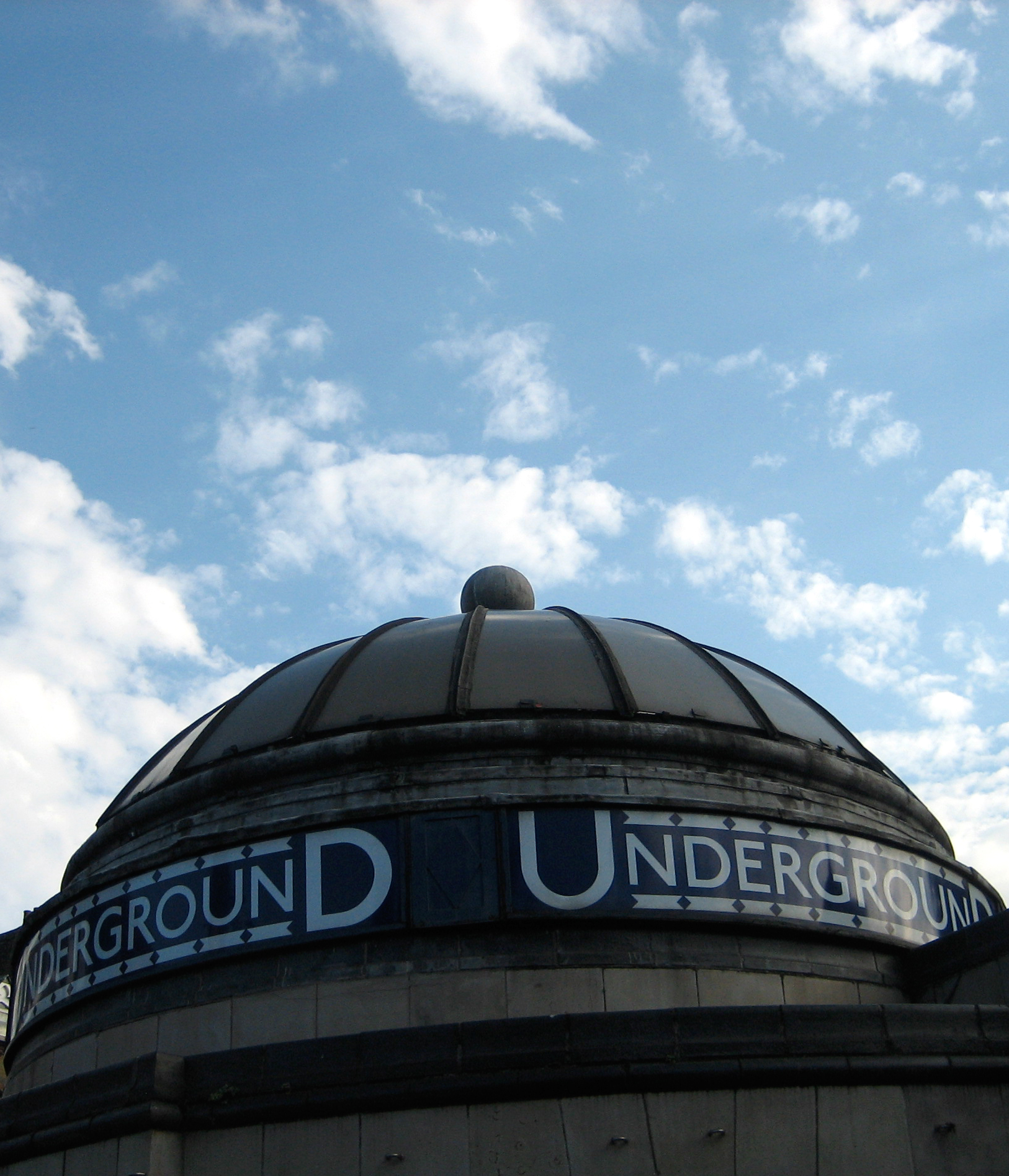
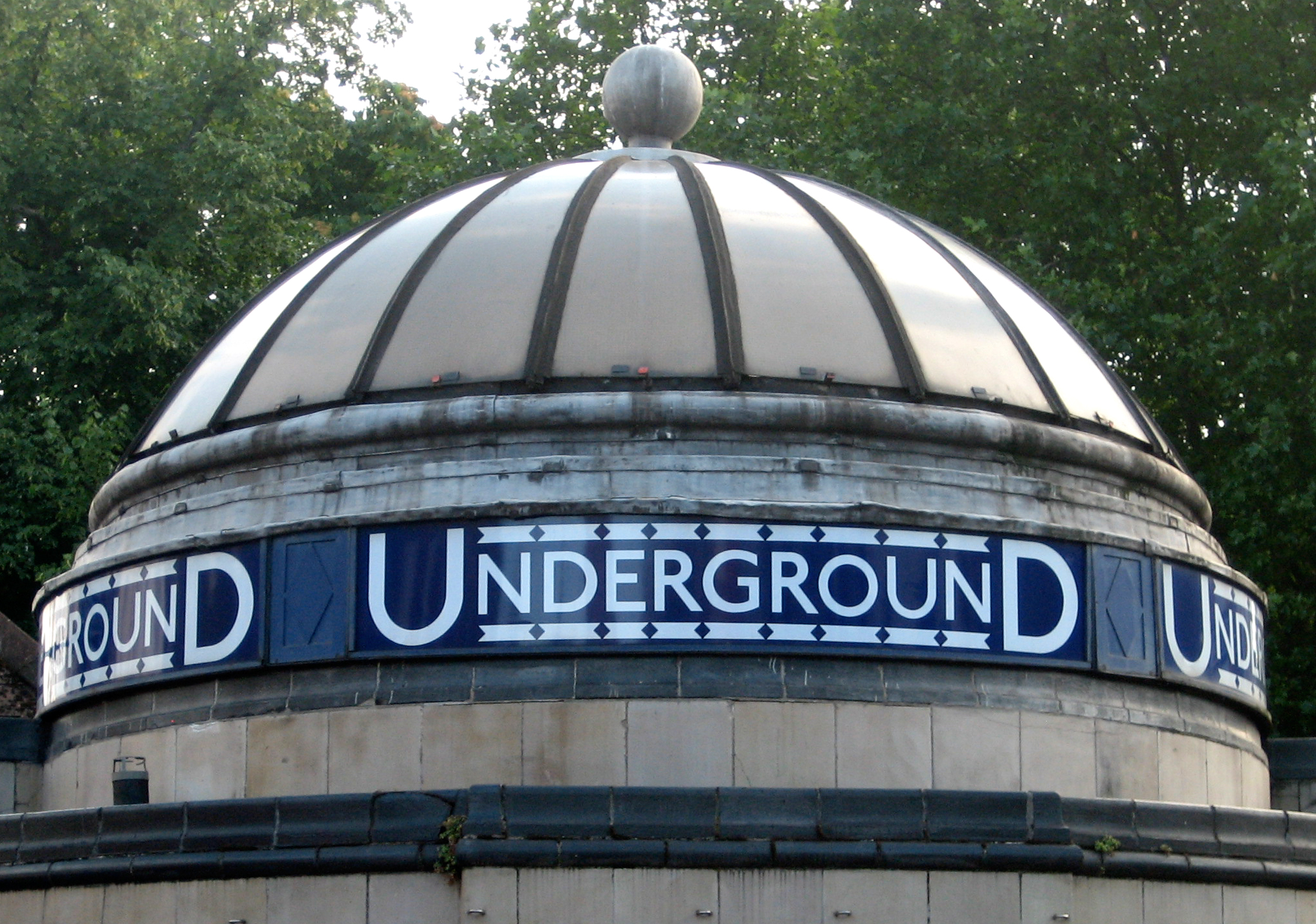
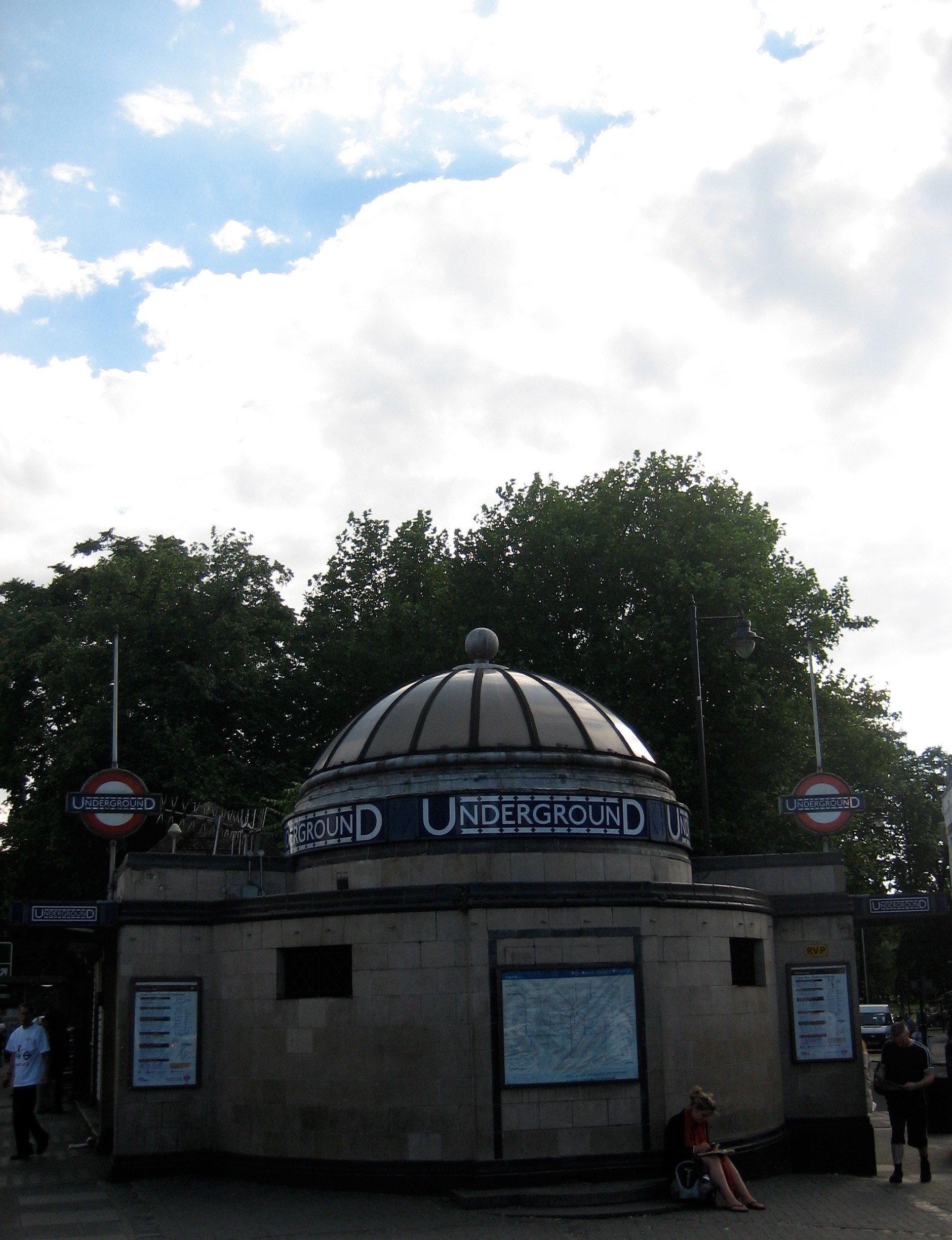
The second is above ground. It’s the intriguingly (some might say dangerously) exotic confection that sits over the main entrance:

Cosmopolitan twitchingsIt’s rare to find the Underground flirting with anything so continental. It’s even rarer to find it getting away with it. Perhaps it’s the logo that’s key. Its reassuring typeface and dash of provincial antiquity  offsets any passing architectural indulgence.

But don’t worry. On encountering the cupola, if you’re prone to suffer from cosmopolitan stirrings, you can always nip on to the nearby common to relieve any tautness.

My cup runneth 'olaThis is the only decent bit of Clapham Common station to break ground. There’s a small, rather lumpen pavilion on the other side of the road that contains another way down to the ticket hall, but it can’t compete with this fey treat.

There’s a faint whiff of Catholic chintz about it. If the pope were to endorse this kind of architecture, his popularity might get another unlikely boost. But given its devoutly secular antecedents, I’m not so sure. Could Francis ‘ford this cupola? I suspect his fellow cardinals would prefer apocalypse – now.

Yet even if this very-late Victorian fancy (c. 1900) doesn’t tickle yours, there’s something hanging inside to twitch even the devoutest of souls:

Arrow right through meCupola? I barely knew her!