Archive

Tag Archives: Charles Holden

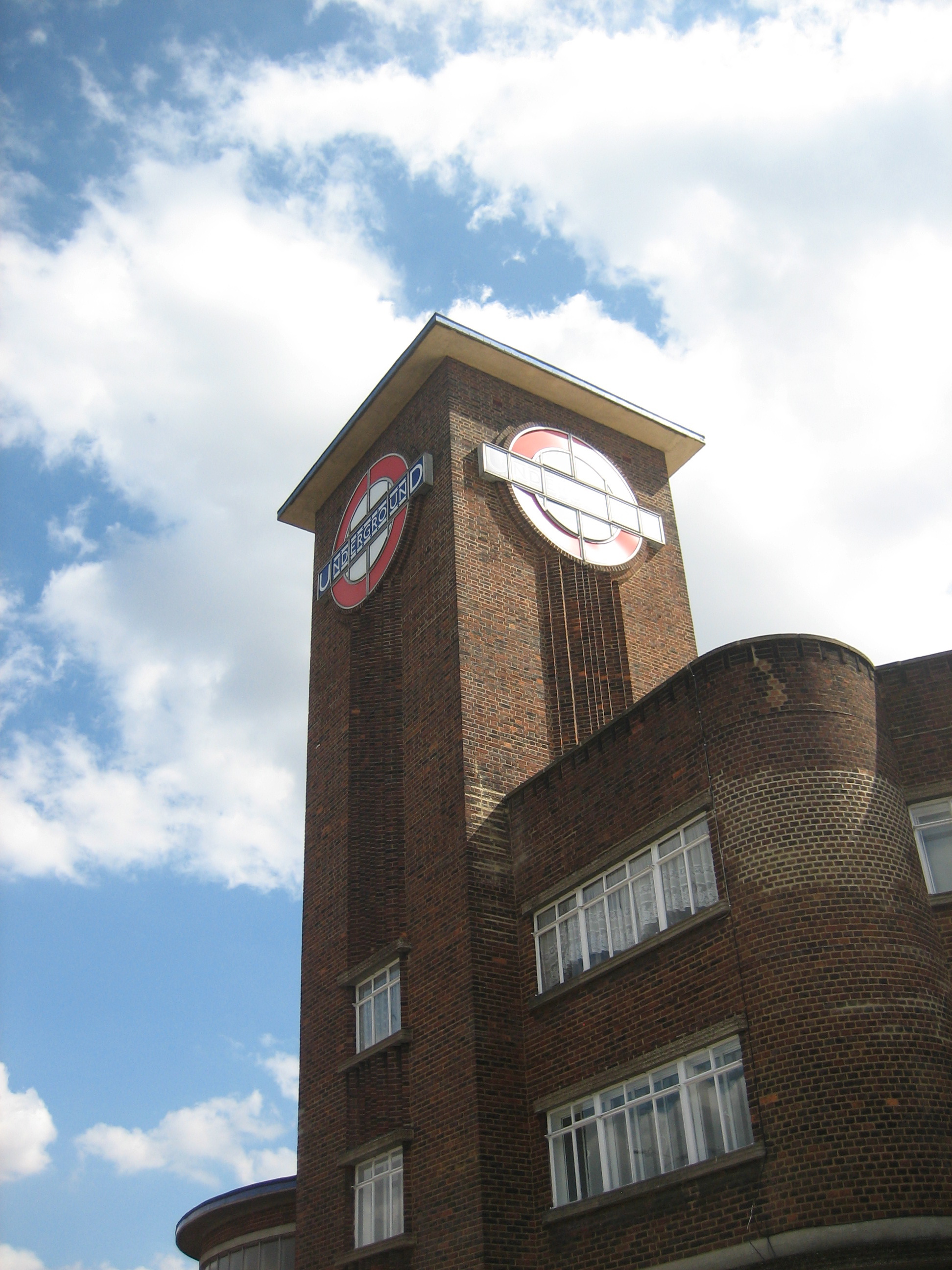
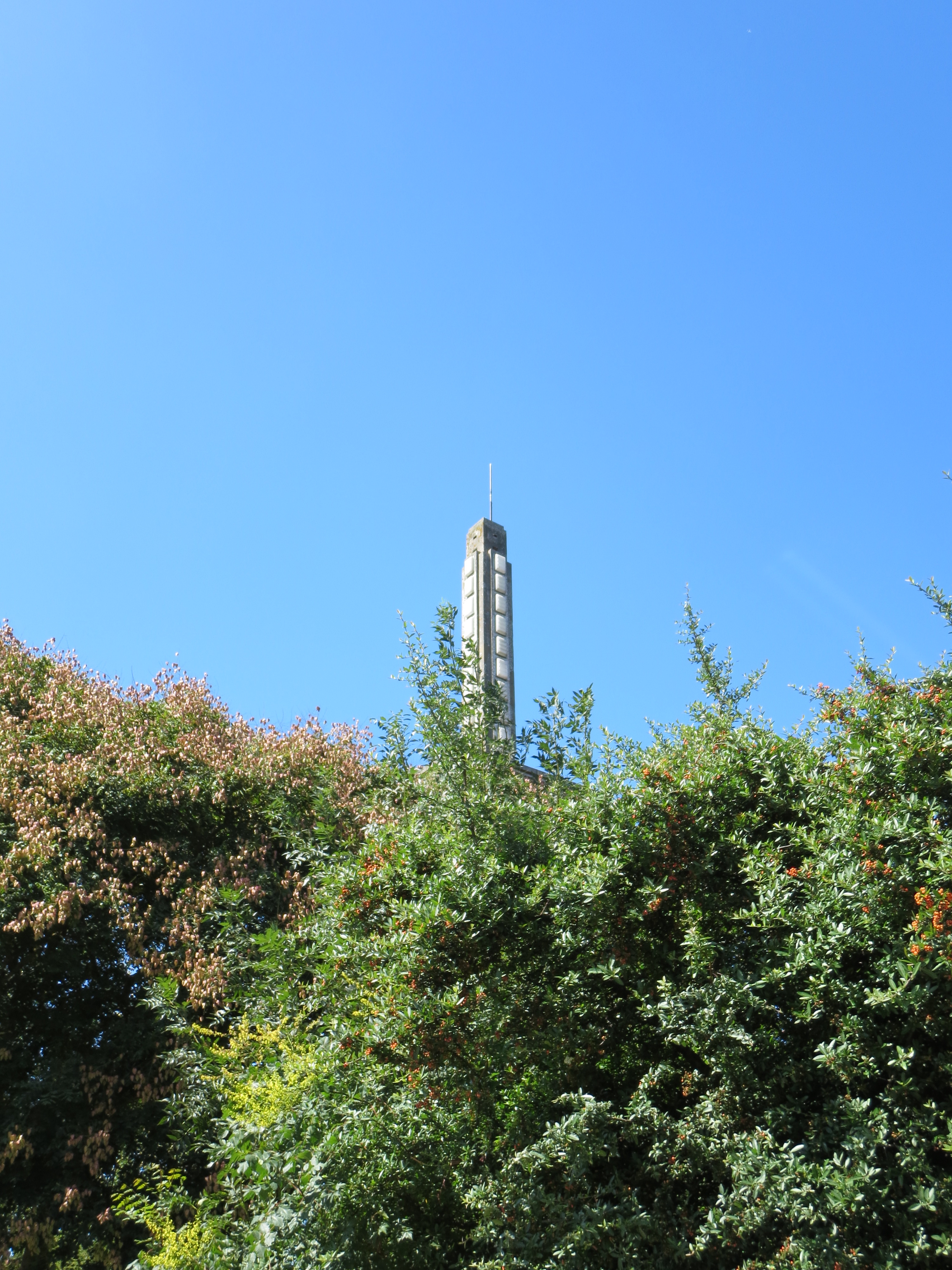
Toppermost of the Popper OstAh, if only this really were the top of a London Underground skyscraper, its summit boasting restaurants, swimming pools, viewing platforms and the entrance to a giant chute down which you could slide all the way to the station entrance.

It’s still utterly spectacular, despite possessing none of these things and being the width merely of a mildly stout man.

In fact, I’m not sure you can get inside it at all. I suspect it is entirely filled with concrete. But no matter, for it caps what is an extraordinary tower of beauty sitting in a location of brow-furrowing ordinariness.

Os-ter-ley, ha ha ha ha ha hThe tower’s practical job seems to be as a landmark to help people approaching from a distance. Its job as a piece of architecture is more subjective, and probably rests on your view of European design of the 1930s. That, and whether you find a massive pile of bricks and concrete appealing. Which they are, obviously.

The station was the work of Stanley Heaps, following the style developed by Charles Holden up at the other end of the Piccadilly line. It’s a gloriously imaginative, chic and daring prong of modernism. From a certain height, and in a certain era, it resembles a huge electrical jack or futuristic transmitter, the kind up which diabolical masterminds would send messages to testicle-shaped aliens, and from which monsters and maidens would dangle.

At night those panels on the side of the concrete obelisk light up, making it look even more other-worldly – yet still attractive, even alluring. It’s such a simple idea: build a great big tower then make it even higher. But it’s one that also manages to sum up the combined, intricate appeal of the Underground: its impulsive ambition, its stylish audacity, its pride in being noticed, its joy in being admired.

Not bad for a poke in the sky.
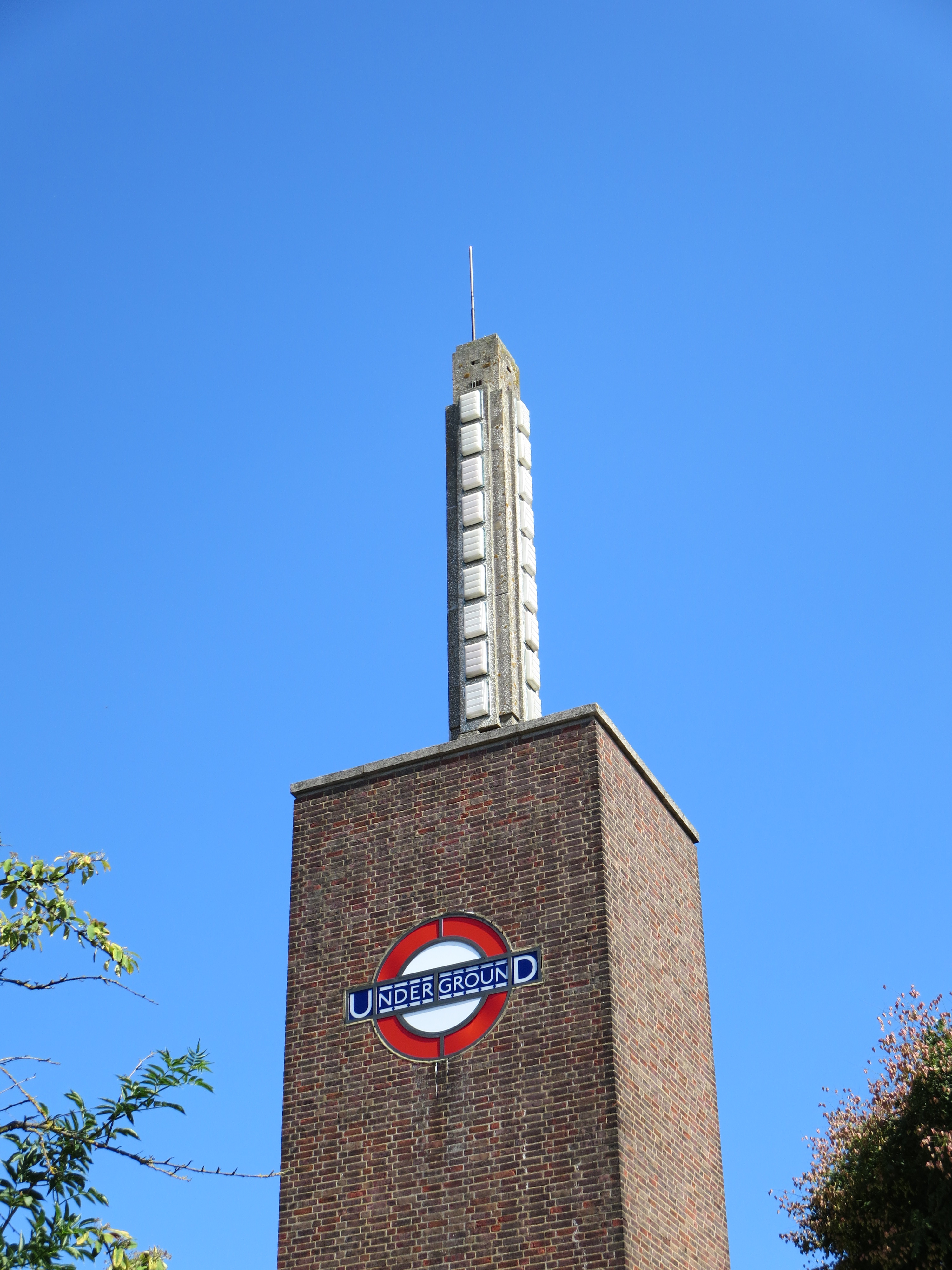
A poke in the sky

The power of sevenYou can find beauty through scale on the Underground: noisy, powerful treats, things that soar and sparkle and make great play of doing an awfully marvellous job over an awfully marvellous area. But you can also find beauty through delicacy, where it’s not so much the size that dazzles but the details. Where less is more.

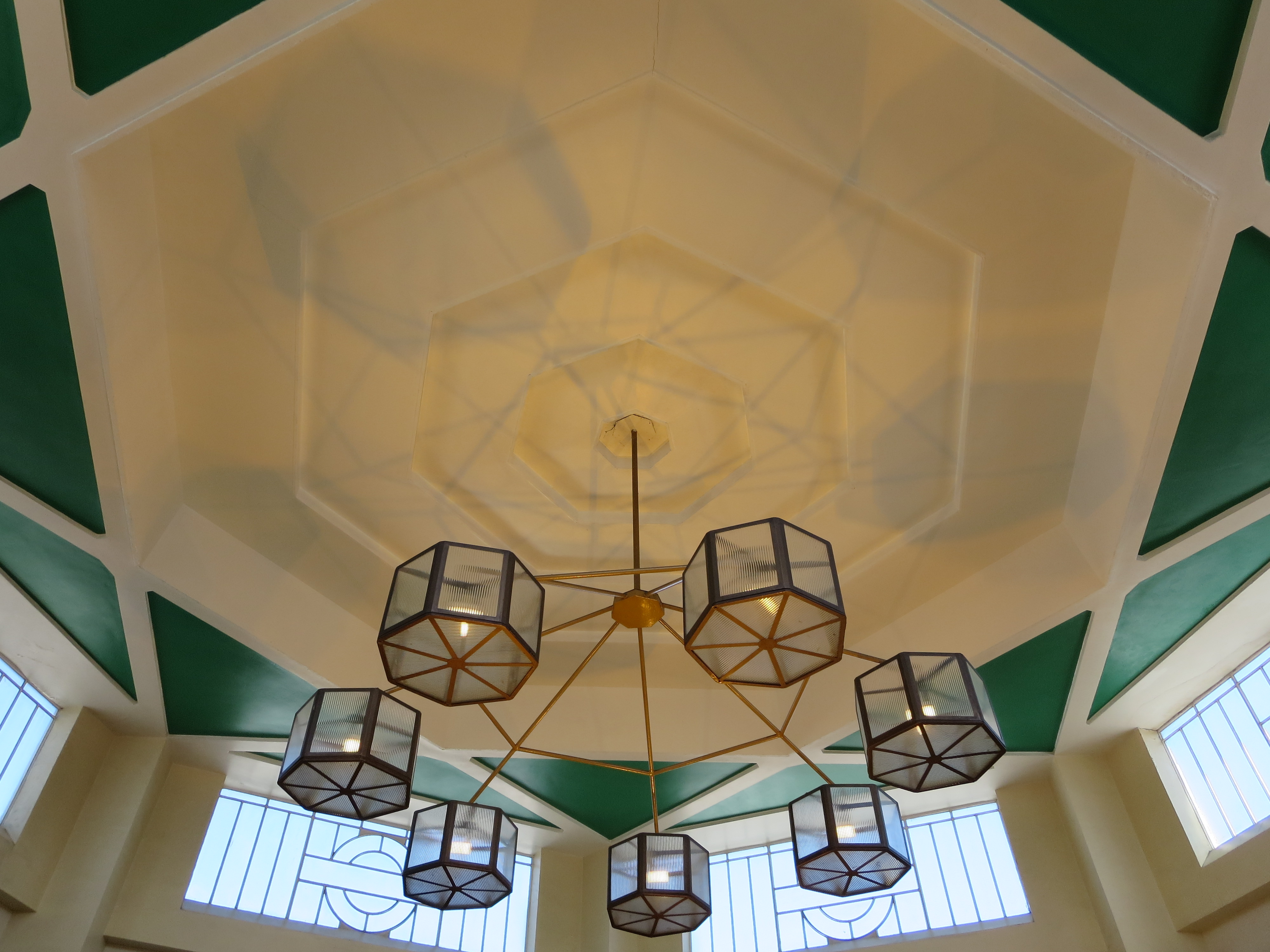
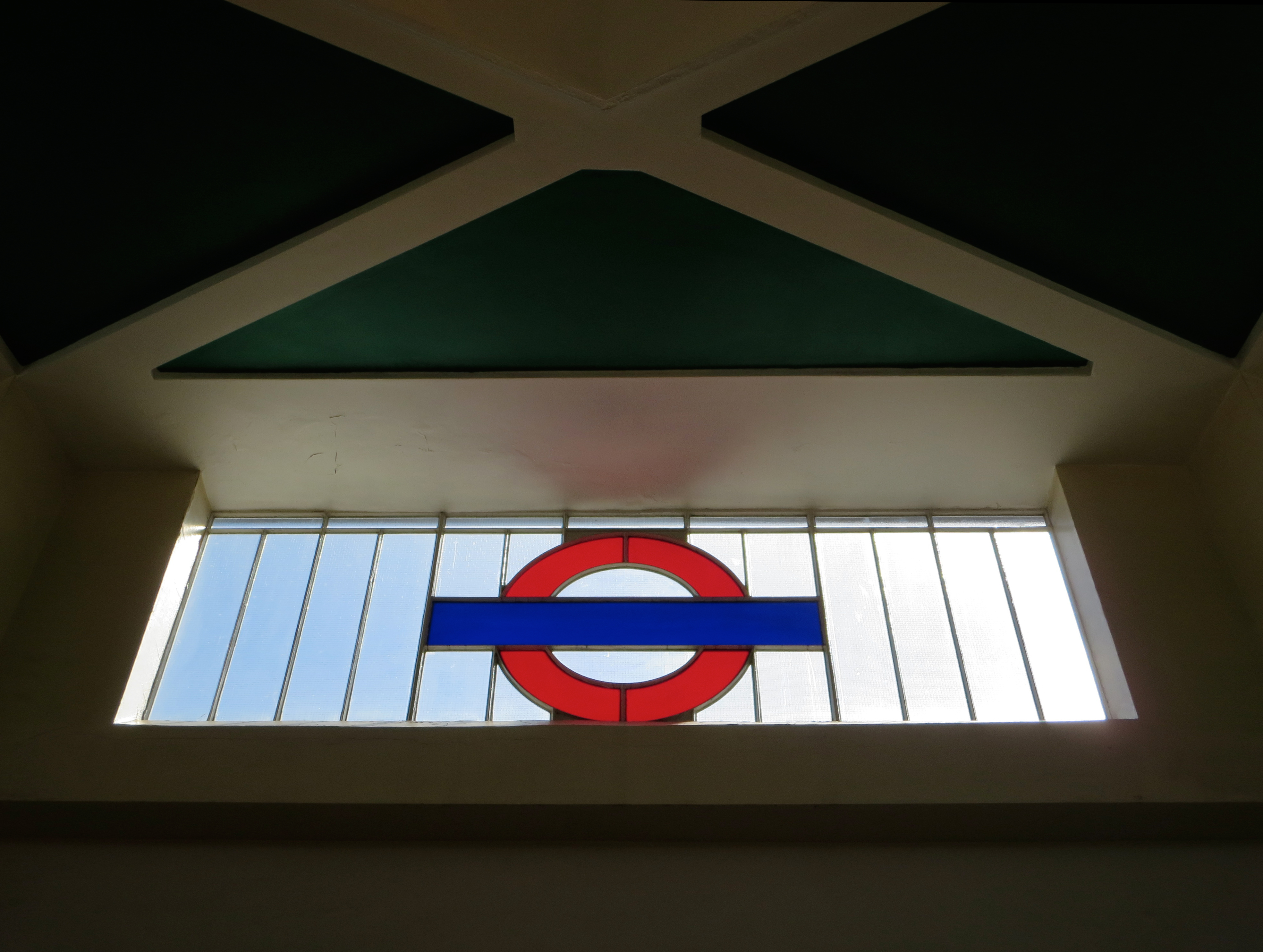
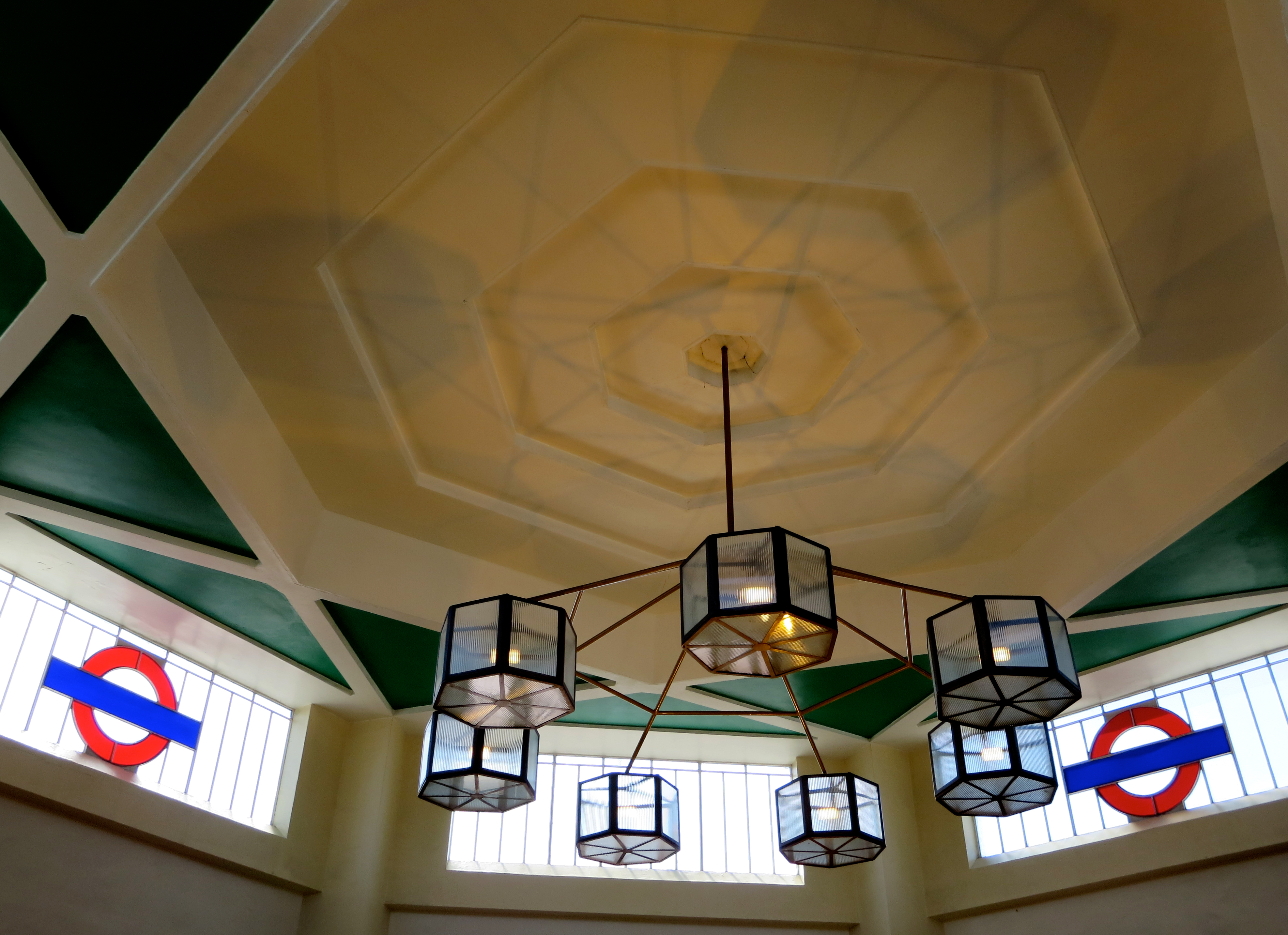
The interior of the ticket hall at Hounslow West is a bountiful treasure trove of detail. Its contents reward both the passing glance and the lingering stare. From the concept of the design to the hue of the fittings, it’s adorable – to the 128.5714286th degree.

A visit ought to be on the curriculum of every GCSE Maths and Design student, regardless of what any education secretary thinks of these kinds of buildings.

Heaps of enjoymentLight, geometry, colour, architecture, iconography, upholstery and style: the seven pillars of this heptagonal hall of wonder.

Two more Hs were involved in its creation: Holden (Charles) and Heaps (Stanley) worked together in a rare collaboration on the station, which opened in July 1931 – the same month as Sudbury Town. What a feast for the eyes of Piccadilly line passengers.

It’s as much the interaction of all the different features as the concept itself that makes this place so enchanting. There must be dozens of heptagons in total, in both two and three dimensions, which jostle and jive alongside each other as if at a polygon-themed disco. The bright blues and reds of the roundels offset exquisitely the muted tones of the walls and ceiling, and are as gorgeous as any jewel to be found in Hatton Garden. And just look at those shadows:

Hip-tagonalCould the exterior of Hounslow West possibly match the bewitching poise of its interior? You know the answer to that question. And it merits a separate blog entry to boot.

A right royal treatRoyal parks are ten-a-penny in London, and they’re all much of a muchness. Grass, basically. Maybe a monument. Someone pissing against a tree.

Park Royal, however, is one of a kind. And it outranks anything vaguely regal-sounding in the entire city – and that includes carriages, babies, those godawful face masks, and the Queen.

Its entrance is grander than any palace, more dazzling than any crown, more uplifting than any pageant, and more thrilling than the twitching of any uterus.

As far as I can tell there’s never been a fly-past, a million-strong crowd waiting outside, or Brian May standing on top playing the guitar.

I would happily stand on top playing the guitar, but I fear a repertoire that encompasses everything from Radio Song to the Marrow Song would prompt any passing million-strong crowd to subject me to a kind of Wicker Man-style immolation inside the tower.

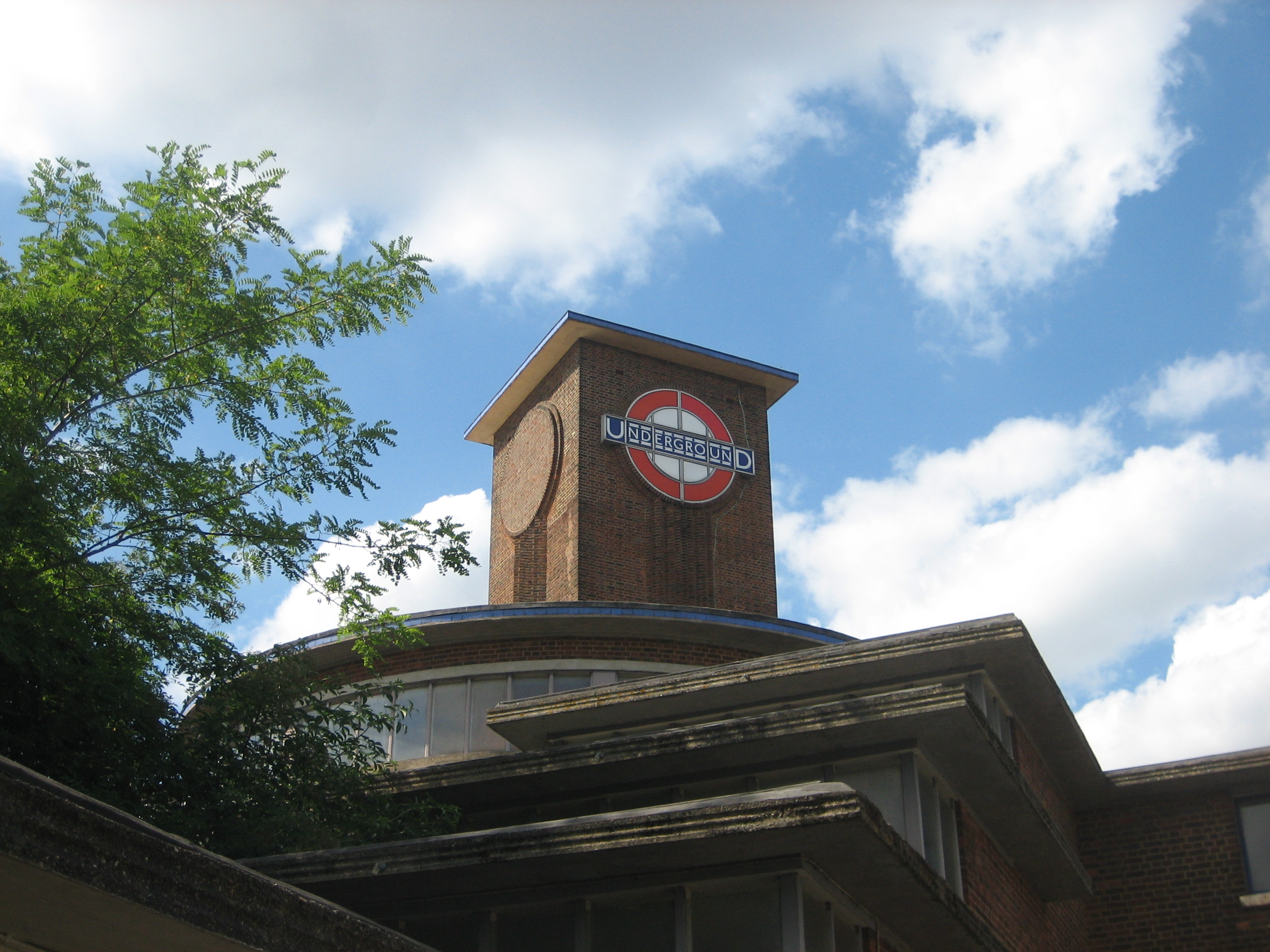
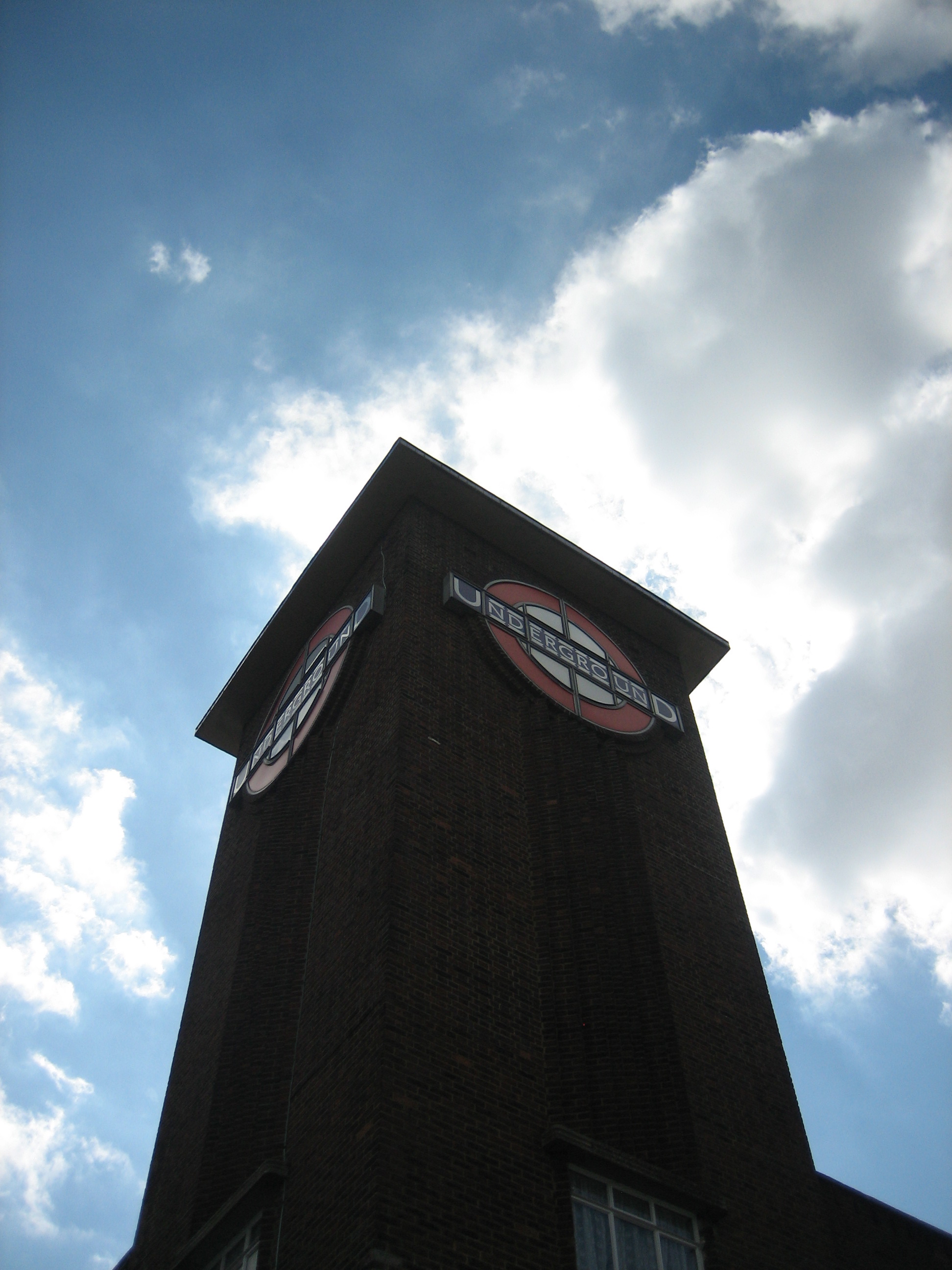
Geometry-a-go-goIf you can have such a thing as a garland of geometry, this is it.

The station looks like the toy box of a five-year-old with a 55-year-old’s sensibilities. It shimmers and swirls with flair and derring-do, even though it is utterly immobile (but oh how I wish that circular platform revolved, like the old restaurant at the top of the BT Tower).

It’s not the work of Charles Holden, but rather Herbert Welch and Felix James Lander: a couple of architects Holden sub-let the work to in the mid-1930s, content they’d do the job in a “suitable” style. Which they did – effortlessly, and not with a little nerve.

If Holden wasn’t jealous, he should have been. Park Royal challenges (but doesn’t quite topple) the likes of Arnos Grove and Southgate for a place in Zone 1 of the Underground firmament.

Were I to ever become the benevolent dictator of Greater London, and I think there’s still time, this station might well be my seat of rule. It’s got the swagger, it’s got the class… and look, there’s even a tower in which to lock up anyone who opposes Crossrail or HS2*.

To the tower!*Only joking. I’d stand on top of the tower, look down on them, and giggle. Before playing another chorus of the Marrow Song.