Archive

Tag Archives: Charles Holden

Gants for the memoryArchitecture was one of the few things the Soviet Union got right*.

For Cold War connoisseurs, a quick flash of a Zil lane or a snatched view of a towering tenement can stir the senses almost as potently as the opening of The Third Man or that bit in Octopussy when giant red arrows run amok over western Europe.

But Londoners don’t have to rely on photographs or travel brochures or even journey all the way to the former kernel of the Warsaw Pact to get a whiff of your actual Comintern chintz.

A whole 50 years before Sting and Billy Bragg tried to promote detente through song, the staff of London Underground were doing just that with slide rules. The likes of Charles Holden gave the Soviet authorities a big hand in helping realise the Moscow Metro, the first dazzling chunk of which opened in 1935.

With its gargantuan vaults, colourful tiling and chandeliers, it’s easy to understand why it proved so popular with the locals: here, at last, was a socialist paradise that a) most people could afford and b) didn’t involve mud and marching about.

Holden and co didn’t have a trouble-free trip to the USSR, being (inevitably) accused on several occasions of spying, sabotage and good old-fashioned imperial treachery. But Charles went on to commemorate the experience in a station on our own London Underground – one that, ironically, it took the assistance of Stalin and several million Russians to get finished.
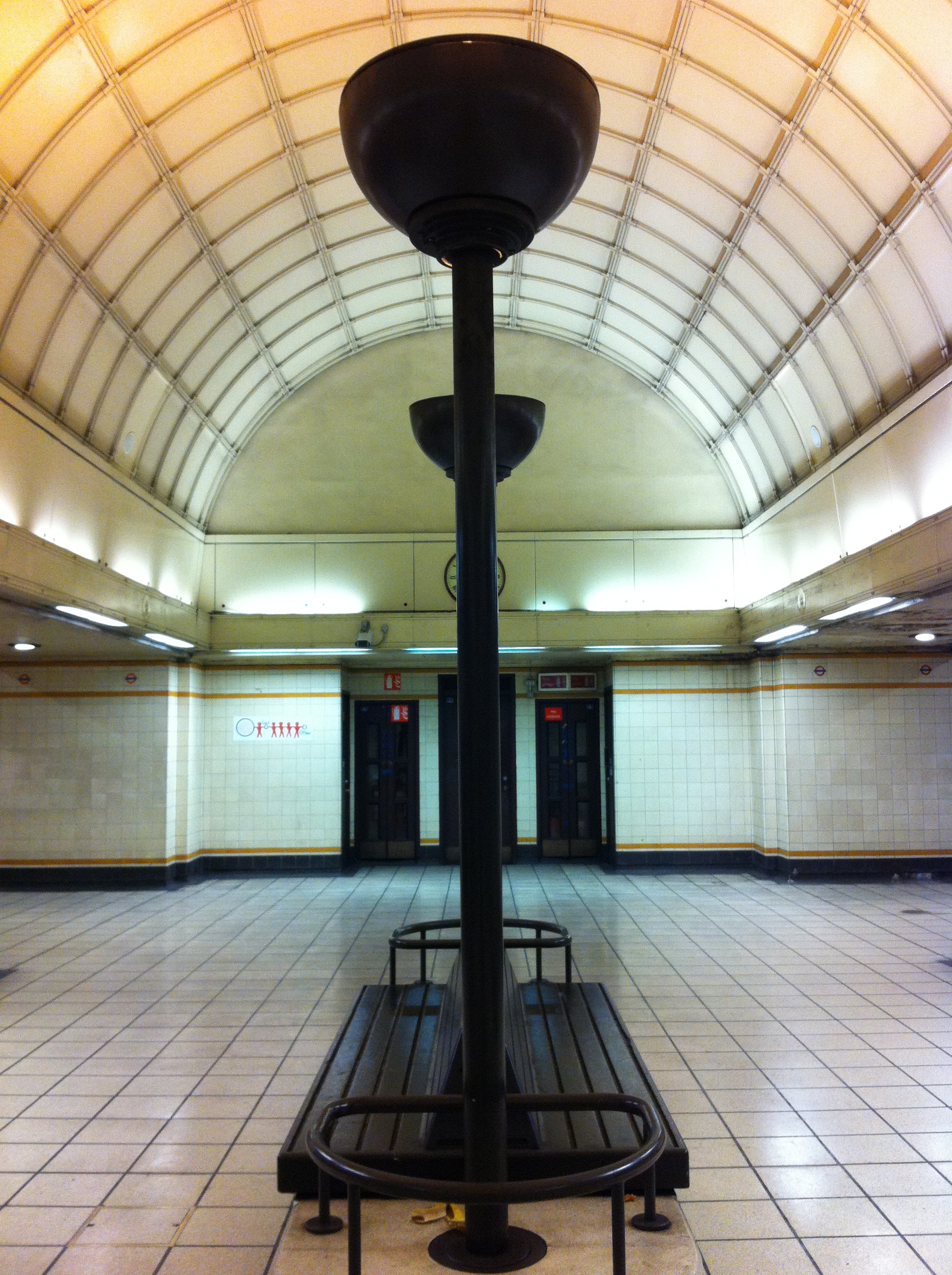
More than a Hill of beansWithout the efforts of the USSR in helping win the second world war, Gants Hill station may never have got to look like this.

It was started before 1939 but got put on hold for the duration of the conflict, bits of it ending up doubling as air-raid shelters and workshops for the manufacture of munitions. Only when war was over could Holden resume work and put the finishing touches to one of his greatest creations.
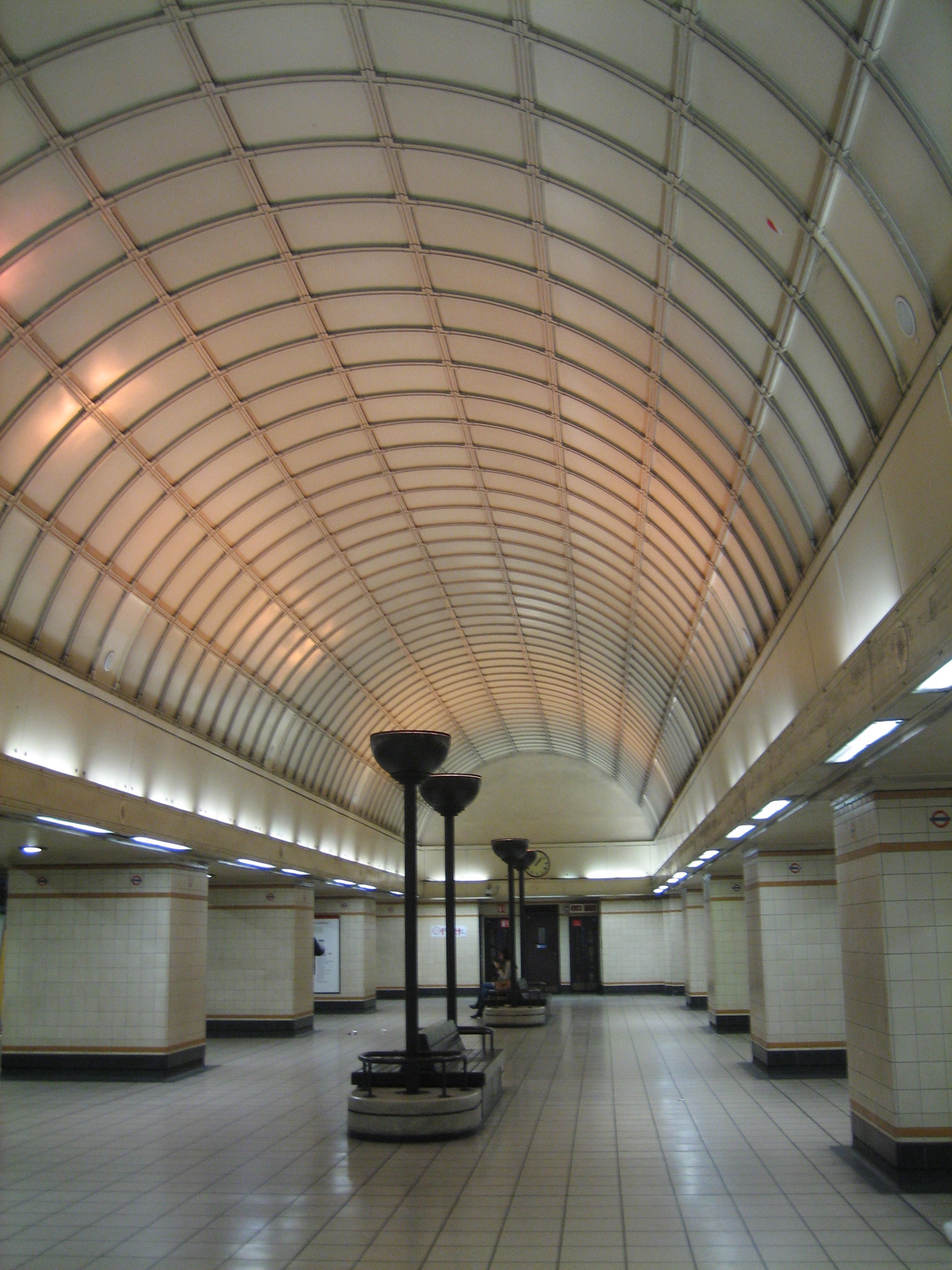
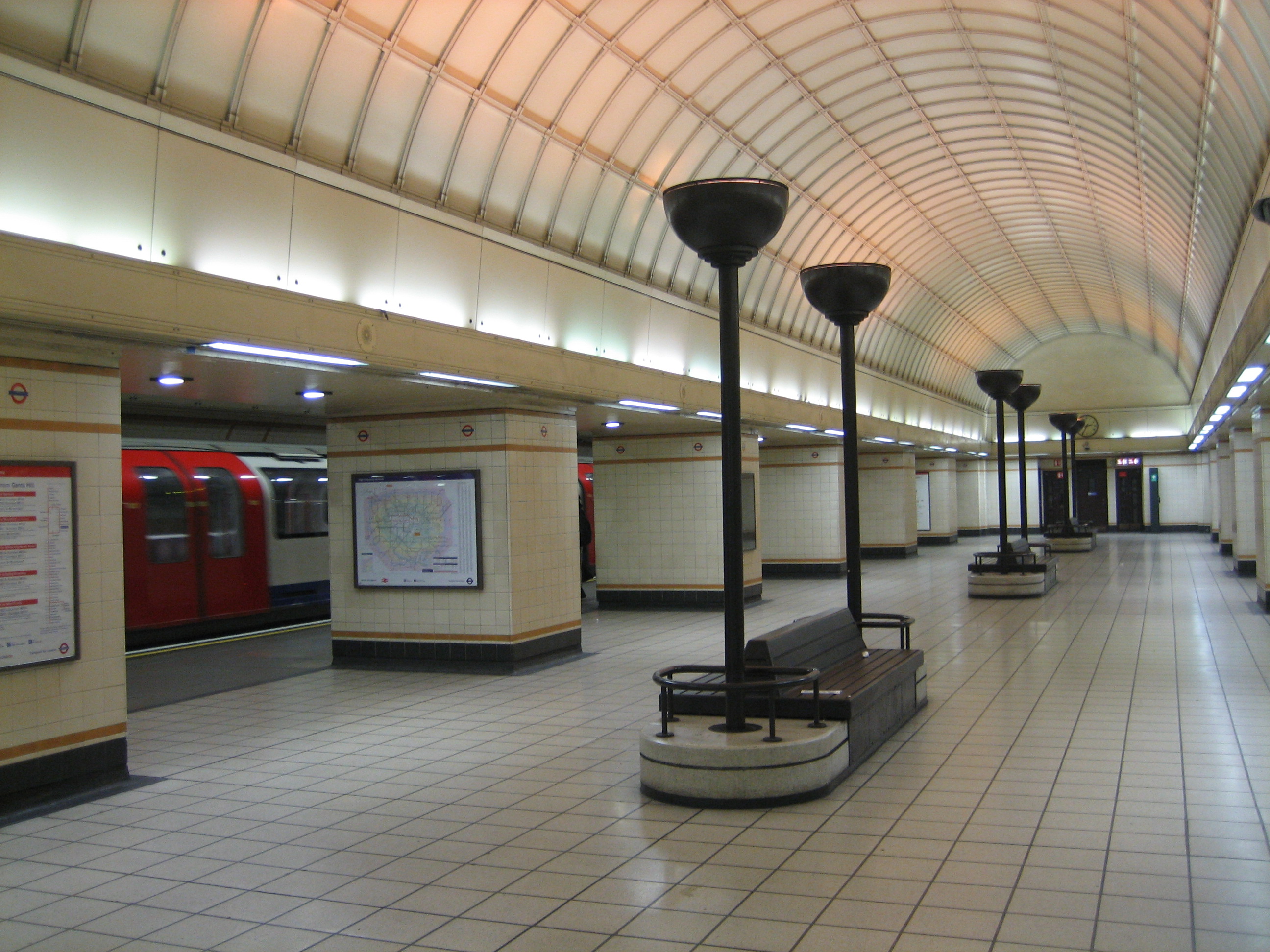
Vaulting ambitionIt’s maddening that such a fabulous building is not right in the heart of London where millions could and would lap up its majesty. Instead it’s tucked away on a branch of the Central line up in Redbridge.

How typical of someone like Holden to lavish such charm and imagination on a place so far from the ostensible “cultural heart” of the capital. How frustrating for someone who wishes they could sit and gaze up at its spectacular design more regularly than once every few months.

Still, Holden’s magic is scattered liberally through suburbs all round the outskirts of Greater London, so if you’re one of those who – wisely – lives at safe remove from the city centre, you’re never that far from a slice of wonder. Somewhere like Gants Hill confirms my prejudices about all the best Underground architecture lying far outside Zone 1.
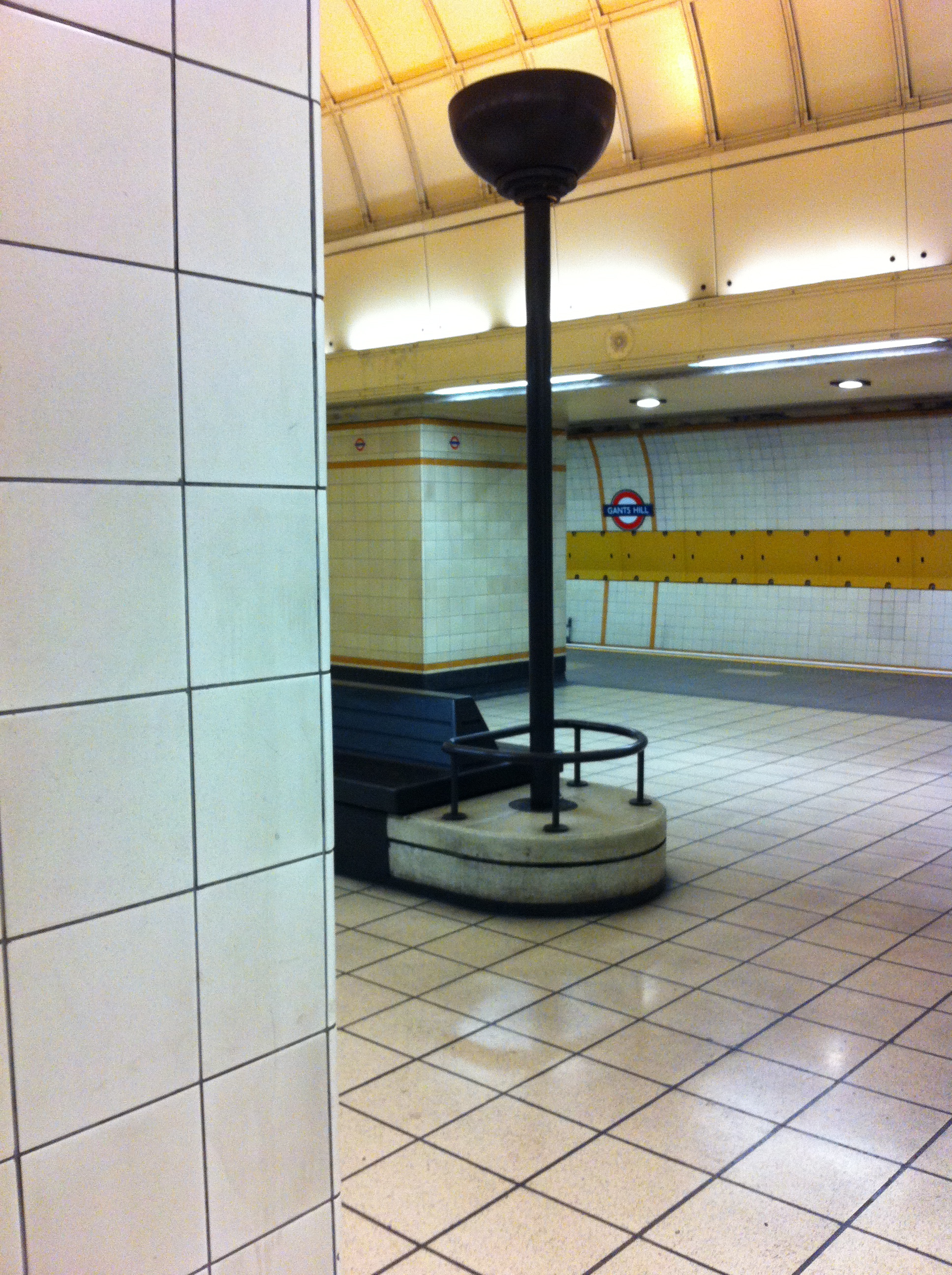
Up the uplighterI could go into even more detail about Gants Hill, but I’ve already saluted its platform clocks and miniature roundels, and if I didn’t stop now, I wouldn’t know where to.

Ура!

*That, and not killing Shostakovich. Oh, and turning their ships around on 25 October 1962.
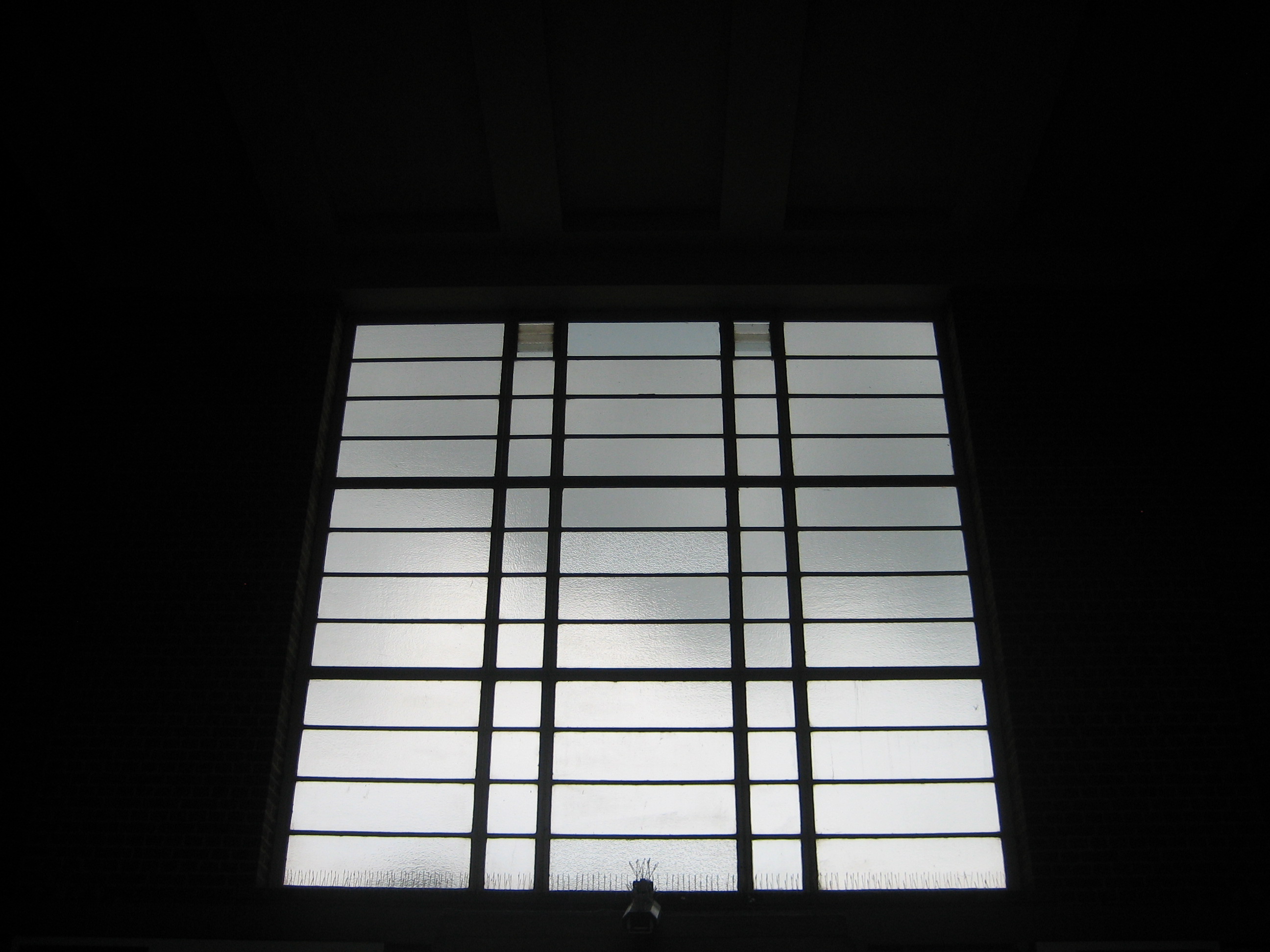
Through a glass darklyDarkness can be just as attractive as light on the Underground.

In the hands of the right architect, it gets deployed for mathematical as well as sensory effect. It becomes more than something to be accommodated expediently, and instead resembles something to be manipulated skilfully – and daringly.

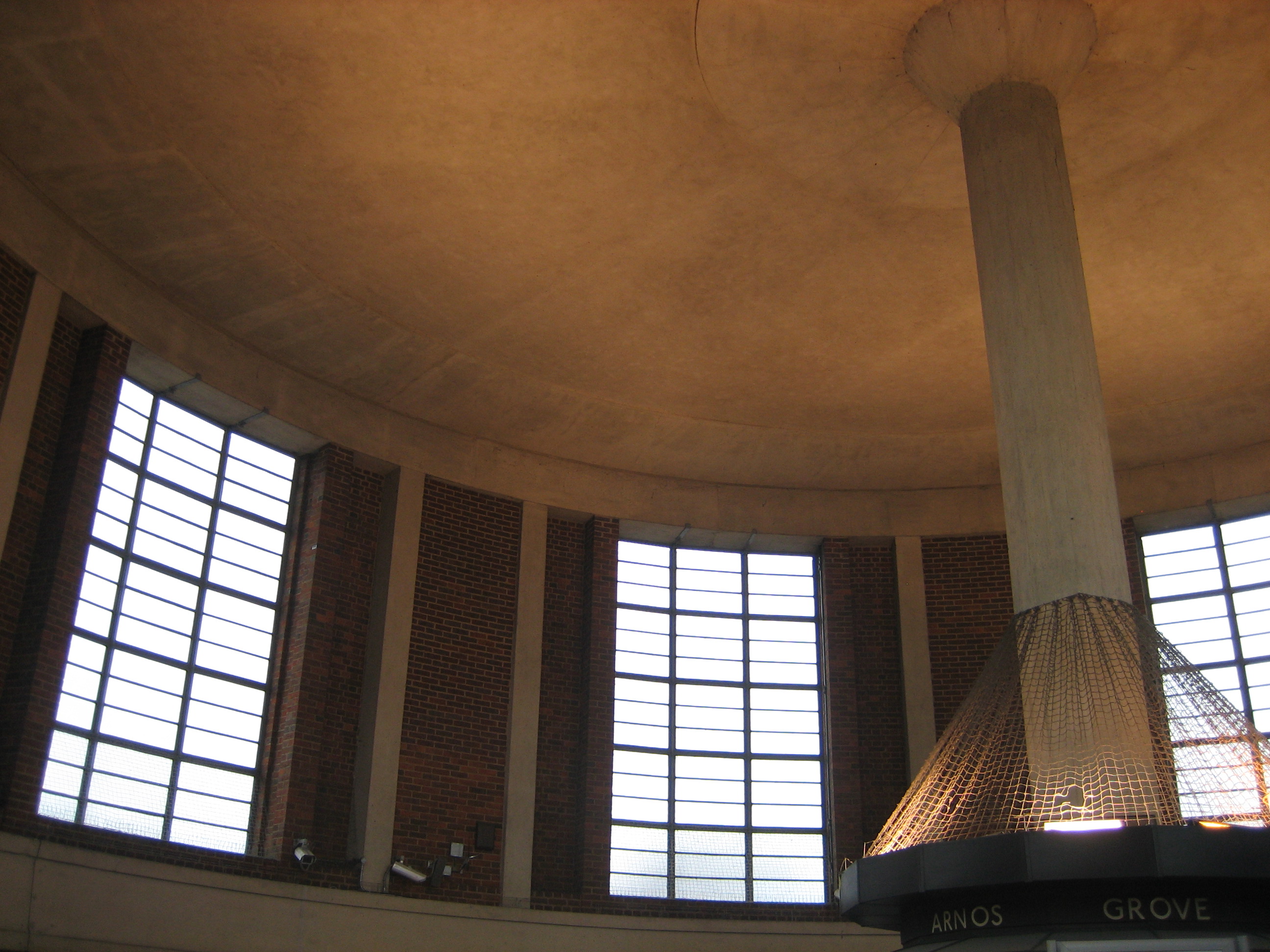
The gigantic ticket hall at Eastcote is one such an example. The darkness doesn’t cling to the shoulders of people passing in and out, or lurk pointedly in the corners of your eyes. It’s only there if you want it to be there. Yet its presence isn’t an accident. It is part of the design.

I'll get me 'CoteBrick, concrete and glass: the holy trinity of 1930s-era London Underground. But it’s modernity, not divinity, that guided the construction of this cunningly beautiful station, both in principle and practice. Light pours in; darkness pours out. The enormous glass panels are dazzling whichever and wherever you look at – and through – them:

To say the very EastThe secret to all of this? Height. Look how tall the ticket hall stands. Think how much brightness is deliberately allowed inside. Then consider why it is that so many of the greatest Underground stations reach so far above ground. There’s a sort of inverse proportionality going on here, but I’m stumped if I can express it as an equation.

Well, other than light + dark x Charles Holden = something profoundly illuminating.

I’ll get me ‘Cote.

Up the 'GroveBefore I moved to London, the most exposure I’d had to Arnos Grove came from its appearance in Saint Etienne’s glorious song from 1991, Girl VII.

Here, the station is namechecked as part of a dazzling roll-call of locations both provincial and exotic, which (quite rightly) elevates the likes of Dollis Hill and Chalk Farm to equal status with San Clemente and Bratislava. And all to a disco beat.

Like almost everything Saint Etienne have ever done, Girl VII gets under your skin and is impossible to resist – two qualities also true of Arnos Grove itself.

The sound of drumsGarlanded and canonised like no other Underground station, Arnos Grove still defies even your highest of expectations. Moreover, it seems to be able to do it again and again. Every time I visit, there’s some aspect of the architecture or sensation created by the light and the shadows that affects me in a different way. It never lets you down. I’m not sure anywhere else on the London Underground can do this.

The interior wears its heritage and its awards with pride. But it deserves to. This is a very special place, which – unlike other works of popular culture that top critics’ polls with the charmless thud of Del Boy falling through a bar – utterly warrants its lauded reputation. Perhaps this is due to the notional incongruity of an Underground station being also a piece of art, though countries such as Germany and Sweden, from where Charles Holden took inspiration for the building’s appearance, surely would not consider such a relationship incongruous at all.

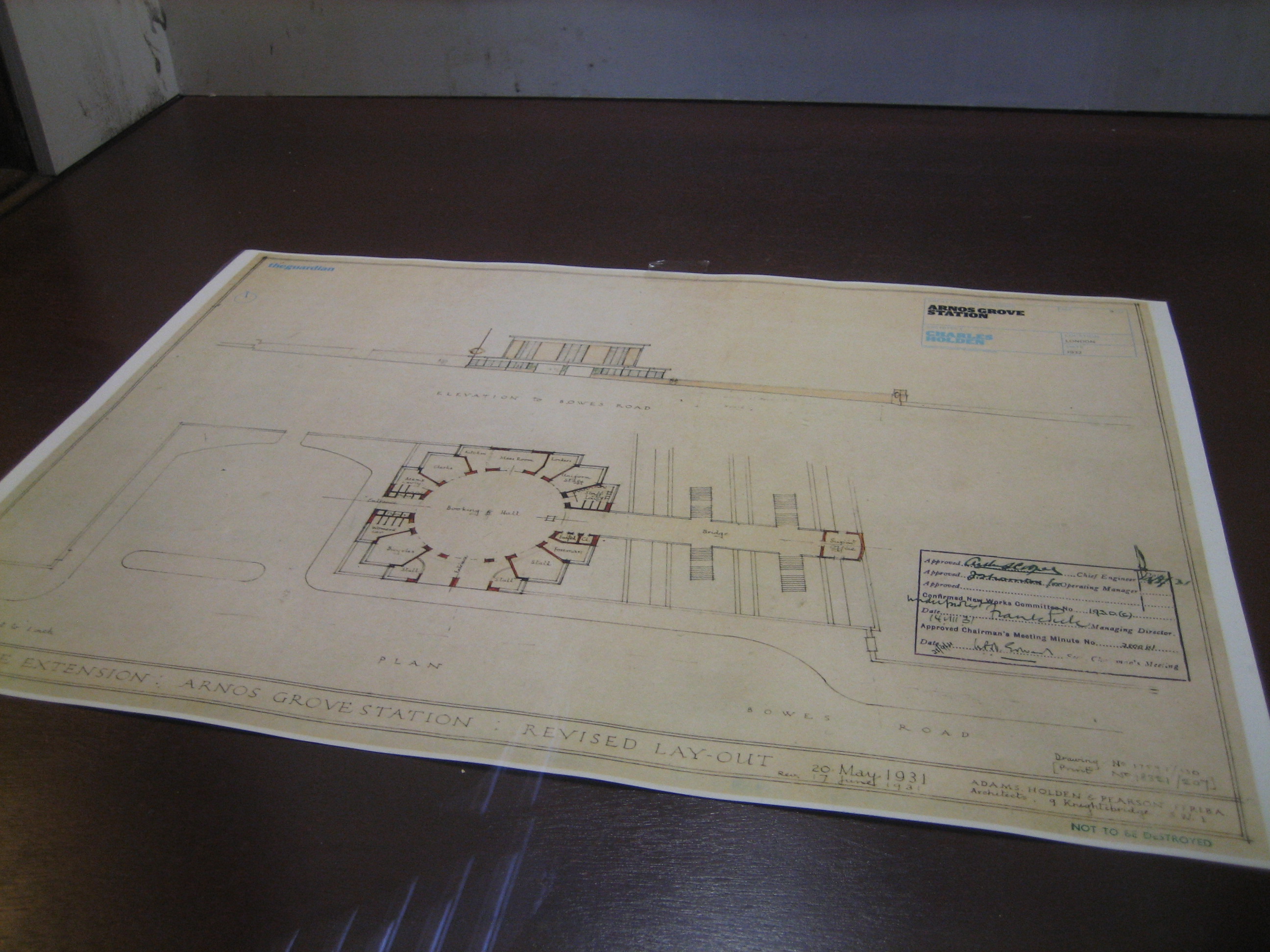
The masterplanHolden’s approach to the design of Underground stations reaches its zenith with Arnos Grove. The function of the building enjoys a marriage with style that is the happiest of any such union across the whole network.

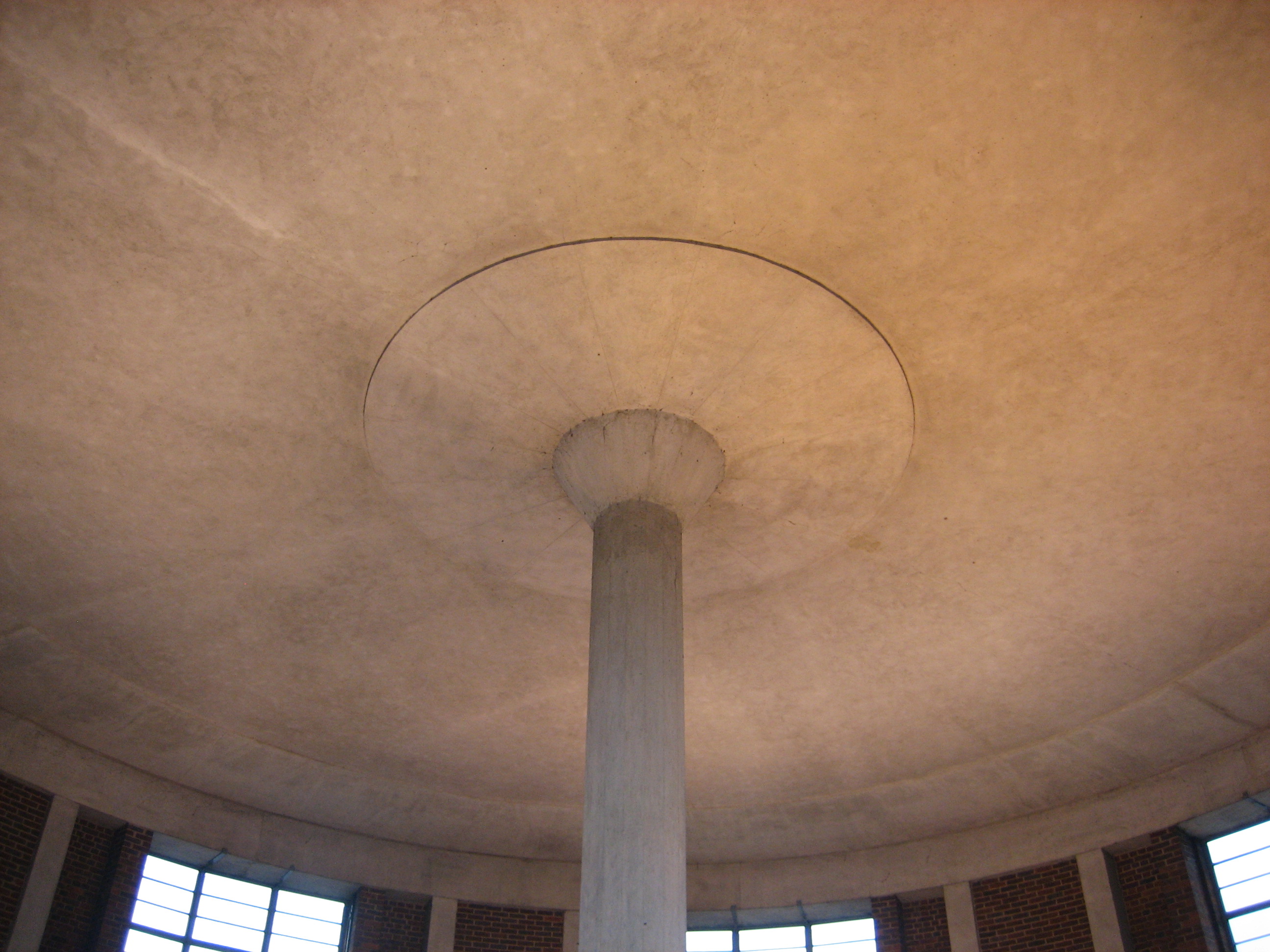
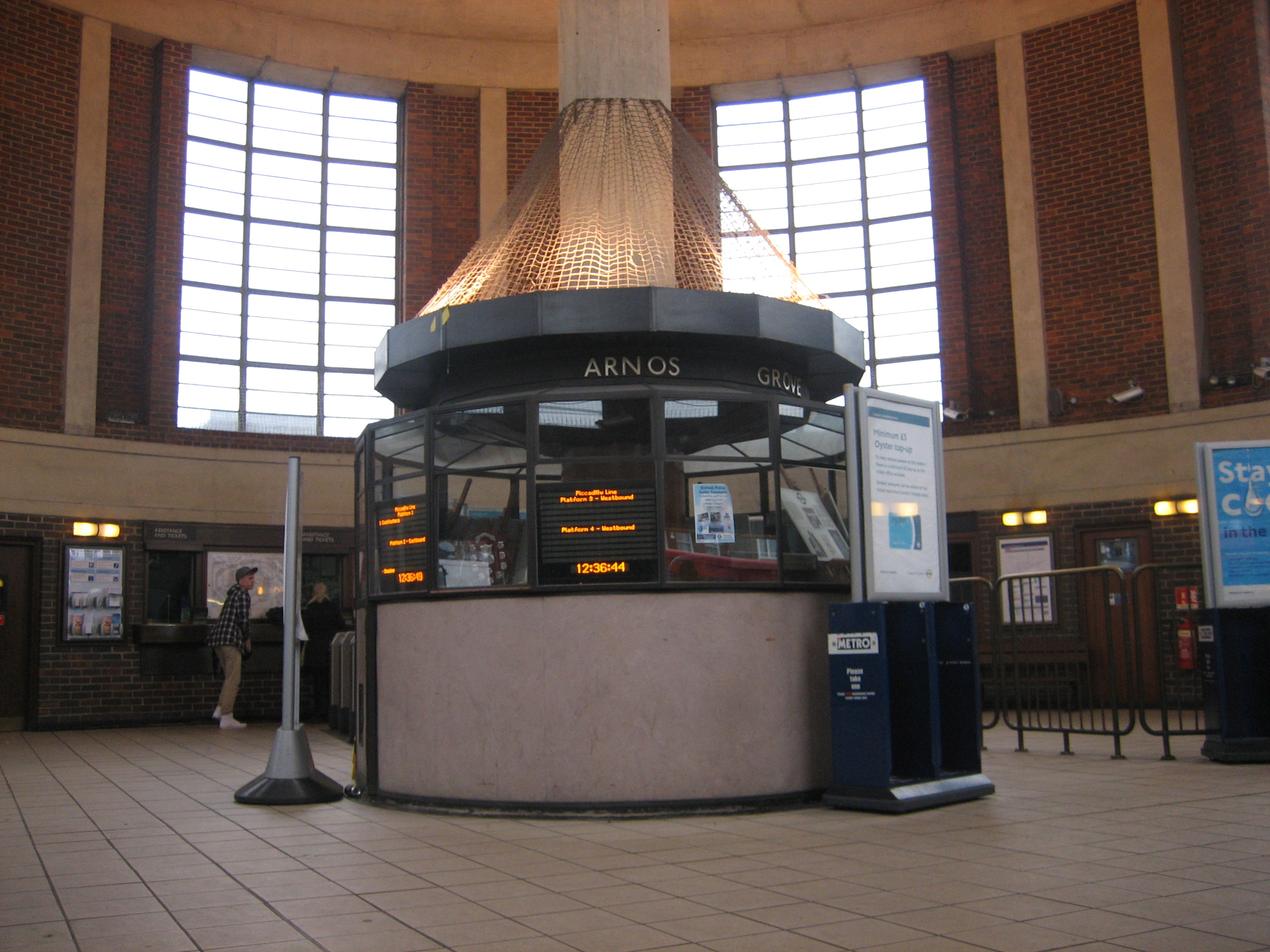
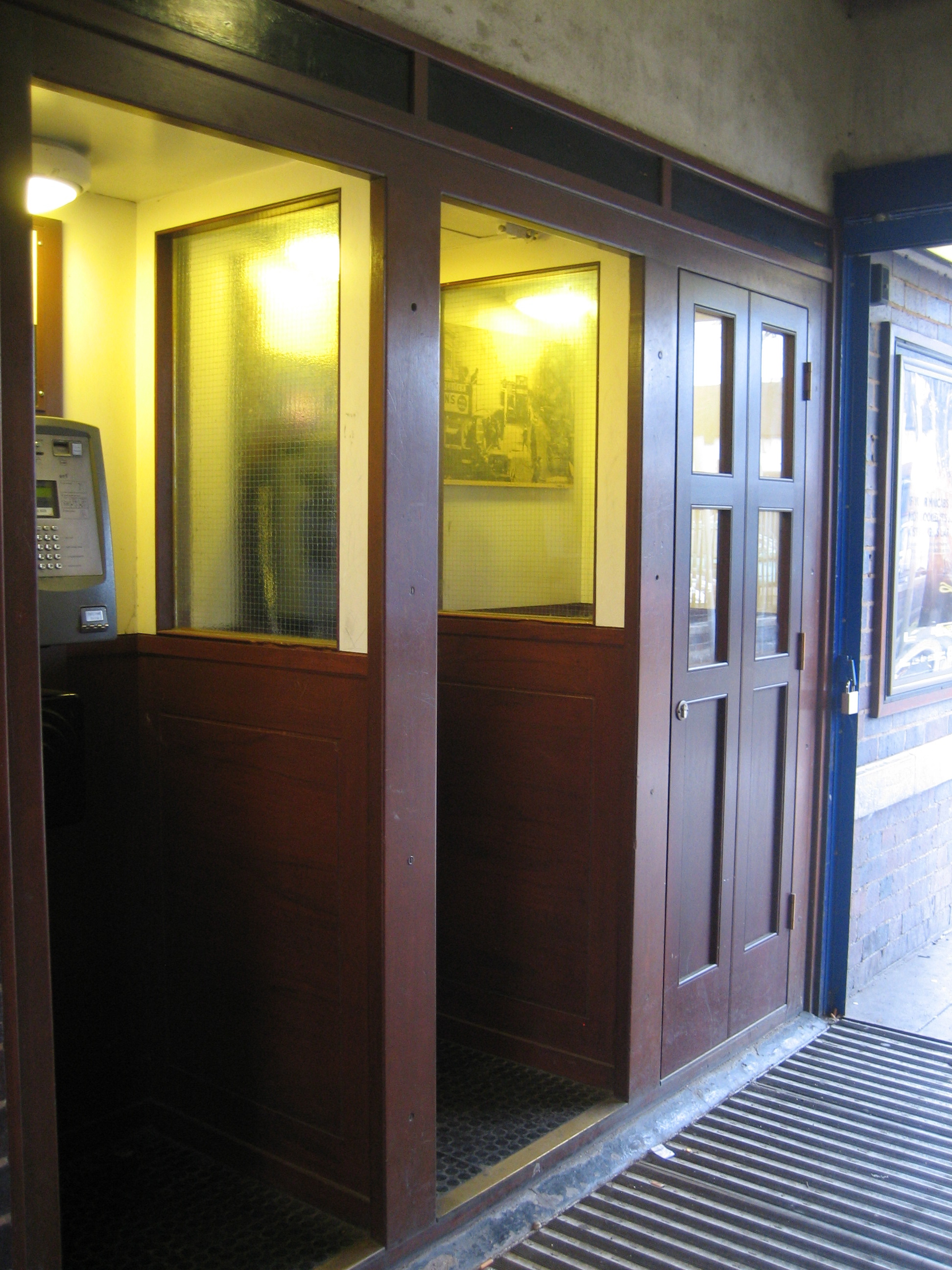
The enormous drum and central passimeter that together form the basis of the interior act as both an instruction, making plain exactly where you need to go for tickets, telephones and trains; and also as an illumination, rendering the purpose of the station elegantly self-evident while literally casting or reflecting light upon everybody and everything inside.

A vision burns brightly in this outpost of artistry high in the suburbs of north London. It’s one that doesn’t simply impress; it shepherds and reassures and becalms. No wonder one appraisal of the station ranked it on a par with the likes of the Pompidou Centre and the Sydney Opera House.

Another, more official evaluation upgraded Arnos Grove to Grade II* listed status in July 2011. The man who approved this, John Penrose, was sacked by David Cameron in the cabinet reshuffle of September 2012.

An illuminated callLike Ulysses by James Joyce, Arnos Grove is a modernist classic. Unlike Ulysses, Arnos Grove is something you will enjoy finding your way in and out of, and to which you will want to return again and again.

As for the station’s exterior… that deserves a separate entry all to itself.

Light fantastic