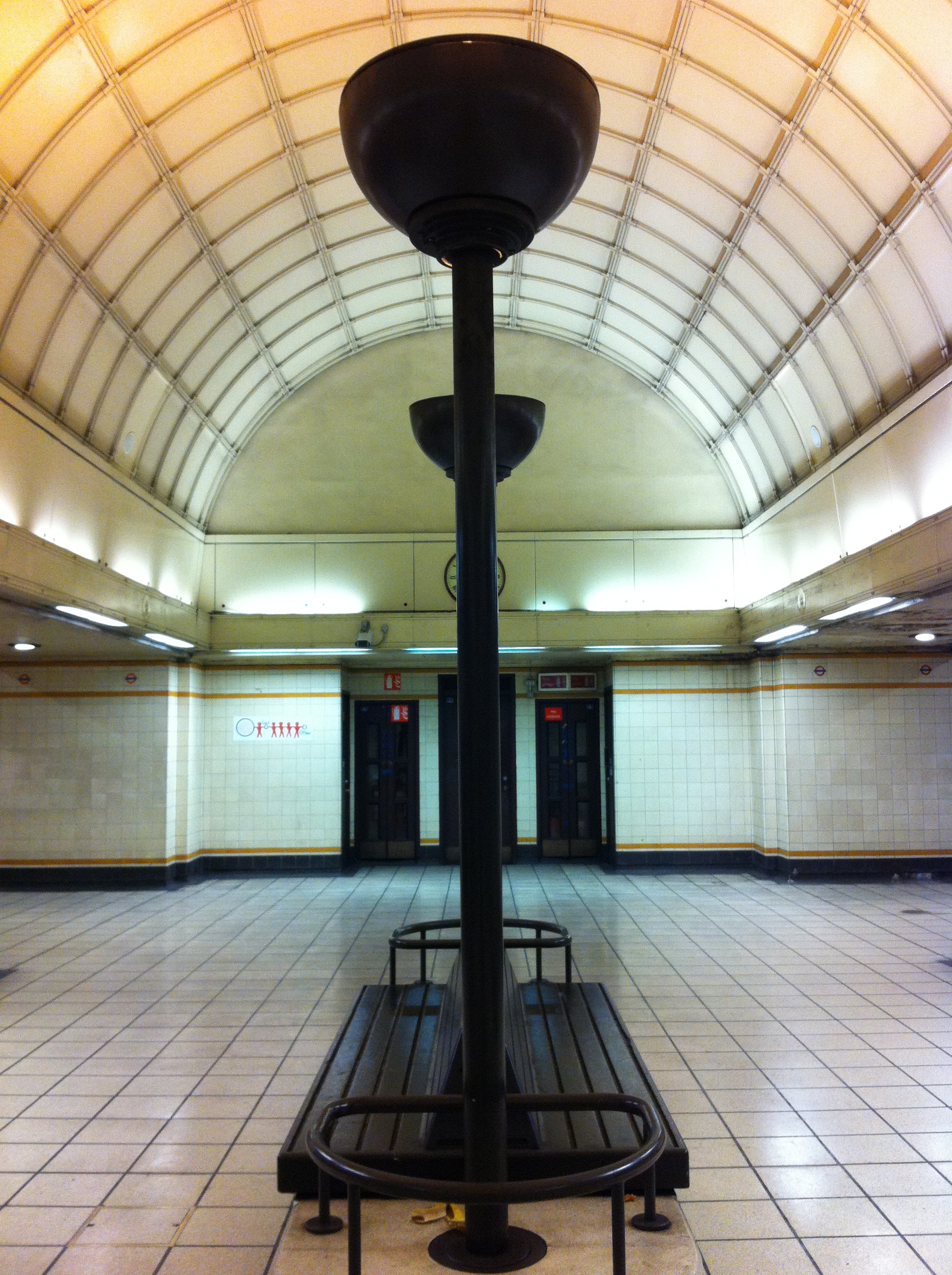
 Architecture was one of the few things the Soviet Union got right*.
For Cold War connoisseurs, a quick flash of a Zil lane or a snatched view of a towering tenement can stir the senses almost as potently as the opening of The Third Man or that bit in Octopussy when giant red arrows run amok over western Europe.
But Londoners don’t have to rely on photographs or travel brochures or even journey all the way to the former kernel of the Warsaw Pact to get a whiff of your actual Comintern chintz.
A whole 50 years before Sting and Billy Bragg tried to promote detente through song, the staff of London Underground were doing just that with slide rules. The likes of Charles Holden gave the Soviet authorities a big hand in helping realise the Moscow Metro, the first dazzling chunk of which opened in 1935.
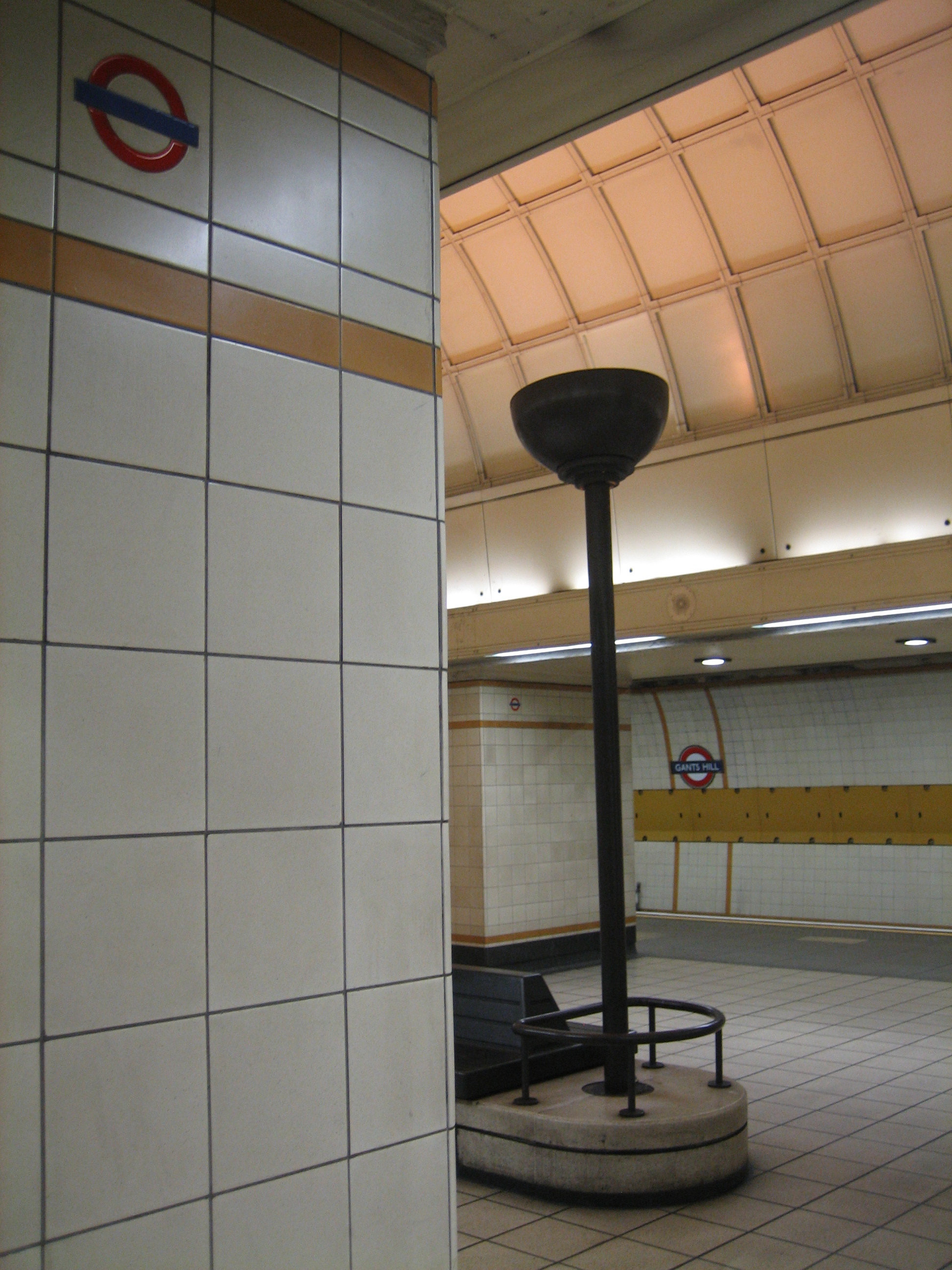
With its gargantuan vaults, colourful tiling and chandeliers, it’s easy to understand why it proved so popular with the locals: here, at last, was a socialist paradise that a) most people could afford and b) didn’t involve mud and marching about.
Holden and co didn’t have a trouble-free trip to the USSR, being (inevitably) accused on several occasions of spying, sabotage and good old-fashioned imperial treachery. But Charles went on to commemorate the experience in a station on our own London Underground – one that, ironically, it took the assistance of Stalin and several million Russians to get finished.
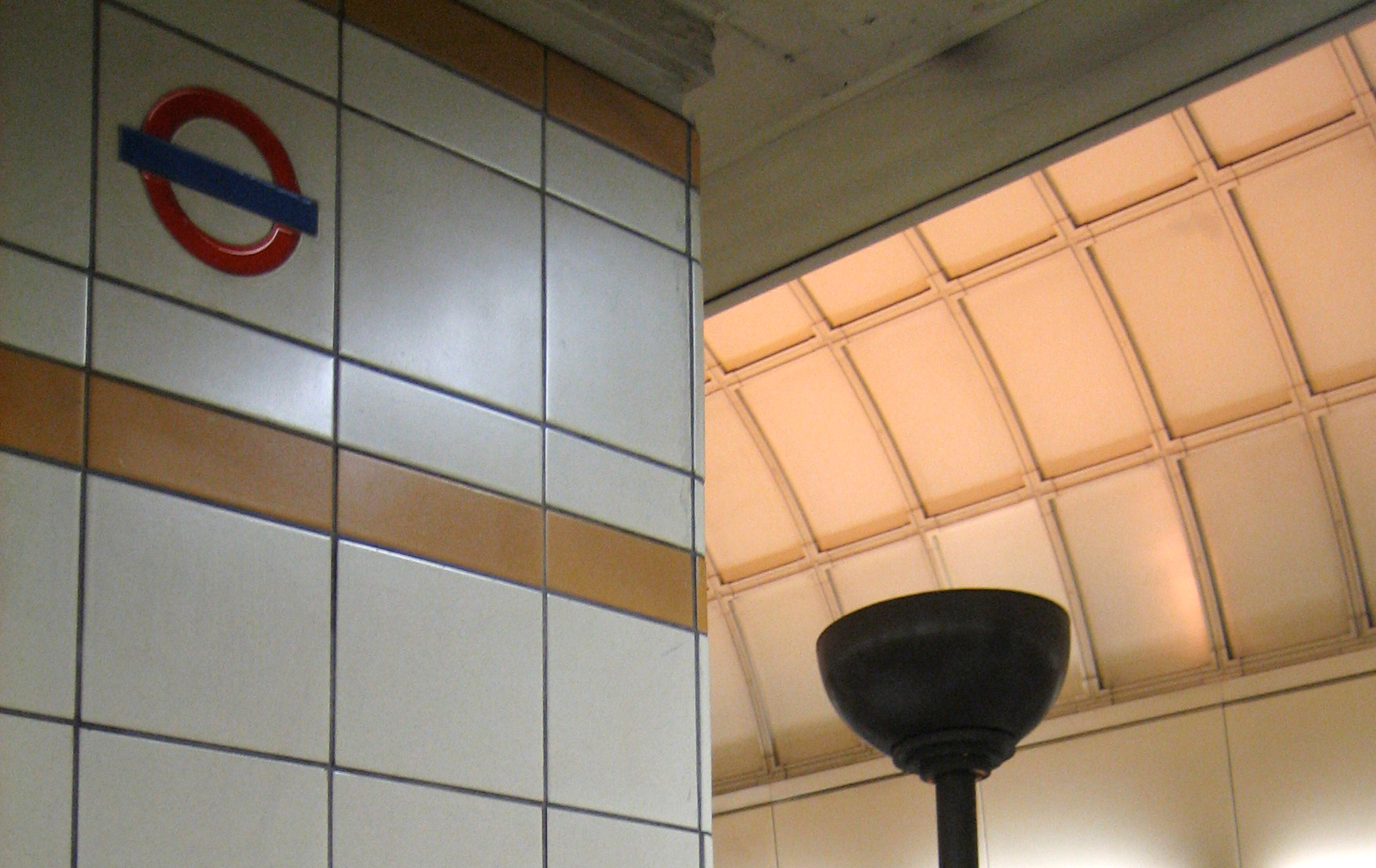
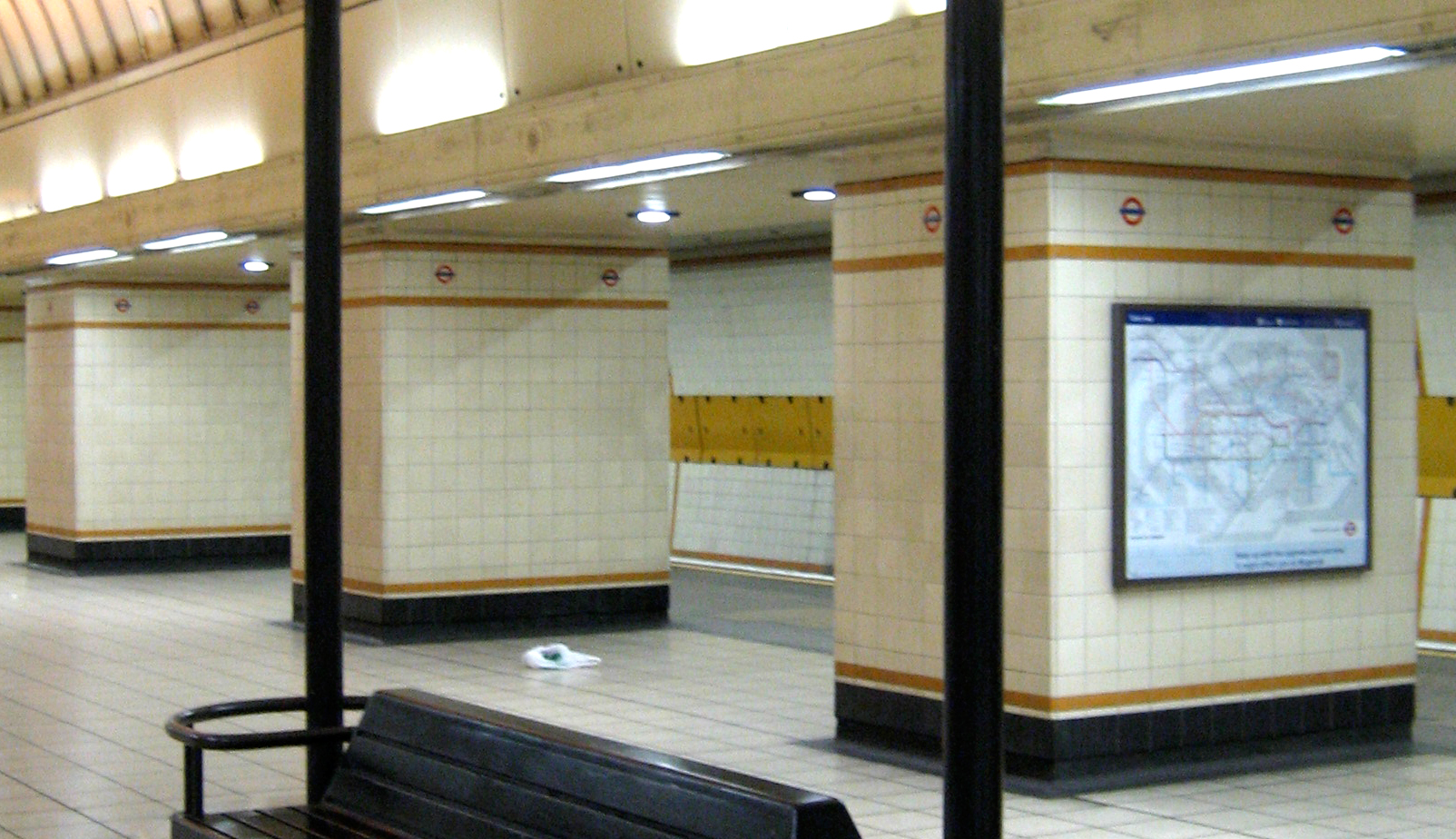
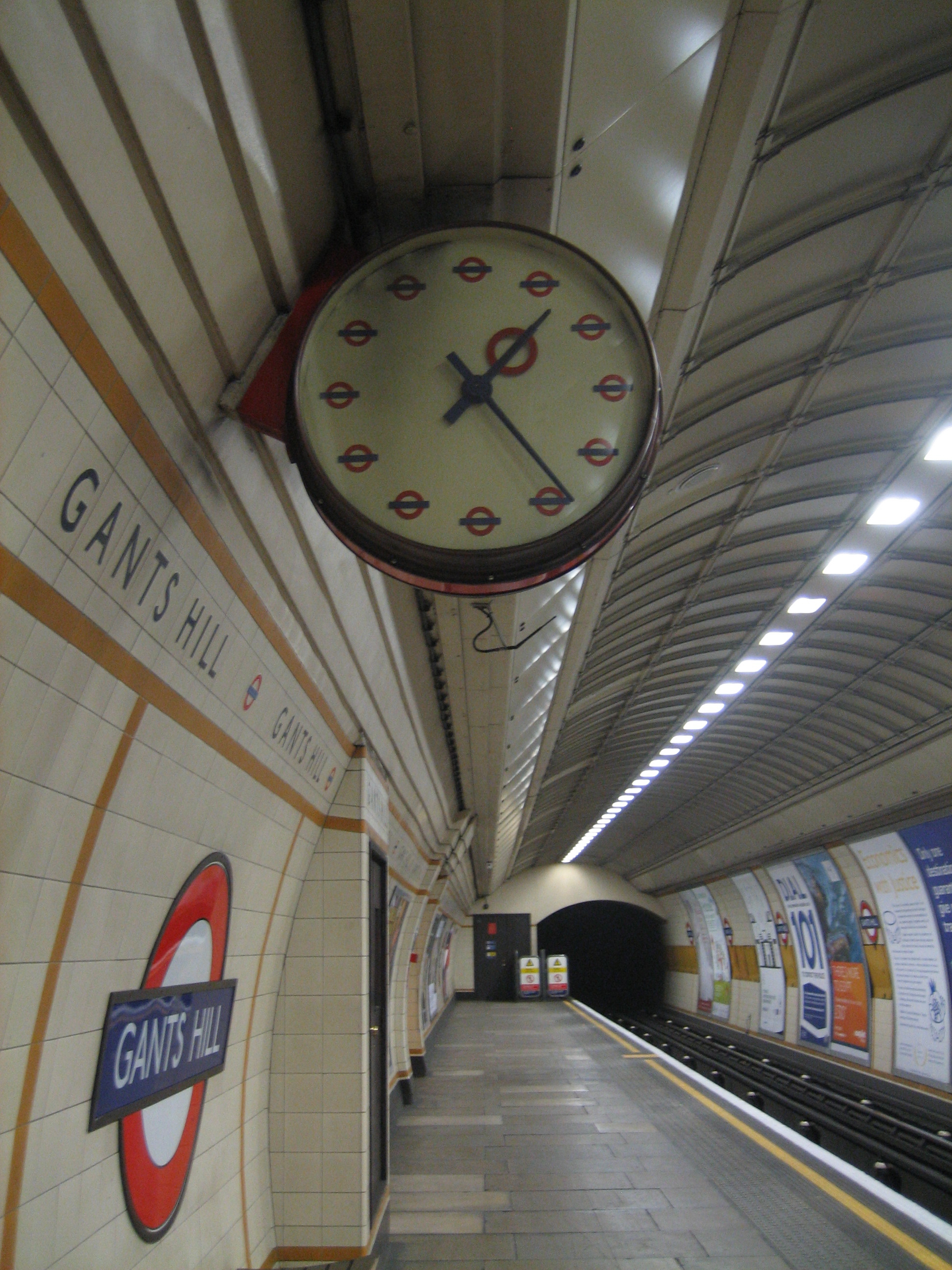
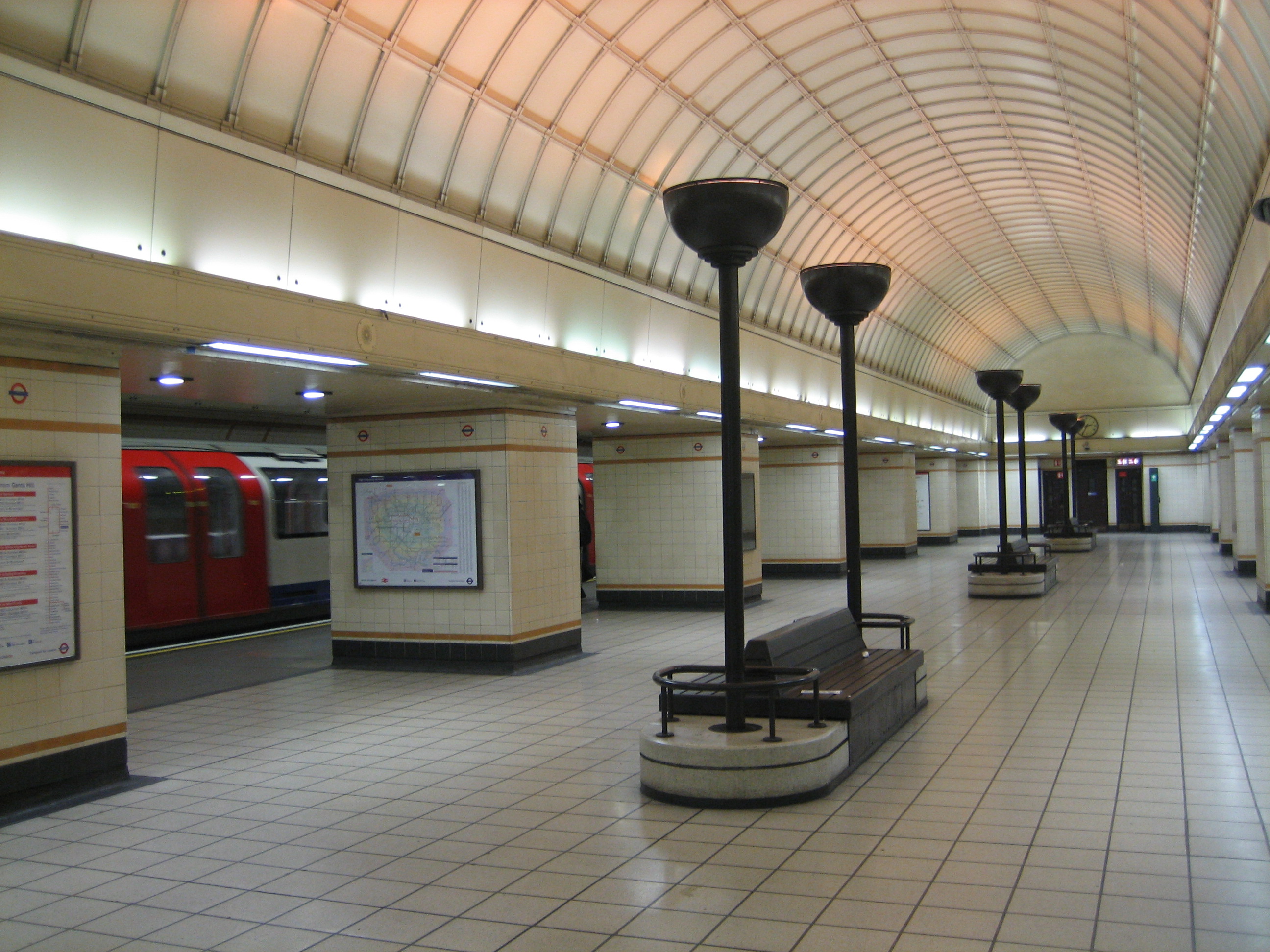 Without the efforts of the USSR in helping win the second world war, Gants Hill station may never have got to look like this.
It was started before 1939 but got put on hold for the duration of the conflict, bits of it ending up doubling as air-raid shelters and workshops for the manufacture of munitions. Only when war was over could Holden resume work and put the finishing touches to one of his greatest creations.
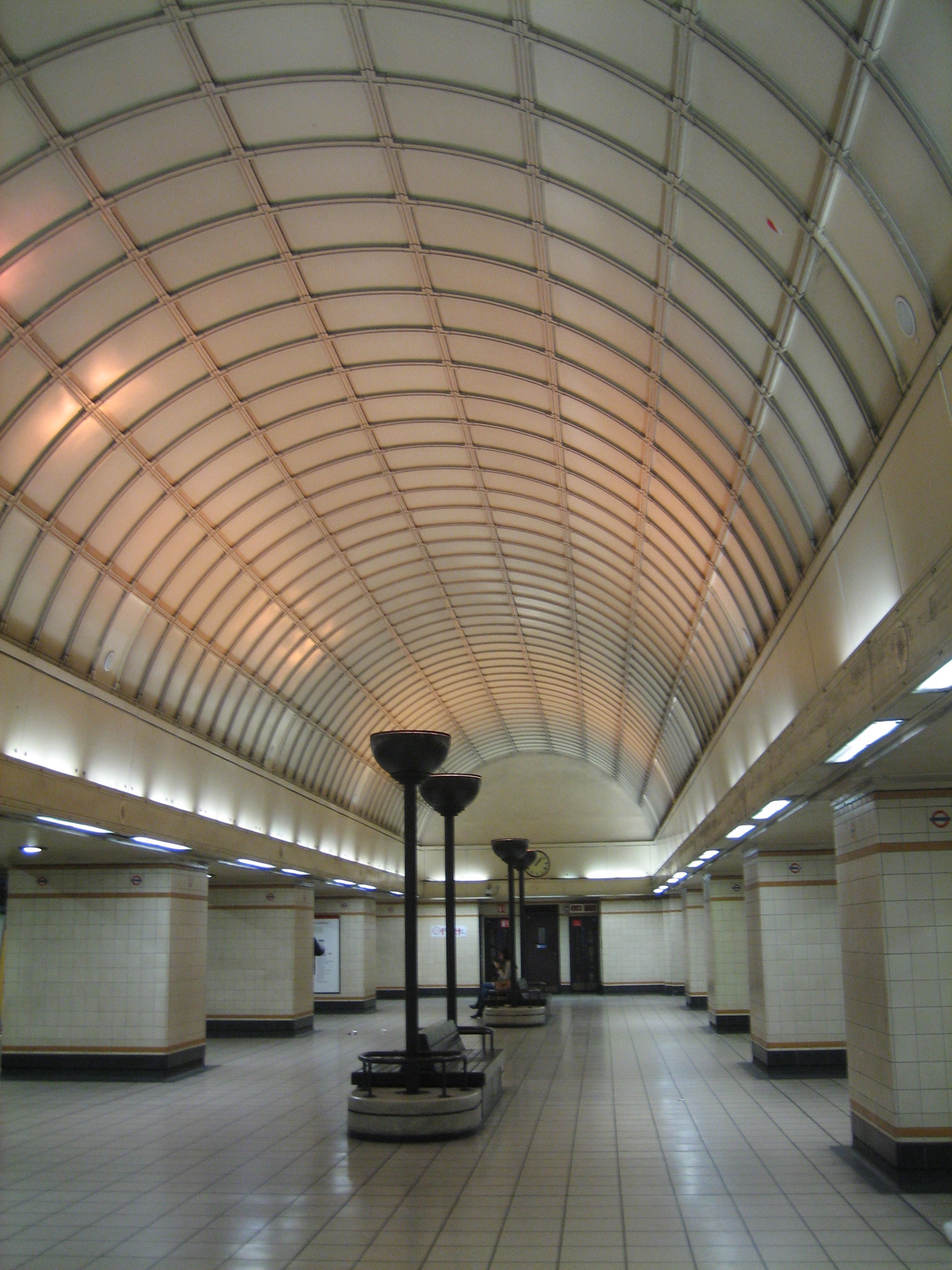 It’s maddening that such a fabulous building is not right in the heart of London where millions could and would lap up its majesty. Instead it’s tucked away on a branch of the Central line up in Redbridge.
How typical of someone like Holden to lavish such charm and imagination on a place so far from the ostensible “cultural heart” of the capital. How frustrating for someone who wishes they could sit and gaze up at its spectacular design more regularly than once every few months.
Still, Holden’s magic is scattered liberally through suburbs all round the outskirts of Greater London, so if you’re one of those who – wisely – lives at safe remove from the city centre, you’re never that far from a slice of wonder. Somewhere like Gants Hill confirms my prejudices about all the best Underground architecture lying far outside Zone 1.
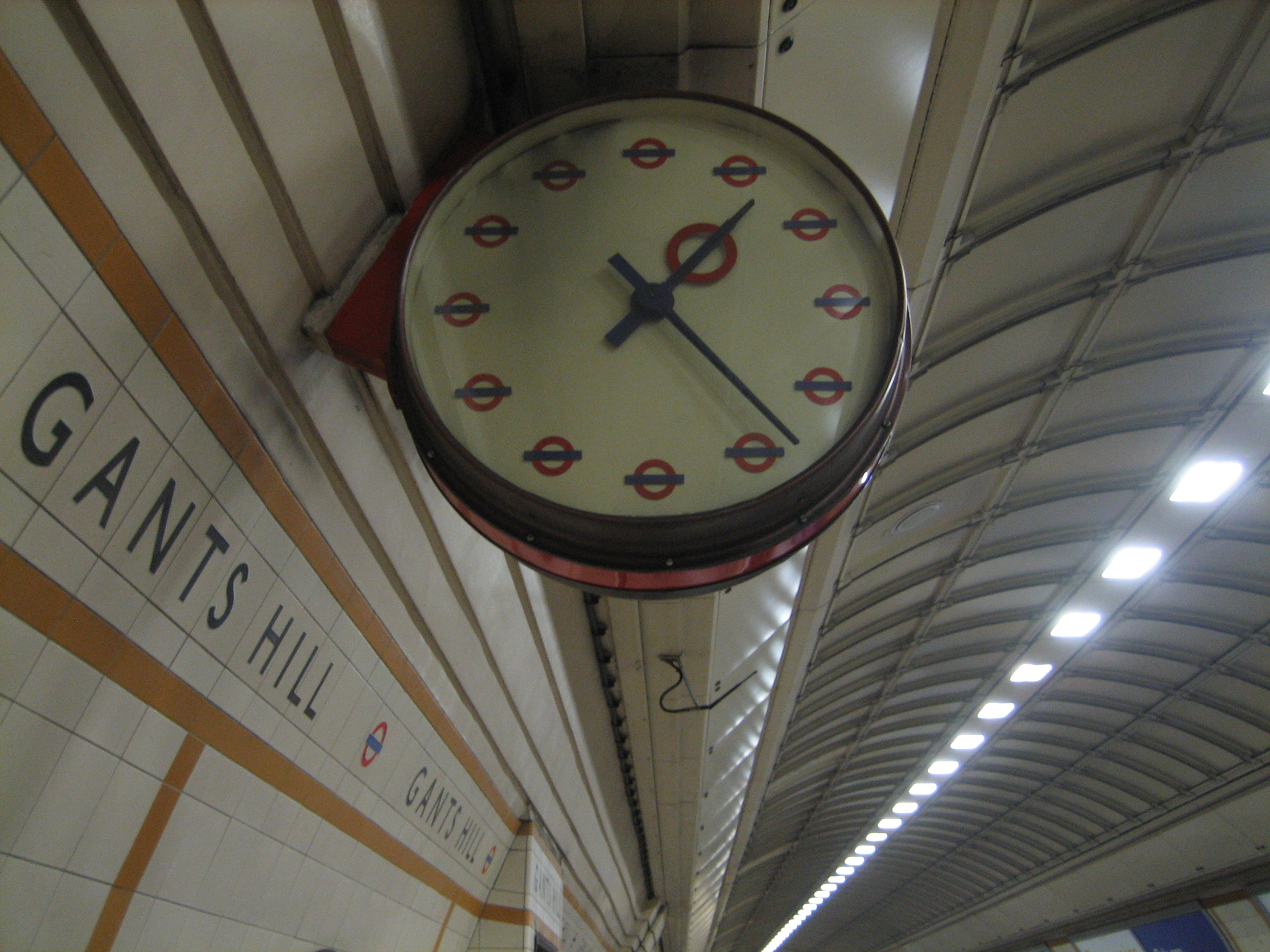
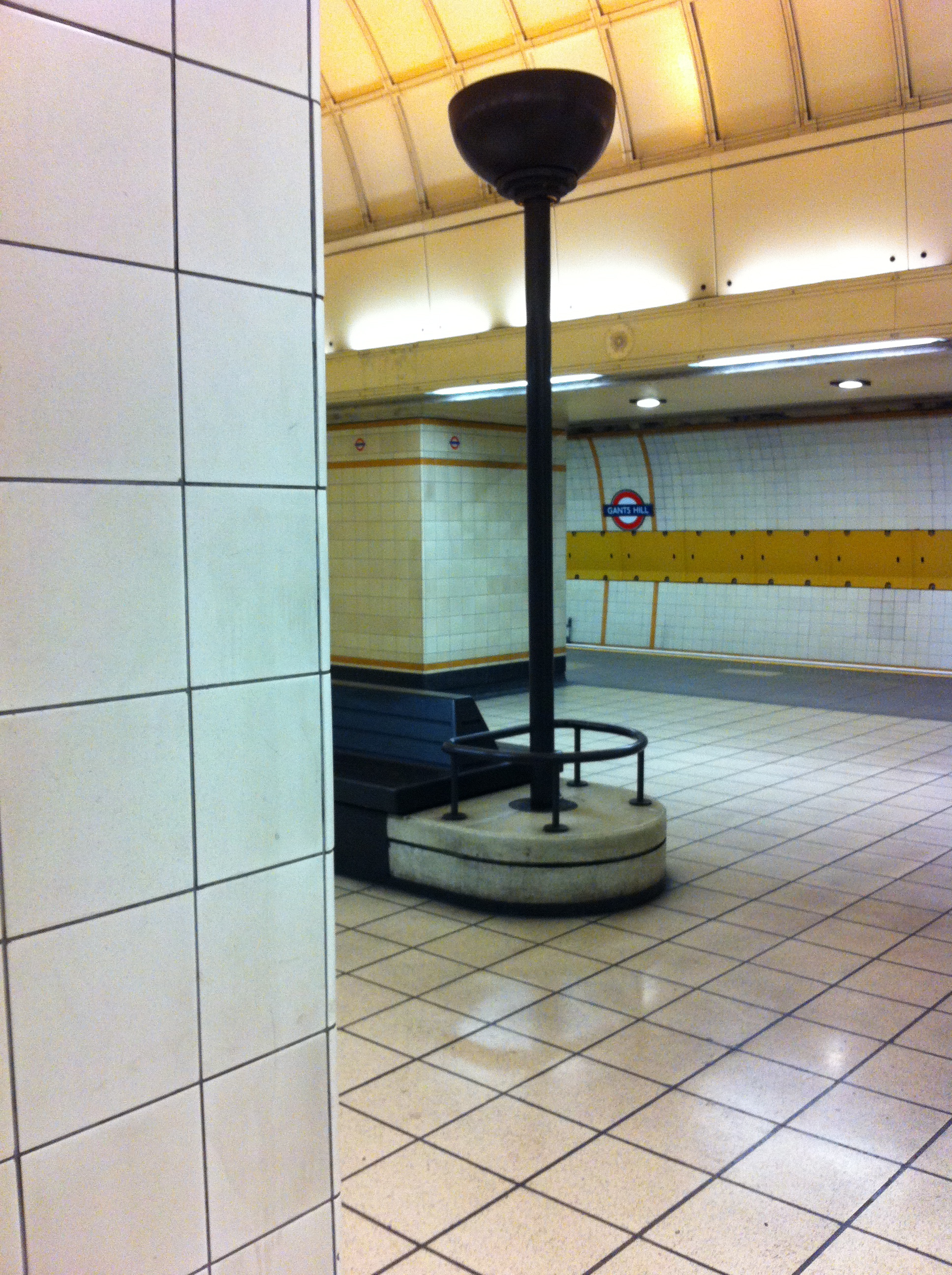 I could go into even more detail about Gants Hill, but I’ve already saluted its platform clocks and miniature roundels, and if I didn’t stop now, I wouldn’t know where to.
Ура!
*That, and not killing Shostakovich. Oh, and turning their ships around on 25 October 1962.
 150 great things about the Underground