 Sometimes the most dazzling spectacles of London’s Underground aren’t found inside the stations themselves. Instead they lie outside, adjacent to or nearby their parent. They all have a relationship with the Underground, but aren’t part of its cosy nucleus. They range from bridges to walkways, from monuments to air vents, and from clocks to… bus stations:
 The bus station at Newbury Park sits side-by-side with its Central line namesake, but dwarfs it utterly in terms of ambition and awe. It’s that most rare yet wondrous of things: a utility that is also a piece of art. Unsurprisingly it’s won an award, but not your trifling, two-a-penny sort of bauble:
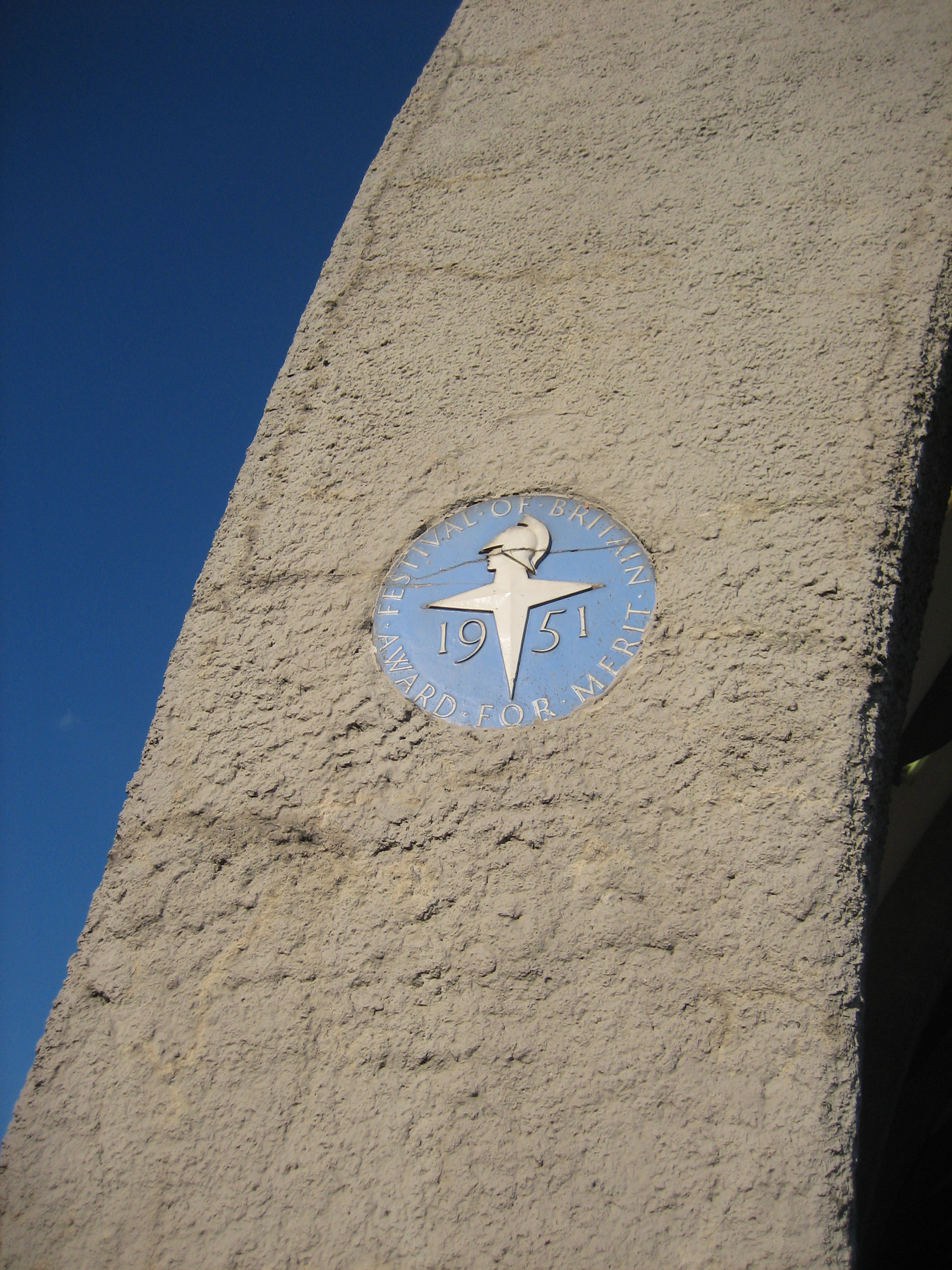 Ah yes, the Festival of Britain: one of those events you sense became more than the sum of its parts only when it was over.
The bus station is the work of Oliver Hill, and it opened on 6 July 1949, just two years after this part of the Central line was electrified. Seeing the building grow to completion in post-war austerity-wracked suburbia must have been an attraction both bemusing but also – you hope – a little inspiring.
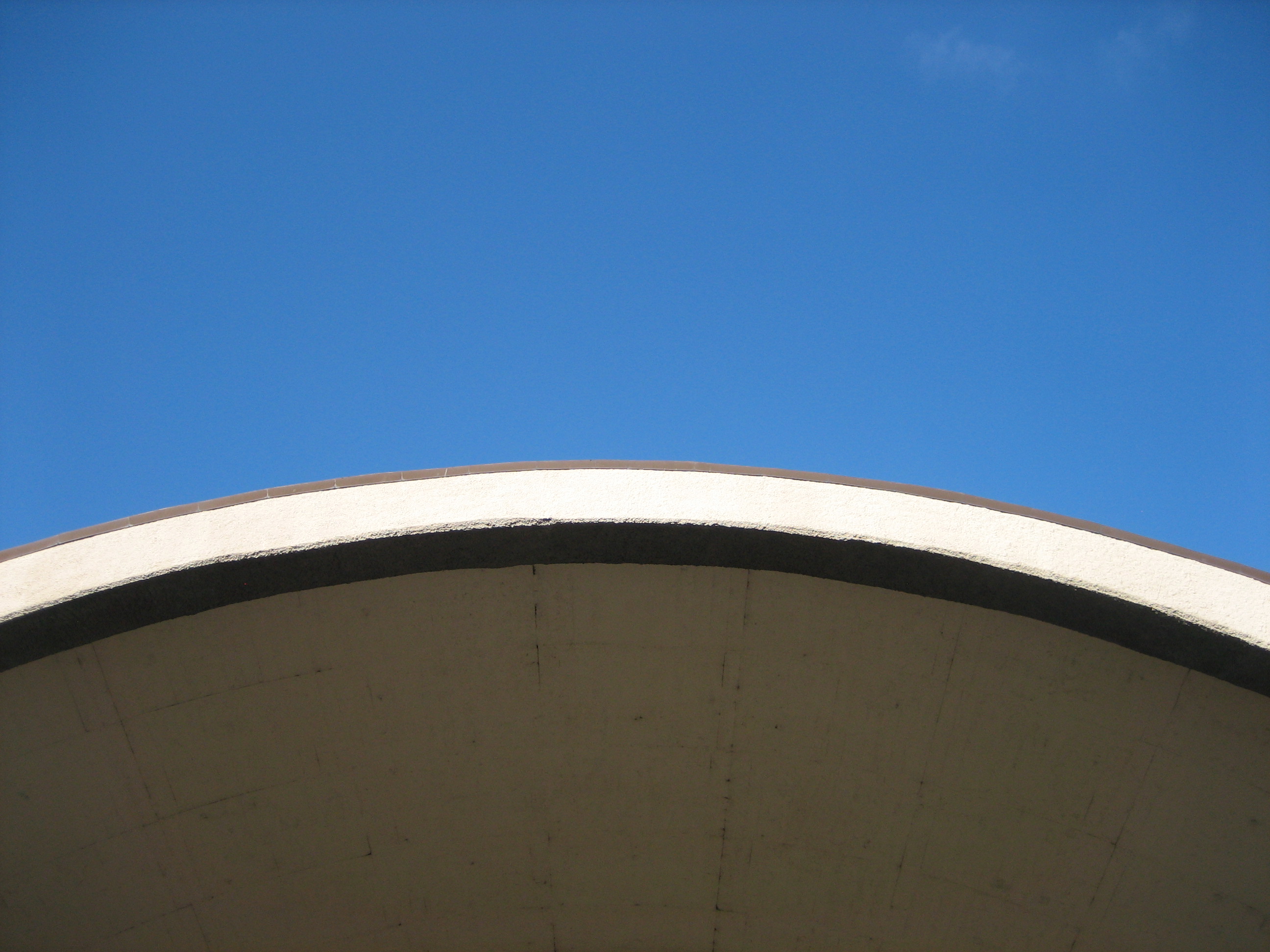
There’s a simple, almost childlike elegance to the building. It might be made of plain materials, but there’s beauty in the way it manages to combine easy functionality with grand intent. It’s also very homely. It’s the sort of place in which you’d feel happy to linger, which is just as well given its purpose.
The whole structure seems larger than it really is (always a good thing) and on the day I visited the roof looked close to scraping the sky:
 It’s not quite Oliver Hill’s masterpiece; that can be found in Morecambe. But it’s undoubtedly the man’s most visited and valuable work. What a pity Newbury Park station itself can’t compete. But then maybe nothing could – or should.


 150 great things about the Underground