Archive

Yearly Archives: 2012

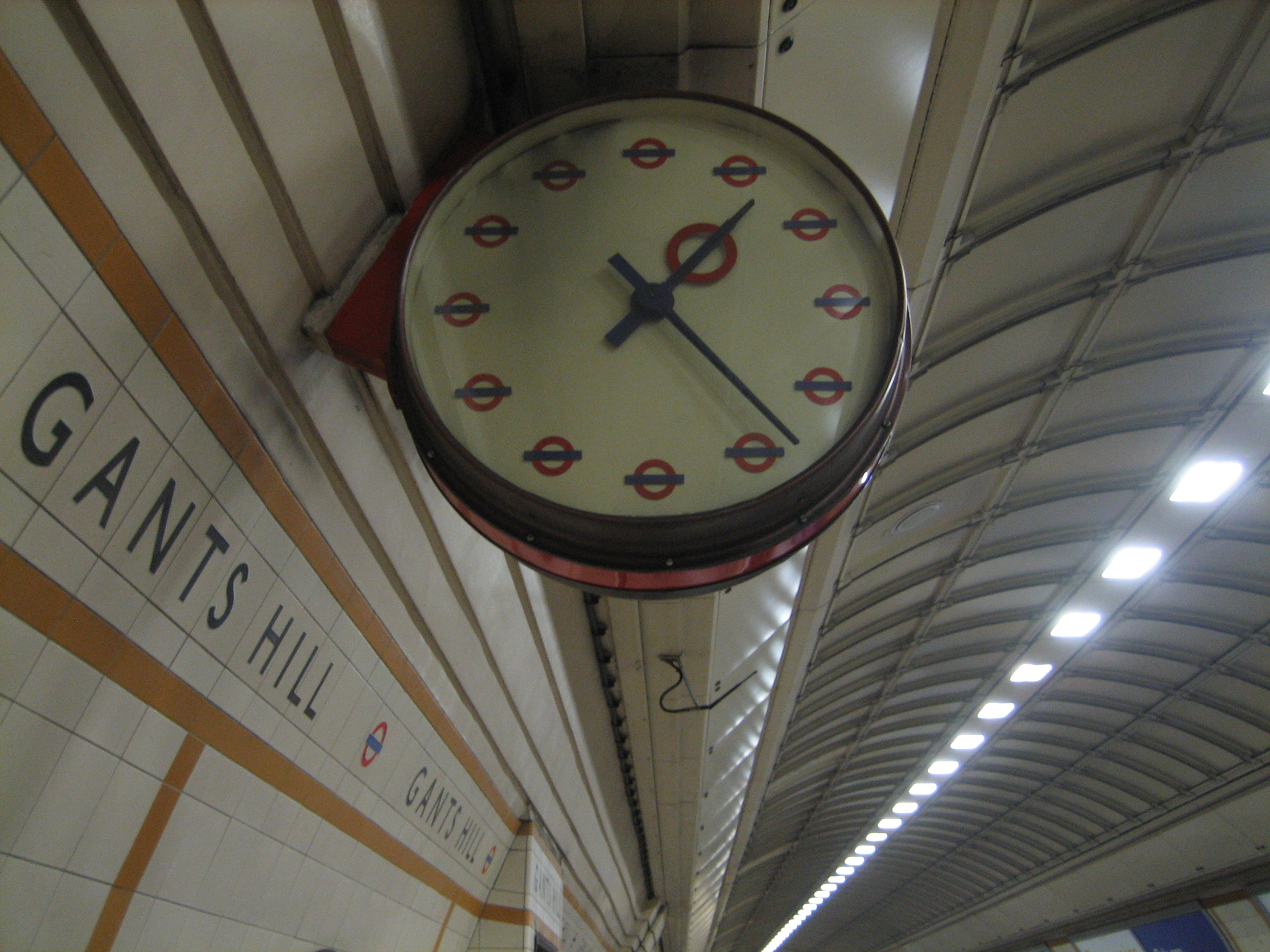
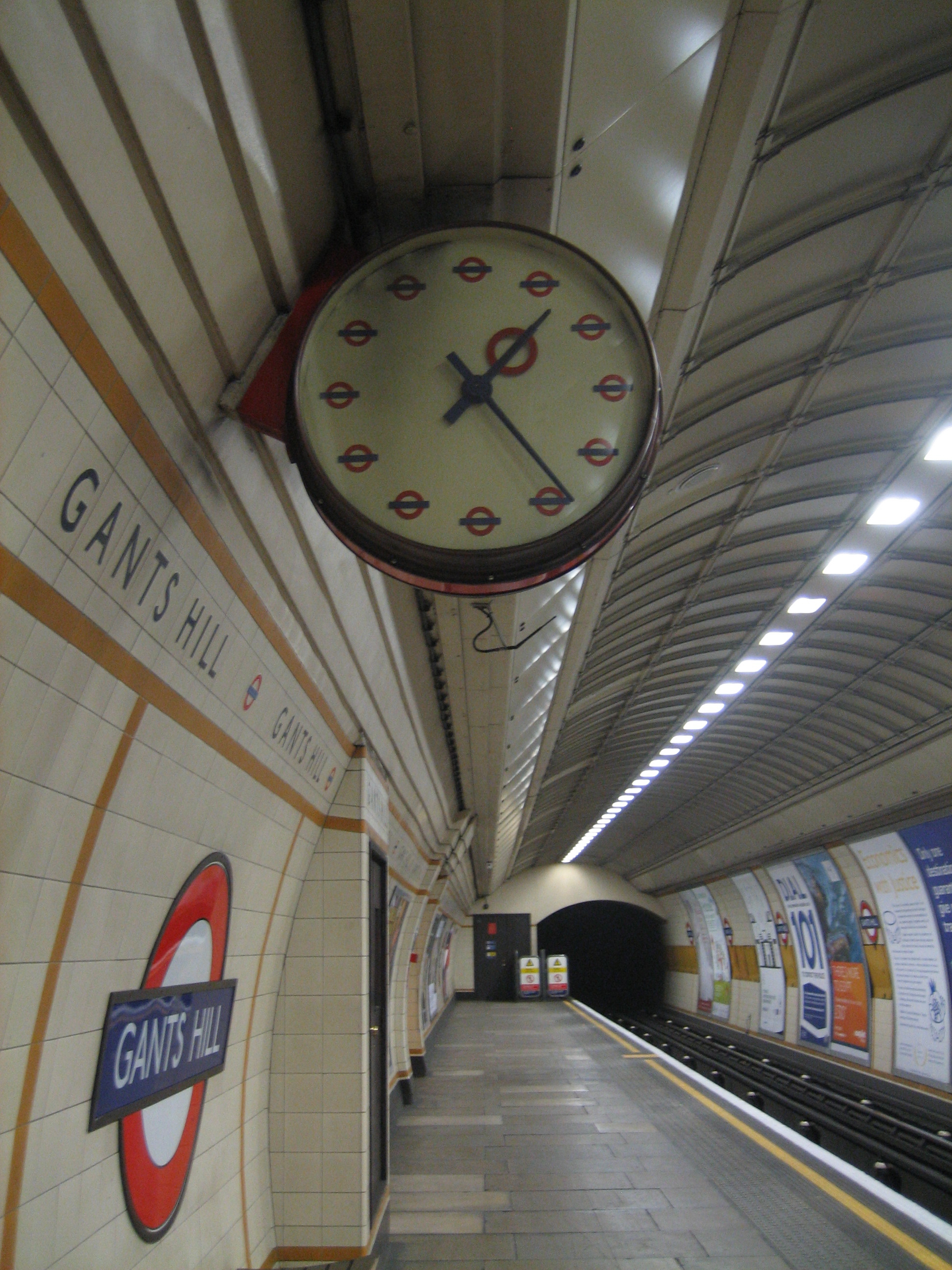
Telling the time, sensibly, steadilyThey’re not ideal if you’re trying to teach someone to tell the time. In fact they are useless. But in every other regard – which admittedly are not many – the platform clocks at Gants Hill are to be praised.

In a station graced with more eye-catching features than most, thanks chiefly to the inspired machinations of its architect Charles Holden, the clocks are understated gems.

Their design could be said to be informed by the same principles that guided Harry Beck towards his groundbreaking London Underground map: that less is sometimes more; that information should be there to serve others and not simply itself; and that on occasions the fundamentals of time, place and space are not actually that important. After all, a glance at the hands of a clock are all most of us ever want or need.

They also boast an abundance of Underground roundels – and, let’s be honest, you can never have too many of them.
Gants for the memory

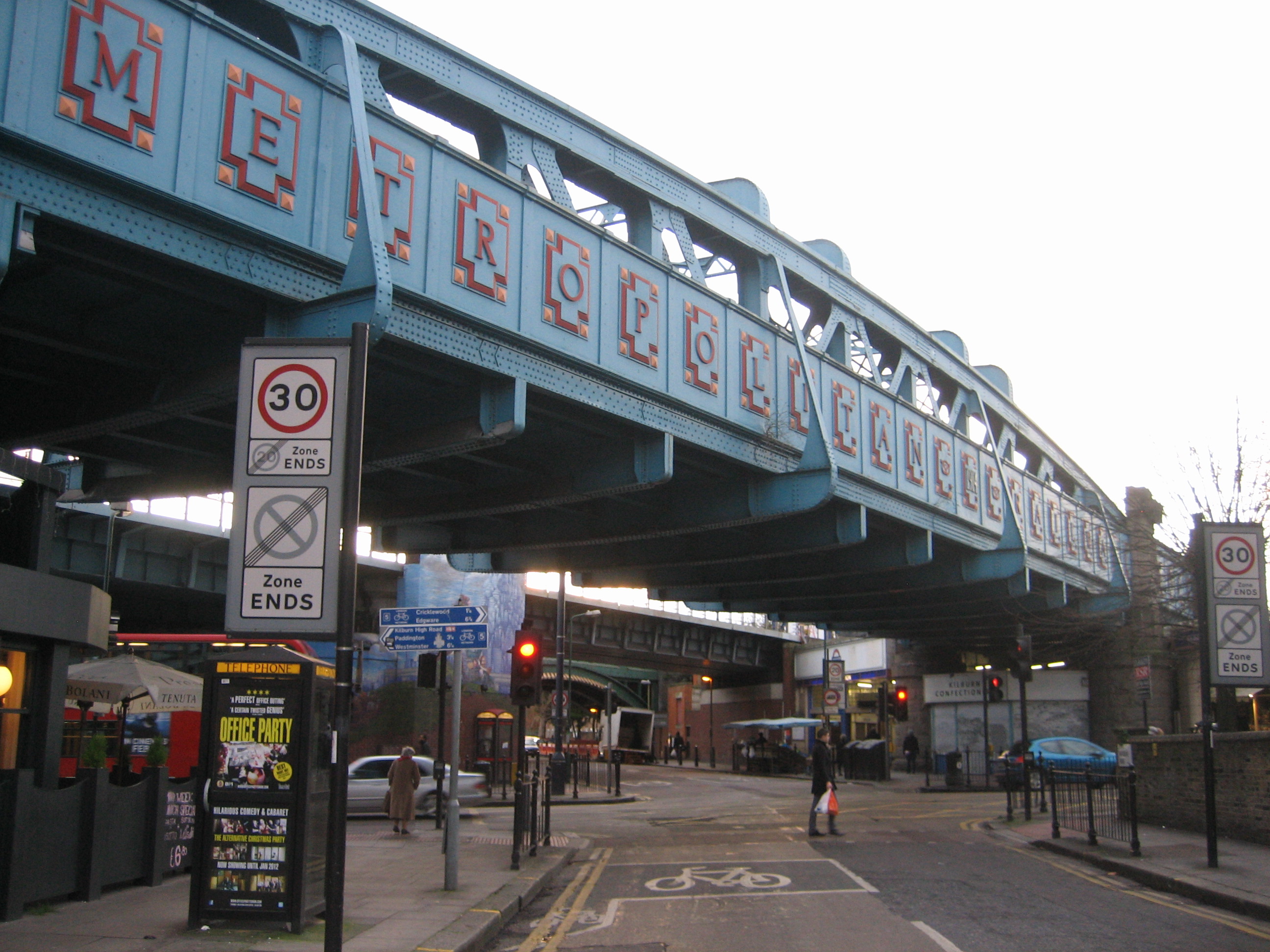
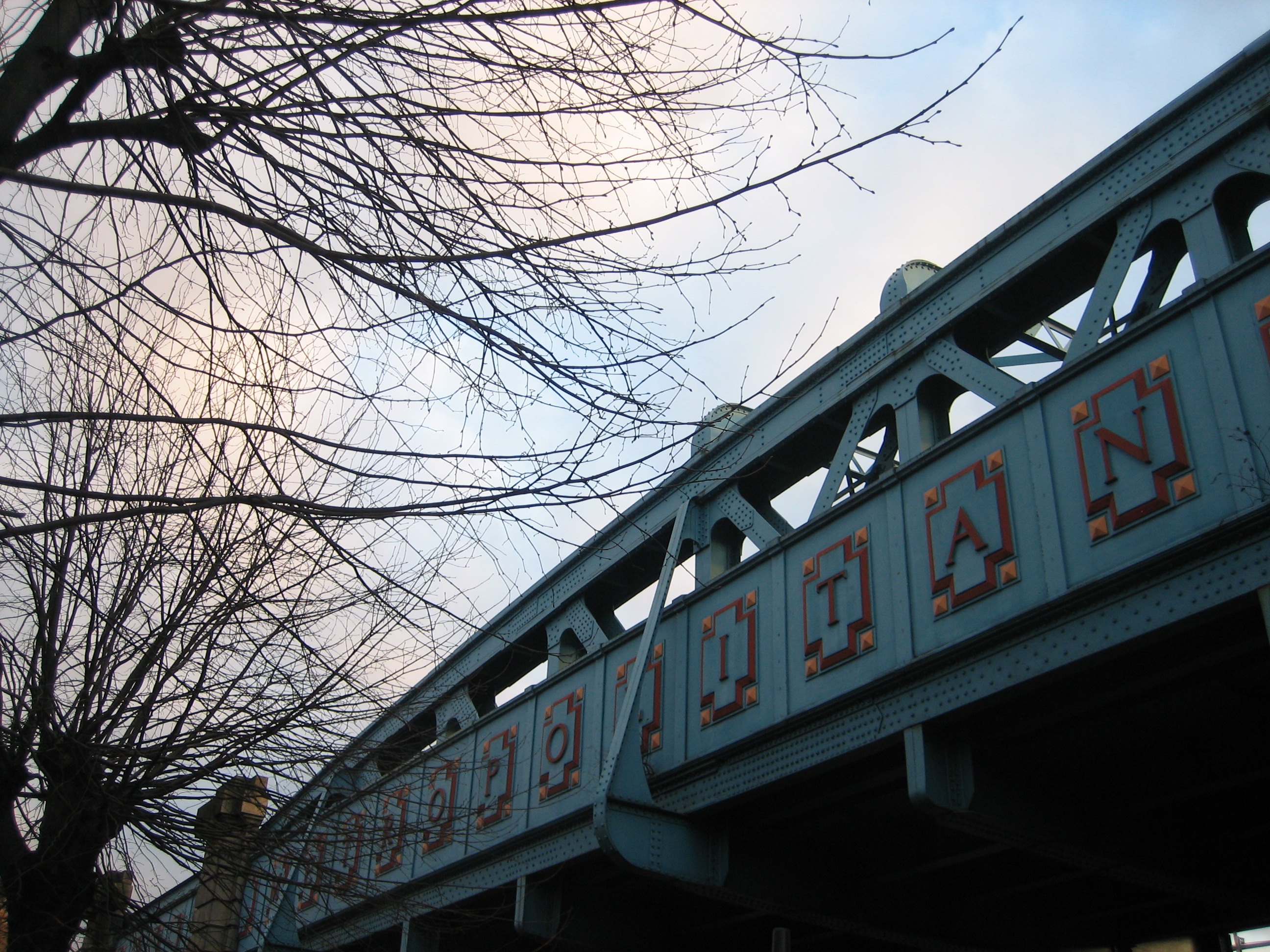
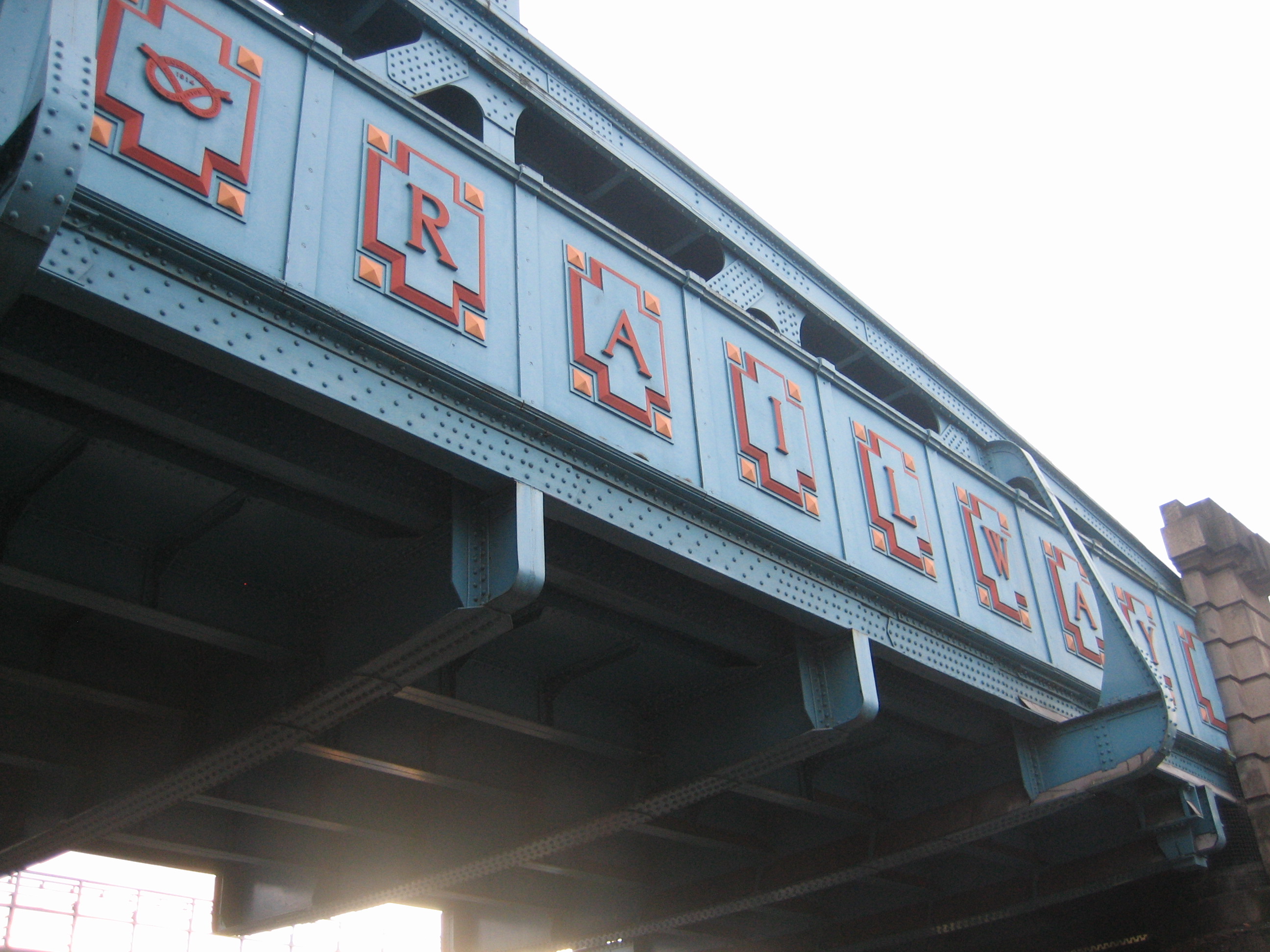
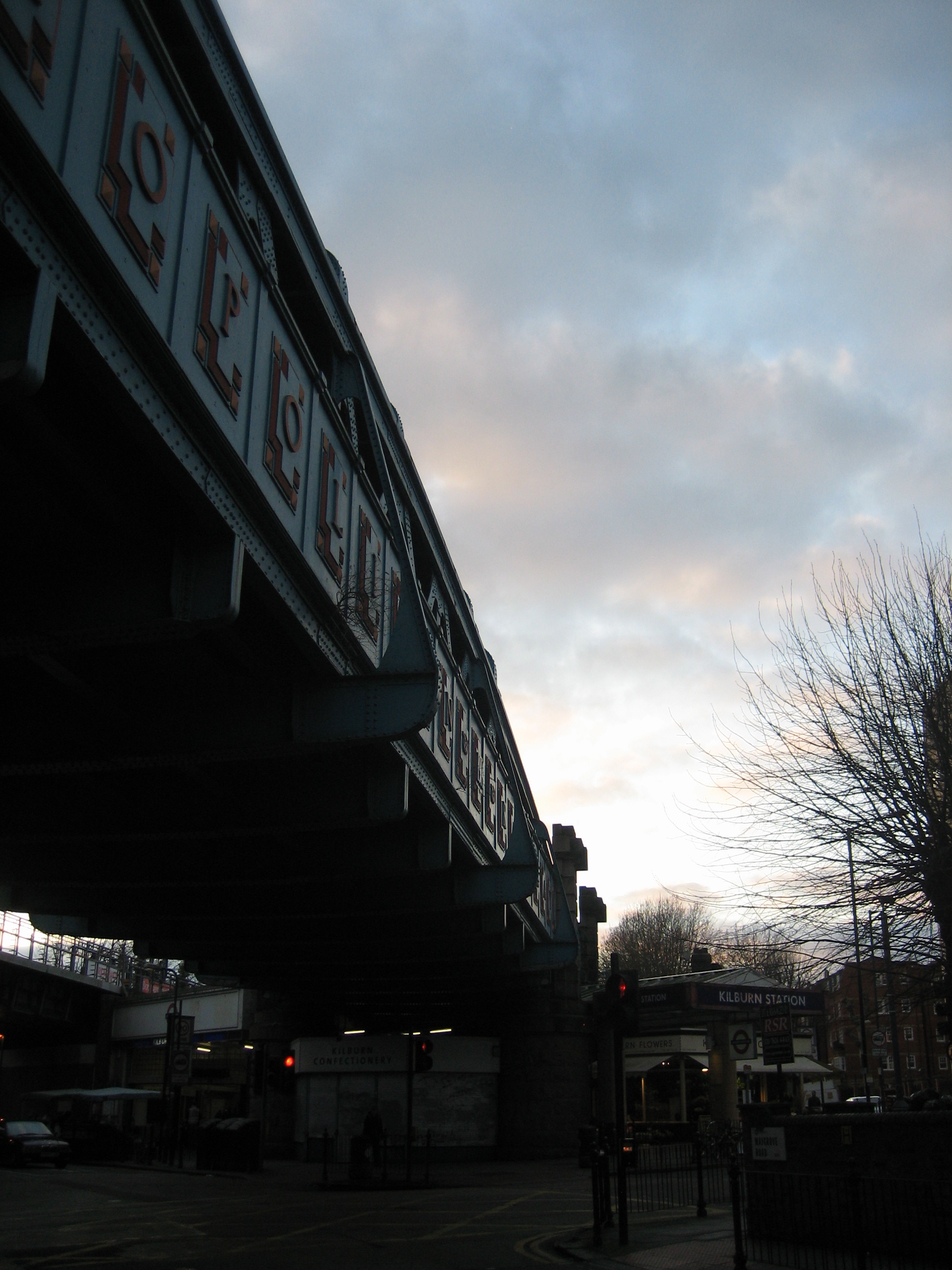
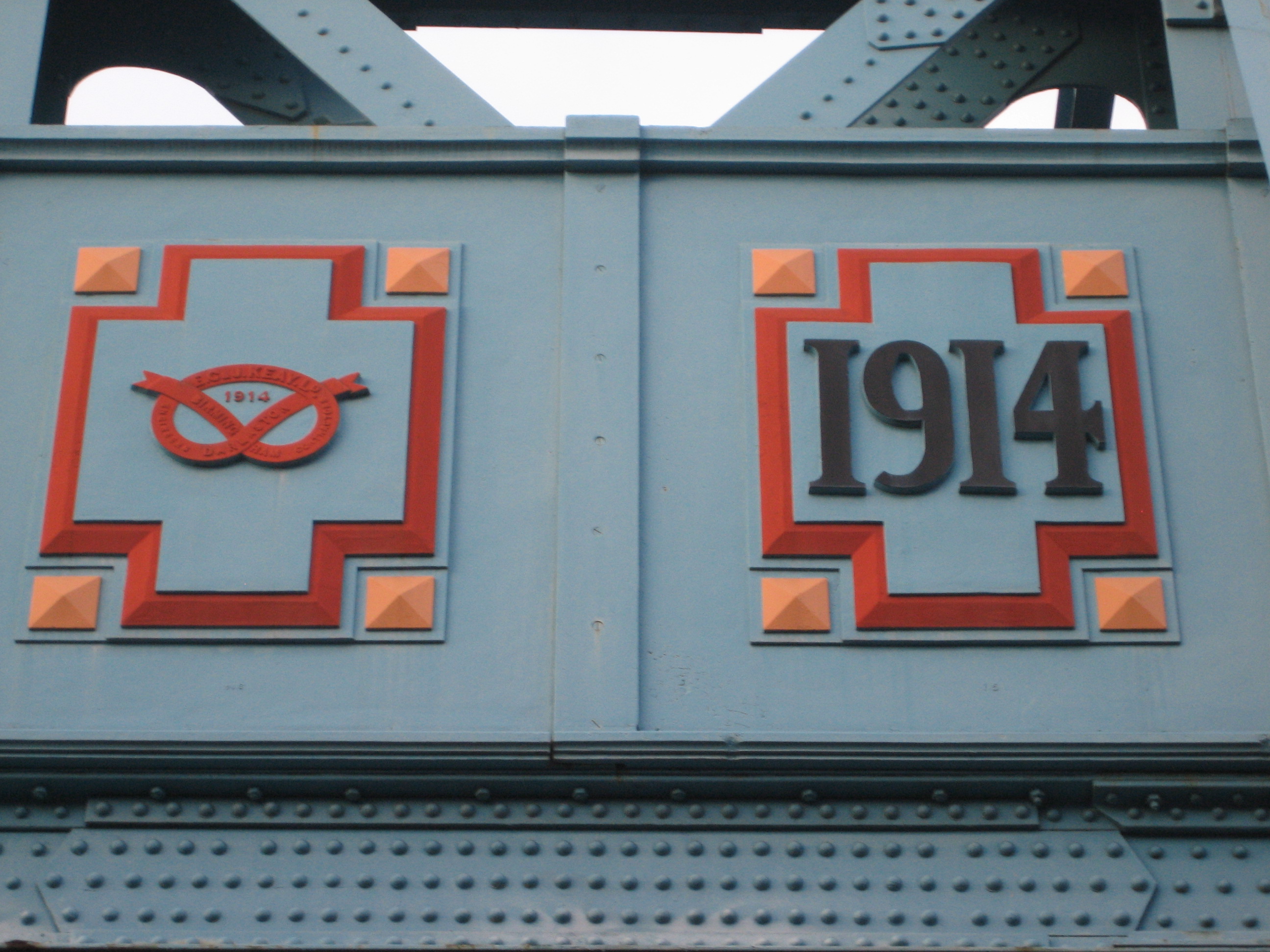
98 not outCarrying the Underground high over what was once the Roman thoroughfare of Watling Street, and which now boasts a dual identity as both the A5 and Kilburn High Road, is a construction you can only really appreciate when you’re under rather than on top of the tracks – and preferably standing in the middle of a road:

Yes, a photographer always has right of wayWhat was once an enormous slice of self-aggrandisement on the part of the Metropolitan Railway is nowadays an enormous boon to an area that deals mostly in grime and grey.

It’s as if someone has smeared a palate of primary colours right across this monochrome municipal landscape.

Bridge of sighsThe viaduct was built when the Metropolitan line was going through one of its many muscle-flexing phases; in this instance, a quarupling of the number of tracks all the way from Finchley Road up to Wembley Park.

I love the shamelessness of the design and the fact the company had ultimately no scruples in turning the edifice into a massive piece of self-promotion – albeit one of sparklingly bold and bright ambition.

Making tracksBy any measure – conception, intent, size, appearance – it’s a triumph.

Hi, road

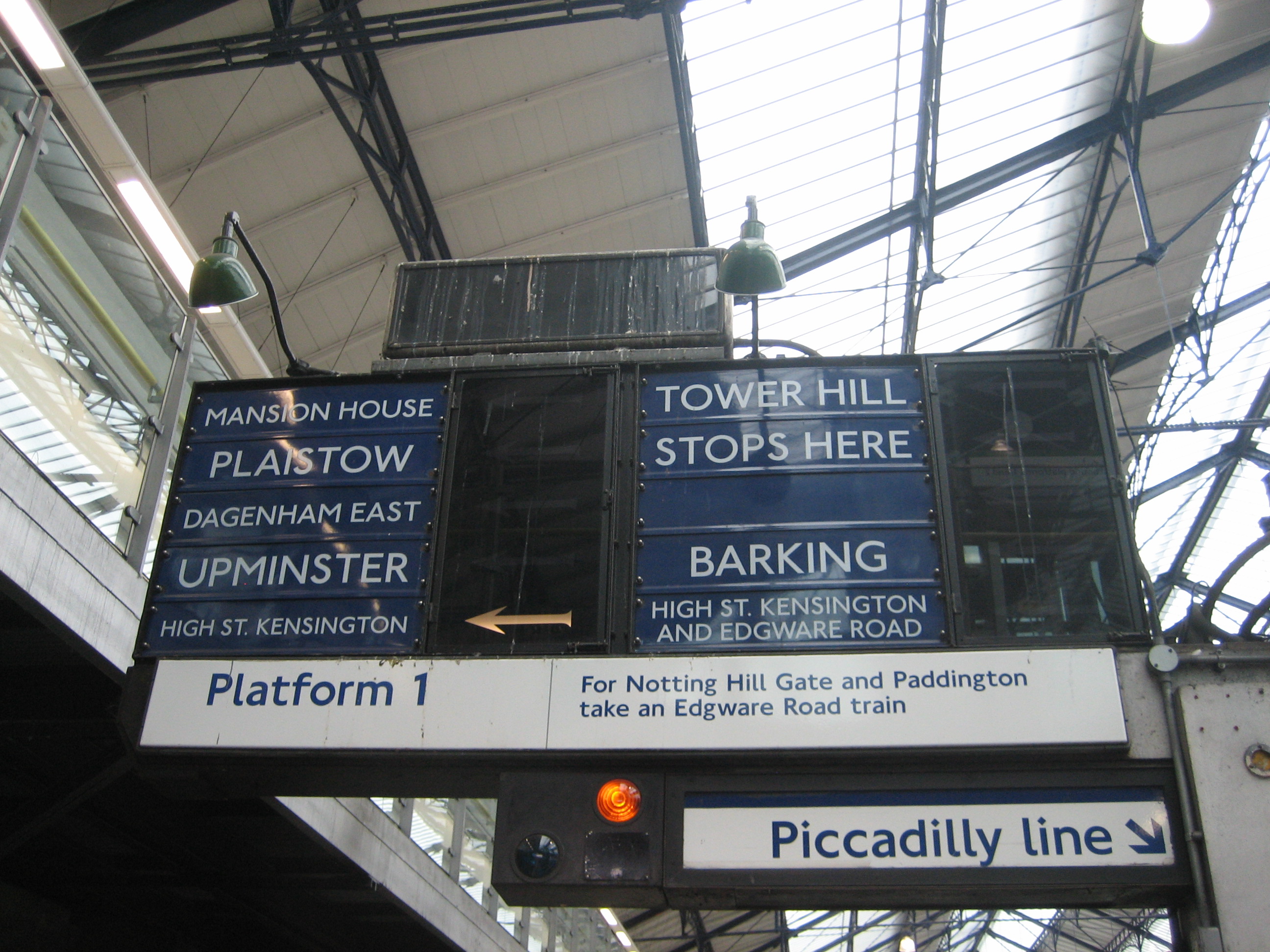
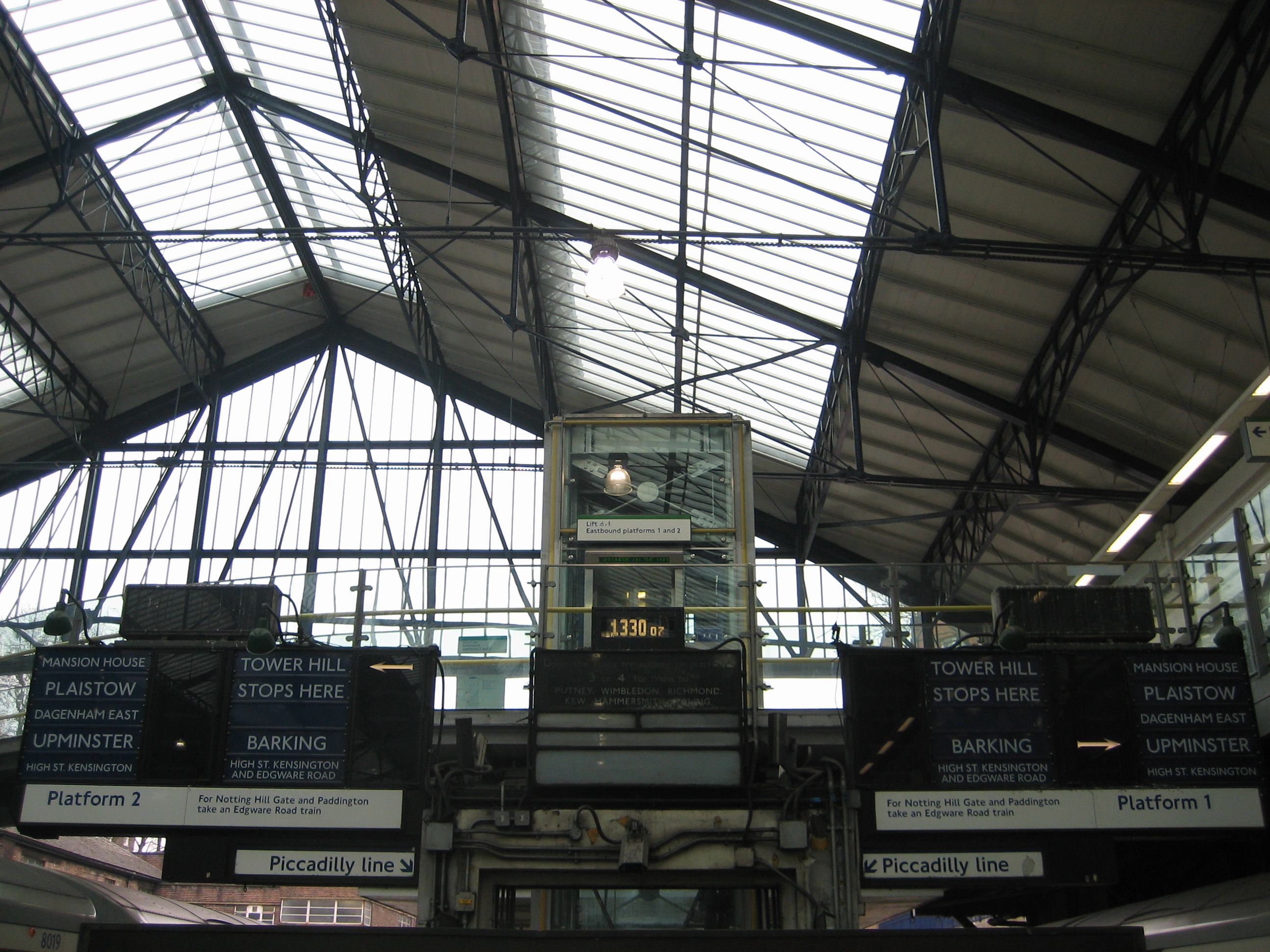
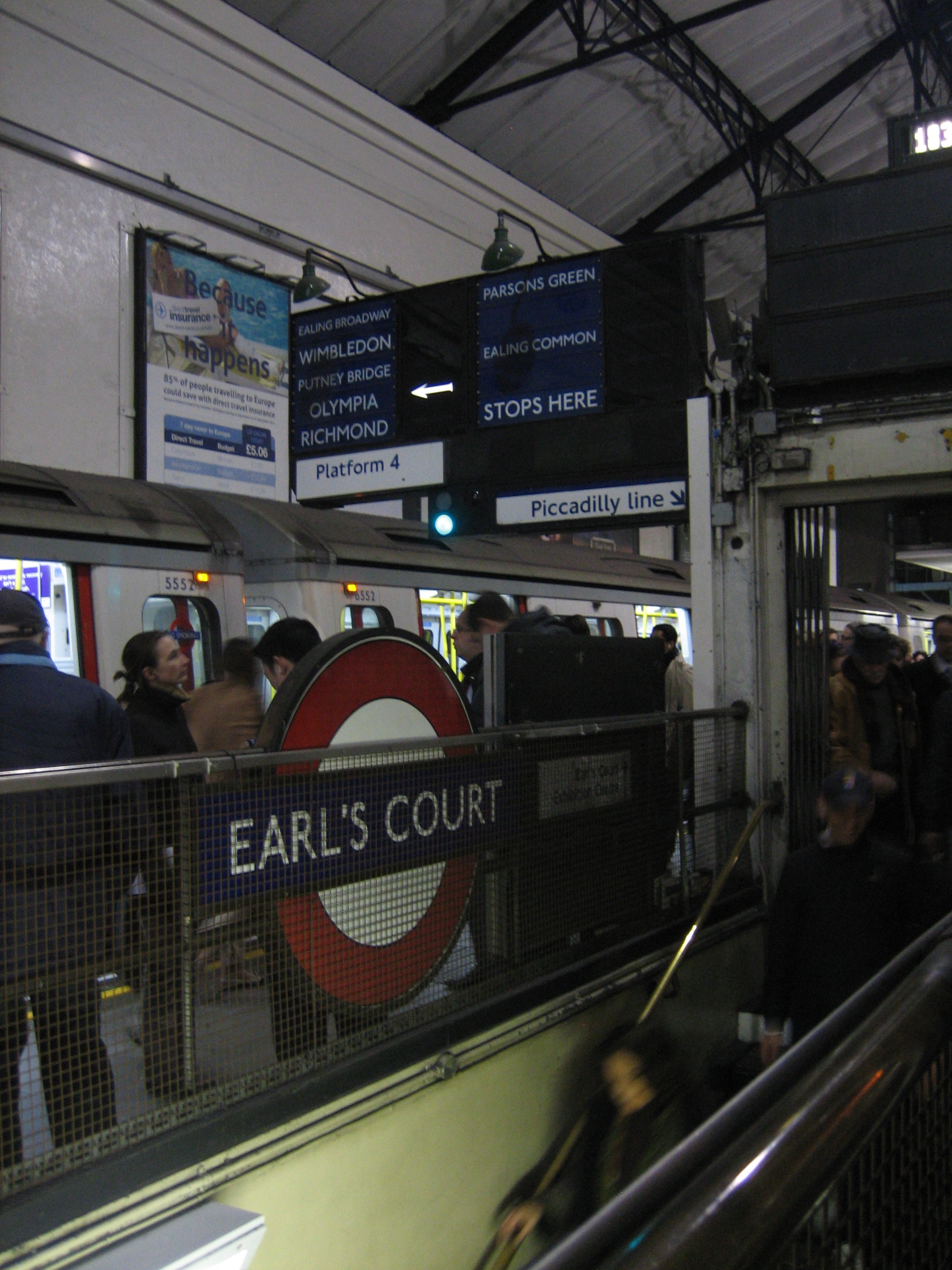
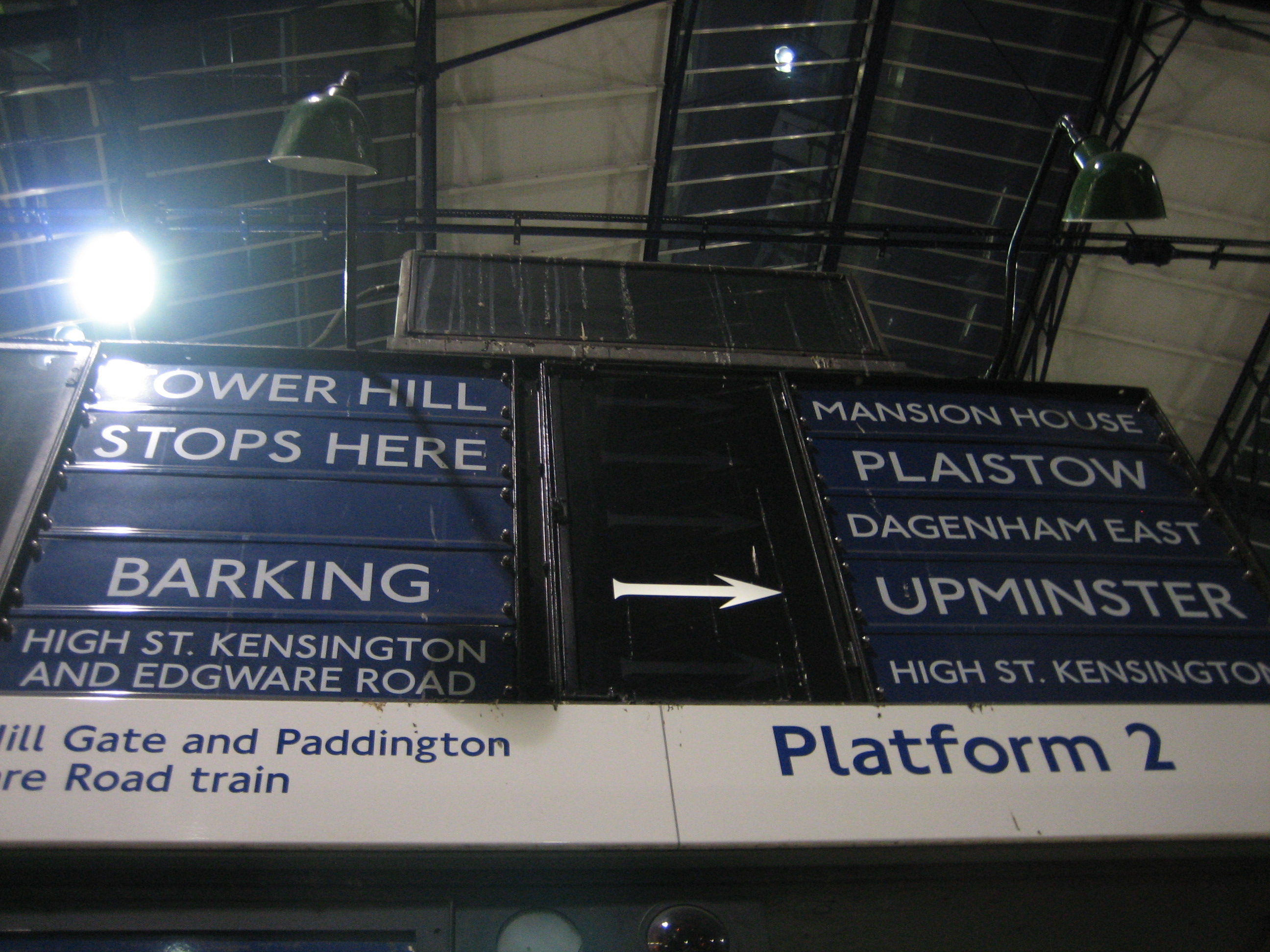
Good news for people wanting to travel ONE STOP ONLYThey’re technologically basic, they’re covered in bird droppings and the font is not as nice-looking as it used to be. But I can’t deny a part of me finds the train destination indicators at Earl’s Court persistently charming.

Choice!They undoubtedly generate and receive an equal amount of ire from the clusters of passengers that gather in disconsolate bunches at their base.

It’s essentially a love-hate relationship. There is the thrill, within seconds of your arrival, at seeing the illuminated arrow pop up next to your desired destination. But there is also the anguish of watching each station except your own flash before your eyes in a seemingly-endless sequence of vindictiveness – especially if you’re waiting for one of the less-serviced options, such as High Street Kensington or Olympia:

Gasp! An Olympia train!Sure, they have the appearance of being anachronistic. But it’s not as if they’re incompetent; they do precisely the job for which they are intended. And it’s not as if they’re redundant; the multitude of destinations available from Earl’s Court’s limited number of platforms requires something along these lines. Better to look functional yet understandable than flash yet incomprehensible.

Besides, they are an unequivocal tribute to and reminder of the vastness of the Underground. To Plaistow or to Parsons Green? Mansion House or Ealing Common? The curious and the carefree are spoiled for choice.

Arrowing