 An especially ghastly phrase to have entered the modern business lexicon – one of many – is “do a deep dive”. “Let’s do a deep dive into these figures,” people say, and expect you to be impressed. Instead you are rankled, because the phrase is meaningless and exists solely to make its speaker feel like they sound professional.
You cannot dive, deep or otherwise, into figures. What you can do is dive into something that exists, and which is tangible. The exceptional Bermondsey station allows you to dive deeply – not literally, mind – into a catacomb of concrete that, thanks to its breathtaking design by Ian Ritchie, never once loses sight of daylight.
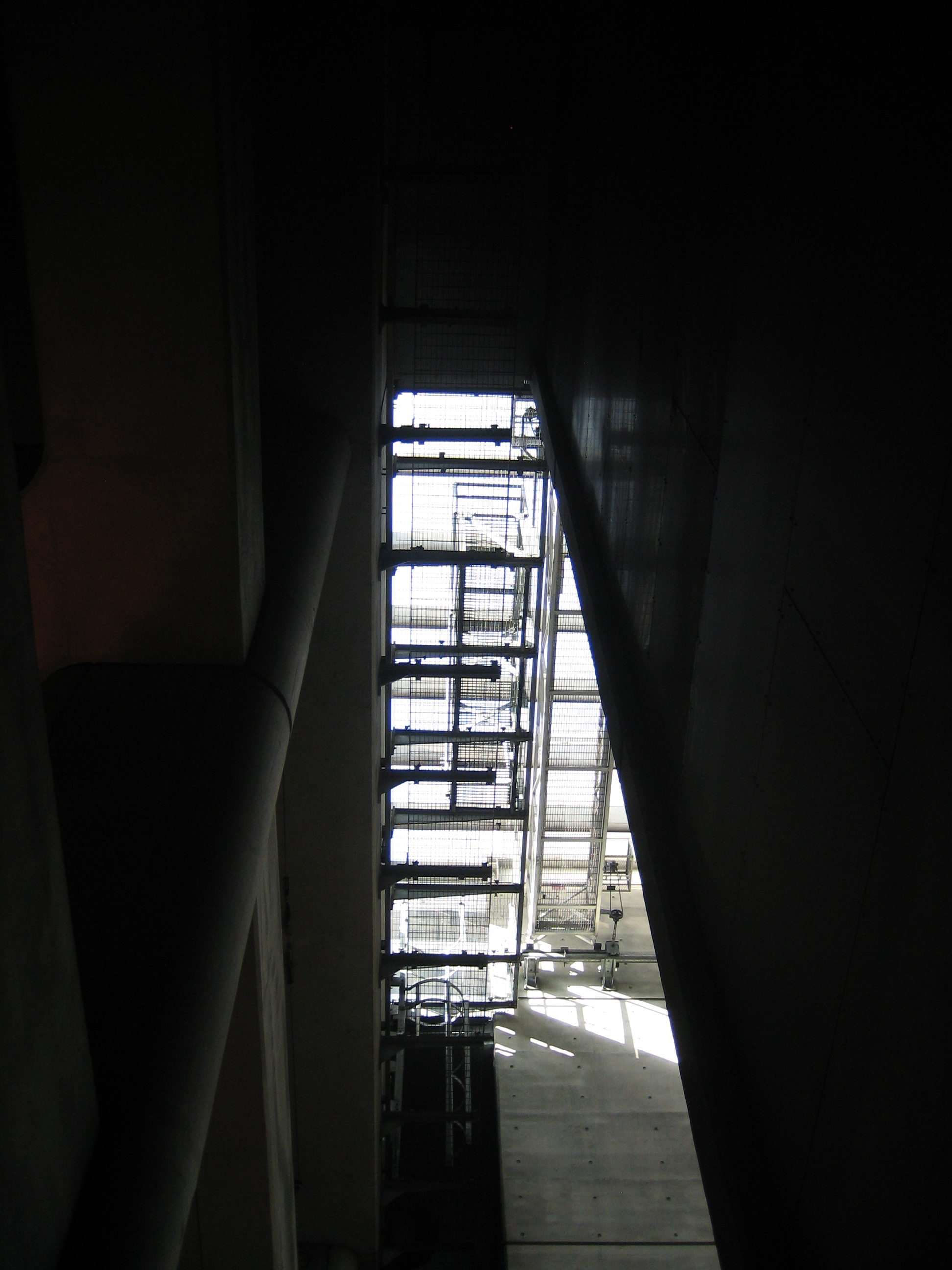 Information about the project’s history on Ritchie’s website, particularly the concept drawings, make clear what was intended from the outset: to bring “a perceptible sensitivity and ambience to the public” by using “natural light and a clear spatial experience”.
He and his team succeeded completely. The impression of enormous, liberating space is fuelled by the sympathetic illumination – and vice versa:
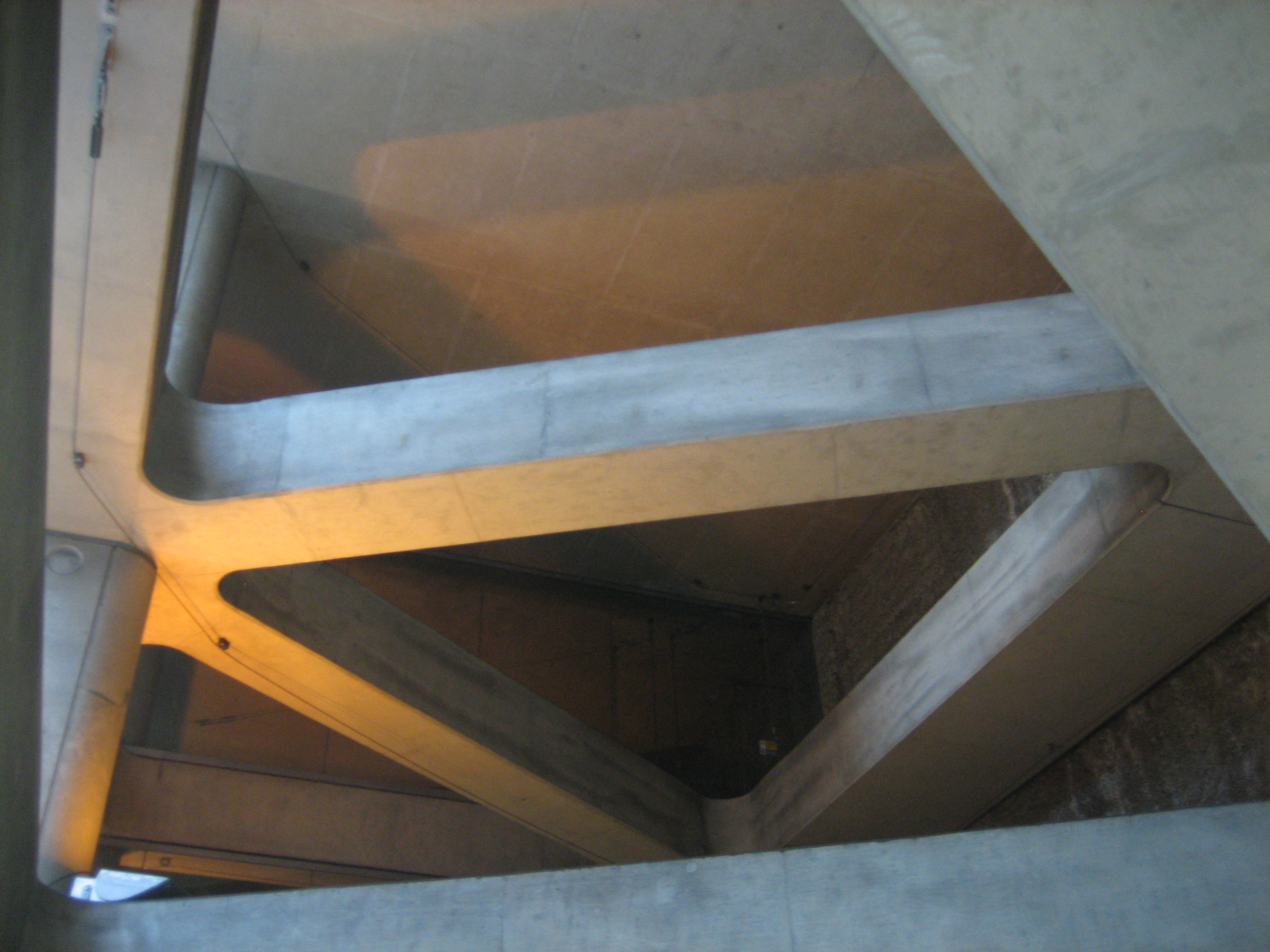 It’s great to be reminded of how awe-inspiring concrete can look when deployed in ways not common to the ordinary high street or suburban road.
And Ritchie seems to want us to dive both physically into the ground but figuratively into our imaginations, to touch on deep associations we have with what might pass for a futuristic world:
 Bermondsey is another gem of a station on the Jubilee line extension. I’d honestly not expected, so early into this 150, for the Jubilee to be the line way out in front in terms of mentions. But there you go. So much for Charles Holden (for now, at least).


 150 great things about the Underground