Archive

Yearly Archives: 2012

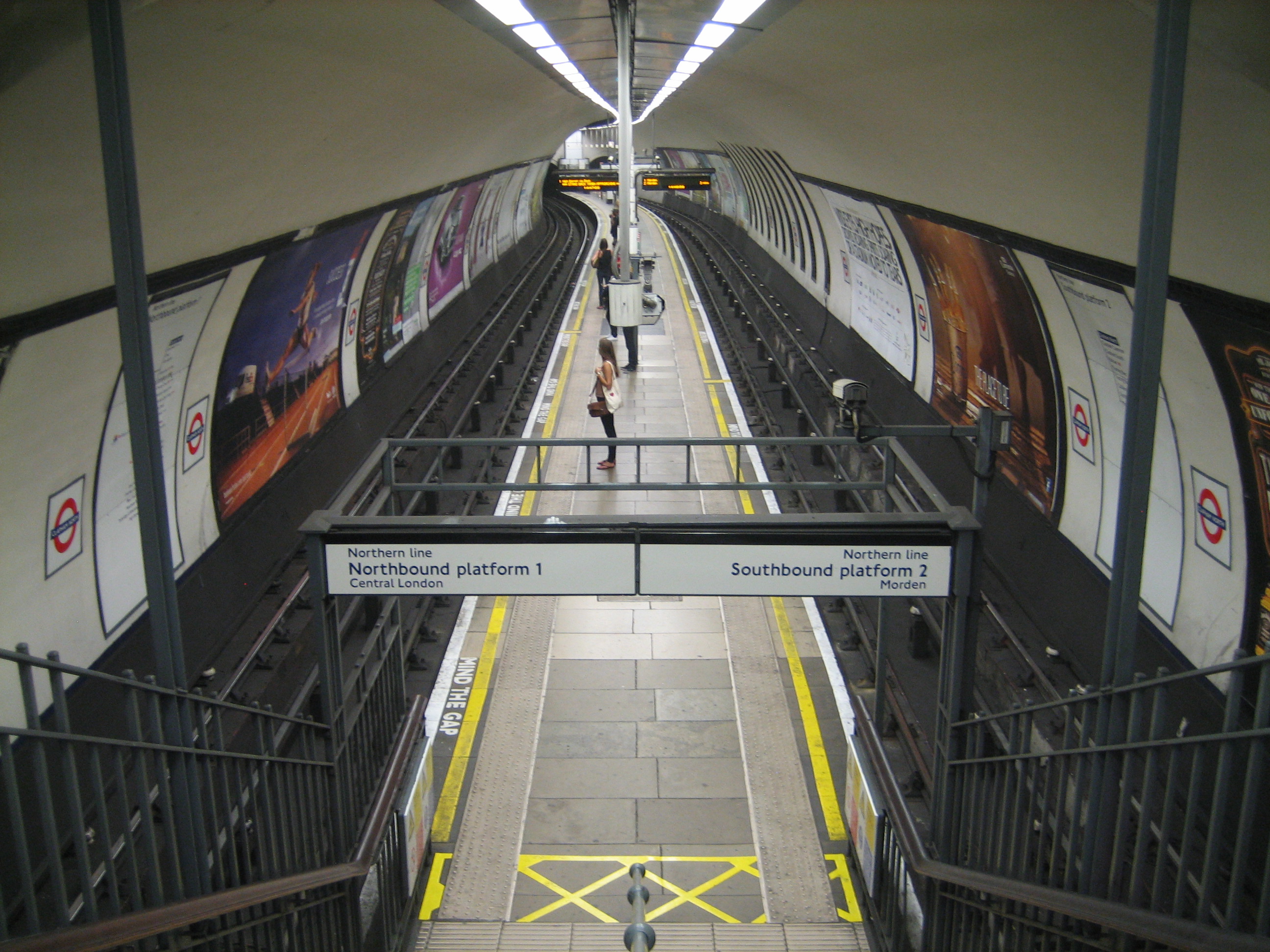
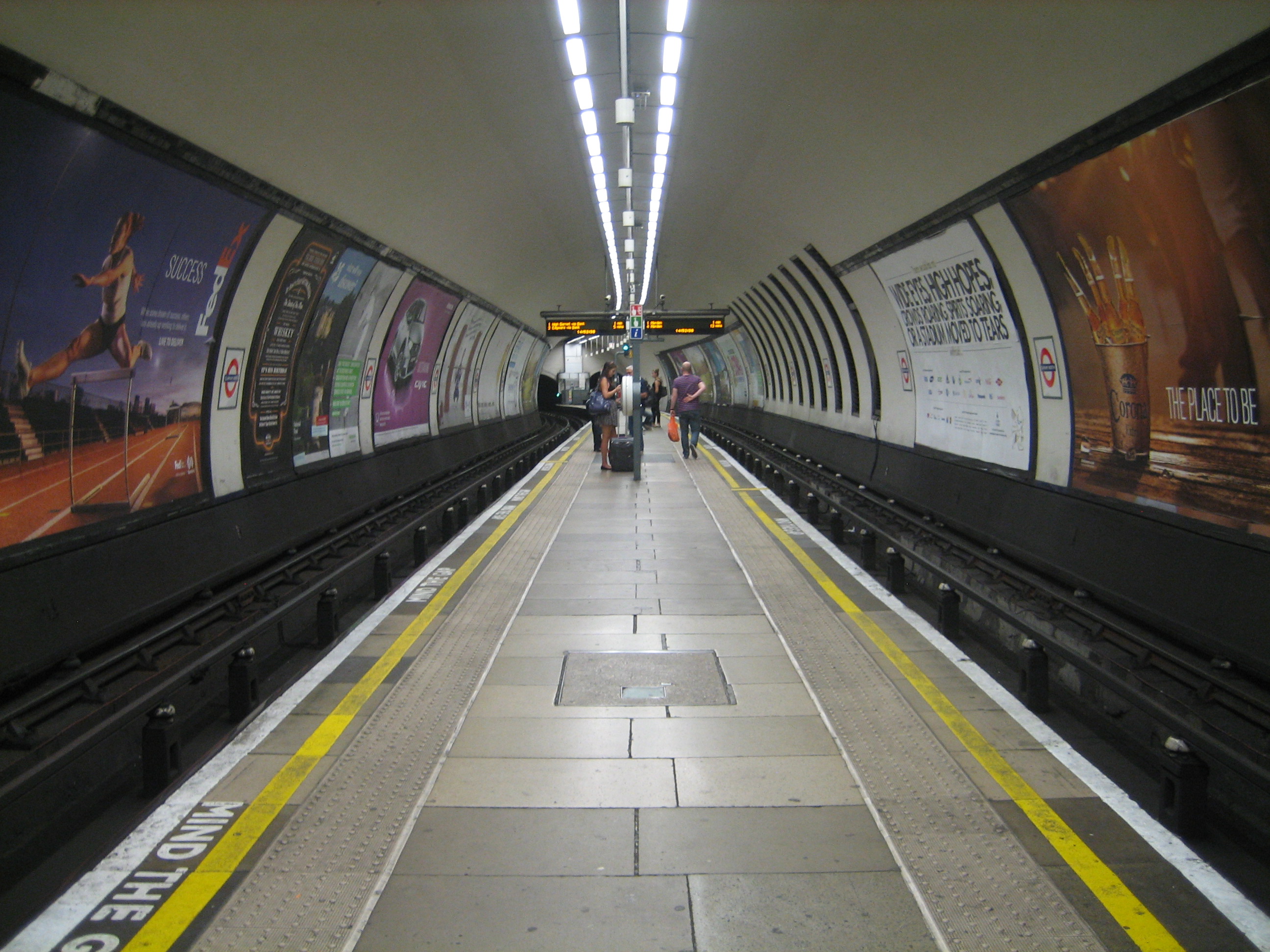
Mind the gapsThere are only two stations deep below ground with platforms like these: this one, and the next stop south on the Northern line, Clapham Common.

I don’t claim greatness for these platforms on safety or accessibility grounds (though I’d be interested to compare the number of accidents per year at Clapham North with those at recently refurbished deep-level Northern line stations, like Angel or Mornington Crescent).

What makes them special is their rarity and their antiquity.
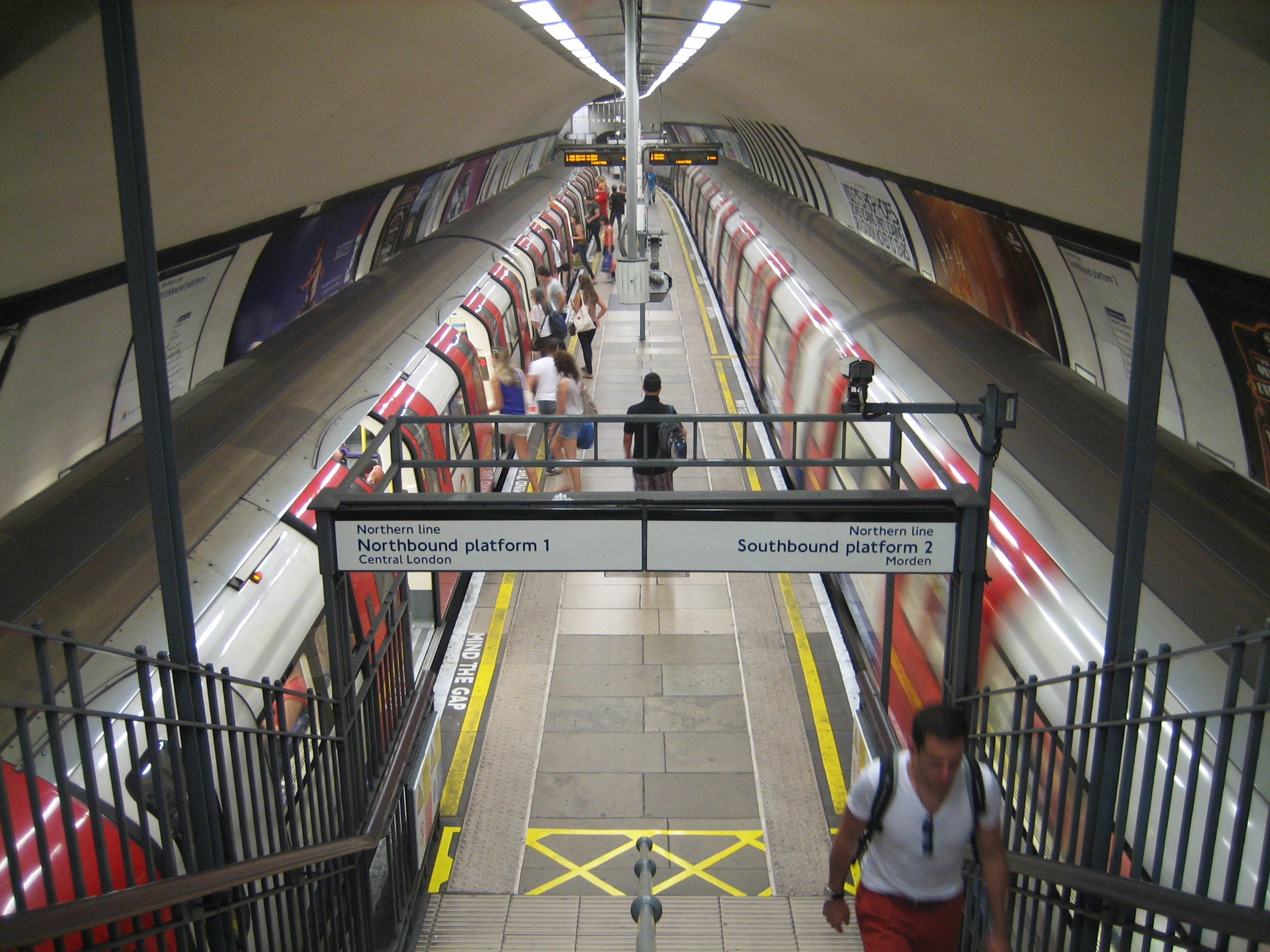
Passing trains Not everything that is old is worth preserving, just as not everything that is new is transient. By and large, the “right” bits of the 150-year-old Underground have been kept and restored, while the “wrong” bits are – after a long wait – being sorted out.

But the platforms here and at Clapham Common cannot be sorted out, because there isn’t room. A whole new tunnel would have to be dug. That isn’t going to happen any time soon.

Using these platforms is therefore something of a novelty yet also, in an odd way, a sort of privilege. Passengers aren’t treated like fools at Clapham North. We are trusted to use this eccentric (to our eyes) architectural arrangement, and not to blunder dopily on to one or other set of tracks while reading a newspaper or prodding at our phone.

For the occasional visitor there is also excitement to be felt when trains rush in from either direction simultaneously: a sensation compounded by being in a single contained space.

The platforms are islands of history, not just of convenience. They can’t be allowed to exist forever, and they shouldn’t. But for now, their latterday idiosyncracy renders them teasingly special.
No man is an island

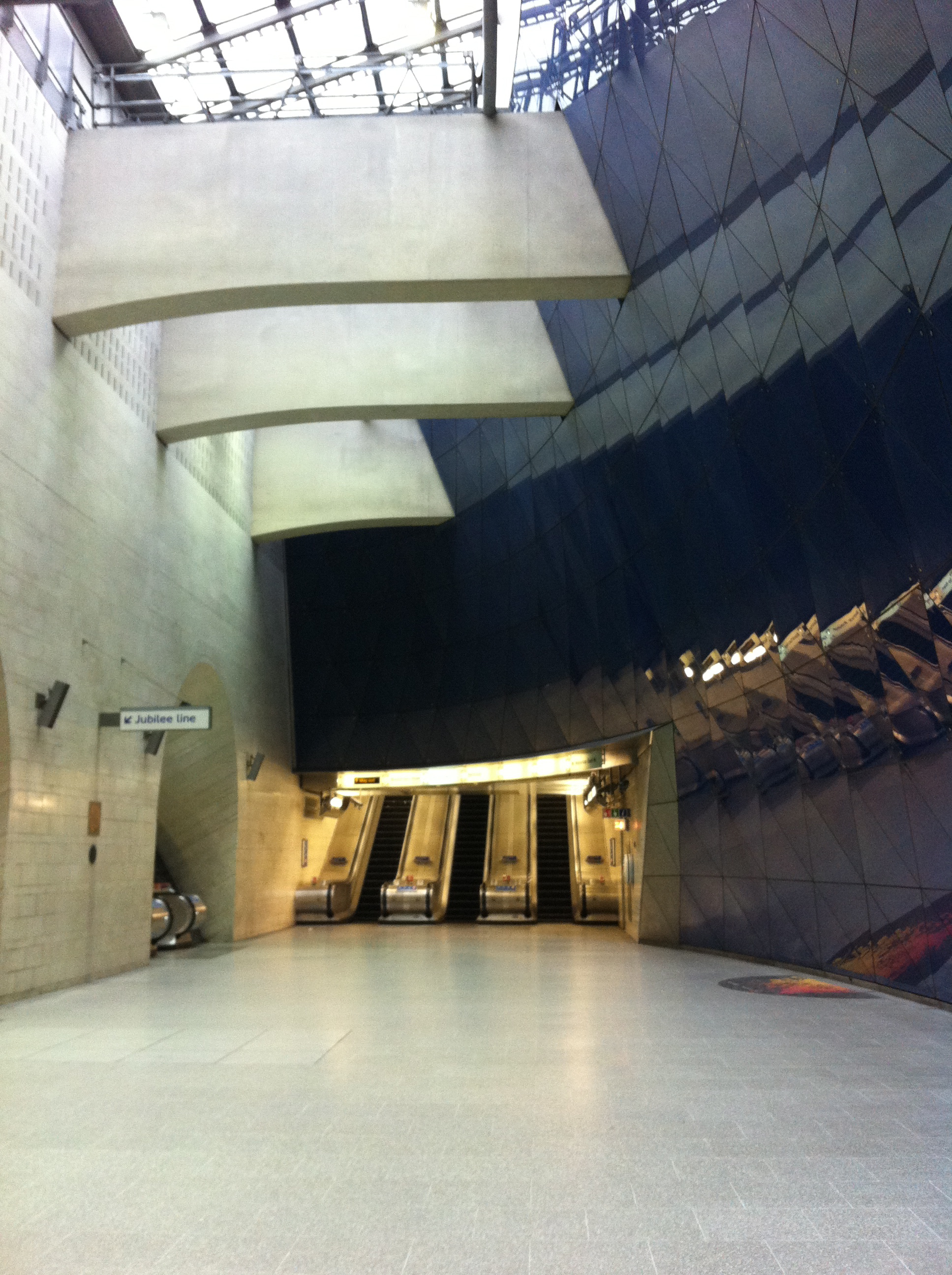
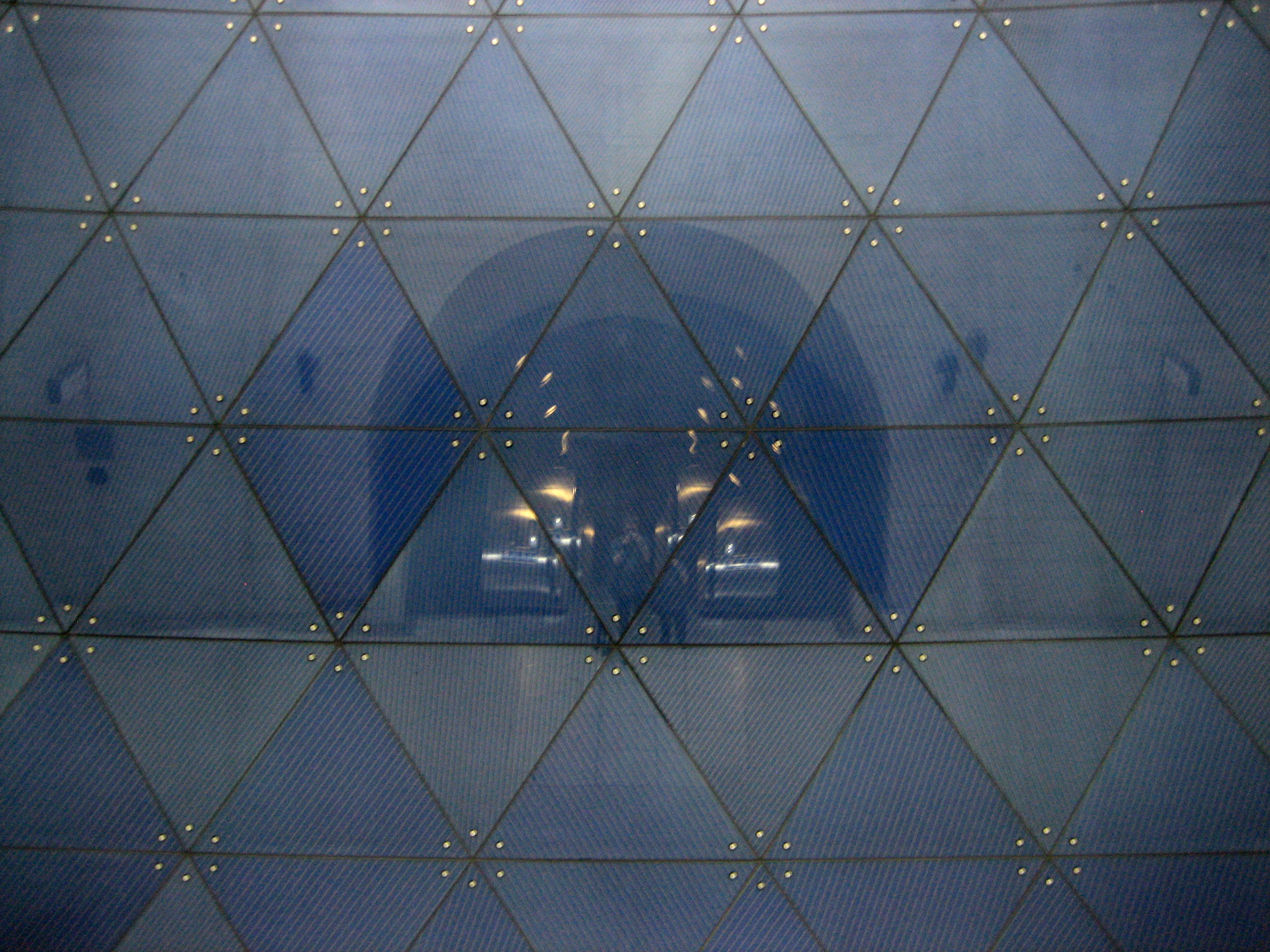
Smile!The Jubilee line extension from Westminster to Stratford is nothing if not a lesson in how to introduce light into dark places. Glittering, shimmering, colourful light. And there’s an entire wall of it at Southwark, tinted in the most alluring, soothing shade of blue.

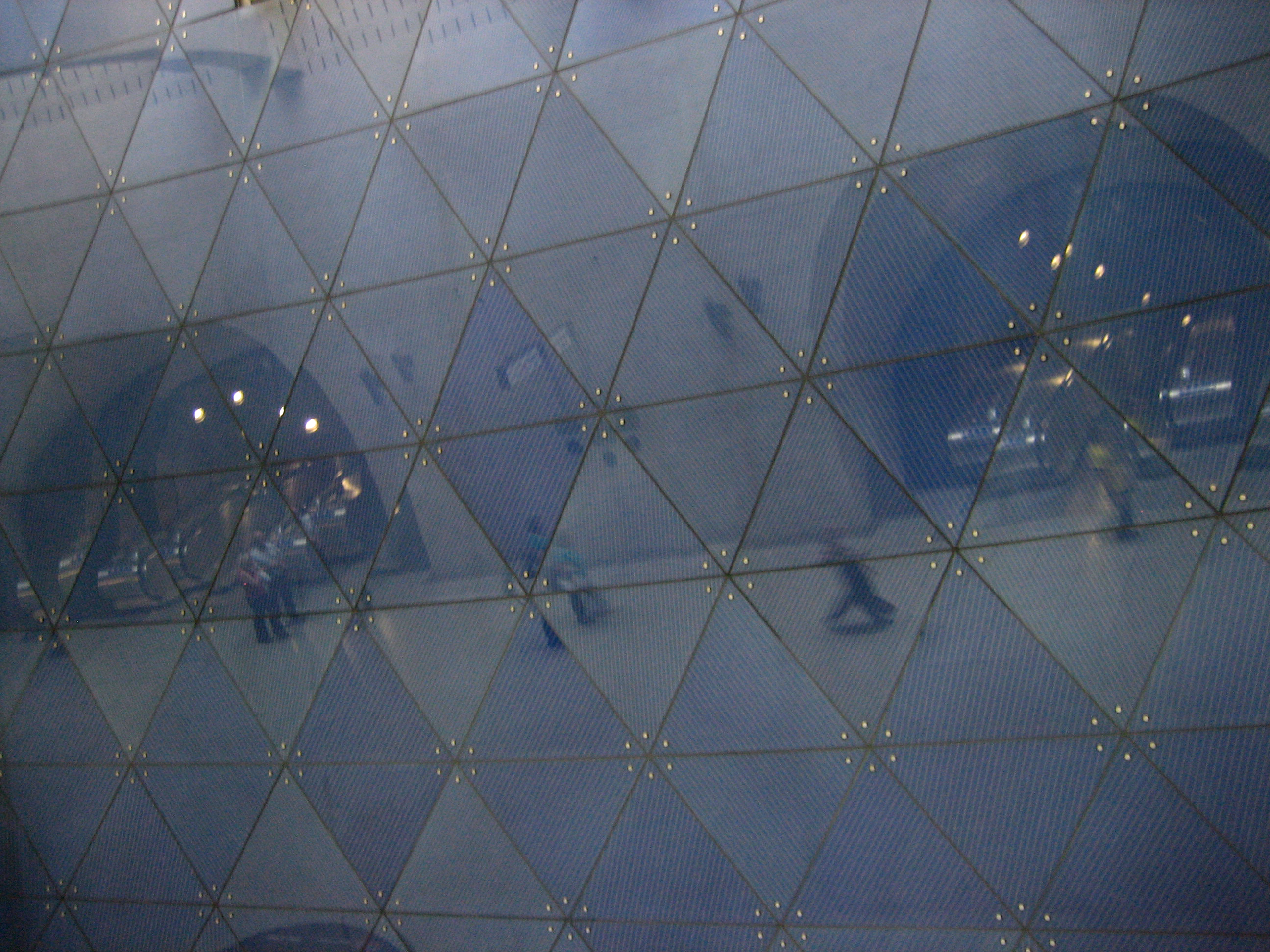
BluetonicIt is a dazzling 40 metres long and made up of 496 panels of varying sizes, bolted together to form an enormous azure-hued tapestry that reflects all the energy of the station concourse.

The fact that the wall is purely decorative and serves no structural purpose whatsoever just makes it all the most precious. It’s a great example of the way the newer Jubilee line stations were conceived as opportunities to be exploited, not obstacles to be accommodated. Plus it’s gorgeous to look at, both as a slice of art and a turquoise-tinged mirror on all the bustle of the Underground.

I’ve always enjoyed bluetones.

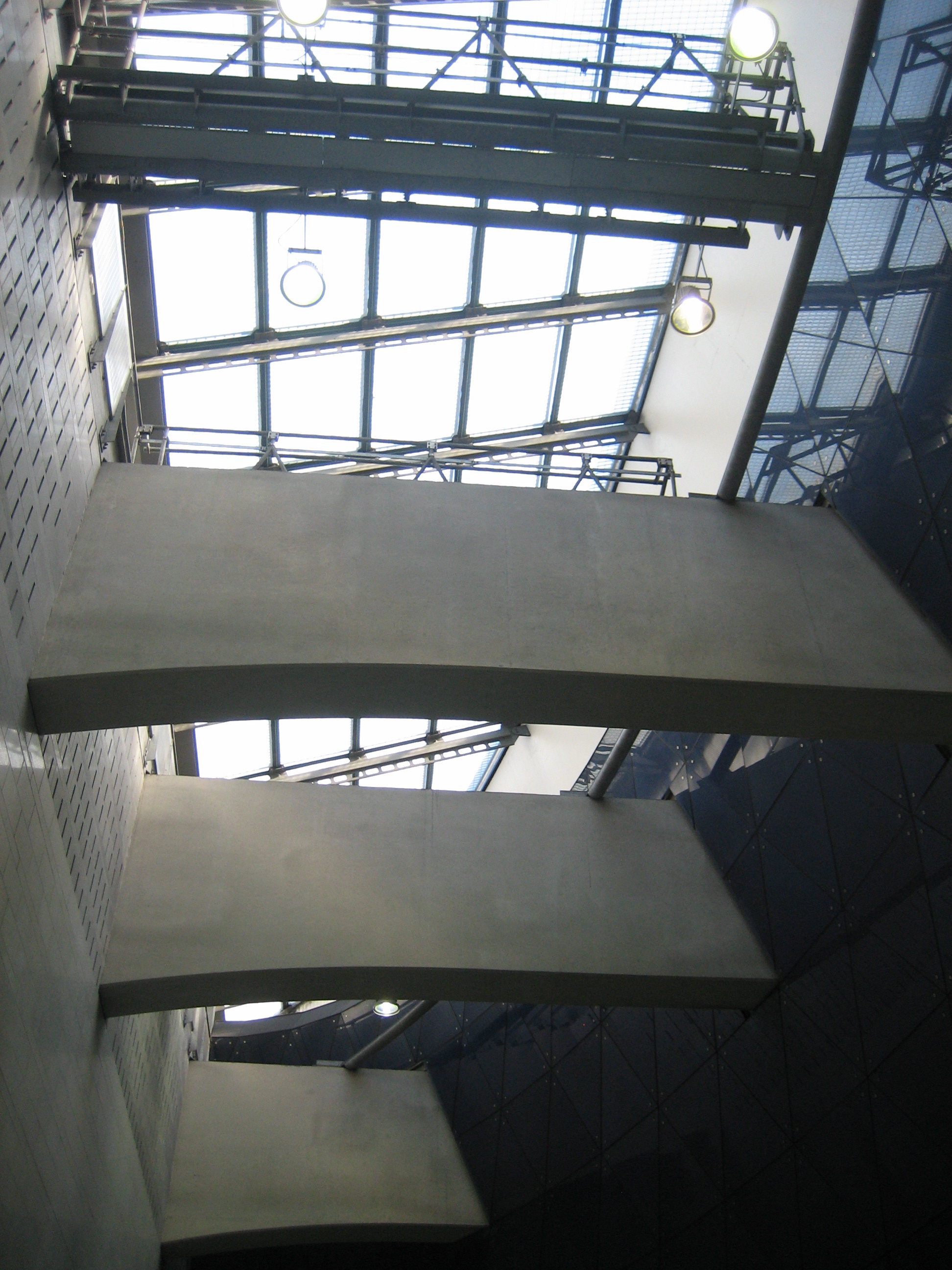
BluetonesWhat a thrillingly chunky dose of architecture. The wall is held in place with these massive concrete struts, which themselves become attractive – for me, anyway – thanks to the way they are shadowed by daylight pouring in from the roof.

Southwark station unfurls narrowly downwards, a necessary manoeuvre due to surrounding buildings and – oh, the irony – old railway viaducts. Curse those Victorians with their feats of swaggering engineering!

But what it loses in horizontal sprawl it gains in dramatic, elegant elevation. The glass wall, the work of Alexander Beleschenko, celebrates what might otherwise had been treated as a constraint. And blue is the perfect colour for the station: cooling, introspective, becalming.

Who knew geometry could be so emotional?

Blue is *the* colour

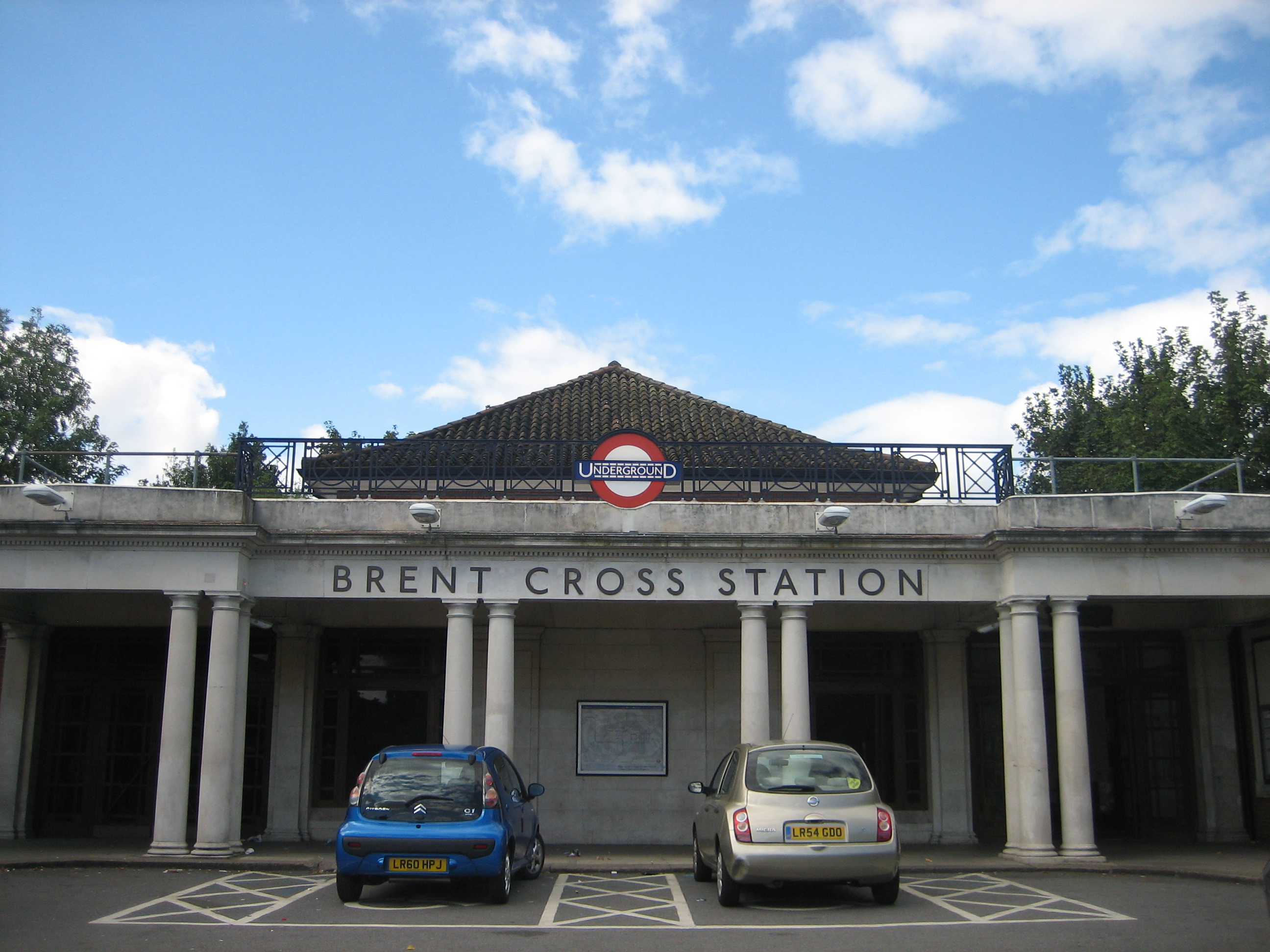
Heaps of charmWhen the retail complex that shares this station’s name was opened in the 1970s, a problem was created that has yet to be solved: how to persuade people intending to visit Brent Cross shopping centre that they should not use Brent Cross Underground station.

The two are far enough apart, with enough inaccessible and near-insurmountable road junctions in between, that it’s easier – and safer – for prospective customers to travel one stop further up the Northern line to Hendon Central and walk from there. Having once lived in the area for two years, I know this to be true.

I also know that, as a consequence of the bungled planning and construction of Brent Cross shopping centre, local residents (not consumers) are blessed with a rather lovely station whose bearing sits wonderfully at odds with its neighbourhood.

Because this is a building that is Brent all out of proportion:

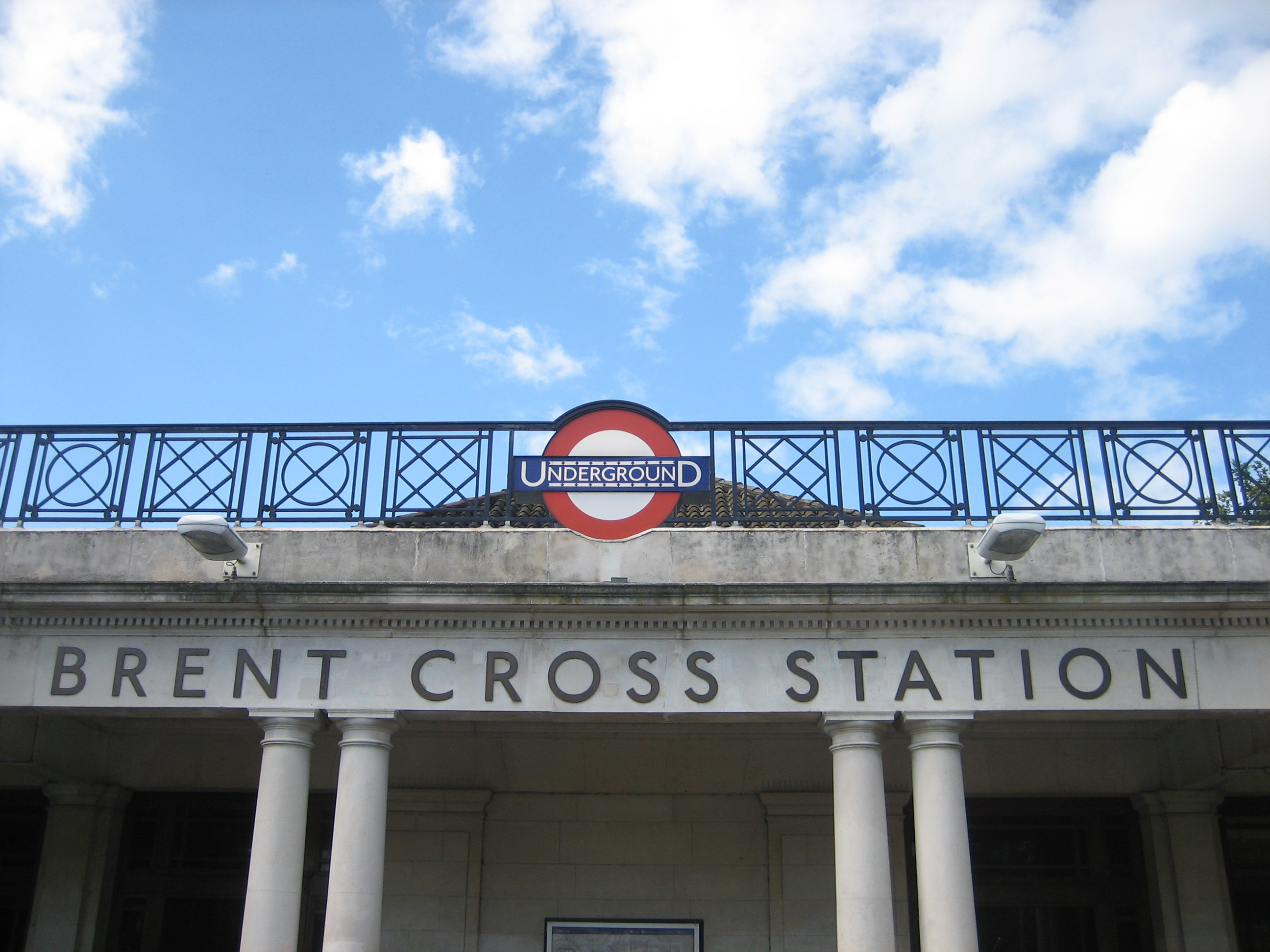
Brent out of all proportionIt was designed by Stanley Heaps, opened (as simply ‘Brent’) in 1923, and then as now defies the template of the surroundings. In its early days this meant radiating the deportment of an ornate cricket pavilion that has tumbled through time to the Roman era and back again, while all around was farmland. Nowadays this still means radiating the deportment of an antiquity-wrought sports venue, but in 1950s suburbia.

The contrast is startling but a pleasure to witness in action. There’s something rather charming about the sight of barely-conspicuous folk using such a boldly conspicuous creation, with its stylishly-sparse colonnades and homely-tiled roof, and thinking nothing unusual of it.

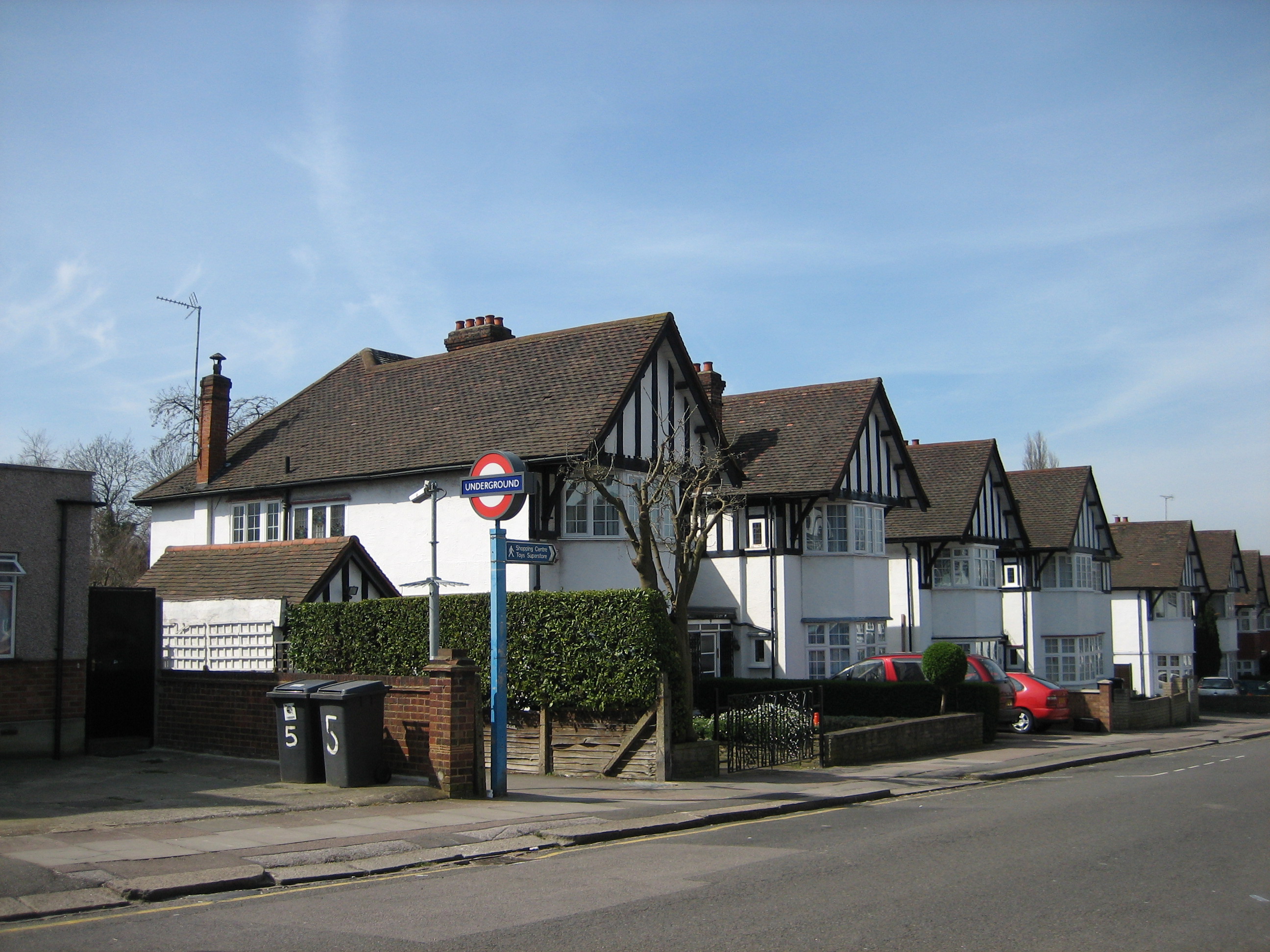
It’s a sensation that is heightened just round the corner, where you can find a little-used second passageway to the station, together with a proper Underground roundel, in just about the most unexceptional street you can imagine:

Ssshhh!Imagine if you lived in that house right next to the entrance. You could stay indoors until your saw a train in the distance, amble outside, down the path, through the station and up on to the platform ready for the very moment the carriage doors opened.

Granted, none of this is any use to you if trying to get to Brent Cross shopping centre. But then you shouldn’t have got off at Brent Cross station in the first place.