Archive

Architecture

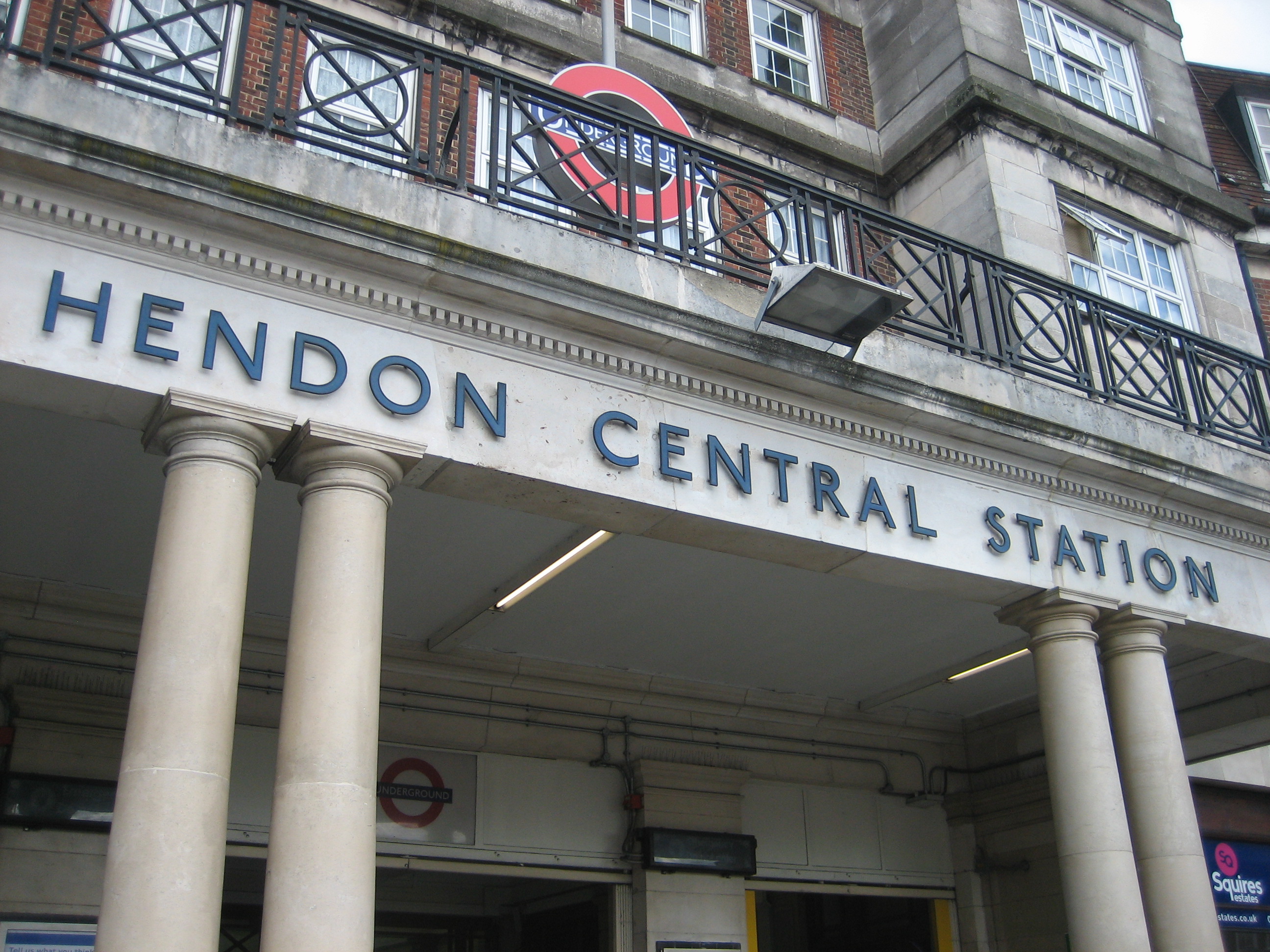
A grand Central stationThis grandest of all grand Central stations looks out over a thunderously bustling intersection of roads, shops, subways and services. You emerge from its elegant collonade and delicate motifs into an environment that is anything but.

It’s just about possible to appreciate the idea behind the birthplace of modern Hendon, but the reality has been long since battered into submission. Best to linger a little longer among the pillars, especially if the weather’s on the turn.
Heaps of entertainmentI lived round here for two years and trained myself to co-exist with the noise. For the traffic never stops. One night there was a power cut and I went on to the roof of my building to see how much of the area was affected. Even though it was 3am the roads were still busy.

Three lanes of vehicles sweep down from one direction en route to Brent Cross and the North Circular Road. They charge past the other way heading out towards the M1. Bisecting them comes traffic to and from Golders Green and Kingsbury. A greater contrast with the surroundings of Hendon Central’s neighbouring station, Brent Cross, it is difficult to imagine. Yet both were designed by the same person, Stanley Heaps, and share if not a sympathetic location then a stubborn beauty.

Winter wonder-grand

I can vouch personally for how welcoming that entrance could be during winter.

It’s not a building that dominates or defines its surroundings in the same manner as its nearby sister. It cannot compete for attention with what has become an enormously intimidating adjacent road junction.

But this lends the station a rather attractive melancholy feel. Its greatness is now tinged with sadness. Hendon Central is becoming evermore a sentinel, isolated from everything around it by nature of its style and purpose, yet guarding a gateway to a more decorous way to travel.

It hasn’t always been like this. There are probably people still alive who’d say they can remember when Hendon Central was all fields. And they wouldn’t be lying.
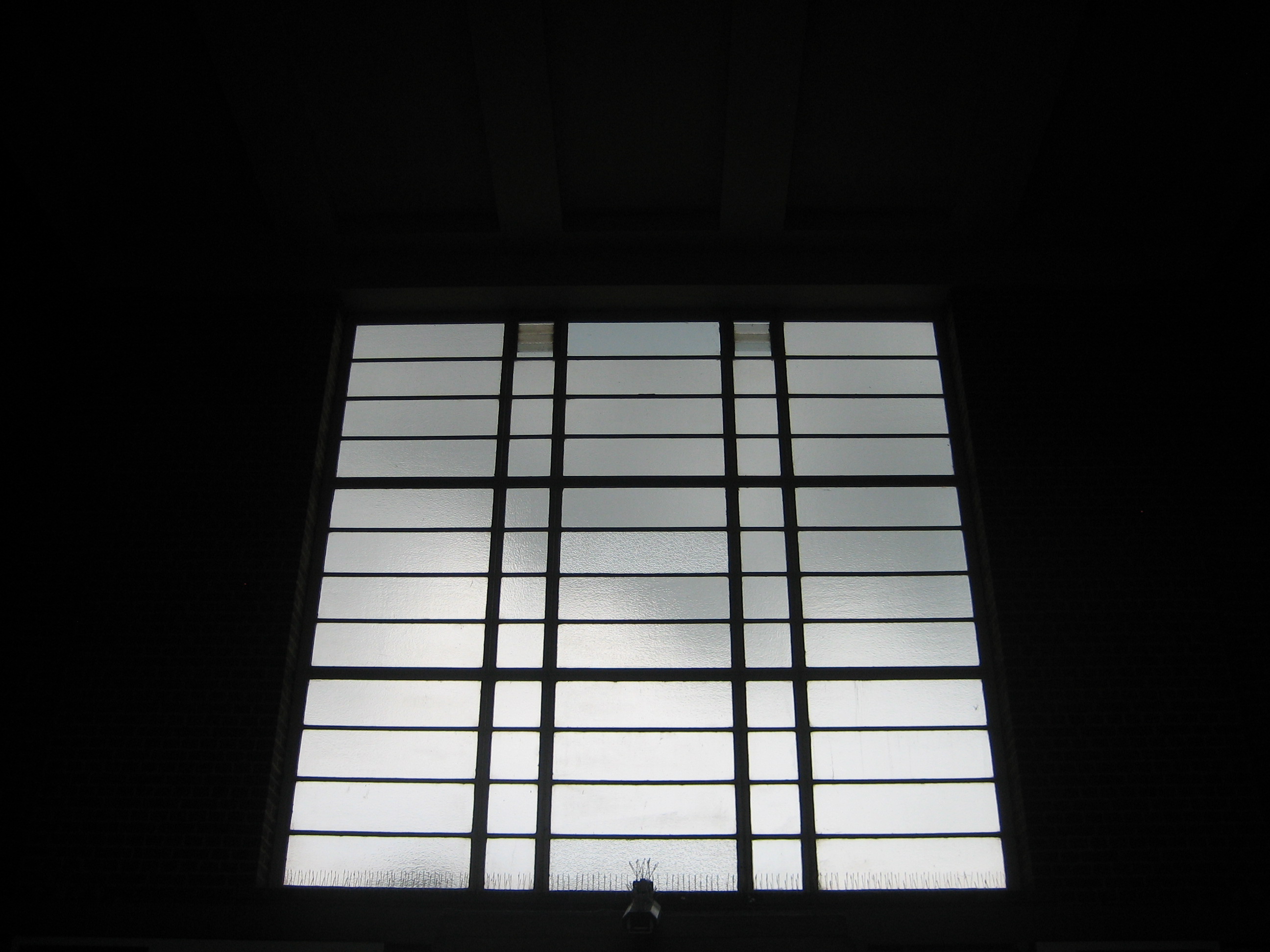
Through a glass darklyDarkness can be just as attractive as light on the Underground.

In the hands of the right architect, it gets deployed for mathematical as well as sensory effect. It becomes more than something to be accommodated expediently, and instead resembles something to be manipulated skilfully – and daringly.

The gigantic ticket hall at Eastcote is one such an example. The darkness doesn’t cling to the shoulders of people passing in and out, or lurk pointedly in the corners of your eyes. It’s only there if you want it to be there. Yet its presence isn’t an accident. It is part of the design.

I'll get me 'CoteBrick, concrete and glass: the holy trinity of 1930s-era London Underground. But it’s modernity, not divinity, that guided the construction of this cunningly beautiful station, both in principle and practice. Light pours in; darkness pours out. The enormous glass panels are dazzling whichever and wherever you look at – and through – them:

To say the very EastThe secret to all of this? Height. Look how tall the ticket hall stands. Think how much brightness is deliberately allowed inside. Then consider why it is that so many of the greatest Underground stations reach so far above ground. There’s a sort of inverse proportionality going on here, but I’m stumped if I can express it as an equation.

Well, other than light + dark x Charles Holden = something profoundly illuminating.

I’ll get me ‘Cote.

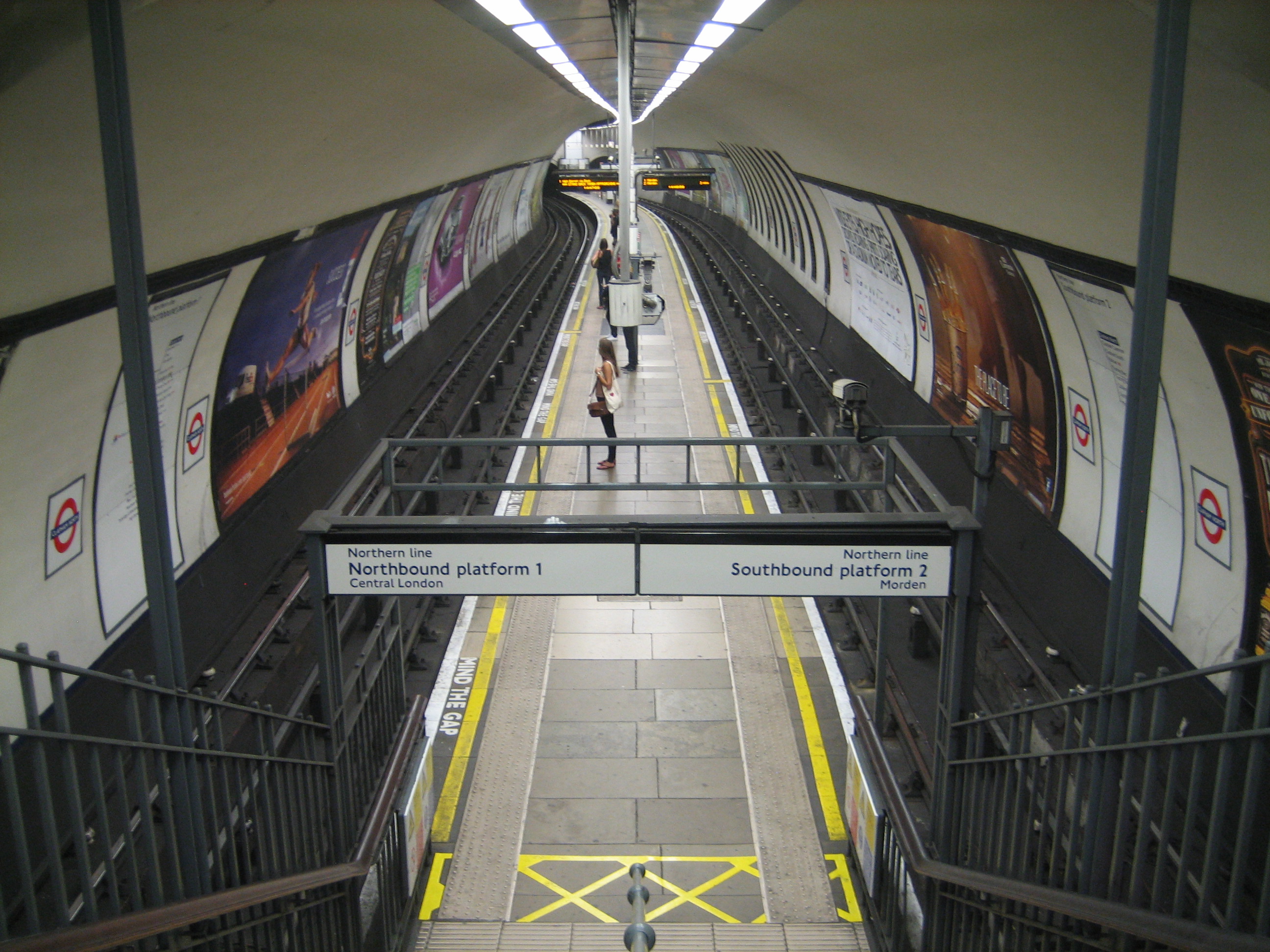
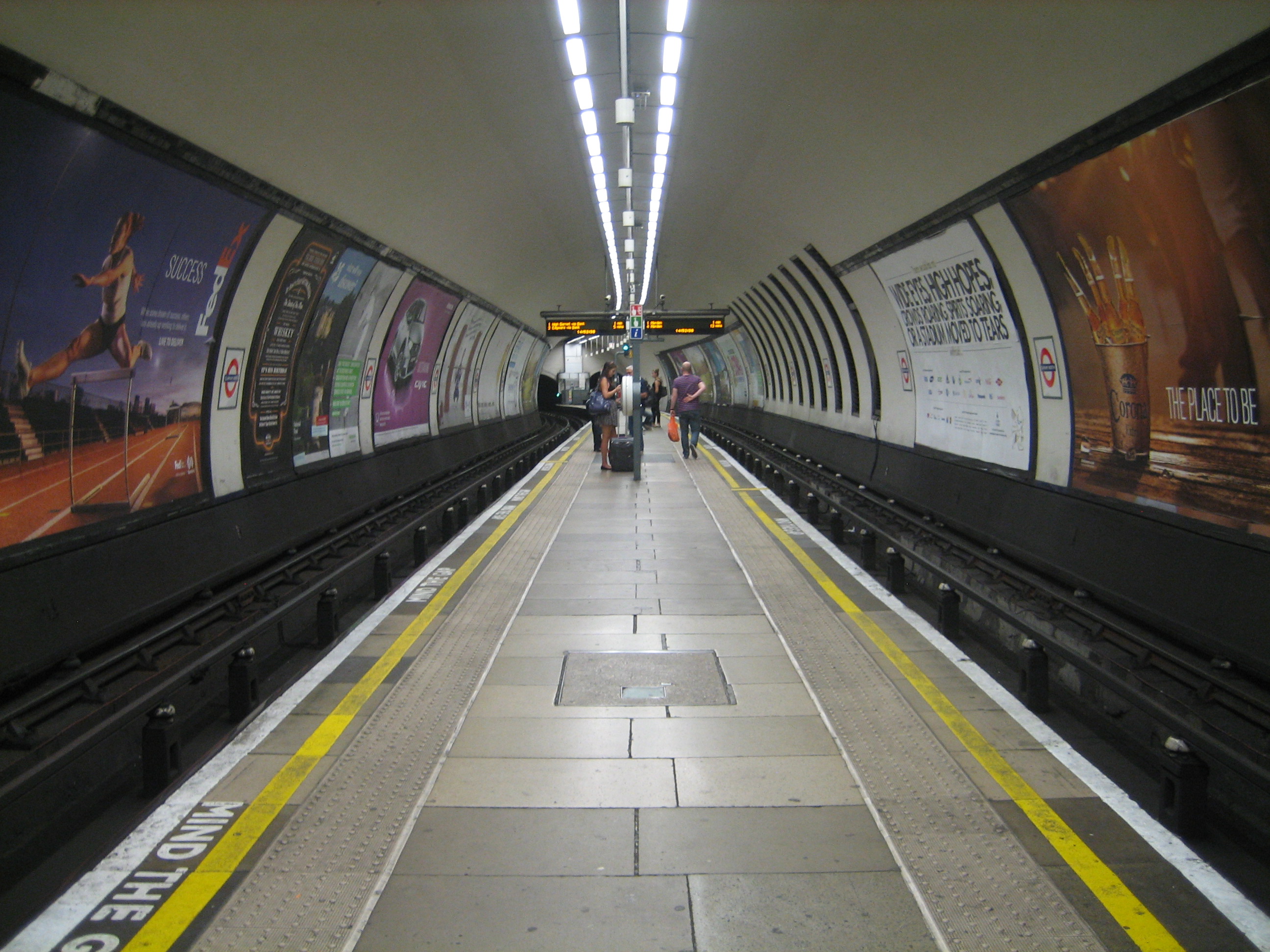
Mind the gapsThere are only two stations deep below ground with platforms like these: this one, and the next stop south on the Northern line, Clapham Common.

I don’t claim greatness for these platforms on safety or accessibility grounds (though I’d be interested to compare the number of accidents per year at Clapham North with those at recently refurbished deep-level Northern line stations, like Angel or Mornington Crescent).

What makes them special is their rarity and their antiquity.

Passing trains Not everything that is old is worth preserving, just as not everything that is new is transient. By and large, the “right” bits of the 150-year-old Underground have been kept and restored, while the “wrong” bits are – after a long wait – being sorted out.

But the platforms here and at Clapham Common cannot be sorted out, because there isn’t room. A whole new tunnel would have to be dug. That isn’t going to happen any time soon.

Using these platforms is therefore something of a novelty yet also, in an odd way, a sort of privilege. Passengers aren’t treated like fools at Clapham North. We are trusted to use this eccentric (to our eyes) architectural arrangement, and not to blunder dopily on to one or other set of tracks while reading a newspaper or prodding at our phone.

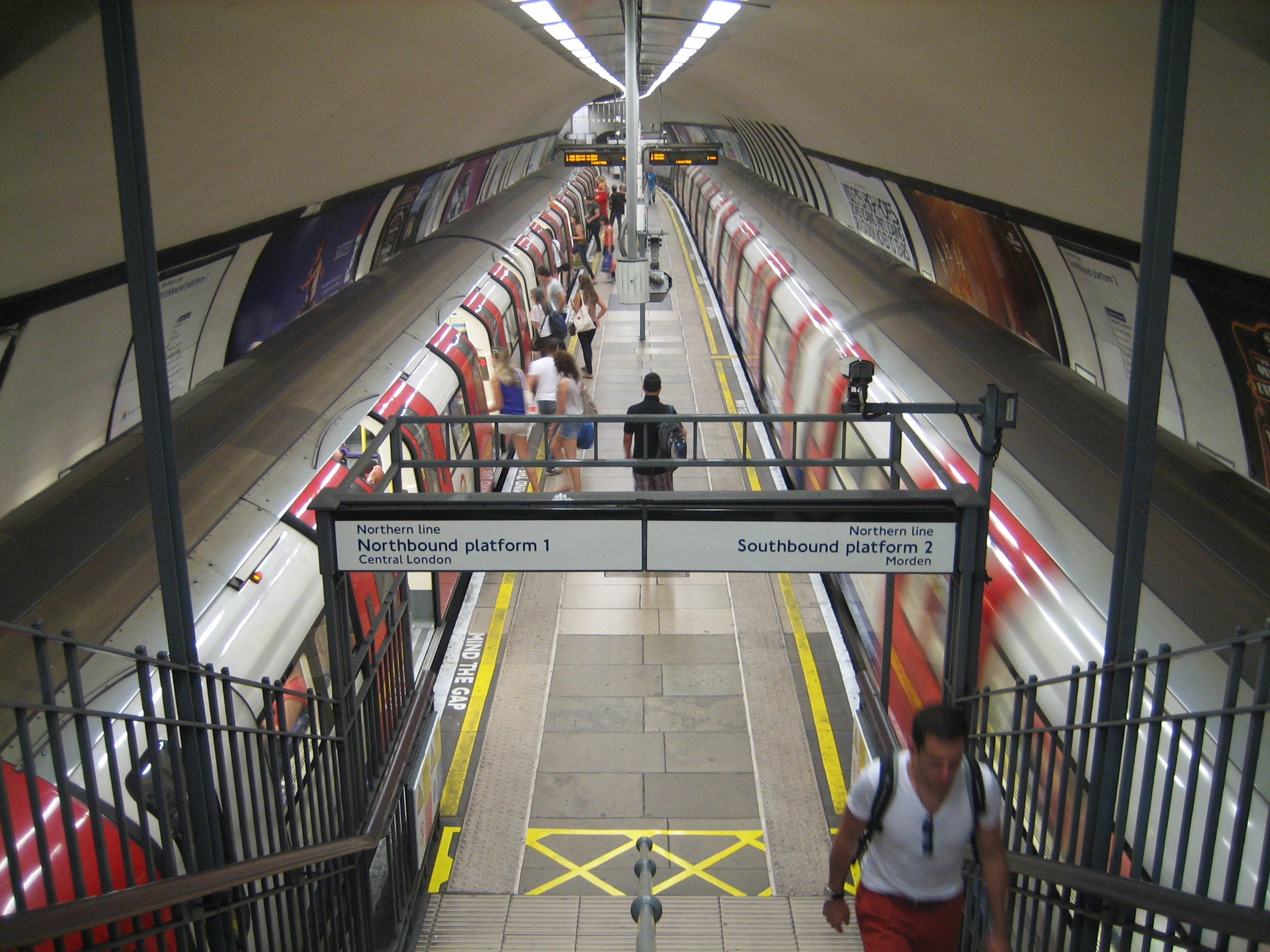
For the occasional visitor there is also excitement to be felt when trains rush in from either direction simultaneously: a sensation compounded by being in a single contained space.

The platforms are islands of history, not just of convenience. They can’t be allowed to exist forever, and they shouldn’t. But for now, their latterday idiosyncracy renders them teasingly special.

No man is an island