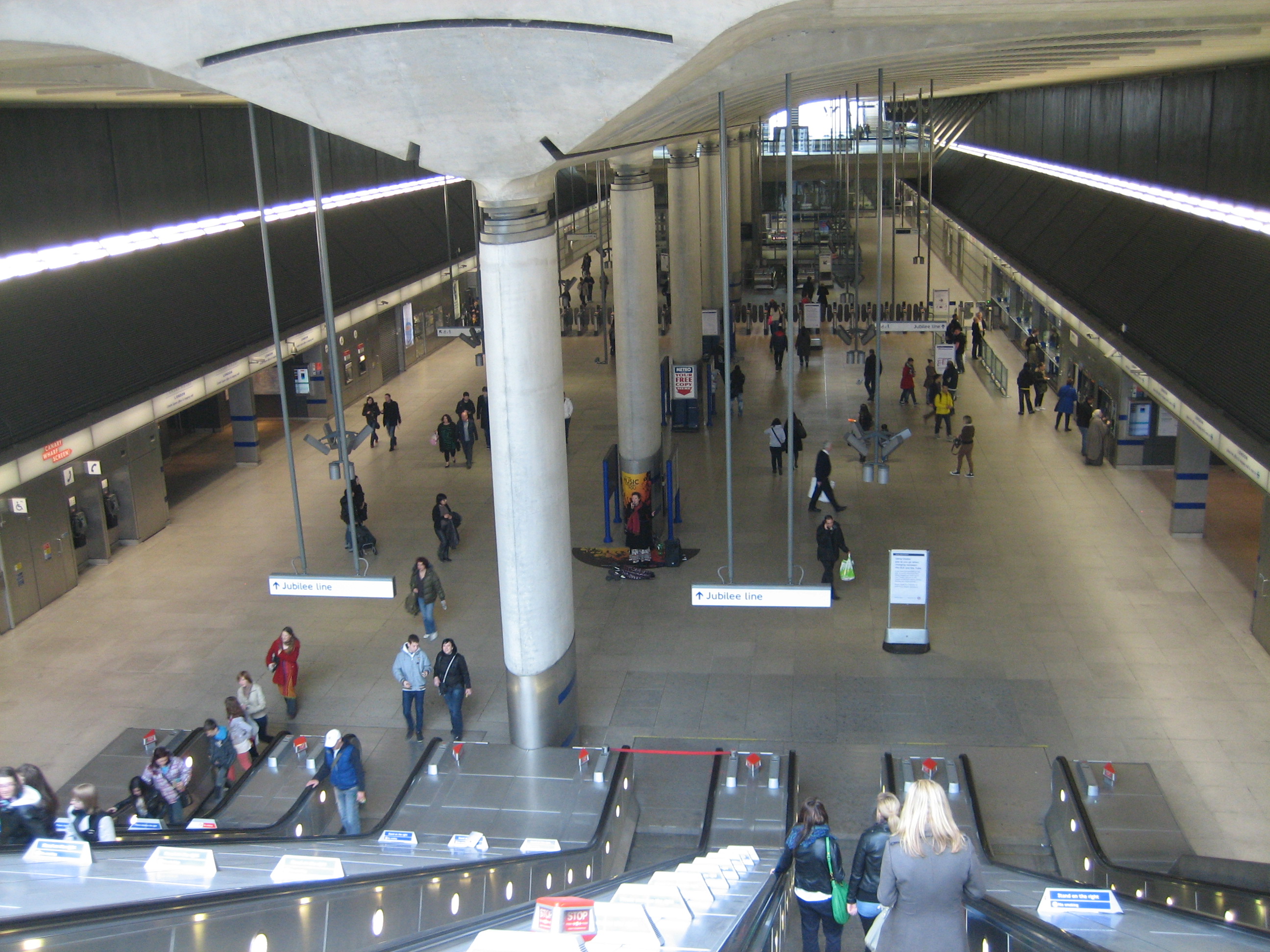
 It stretches over two football pitches in length and is deeper than a six-storey house. It plays host to over 40 million pairs of feet every year. It took only nine months to design. It is the jaw-dropping jewel of the modern Underground.
I would add it needs no introduction, but I see I’ve already given it one.
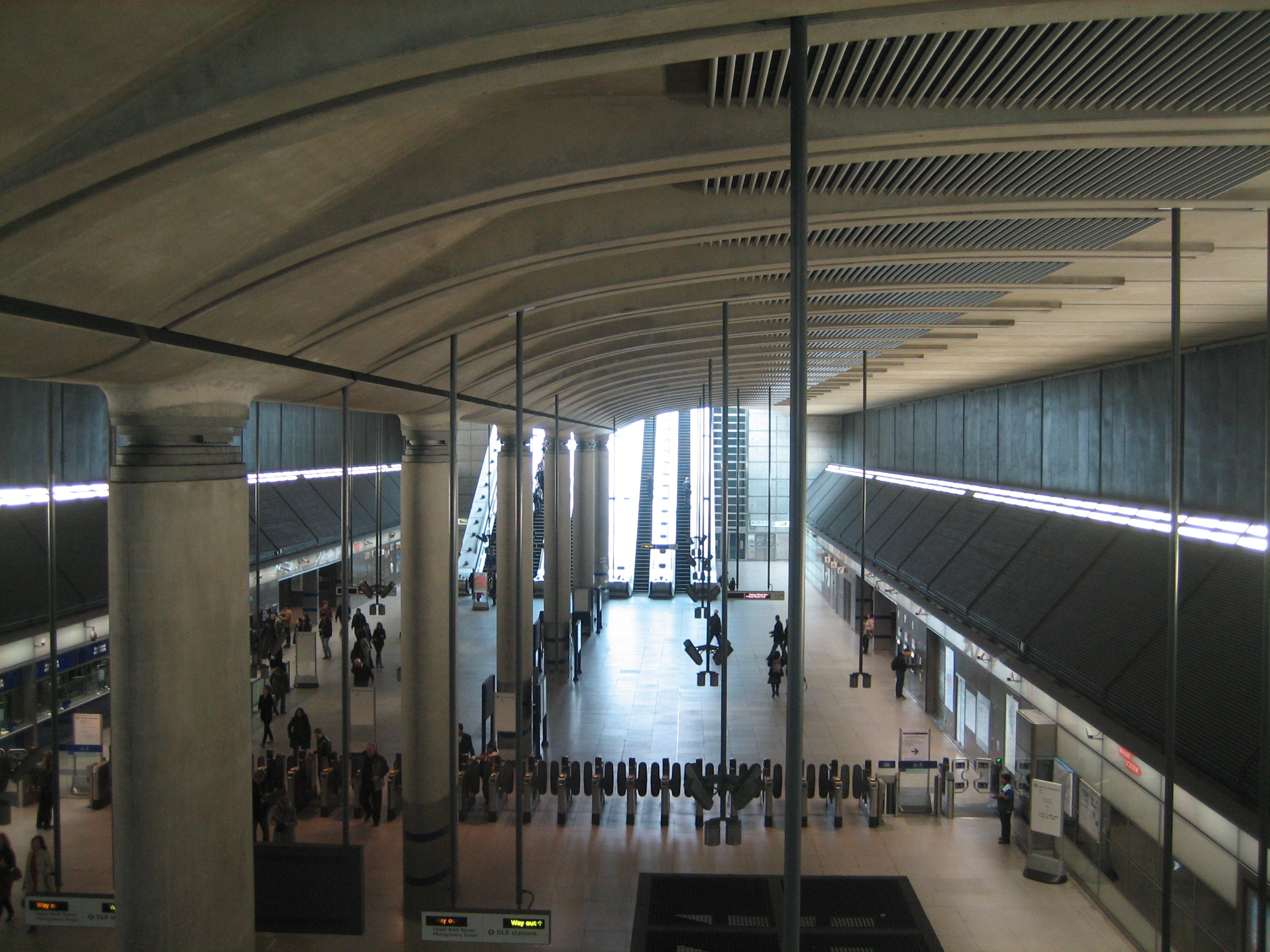 Canary Wharf station doesn’t have any equals. It is its own reference point. You can make objective comparisons of an empirical kind, as I did above. But you can only grasp at subjective ones, and even then words never quite suffice. The nearest sensation to descending into the very pit of this colossal trench is probably that experienced further round the Jubilee line at Westminster, although that doesn’t boast Canary Wharf’s vast panoramas or cascades of natural light.
The whole interior feels wider than a mile. And yes, it is impossible not to cross in style.
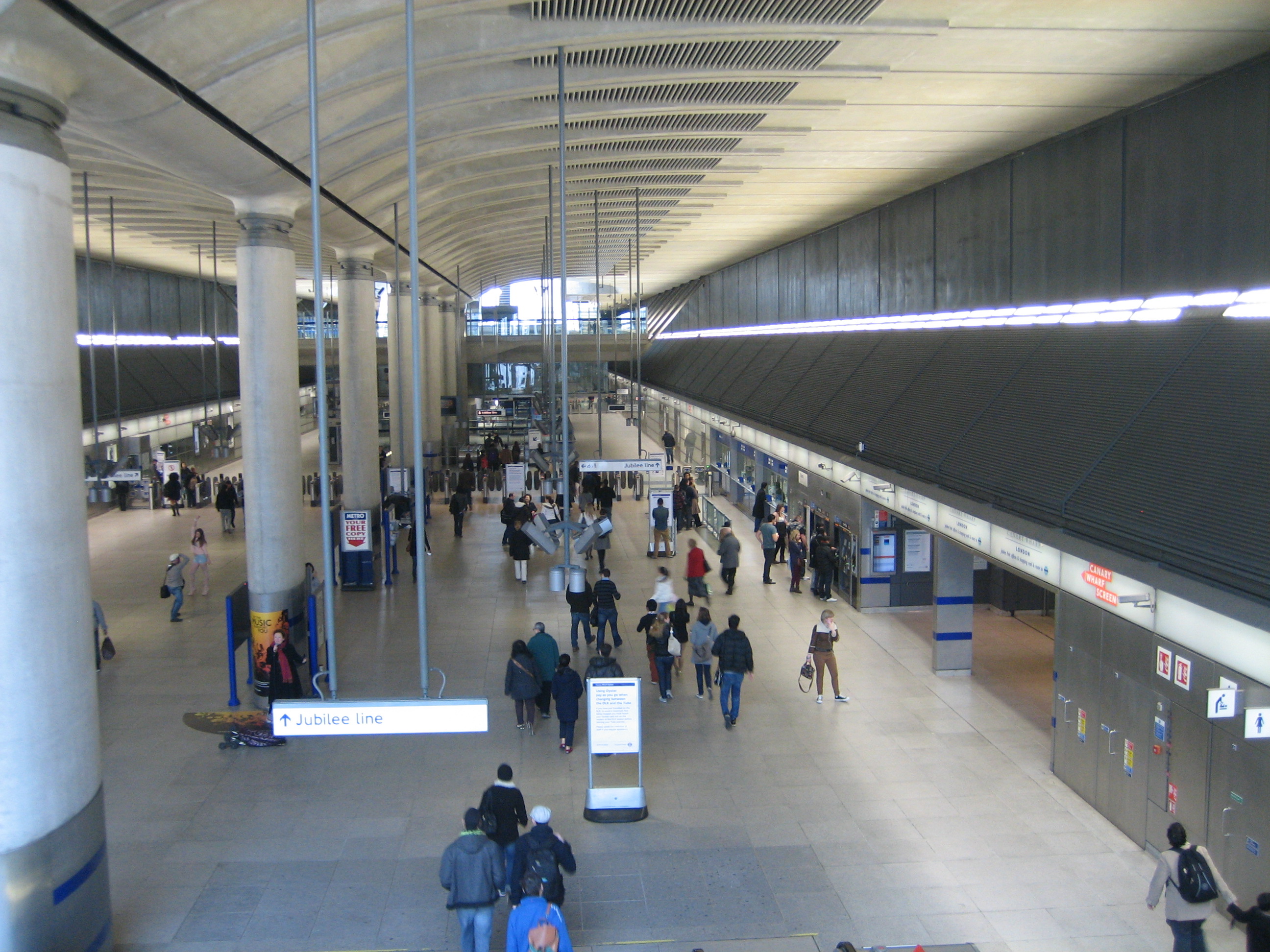
This is the London Underground at its most courageous and its most imaginative. The scale and ambition was deliberately pitched so as to anticipate what has indeed come to pass: that the station would eventually have to serve far more people than the 50,000 a day estimated at its opening in 1999.
And that number keeps on rising. Perhaps a point will be reached when there are too many people – too many, at least, to allow the visitor to fully appreciate the attention to detail lavished on both the mighty and the miniature.
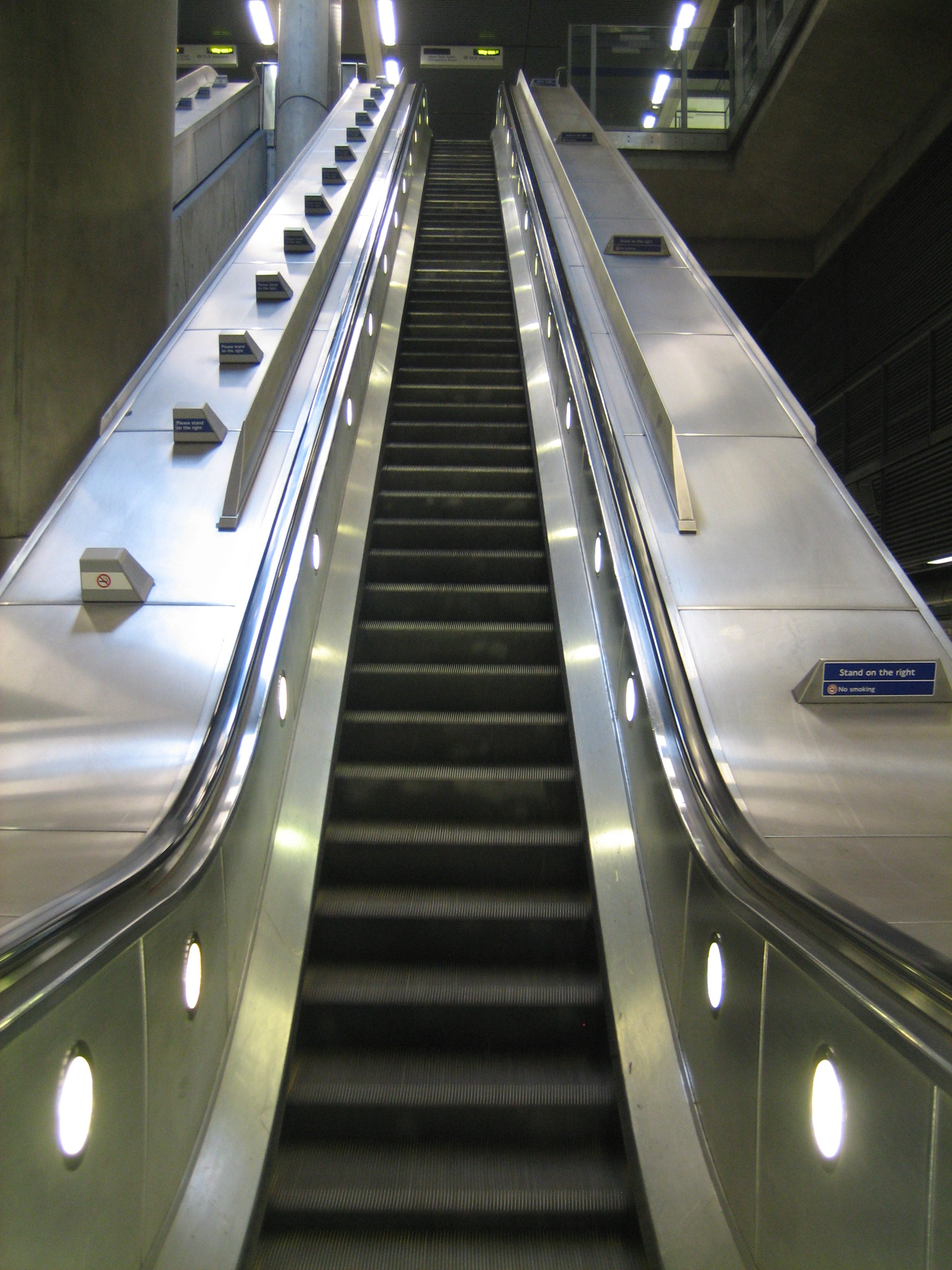 Until then, Canary Wharf station remains just as much a statement of London’s swagger and personality as Tower Bridge or the Olympic stadium or the King’s Road.
Passage through it, beginning at the mighty west entrance, demands to be soundtracked with something like Henry Mancini’s title music for Arabesque, or Temptation by New Order, or Marvin Hamlisch’s Bond 77 theme. Just make sure you time the latter so you hit the escalator at 0:27.

 150 great things about the Underground