Archive

Central line

Acton artIf there’s one theme above all else that’s come to define this blog, it’s light. The way it bounces through, curves round, dives deep and sidles into the Underground’s heart. The lengths some architects and engineers have gone to coax it into places far from the open air. The magical results achieved by manipulating its power and magnifying its potential.

Light runs counter to almost every association prompted by the word “Underground”. Yet it is responsible for some of the greatest sensations you can experience on the network, both deliberate and by chance. The ticket hall at West Acton would look impressive even without direct sunlight nudging through its neatly-aligned panes. But catch it when the rays are in just the right position, and the effect is glorious – both inside and out:
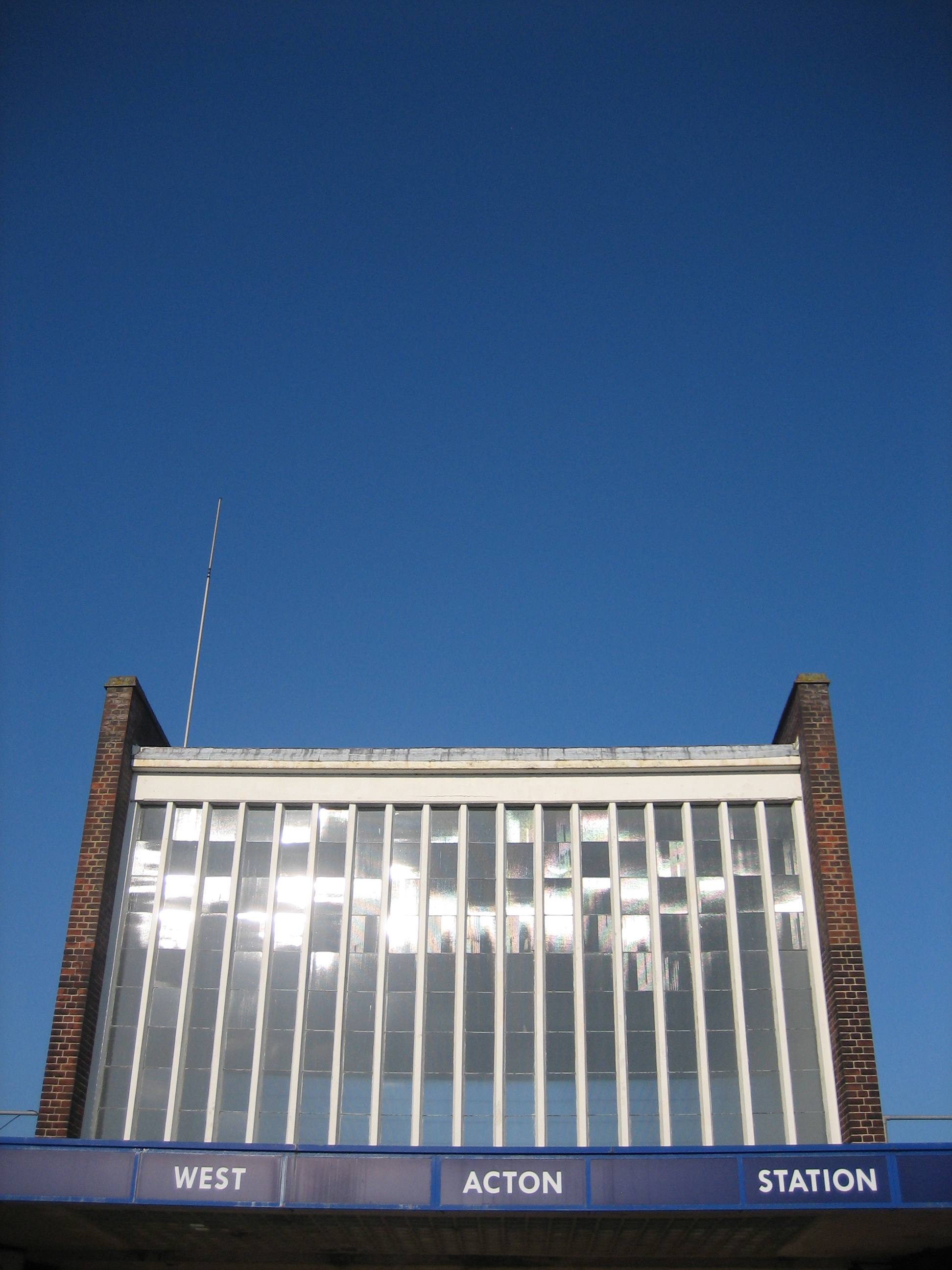
Go, WestThe elevated windows allow light to pass through in either direction, including on to the platforms which sit behind and below the hall. It’s a simple trick, but with profound consequences: it gives passengers waiting for or getting off trains the added bonus of being bathed in sunshine that might otherwise be obscured by buildings. And if there’s one thing you don’t want on a platform at an Underground station that’s above ground, it’s gloom.

We’ve the Great Western Railway to thank for this, and everything else to be cherished about West Acton, including its eccentric crook-shaped wooden benches and enamel signage. Brian Lewis designed its current incarnation, completed in 1940: a (literal) beacon of light in those dark days.

It’s now Grade II-listed. The inside of the ticket hall isn’t in quite as fine a state as its gleaming exterior. But a slice of sunlight sometimes adds soul to even the shabbiest of rooms.

Goodness, What Radiance!

The power of 'EalingI’ve gone on before about how, just because something is old, doesn’t mean it automatically has value. There’s no point preserving absolutely everything just for the sake of it. It’s not practical, for one thing. What earthly use would be Underground stations done up to operate like they did in the past, but expected to cope with the volume of passengers in the present?

A lot of what was truly old on the Underground was truly awful, and thank heavens it no longer exists. Traces linger in picture form, and that’s where they belong, as warnings from history.

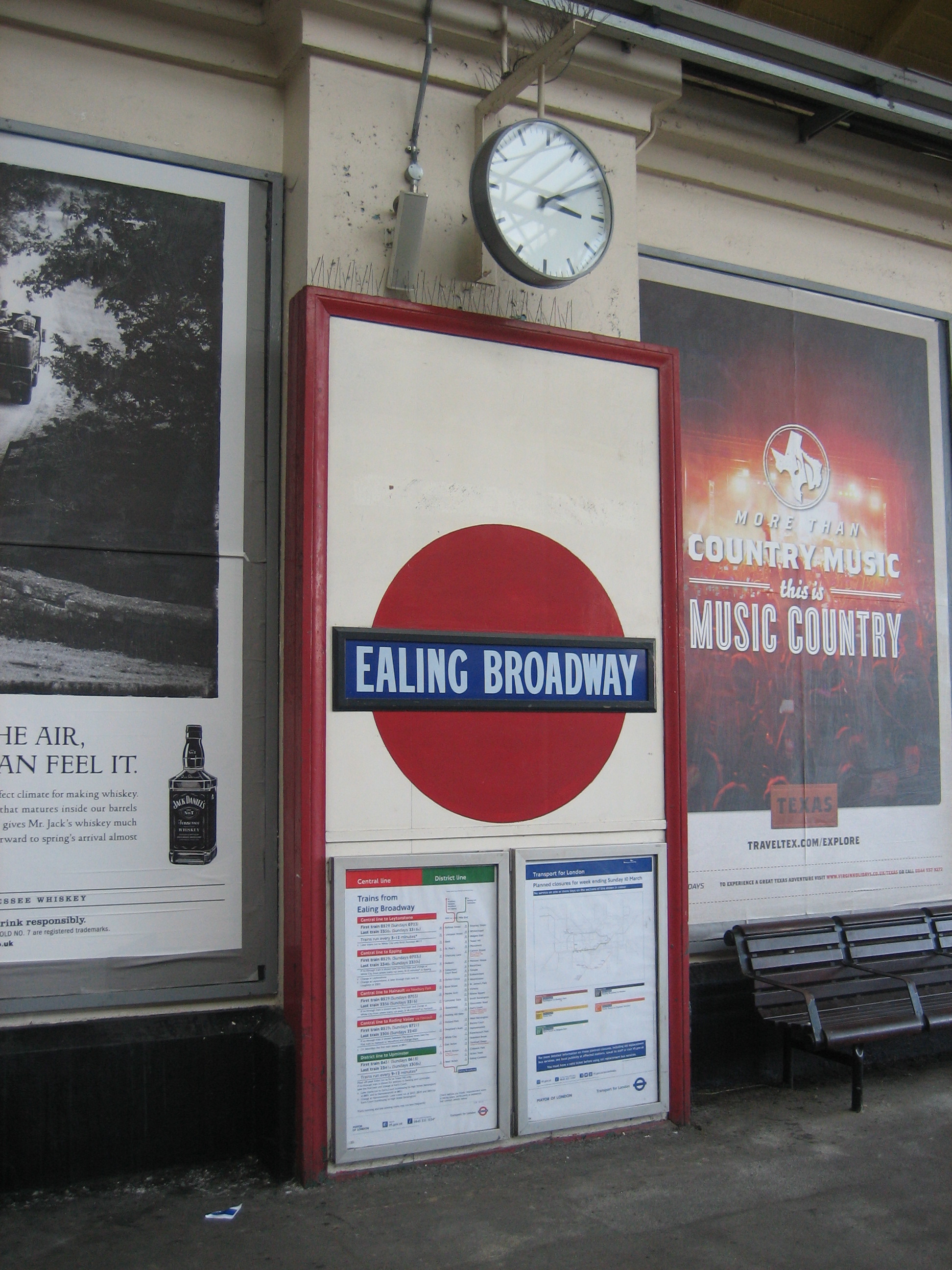
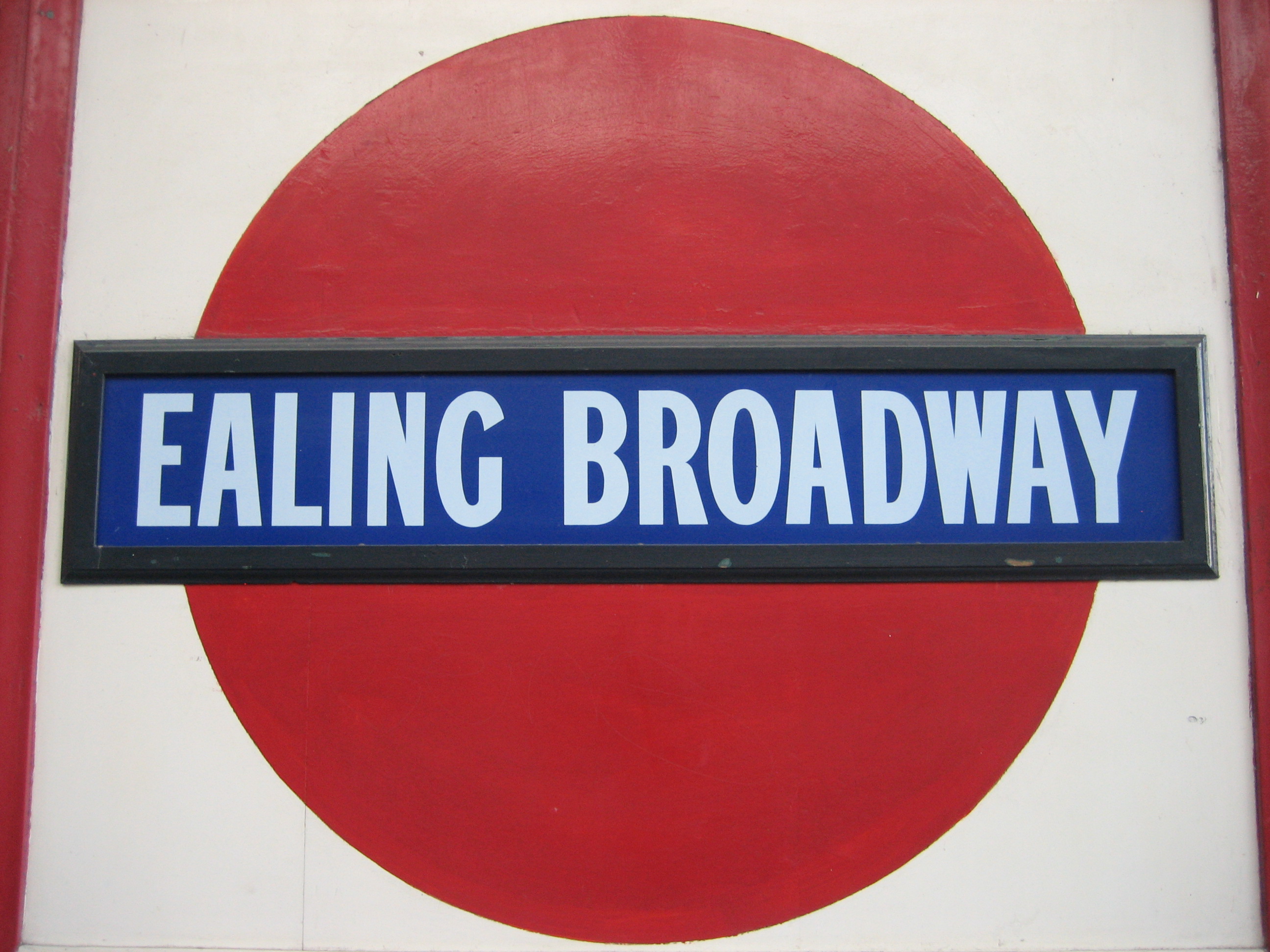
The old roundels at Ealing Broadway are different, though. They’re quite clearly not right, in the sense of not resembling what they would in short order be superseded with. But it’s right they exist, as they’re a reminder of how art and design can evolve for the better. They’re waymarkers on a journey that ends in splendour.

Mark Ovenden dates these as belonging to the first half of the 1910s, a few years before Edward Johnston developed the typeface that led to the present-day roundel being registered as a trademark in 1917.

Two can be found on the District line platforms at Ealing Broadway, and are easy to locate and photograph. Even earlier examples are tucked away in corners of Covent Garden and Caledonian Road.

They’re all a bit ungainly, ill-formed and trying to be grown up: the Underground in adolescence. But they capture a thought process working itself out in the public gaze – one that deserves to be preserved within a 21st century Underground network that continues to work itself out in (almost always) constructive, creative ways.

These roundels are worth keeping for the inspiration they continue to provide today, here, right now. For they aren’t aesthetic dead ends. They’re fascinating stumbles towards genius.

Forget 1940. Rejoice in the Broadway melody of 1915!

http://bit.ly/VRfWVp

Epping 'ellThere’s not much that’s great about Epping as a terminus. In fact, it’s lousy.

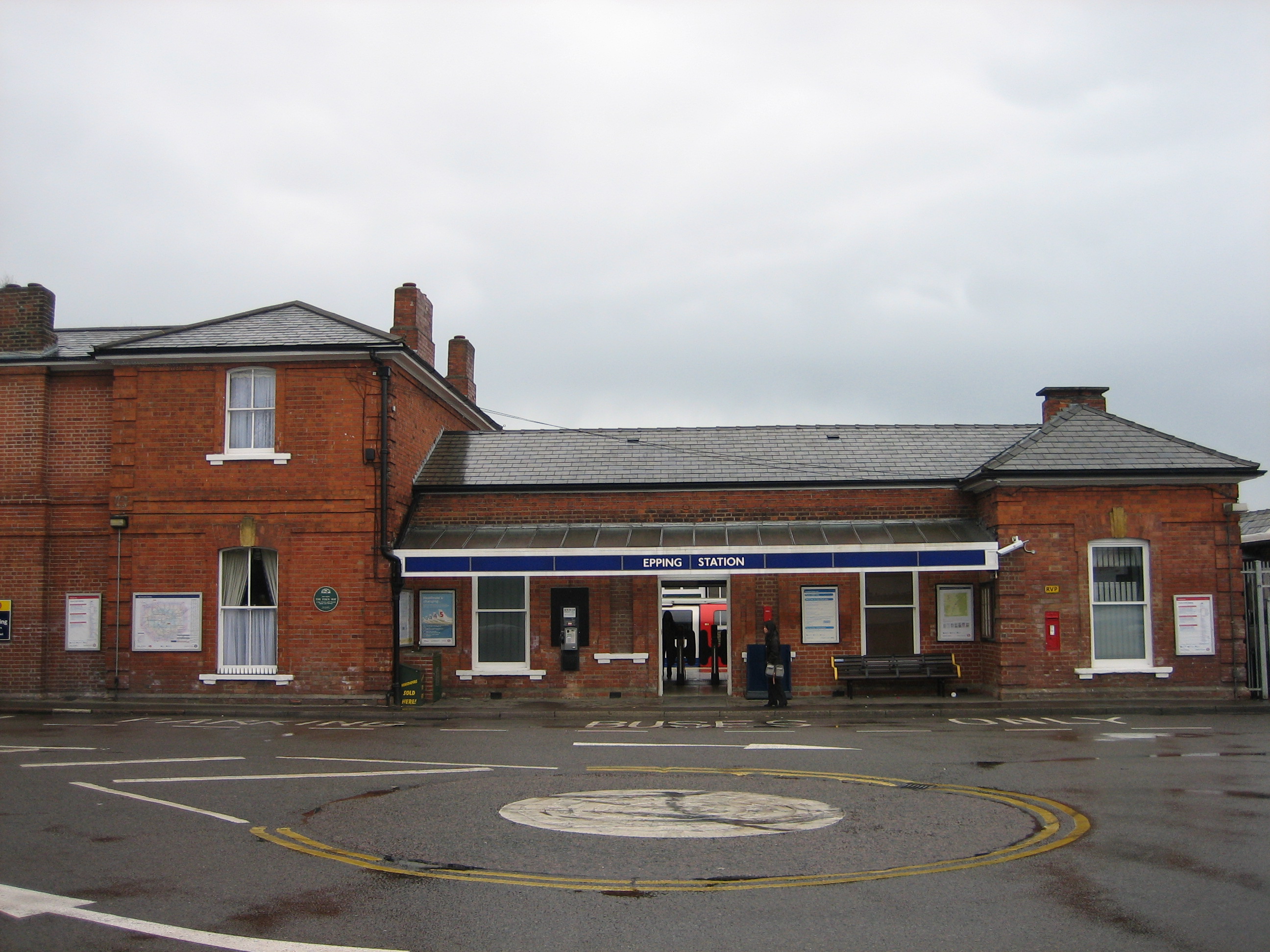
The station buildings don’t come anywhere near to matching the splendour of Uxbridge or Cockfosters. They are reticent rather than rampant. Dowdy and lumpen, they look embarrassed to even exist. Which is not surprising, given they manage to be upstaged by a bus stop:

Terminal feelingsNo, what’s great about Epping has nothing to do with its architecture. It’s entirely due to the peculiar yet beguiling sensation it evokes from being the end of the line… but also not the end.

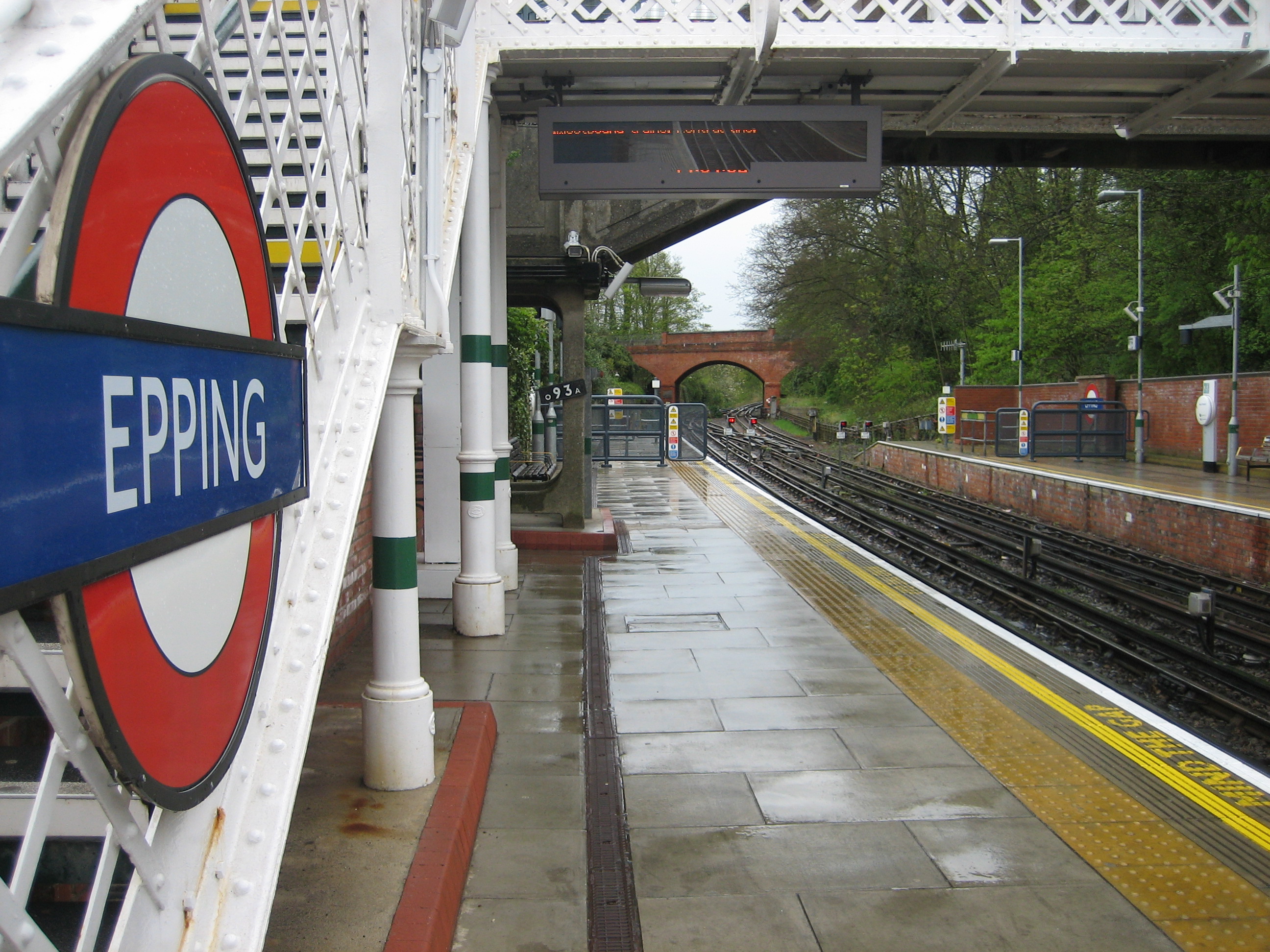
End of the beginning of the lineIf you linger at the far end of the platforms, you can see the tracks continuing round a corner and under a bridge. They tease you with the thought of what lies just out of view. They also taunt you with a memory of how things used to be.

Because not that long ago Central line trains continued down those tracks; the year Tony Blair became leader of the Labour party, for want of a chronological toehold.

Now the tracks are just a broken limb of the Underground, severed from the host. Their presence, but also their purposelessness, give Epping that curious, affecting feel of being neither one thing nor the other.

It’s a station of sad sighs and sidings.

None shall pass

A terminus that isn’t: like a seaside town out of season.

If you like steam trains and packaged nostalgia, an arbitrary chunk of the old “Epping for Ongar” line runs on those days when its private owners think they’ll be enough customers to guarantee a profit.

If you like proper heartfelt if hopeless nostalgia, Epping is open all year round except Christmas Day. Its platforms are going nowhere. Rather like its prospects.