Archive

Central line

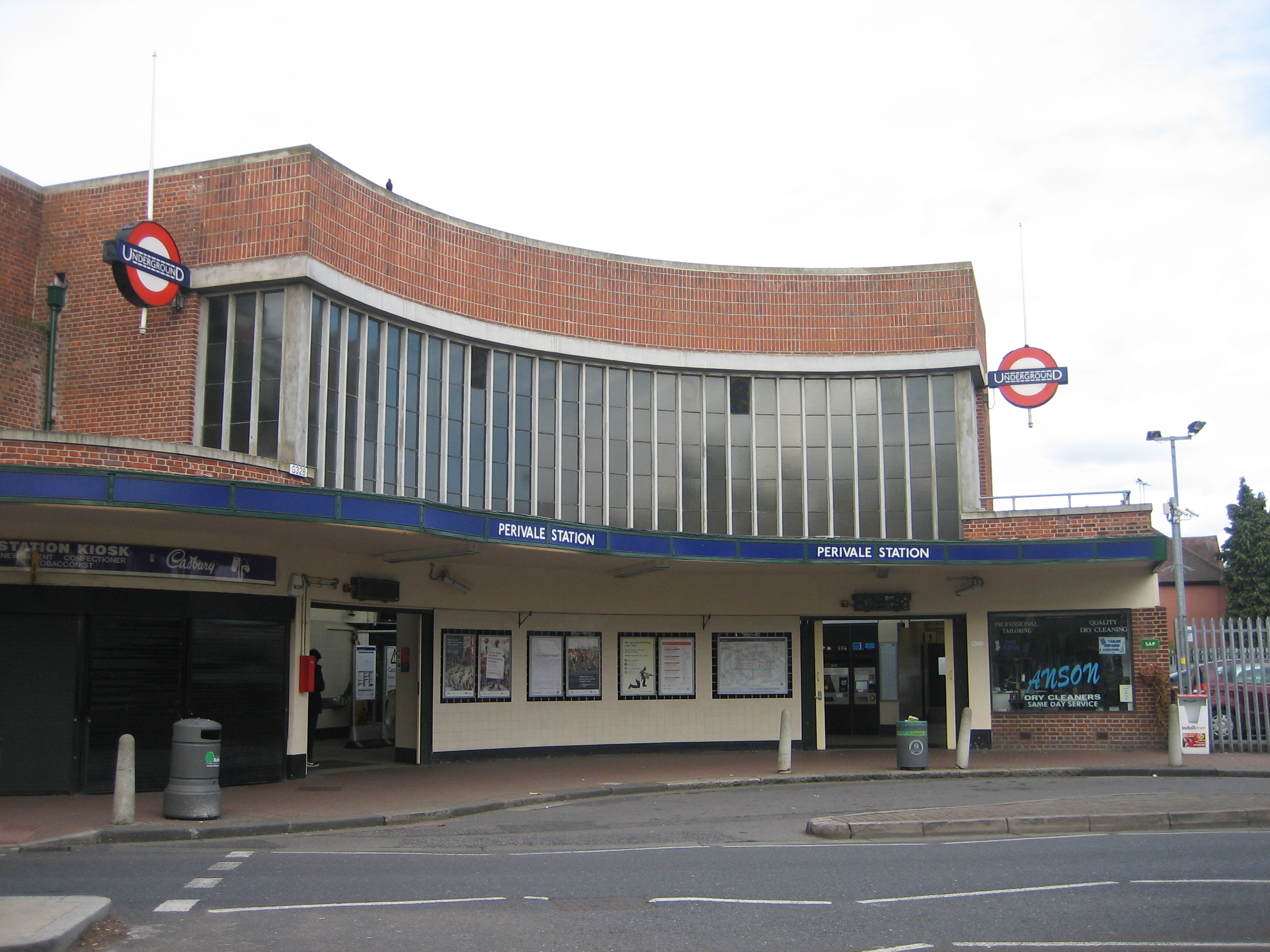
Peer-ivalePerivale station was given Grade II listed status in July 2011. I’m surprised this took so long. The building was opened in 1947, meaning a total of 64 years passed before it was deemed worth protecting in law.

This does seem an awfully lengthy period. I’d have thought – or hoped – the station’s elegance and style would have been self-evident the moment it was finished.

Perhaps there was lingering ill-feeling towards such a unashamedly modernist construction taking the place of what went before, for there has been a station a Perivale since 1904. And to be fair, the original incarnation does sound quite charming, with “long wooden platforms” and “pagoda huts”.

But times, and tastes, change. I’m not sorry this rather dashing building exists.
On the list

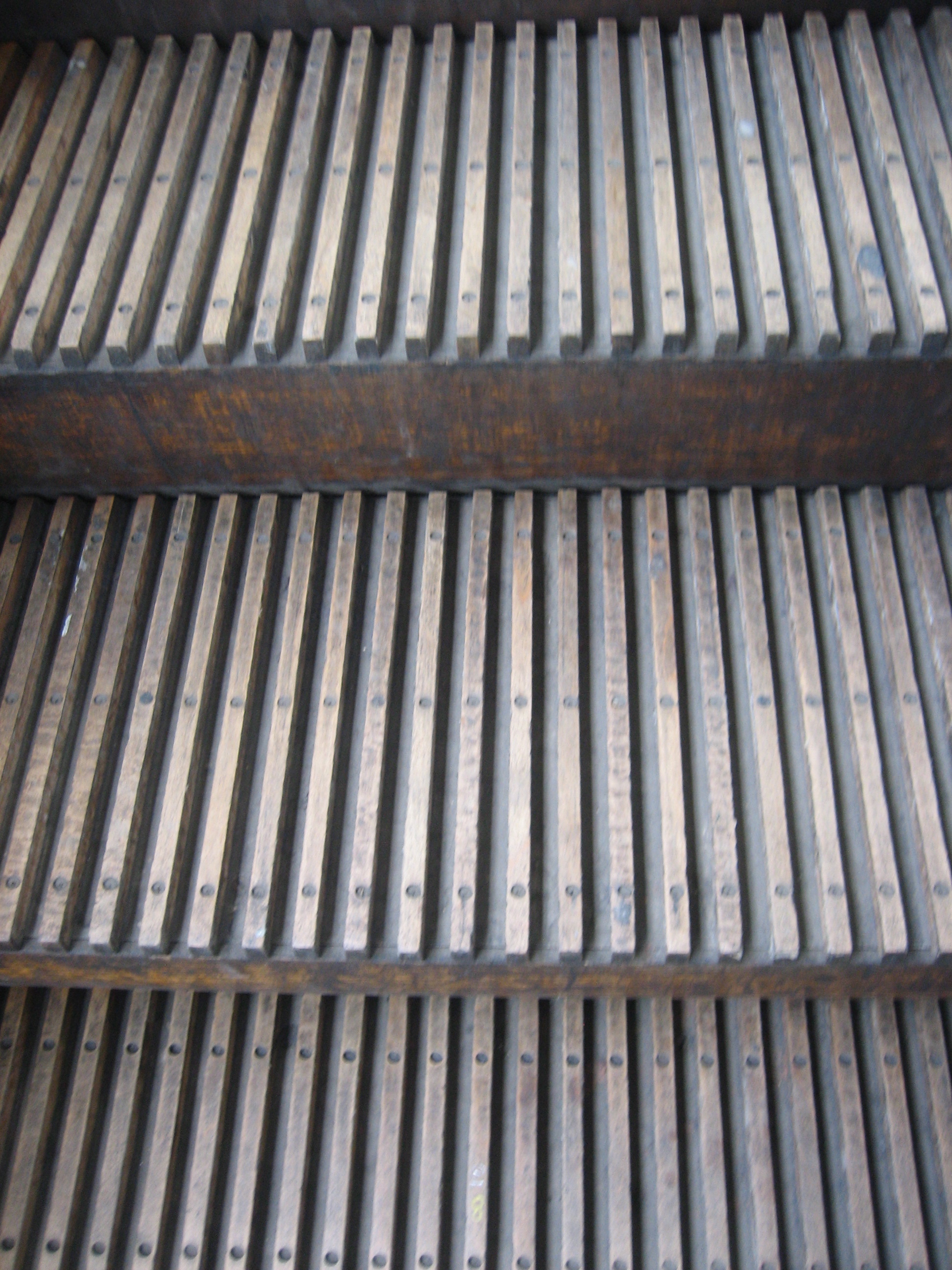
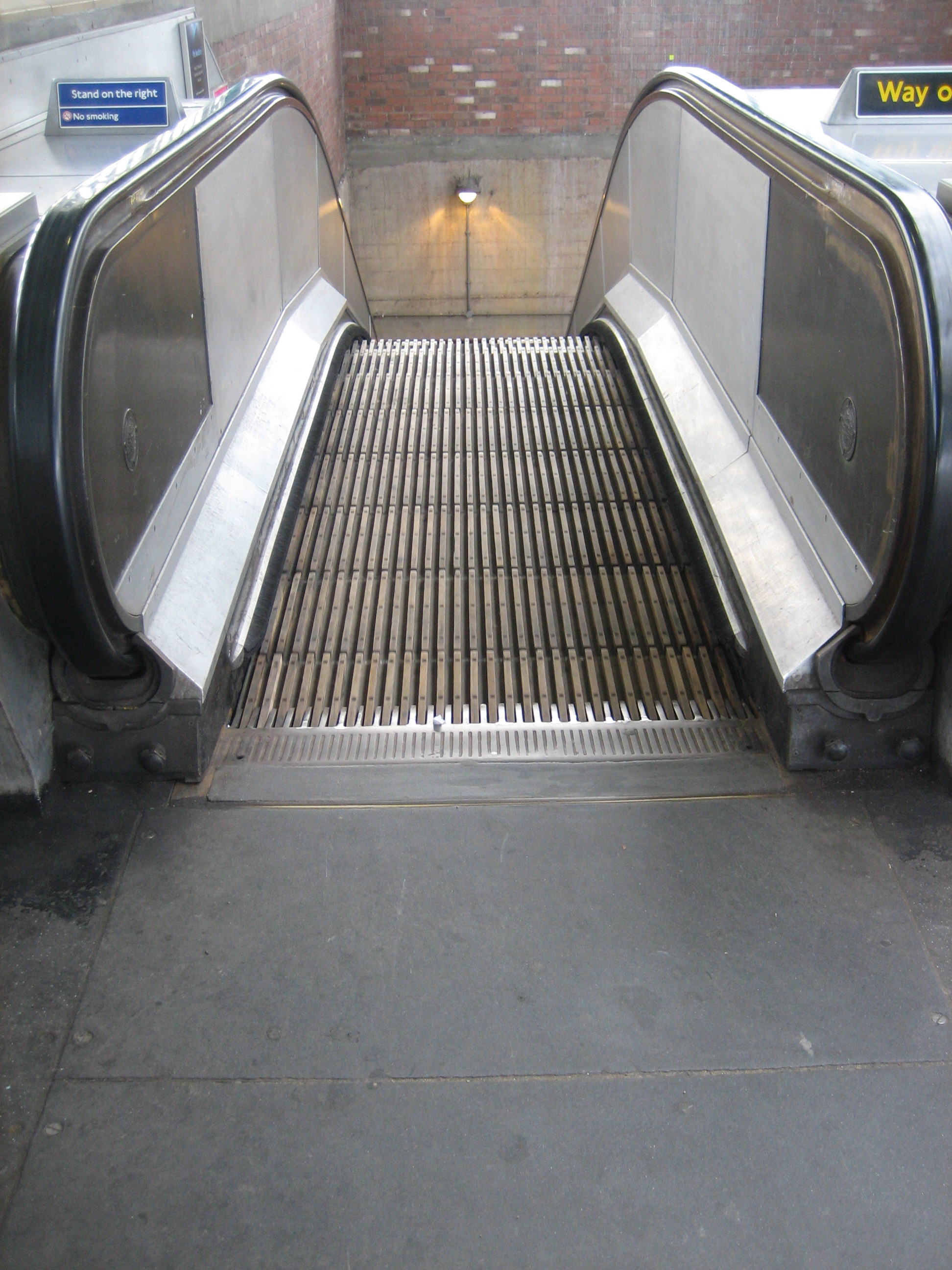
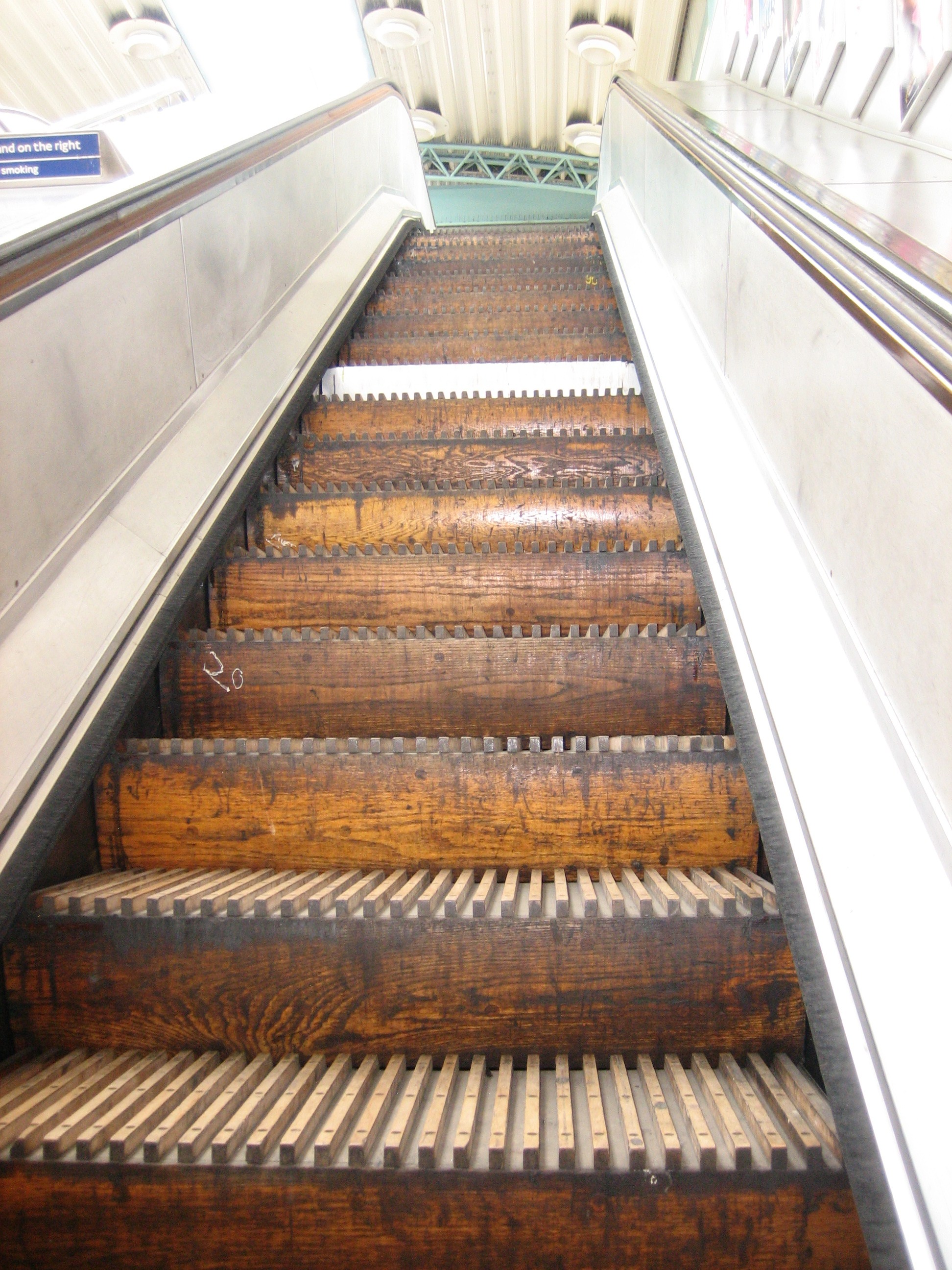
Wood, you believe it?I was chased out of Greenford station while taking these photographs. A member of staff objected to me using my camera, even though I was, as I protested, pointing it “merely at an escalator”.

This was a slightly underhand remark, as it clearly wasn’t “merely” an escalator.

Indeed, I’d come to the station precisely because it wasn’t “merely” an escalator, and was instead the only one of its kind still in service on the entire network.

By looking at this photo you are breaking the lawWhy it’s the only one of its kind still to be found in use on the Underground I’ve no idea. I’m guessing it’s retained for its novelty value.

It’s around 100 years old and is certainly a charming oddity. All of its cousins across the network were scrapped in the wake of the King’s Cross fire in 1987.

It's rude to stairWhenever I’m chased out of stations for taking photographs – which is not often, admittedly – I find myself nursing a grudge against from wherever it is I’ve been evicted.

By all means take the effort to visit Greenford and experience this unique chunk of motorised history. Just remember to secrete your camera in a specially-designed satchel, or within a ring like the one Roger Moore had in A View to a Kill.

Oh, and don’t, whatever you do, behave as if you’re there to admire something.

(A different Ian has a different, and better, set of photos.)

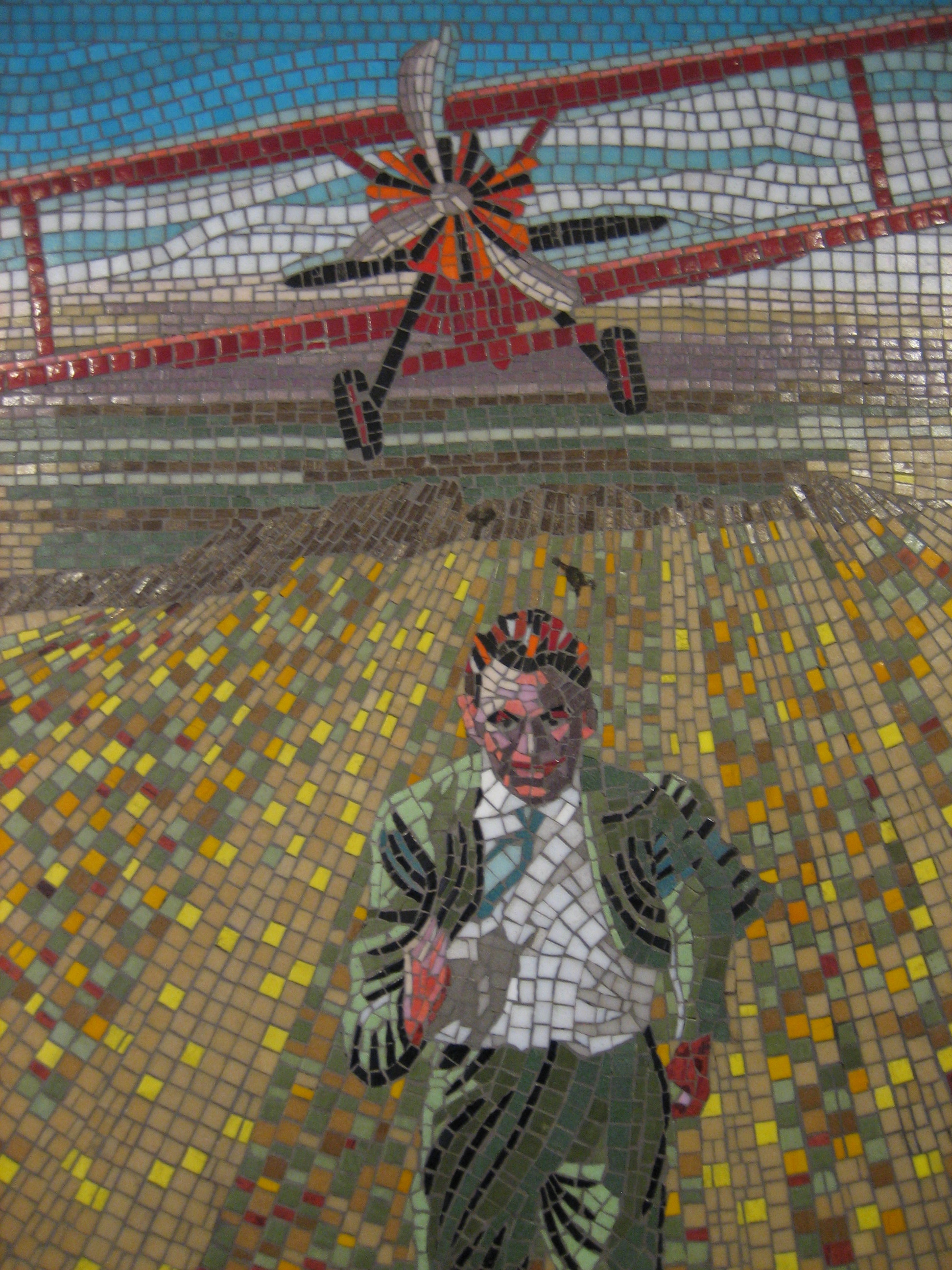
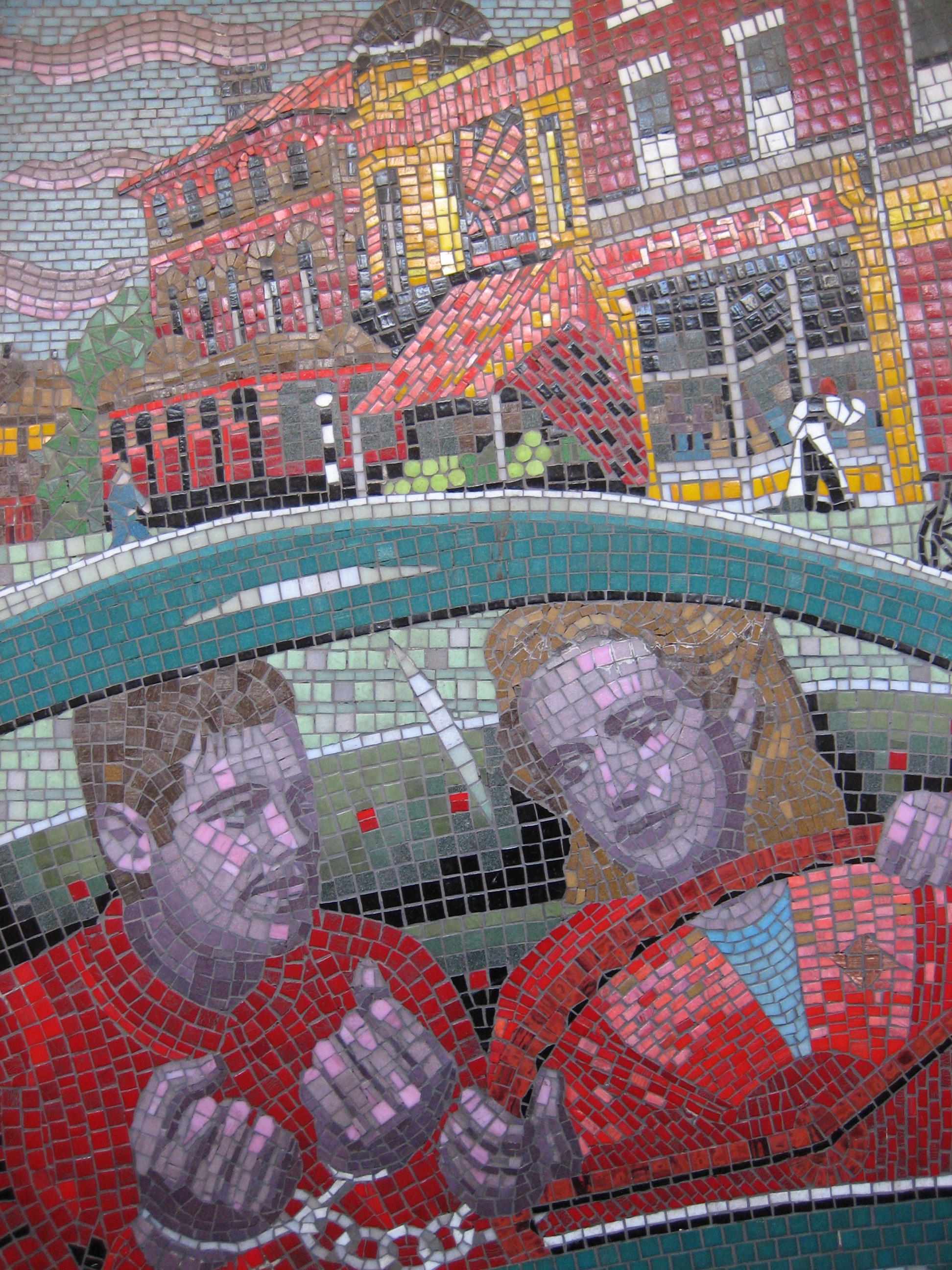
A spot of dustingWaltham Forest borough council commissioned these mosaics to mark the centenary of Alfred Hitchcock’s birth. The director was born in Leytonstone in 1899; each design commemorates a memorable moment from his cinematic career.

Bad hair dayThey were created by the Greenwich Mural Workshop and unveiled in 2001.

Leytonstone station is reached from either the western or eastern end of a long subway, along which are positioned the mosaics. It means you only get to see half the designs on your way to or from the platforms – that’s if you’re bothering to look at all:

Eastern entranceNobody was paying them any notice while I was there. In fact, me taking photographs of the mosaics was attracting more attention than the mosaics themselves. It’s a shame when something so intriguing becomes so familiar as to be almost invisible.

Captions provide information on which film is represented by which design, which is useful for those less familiar depictions:

SaboteurThere are 17 in total, 14 showing scenes from films, three symbolising moments in Hitchcock’s career. If you’re not rushing to or from a train at Leytonstone, all of the designs are worth close inspection. Or for that matter, any sort of inspection at all.

Number 17