Archive

District line

Mis-mapTo avoid having my virtual collar felt by the long arm of Transport for London’s copyright police, I can’t reproduce any sort of maps on this blog. But I’m pretty sure I can reproduce my own photos of publicly-displayed copies of heritage maps. Well – fairly sure.

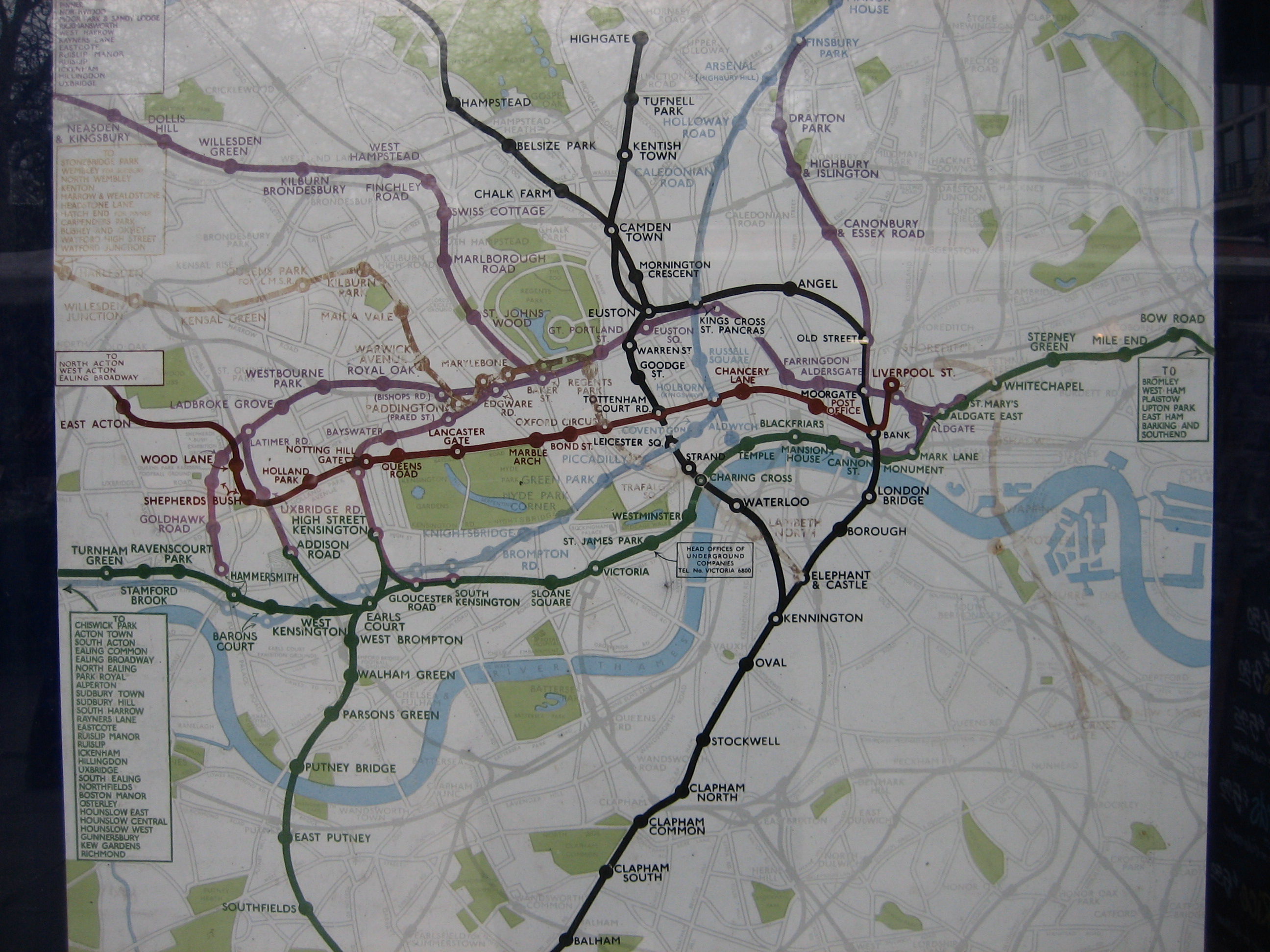
I think I’m on safe ground with this one: a copy of a 1932 attempt at a map of the London Underground, which is on permanent show by the entrance to Temple station:
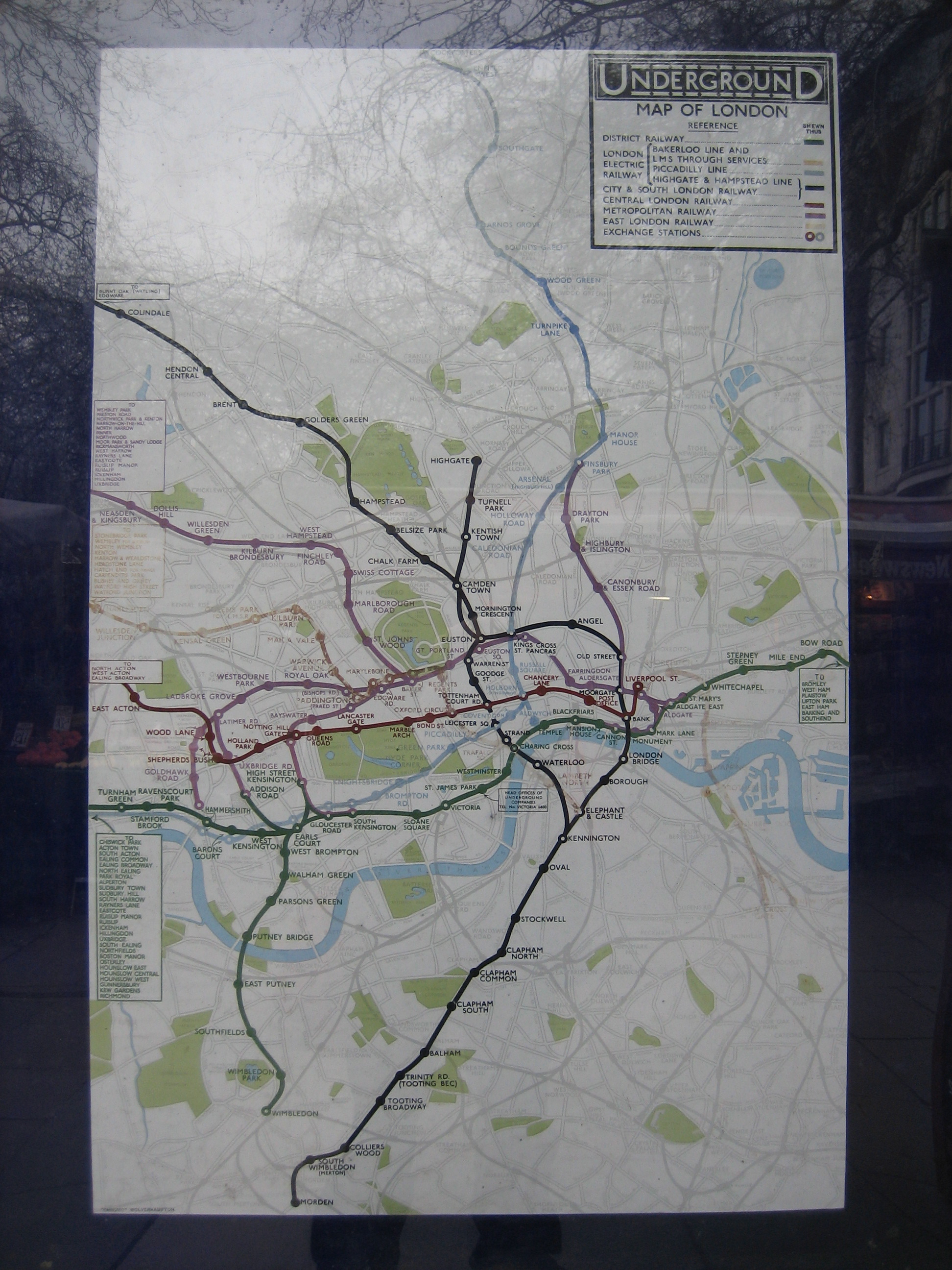
It's a photo of a map, not a map. Honest.I guess most people might find this mildly diverting. I find it continually fascinating, but then I’m not most people.

The map pre-dates by a matter of months the publication of the first of Harry Beck’s groundbreaking diagrammatic versions. As such it became a museum piece remarkably quickly, being officially redundant by January 1933 (and forever more).

Unofficially it has gained a second life as an exhibit on the wall outside Temple, reminding those who care to look that stations once existed called Addison Road and Post Office, that Archway used to be known as Highgate, and that if you wanted to travel anywhere west of Turnham Green you were pretty much on your own.

There is no single credit for this intriguing if eccentric map. Instead it is attributed to the London Passenger Transport Board, along with a few words of advice for stupid people:
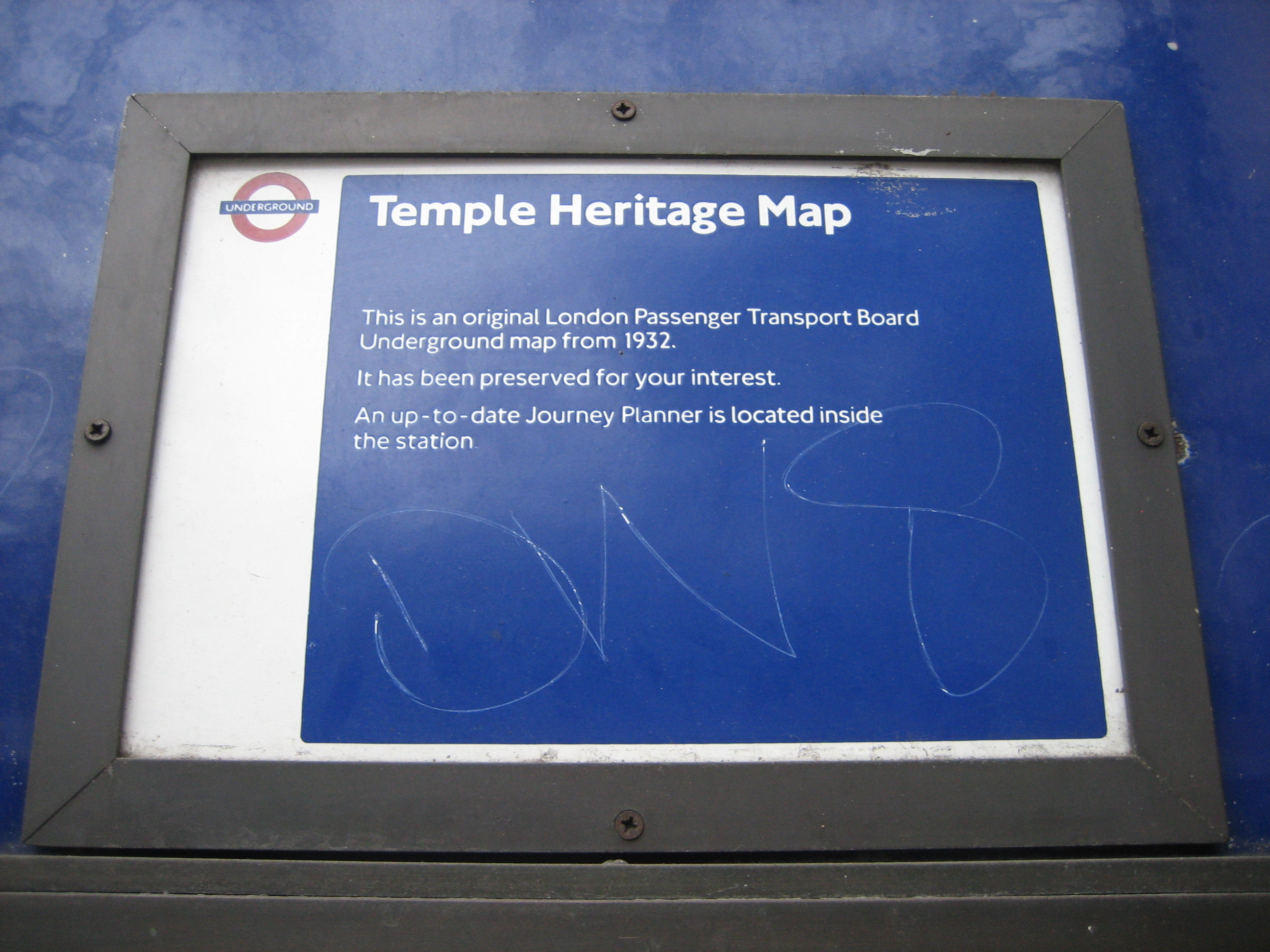
Well, dur

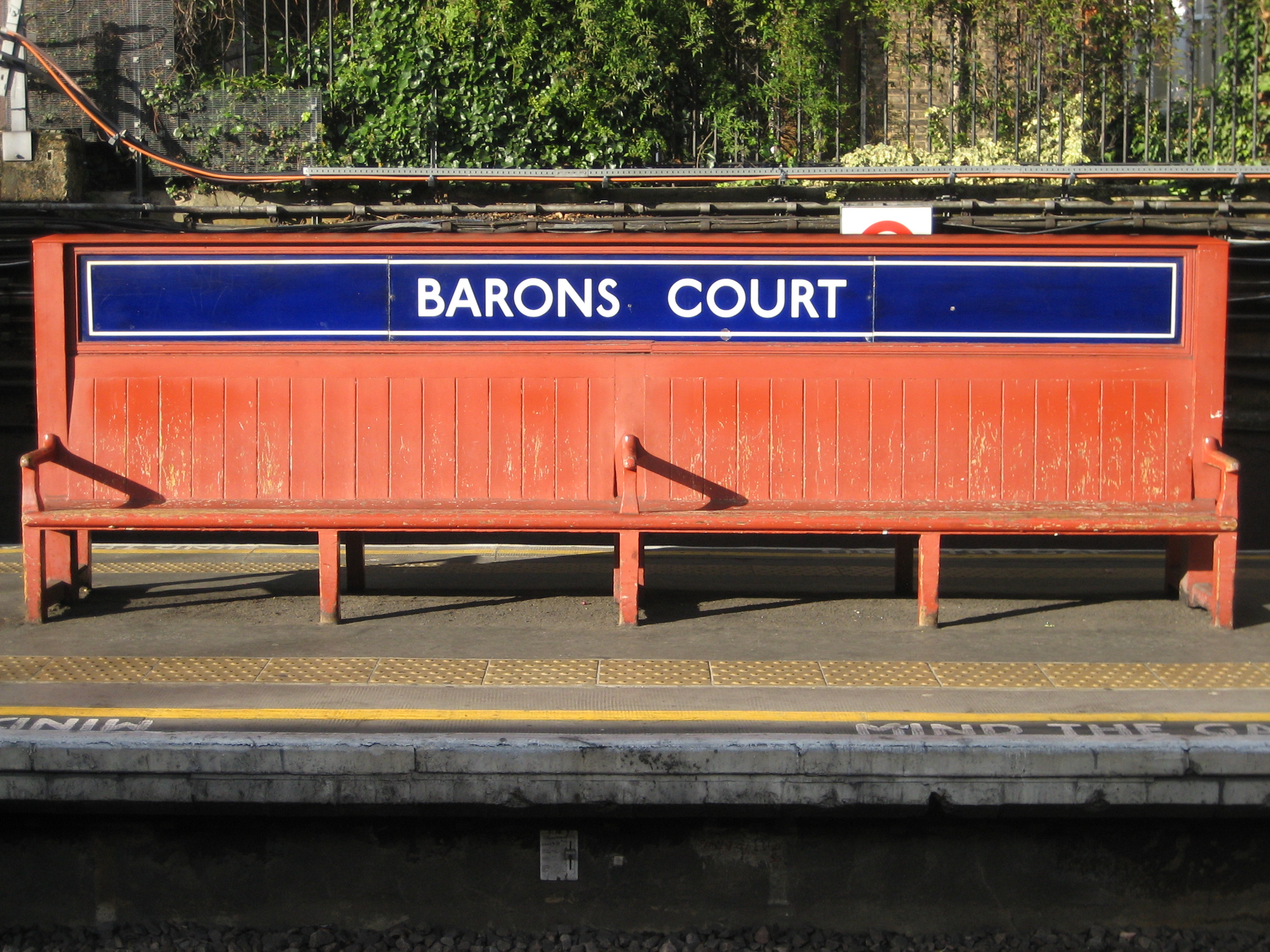
Seat of learningThey could do with a lick of paint and, truth be told, aren’t that comfortable to sit on. But they are unique. Nowhere else on the Underground can you find benches which have the name of the station displayed along the back on metal panels. And as such, they are really rather delightful.

Courting approvalWhile at Barons Court I also spied this:

Peak hours only, mindThey kept that quiet. Anyone know exactly which peak hours?

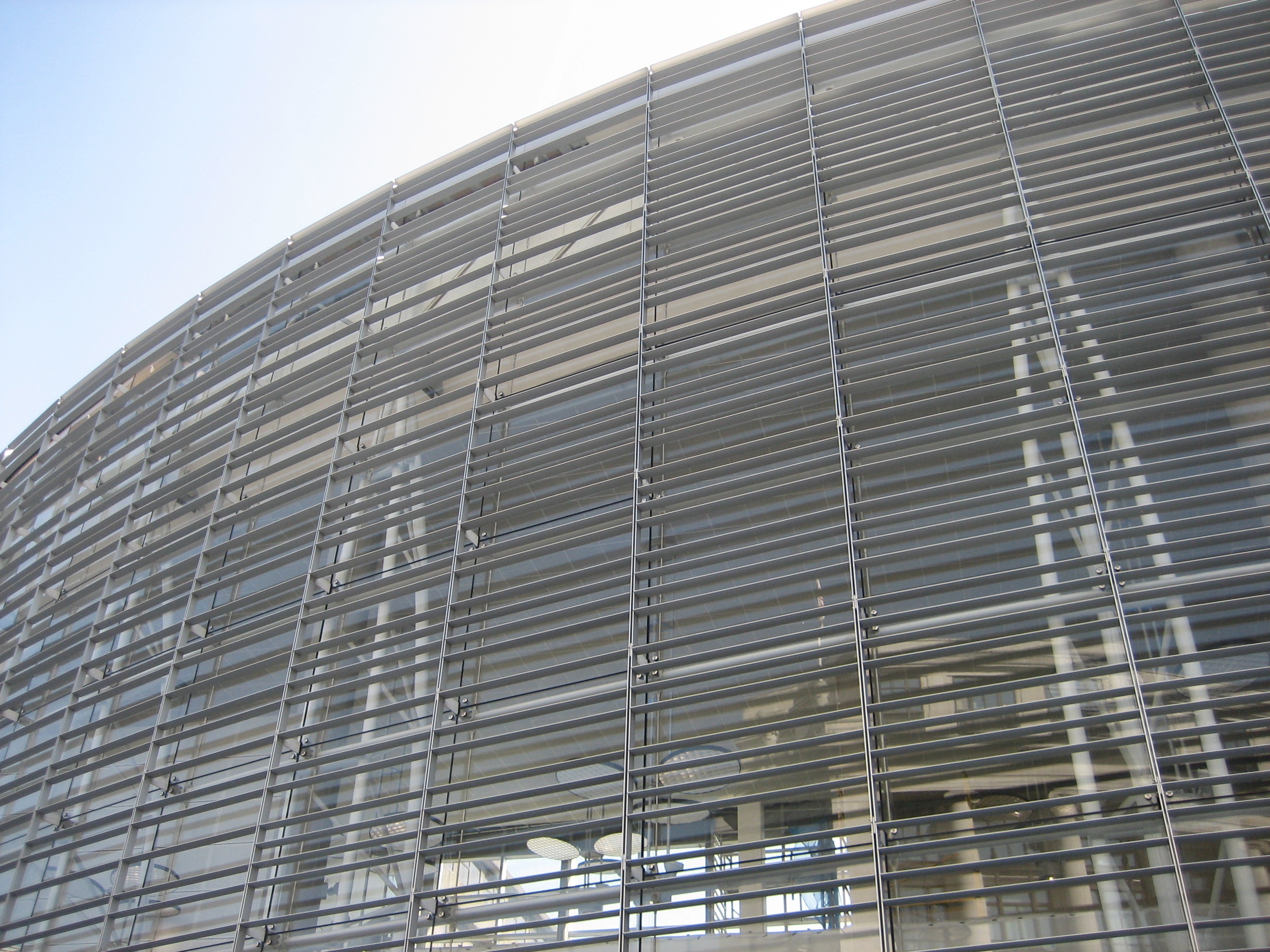
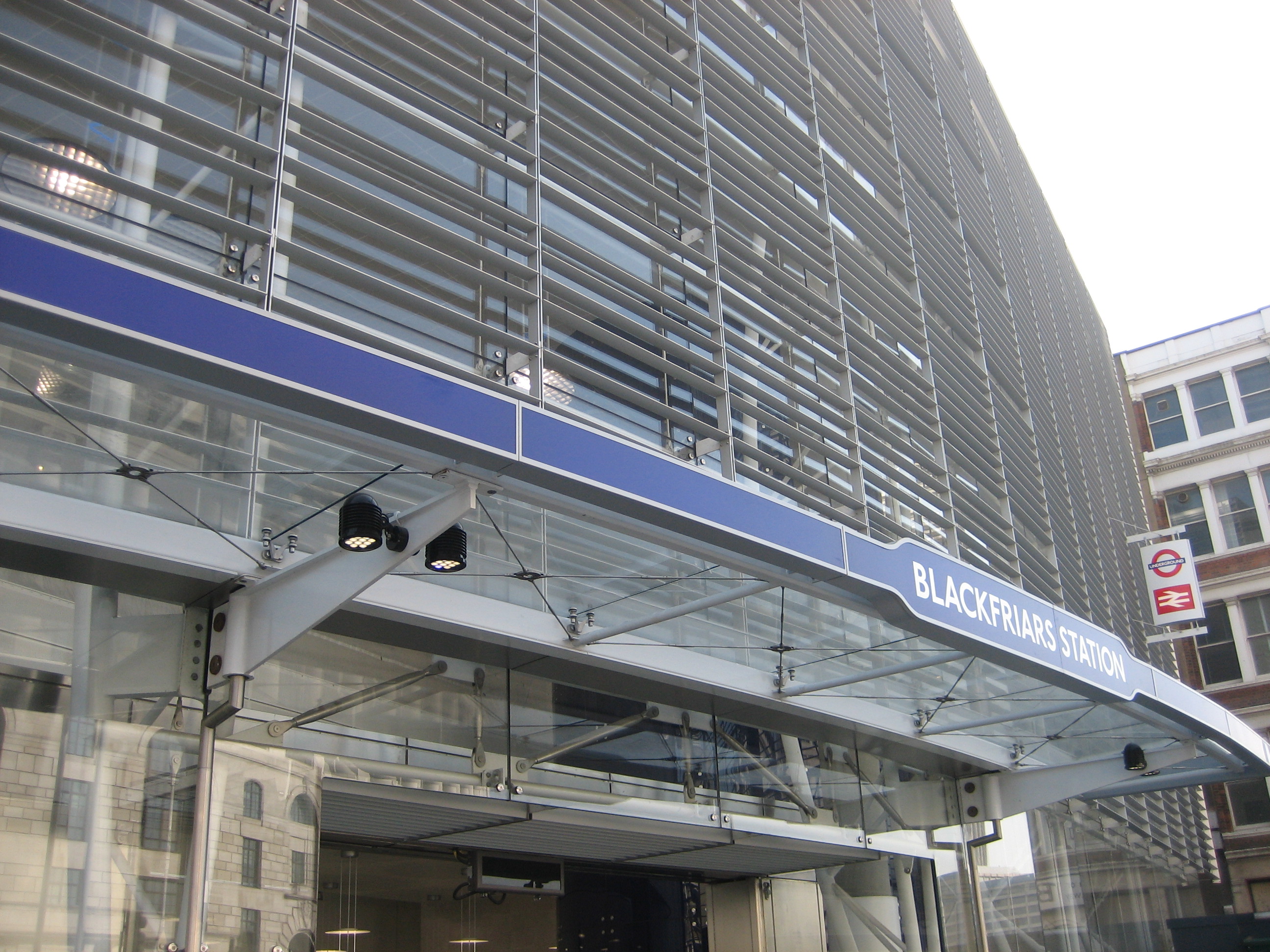
A big hand for this entranceThere are pedants, and I’m usually one of them, who would disqualify this splendid building on account of it also being an entrance to a mainline railway station. But there are also pragmatists, and I’d like to think of myself as one, who would counter that this is very much part of the Underground.

It is the main point of access to the District and Circle lines north of the Thames at Blackfriars; indeed it is the only point of access to the Underground in the Fleet Street and Ludgate Hill area. And while it does double as an entrance to platforms for the Thameslink line, it fastens its colours truly to the mast with a distinctive, if flawed, bit of signage:

Oh dearScott has moaned about this misguided lozenge, and he’s right to. Why? Why decorate a hugely-convincing, impressively-realised, sparkling new station front with something so out-of-place and out-of-keeping with London Underground house style? Either do it properly or don’t bother.

Lozenge aside, the north entrance to Blackfriars commands the sort of shiny respect and bristling fascination that all the stations on the Jubilee line extension must have enjoyed on their opening in 1999. The whole complex is part of the vast Thameslink upgrade programme, which has also resulted in Blackfriars gaining a sister entrance on the south side of the river – something long overdue, but more of which another time.

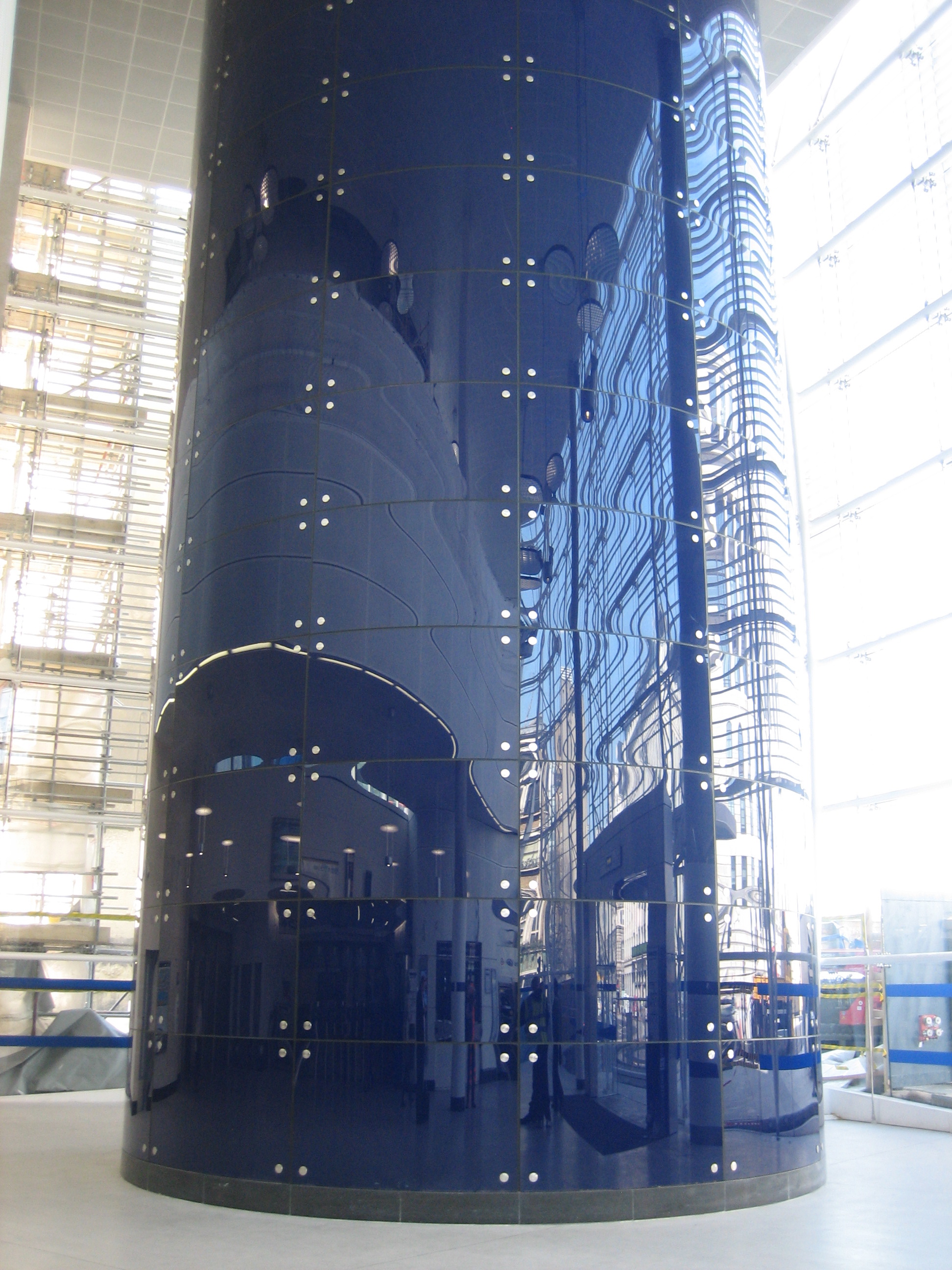
It’s the north entrance I’m celebrating here, and not just its exterior. Because what in heaven’s name is this?

Kind of blueSomething really rather wonderful, that’s what.

You - tube?Disregarding the fact it doesn’t seem to have picked up my reflection, thereby making my self-esteem even more transparent than usual, what you have here is an enormous ventilation duct masquerading as a minor tourist attraction. Or vice versa.

While I was there I saw a number of people pausing to admire this shimmering blue turret, one or two of them even touching it to as if they couldn’t believe it was real.

Perhaps the way it seems so out of place makes it so appealing and therefore to be admired, applauded and, if necessary, stroked.

All of which reactions are wholly justified and fitting for a station that is by any measure a whole lot better than it once was.

Sign of old timesAnd it’s about to get even better.