Archive

Metropolitan line

Country-spiedMetro-land is not quite a thing of the past.

That vast sales pitch-cum-sunlit upland of the early 20th century hasn’t completely disappeared into the margins of a Betjeman anthology or the back room of a transport museum. If you look for it with keen eyes, or listen hard enough, you’ll find the traces.

All along the farthest western reaches of the Metropolitan line the conceit still lingers. Someone threw an idea across Middlesex so profound as to resonate over a 100 years later.

It’s there in the rustle of leaves, the sigh of a sash window, the creak of a set of points, the song of a bird whose location you can’t quite place… All common sensations, but all somehow elevated by virtue of geography to become both part-mundane and part-magical.

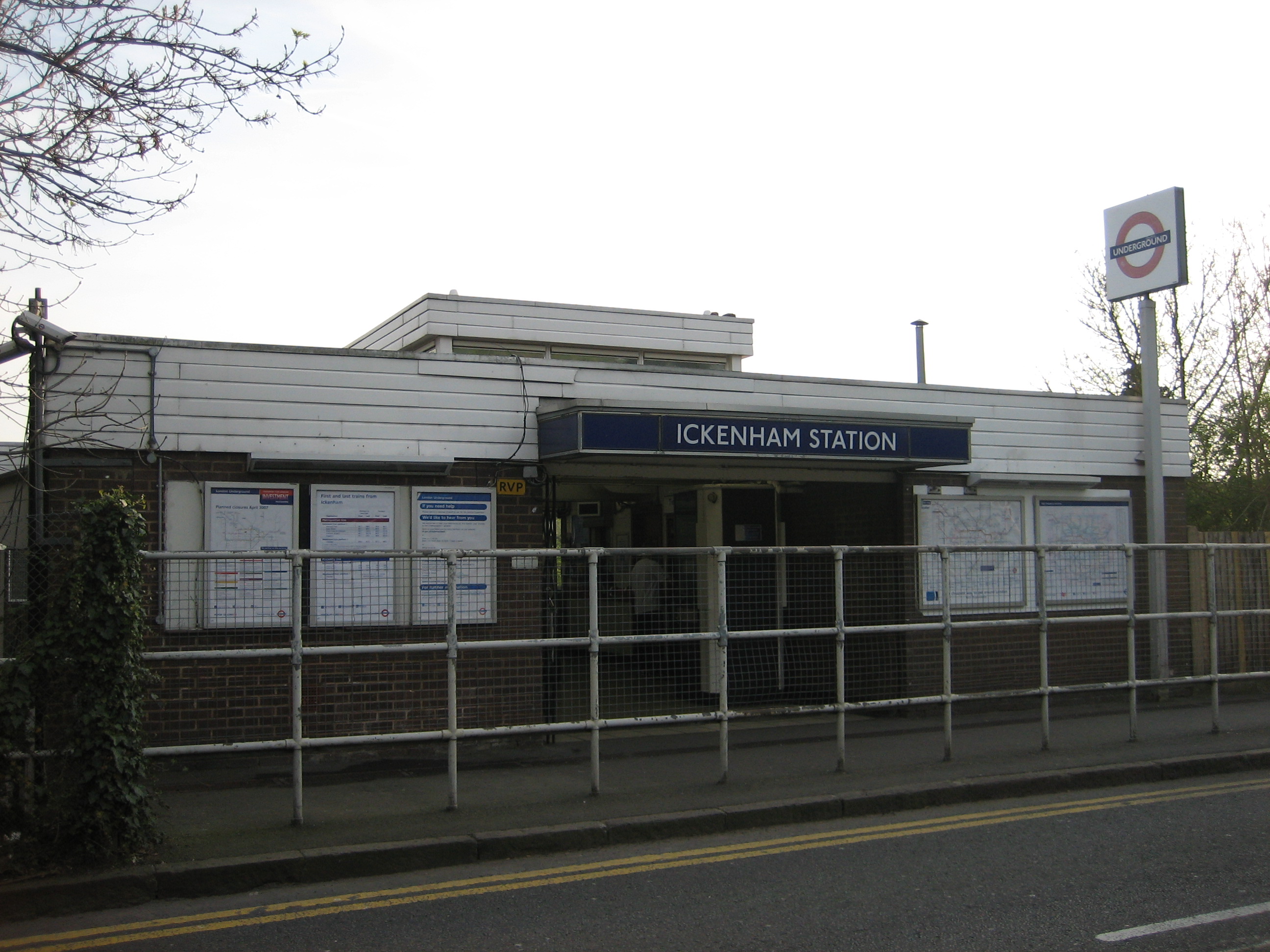
The entrance to Ickenham station can make you shudder with despair:
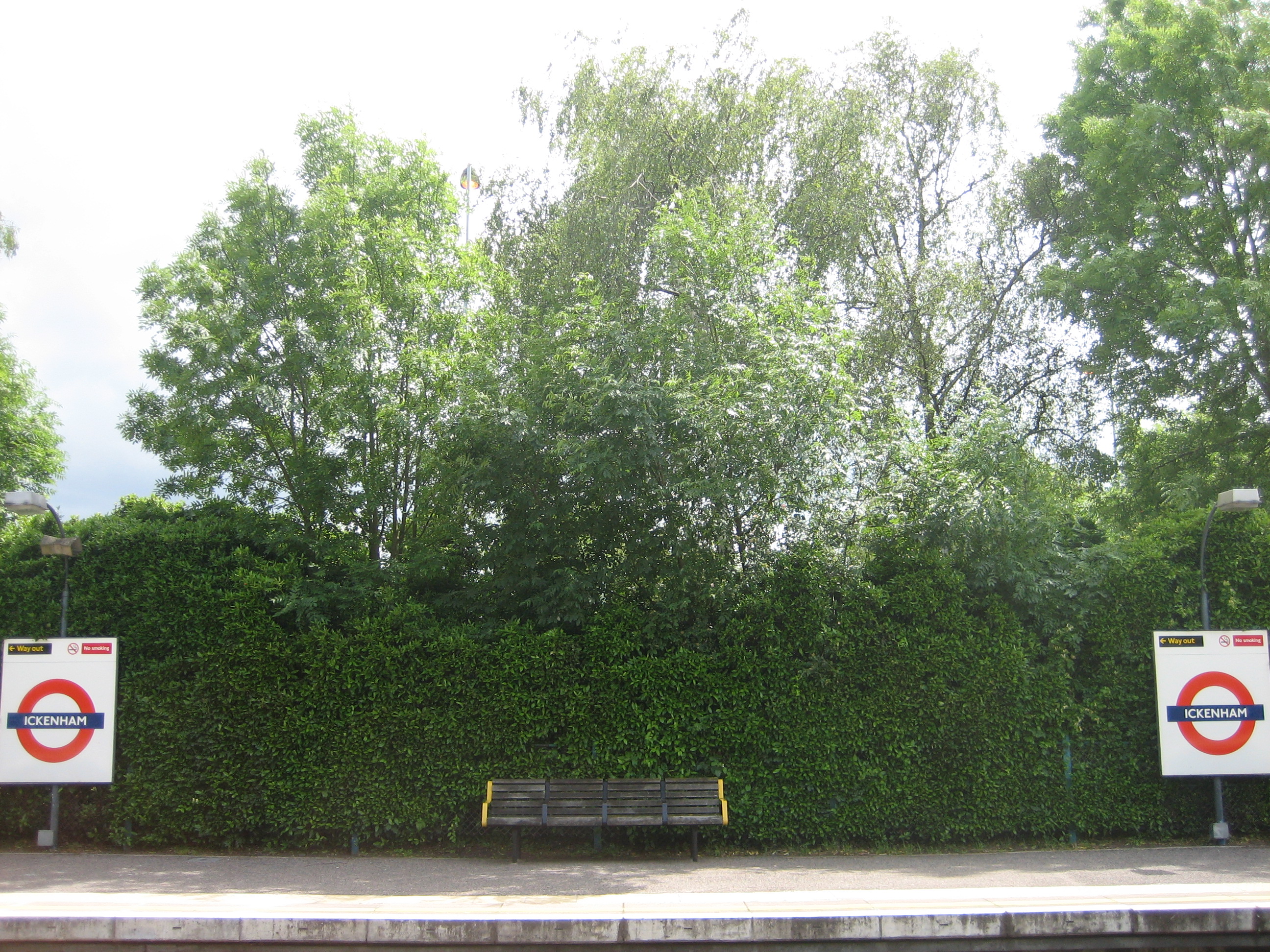
*shudder*But its platforms can make you shiver with delight:
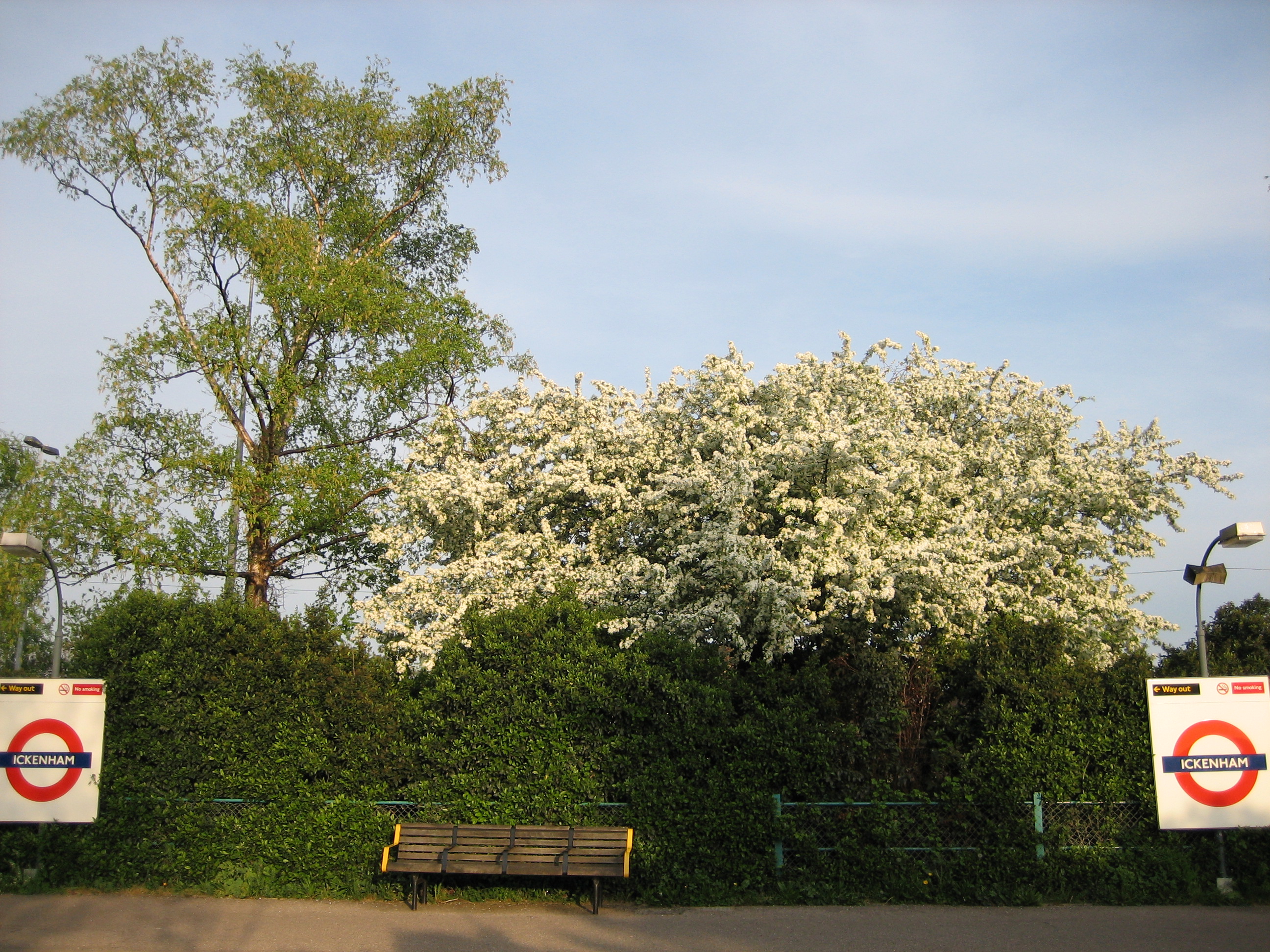
The joy of MiddlesexHere is where Metro-land can, if you so desire, be wished back into all-consuming existence.

Sit by these trees and imagine yourself surrounded by roads bordered with the softest of soft suburban grass, patronised by neatly turned-out vehicles peopled by neatly turned-out passengers, and lined with the most stylish of provincial amenities: a world that, if it ever really existed, fired just as many useful imaginations as it did useless realities.
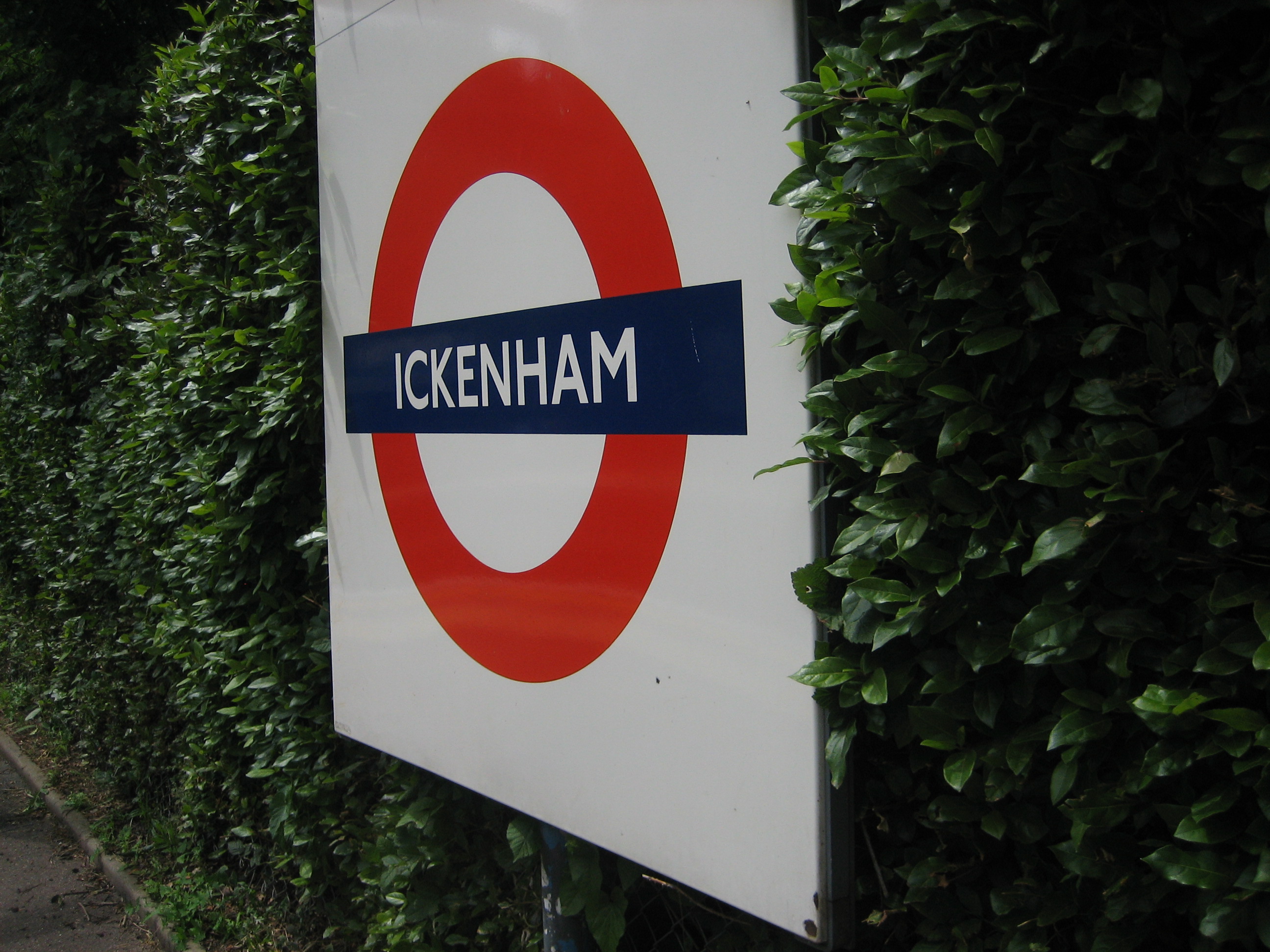
This, at least, is realDon’t linger too long, however, for the fantasy can only ever be a fleeting one – especially if you’re heading westbound and the next station is the grisly Hillingdon.

Metro-land was once promoted seriously if rather loftily as “a country with elastic borders that each visitor can draw for himself”. That country might have long passed from the lexicon of poets and advertisers alike, but its borders can still be drawn, even though – like anything this old and worn – the elastic’s almost gone.
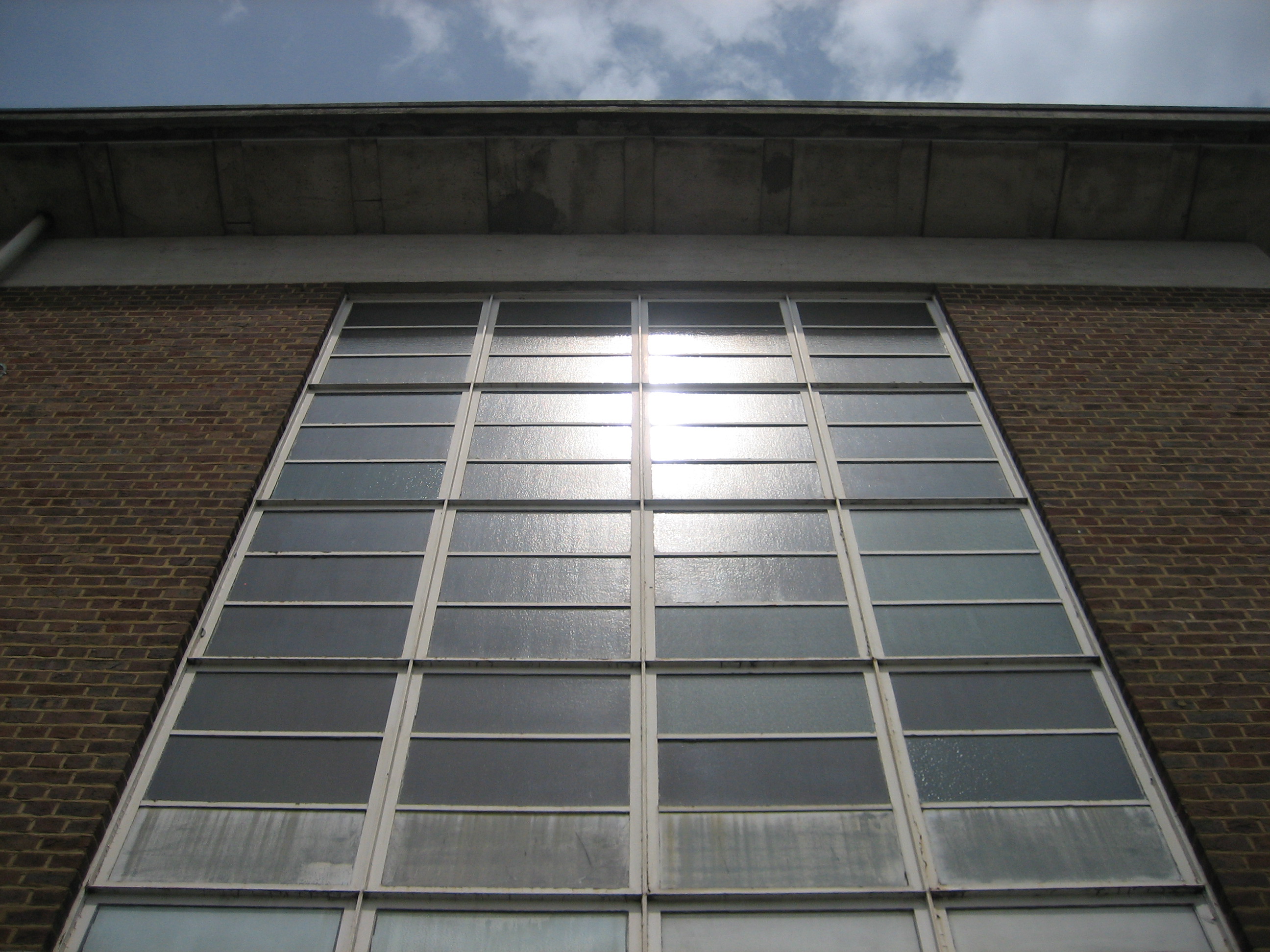
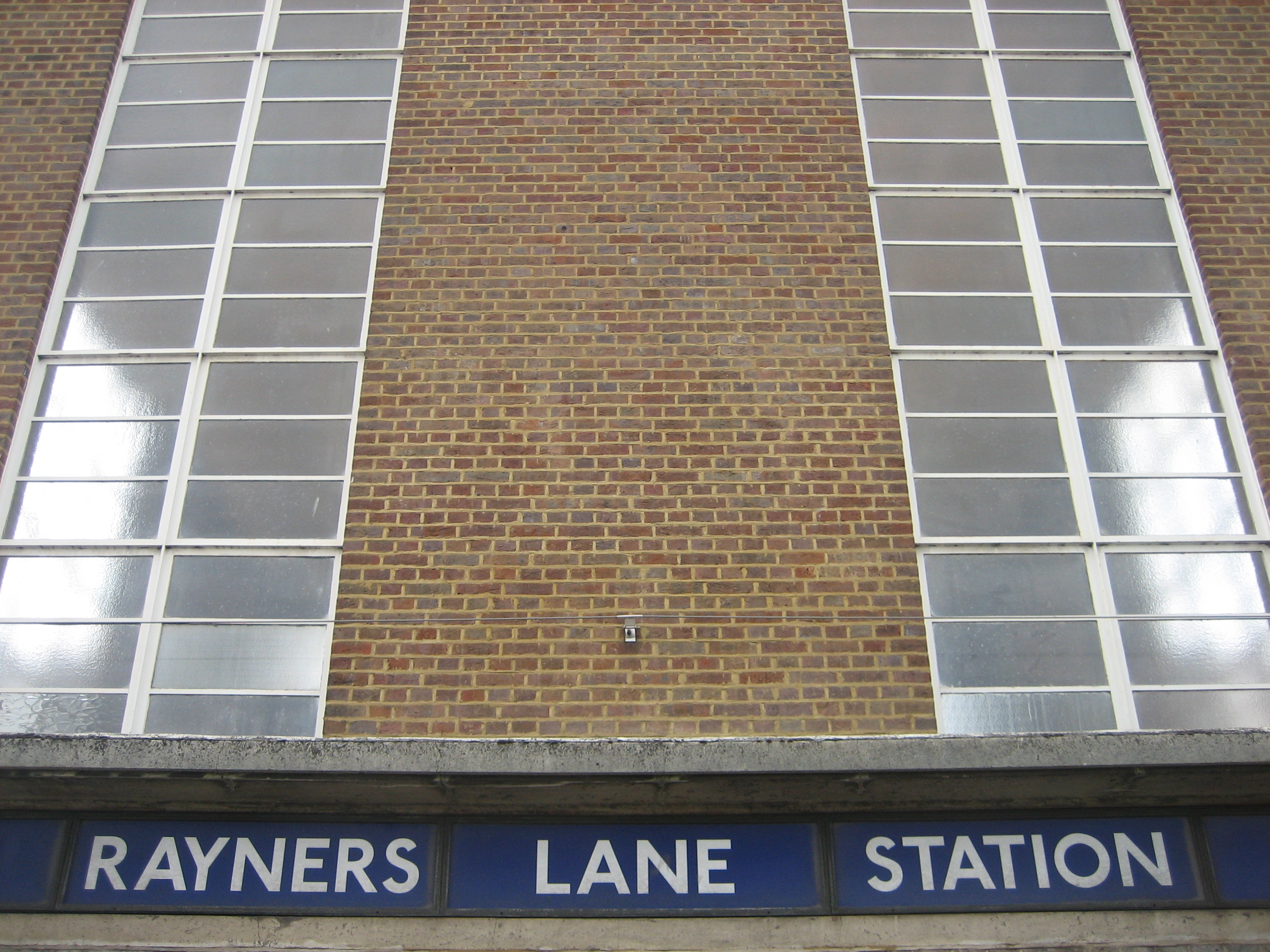
Life in the vast LaneI’ve already praised the views within Rayners Lane. The views without are a different kind of treat:

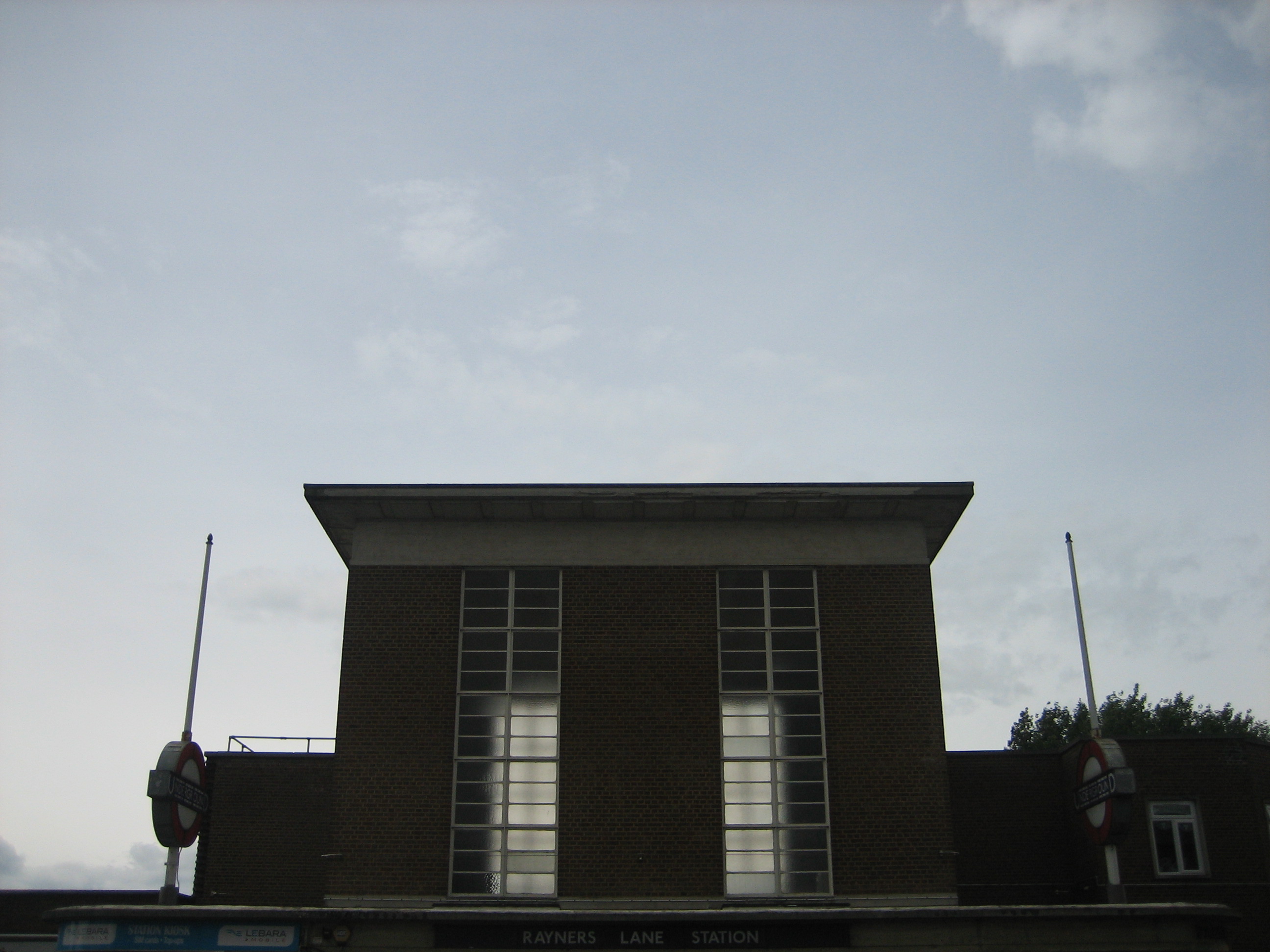
A fresh pair of RaynersThe ticket hall resembles a ginormous cube, studded with dozens of neatly aligned rectangular windows running up each side. The building reaches to what could be described as a preposterously unnecessary height. I’m describing it as a preposterous necessity.

Not only is it stylish, trim and full of character. It also possesses Tardis-like qualities – and I mean that in the true sense of the word, family sci-fi fans.

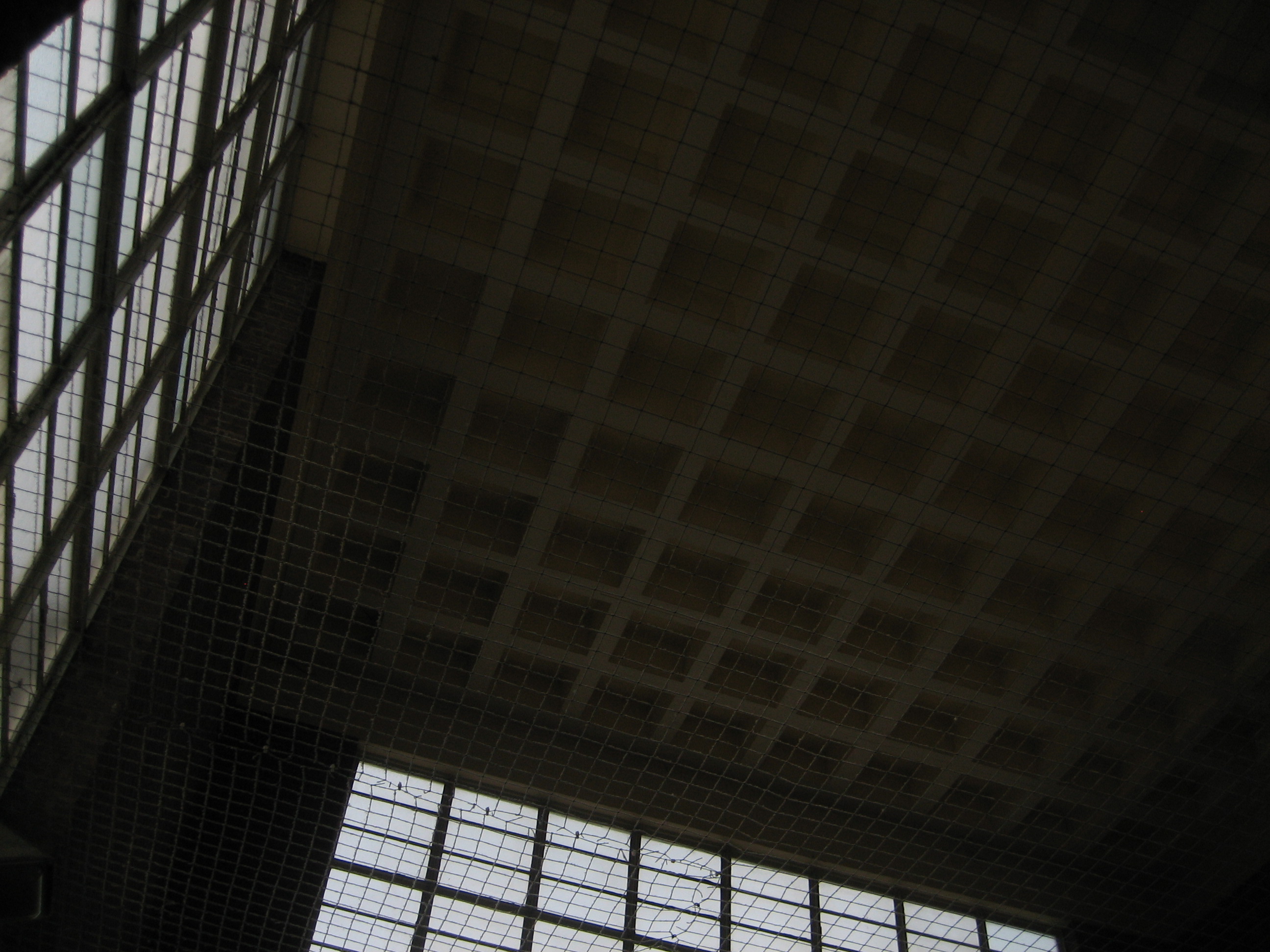
In other words, when the ticket hall is viewed externally and then internally, it seems to exist in two different places at the same time. So much light pours in through what must number over a hundred individual window panes that, once you’ve stepped through the entrance, your surroundings seem more capacious than when you inspected them from the outside.

Relative dimensionsThe grids within grids and cascades of quadrilaterals make it feel a bit like you’ve stumbled into a multi-dimensional sheet of graph paper.

Step back outside, and you wonder again how what you experienced a few seconds ago matches what you are seeing now.

Next stop, SkaroIf only Doctor Who had a spaceship that looked like this.

Still mortar offerThis was suggested by Mark Siddall (yes, I am open to any and all nominations).

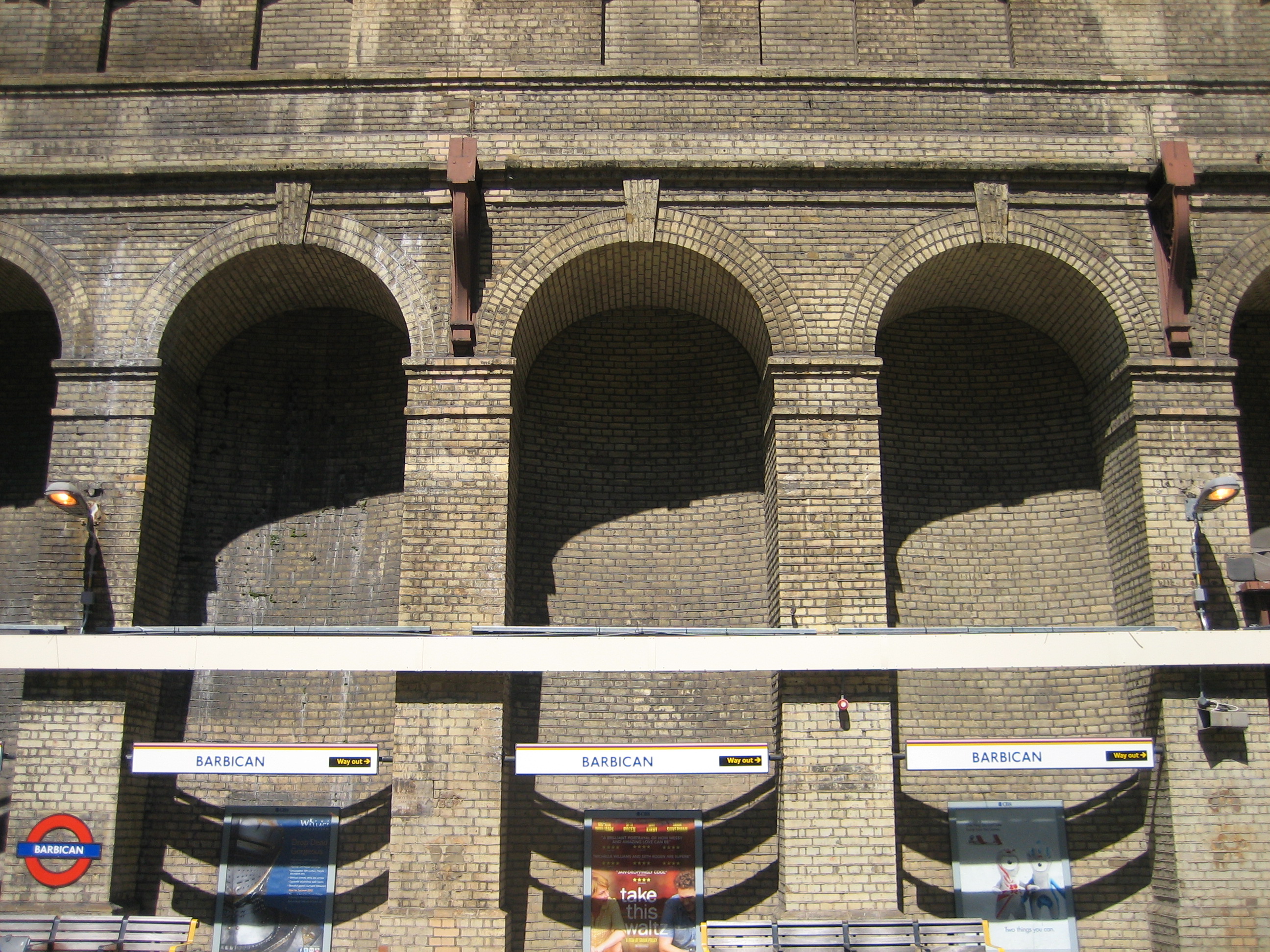
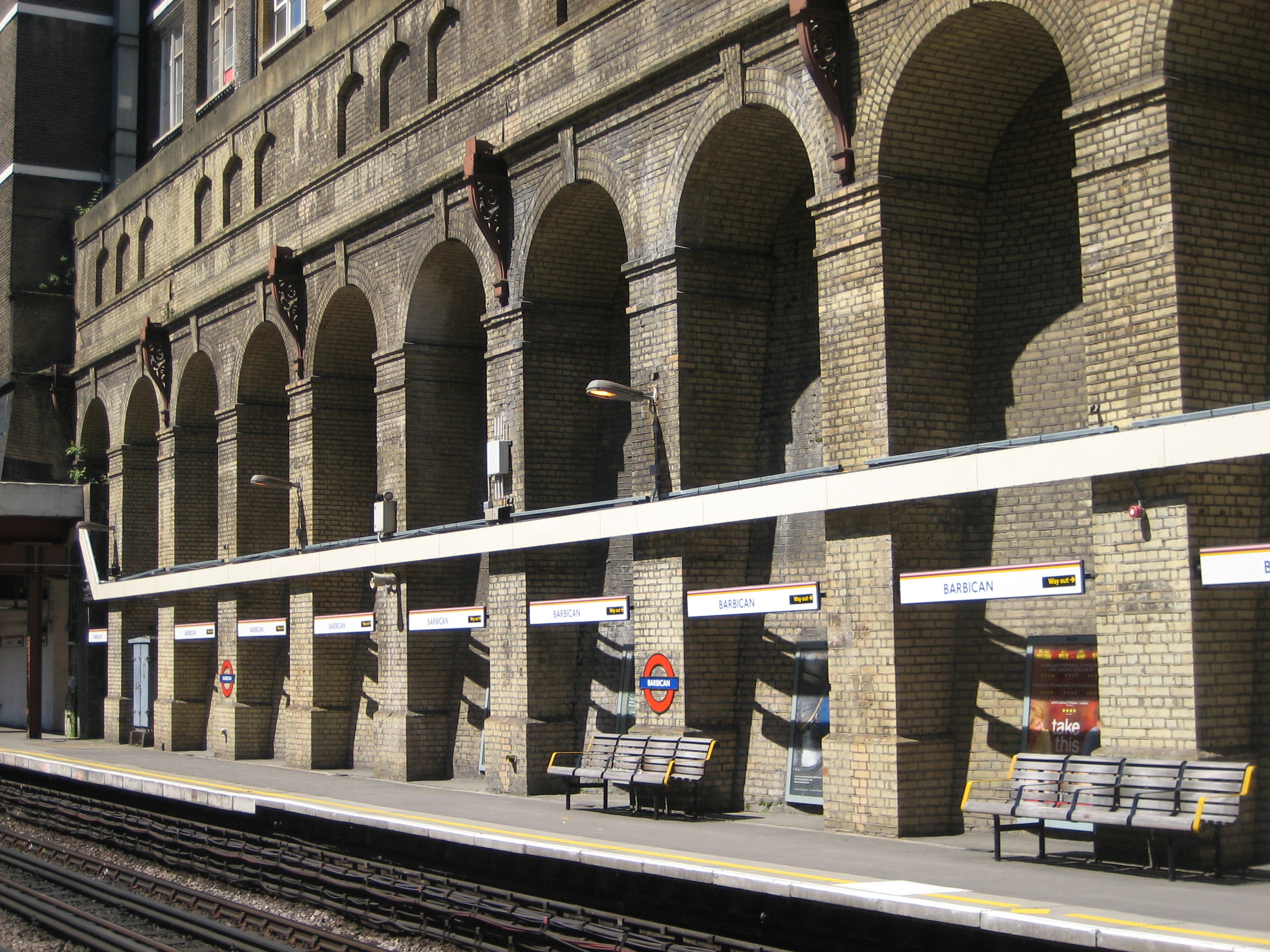
My photos don’t quite represent the full breadth of eerie elegance created when the sun is in a certain part of the sky and you are standing in a certain part of the station. But it’s the alcoves that best capture and amplify the effect of having so much of the area both cut into the ground and open to the sky.

The shadows and illuminations can give the impression of descending into a baroque catacomb – or, if it’s an especially warm day, an enormous kiln.

Catacomb with a viewThe sensations are heightened – literally – by the tall buildings rising up on all sides. It’s quite an atypical design for a station on almost the oldest stretch of line on the entire Underground. In fact I can’t think of another station on the Circle line that is quite so exposed to the sky, at least not in quite as dramatic a fashion.

This impression of cavernous space is compounded still further by the now disused platforms that sit alongside the Underground tracks:

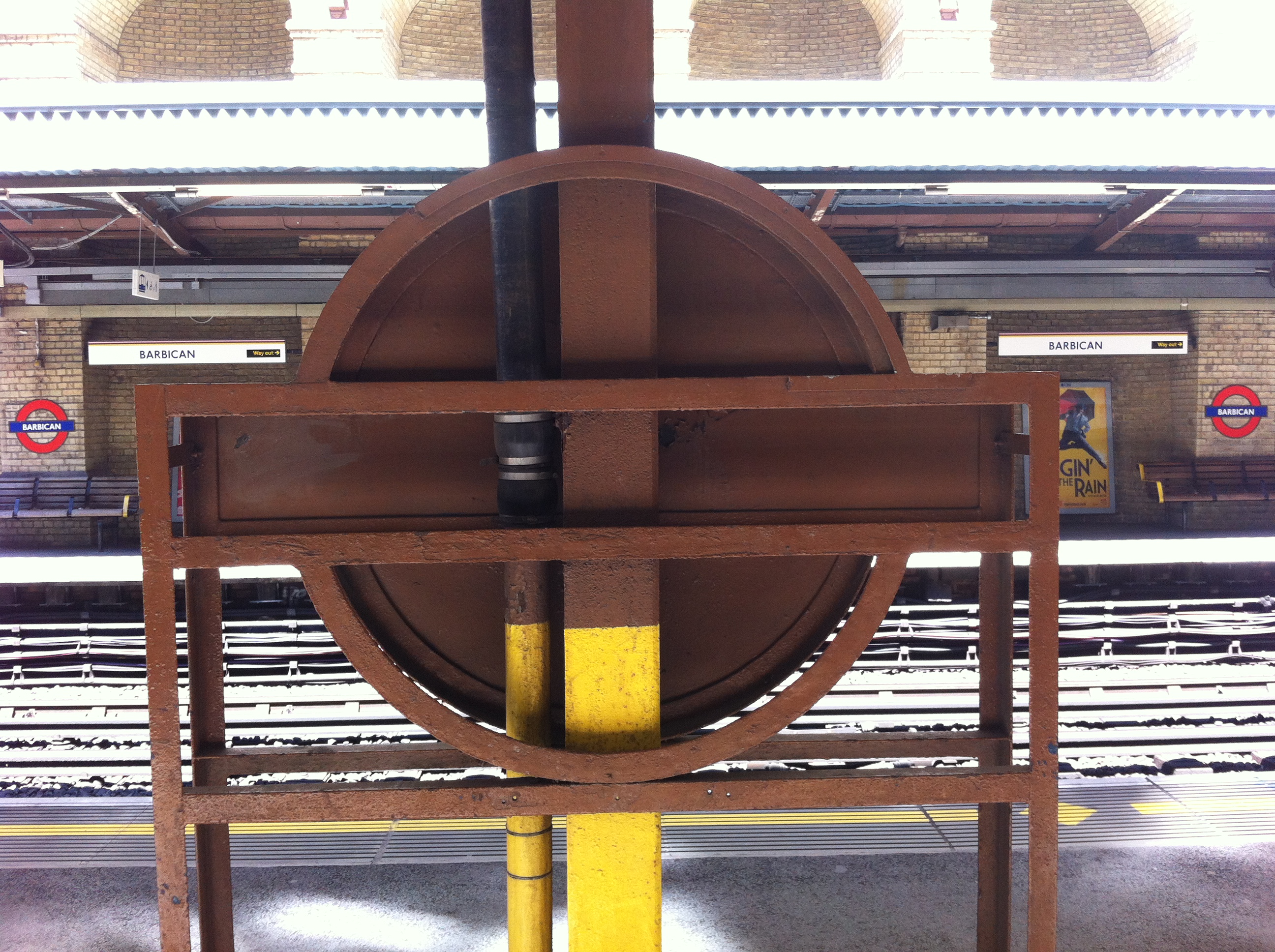
Dead endThameslink trains to Moorgate used to come this way. Now, nothing. The platform wall is still dutifully updated with the latest advertisements, should your gaze drift momentarily across the tracks. Some of the roundels could do with a bit of attention, though:

Dirty rotten roundelI know some people think the “true” Underground is never open to the elements. I disagree. Barbican exposes the heart of the Underground in the heart of the London in heart-tugging style.

(Oh, and thanks Mark!)