Archive

Northern line

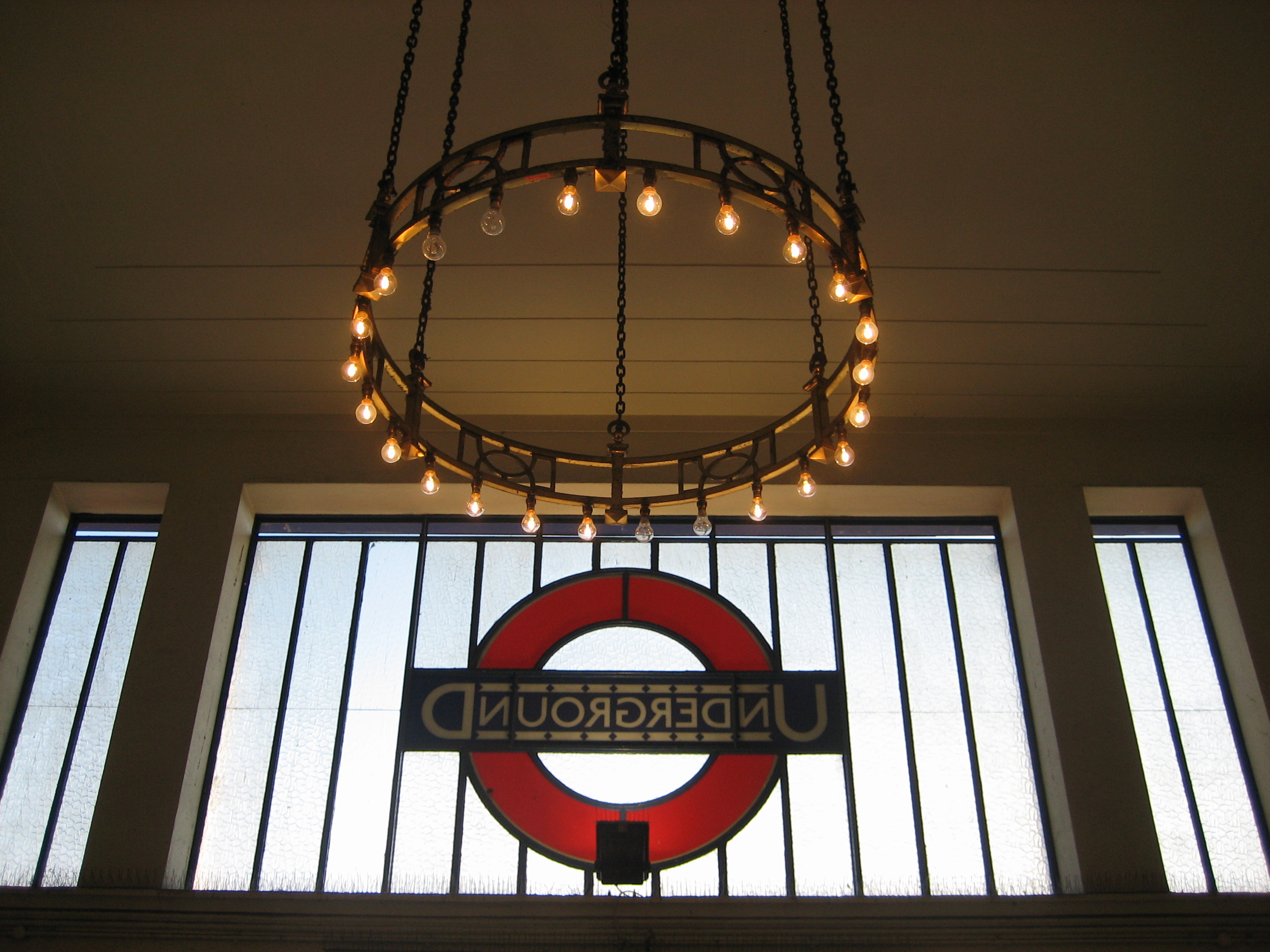
Morden illuminationsThis isn’t so much an entrance as a gateway.

Morden station wasn’t conceived as merely the end of something – the southern extremity of the Northern line – but also a beginning; a portal, no less, to the hottest spots and the quietest nooks of Surrey. Step off your train, pass under the Carry On Henry-esque chandelier, and within a few further footfalls you’d be on a bus, chugging through rural England.

Such a promotional fantasy was, for a time, almost true. Morden was built on farmland. The countryside remained in peering and quite possibly breathing distance for a long time after the station opened in 1926. There’s no trace of such sensations nowadays, but Charles Holden’s original structure survives, flattering the vicinity with the only flash of style in a 1,000-metre radius:
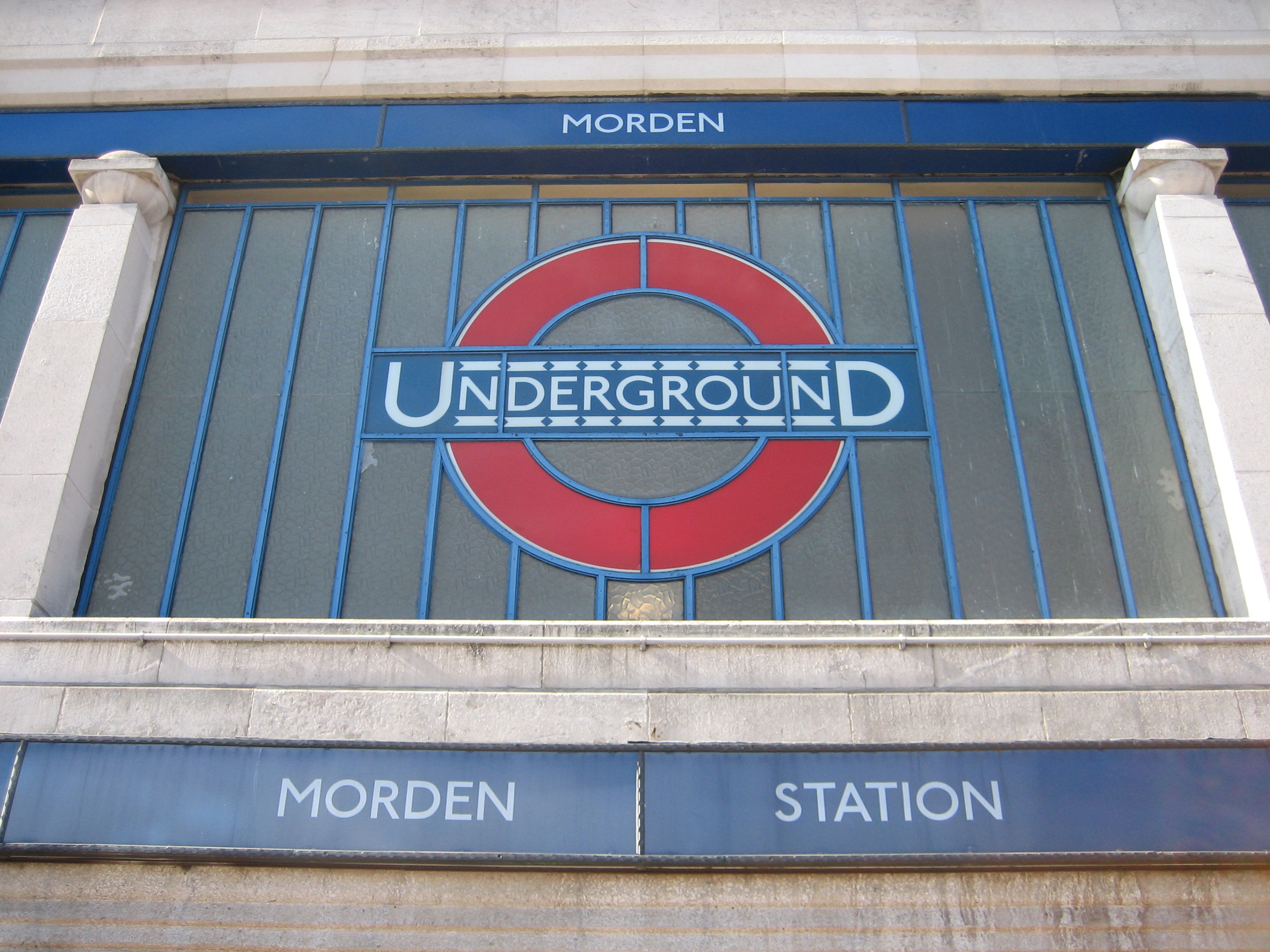
Gateway to the southBut even this grandiose antechamber has not escaped unscathed the neighbourhood’s rampant commercial expansion. For what was once a sympathetically-realised, architecturally-inspired parade of buildings is now squatted upon by a ghastly-looking office block.

This offends Morden you’d realise:
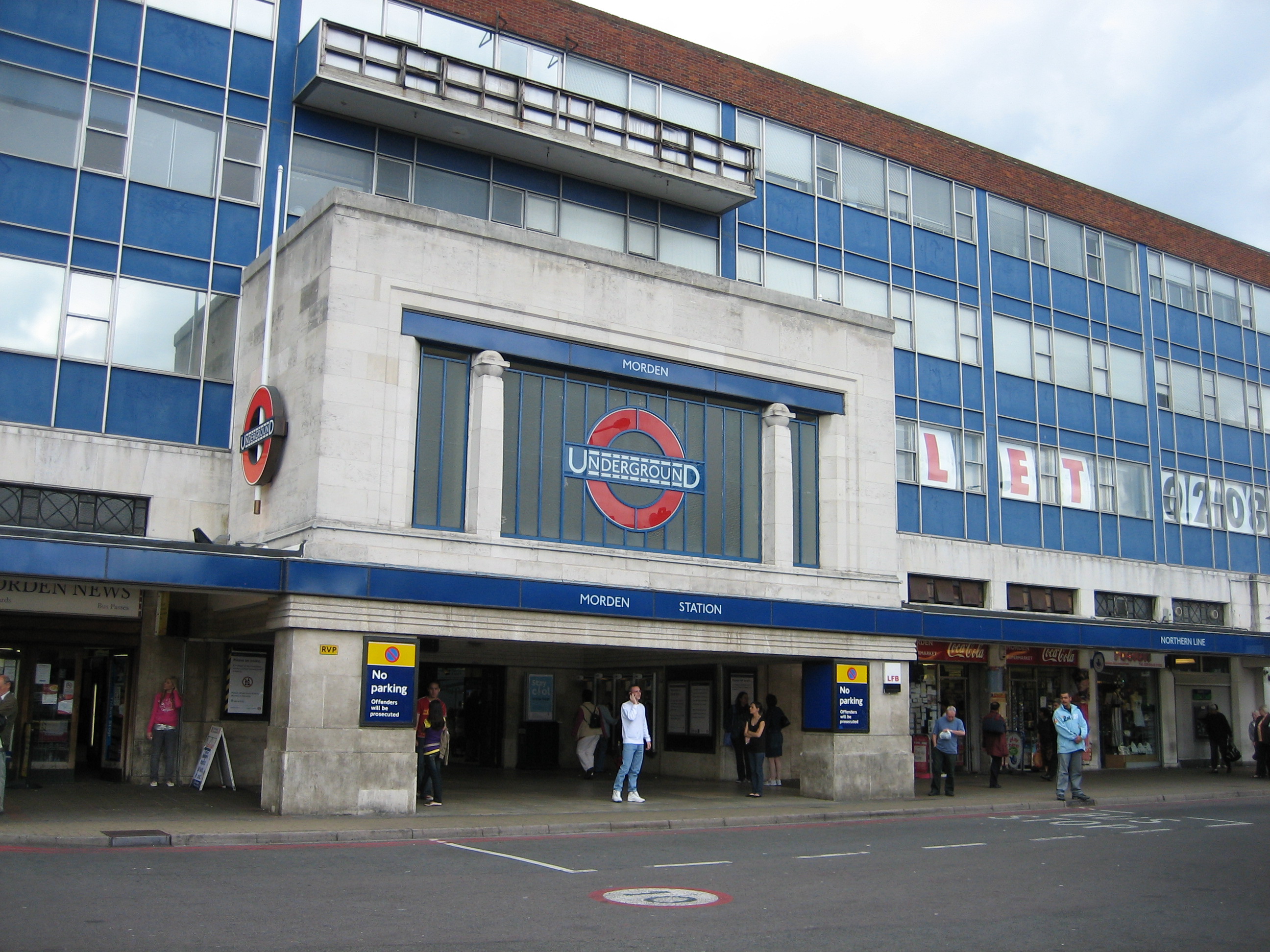
This offends Morden you realiseGranted, Holden did design the parade in anticipation of something being subsequently plonked atop it. But probably nothing as ill-suited as this. I wonder how long those offices on the right have been available to let.

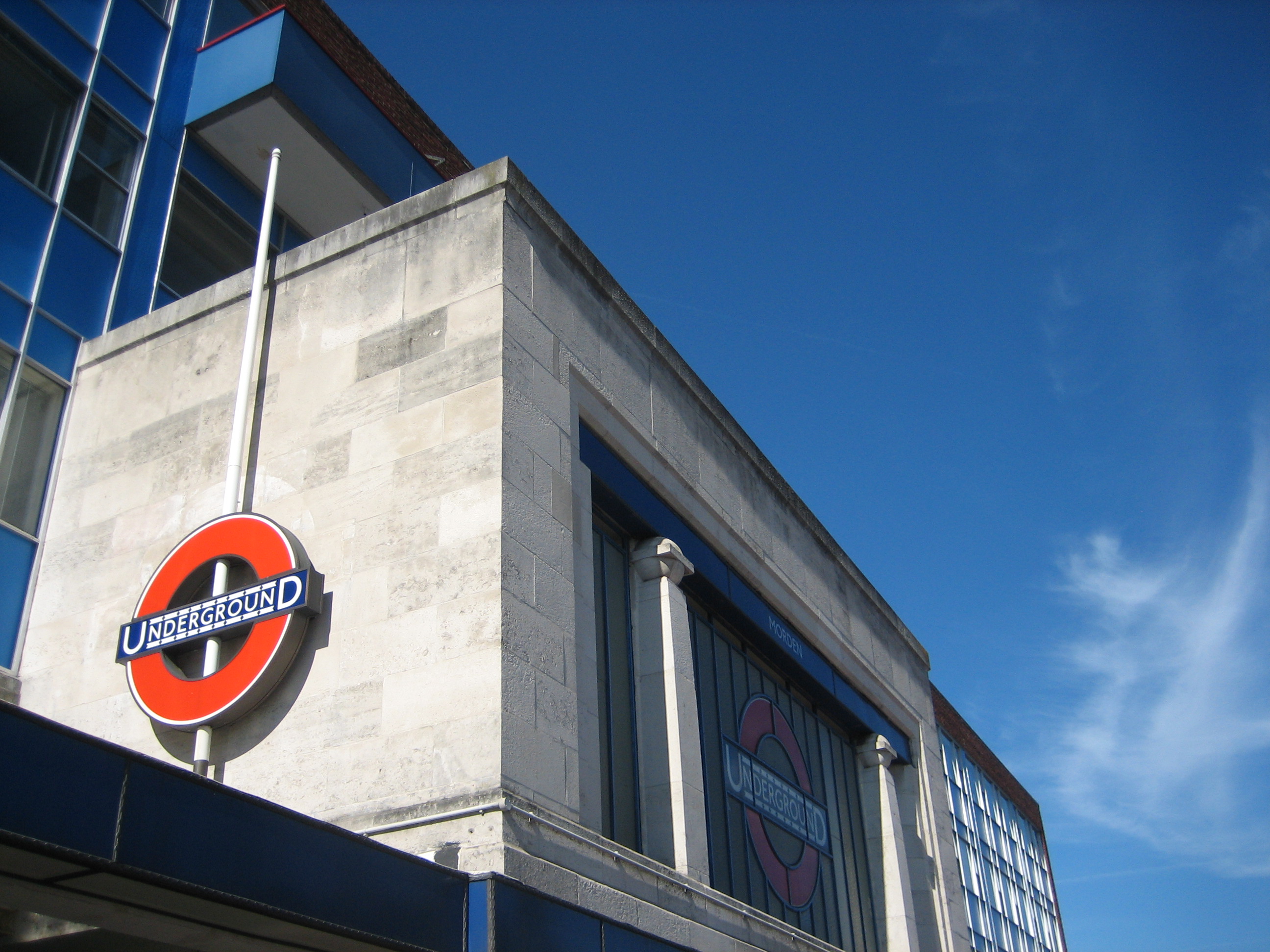
Up close, if you blot out enough of the upper storeys, you can still just about imagine what kind of thrill it must have been to pass through such a tasteful atrium on your way to a day in the country, or on your way up to the city.

In the past, this was never a place intended for lingering. But to best appreciate it today, that’s perhaps exactly what you have to do.
'Den of iniquity

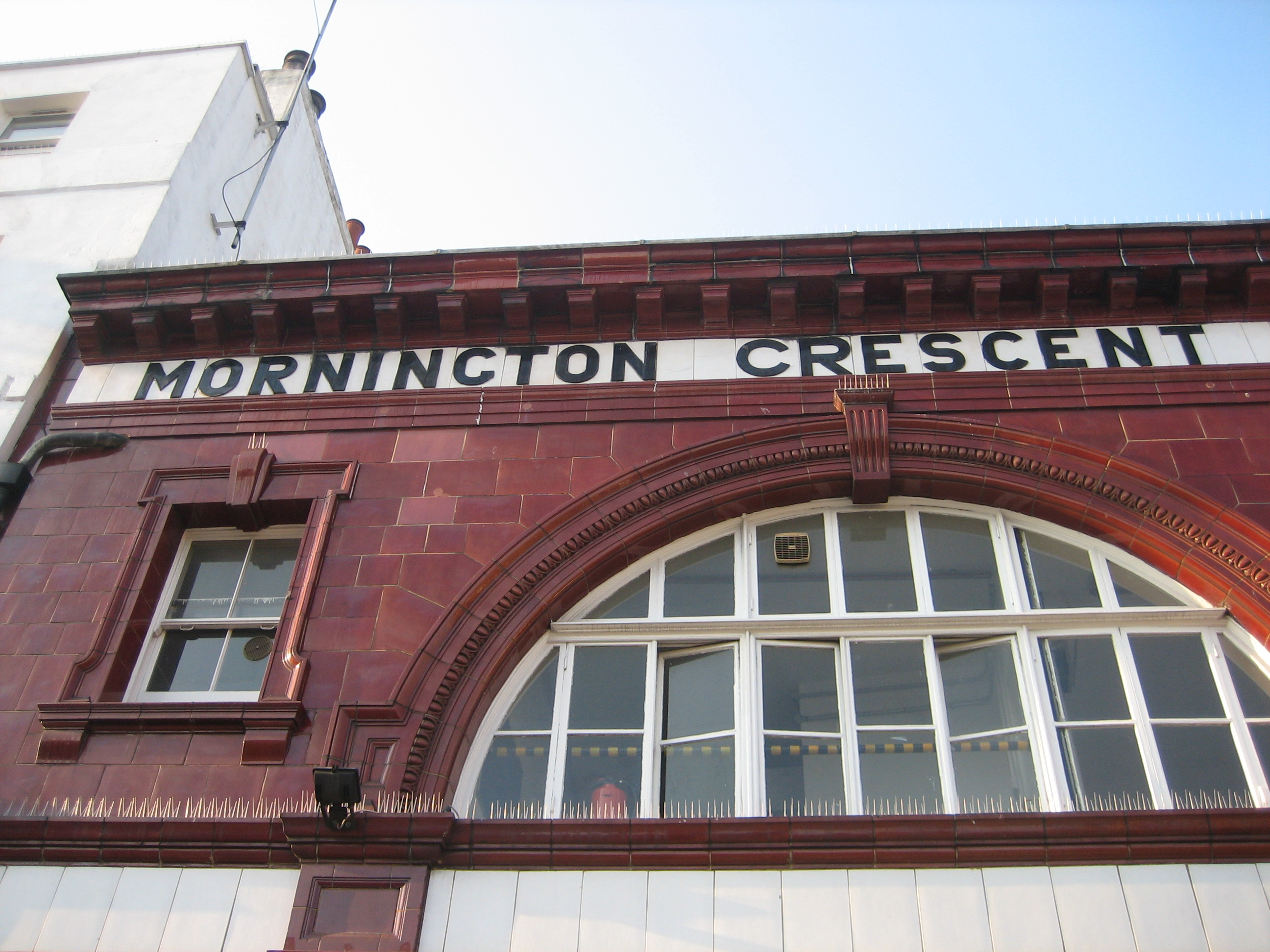
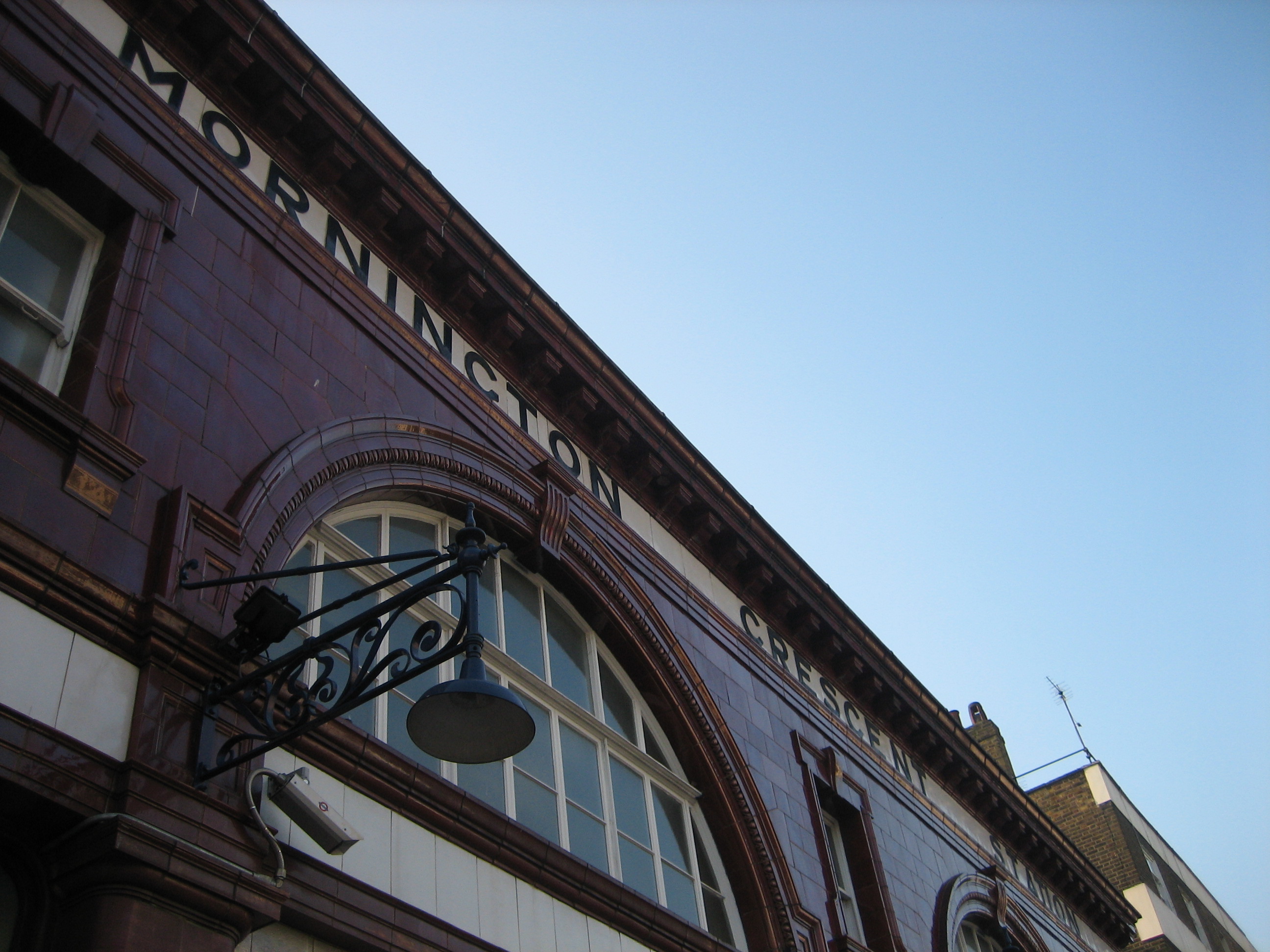
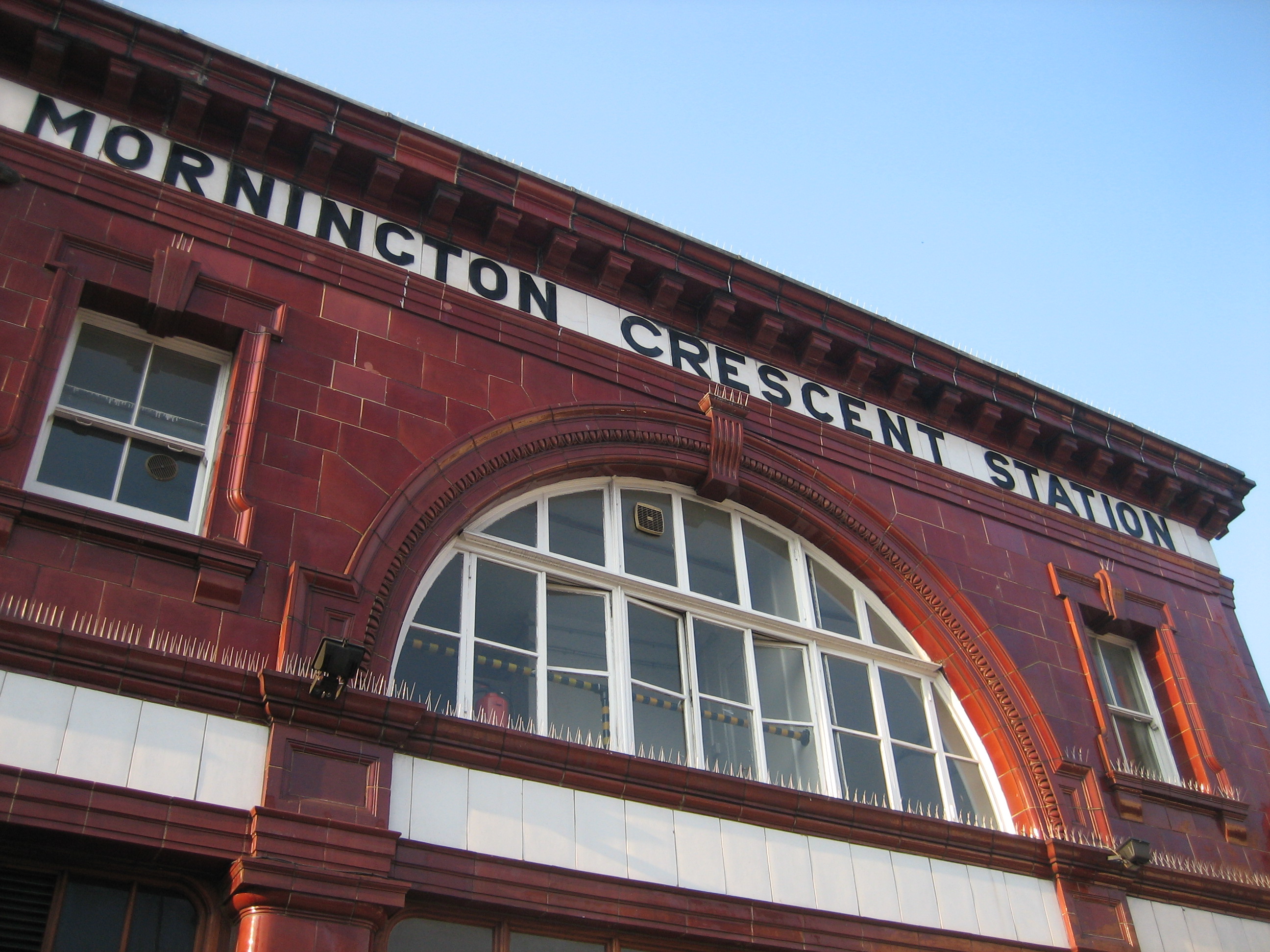
"We've had a letter from a Mrs Trellis..."In previous entries I’ve been a bit down on the efforts of the architect Leslie Green, and not without cause. When you’ve seen one of his two dozen or so creations, there’s little point seeing any more. But I’m prepared to make an exception for Mornington Crescent.

[Cue enormously intrusive cheer from an over-enthusiastic Radio 4 quiz show audience.]

"And teams, today I want you to remember: no transversing on the diagonal"The reason I’m making an exception is because of its location.

The station is not boxed in on all sides by other buildings, thereby rendering its uniform design and texture all the more joyless. It is not undermined by its own limited aspirations, as so many of Green’s buildings seem to be. And it is not cowed by its surroundings, in the process diminishing its personality still further.

Instead it sits grandly at the bottom of Camden High Street, straddling a junction that allows it not one but two grand facades, which the sun flatters and to which your eye is drawn no matter from what direction you approach.

Mornington Crescent station is great in spite of, not because of, its architecture. It also, unlike its architect’s work elsewhere on the Underground, and the panel game to which it has given its name, makes perfect sense.

Pipe down, Radio 4 quiz show fans!

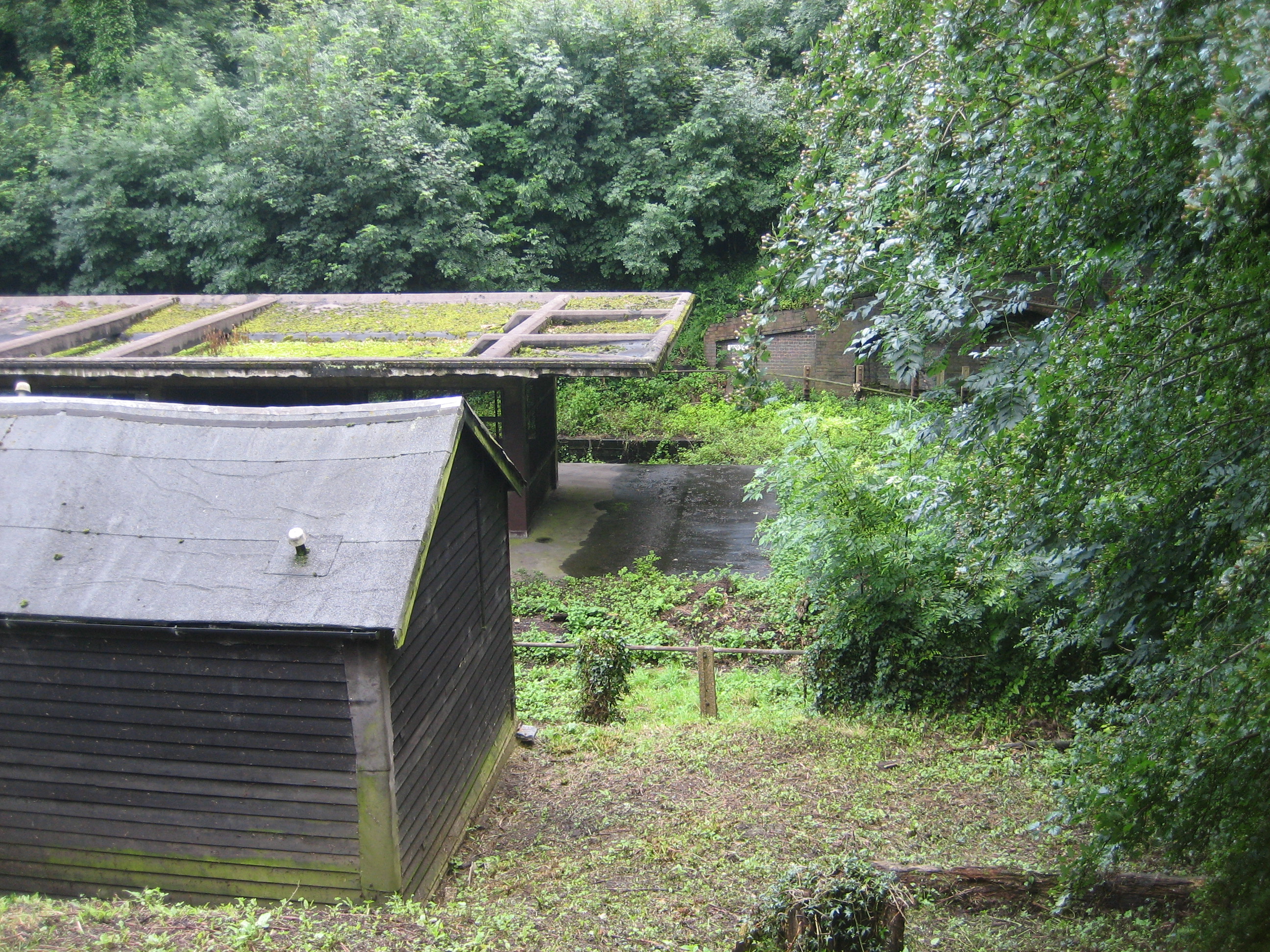
Platform? Shoo!Once there were grand plans for Highgate station. Once it was intended to be a spectacular multi-storey interchange, with entrances on three different levels and platforms above and below ground, all housed within a shimmering giant of a building designed by Charles Holden. Once this was to be the hub of the Northern Heights. Once this was to have been very special indeed:

Highgate to heavenInstead, no-one departs and no-one arrives. It is a ghost station. Platforms and buildings survive, but no passenger train has passed this way since 1954.

The desperate poignancy of this location is compounded by the sight and sound of people flocking into that bit of the Highgate interchange that did get finished: the deep-level Underground platforms, from where travellers today have a choice of two, but only two, destinations: north to East Finchley or south to Archway.

Once you could catch a train from this place to five other destinations. Now, if you want a connection to Cranley Gardens, or Muswell Hill, or Alexandra Palace, or Crouch End, or Stroud Green, you must look elsewhere. The nerves and sinews of the railway network at Highgate have snapped and decayed; the infrastructure is still, wistfully, maddeningly, intact:

The last train has already departedTrains first came through here in 1867. The Underground arrived in 1939. But so did the second world war, along with matters more pressing than the realisation of a triple-decked suburban transport interchange.

What we’re left with today is the top and bottom layers of that triple-decked sandwich, but no middle. There is a gaping hole. You enter or exit Highgate station above the disused platforms, then – via steps (down) or escalator (up) – pass directly over and around them to get to or from the deep-level Underground.

But you can see them – quite well, as it happens, though you can’t get quite near enough to enjoy a clear view.

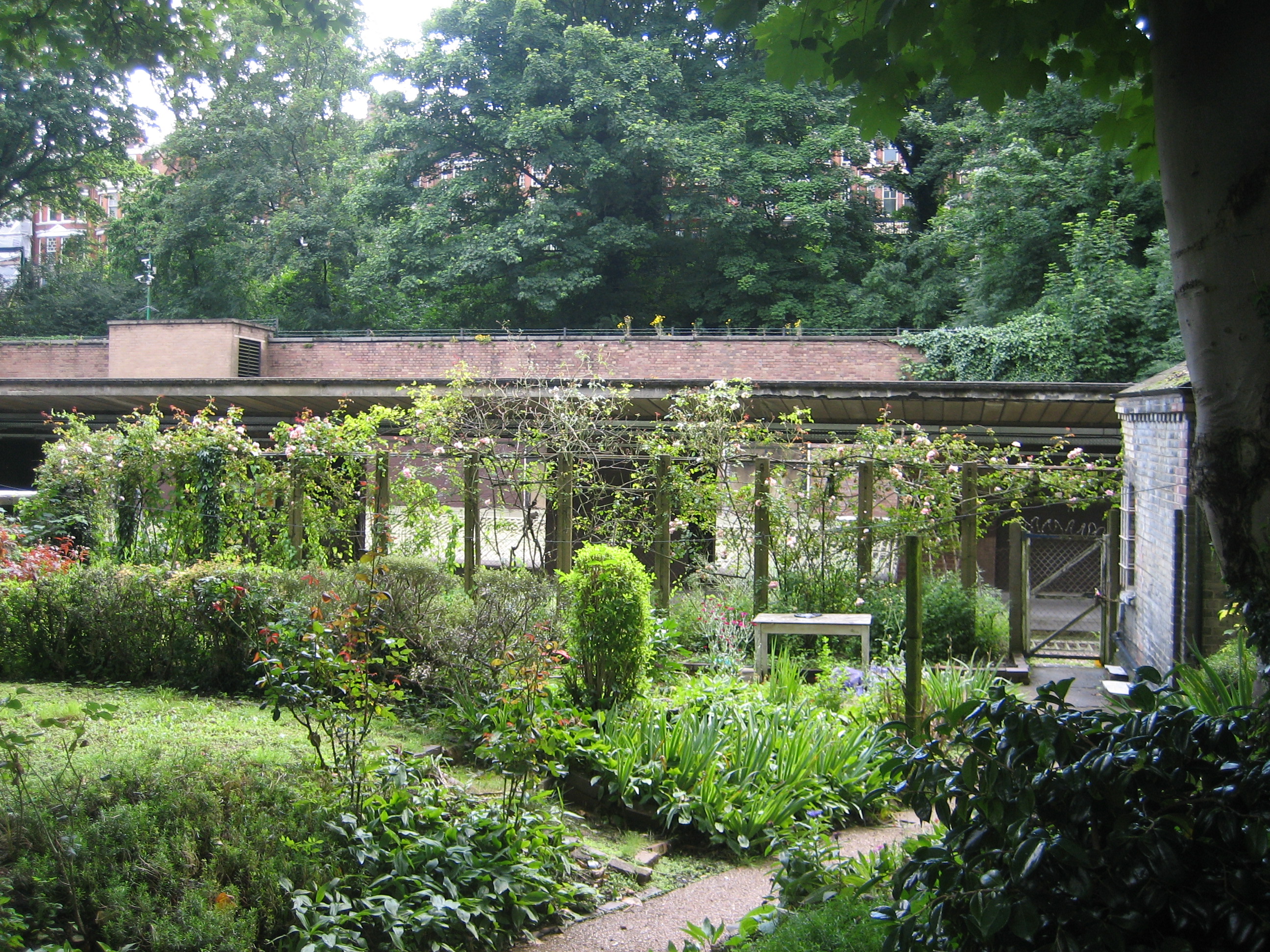
And there is one unexpected treat. The former entrance to the station, along with the cottage once belonging to the stationmaster, is beautifully maintained and tended:

Station masteryLife, of sorts, still goes on at old Highgate station. And I must say, I’m rather glad.

A rockery runs through it