Archive

Numbers 26-50

To the end of the lineWelcome to the end of the line.

I hope I’m not alone in finding this and other London Underground terminuses (or termini, to be classically correct) hugely beguiling. They have an atmosphere you do not find anywhere else on the network. It’s one of precarious, precious stillness. Nothing and no-one can rush in a place like this. Life feels half-suspended, having drifted in from somewhere, but not entirely sure when it will drift on somewhere else. Trains creep in, loiter, and creep out. Time does the same.

These feelings are amplified and embellished when you’re in a terminus like the one at Cockfosters.

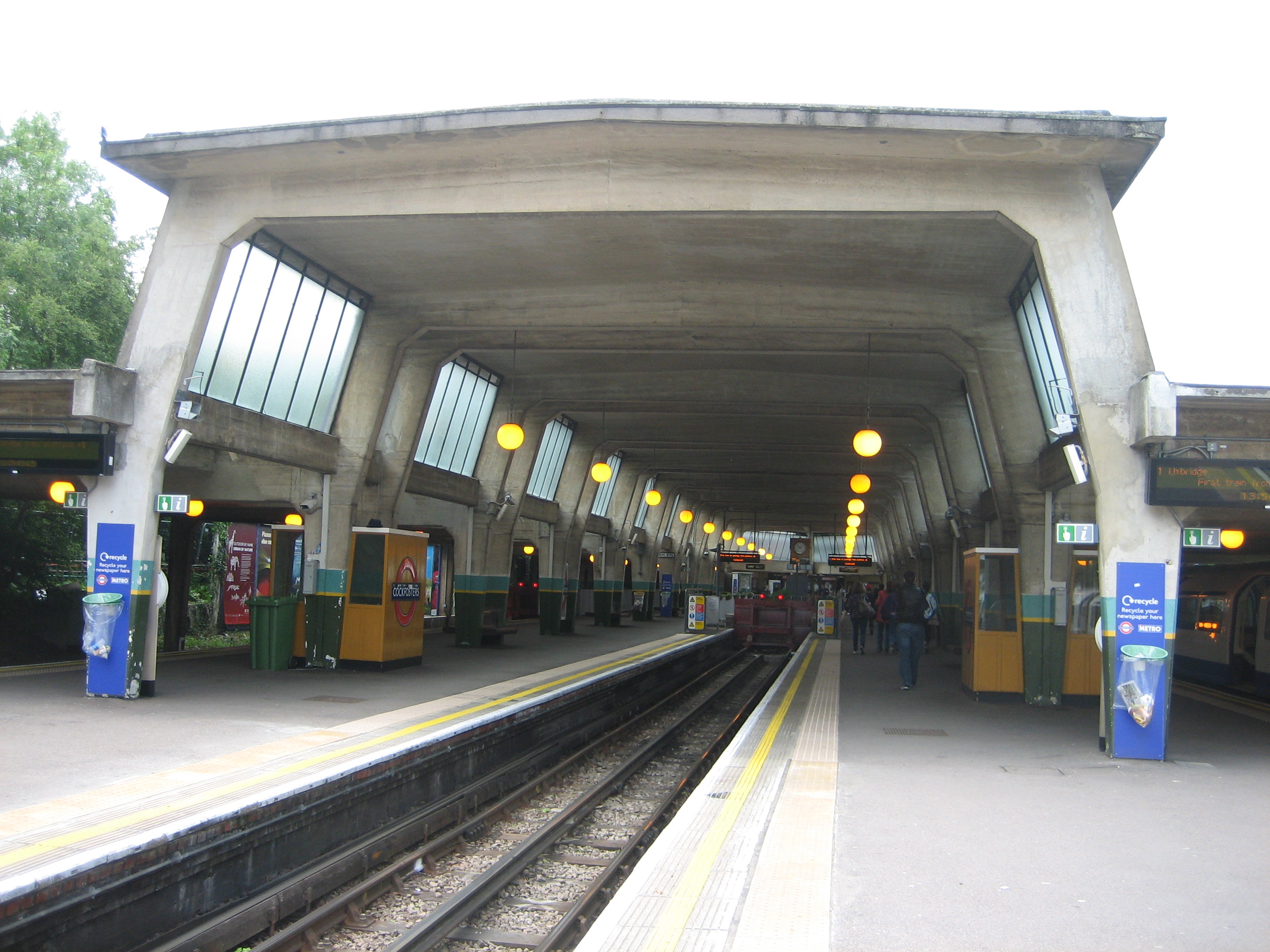
Another Charles Holden masterpiece (yes, him again) dating from 1933, the building seems almost to shiver with languid splendour. Those great grey arches yawn invitingly; the soft lights wink and glow with dapper charm; and all around you the space, the generous, stylish space, circulates with airy, effortless ease.
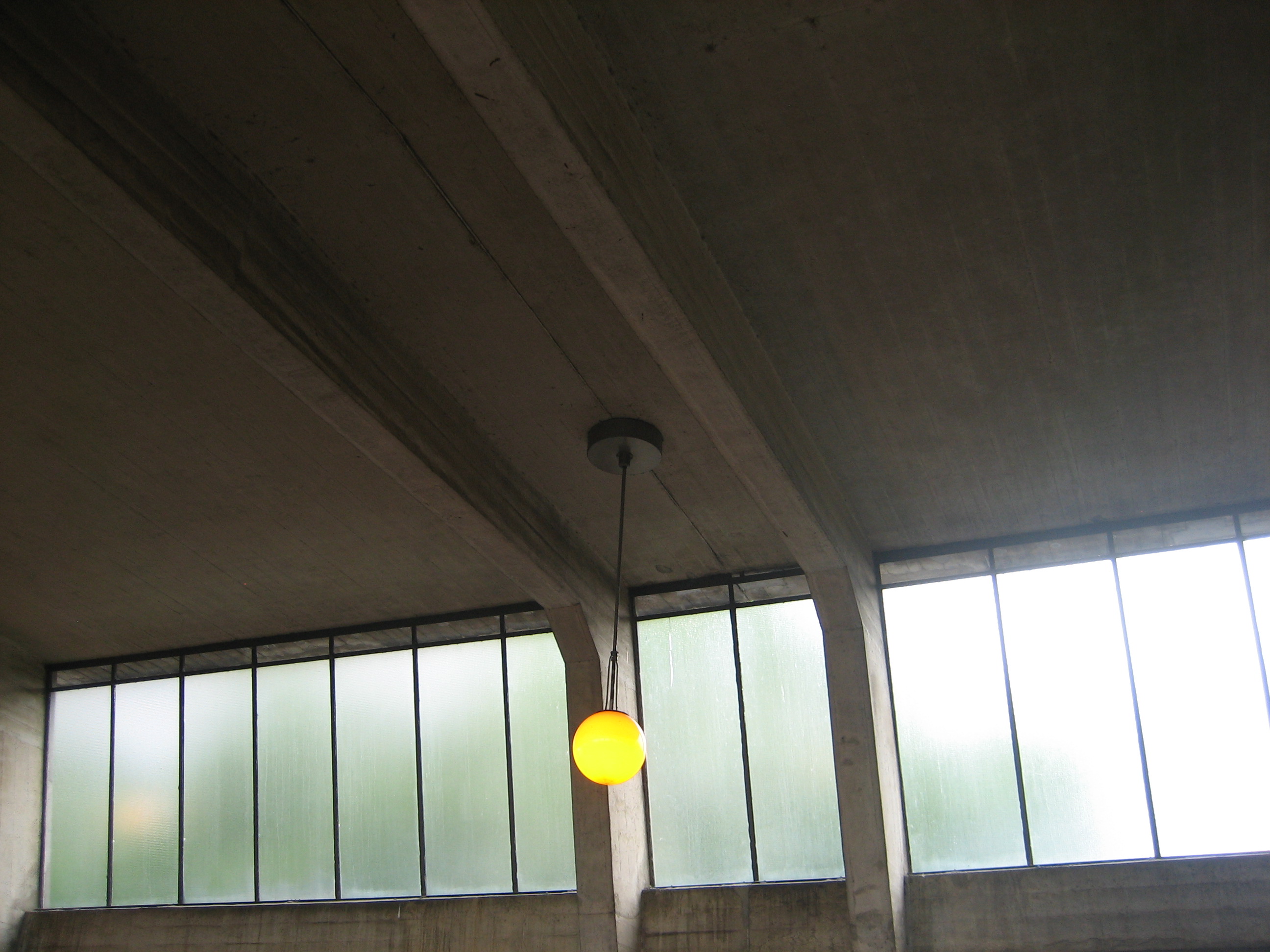
Beginning to see the lightAll the signature Holden motifs are present and correct: reinforced concrete and glass well to the fore, as much natural light as possible, an emphasis on simple elegance rather than fussy ornamentation, and sleek, smooth lines that curve, criss-cross and sidle in every direction.

But there are surprises as well, like this grill, which reminds me of one of Ken Adam’s stark and memorable set designs from Dr No:
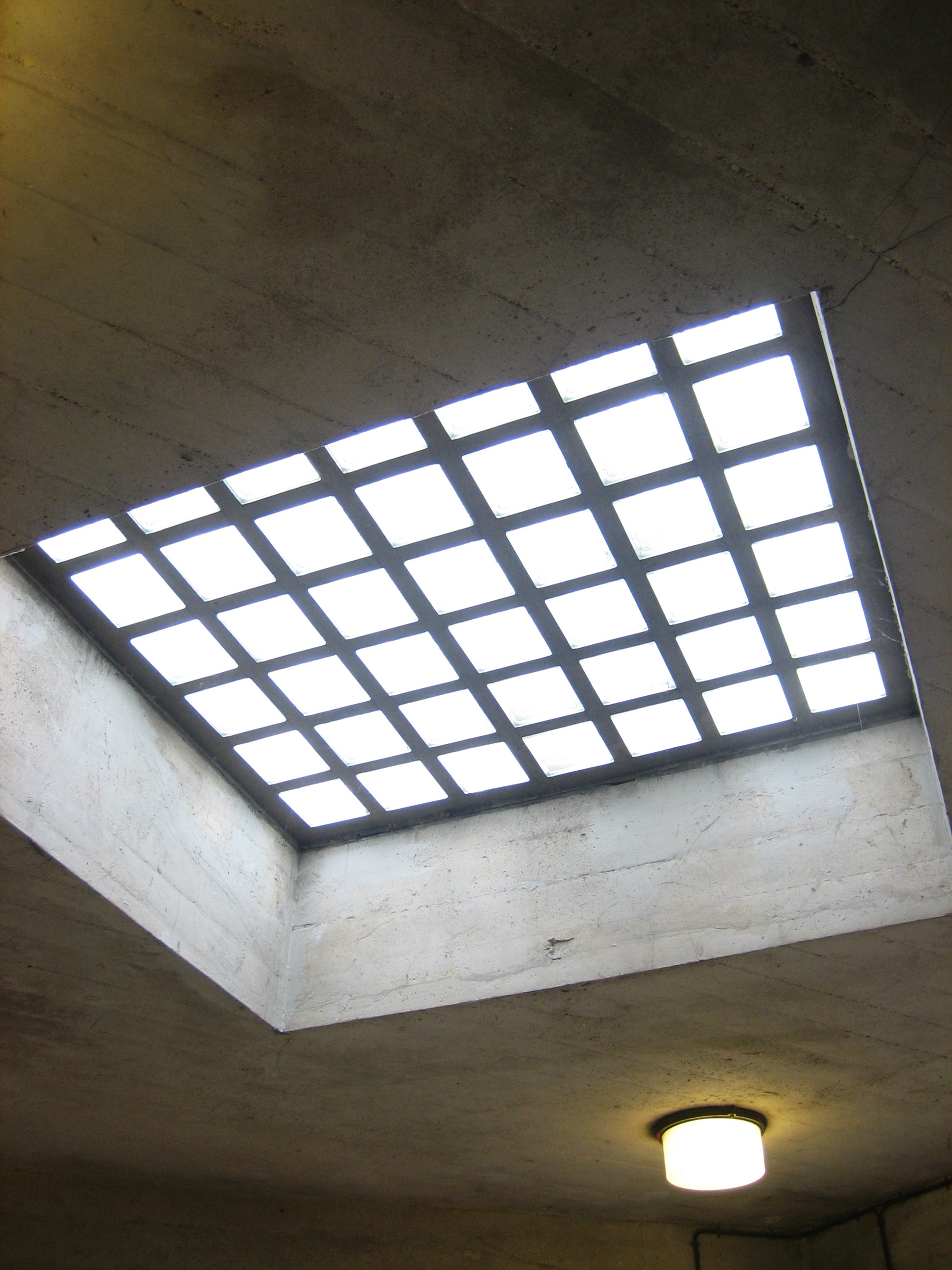
Oh, NoOr this modest attempt at a flower bed:
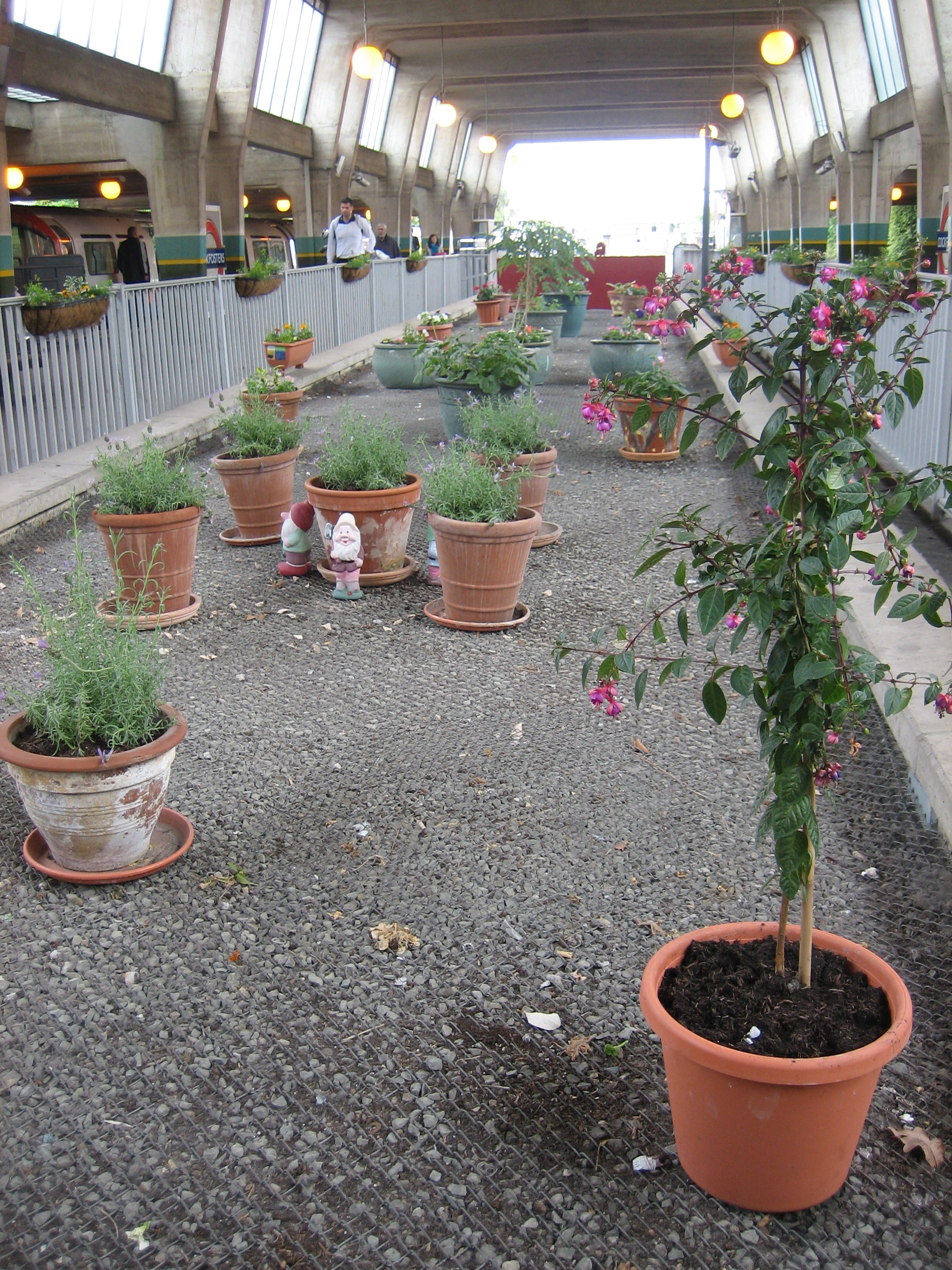
Insert another "blooming" pun hereNecessity means you have to linger in Cockfosters; the station’s glorious interior makes it expedient to do so as well. It is one of the finest places to begin or end a journey to or from anywhere in London.
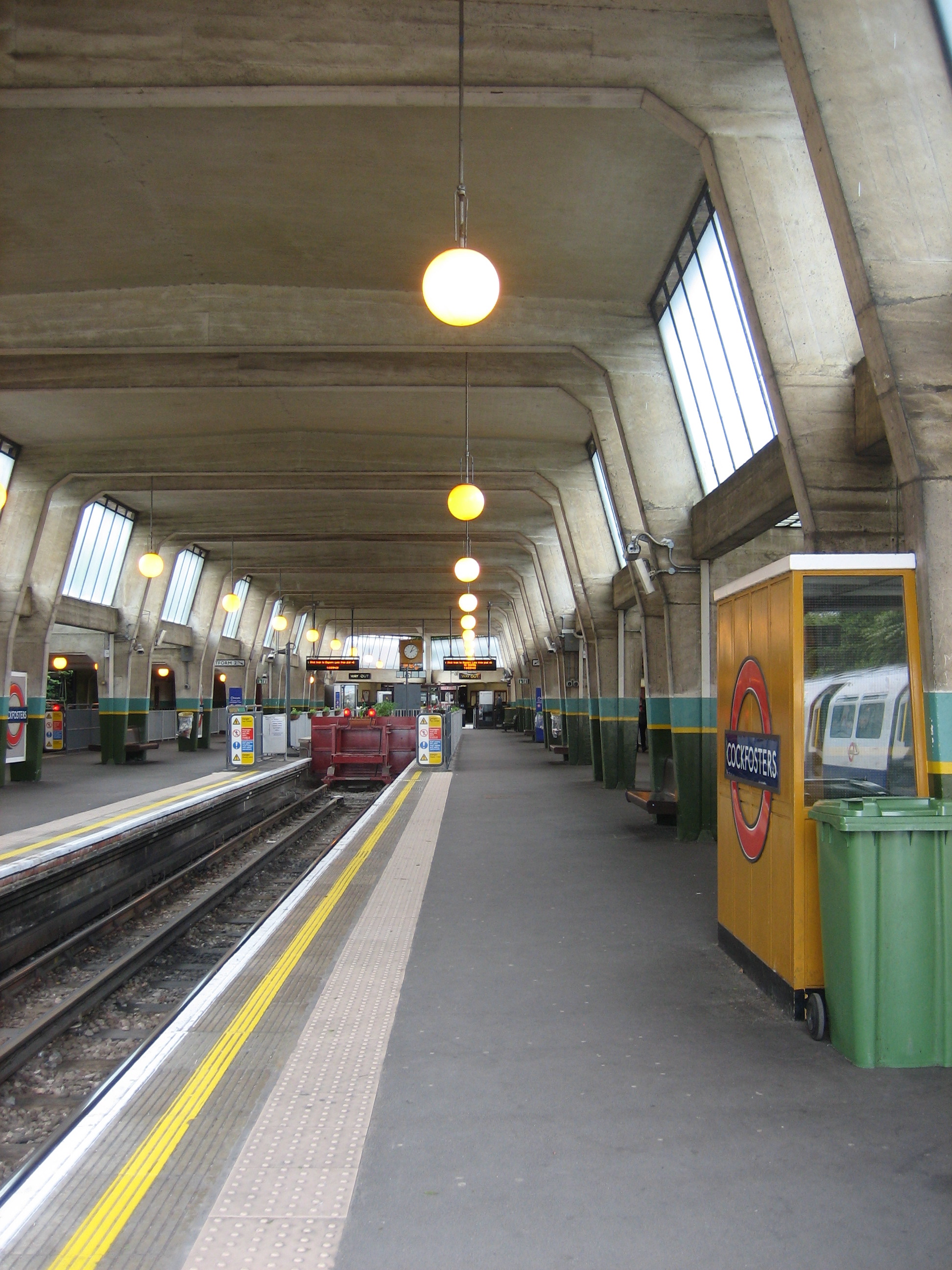
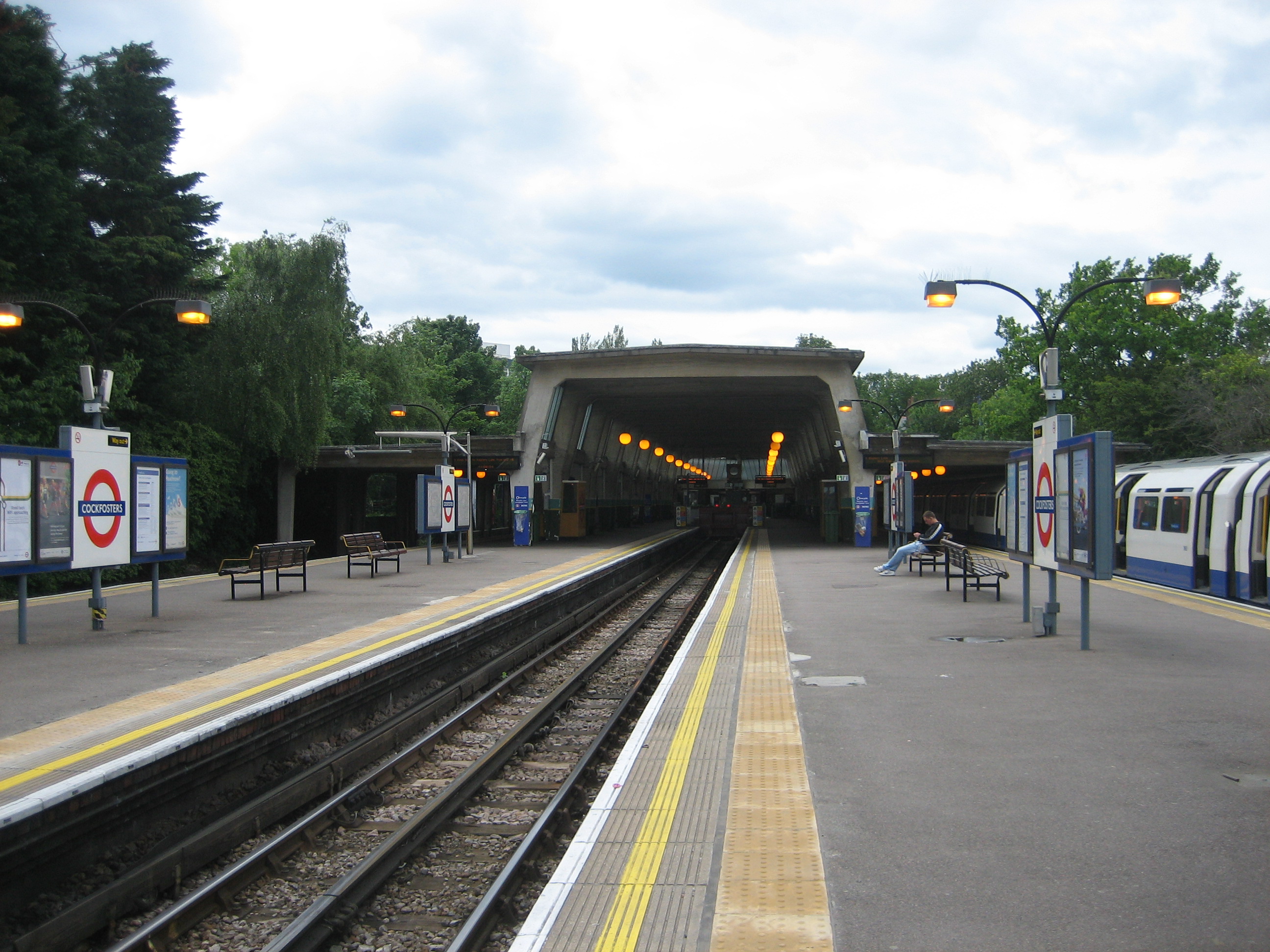
To make an end is to make a beginningSomething happened here

Platform? Shoo!Once there were grand plans for Highgate station. Once it was intended to be a spectacular multi-storey interchange, with entrances on three different levels and platforms above and below ground, all housed within a shimmering giant of a building designed by Charles Holden. Once this was to be the hub of the Northern Heights. Once this was to have been very special indeed:

Highgate to heavenInstead, no-one departs and no-one arrives. It is a ghost station. Platforms and buildings survive, but no passenger train has passed this way since 1954.

The desperate poignancy of this location is compounded by the sight and sound of people flocking into that bit of the Highgate interchange that did get finished: the deep-level Underground platforms, from where travellers today have a choice of two, but only two, destinations: north to East Finchley or south to Archway.

Once you could catch a train from this place to five other destinations. Now, if you want a connection to Cranley Gardens, or Muswell Hill, or Alexandra Palace, or Crouch End, or Stroud Green, you must look elsewhere. The nerves and sinews of the railway network at Highgate have snapped and decayed; the infrastructure is still, wistfully, maddeningly, intact:

The last train has already departedTrains first came through here in 1867. The Underground arrived in 1939. But so did the second world war, along with matters more pressing than the realisation of a triple-decked suburban transport interchange.

What we’re left with today is the top and bottom layers of that triple-decked sandwich, but no middle. There is a gaping hole. You enter or exit Highgate station above the disused platforms, then – via steps (down) or escalator (up) – pass directly over and around them to get to or from the deep-level Underground.

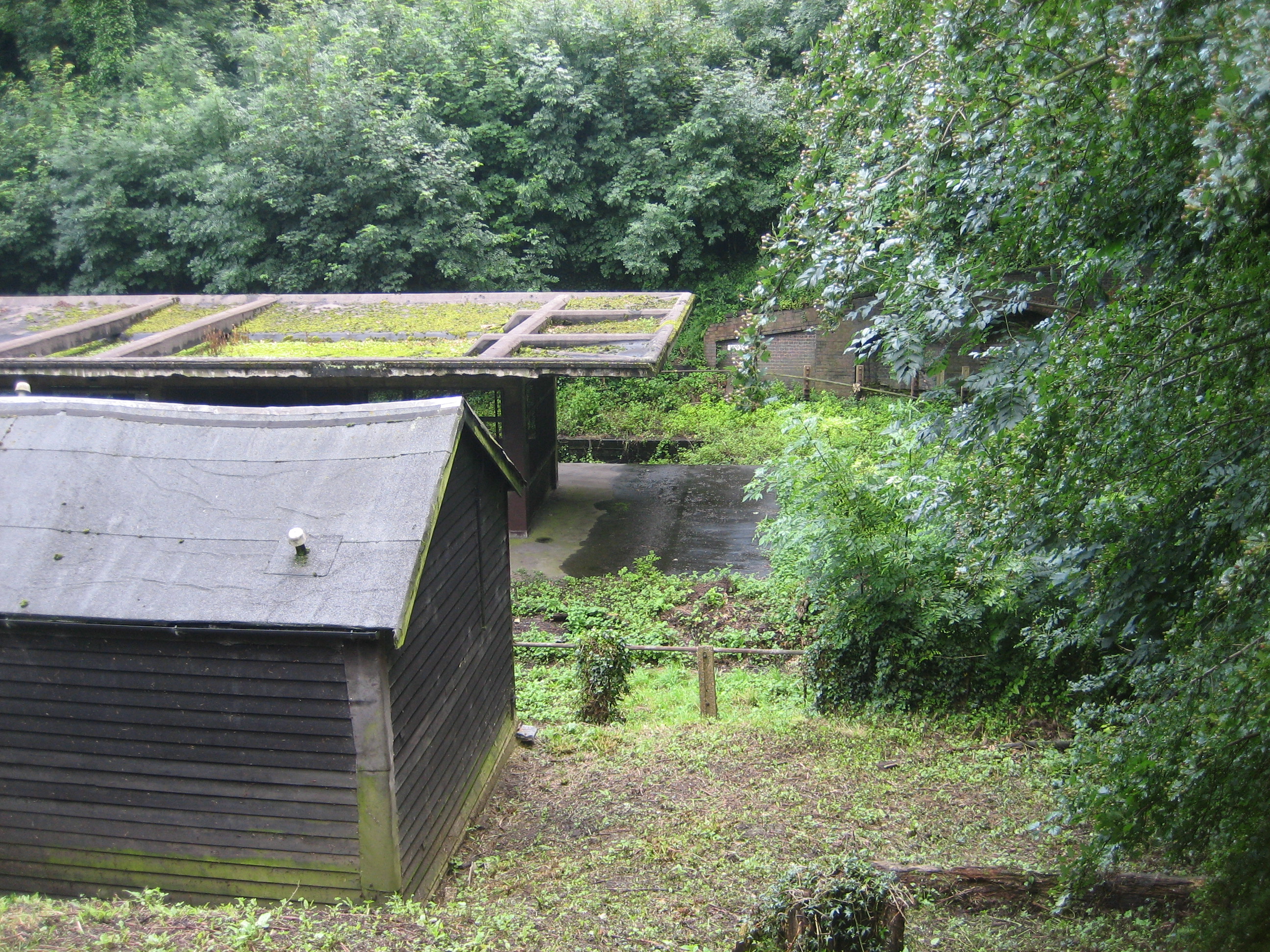
But you can see them – quite well, as it happens, though you can’t get quite near enough to enjoy a clear view.

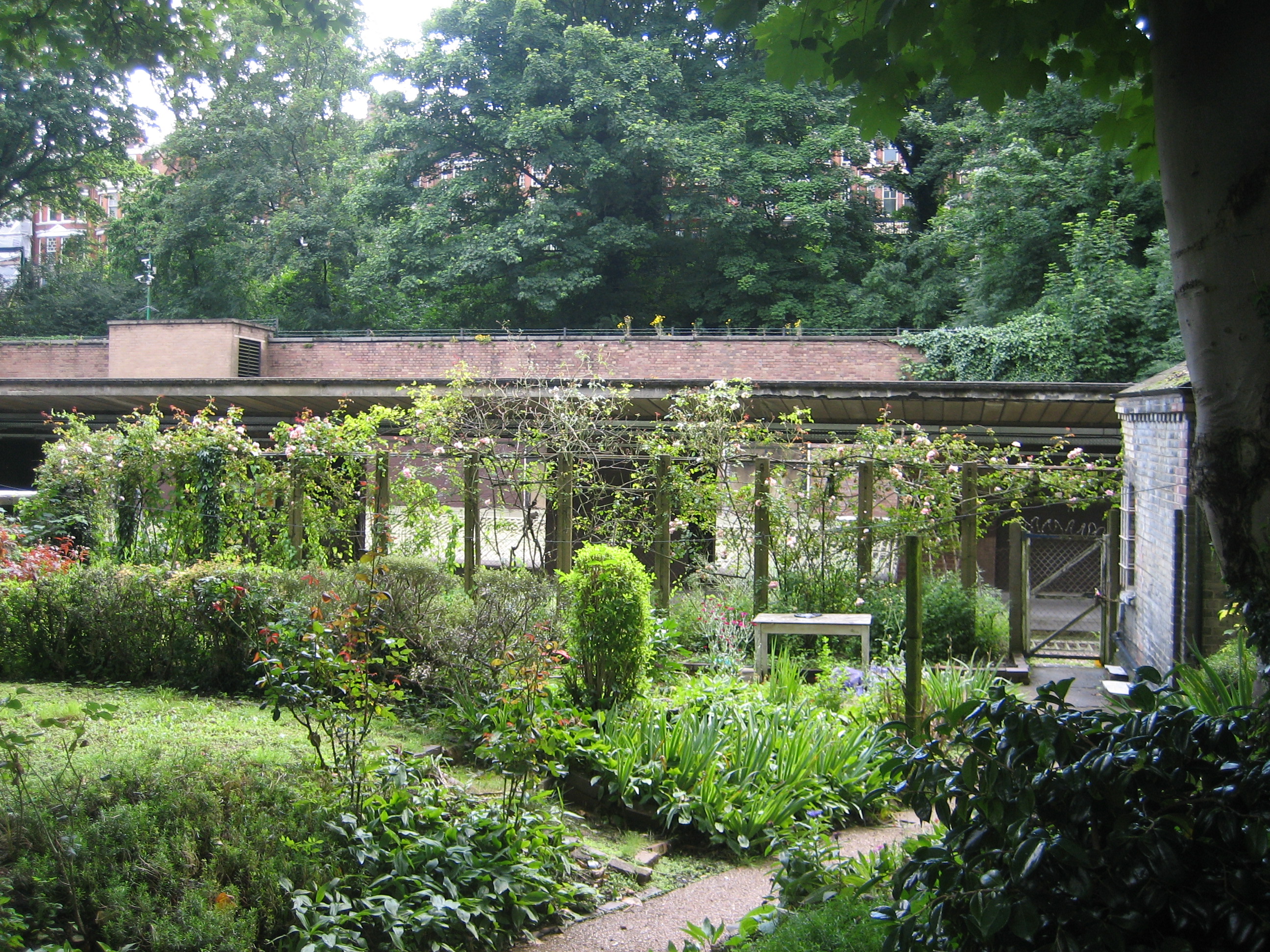
And there is one unexpected treat. The former entrance to the station, along with the cottage once belonging to the stationmaster, is beautifully maintained and tended:

Station masteryLife, of sorts, still goes on at old Highgate station. And I must say, I’m rather glad.

A rockery runs through it

I dream my dreams awayWhen the Piccadilly line was being extended northwards from Finsbury Park to Cockfosters in the early 1930s, the planners faced the challenge of how to get round, get over, or even avoid completely the Pymmes Brook valley. It being the early 1930s, however, this was seen not so much as a vexatious conundrum but a delightful problem meriting an equally spirited solution.

This turned out to be an absolutely enormous viaduct made of 34 arches, opened in 1933 and an instant architectural landmark. It’s still breathtaking today, even if it doesn’t quite live up to the suburban idyll suggested in the initial marketing:

Bridge of sighsFor one thing it’s not nearly that high:

A river runs through itNor is it possible to get that clear a view of the trains passing overhead:

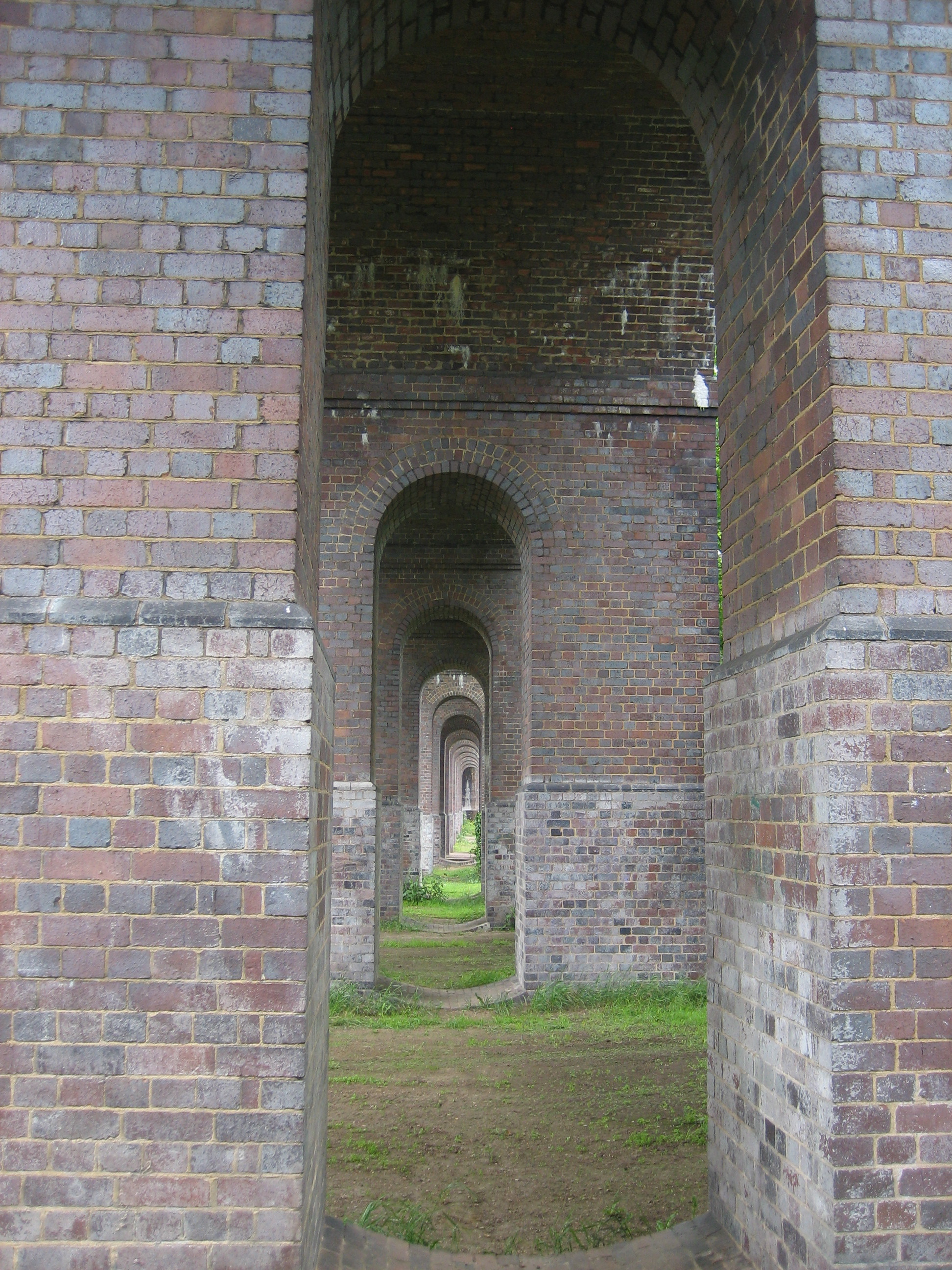
Southbound trainHowever you can wander at will among the magnificently imposing and meticulously aligned arches, whose nooks and crevices conjure up a deceptively never-ending maze of brickwork:

A maze, amazingIt is also, like its cousin in the Dollis Brook valley, an Underground highlight that’s not best appreciated when you’re actually on the Underground. You need to leave the train, indeed leave the station and network entirely, to savour the viaduct’s full splendour. Which it’s well worth doing, even if the reality doesn’t quite match the artist’s impression. But then when does it ever?

The real thing