Archive

Numbers 76-100

Epping 'ellThere’s not much that’s great about Epping as a terminus. In fact, it’s lousy.

The station buildings don’t come anywhere near to matching the splendour of Uxbridge or Cockfosters. They are reticent rather than rampant. Dowdy and lumpen, they look embarrassed to even exist. Which is not surprising, given they manage to be upstaged by a bus stop:
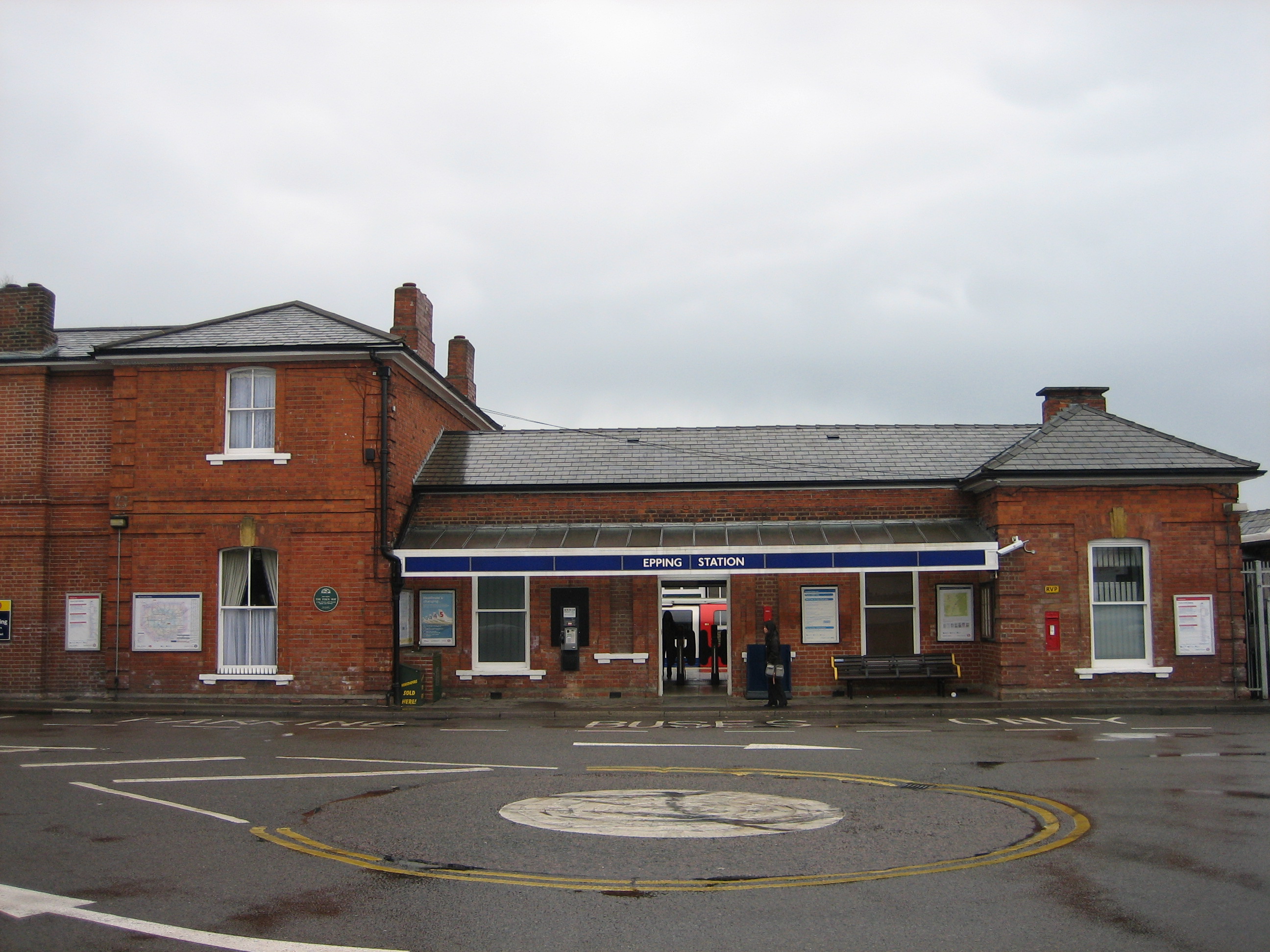
Terminal feelingsNo, what’s great about Epping has nothing to do with its architecture. It’s entirely due to the peculiar yet beguiling sensation it evokes from being the end of the line… but also not the end.
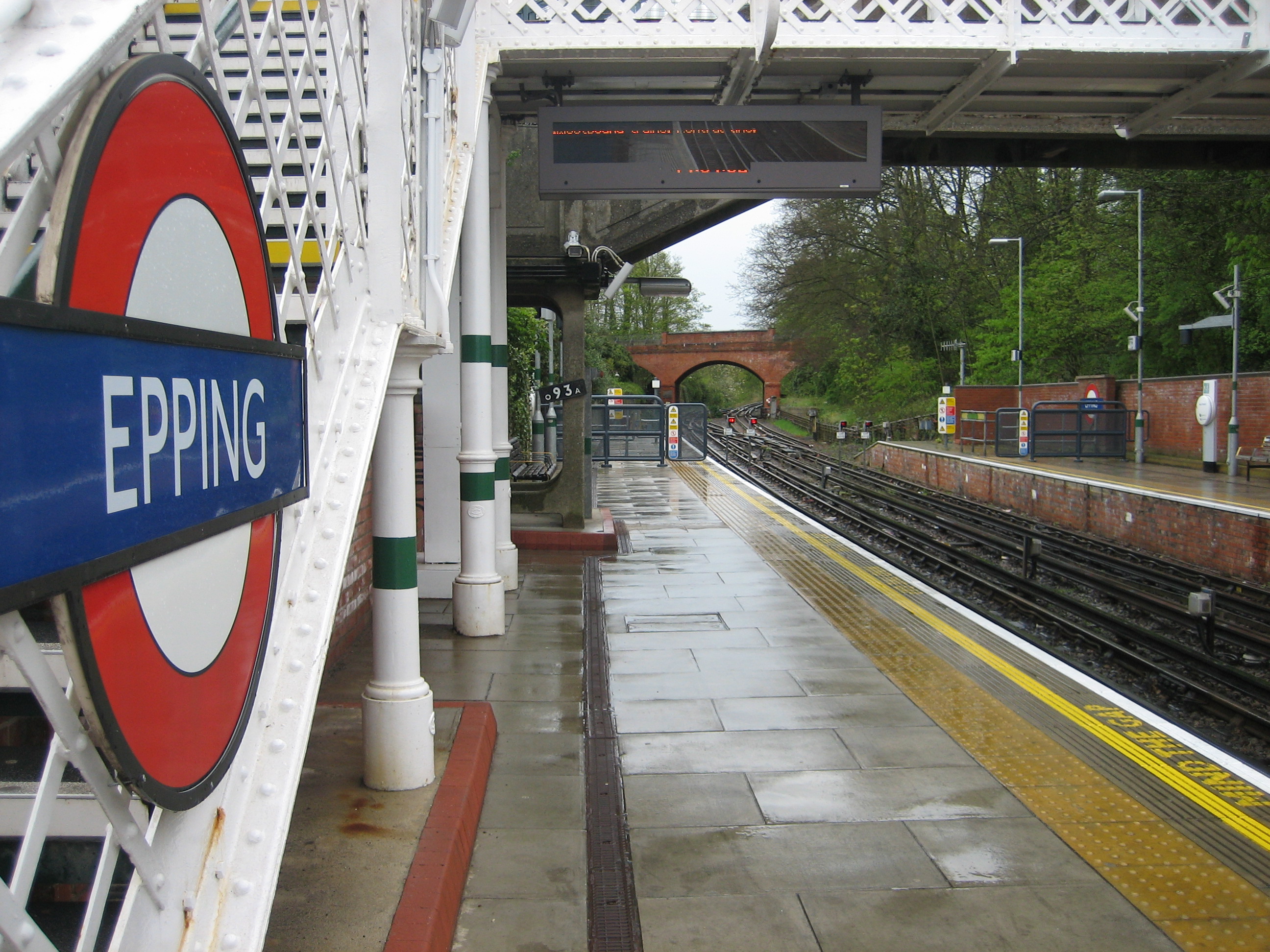
End of the beginning of the lineIf you linger at the far end of the platforms, you can see the tracks continuing round a corner and under a bridge. They tease you with the thought of what lies just out of view. They also taunt you with a memory of how things used to be.

Because not that long ago Central line trains continued down those tracks; the year Tony Blair became leader of the Labour party, for want of a chronological toehold.

Now the tracks are just a broken limb of the Underground, severed from the host. Their presence, but also their purposelessness, give Epping that curious, affecting feel of being neither one thing nor the other.

It’s a station of sad sighs and sidings.

None shall pass

A terminus that isn’t: like a seaside town out of season.

If you like steam trains and packaged nostalgia, an arbitrary chunk of the old “Epping for Ongar” line runs on those days when its private owners think they’ll be enough customers to guarantee a profit.

If you like proper heartfelt if hopeless nostalgia, Epping is open all year round except Christmas Day. Its platforms are going nowhere. Rather like its prospects.
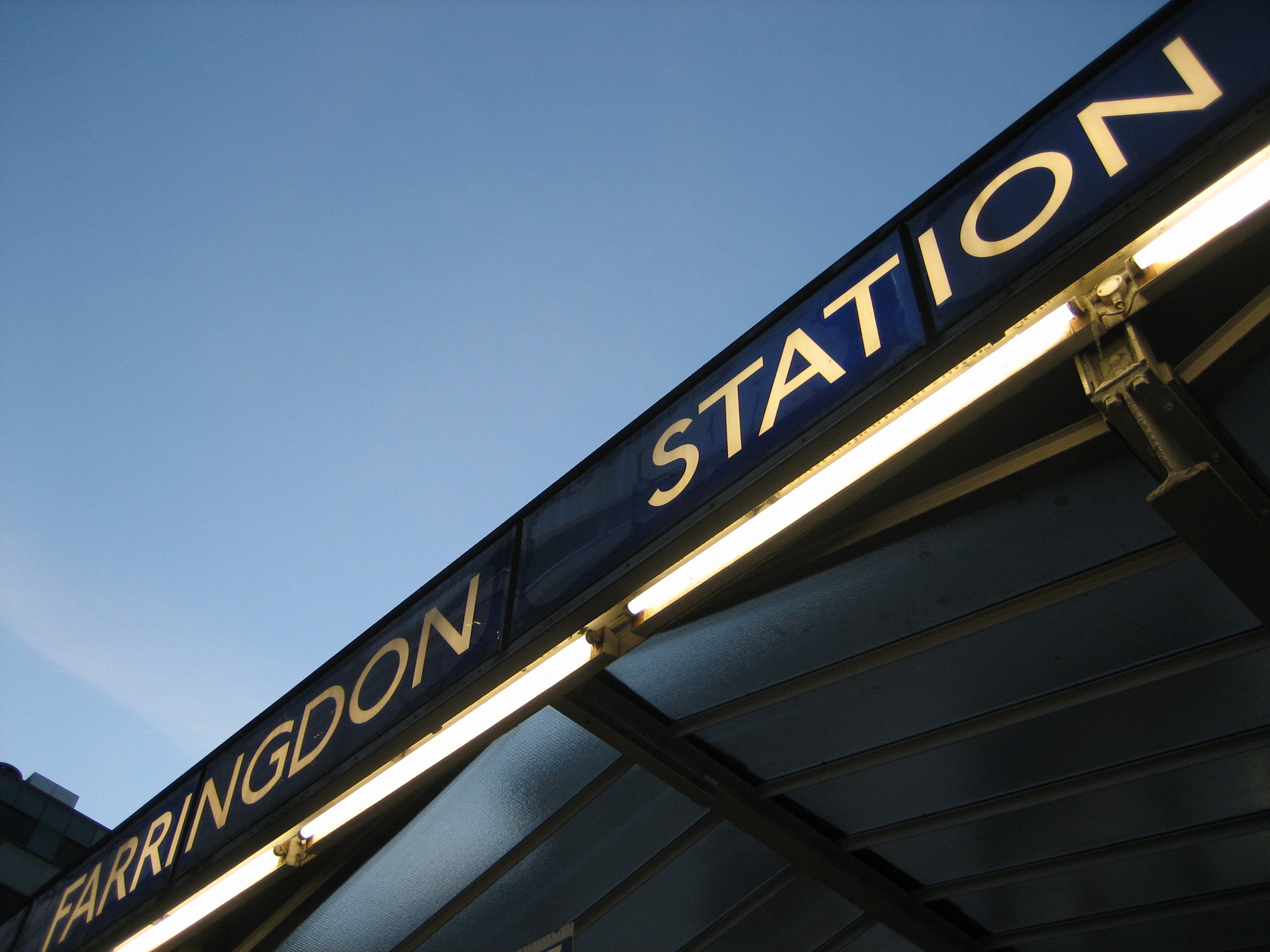
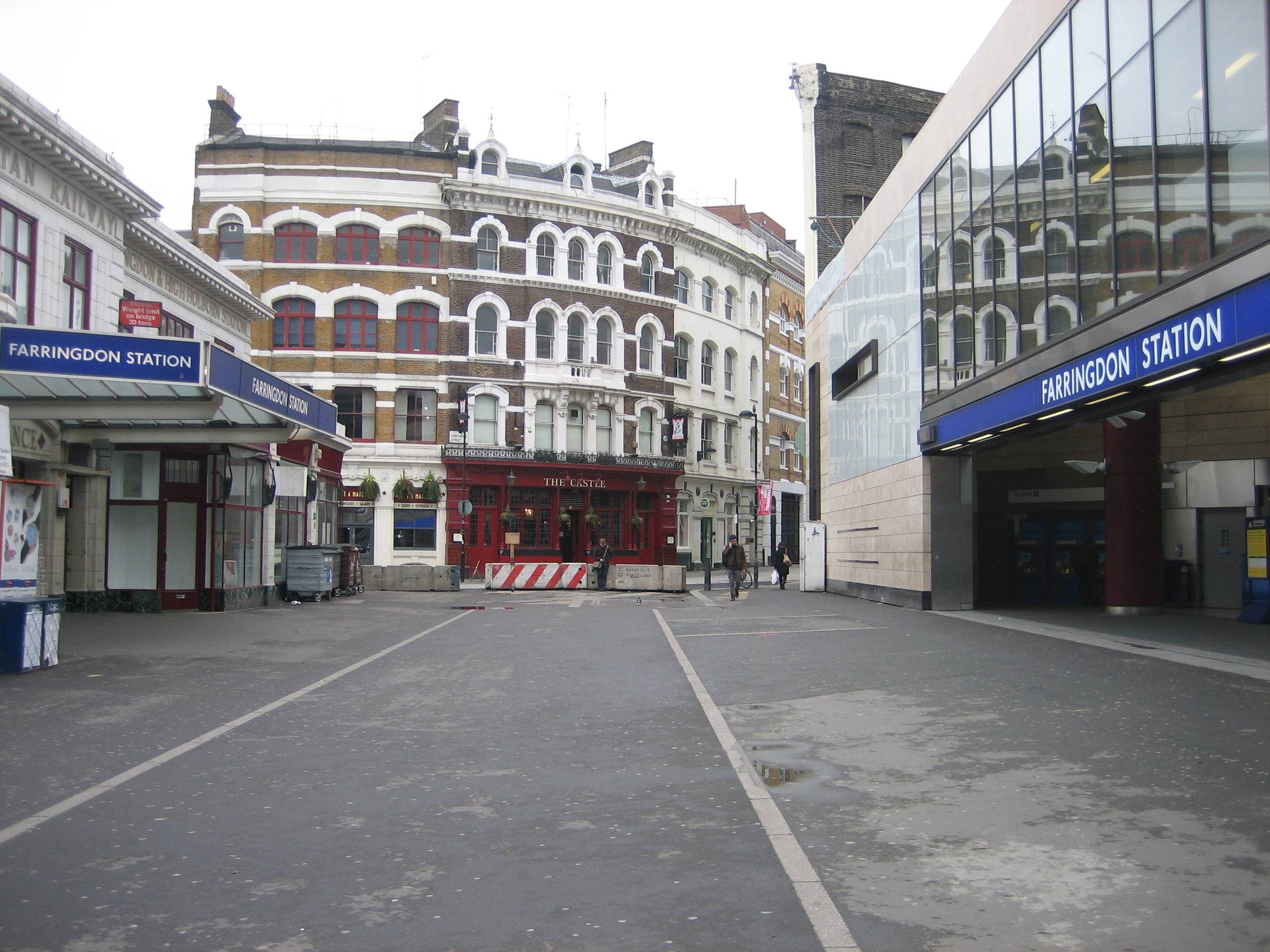
'Don roamingI’m wondering whether I need to create a new category for this blog. Because it’s not chiefly the architecture of Farringdon that’s great – or rather, the architecture of the Farringdons.

No, it’s more the concept. The idea. The notion of the station(s). The way the old and the new face each other, taciturn but benevolent, like two generations of the same family across a kitchen table.

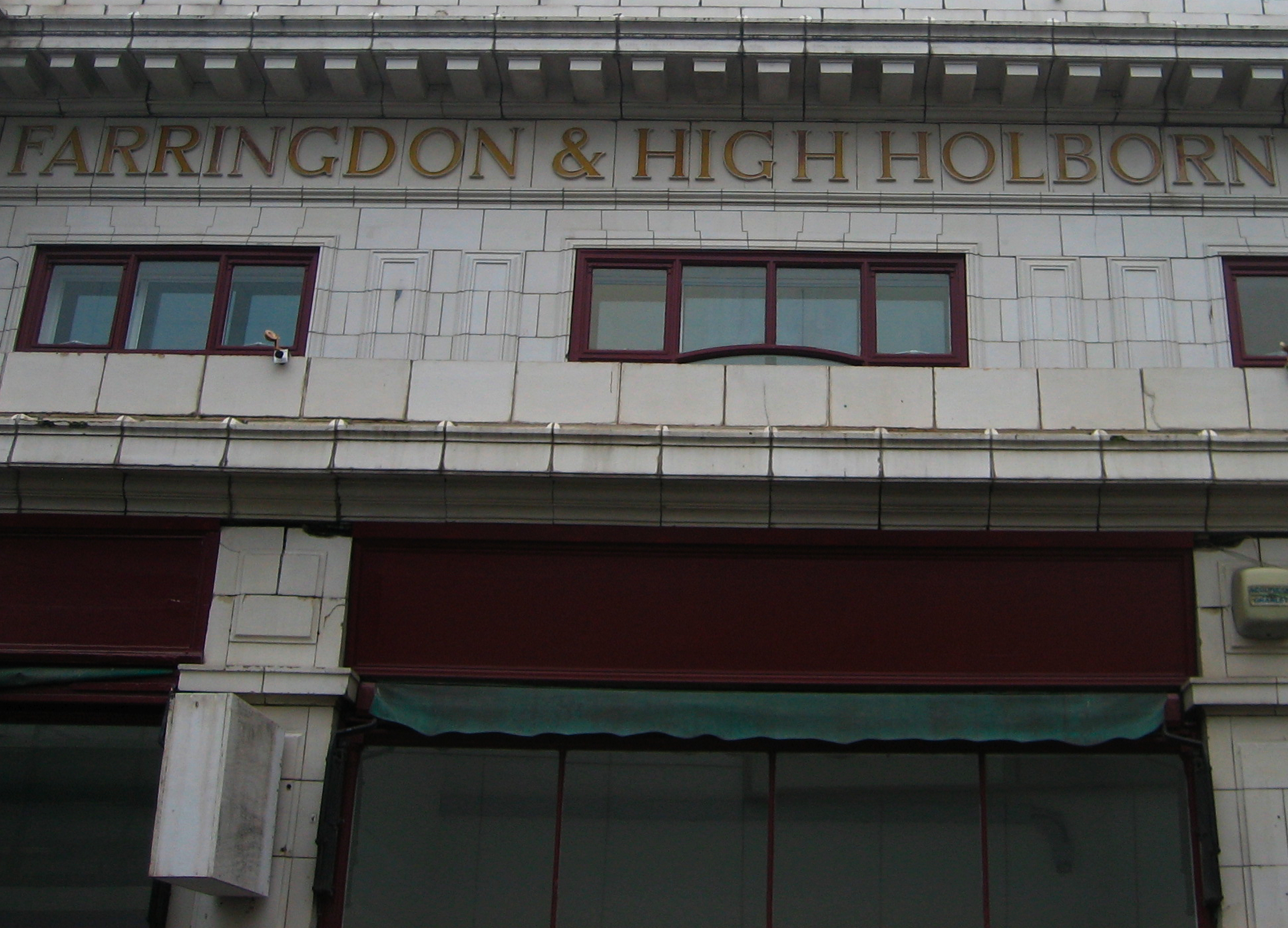
'Don doubleMaybe I’m being ‘Don quixotic. After all, they’re only entrances to buildings. Yet I have to confess to loving the arrangement here. The veteran (left) and the newcomer (right) eye each other with polite detachment, sharing the same name but hailing from very different backgrounds, straddling in just a few paces the Underground’s oldest of pasts and freshest of futures.

Stand in the middle and swivel. You rotate through 150 years of history. Old Man Farringdon shares an age almost as advanced as the network itself and wears its ancestry moderately well, including its brief rebranding in the 1920s as…

Hi, HolbornIts great-great-great-grandson, meanwhile, only has eyes on what’s to come: a career as one of London’s most intoxicating interchanges, where Thameslink meets Crossrail.

Farring-don. And on. And on.Exciting things are destined for the Farringdons. They’re on the way up, climbing the social ladder with a ferocity that would in other circumstances win them recurring fawning profiles in the Evening Standard. While the family retainer creeps towards a third century of patriarchal pride, its stylish new sibling looks set for a lifetime hosting ever-increasing armies of patrons.

Many many millions more people than now will pass through this area in decades to come, either above or below ground. Usage will rise, as will its profile and, hopefully, its sense of prestige. The only thing dropping will be the pantograph.

...and nothing else

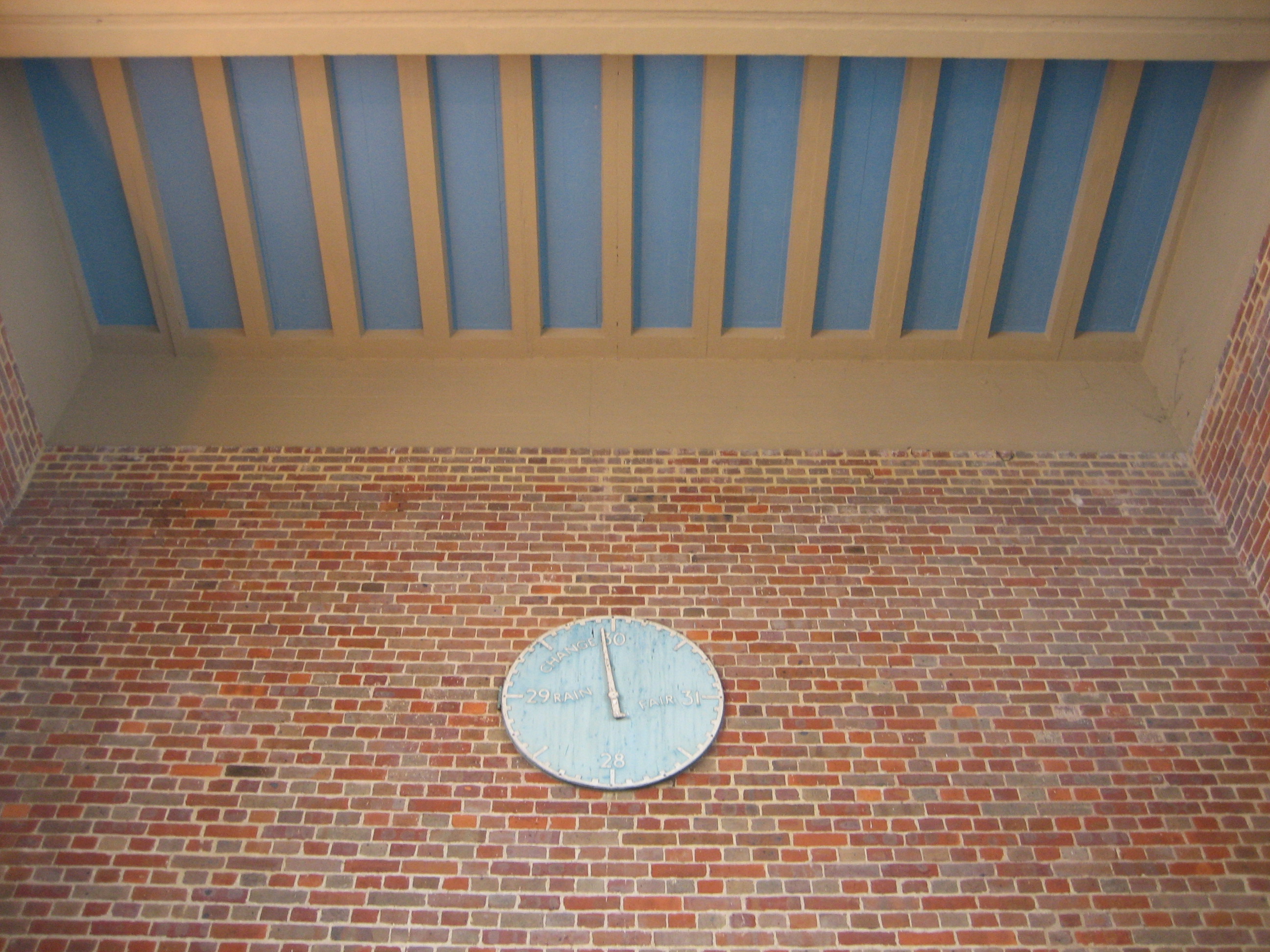
Whither the weather?A lovely touch, this, positioned high up inside Sudbury Town ticket hall.

It’s weathered splendidly* (ho ho), dating from when the station was rebuilt in the early 1930s. I can’t imagine the arrow has been that busy in the intervening years. I forecast that the climate in and around Sudbury Town has and will forever remain cosy and agreeable with occasional Proustian rushes and sentimental sighs.

Outlook: always fineIt is beautifully rendered and brilliantly deployed. Look at how elegantly it rests on that background of clear, cool brickwork. The colour of the face matches that of the ceiling: a gorgeous, calming light blue. It’s only a small detail in a station packed with riches (more of which anon), but commands attention just as much for its style as its novelty.

Facing it across the atrium is a clock, crafted with identical care and elan:

A big hand for a big handAnd suitably armed with both the time and the weather, the passenger proceeds onwards, be their journey on foot or by train.

A big hand, please, for two big hands.

*A pun, not a verb. I don’t think we’ve quite reached the point where the English language has started entertaining the likes of “Switch the TV on, dear, they’re just about to weather the forecast.” If you ever said that, you’d be wrong. Although were you to say: “I’m so glad Tomasz Schafernaker has started weathering for the BBC again,” you’d be forgiven.