Archive

Piccadilly line

Wheel on the wingI could have rounded up all of this station’s treasures in one single entry, but that would have made for a very long read where too many delights jostled for too much attention. So this is the third time I’ve doffed a hat to Uxbridge, and the first in which I’ve stepped outside its walls to see if the exterior holds its own against the glittering interior.

It more than does.

Bridge of sighsWelcome to a Bridge of sighs.

The beautiful sculptures on the top are by Joseph Armitage, who also designed the National Trust oak leaves symbol and provided carvings for a number of the UK’s finest inter-war institutions, including the former Commercial Bank of Scotland in Glasgow.

In a literal sense, the sculptures are wings with wheels. But to me they represent something of the thrill and the wonder that you experience, unprompted, at the start of any long journey: sensations that bloom when you’re a child, but which surely linger inside you somewhere for the rest of your days.

Anything that also commemorates the progressive power of technology is fine with me. Those wheeled wings get extra marks for including leaf springs.

Then there’s the entrance itself, crowned by a glorious chunk of massive fontage:

Man of lettersI’m normally suspicious of a man of letters, but I’d make an exception for these.

Charles Holden and L H Bucknell designed the entire station, including the sleek and dashing entrance, through which characters from Dennis Potter’s Pennies from Heaven quite possibly passed on their way to their latest emotionally cathartic flashback or song-and-dance number.

And finally there is this, standing alone in front of the entrance, reaching into the sky, a beacon for the town and signpost to the city:

Perfect circleIt might be 15 miles west of Charing Cross, but Uxbridge station is one of London’s finest monuments.
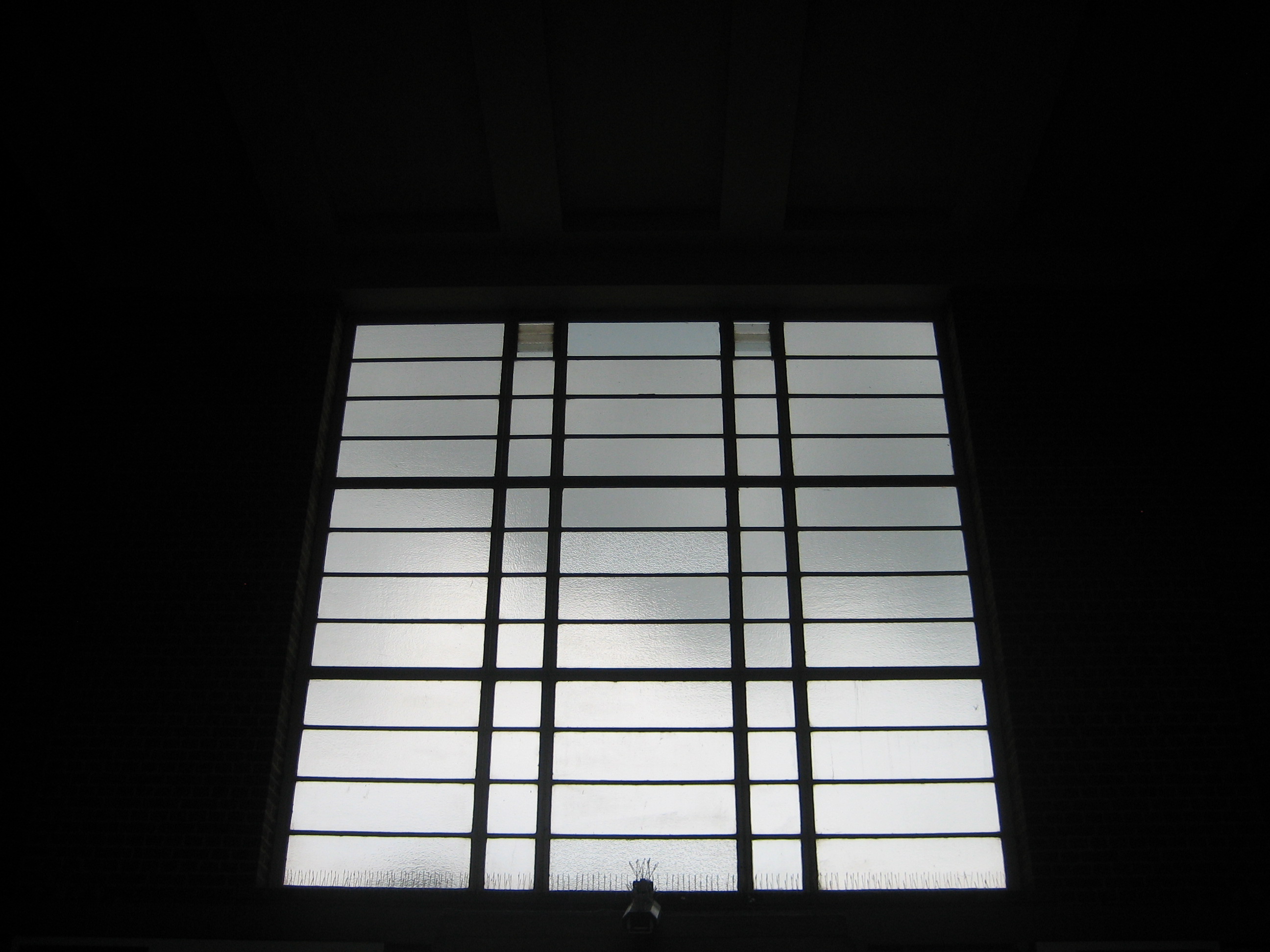
Through a glass darklyDarkness can be just as attractive as light on the Underground.

In the hands of the right architect, it gets deployed for mathematical as well as sensory effect. It becomes more than something to be accommodated expediently, and instead resembles something to be manipulated skilfully – and daringly.

The gigantic ticket hall at Eastcote is one such an example. The darkness doesn’t cling to the shoulders of people passing in and out, or lurk pointedly in the corners of your eyes. It’s only there if you want it to be there. Yet its presence isn’t an accident. It is part of the design.

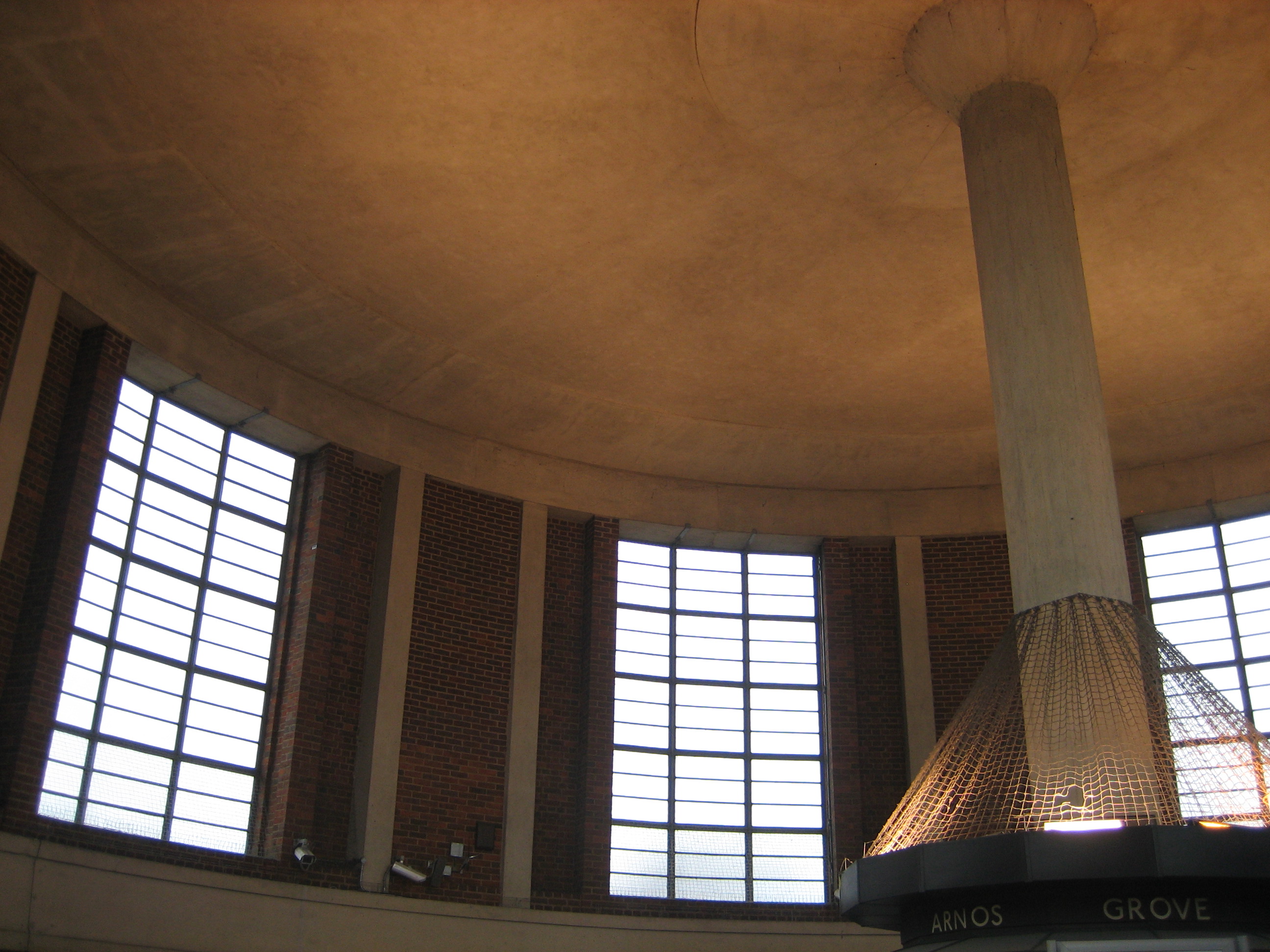
I'll get me 'CoteBrick, concrete and glass: the holy trinity of 1930s-era London Underground. But it’s modernity, not divinity, that guided the construction of this cunningly beautiful station, both in principle and practice. Light pours in; darkness pours out. The enormous glass panels are dazzling whichever and wherever you look at – and through – them:

To say the very EastThe secret to all of this? Height. Look how tall the ticket hall stands. Think how much brightness is deliberately allowed inside. Then consider why it is that so many of the greatest Underground stations reach so far above ground. There’s a sort of inverse proportionality going on here, but I’m stumped if I can express it as an equation.

Well, other than light + dark x Charles Holden = something profoundly illuminating.

I’ll get me ‘Cote.

Up the 'GroveBefore I moved to London, the most exposure I’d had to Arnos Grove came from its appearance in Saint Etienne’s glorious song from 1991, Girl VII.

Here, the station is namechecked as part of a dazzling roll-call of locations both provincial and exotic, which (quite rightly) elevates the likes of Dollis Hill and Chalk Farm to equal status with San Clemente and Bratislava. And all to a disco beat.

Like almost everything Saint Etienne have ever done, Girl VII gets under your skin and is impossible to resist – two qualities also true of Arnos Grove itself.

The sound of drumsGarlanded and canonised like no other Underground station, Arnos Grove still defies even your highest of expectations. Moreover, it seems to be able to do it again and again. Every time I visit, there’s some aspect of the architecture or sensation created by the light and the shadows that affects me in a different way. It never lets you down. I’m not sure anywhere else on the London Underground can do this.

The interior wears its heritage and its awards with pride. But it deserves to. This is a very special place, which – unlike other works of popular culture that top critics’ polls with the charmless thud of Del Boy falling through a bar – utterly warrants its lauded reputation. Perhaps this is due to the notional incongruity of an Underground station being also a piece of art, though countries such as Germany and Sweden, from where Charles Holden took inspiration for the building’s appearance, surely would not consider such a relationship incongruous at all.

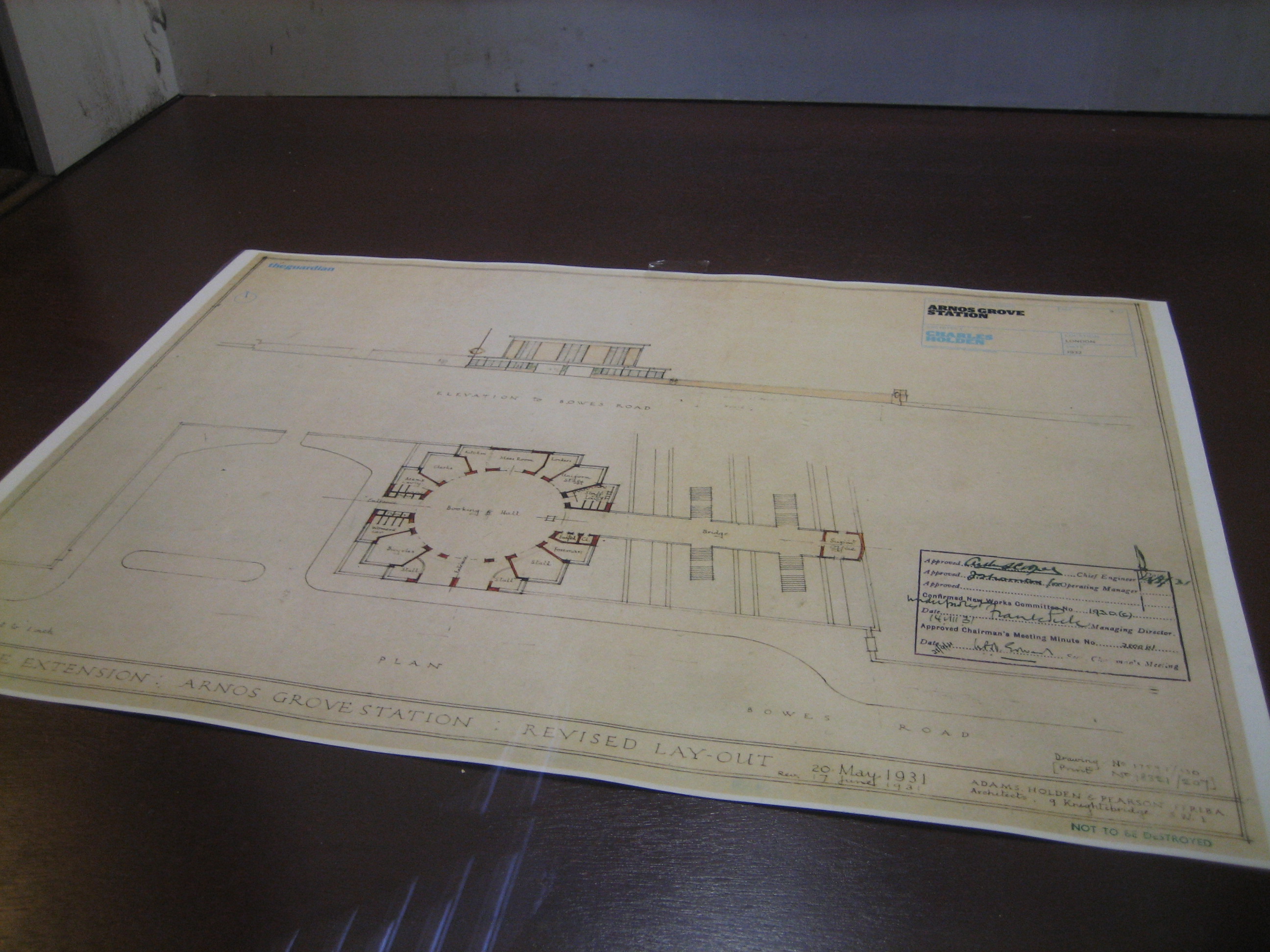
The masterplanHolden’s approach to the design of Underground stations reaches its zenith with Arnos Grove. The function of the building enjoys a marriage with style that is the happiest of any such union across the whole network.

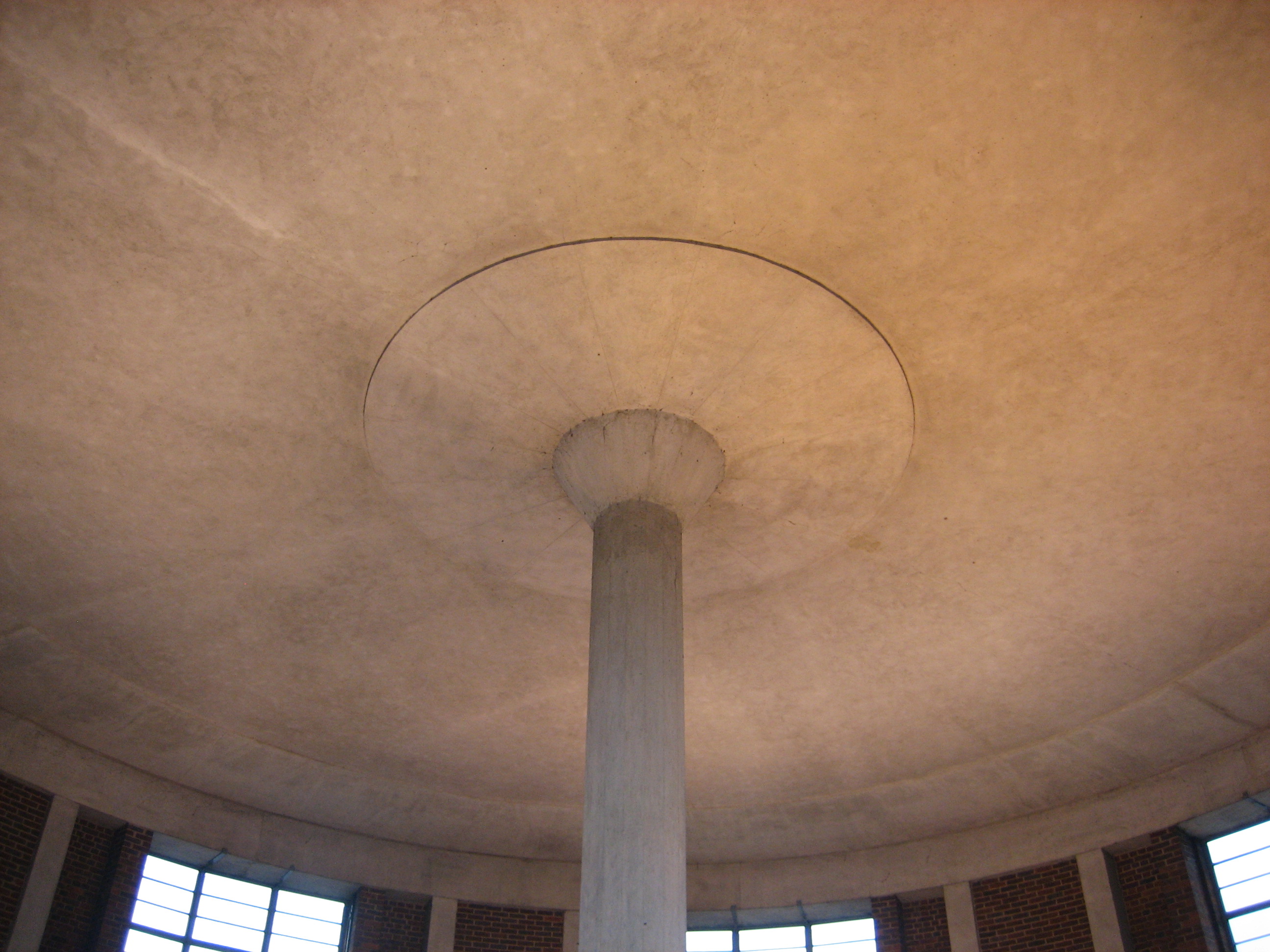
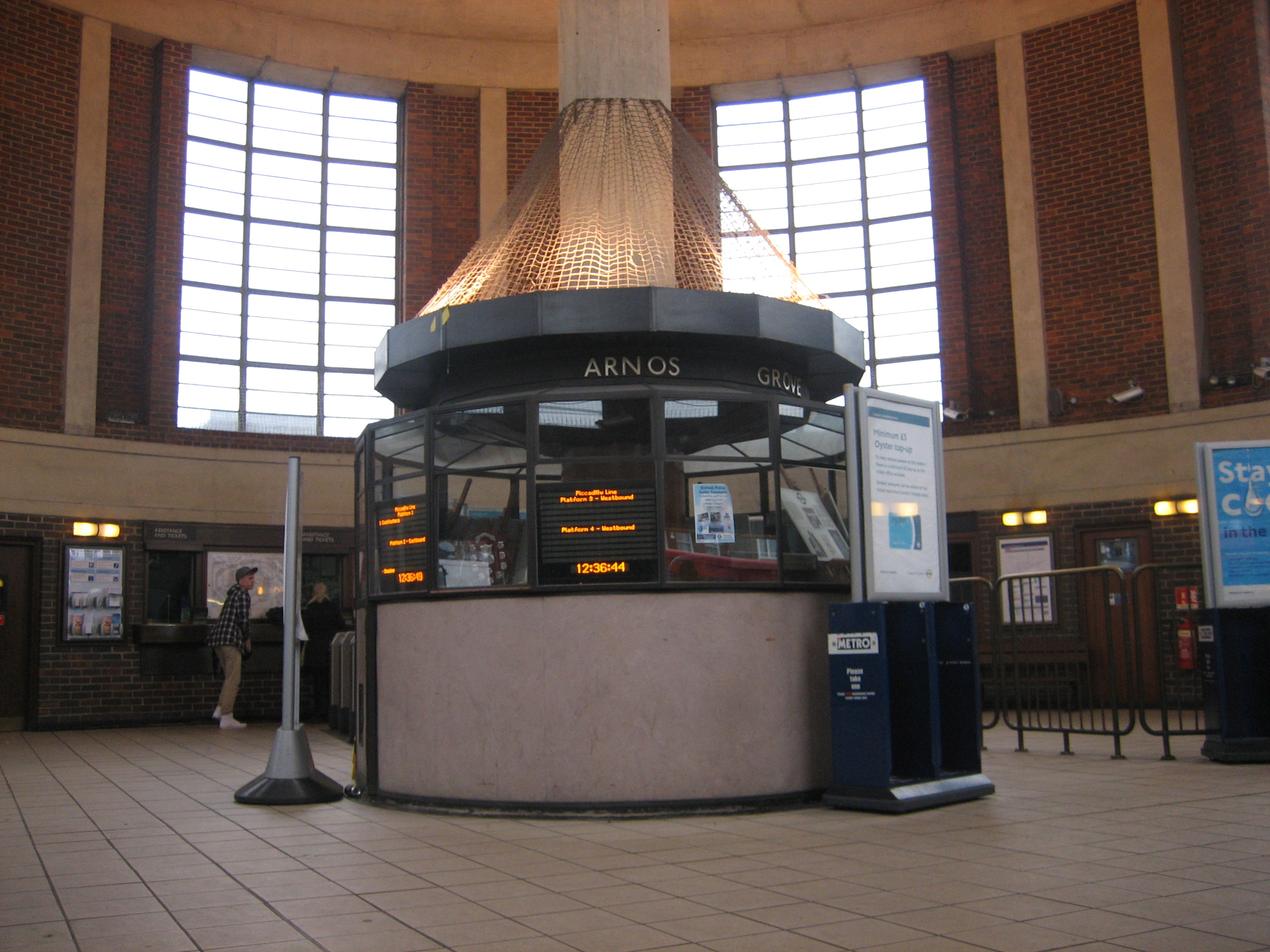
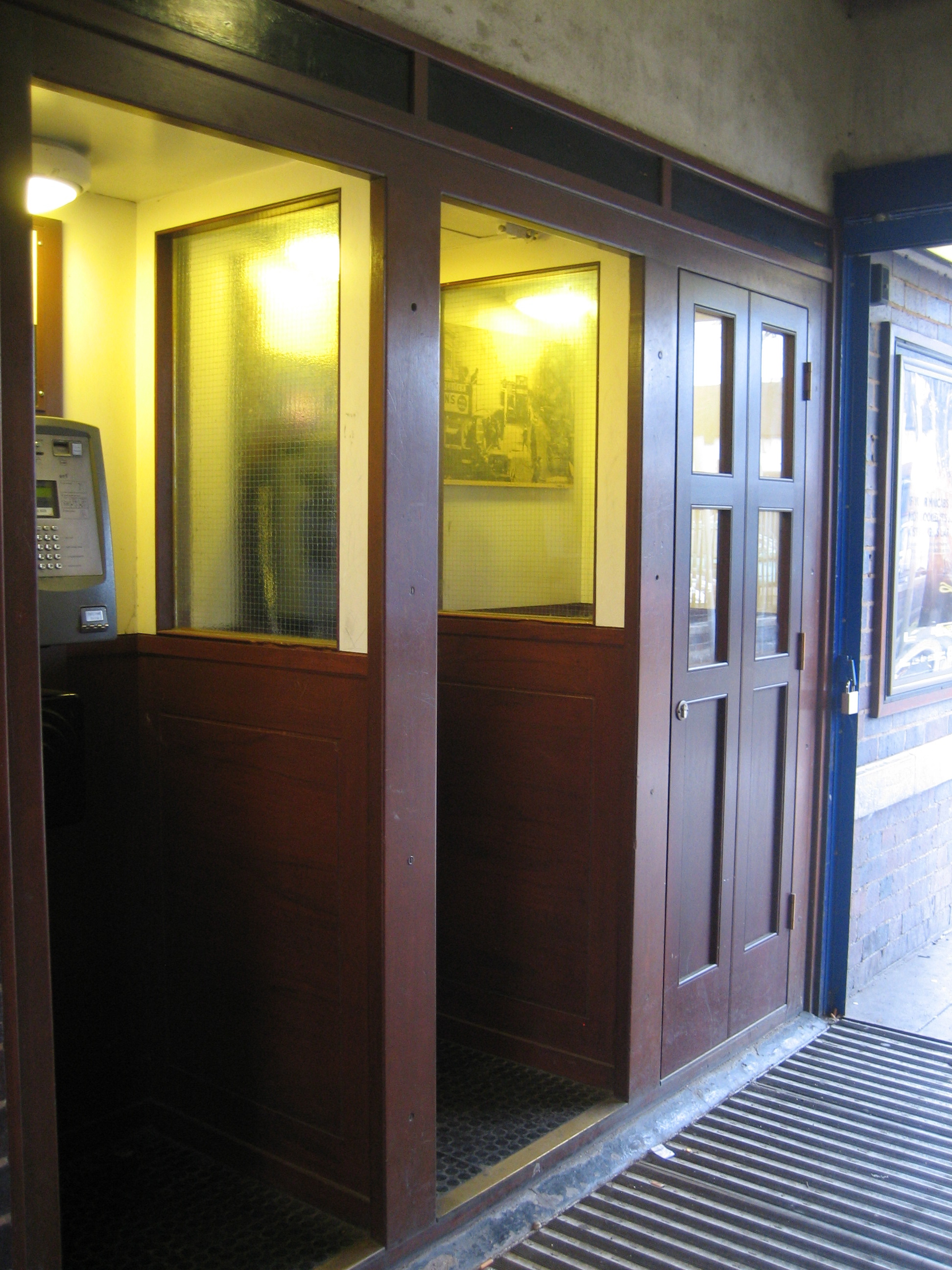
The enormous drum and central passimeter that together form the basis of the interior act as both an instruction, making plain exactly where you need to go for tickets, telephones and trains; and also as an illumination, rendering the purpose of the station elegantly self-evident while literally casting or reflecting light upon everybody and everything inside.

A vision burns brightly in this outpost of artistry high in the suburbs of north London. It’s one that doesn’t simply impress; it shepherds and reassures and becalms. No wonder one appraisal of the station ranked it on a par with the likes of the Pompidou Centre and the Sydney Opera House.

Another, more official evaluation upgraded Arnos Grove to Grade II* listed status in July 2011. The man who approved this, John Penrose, was sacked by David Cameron in the cabinet reshuffle of September 2012.

An illuminated callLike Ulysses by James Joyce, Arnos Grove is a modernist classic. Unlike Ulysses, Arnos Grove is something you will enjoy finding your way in and out of, and to which you will want to return again and again.

As for the station’s exterior… that deserves a separate entry all to itself.

Light fantastic