Archive

Zone 4

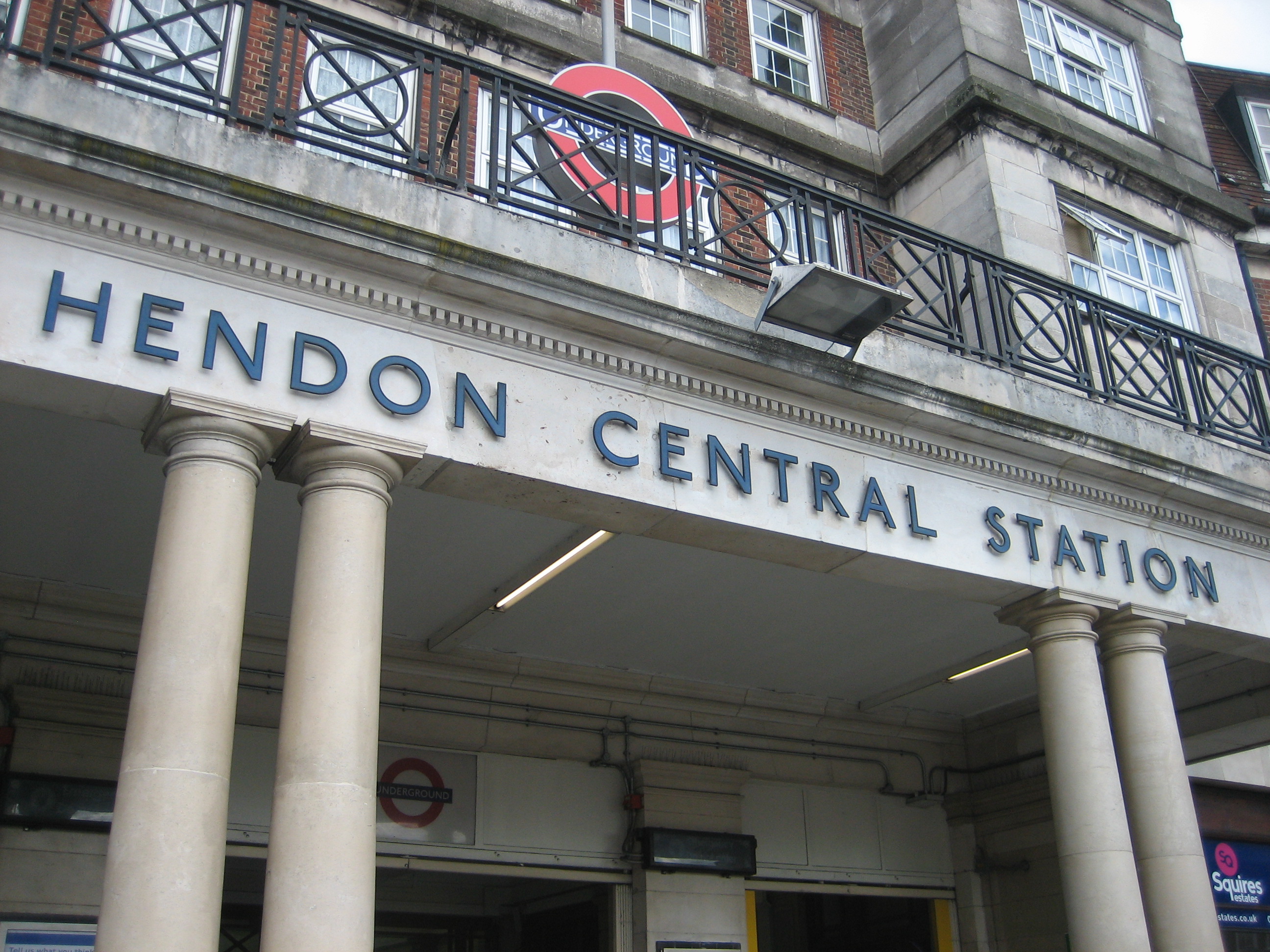
A grand Central stationThis grandest of all grand Central stations looks out over a thunderously bustling intersection of roads, shops, subways and services. You emerge from its elegant collonade and delicate motifs into an environment that is anything but.

It’s just about possible to appreciate the idea behind the birthplace of modern Hendon, but the reality has been long since battered into submission. Best to linger a little longer among the pillars, especially if the weather’s on the turn.
Heaps of entertainmentI lived round here for two years and trained myself to co-exist with the noise. For the traffic never stops. One night there was a power cut and I went on to the roof of my building to see how much of the area was affected. Even though it was 3am the roads were still busy.

Three lanes of vehicles sweep down from one direction en route to Brent Cross and the North Circular Road. They charge past the other way heading out towards the M1. Bisecting them comes traffic to and from Golders Green and Kingsbury. A greater contrast with the surroundings of Hendon Central’s neighbouring station, Brent Cross, it is difficult to imagine. Yet both were designed by the same person, Stanley Heaps, and share if not a sympathetic location then a stubborn beauty.

Winter wonder-grand

I can vouch personally for how welcoming that entrance could be during winter.

It’s not a building that dominates or defines its surroundings in the same manner as its nearby sister. It cannot compete for attention with what has become an enormously intimidating adjacent road junction.

But this lends the station a rather attractive melancholy feel. Its greatness is now tinged with sadness. Hendon Central is becoming evermore a sentinel, isolated from everything around it by nature of its style and purpose, yet guarding a gateway to a more decorous way to travel.

It hasn’t always been like this. There are probably people still alive who’d say they can remember when Hendon Central was all fields. And they wouldn’t be lying.
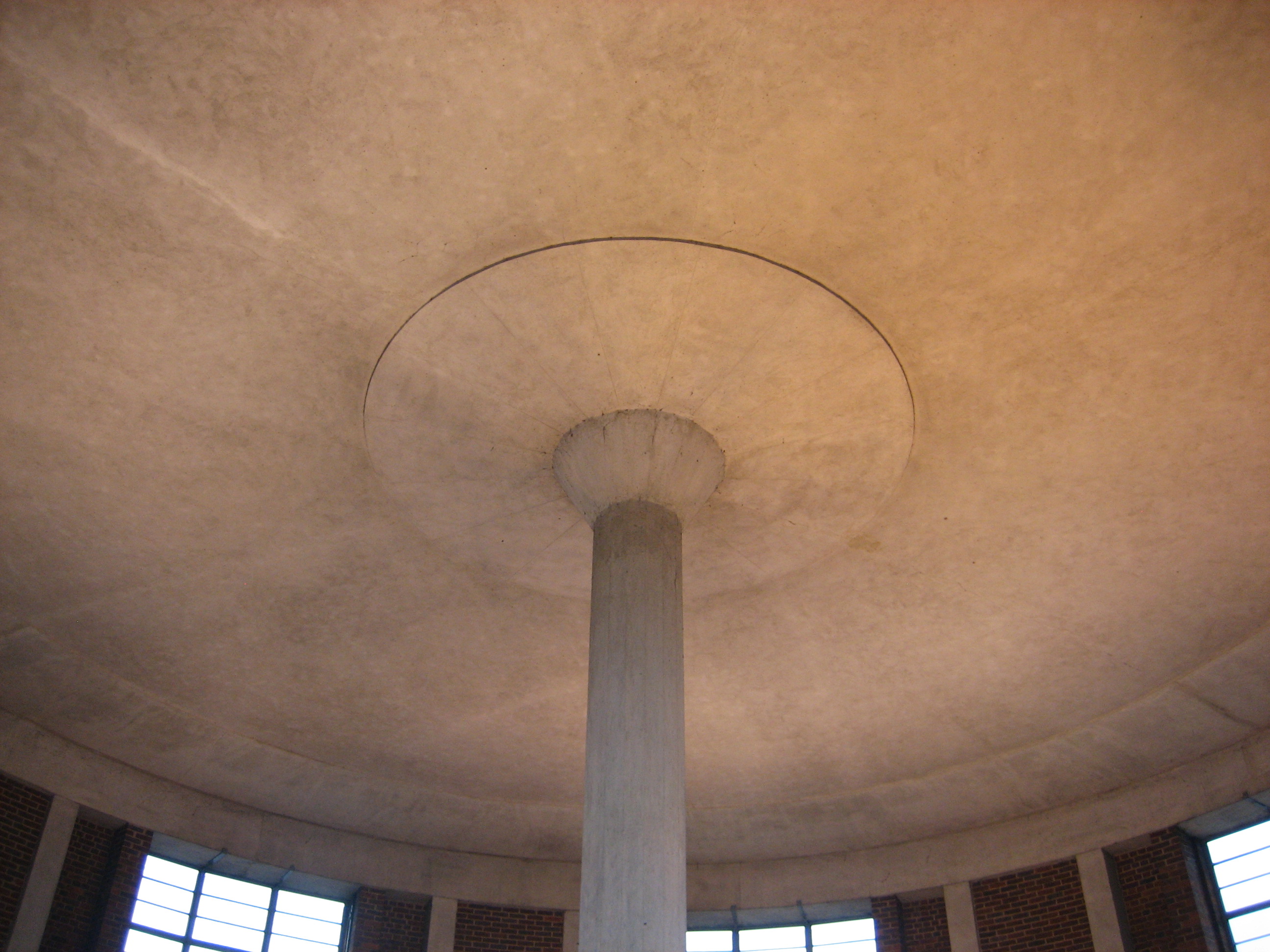
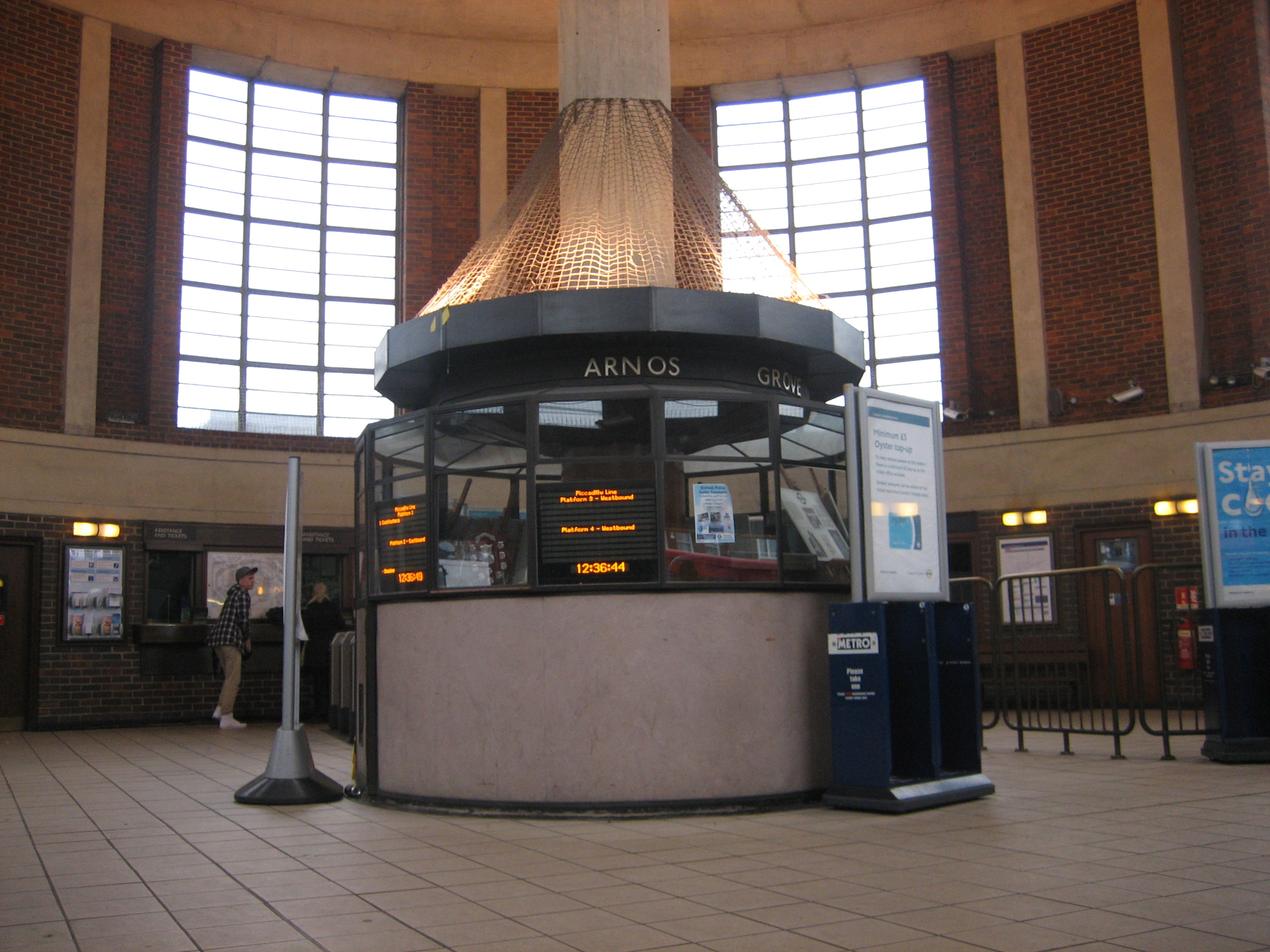
Up the 'GroveBefore I moved to London, the most exposure I’d had to Arnos Grove came from its appearance in Saint Etienne’s glorious song from 1991, Girl VII.

Here, the station is namechecked as part of a dazzling roll-call of locations both provincial and exotic, which (quite rightly) elevates the likes of Dollis Hill and Chalk Farm to equal status with San Clemente and Bratislava. And all to a disco beat.

Like almost everything Saint Etienne have ever done, Girl VII gets under your skin and is impossible to resist – two qualities also true of Arnos Grove itself.

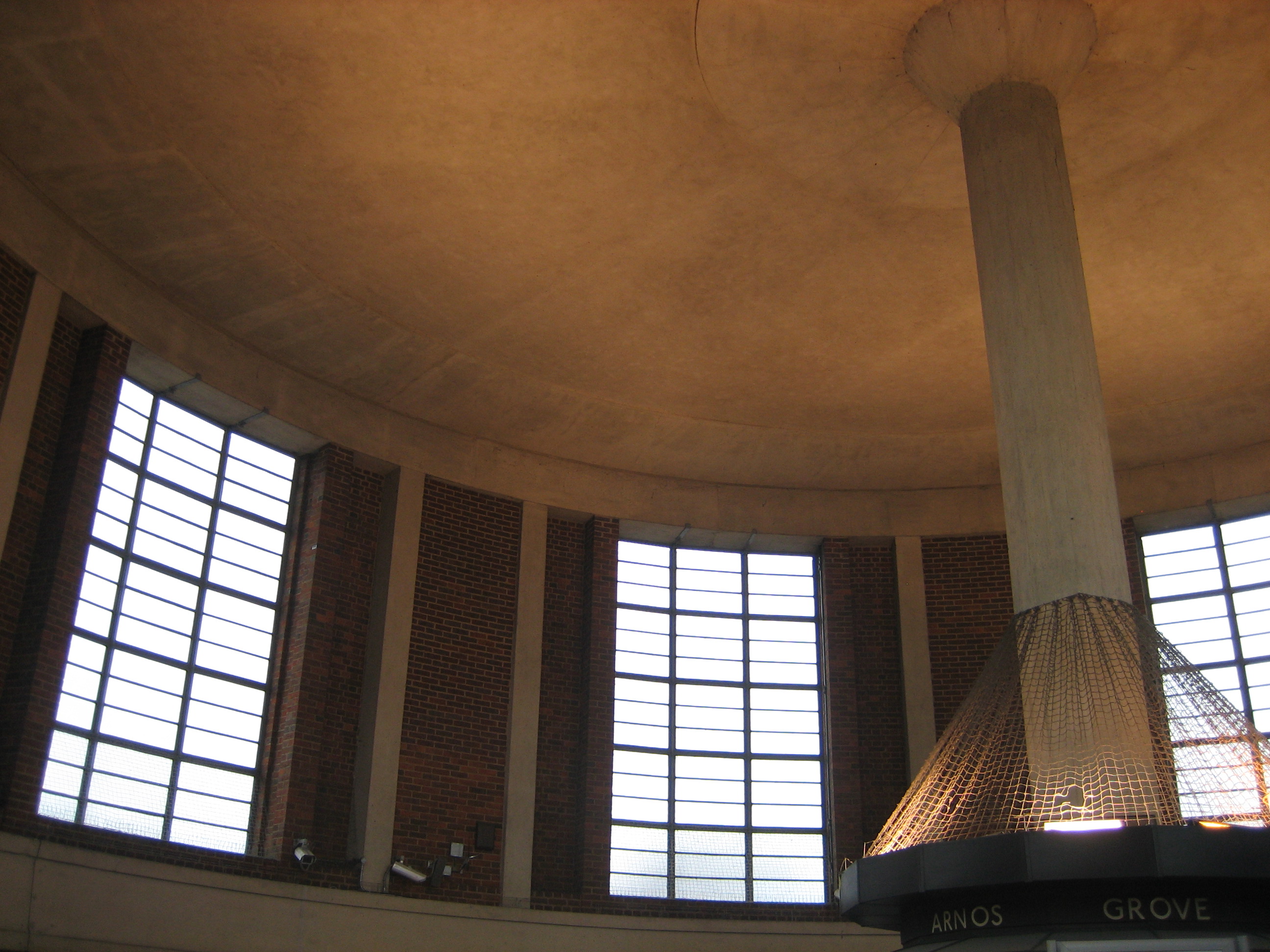
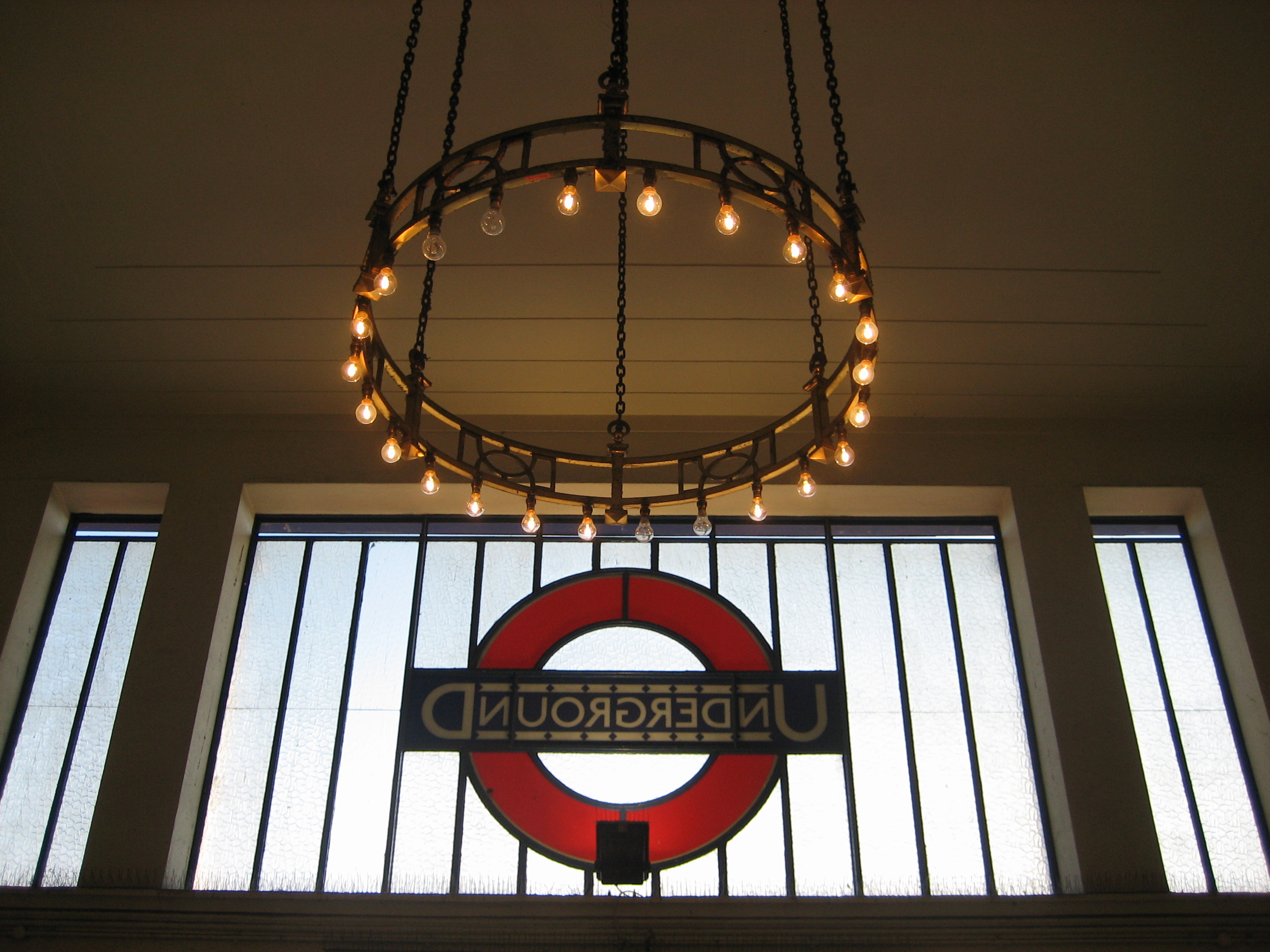
The sound of drumsGarlanded and canonised like no other Underground station, Arnos Grove still defies even your highest of expectations. Moreover, it seems to be able to do it again and again. Every time I visit, there’s some aspect of the architecture or sensation created by the light and the shadows that affects me in a different way. It never lets you down. I’m not sure anywhere else on the London Underground can do this.

The interior wears its heritage and its awards with pride. But it deserves to. This is a very special place, which – unlike other works of popular culture that top critics’ polls with the charmless thud of Del Boy falling through a bar – utterly warrants its lauded reputation. Perhaps this is due to the notional incongruity of an Underground station being also a piece of art, though countries such as Germany and Sweden, from where Charles Holden took inspiration for the building’s appearance, surely would not consider such a relationship incongruous at all.

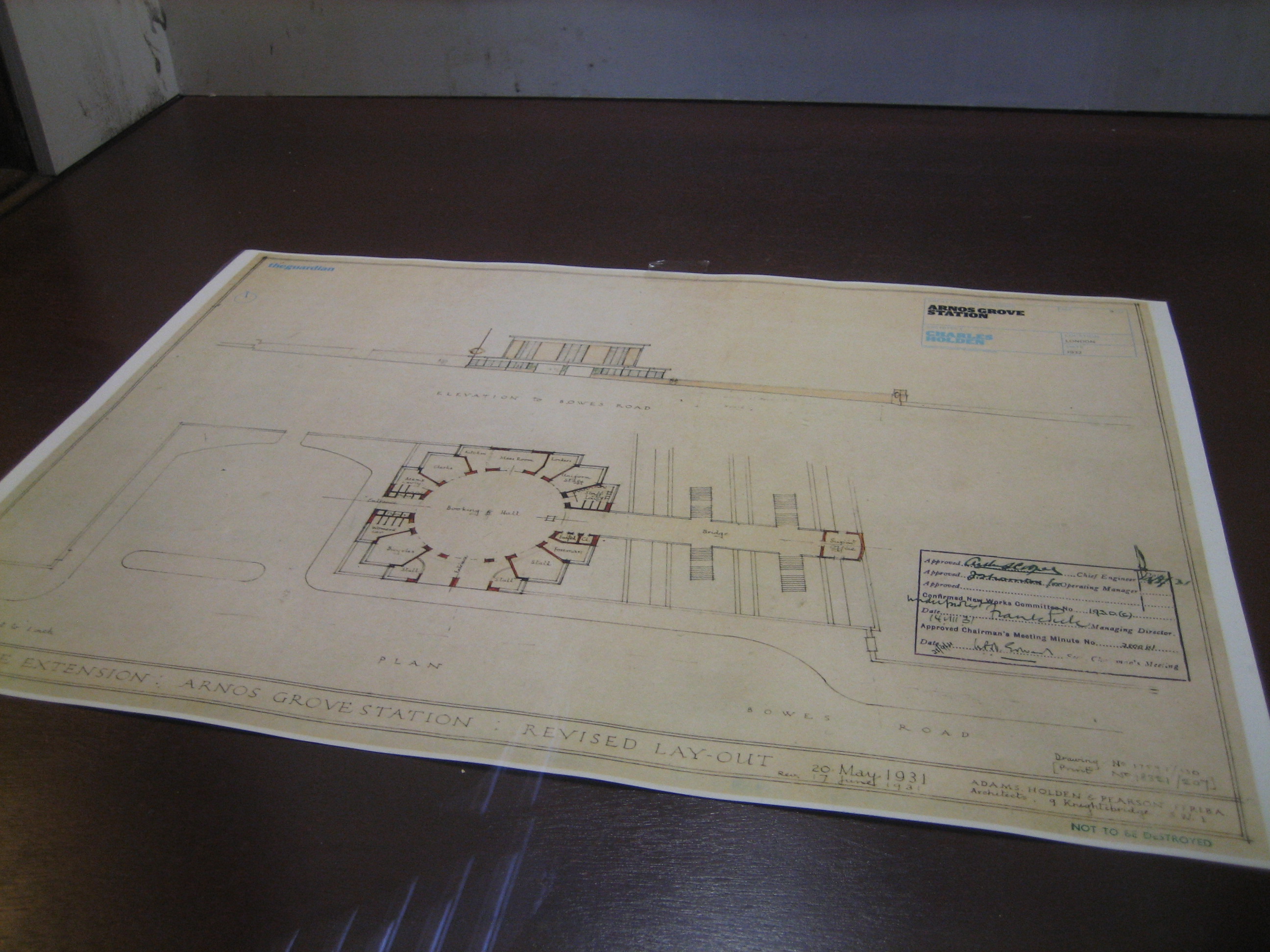
The masterplanHolden’s approach to the design of Underground stations reaches its zenith with Arnos Grove. The function of the building enjoys a marriage with style that is the happiest of any such union across the whole network.

The enormous drum and central passimeter that together form the basis of the interior act as both an instruction, making plain exactly where you need to go for tickets, telephones and trains; and also as an illumination, rendering the purpose of the station elegantly self-evident while literally casting or reflecting light upon everybody and everything inside.

A vision burns brightly in this outpost of artistry high in the suburbs of north London. It’s one that doesn’t simply impress; it shepherds and reassures and becalms. No wonder one appraisal of the station ranked it on a par with the likes of the Pompidou Centre and the Sydney Opera House.

Another, more official evaluation upgraded Arnos Grove to Grade II* listed status in July 2011. The man who approved this, John Penrose, was sacked by David Cameron in the cabinet reshuffle of September 2012.

An illuminated callLike Ulysses by James Joyce, Arnos Grove is a modernist classic. Unlike Ulysses, Arnos Grove is something you will enjoy finding your way in and out of, and to which you will want to return again and again.

As for the station’s exterior… that deserves a separate entry all to itself.

Light fantastic

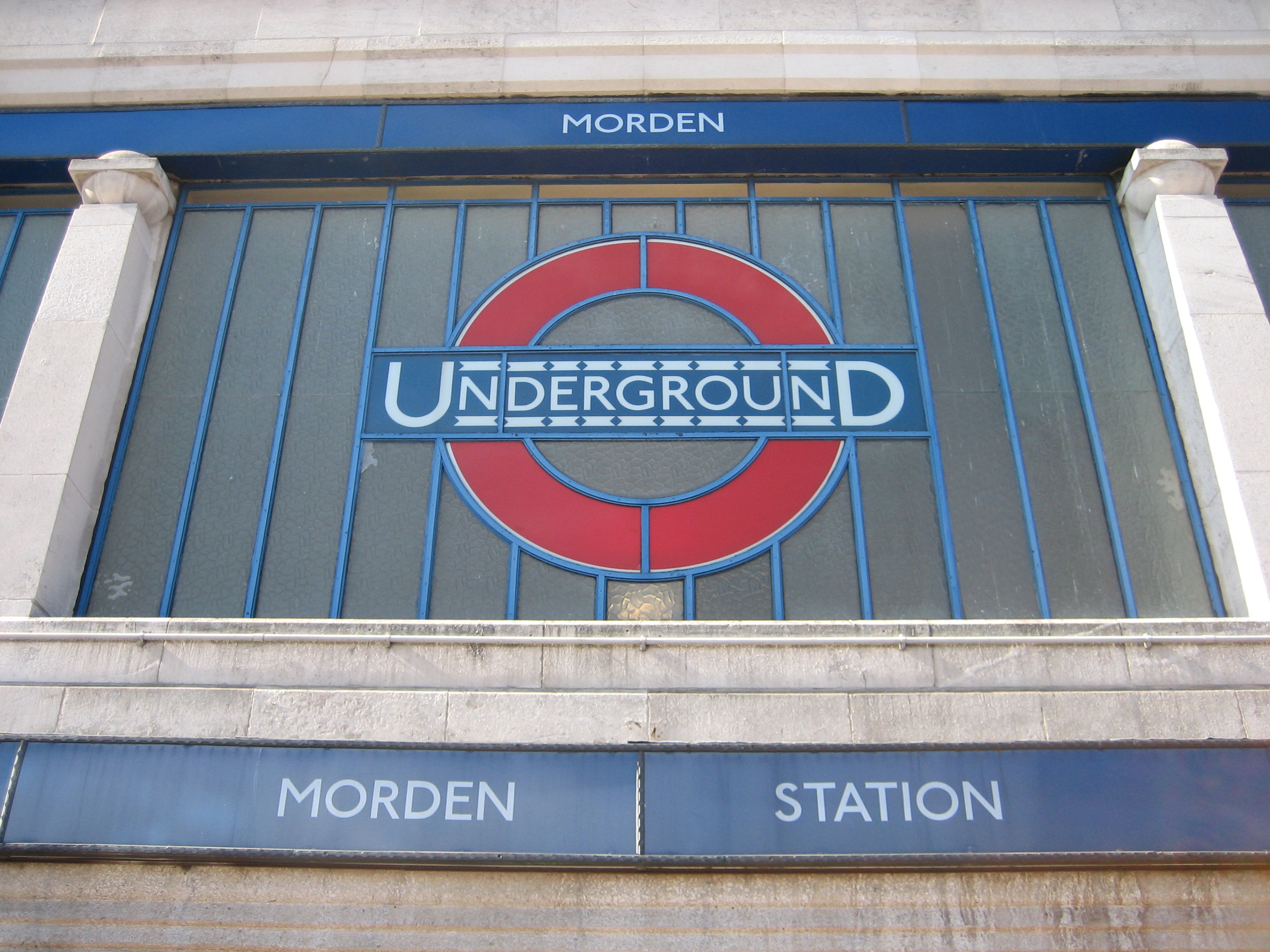
Morden illuminationsThis isn’t so much an entrance as a gateway.

Morden station wasn’t conceived as merely the end of something – the southern extremity of the Northern line – but also a beginning; a portal, no less, to the hottest spots and the quietest nooks of Surrey. Step off your train, pass under the Carry On Henry-esque chandelier, and within a few further footfalls you’d be on a bus, chugging through rural England.

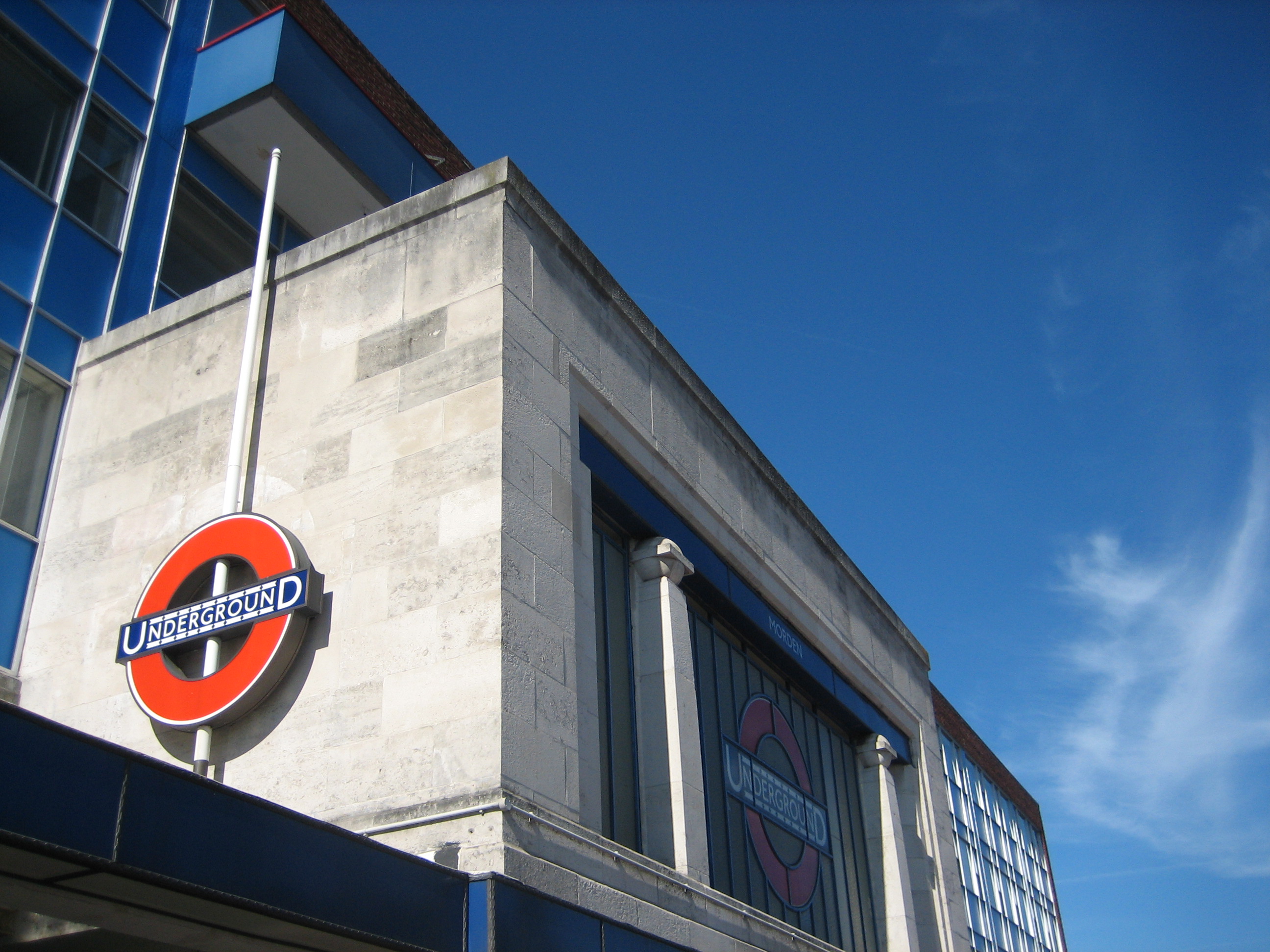
Such a promotional fantasy was, for a time, almost true. Morden was built on farmland. The countryside remained in peering and quite possibly breathing distance for a long time after the station opened in 1926. There’s no trace of such sensations nowadays, but Charles Holden’s original structure survives, flattering the vicinity with the only flash of style in a 1,000-metre radius:

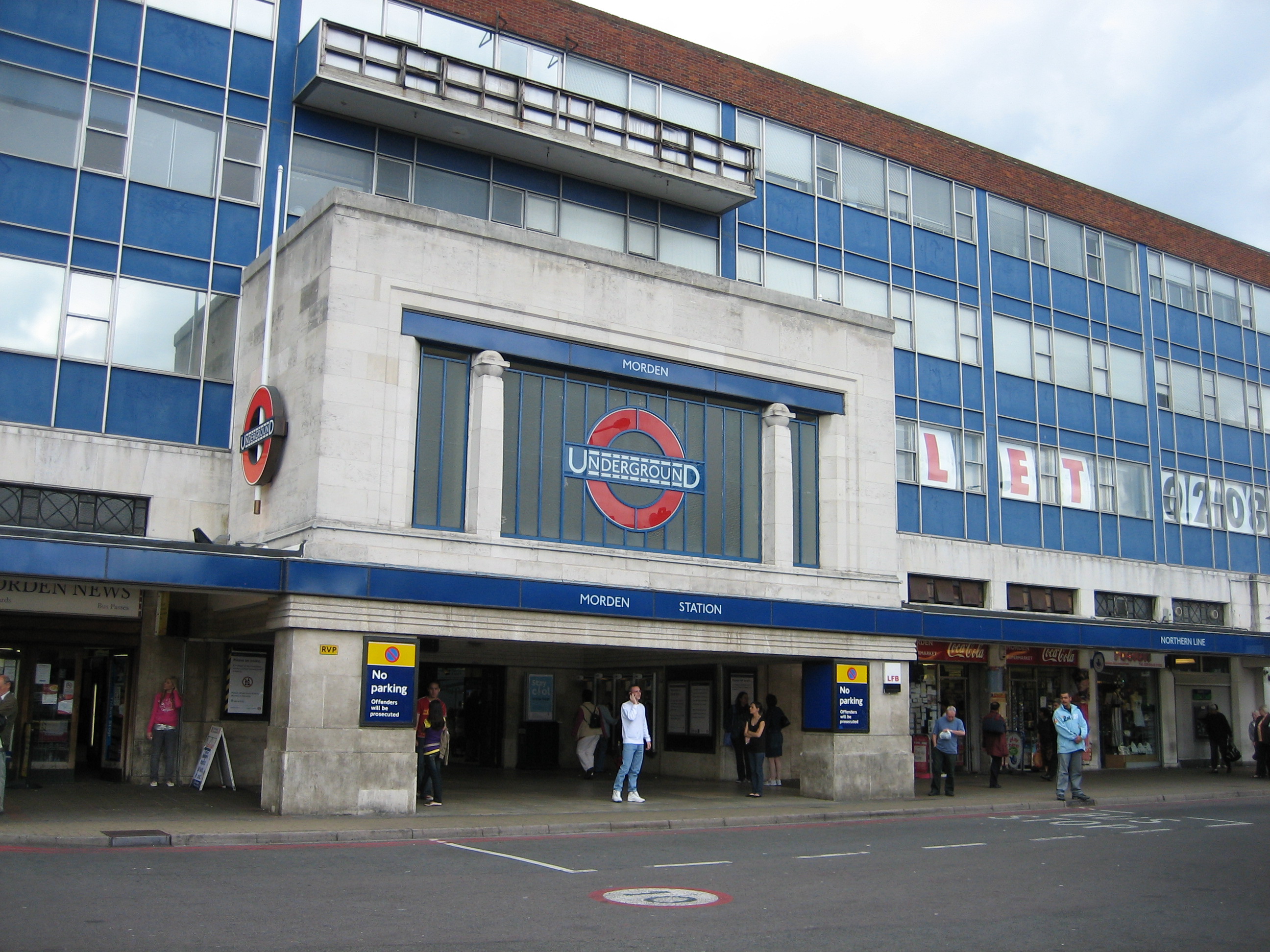
Gateway to the southBut even this grandiose antechamber has not escaped unscathed the neighbourhood’s rampant commercial expansion. For what was once a sympathetically-realised, architecturally-inspired parade of buildings is now squatted upon by a ghastly-looking office block.

This offends Morden you’d realise:

This offends Morden you realiseGranted, Holden did design the parade in anticipation of something being subsequently plonked atop it. But probably nothing as ill-suited as this. I wonder how long those offices on the right have been available to let.

Up close, if you blot out enough of the upper storeys, you can still just about imagine what kind of thrill it must have been to pass through such a tasteful atrium on your way to a day in the country, or on your way up to the city.

In the past, this was never a place intended for lingering. But to best appreciate it today, that’s perhaps exactly what you have to do.

'Den of iniquity