Archive

Zone 5

To the end of the lineWelcome to the end of the line.

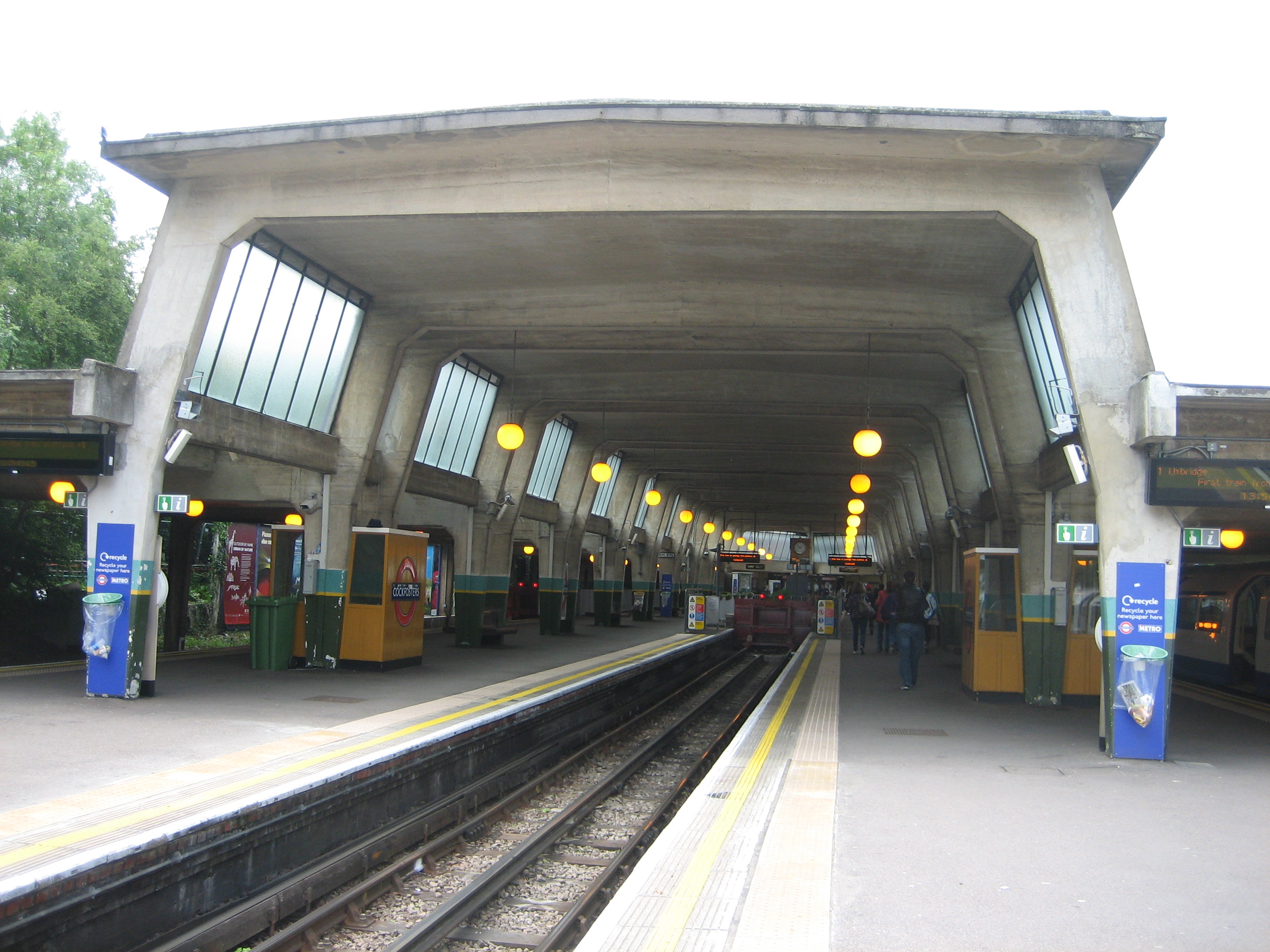
I hope I’m not alone in finding this and other London Underground terminuses (or termini, to be classically correct) hugely beguiling. They have an atmosphere you do not find anywhere else on the network. It’s one of precarious, precious stillness. Nothing and no-one can rush in a place like this. Life feels half-suspended, having drifted in from somewhere, but not entirely sure when it will drift on somewhere else. Trains creep in, loiter, and creep out. Time does the same.

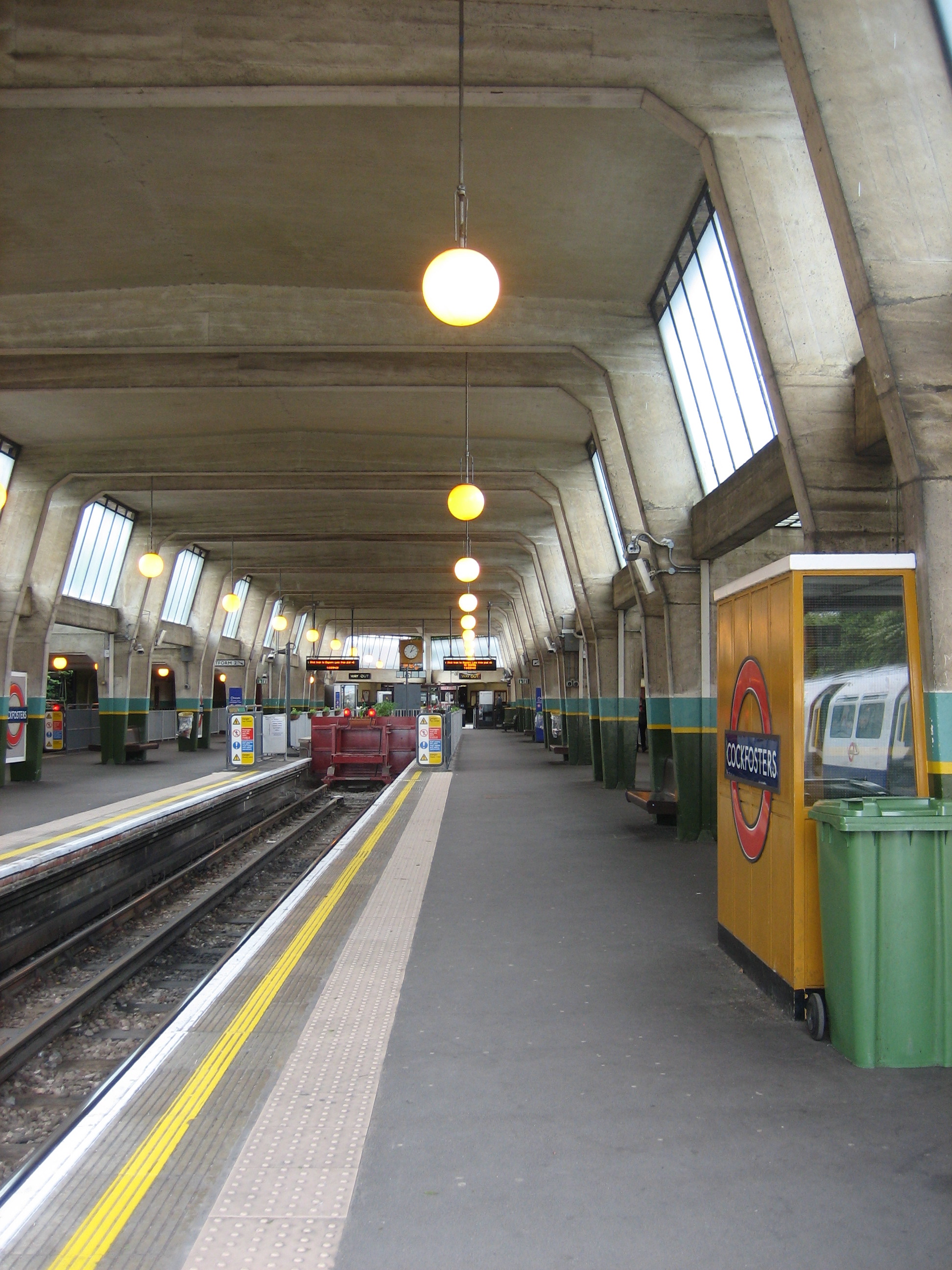
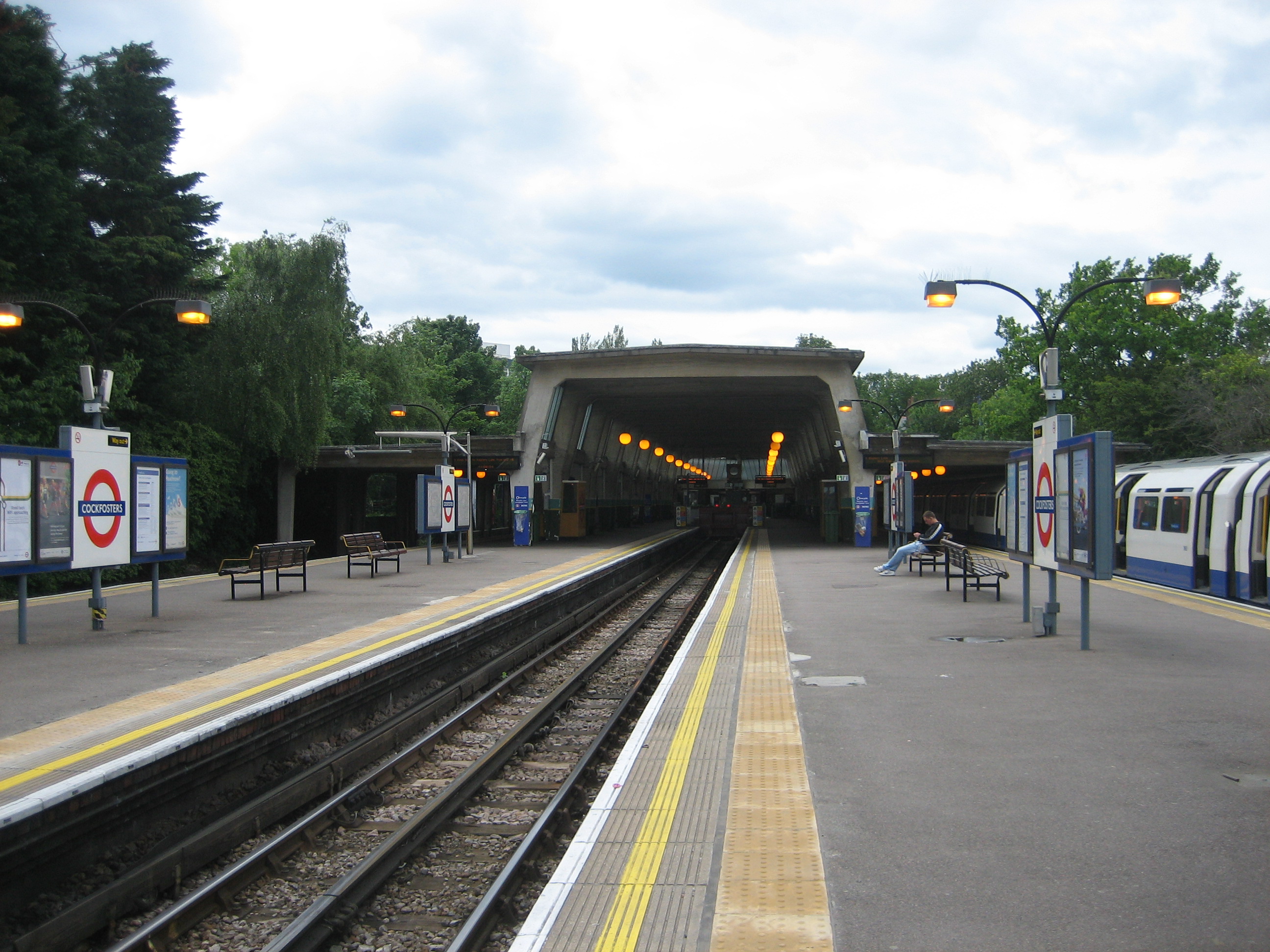
These feelings are amplified and embellished when you’re in a terminus like the one at Cockfosters.

Another Charles Holden masterpiece (yes, him again) dating from 1933, the building seems almost to shiver with languid splendour. Those great grey arches yawn invitingly; the soft lights wink and glow with dapper charm; and all around you the space, the generous, stylish space, circulates with airy, effortless ease.
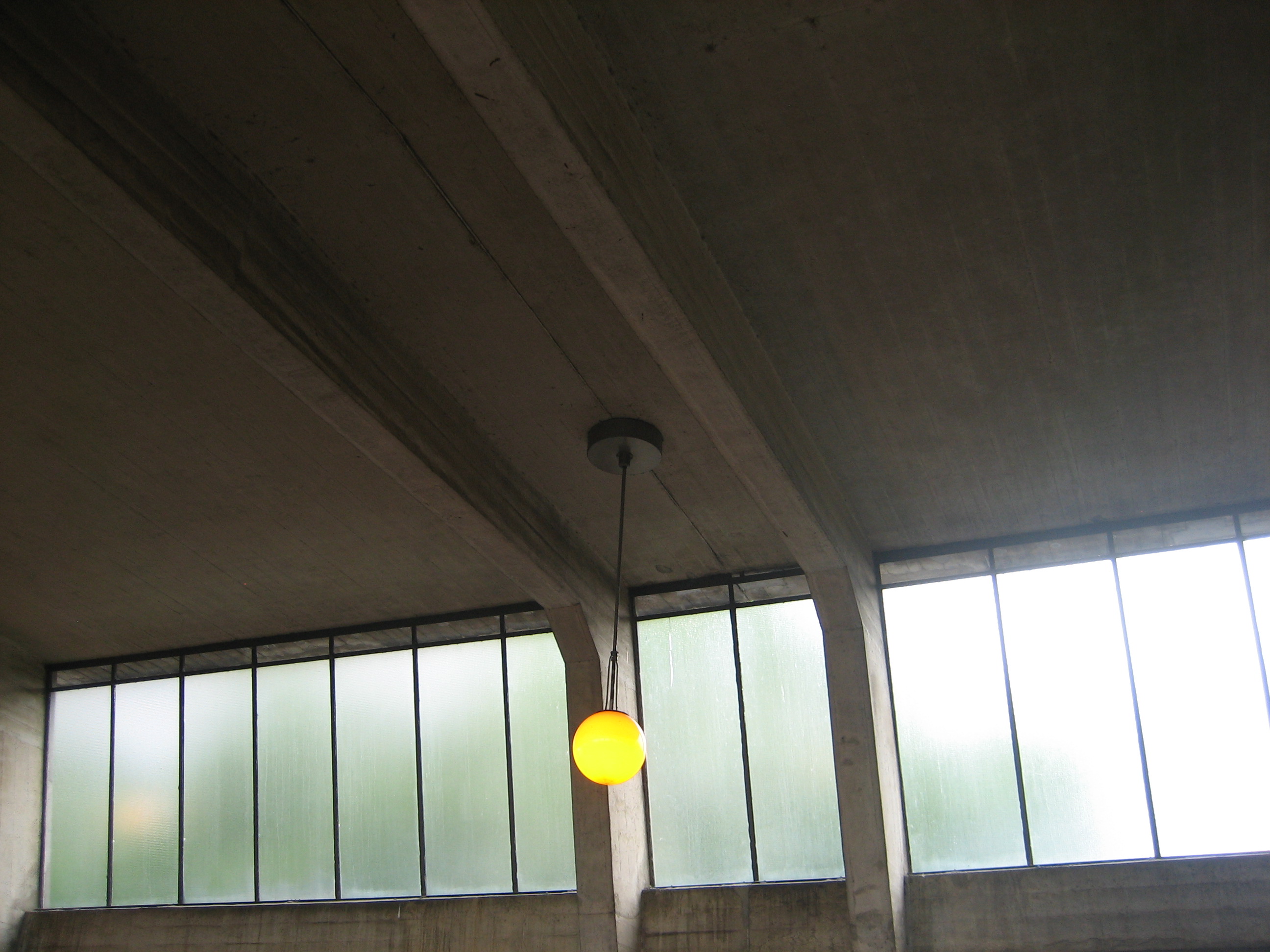
Beginning to see the lightAll the signature Holden motifs are present and correct: reinforced concrete and glass well to the fore, as much natural light as possible, an emphasis on simple elegance rather than fussy ornamentation, and sleek, smooth lines that curve, criss-cross and sidle in every direction.

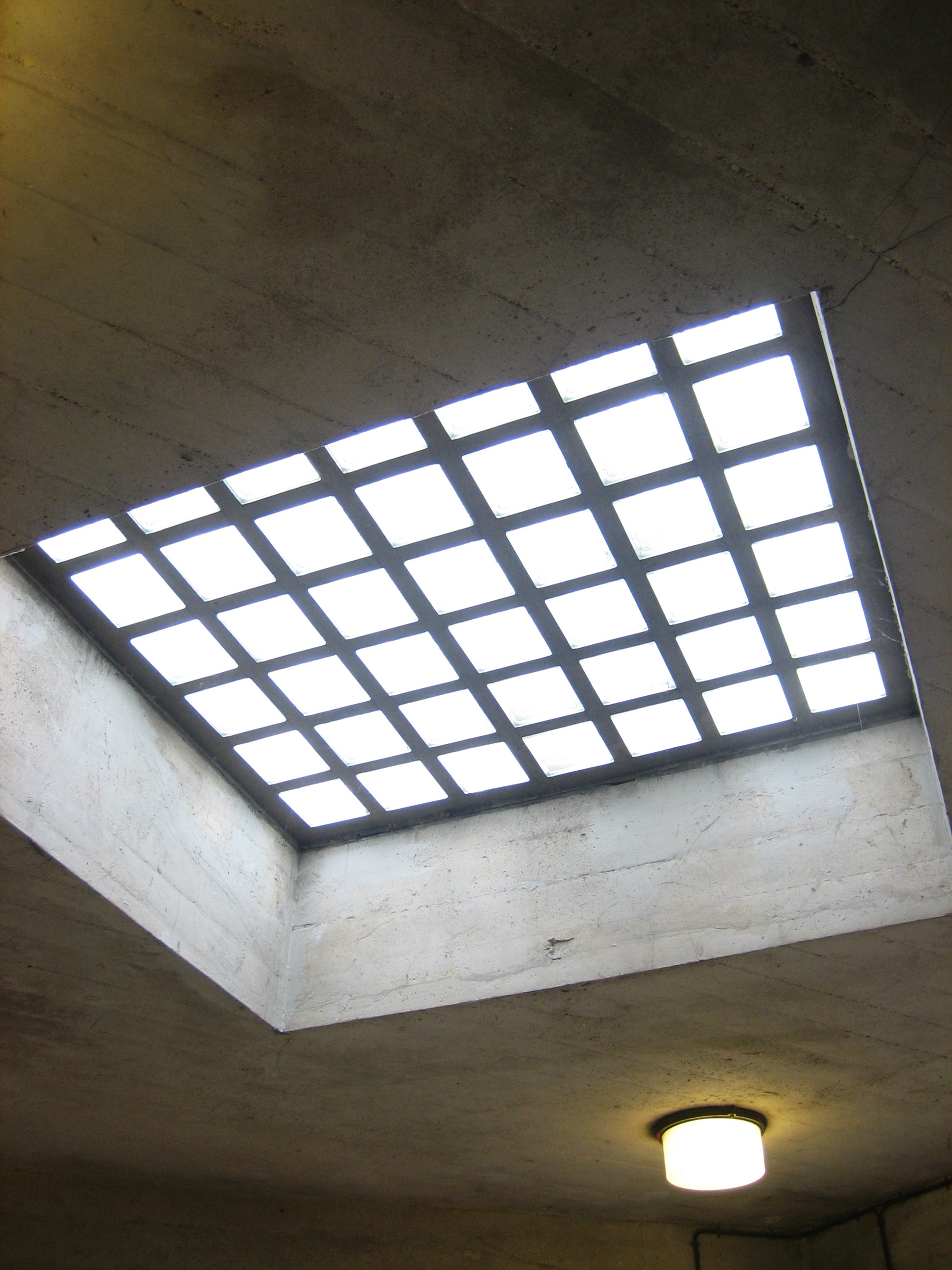
But there are surprises as well, like this grill, which reminds me of one of Ken Adam’s stark and memorable set designs from Dr No:
Oh, NoOr this modest attempt at a flower bed:
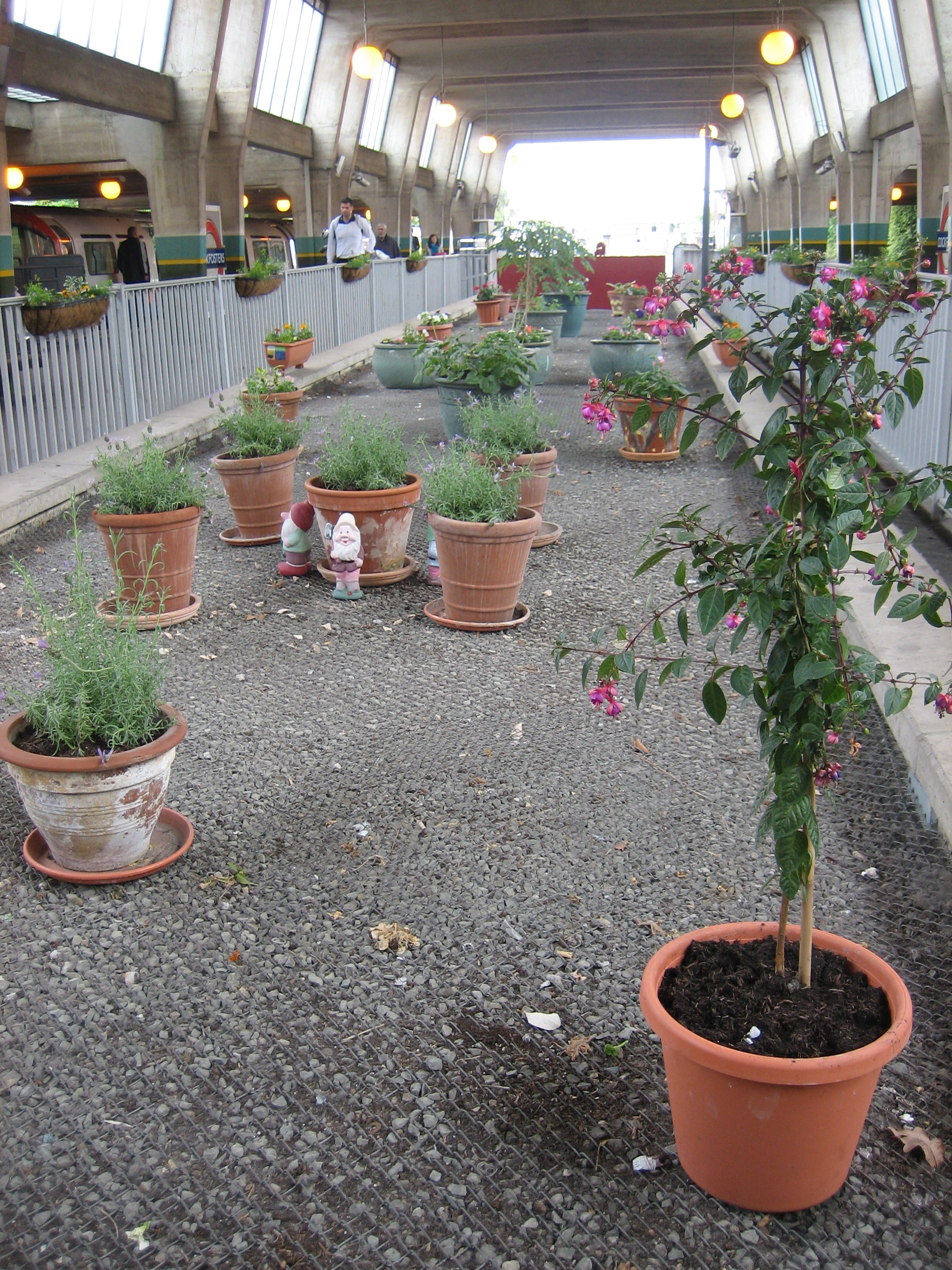
Insert another "blooming" pun hereNecessity means you have to linger in Cockfosters; the station’s glorious interior makes it expedient to do so as well. It is one of the finest places to begin or end a journey to or from anywhere in London.
To make an end is to make a beginningSomething happened here

Light fantasticI’ve talked before of how some Underground stations, like all of us from time to time, feel better in the dark.

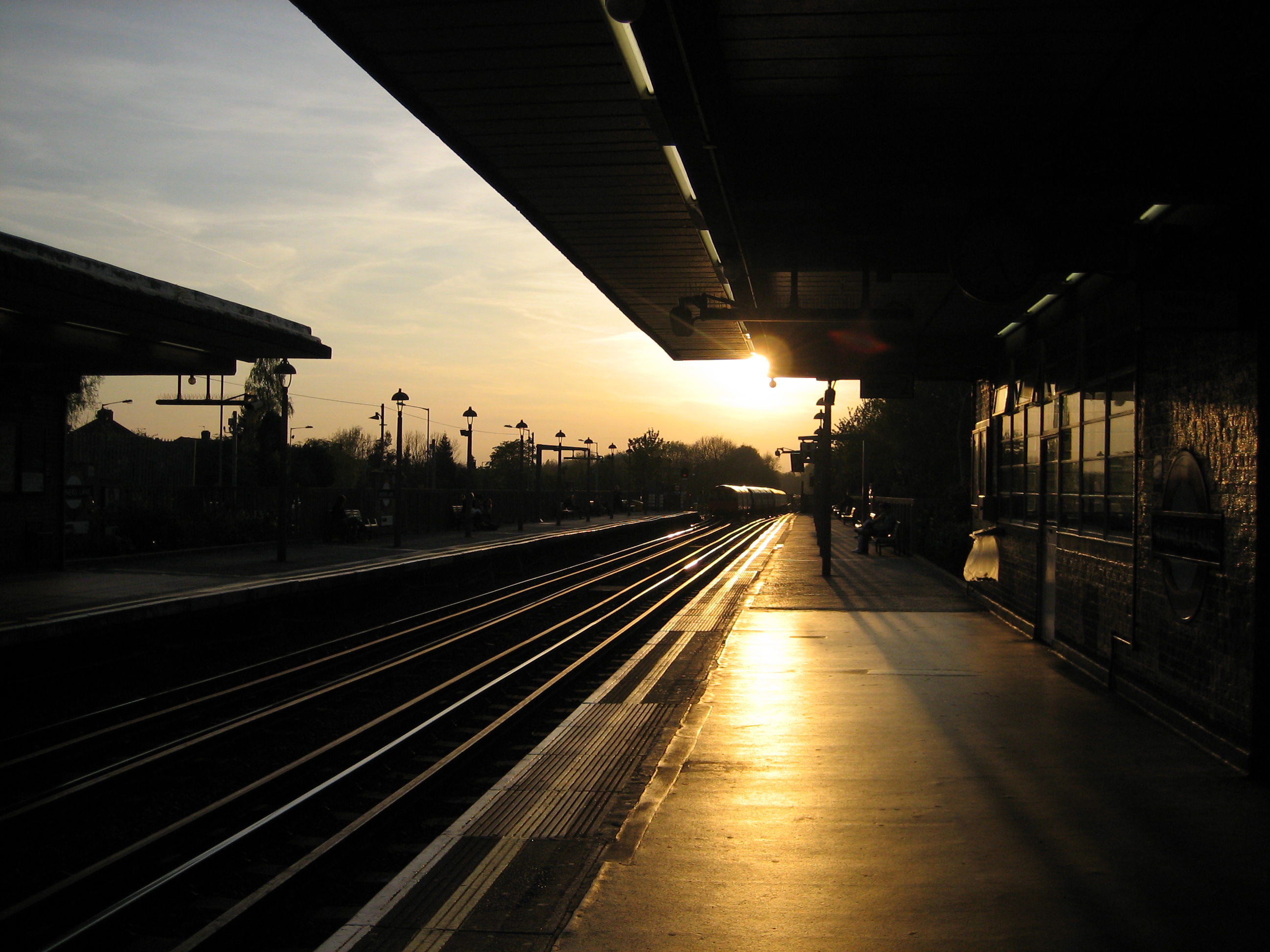
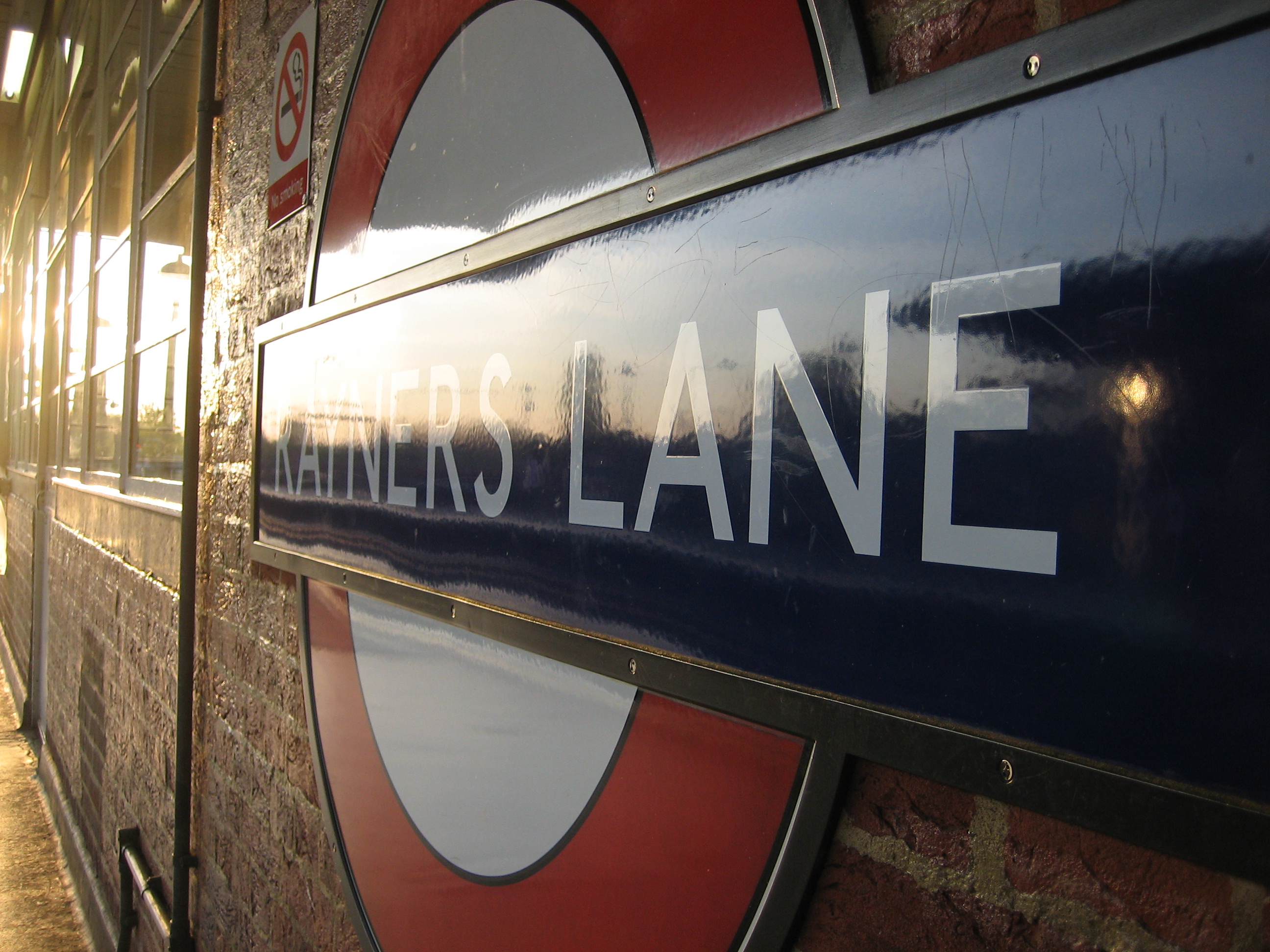
There are also parts of the network that are most flattered by light, specifically the arc of the sun. Obviously these stations are above ground, but they’re not always obviously candidates for celebration.

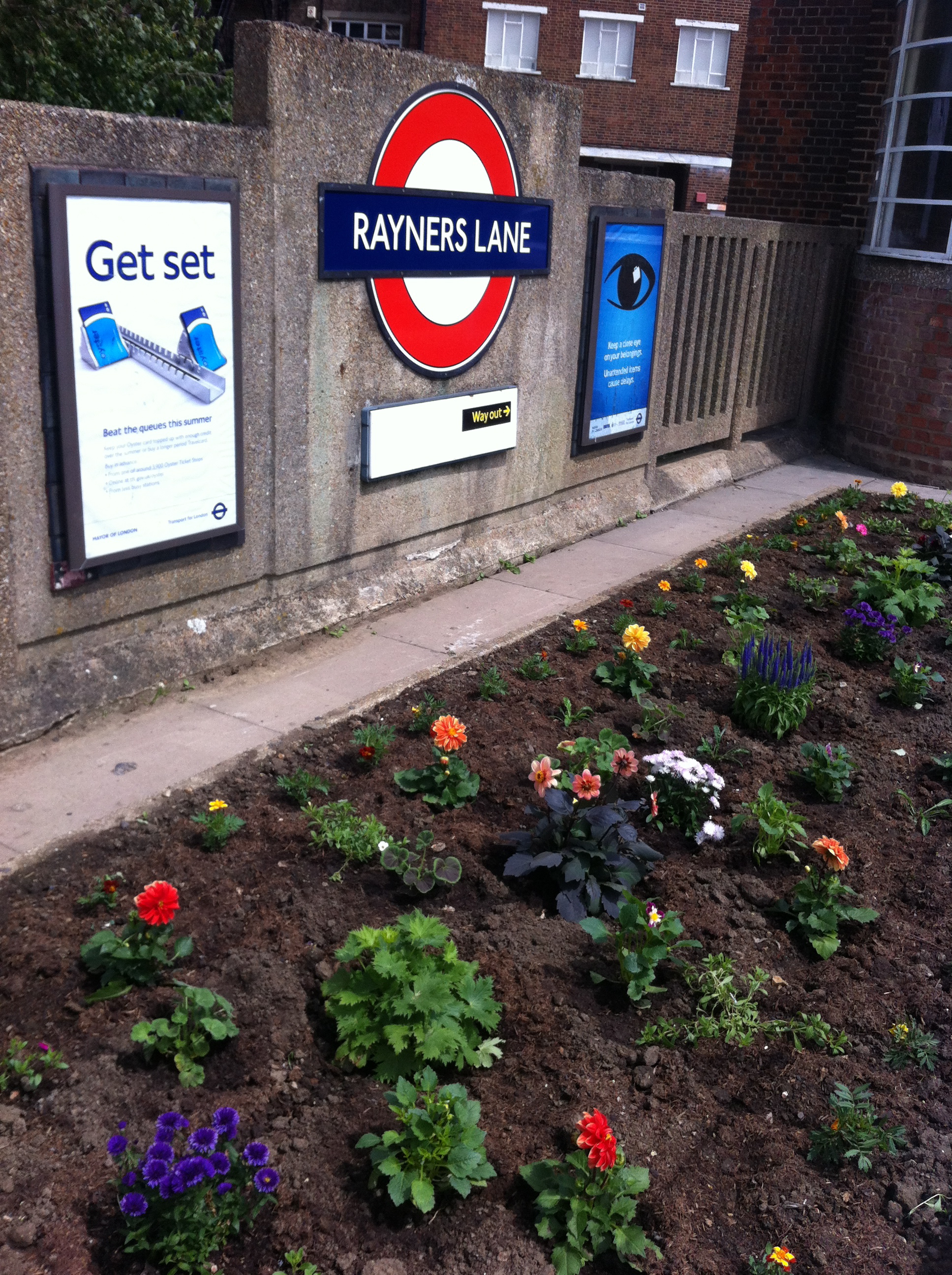
For much of the time, the most that can be said to commend the platforms at Rayners Lane are the flower beds:

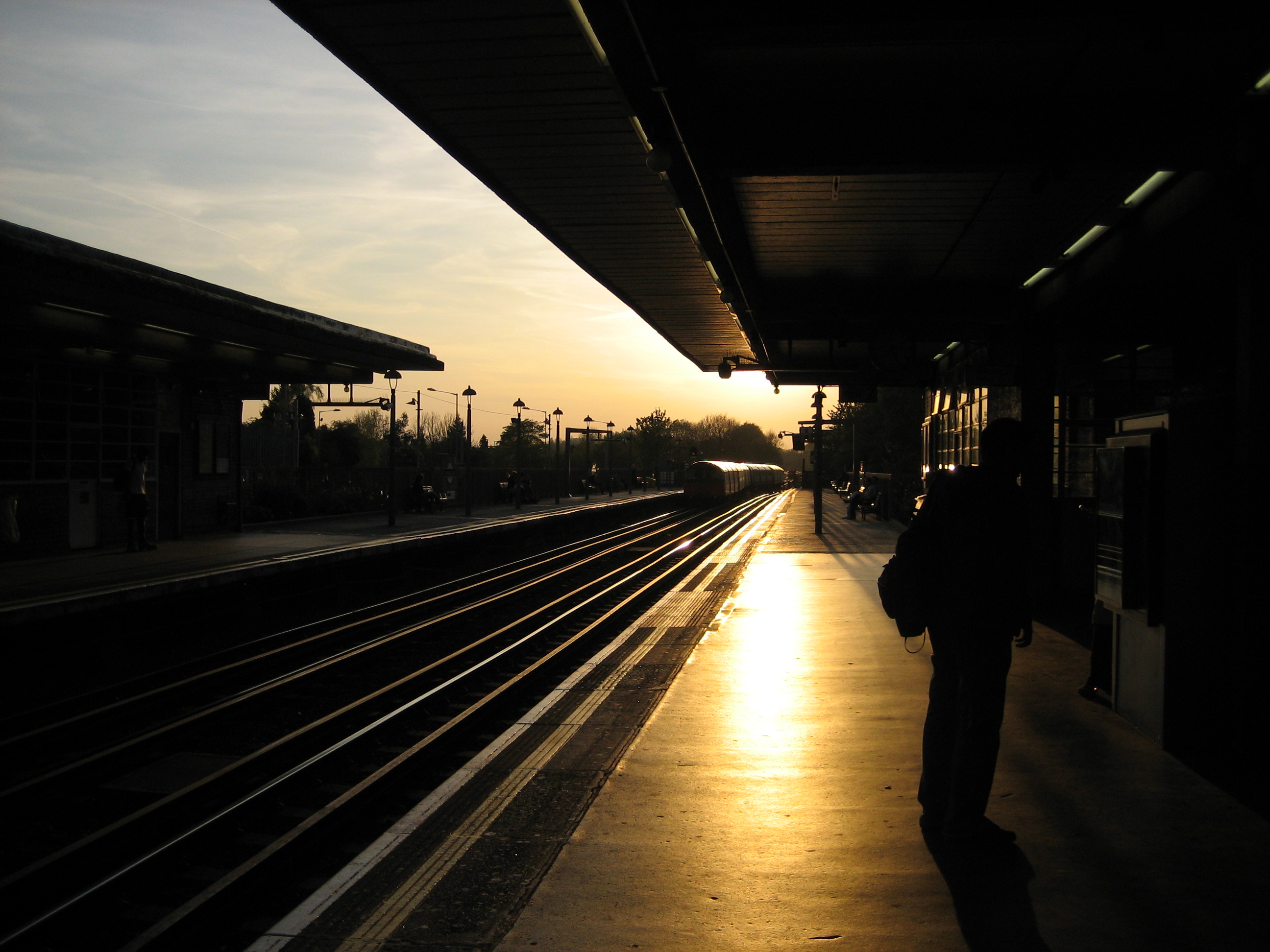
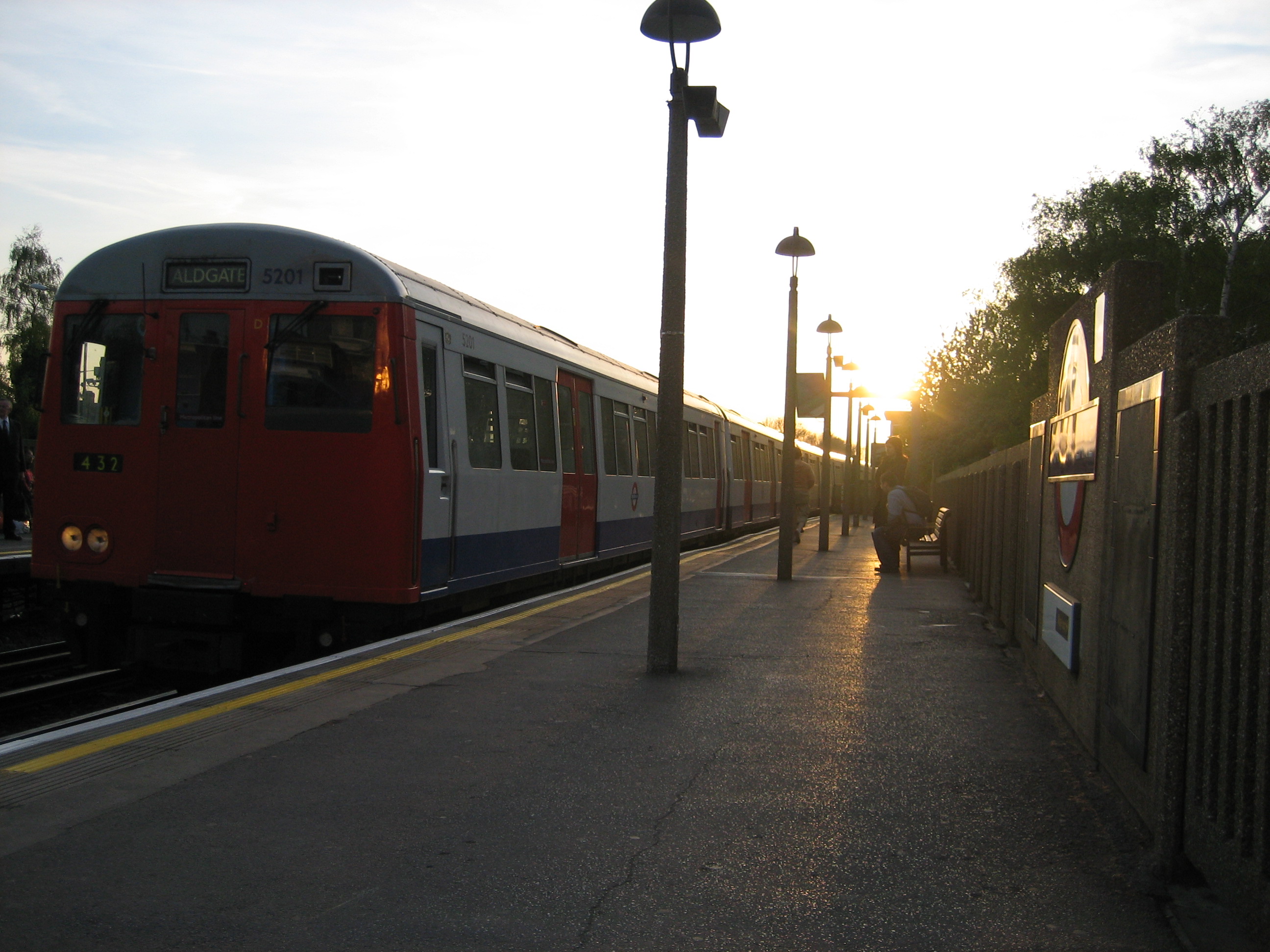
Insert your own "blooming" pun hereBut when the sun starts to set, there’s a clear sky, and you’re facing westbound, something rather beautiful happens.

Let the sun sign inThe platforms are ideally aligned for what astronomers would call an “event”, though in this instance, it’s the juxtaposition of light and metal rather than any celestial bodies. An occasional passing human body won’t diminish the effect, mind:

The long day closesOther stations undoubtedly play host to similar solar-kissed moments. But Rayners Lane is the most extreme, and the most magical, I’ve so far experienced.

Valediction

Knock on OakwoodBy way of illustrating who wins in a Holden v Green contest, here’s an example of the former’s architectural genius just a few stops up the Piccadilly line from the latter’s Caledonian Road.

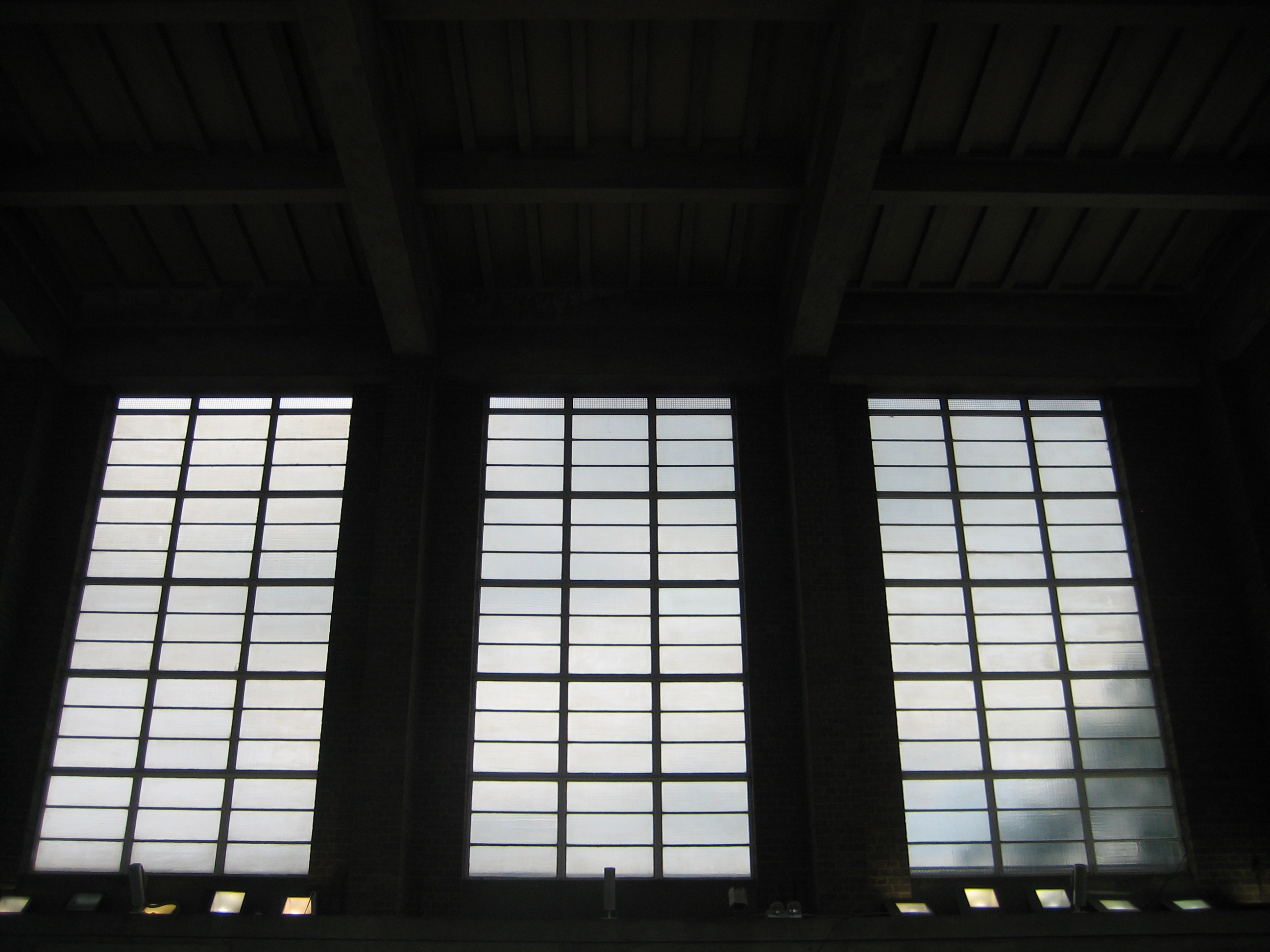
The inside of Oakwood, which opened in 1933, is a vast, dazzling playground of modernist design.

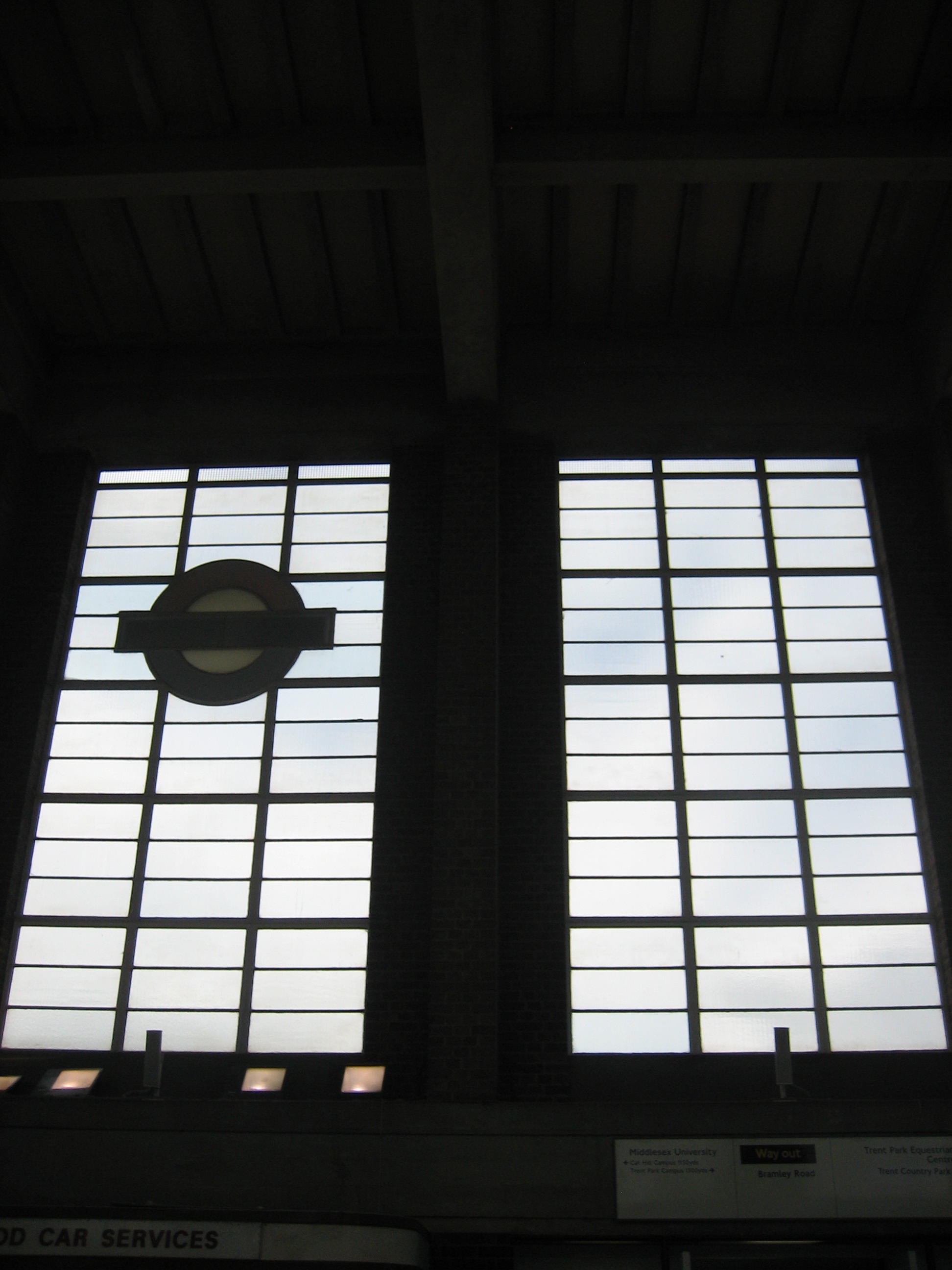
The building is, frankly, enormous, the sort more common to a mainline station than a mere metropolitan network. Those excitingly mammoth windows pictured above send natural light pouring into the sleek and spacious booking hall, in turn creating all sorts of bewitching shadows and illuminations.

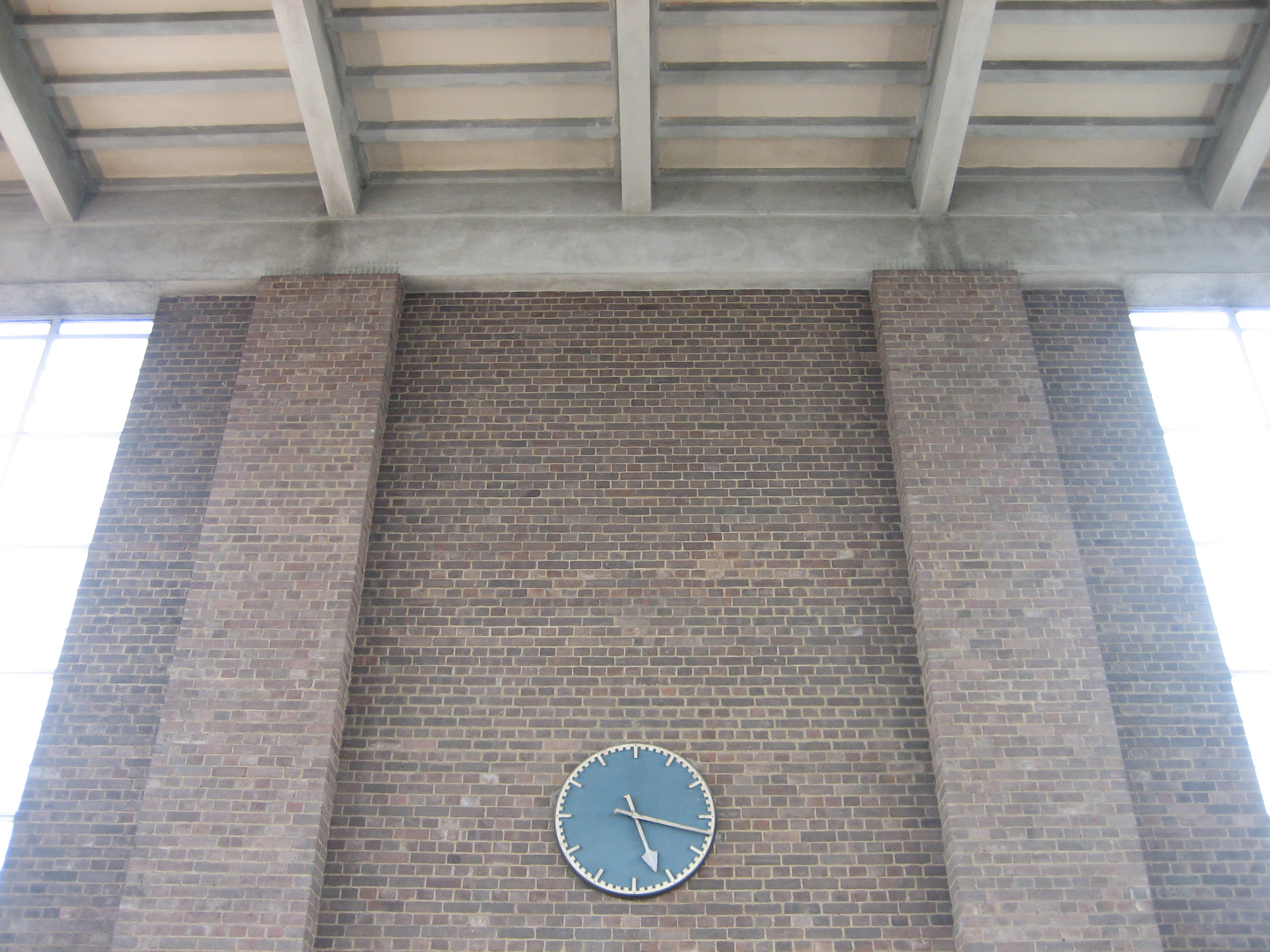
Then there’s the ceiling, a giant’s crochet of great hunks of cement, perched on top of massive walls of clean, crisp, perfect-aligned brickwork. There’s no need for ornamentation or extra decoration or even much in the way of colour. The station’s design creates its own beauty. Nothing more needs to be added.

Well, except for one neatly-positioned, charmingly-crafted clock:

Sign o'the timeThe scale and ambition of the place caught my breath. I stopped in my tracks when I walked in, stunned by what was around me. I tried to linger as long as I could before inviting suspicion from passengers and staff, none of whom seemed to be lifting their eyes a few feet above the ground.

A shame, because we are blessed and incredibly flattered by buildings like this. Apologies for sounding painfully preachy, but it feels, well, really quite humbling that someone thought it worth bestowing so much love and attention on such as ostensibly functional assignment.

Three cheers for Charles Holden!

(And I haven’t even started on the exterior of Oakwood… not to mention the platforms…)

Let's go through the roundel window