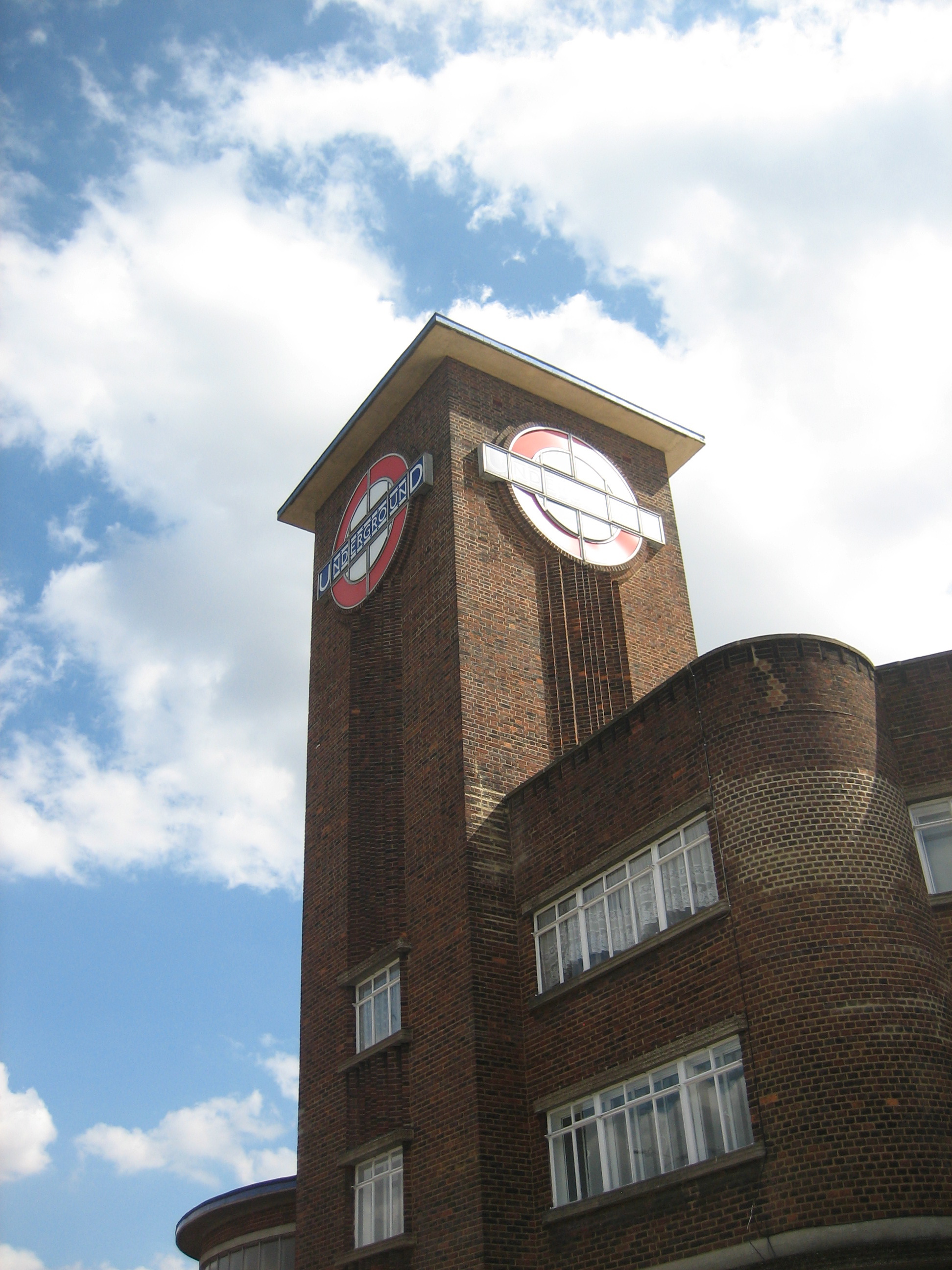
 Royal parks are ten-a-penny in London, and they’re all much of a muchness. Grass, basically. Maybe a monument. Someone pissing against a tree.
Park Royal, however, is one of a kind. And it outranks anything vaguely regal-sounding in the entire city – and that includes carriages, babies, those godawful face masks, and the Queen.
Its entrance is grander than any palace, more dazzling than any crown, more uplifting than any pageant, and more thrilling than the twitching of any uterus.
As far as I can tell there’s never been a fly-past, a million-strong crowd waiting outside, or Brian May standing on top playing the guitar.
I would happily stand on top playing the guitar, but I fear a repertoire that encompasses everything from Radio Song to the Marrow Song would prompt any passing million-strong crowd to subject me to a kind of Wicker Man-style immolation inside the tower.
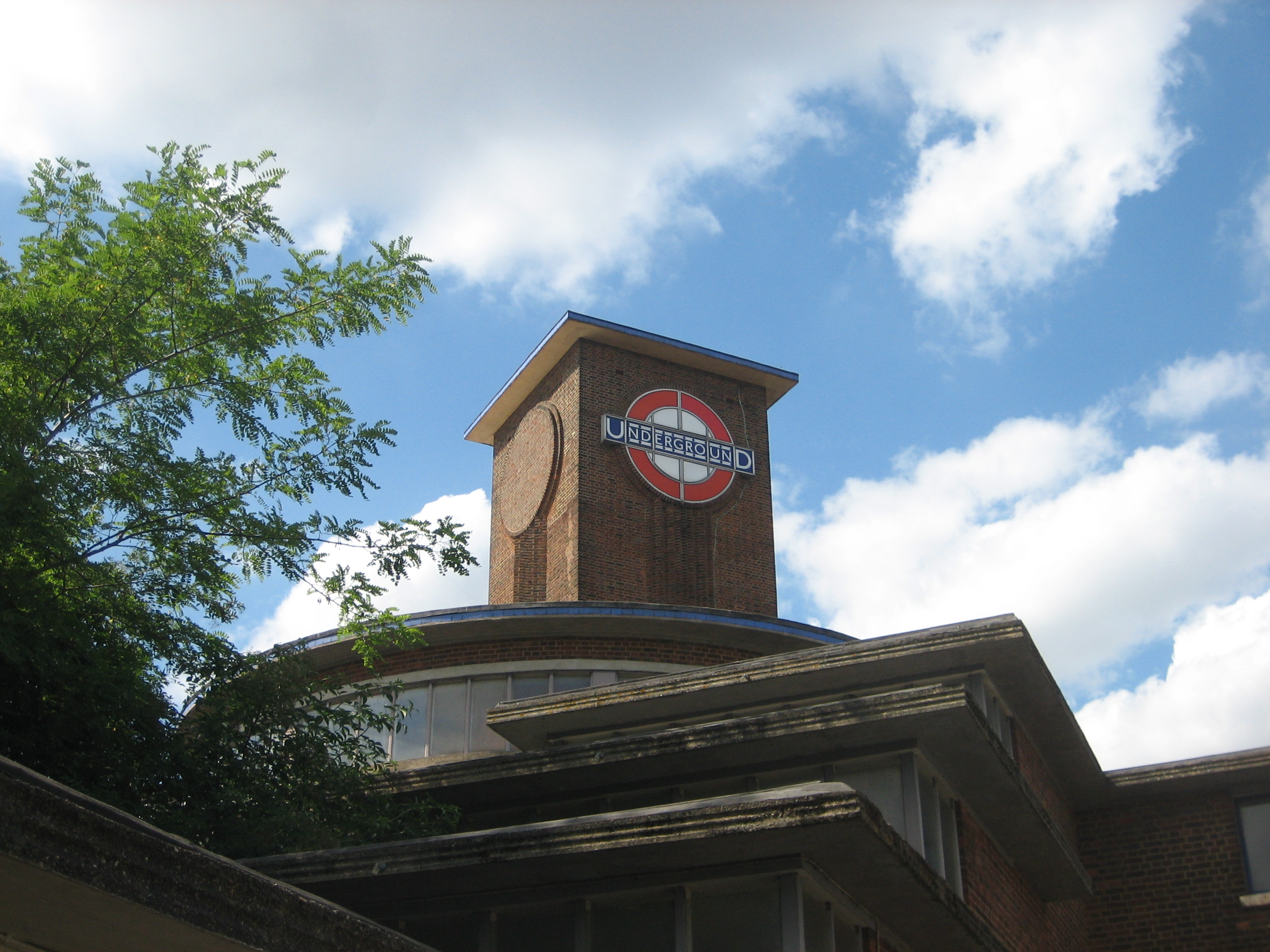 If you can have such a thing as a garland of geometry, this is it.
The station looks like the toy box of a five-year-old with a 55-year-old’s sensibilities. It shimmers and swirls with flair and derring-do, even though it is utterly immobile (but oh how I wish that circular platform revolved, like the old restaurant at the top of the BT Tower).
It’s not the work of Charles Holden, but rather Herbert Welch and Felix James Lander: a couple of architects Holden sub-let the work to in the mid-1930s, content they’d do the job in a “suitable” style. Which they did – effortlessly, and not with a little nerve.
If Holden wasn’t jealous, he should have been. Park Royal challenges (but doesn’t quite topple) the likes of Arnos Grove and Southgate for a place in Zone 1 of the Underground firmament.
Were I to ever become the benevolent dictator of Greater London, and I think there’s still time, this station might well be my seat of rule. It’s got the swagger, it’s got the class… and look, there’s even a tower in which to lock up anyone who opposes Crossrail or HS2*.
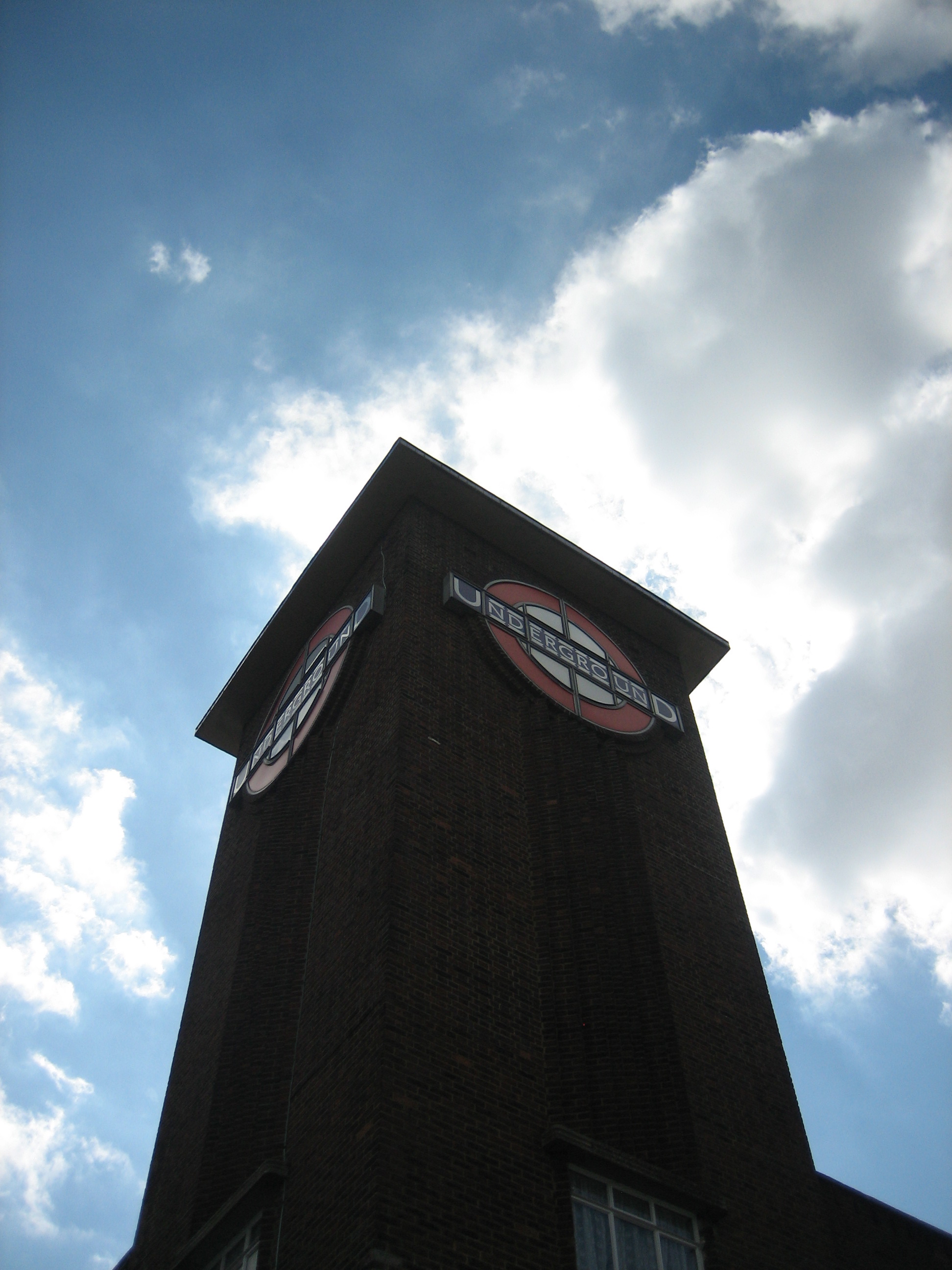 *Only joking. I’d stand on top of the tower, look down on them, and giggle. Before playing another chorus of the Marrow Song.

 150 great things about the Underground