Much ReveredMuch of the first incarnation of the Underground, like that of Doctor Who, was enthusiastically wiped from existence by subsequent generations of management bigwigs.

In both cases, I’m not especially sorry. Those traces that survive of either institution reveal a rather overbearing, eccentric style that’s also massively fusty and profoundly inelegant. Only the stuff that lurked slightly out-of-sight was really that good.

Fortunately, unlike Doctor Who, bits of the first incarnation of the Underground don’t keep turning up in someone’s attic or in Zimbabwe.

High Street Kensington was first thrown up in 1868 as an enormous pile of pretension. Victorian railway architecture can be maddeningly inconsistent. How could they get the likes of King’s Cross and St Pancras so right, but something like this so wrong?

Thankfully it didn’t survive, regenerating in the first decade of the 20th century to become… a shopping arcade. But wait, because just above the entrance to the station, up in the ceiling, are some attractive motifs commemorating the change. Both the Metropolitan (pictured above) and District railways are honoured:

Definitely ReveredAlong with the year of the renovation:

It was a very good yearAnything like this, with the right dosage of peculiarity and charm to catch people’s eye and make them stop and stare, is a good thing. The motifs add a bit of substance to the otherwise wispy atmosphere of the arcade. If even one person has cause to ponder for a moment on the meaning of MR, DR or the significance of 1906, a job of work has been done.

As for the station looking bigger on the inside than the outside… hasn’t the Underground always had plenty of time for relative dimensions in space?

High's treat

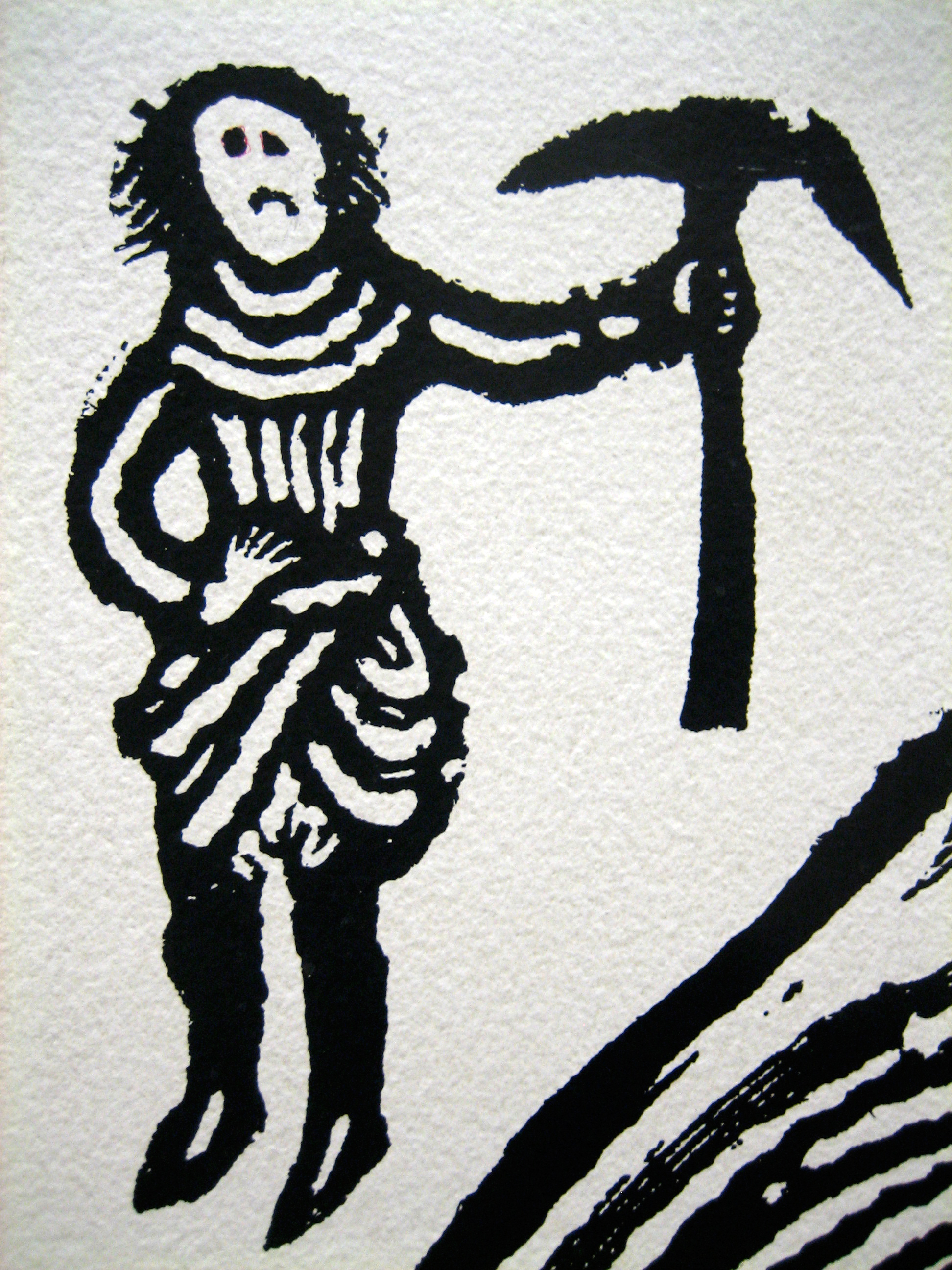
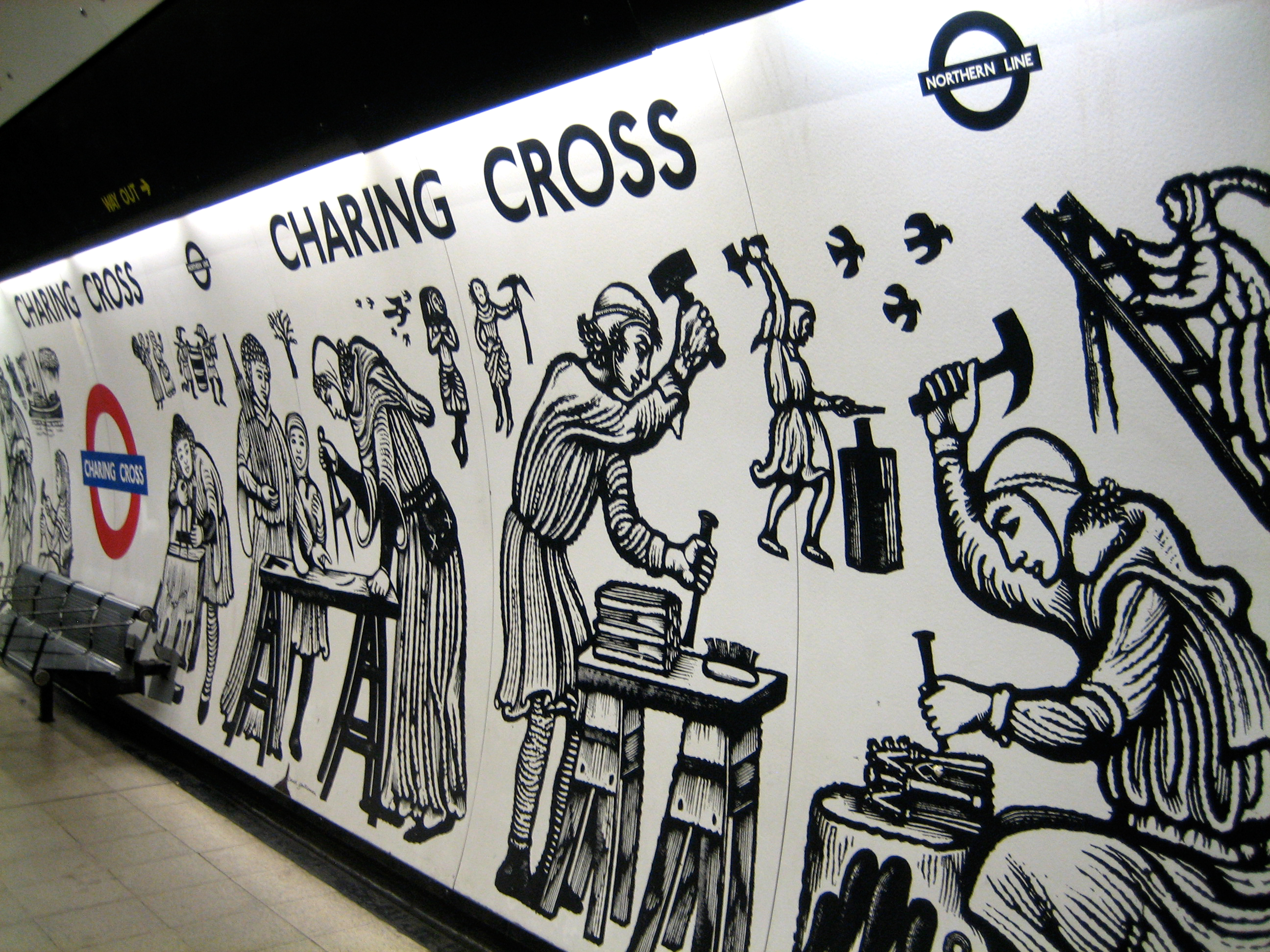
Commuter rage: it's been going on for centuriesDavid Gentleman’s designs for the walls of the Northern line platforms at Charing Cross, aside from suggesting that commuter rage dates back almost eight centuries, are a triumph from start to finish. And that’s a very long triumph, stretching as they do from one end of the platform to the other, and starring a cast of hundreds encompassing peasantry to pageantry, with the occasional pick-up en route:

Are you going my way?Are you going his way?

Strictly speaking, the murals retell the story of the construction of the eponymous cross, built in 13th century on the order of King Edward I as one of a number in memory of his wife Eleanor of Castile.

But if you fancy a more figurative interpretation, the designs reflect anybody and everybody who travels on the Underground. The range of character types is so broad it’s almost always possible to find one that, if not directly resembling yourself, at least reflects something of your mood:

We've all been thereAs we go about our toil, so does Gentleman’s ensemble, from the most humble to the most holy.

You may only grab a blur of images as your train rushes in, pauses then hurries off. Or you may have time to spy a face or feature that stays with you, in turn capturing a moment out of your day and elevating what can feel a mundane business – getting from A to B – into something a bit magical:

Gentleman nails it Close-up, you realise it’s not just human beings that benefit from the artist’s bracing, characterful style:

Symbolism a-go-goI reckon this is the murals’ greatest strength: the vivid personality of its subjects. These are historic events drawn in a very contemporary way. The scenes don’t seem rarefied, done for abstract contemplation. They’ve been leavened with a universal humanity.

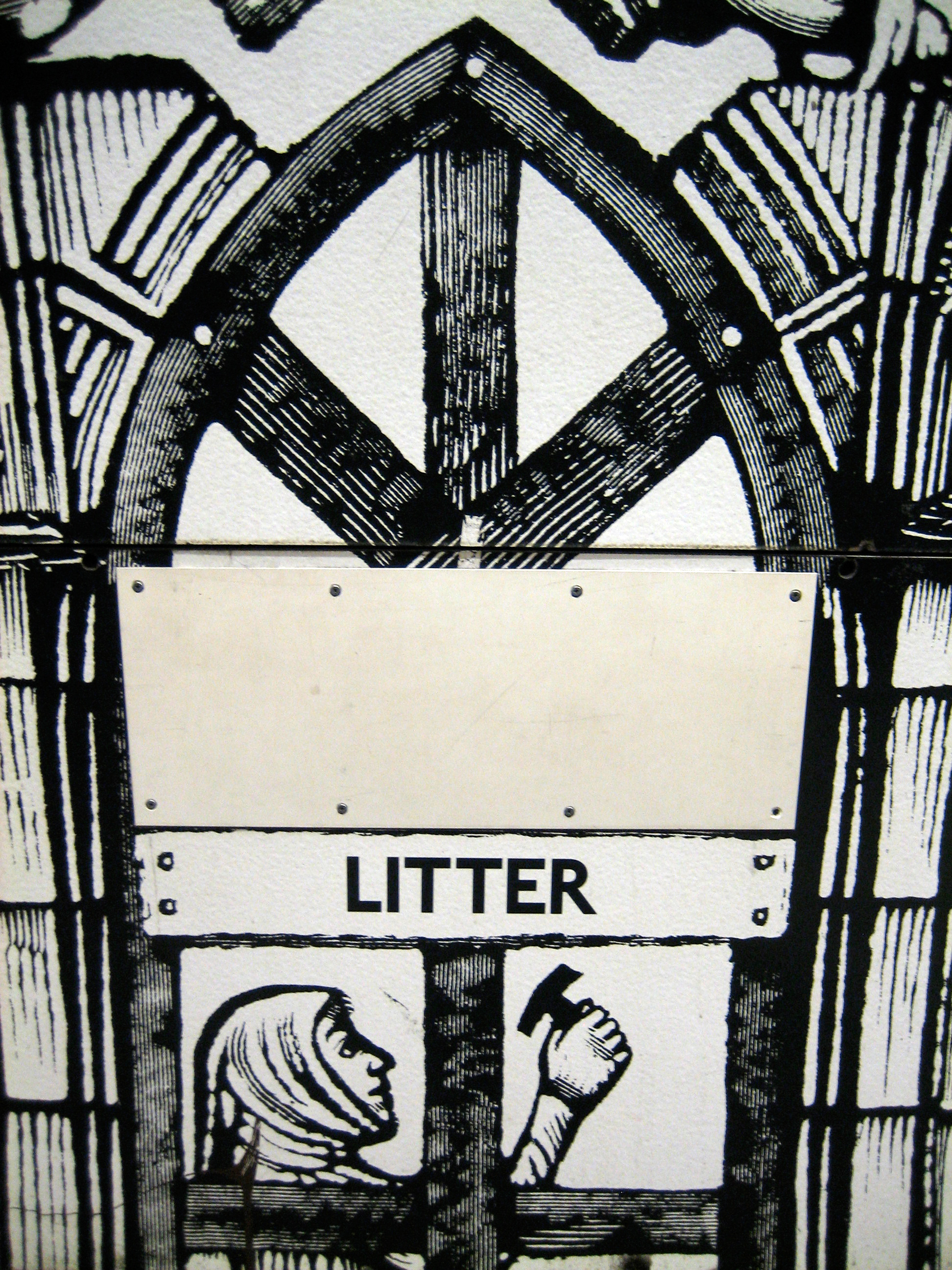
Admittedly the amalgamation of unwelcome if necessary everyday ephemera sometimes looks, literally, rubbish:

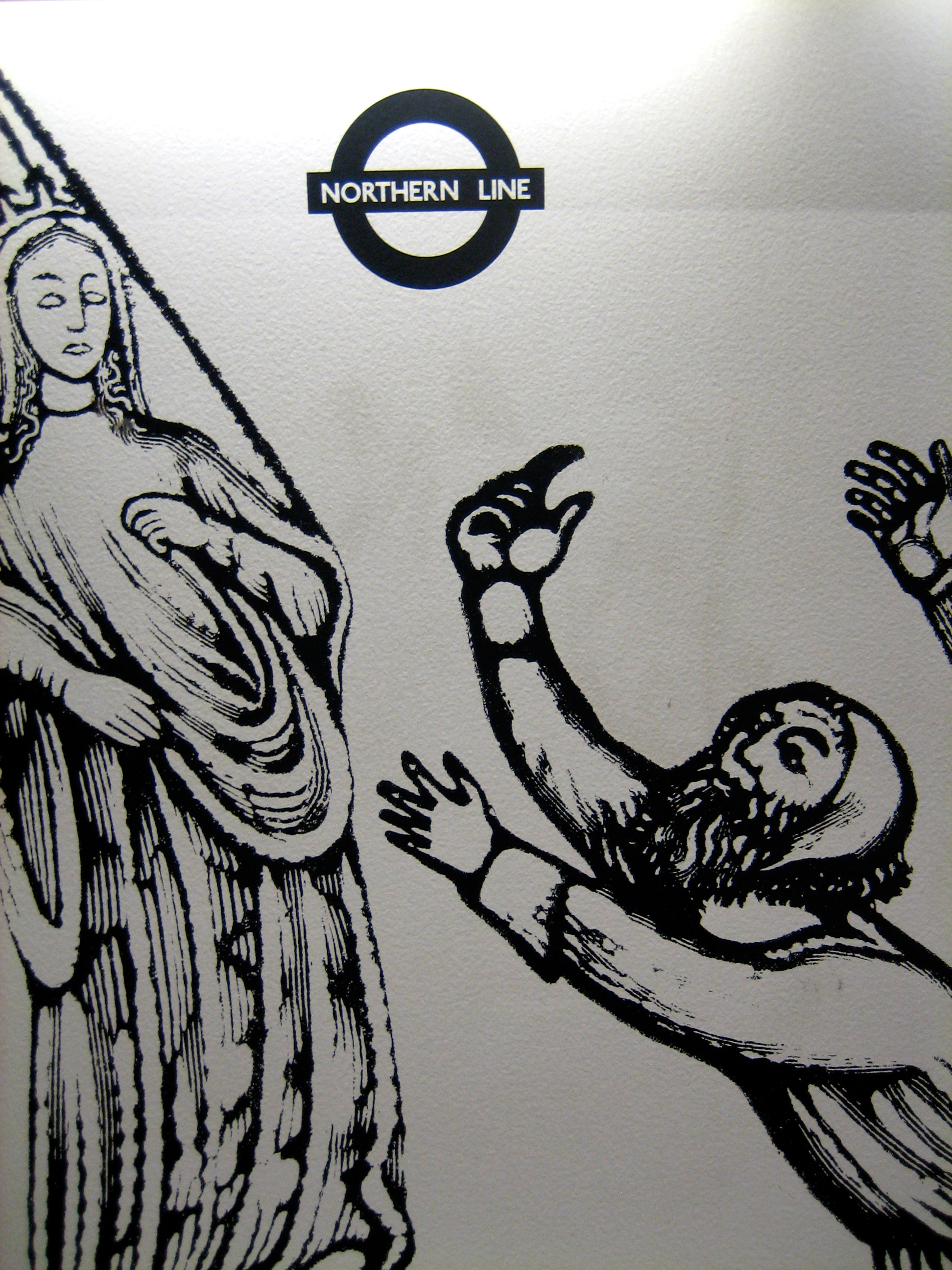
A bit (of) rubbishBut then you also get this, the Northern line roundel, popping up in wonderfully unlikely situations:

Manna from heavenFrankly, who wouldn’t want to worship such a divine manifestation?

The murals are one of the few things London Transport got right in the 1970s. They date from when Charing Cross was reworked as the terminus of the newly-extended (and newly-named) Jubilee line, and when all the messy jostling of stations separately called Trafalgar Square, Strand and Embankment got tidied up.

It can’t have been easy persuading the LT suits of the merits of such an aesthetic investment. But then, as the murals show, we all have our crosses to bear.

B-b-b-b-build

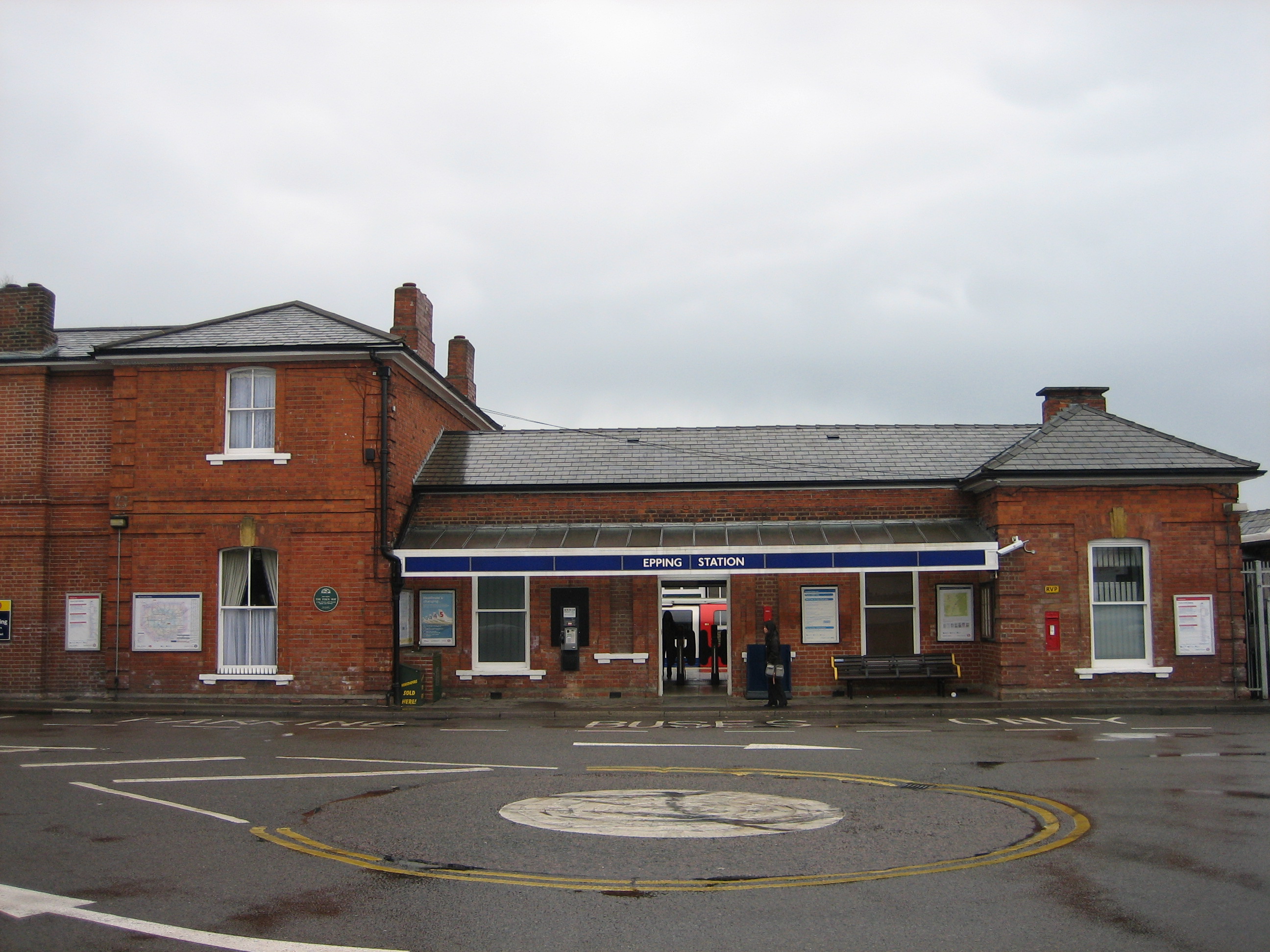
Epping 'ellThere’s not much that’s great about Epping as a terminus. In fact, it’s lousy.

The station buildings don’t come anywhere near to matching the splendour of Uxbridge or Cockfosters. They are reticent rather than rampant. Dowdy and lumpen, they look embarrassed to even exist. Which is not surprising, given they manage to be upstaged by a bus stop:

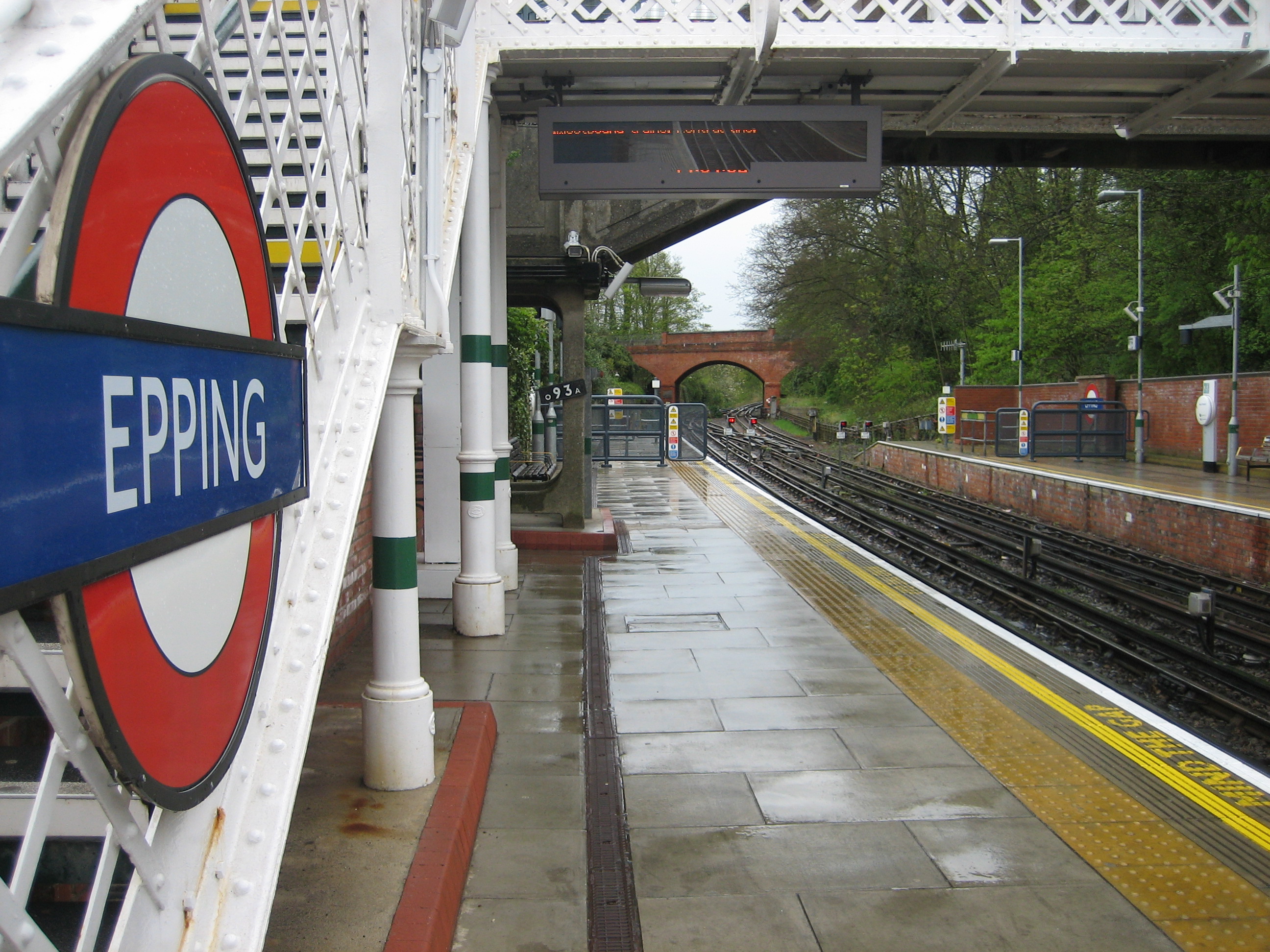
Terminal feelingsNo, what’s great about Epping has nothing to do with its architecture. It’s entirely due to the peculiar yet beguiling sensation it evokes from being the end of the line… but also not the end.

End of the beginning of the lineIf you linger at the far end of the platforms, you can see the tracks continuing round a corner and under a bridge. They tease you with the thought of what lies just out of view. They also taunt you with a memory of how things used to be.

Because not that long ago Central line trains continued down those tracks; the year Tony Blair became leader of the Labour party, for want of a chronological toehold.

Now the tracks are just a broken limb of the Underground, severed from the host. Their presence, but also their purposelessness, give Epping that curious, affecting feel of being neither one thing nor the other.

It’s a station of sad sighs and sidings.

None shall pass

A terminus that isn’t: like a seaside town out of season.

If you like steam trains and packaged nostalgia, an arbitrary chunk of the old “Epping for Ongar” line runs on those days when its private owners think they’ll be enough customers to guarantee a profit.

If you like proper heartfelt if hopeless nostalgia, Epping is open all year round except Christmas Day. Its platforms are going nowhere. Rather like its prospects.