Kew E. D.Bear with me on this one.

I accept it might not look particularly attractive, or even create a fleeting impression of attractiveness. You might think it looks unarguably dull, or at the very least utterly unexceptional. I accept it’s probably not the sort of place you’d want to linger, even when – as here – the sun is bathing everything in a flattering, early autumnal glow.

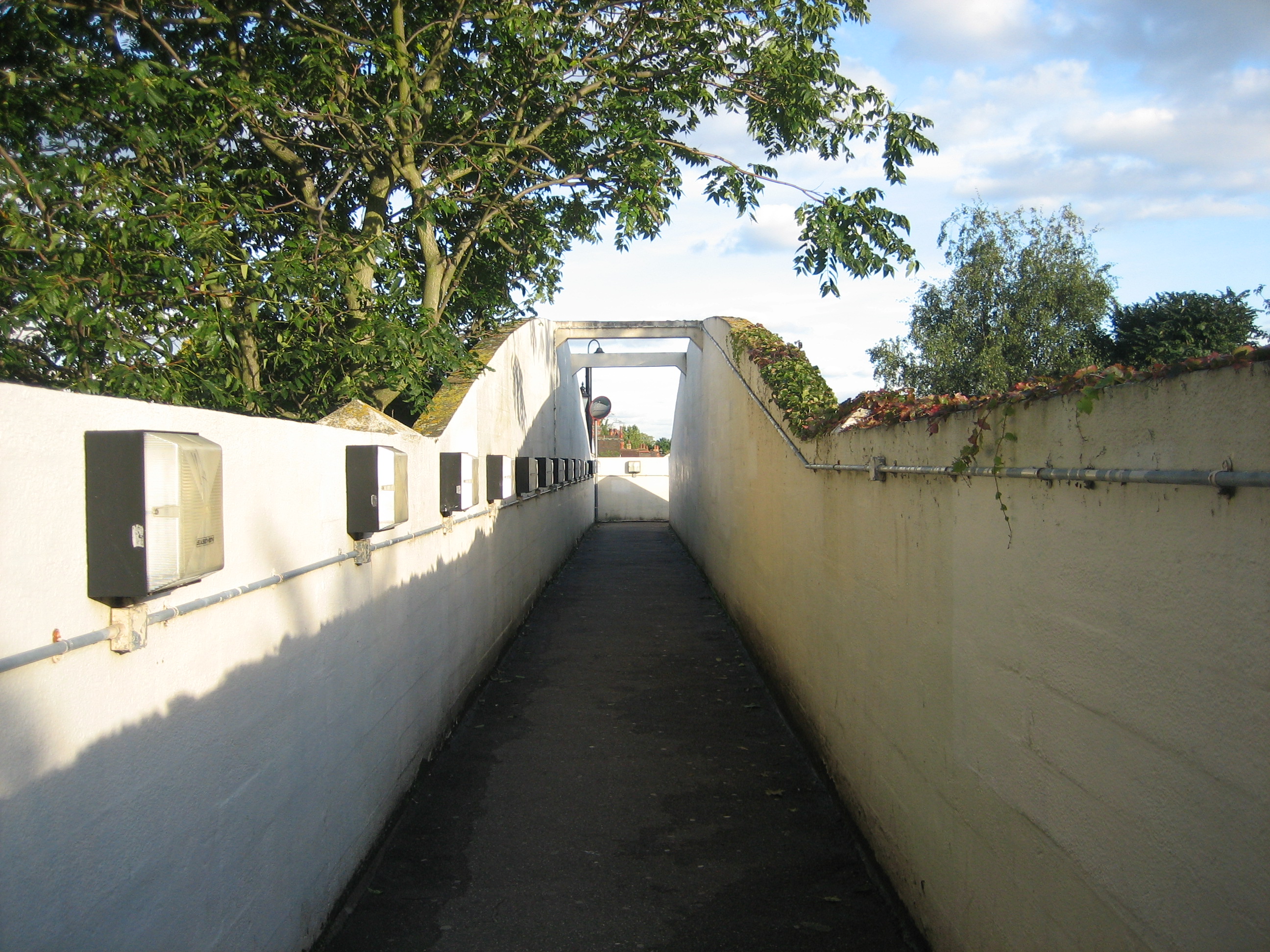
But for all this, the passenger footbridge at Kew Gardens is rather special.

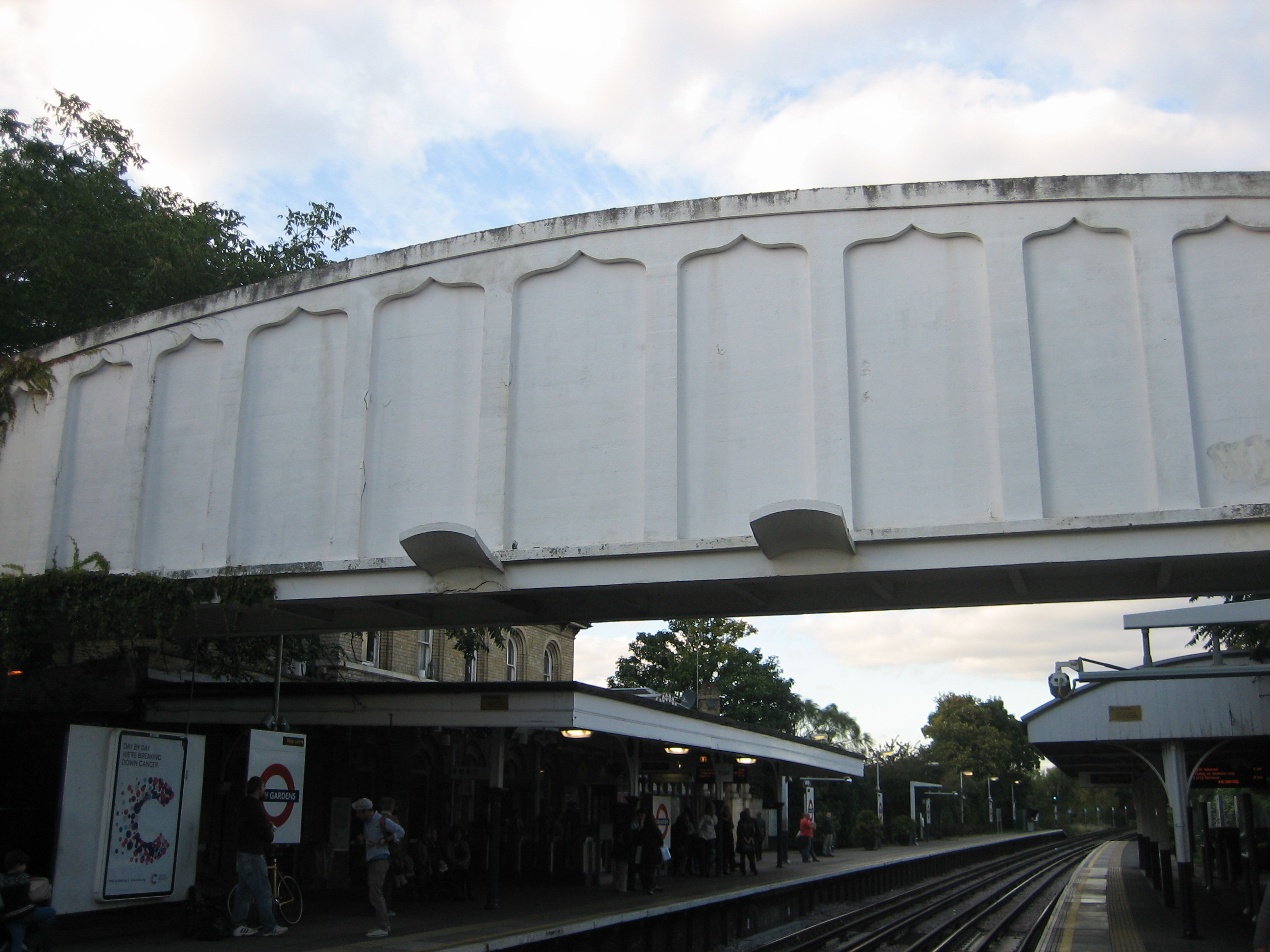
The more you linger, the more curious it looks – and feels. It’s possible to sense something a bit alien, a bit foreign about this bridge. The shape, the colour, the materials… none bear traces or motifs of homegrown architecture. There is nothing familiar in the structure, no parochial reference points in the design. There is no tang of London oozing from the brickwork.

What’s it doing here? And in Kew Gardens, of all places?

I mean, look at it:
Kew jumpingOf course, there’s a switcheroo coming up, and here it is.

Precisely why it is so unusual is precisely why it is so fascinating.

A nearby plaque explains all. The bridge was opened in 1912 and is a hugely rare and very early example of one made from reinforced concrete, using a technique pioneered by the French engineer François Hennebique. That feeling of other-worldliness starts to make sense.

Moreover, it was deliberately designed (I’m not sure who by) with those unusual high walls and those odd projections out of its sides in order to protect its users from smoke and dirt coming from passing steam engines. How thoughtful – and how daringly continental. There can’t have been many people native to Edwardian Britain believing that passengers ought to take precedence over machinery.

The whole thing was done up in 2004 thanks to English Heritage, the Kew Society and numerous other benefactors, including every person who’s ever played the National Lottery (that’s how the heritage fund works, isn’t it?)

Heaven knows what it looked like before its makeover – less attractive certainly, but also probably less intriguing. Even the furnishings seem to have scrubbed up well:

Hooray for the blue, white and redAll in all, a most agreeable form of Kew jumping.

Did I mention the views are pretty damn special as well?

Form an orderly Kew

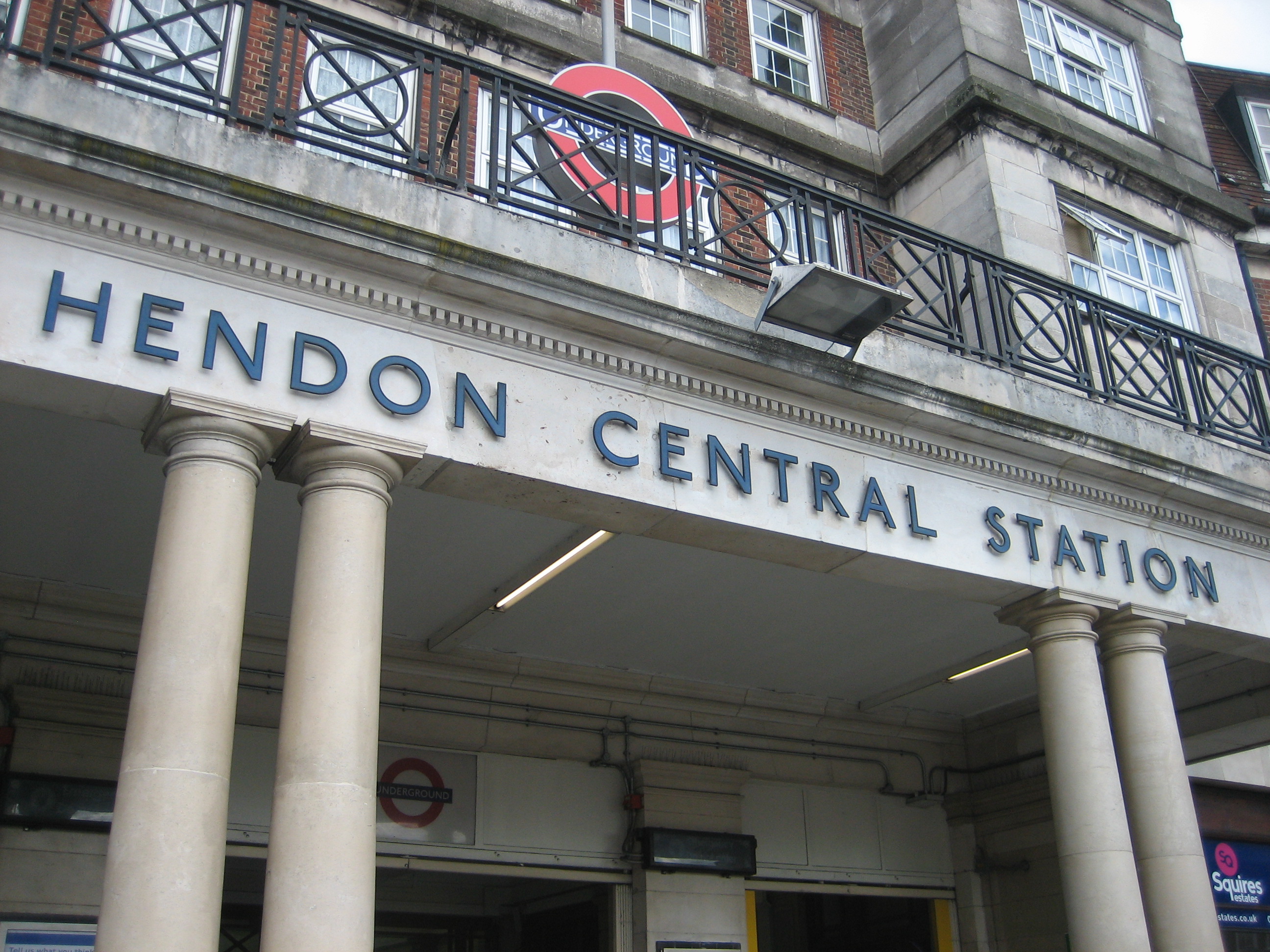
A grand Central stationThis grandest of all grand Central stations looks out over a thunderously bustling intersection of roads, shops, subways and services. You emerge from its elegant collonade and delicate motifs into an environment that is anything but.

It’s just about possible to appreciate the idea behind the birthplace of modern Hendon, but the reality has been long since battered into submission. Best to linger a little longer among the pillars, especially if the weather’s on the turn.

Heaps of entertainmentI lived round here for two years and trained myself to co-exist with the noise. For the traffic never stops. One night there was a power cut and I went on to the roof of my building to see how much of the area was affected. Even though it was 3am the roads were still busy.

Three lanes of vehicles sweep down from one direction en route to Brent Cross and the North Circular Road. They charge past the other way heading out towards the M1. Bisecting them comes traffic to and from Golders Green and Kingsbury. A greater contrast with the surroundings of Hendon Central’s neighbouring station, Brent Cross, it is difficult to imagine. Yet both were designed by the same person, Stanley Heaps, and share if not a sympathetic location then a stubborn beauty.

Winter wonder-grand

I can vouch personally for how welcoming that entrance could be during winter.

It’s not a building that dominates or defines its surroundings in the same manner as its nearby sister. It cannot compete for attention with what has become an enormously intimidating adjacent road junction.

But this lends the station a rather attractive melancholy feel. Its greatness is now tinged with sadness. Hendon Central is becoming evermore a sentinel, isolated from everything around it by nature of its style and purpose, yet guarding a gateway to a more decorous way to travel.

It hasn’t always been like this. There are probably people still alive who’d say they can remember when Hendon Central was all fields. And they wouldn’t be lying.

No, me neitherHere’s another of the Underground’s most striking features about which I know strikingly little.

Two of these large, stencilled signs frame the compact, pedestrianised forecourt of East Putney, and I believe their design is unique. I can’t think of anywhere else on the network that boasts these kinds of unorthodox yet stylish proclamations, which makes my lack of knowledge about their conception and history all the more embarrassing.

Still haven't a clueThe fact they are so atypical, and so completely beyond even the broadest of indulgences entertained by Transport for London’s in-house transport style tsars, just makes them all the more fascinating – besides inviting a clutch of teasing questions.

Were they put up perhaps as a consequence of a local YTS exercise? Or a maverick councillor, tired of design edicts from a metropolitan authority? Are they meant to be something else that went a little awry and had to be turned hastily into what we see today? Or are they porticos of the past, hailing from the station’s previous lifetimes, before British Rail sold the line to London Underground in 1994 for the choice sum of one pound sterling?

I’m sure the truth is rather more mundane, though any initiative that leads to the creation of something so artfully conspicuous can’t be entirely without flair.

Two of a kindI really like them.

But then you can show me any elevated, embossed post-war font, preferably outside a bit of public infrastructure, and I’m as happy as a sandboy.