 The more I write about the Jubilee line, the more I realise it is one of London’s finest collections of contemporary architecture. The stations that were either redeveloped or built from scratch to form the extension of the line between Westminster and Stratford are among the city’s most bewitching.
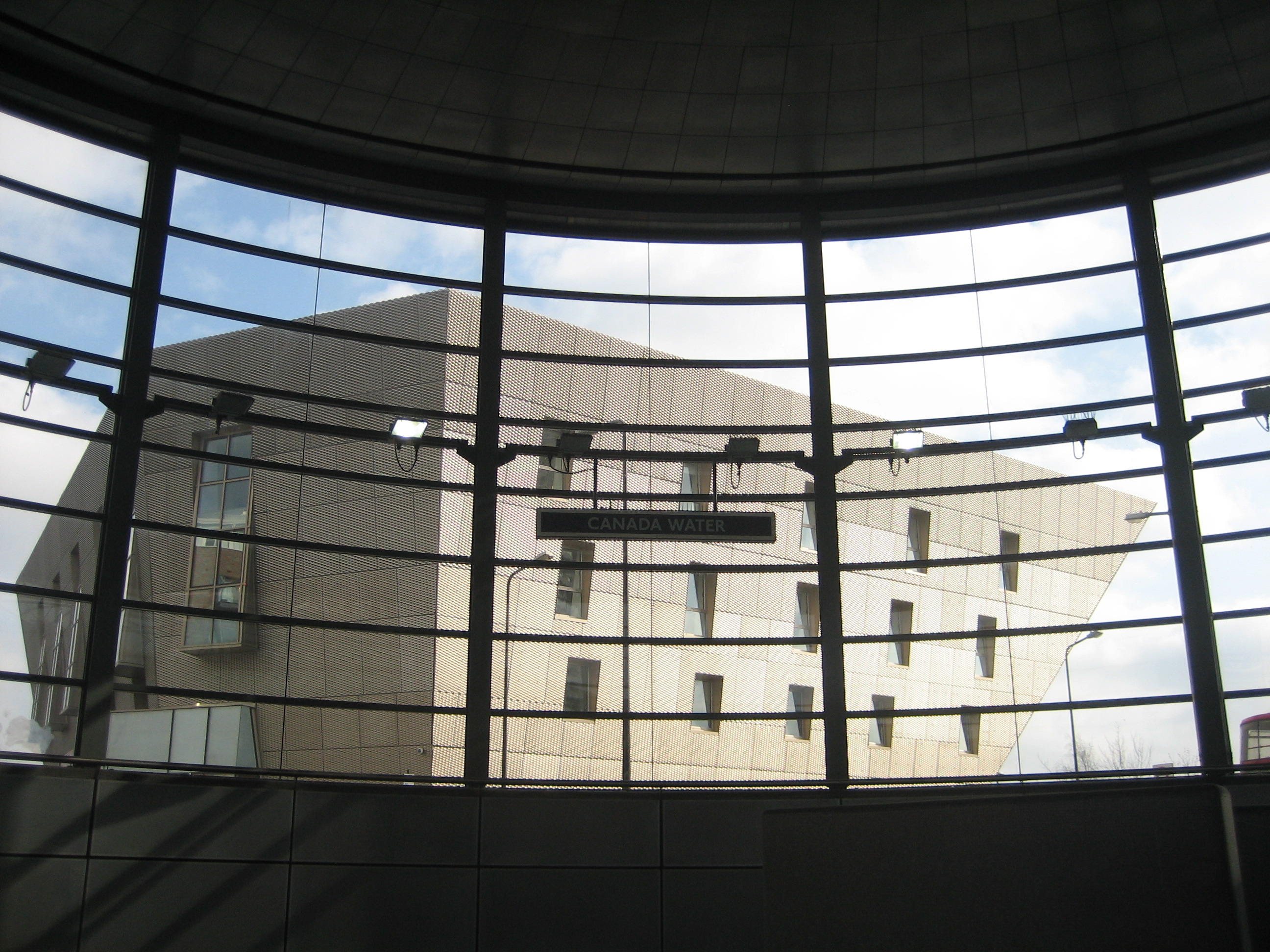
 The enormous glass drum that forms the centrepiece of Canada Water is another example. Its scale and ambition is matched by its class and intelligence. Light pours down into the heart of the station, creating a beautiful patchwork of shadows, shades and silhouettes.
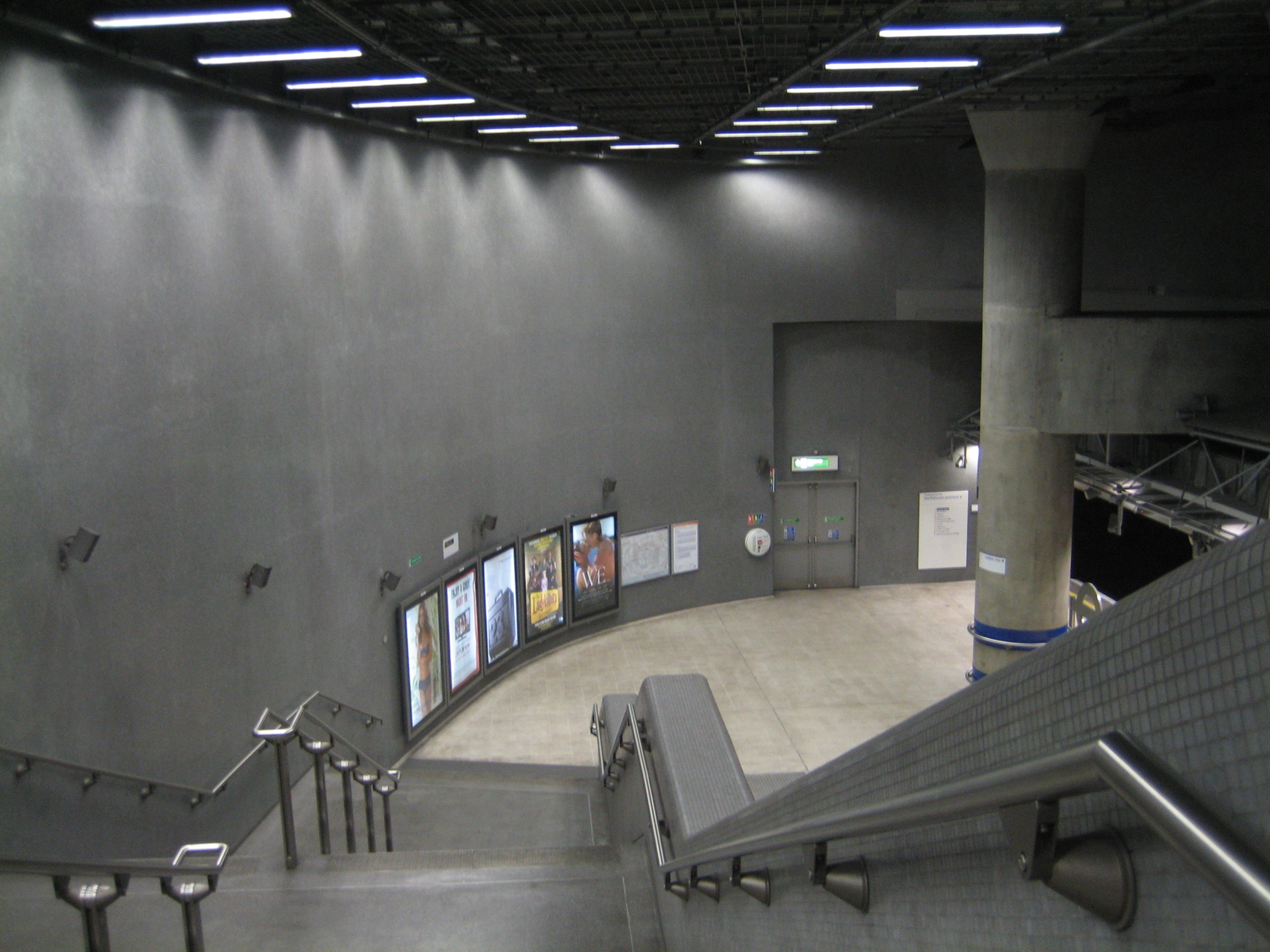
Around the edge of the drum, vast walkways and staircases circle up, around and below each other, affording plenty of views of the whole interior (should you want to sample them) while coaxing you ever downwards into the building’s bustling heart:
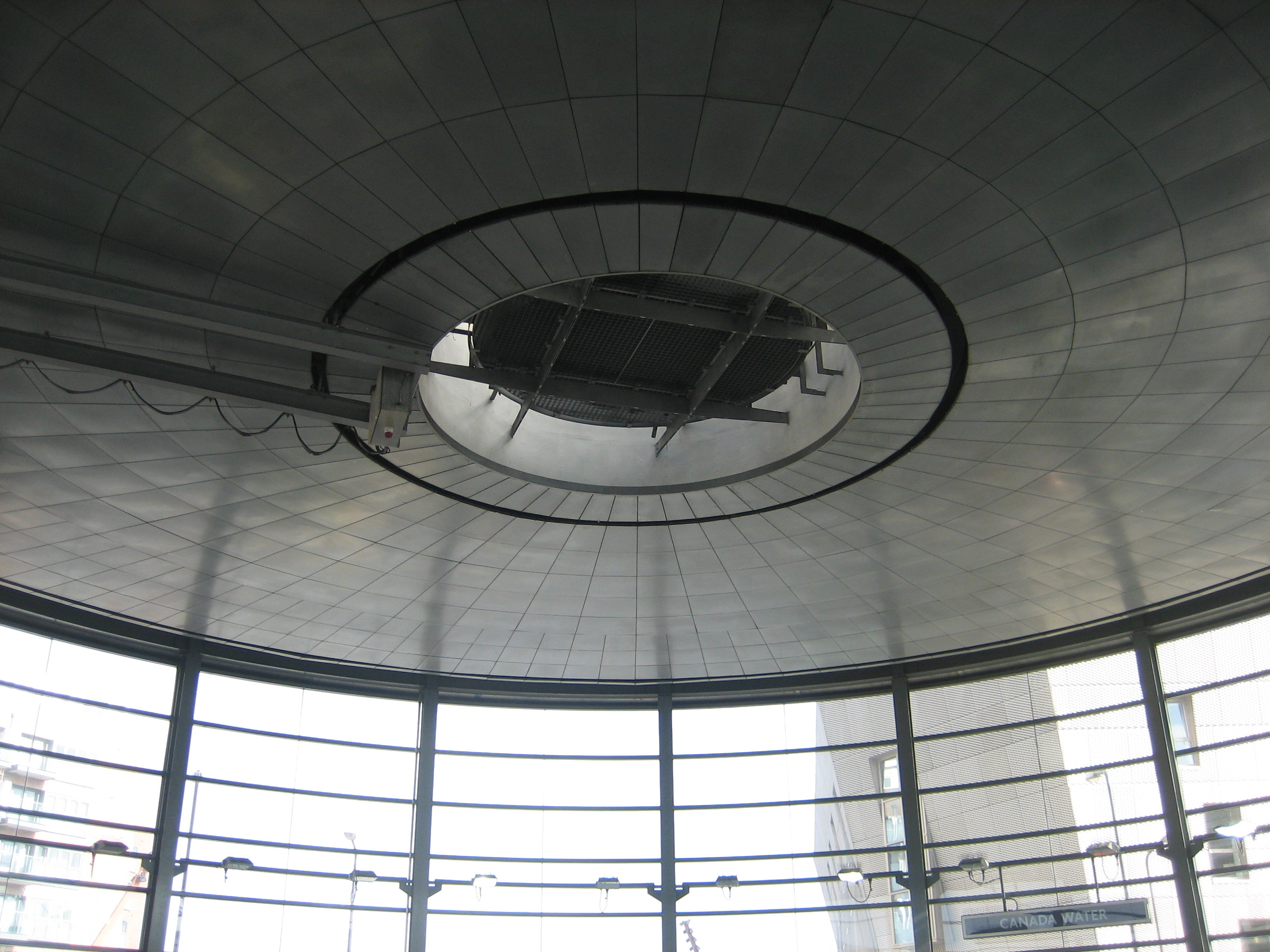
 I particularly like the necessarily-huge lid on top of the drum, which reminds me a little of the similarly futuristic look of Southgate station.
 Plaudits must go to the architects Buro Happold, who designed the drum and whose portfolio embraces everything from the Millennium Dome and the Lowry Centre in Salford to Ascot racecourse and the Robert Burns birthplace museum.
It’s yet another extraordinary creation in an otherwise ordinary setting.
These Jubilee line stations march across south-east London in a parade of glory. It’s hard to think we’re likely to see such a marriage of investment and imagination again.


 150 great things about the Underground