Archive

Tag Archives: Charles Holden

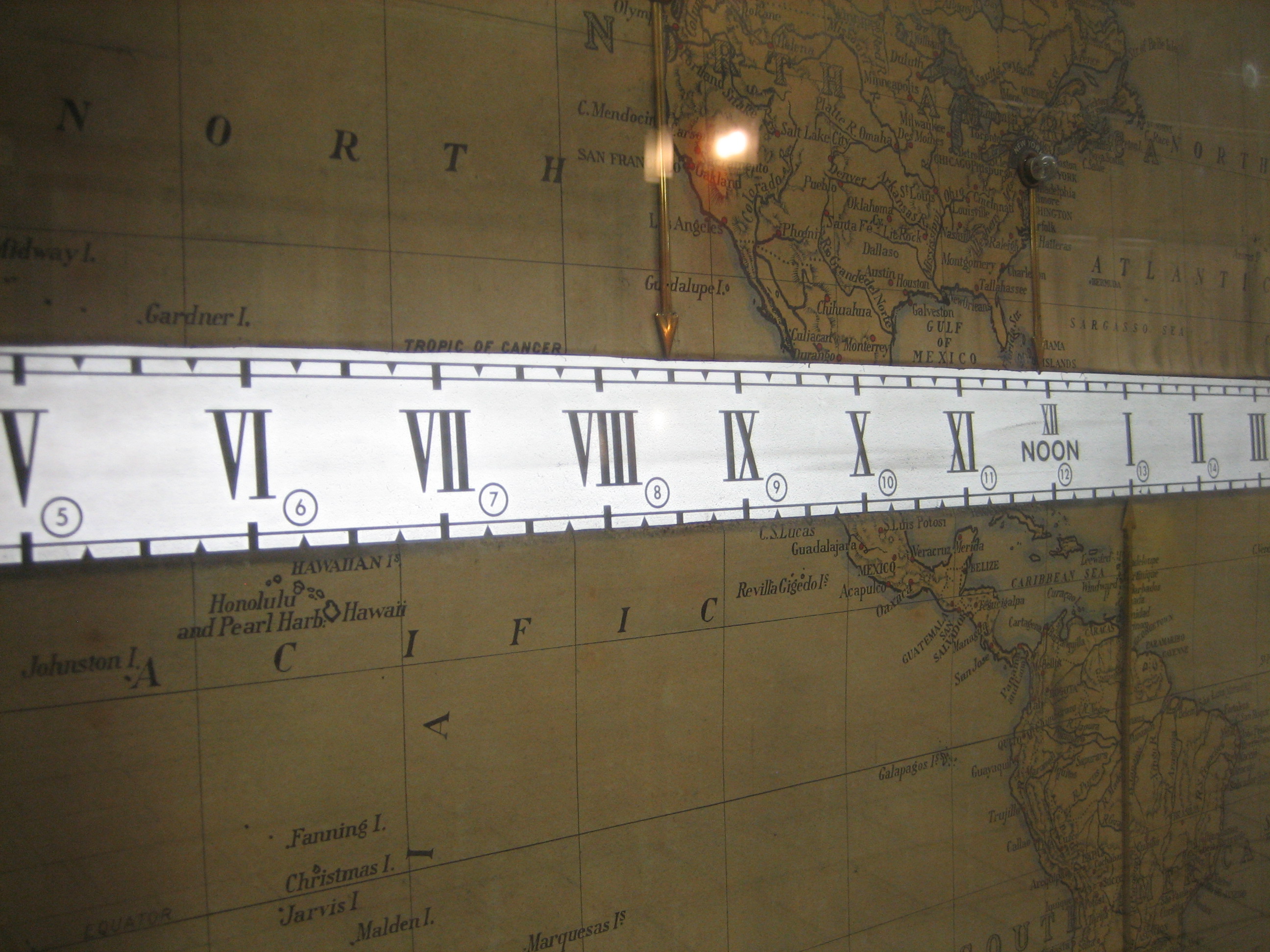
Minute minutesIt was the middle of the rush hour when I took this picture, yet the crowds of people passing around me didn’t give this object the time of day.

Which was a pity, as it was doing the very same back at them, and with considerably more style.
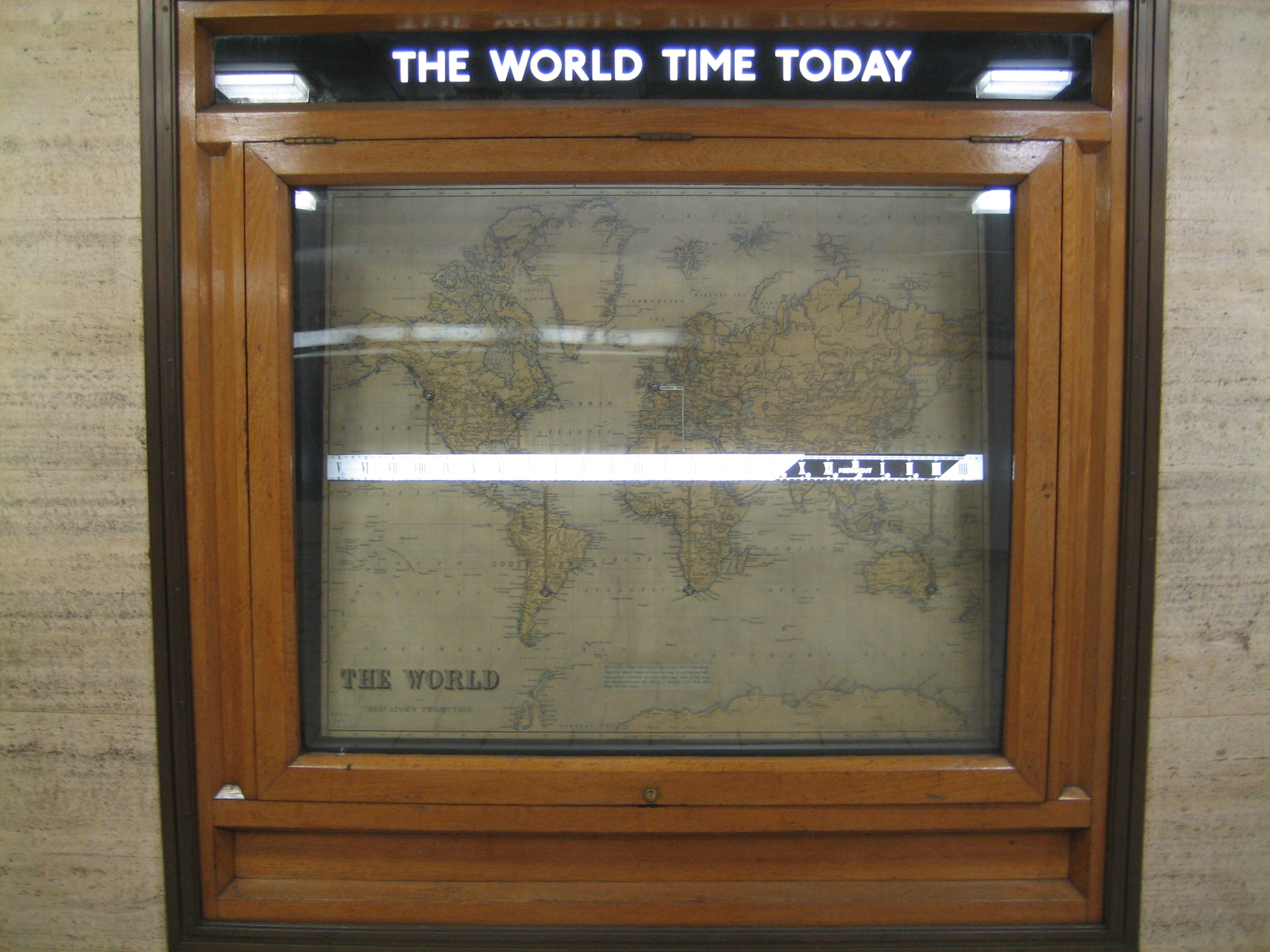
The world, clockedThe linear clock at Piccadilly Circus is an overlooked gem. It sits snugly within the inner wall of the station’s circular entrance hall at almost the furthest point possible from the main escalators, so perhaps its failure to grab attention isn’t that surprising.

But even the people who were brushing against it barely cast it a tiny glance. Perhaps they’d seen it before, twice daily, as regular as, ooh, clockwork. Or perhaps they just didn’t have – I should stop this – enough time.

Still, their unwillingness to pause and stare did afford me an almost clear shot of the installation, save for one gentleman who, having seen what I was up to, made a point of remaining stubbornly motionless, my fierce glares bouncing off him like platitudinous ping-pong balls.
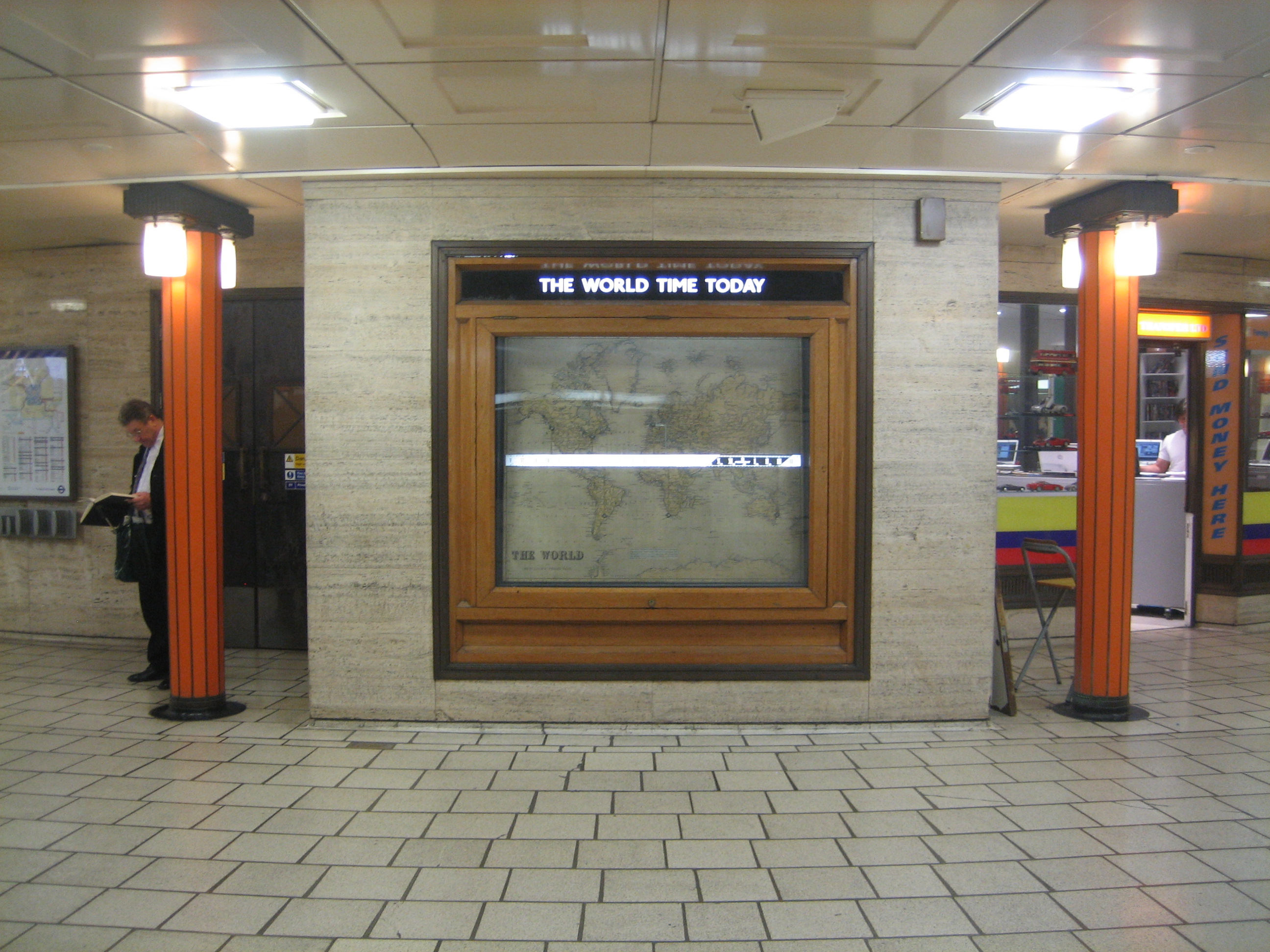
Time, gentleman, pleaseThe clock dates from the station’s redesign in the late 1920s. The central strip scrolls imperceptibly across the map of the world at the same speed as the planet’s rotation. As such it is possible to see, roughly, what the time is anywhere around the globe at any point of the day or night. Wonderfully simple and simply wonderful.

Responsibility for such a suavely elegant and restful timepiece lies with architect Charles Holden and builder John Mowlem and Co, who collaborated on the whole of the station.

Piccadilly Circus entrance hall can feel a bit like a spinning top at its busiest moments, with passengers whirling in, up, round, down and out. You have to fight against the flow of people to even stand still. No wonder the clock doesn’t get much of an audience.

Its time in the sun was probably in its infancy, when people strolled rather than stormed around the station. But fortunately, even if nobody is looking, somewhere the sun is always shining for this antique watchman, and hopefully always will.
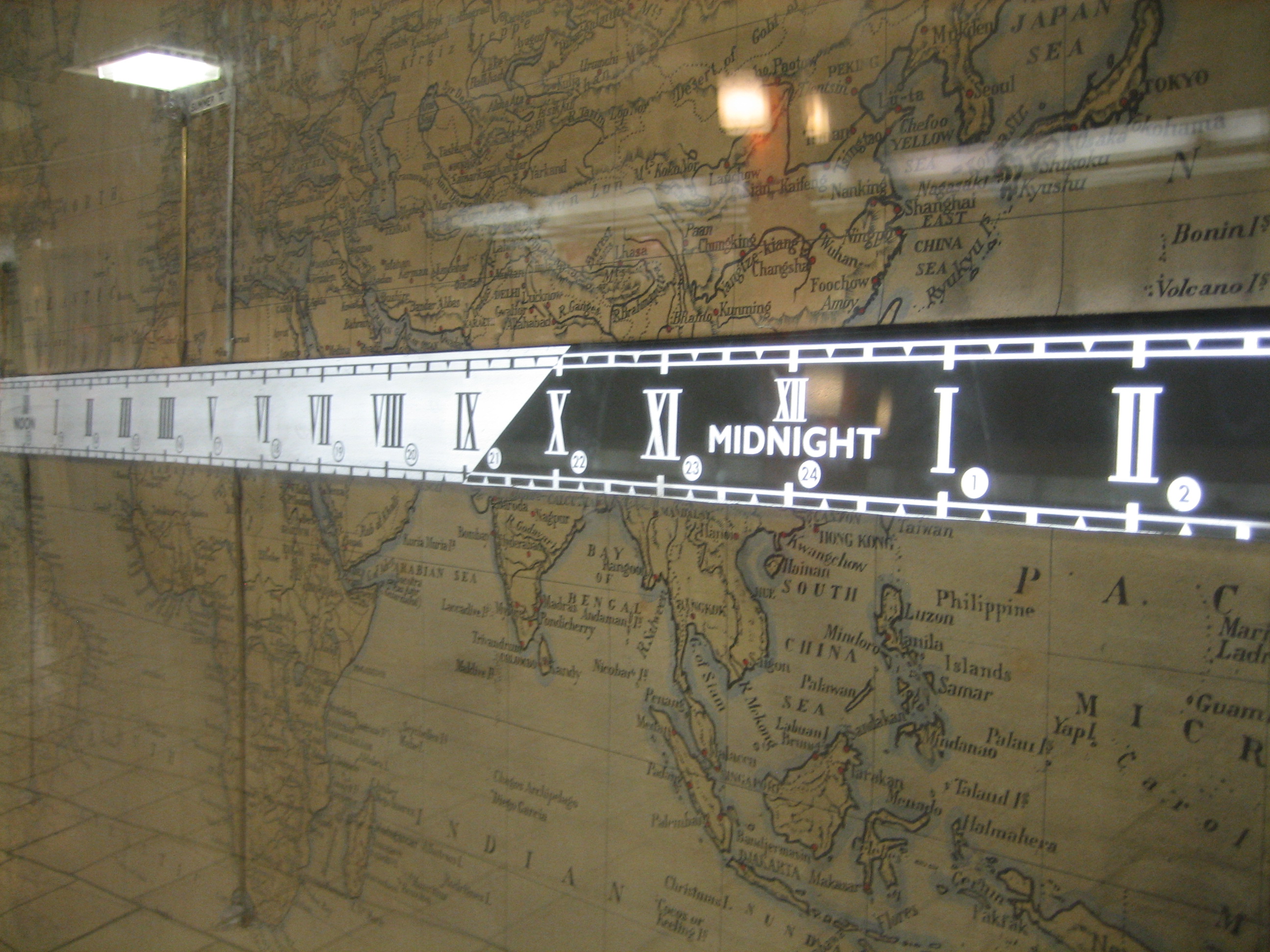
Where the sun never sets...

Yes, another oneWelcome to the other end of the line.

The terminus at Uxbridge was conceived and designed to mirror that at Cockfosters, so it makes sense for me to salute them sequentially.

There are differences between the two, but not substantially. Uxbridge is slightly taller and longer than its crosstown cousin, but keeps the same overall shape and sensibility. Statistically it is four times busier than Cockfosters, but is still just as elegant and, despite the hubbub, just as atmospheric:

IlluminatingI know I’m a sappy simpleton, but I find the way these massed ranks of regal arches diminish and fade into the distance really rather special.

If you can forget the bustle and sidestep the people loitering not for a train, or to meet someone, but just for the sake of it, there’s a bewitching ambience to Uxbridge station.

The presence of stained glass, which I’ve already mentioned, makes the whole place feel slightly hallowed. Except nobody departs to another life, or a hole in the ground, from Uxbridge; the most they can hope for is a swift connection to Rayners Lane.

Go in peaceUnlike Cockfosters, this isn’t the one and only station building to have existed in this location – or to be precise, in and around this location.

The first incarnation of Uxbridge station was opened by the Metropolitan Railway in 1904, north of where it is now. The second and current incarnation dates from 1938. Regular readers will have no trouble guessing whose estimable hands were responsible for drawing up the blueprints.

Holden back the yearsDespite being dozens of miles and countless stations apart, Uxbridge and Cockfosters help remind you what the Underground is and always should be: one network, serving one London, whose similarities are greater and stronger than what many, especially London’s one newspaper, would often have you believe.

To the end of the lineWelcome to the end of the line.

I hope I’m not alone in finding this and other London Underground terminuses (or termini, to be classically correct) hugely beguiling. They have an atmosphere you do not find anywhere else on the network. It’s one of precarious, precious stillness. Nothing and no-one can rush in a place like this. Life feels half-suspended, having drifted in from somewhere, but not entirely sure when it will drift on somewhere else. Trains creep in, loiter, and creep out. Time does the same.

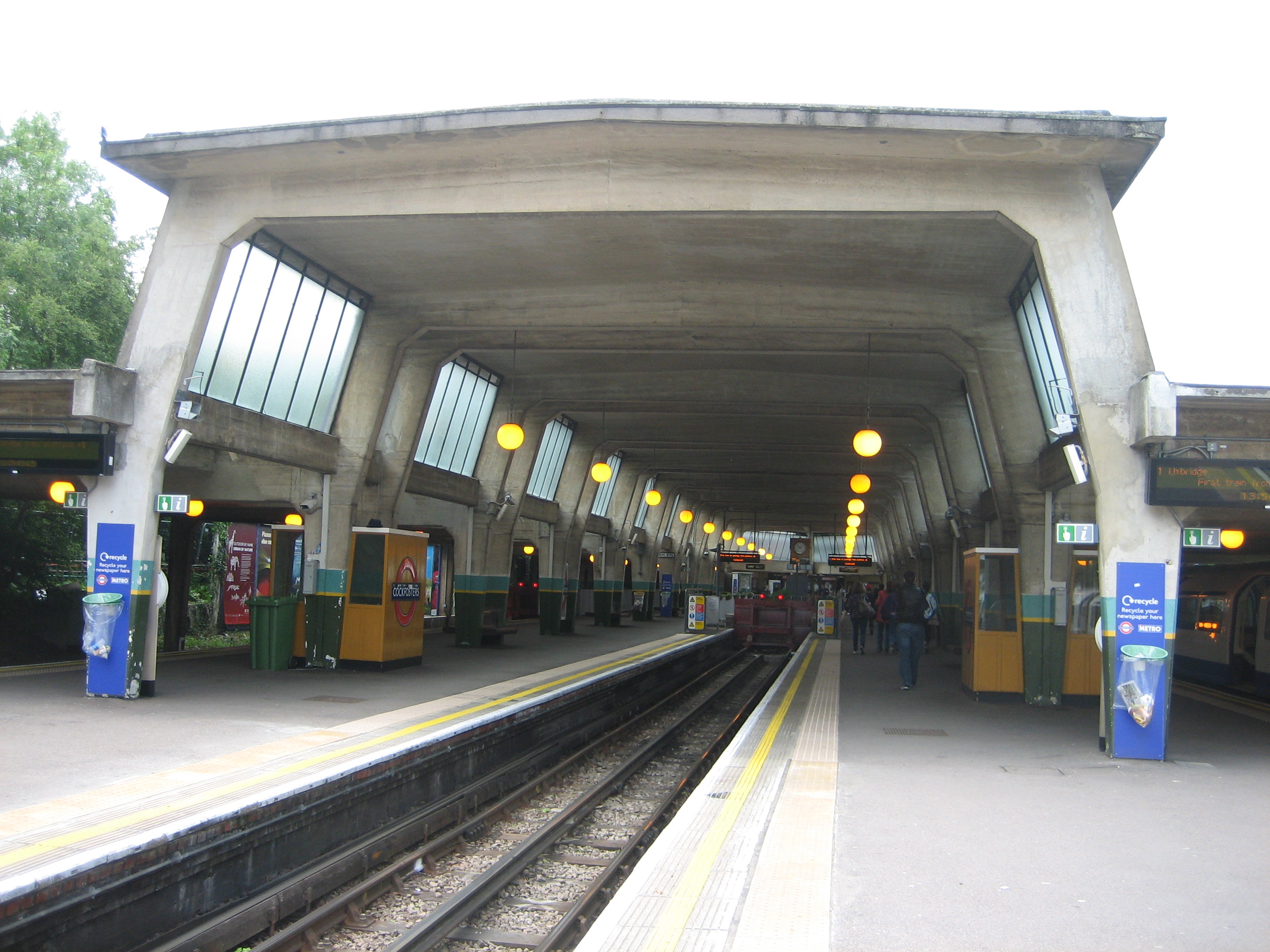
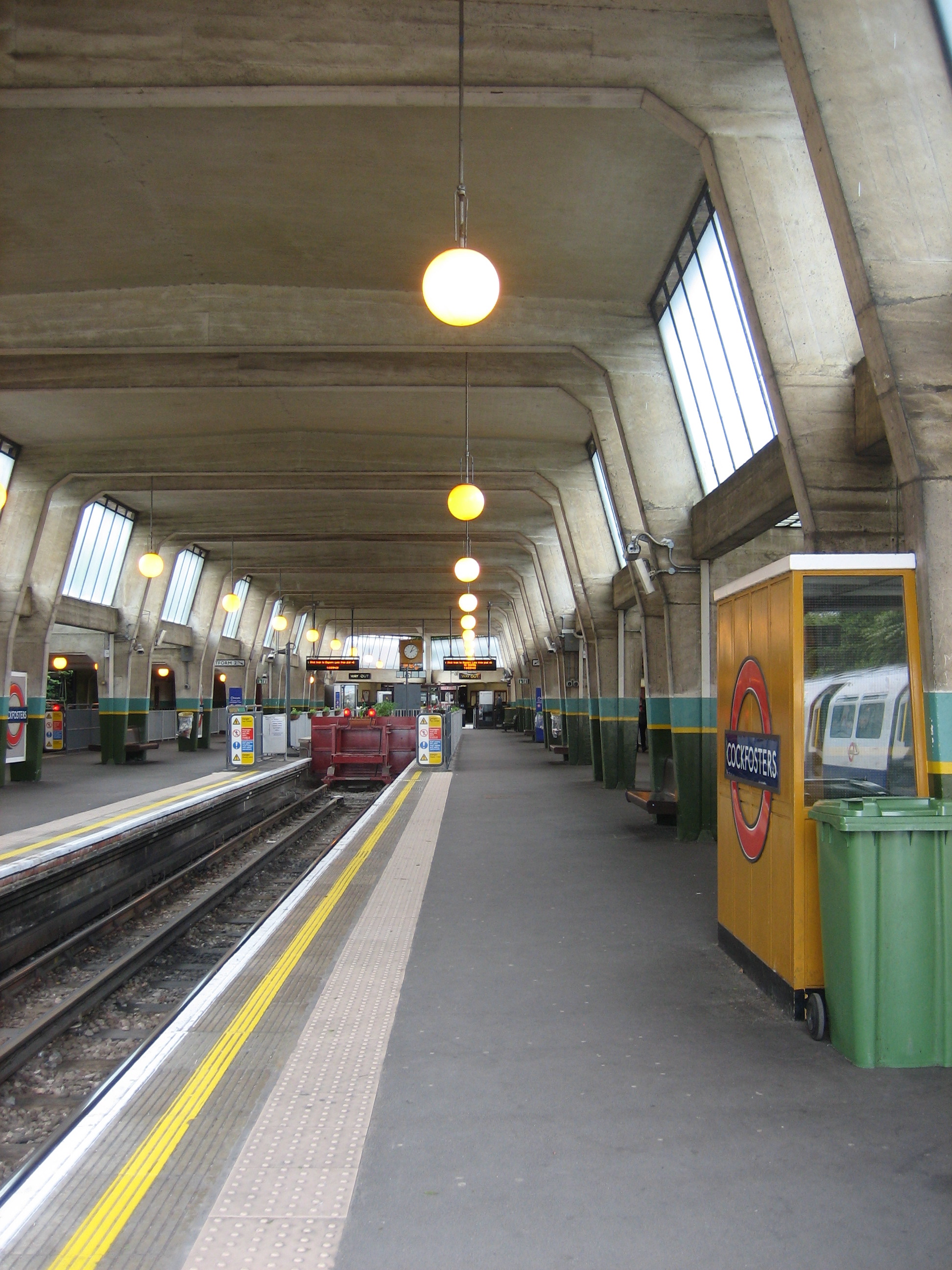
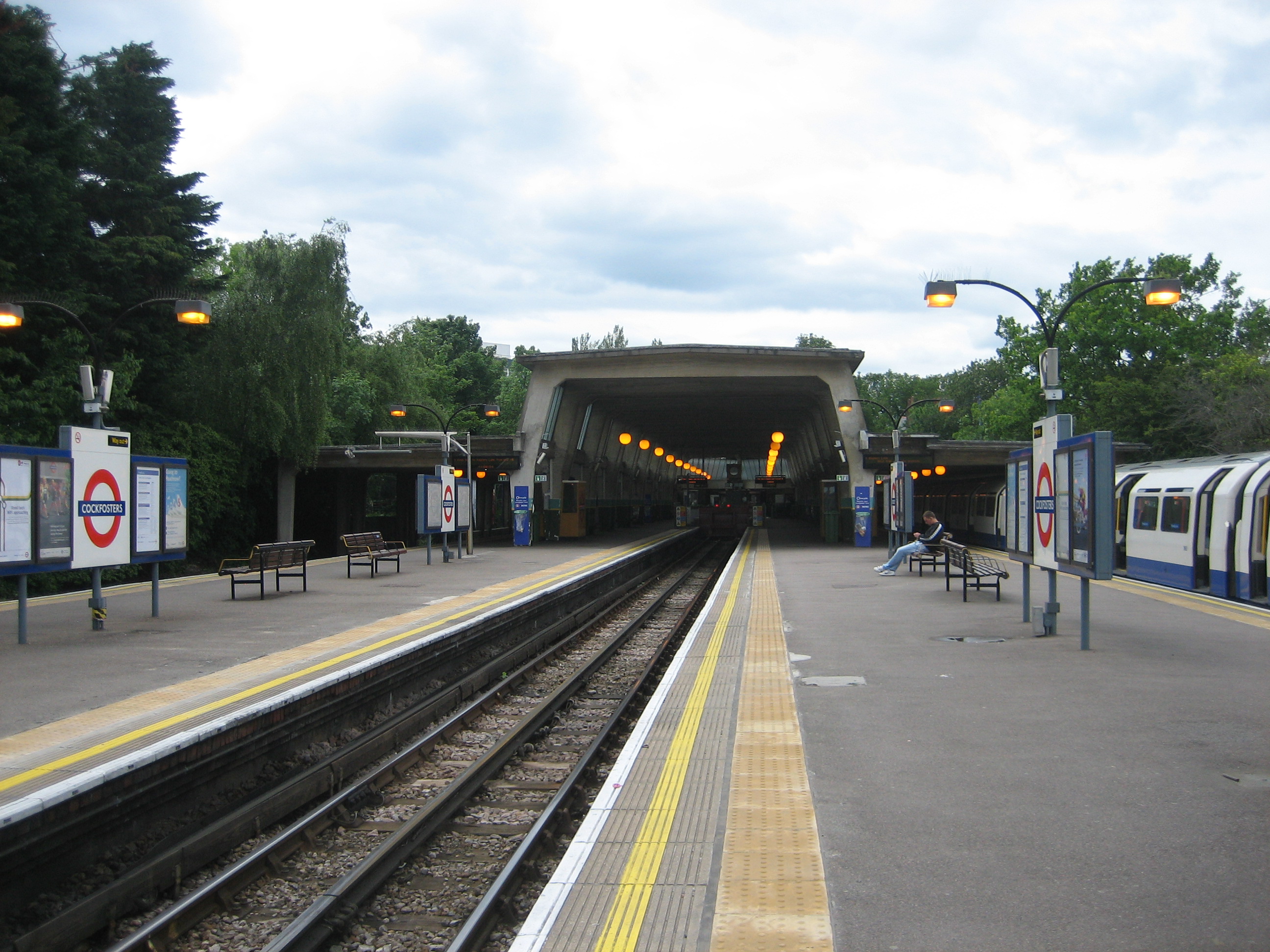
These feelings are amplified and embellished when you’re in a terminus like the one at Cockfosters.

Another Charles Holden masterpiece (yes, him again) dating from 1933, the building seems almost to shiver with languid splendour. Those great grey arches yawn invitingly; the soft lights wink and glow with dapper charm; and all around you the space, the generous, stylish space, circulates with airy, effortless ease.

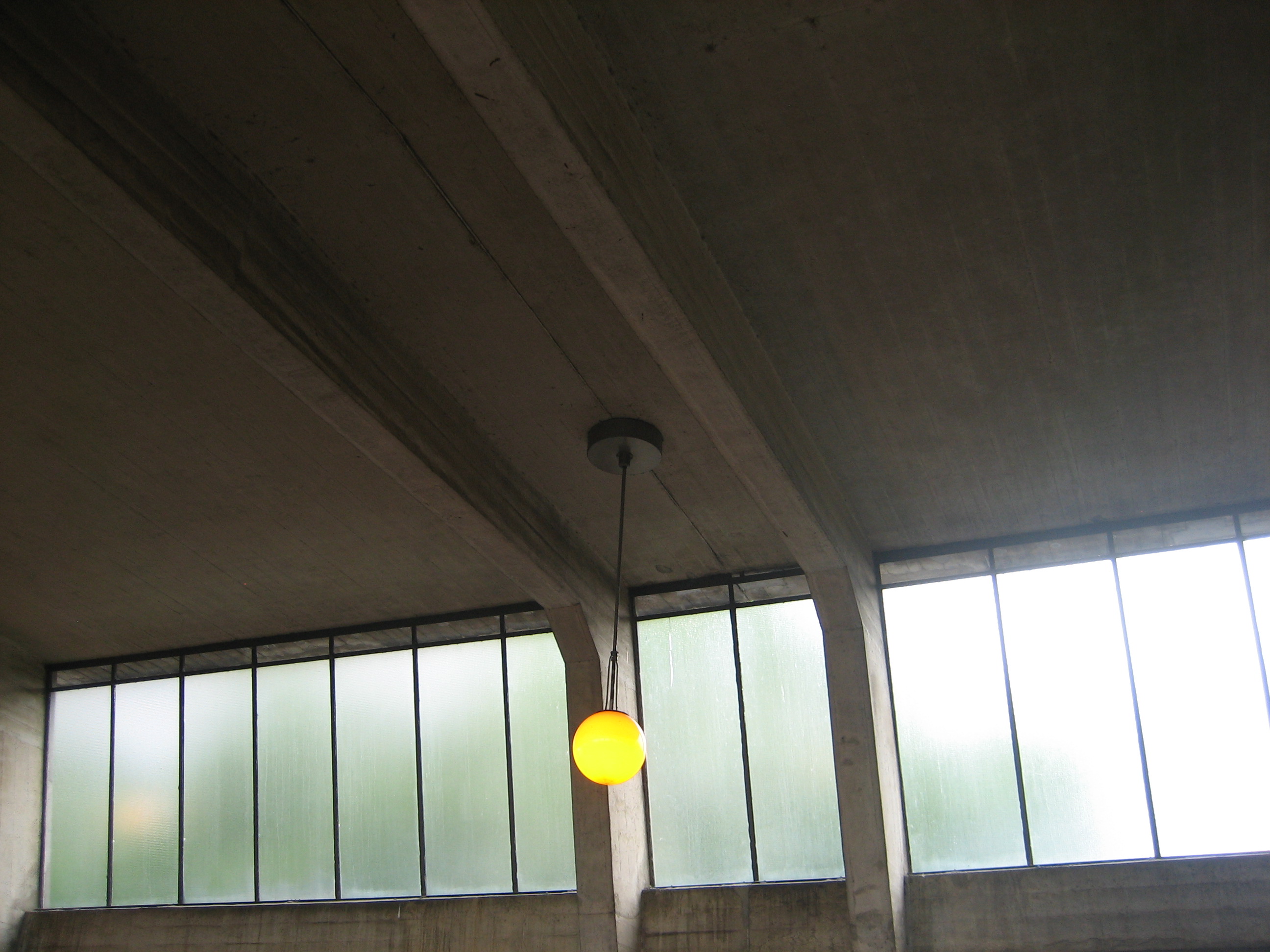
Beginning to see the lightAll the signature Holden motifs are present and correct: reinforced concrete and glass well to the fore, as much natural light as possible, an emphasis on simple elegance rather than fussy ornamentation, and sleek, smooth lines that curve, criss-cross and sidle in every direction.

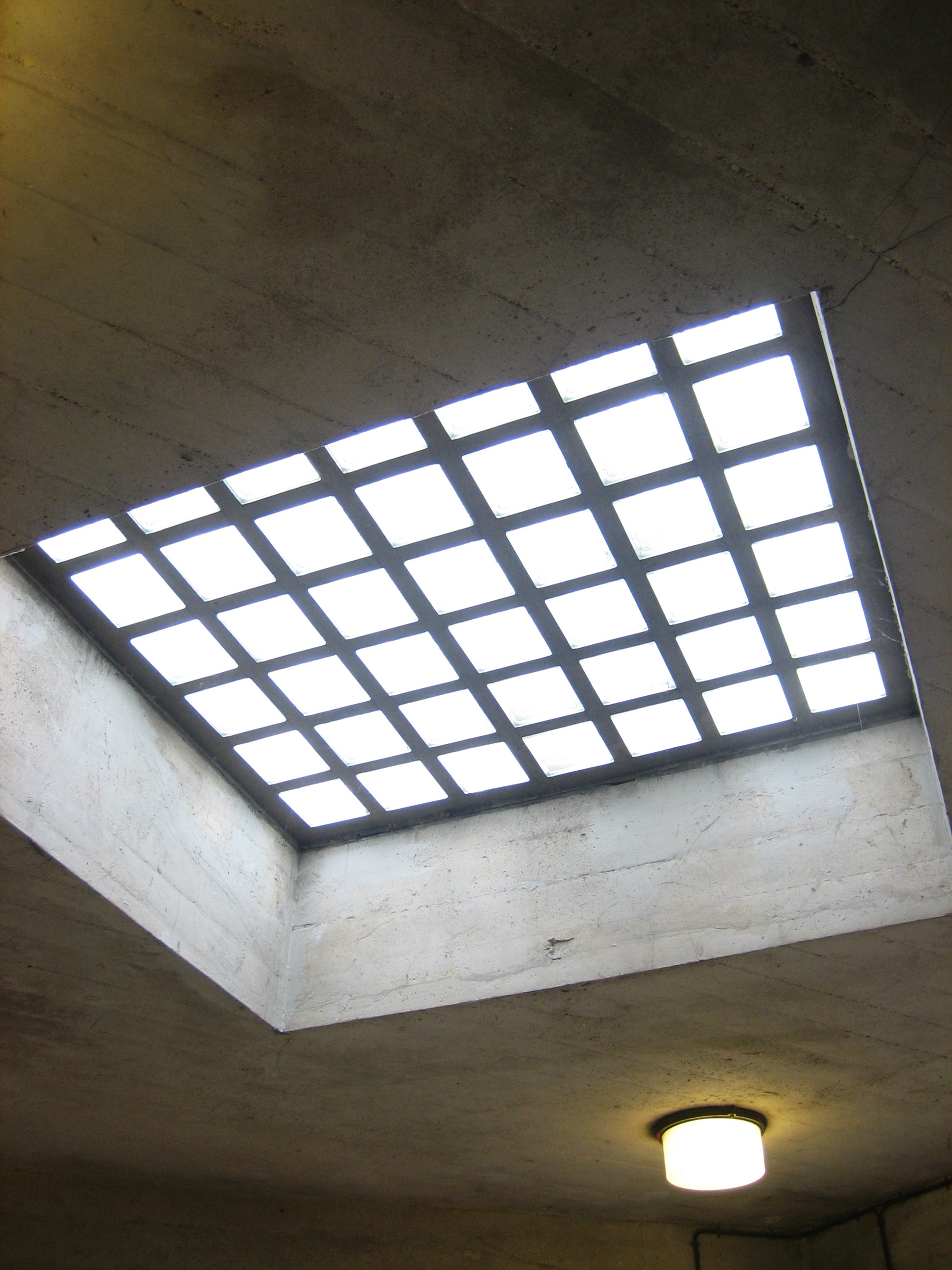
But there are surprises as well, like this grill, which reminds me of one of Ken Adam’s stark and memorable set designs from Dr No:

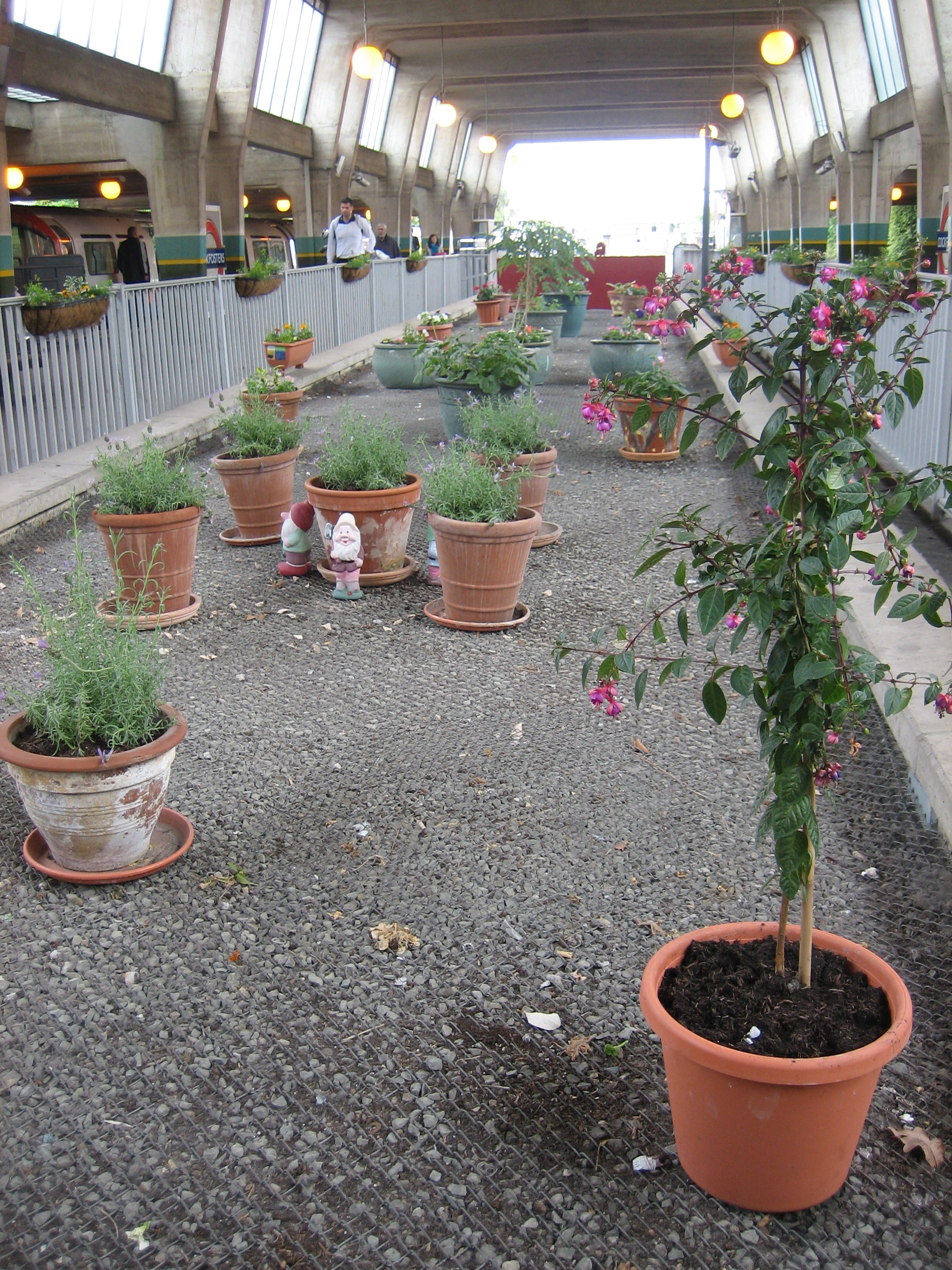
Oh, NoOr this modest attempt at a flower bed:

Insert another "blooming" pun hereNecessity means you have to linger in Cockfosters; the station’s glorious interior makes it expedient to do so as well. It is one of the finest places to begin or end a journey to or from anywhere in London.

To make an end is to make a beginningSomething happened here