Archive

Architecture

Bang the drumThe more I write about the Jubilee line, the more I realise it is one of London’s finest collections of contemporary architecture. The stations that were either redeveloped or built from scratch to form the extension of the line between Westminster and Stratford are among the city’s most bewitching.

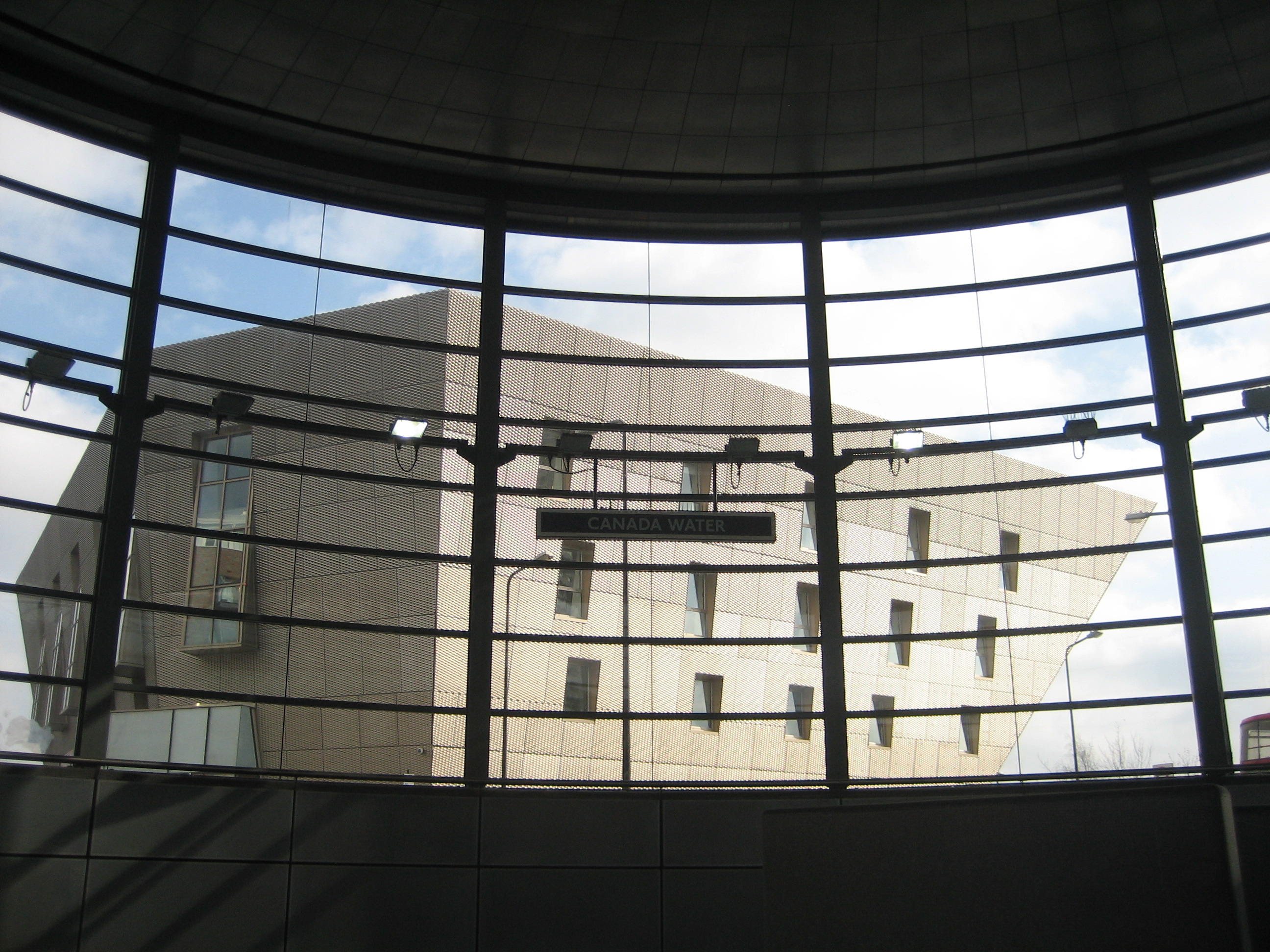
Pa-ra-pa-pa-pumThe enormous glass drum that forms the centrepiece of Canada Water is another example. Its scale and ambition is matched by its class and intelligence. Light pours down into the heart of the station, creating a beautiful patchwork of shadows, shades and silhouettes.

Around the edge of the drum, vast walkways and staircases circle up, around and below each other, affording plenty of views of the whole interior (should you want to sample them) while coaxing you ever downwards into the building’s bustling heart:
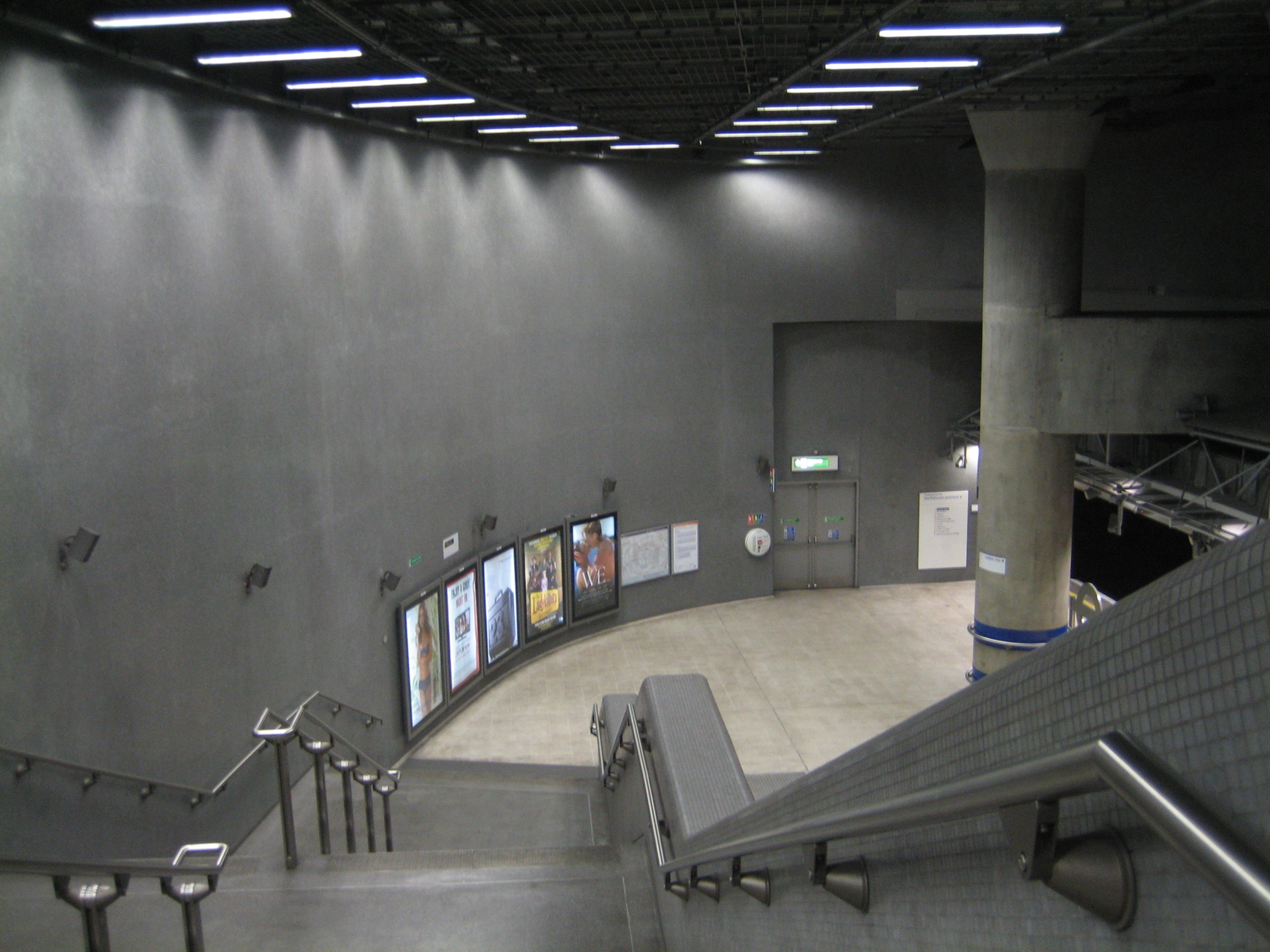
Fade to greyI particularly like the necessarily-huge lid on top of the drum, which reminds me a little of the similarly futuristic look of Southgate station.
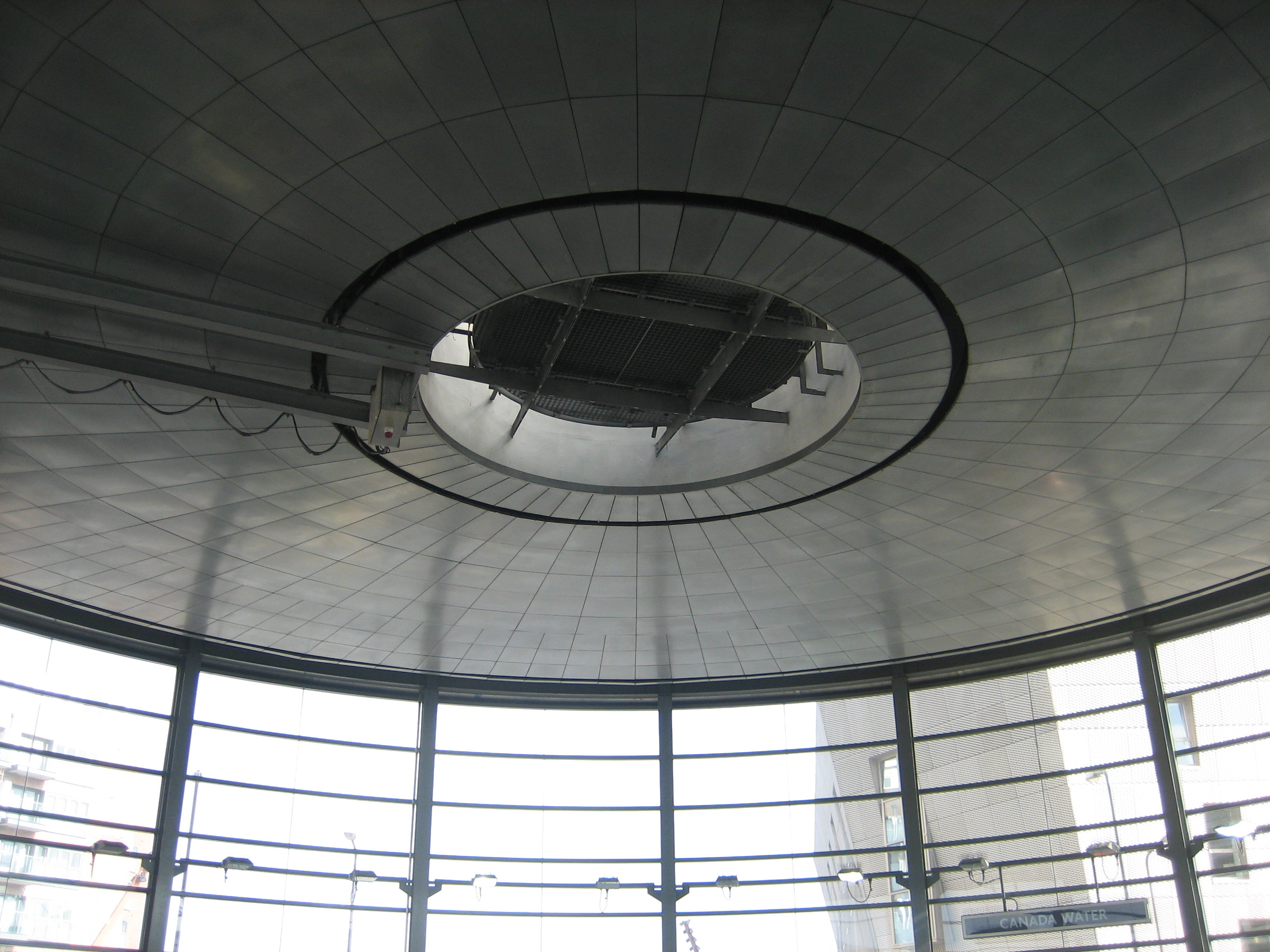
A full lidPlaudits must go to the architects Buro Happold, who designed the drum and whose portfolio embraces everything from the Millennium Dome and the Lowry Centre in Salford to Ascot racecourse and the Robert Burns birthplace museum.

It’s yet another extraordinary creation in an otherwise ordinary setting.

These Jubilee line stations march across south-east London in a parade of glory. It’s hard to think we’re likely to see such a marriage of investment and imagination again.
Window on the world

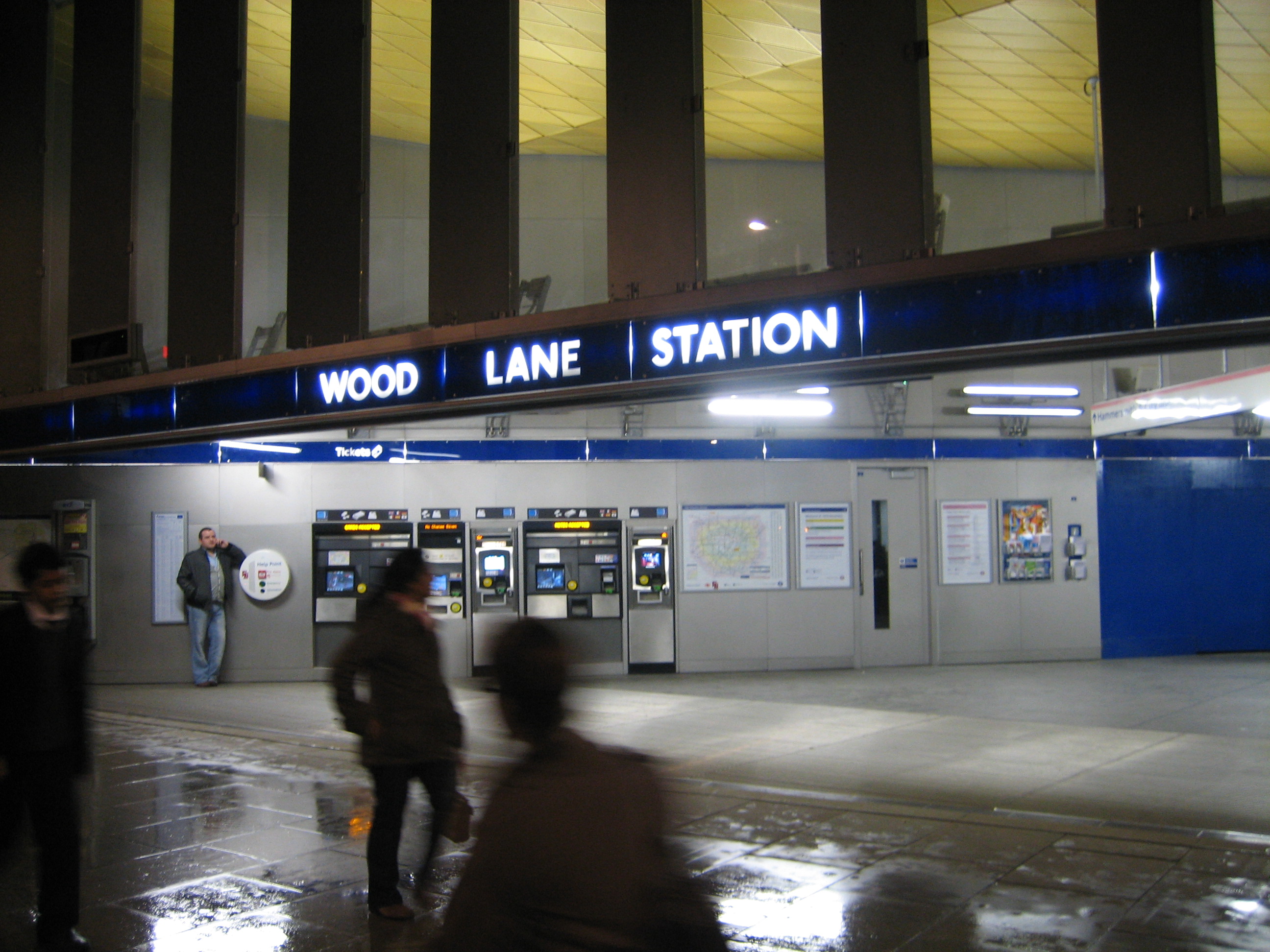
Which is more rare: rain in London or a new Underground station?The name Wood Lane has one resonance and one only: as the home of the palace of glittering delights that is BBC Television Centre. I can’t help thinking that, had Wood Lane station been called not after the road on which it stands but the building opposite which it sits, the Beeb would not be in the process of flogging off one of the country’s cultural powerhouses. Imagine having the name Television Centre immortalised on the Underground map: what finer honour could there be? I still think they made a mistake not renaming Stratford as “Stratford Olympia”. Anyway…

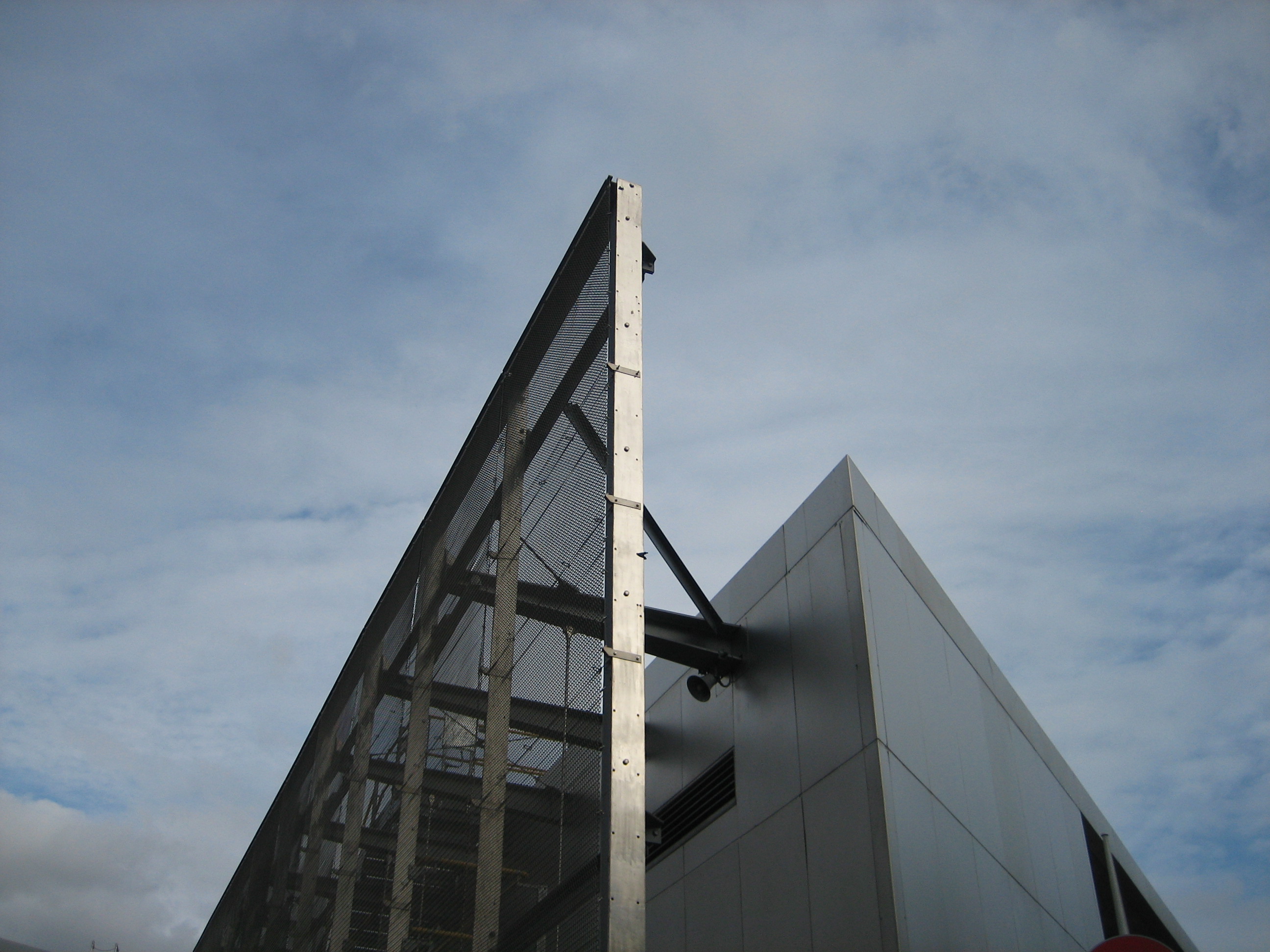
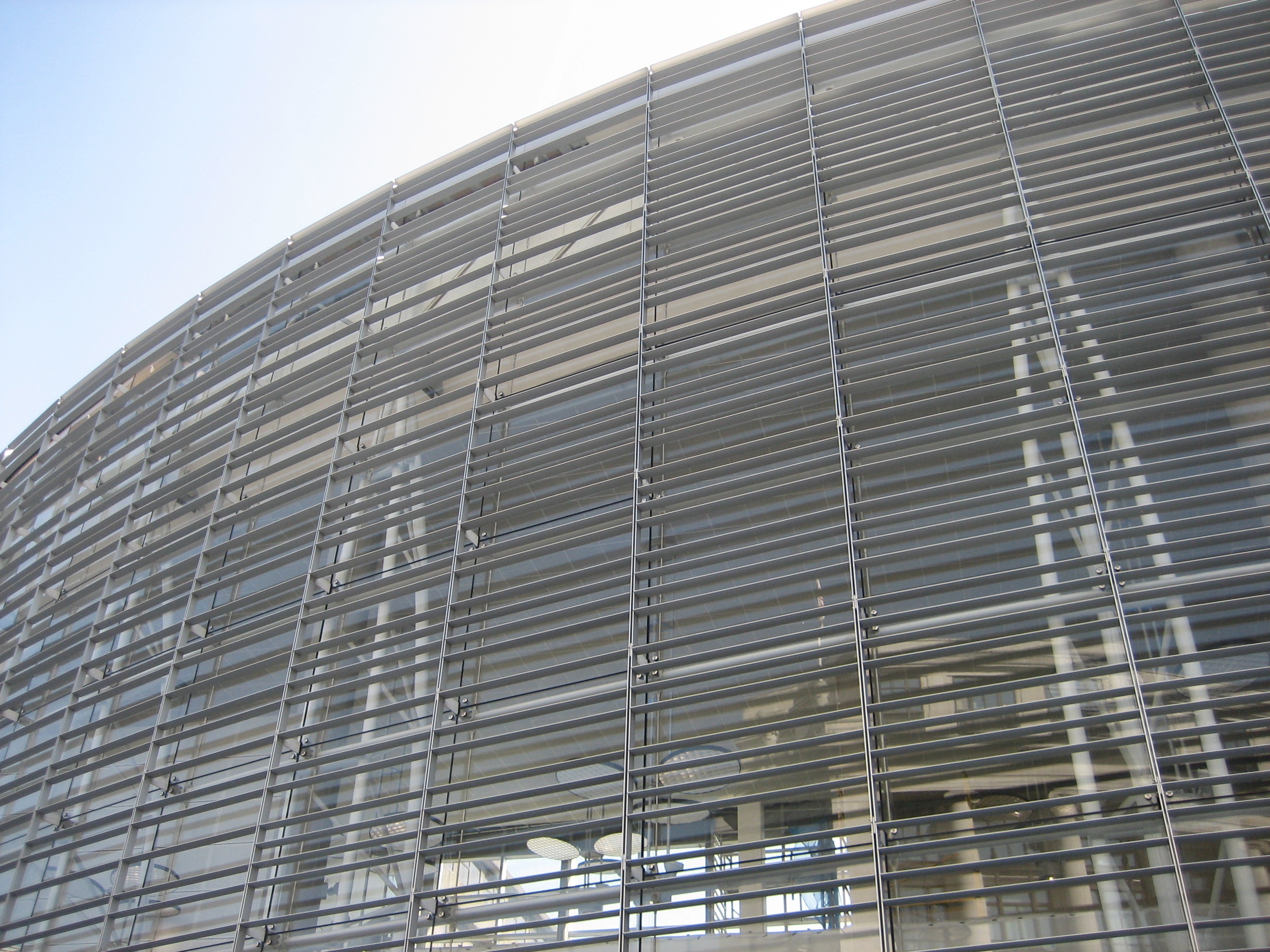
Night lightsWood Lane is stunning, either by night or day. It’s another masterclass in contemporary station architecture by Ian Ritchie, whose work at Bermondsey I’ve already praised. Similar themes and concerns crop up here: an emphasis on space and natural light, a sympathetic layout and ambience, and a celebration not of brick and iron but steel, glass and aluminium. The top of the station is especially striking:

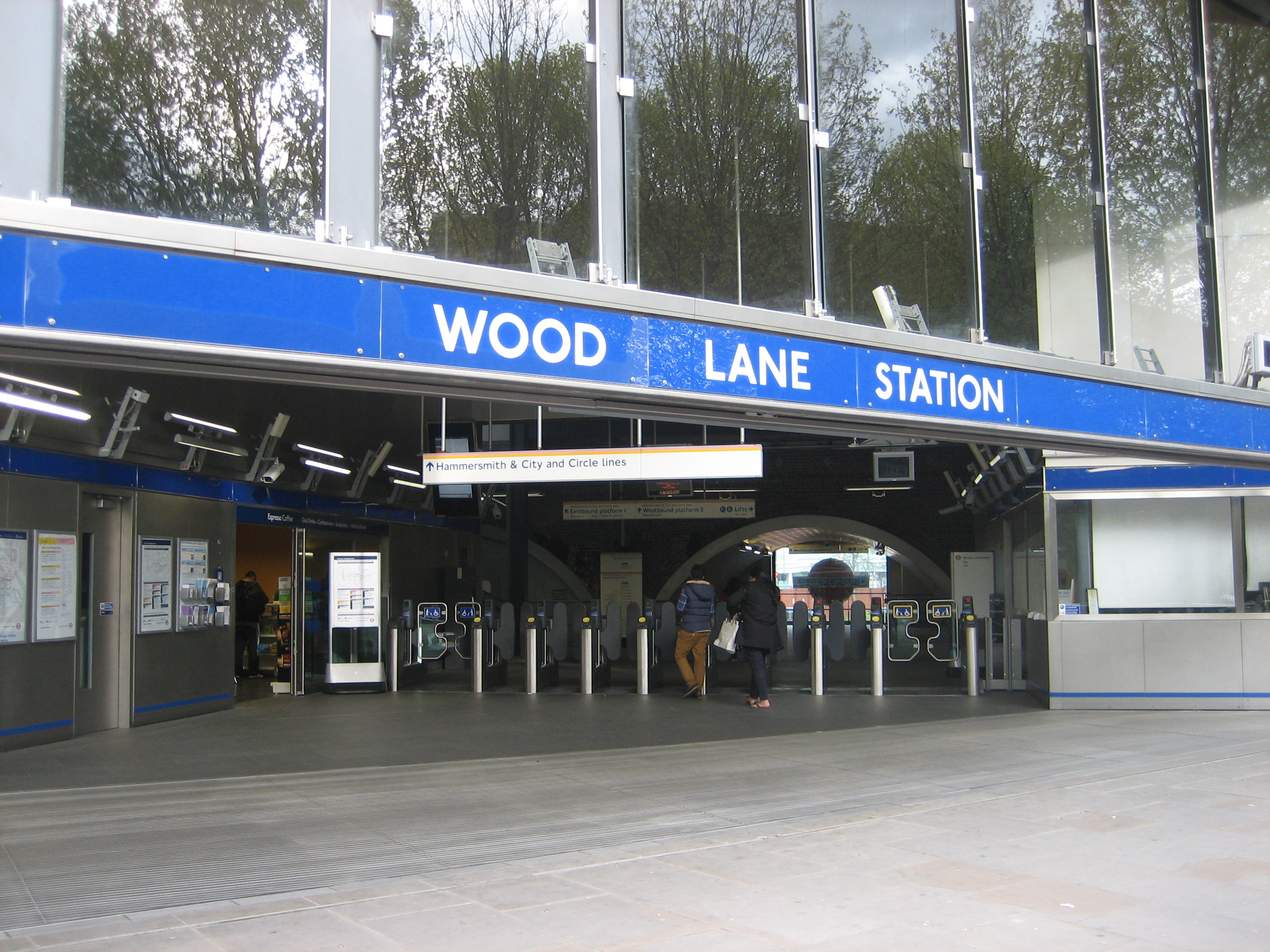
Making a pointUnderneath, the station has been given a frankly enormous entrance, which neatly allows you to see exactly where you need to go and what you need to do to get there, even before you put a foot inside. No plunging, unknowingly, into an oddly-lit and counter-intuitively cramped vestibule (Leslie Green, I’m looking at you).

That't some frontYes, those are viaduct arches inside the station. Fantastic, isn’t it?

Wood Lane began operation in 2008: one of the many projects started by Ken Livingstone, but opened and doted upon by Boris Johnson. I think that particular wheeze is pretty much exhausted now, Boris.

When Television Centre closes in 2013, Wood Lane will cease to be a mustering point for small screen stars, staff and audiences. Instead it will be merely a portal to an anonymous shopping centre. But for those who care, and for those who remember, its name will always and forever mean something else: something unique and very magical.

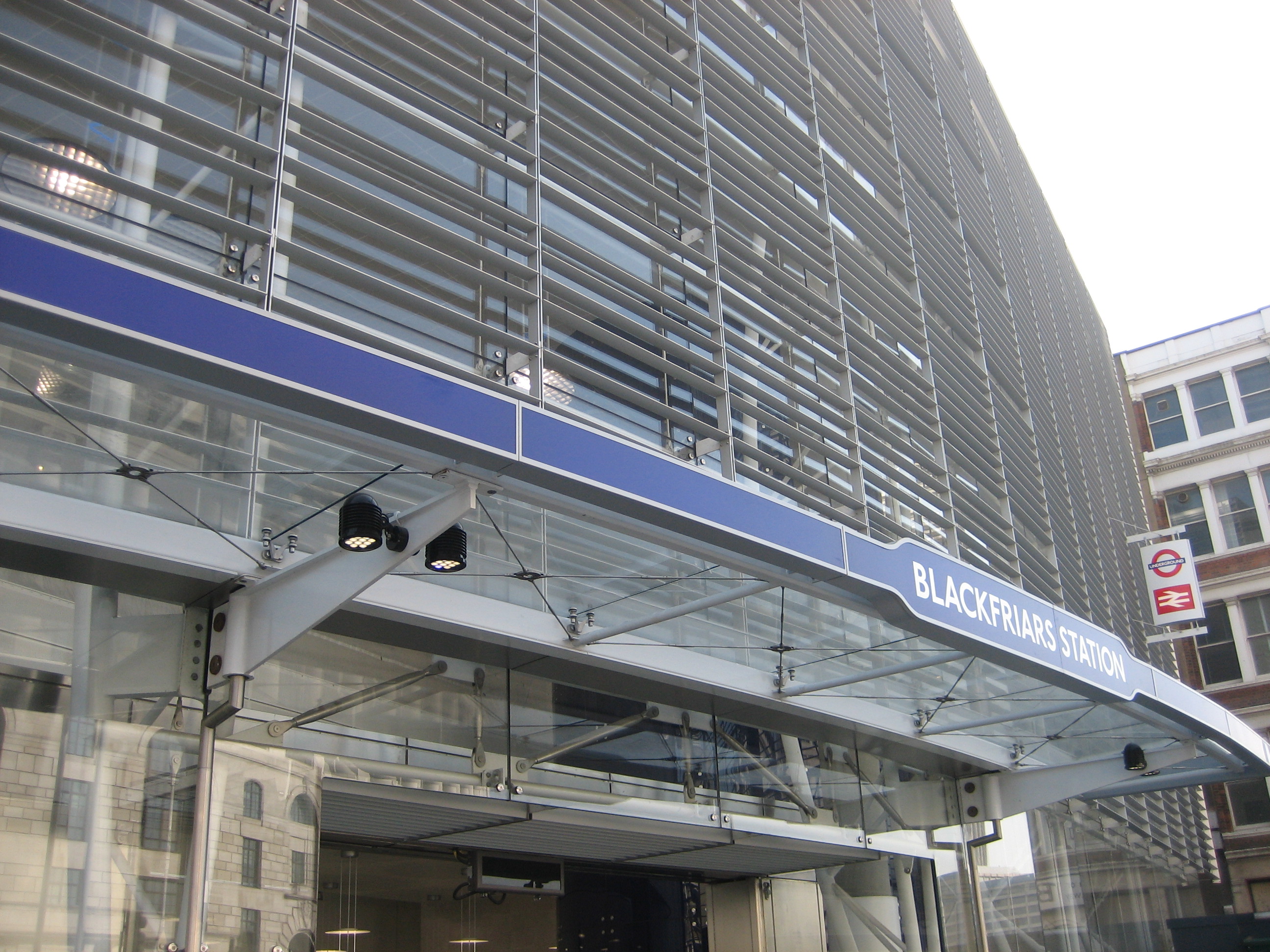
A big hand for this entranceThere are pedants, and I’m usually one of them, who would disqualify this splendid building on account of it also being an entrance to a mainline railway station. But there are also pragmatists, and I’d like to think of myself as one, who would counter that this is very much part of the Underground.

It is the main point of access to the District and Circle lines north of the Thames at Blackfriars; indeed it is the only point of access to the Underground in the Fleet Street and Ludgate Hill area. And while it does double as an entrance to platforms for the Thameslink line, it fastens its colours truly to the mast with a distinctive, if flawed, bit of signage:

Oh dearScott has moaned about this misguided lozenge, and he’s right to. Why? Why decorate a hugely-convincing, impressively-realised, sparkling new station front with something so out-of-place and out-of-keeping with London Underground house style? Either do it properly or don’t bother.

Lozenge aside, the north entrance to Blackfriars commands the sort of shiny respect and bristling fascination that all the stations on the Jubilee line extension must have enjoyed on their opening in 1999. The whole complex is part of the vast Thameslink upgrade programme, which has also resulted in Blackfriars gaining a sister entrance on the south side of the river – something long overdue, but more of which another time.

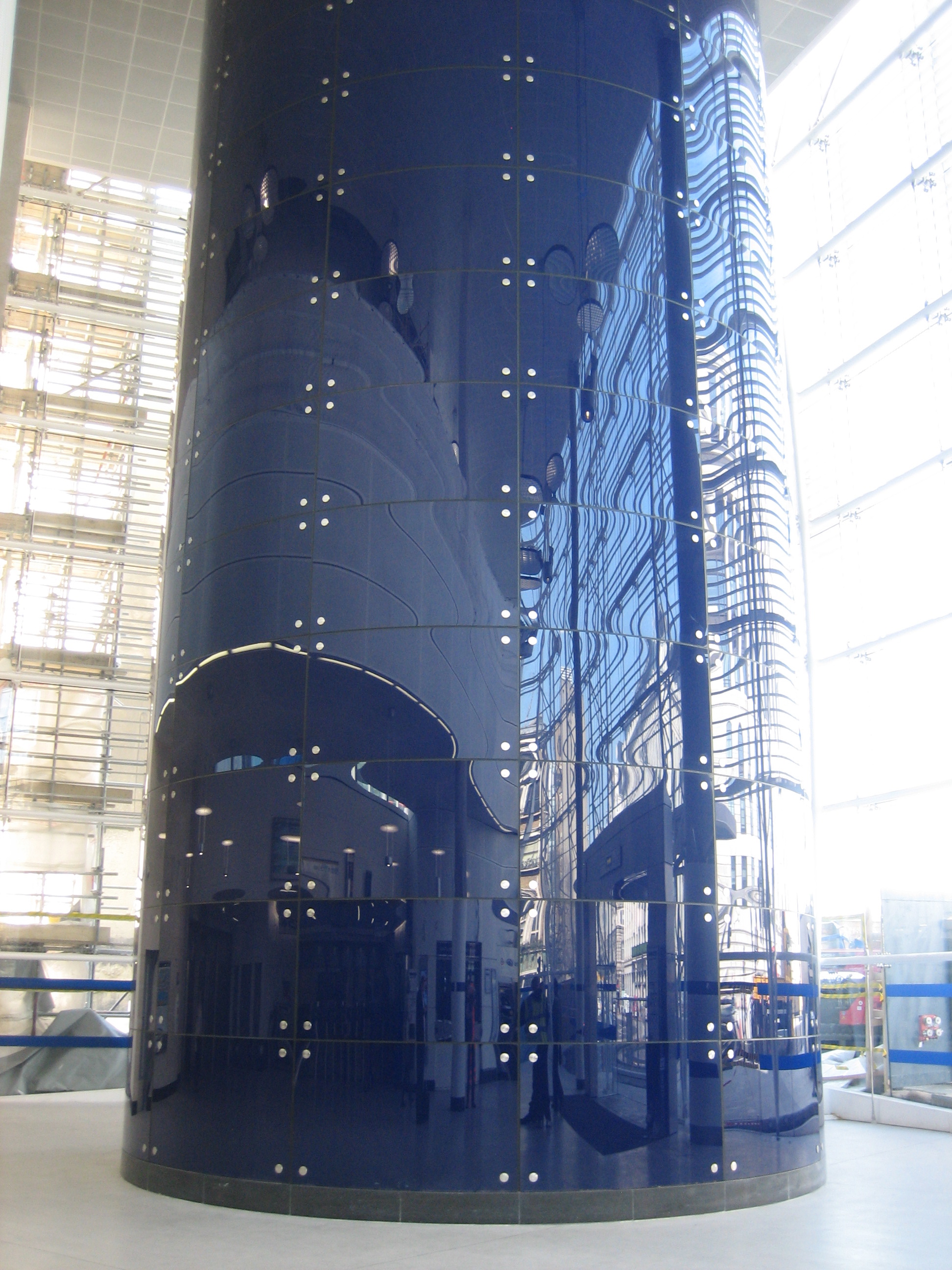
It’s the north entrance I’m celebrating here, and not just its exterior. Because what in heaven’s name is this?

Kind of blueSomething really rather wonderful, that’s what.

You - tube?Disregarding the fact it doesn’t seem to have picked up my reflection, thereby making my self-esteem even more transparent than usual, what you have here is an enormous ventilation duct masquerading as a minor tourist attraction. Or vice versa.

While I was there I saw a number of people pausing to admire this shimmering blue turret, one or two of them even touching it to as if they couldn’t believe it was real.

Perhaps the way it seems so out of place makes it so appealing and therefore to be admired, applauded and, if necessary, stroked.

All of which reactions are wholly justified and fitting for a station that is by any measure a whole lot better than it once was.

Sign of old timesAnd it’s about to get even better.