Archive

Architecture

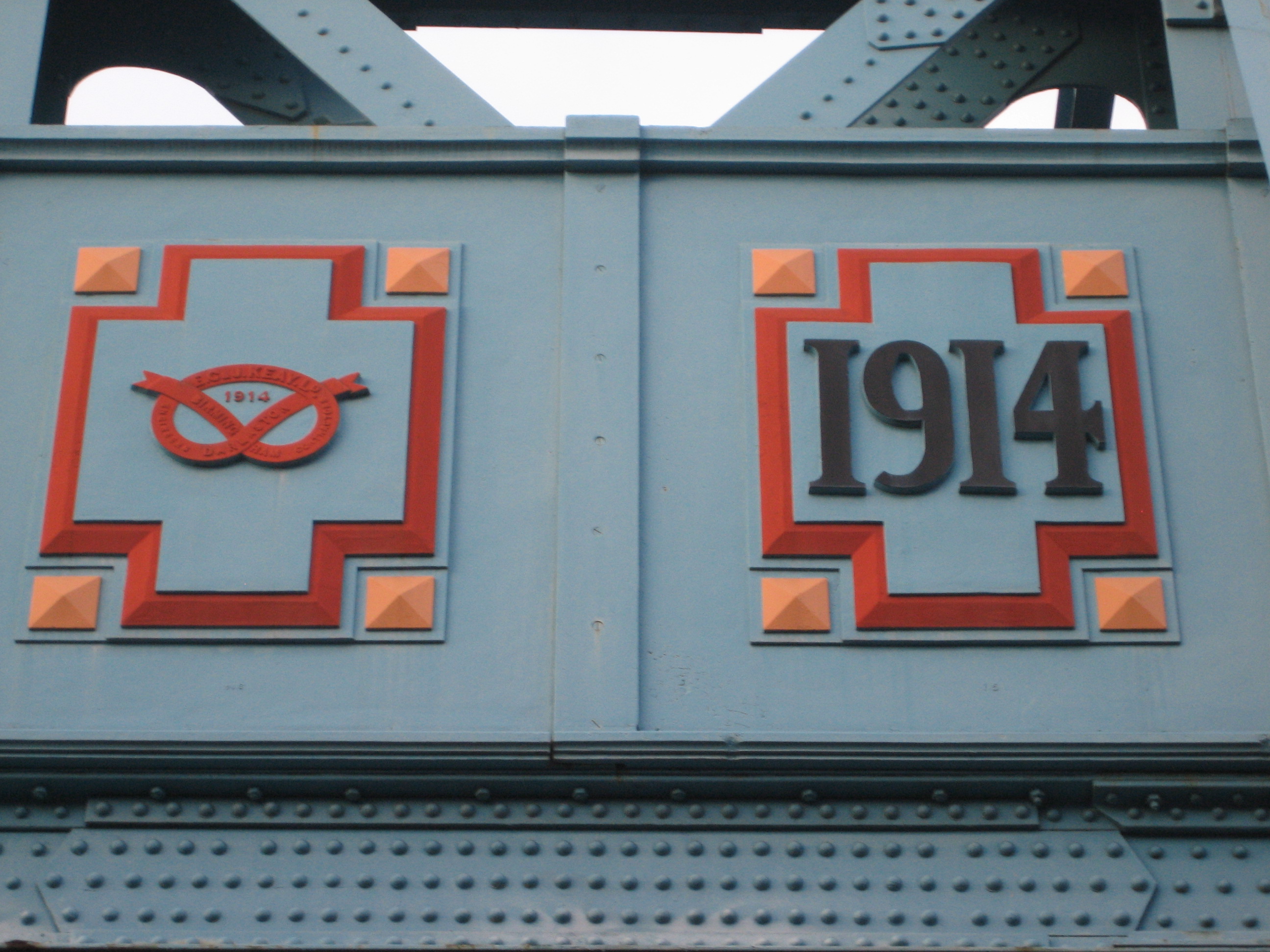
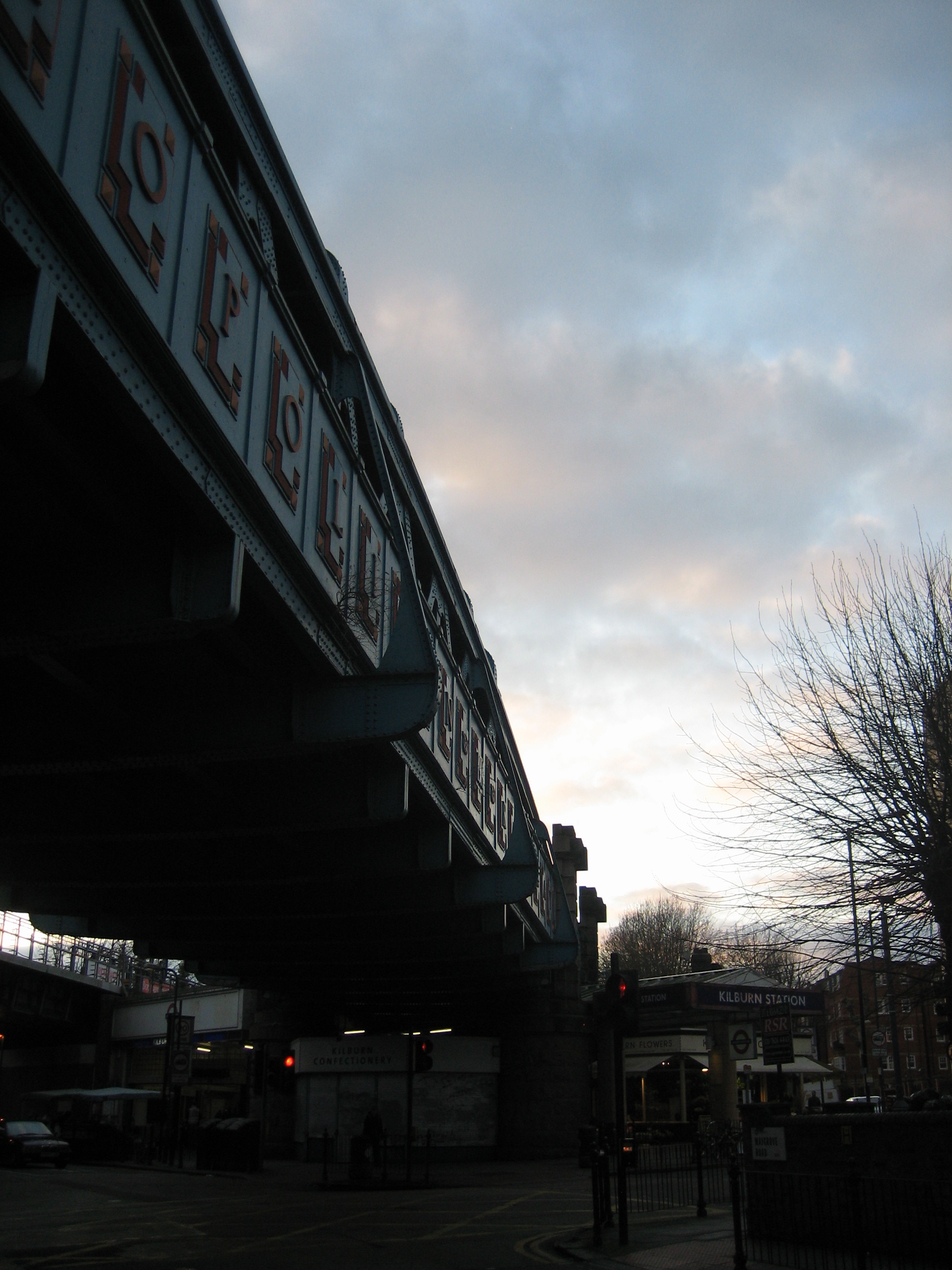
98 not outCarrying the Underground high over what was once the Roman thoroughfare of Watling Street, and which now boasts a dual identity as both the A5 and Kilburn High Road, is a construction you can only really appreciate when you’re under rather than on top of the tracks – and preferably standing in the middle of a road:
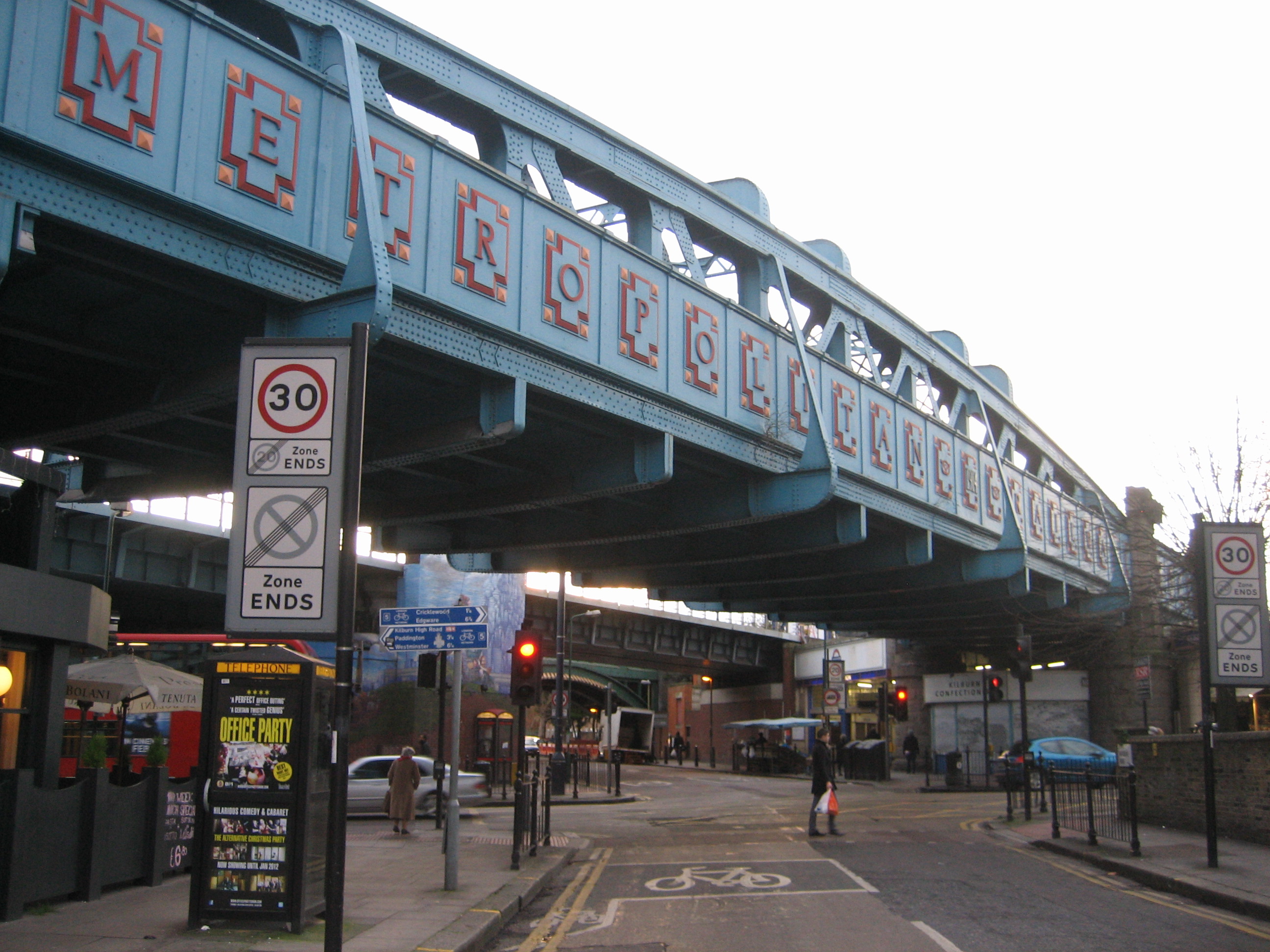
Yes, a photographer always has right of wayWhat was once an enormous slice of self-aggrandisement on the part of the Metropolitan Railway is nowadays an enormous boon to an area that deals mostly in grime and grey.

It’s as if someone has smeared a palate of primary colours right across this monochrome municipal landscape.
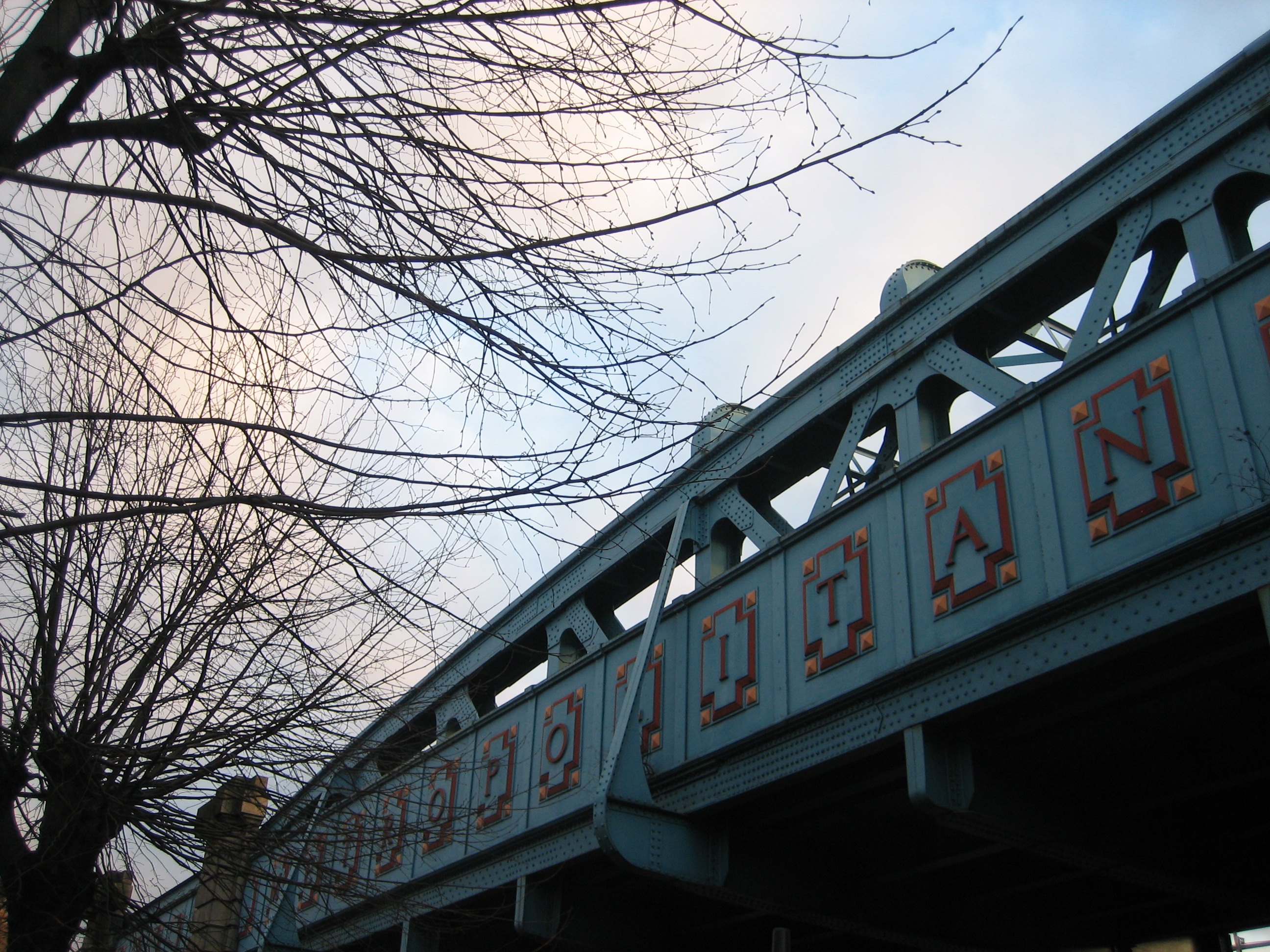
Bridge of sighsThe viaduct was built when the Metropolitan line was going through one of its many muscle-flexing phases; in this instance, a quarupling of the number of tracks all the way from Finchley Road up to Wembley Park.

I love the shamelessness of the design and the fact the company had ultimately no scruples in turning the edifice into a massive piece of self-promotion – albeit one of sparklingly bold and bright ambition.
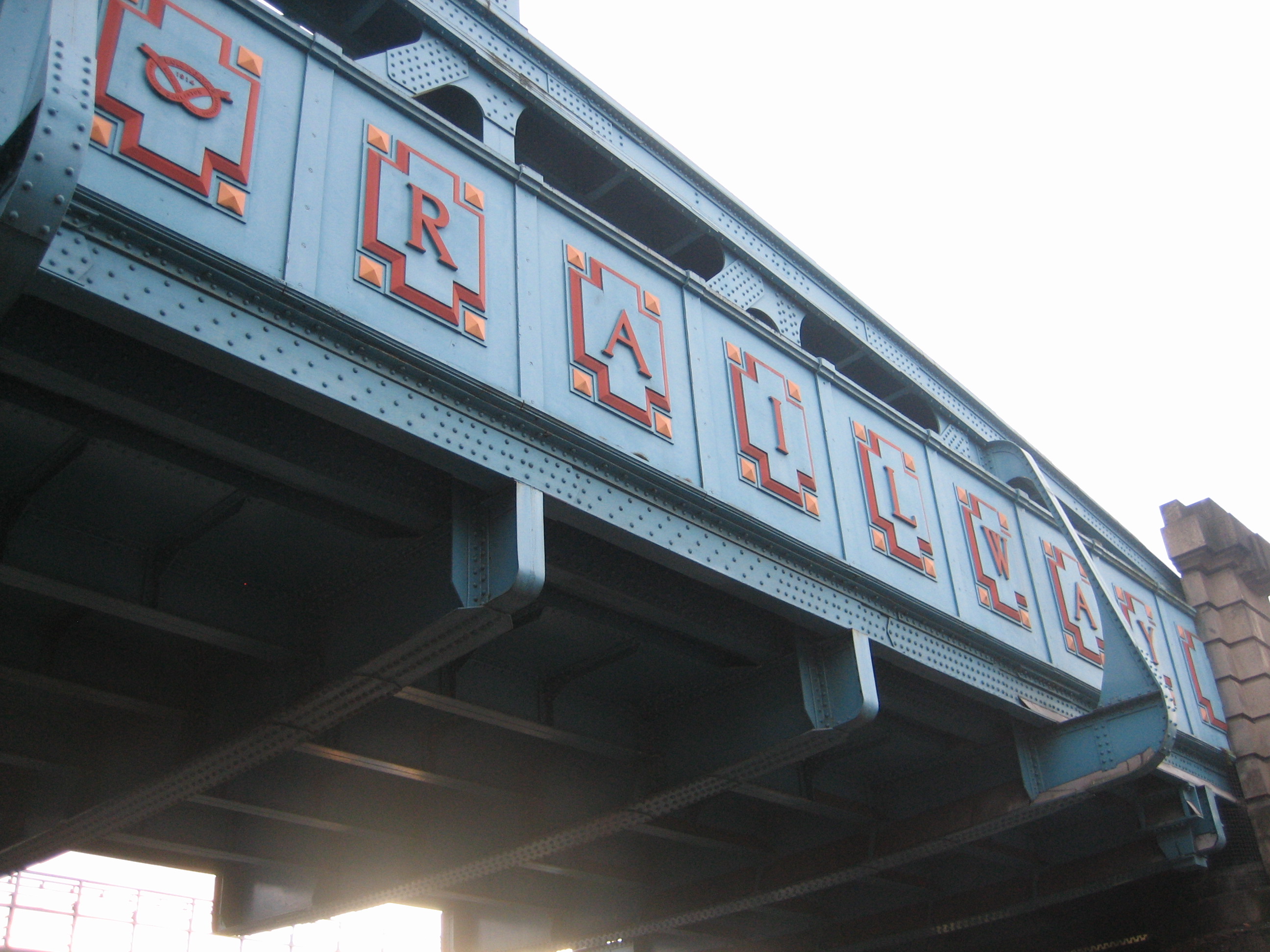
Making tracksBy any measure – conception, intent, size, appearance – it’s a triumph.
Hi, road

The whole roof and nothing butSometimes the most dazzling spectacles of London’s Underground aren’t found inside the stations themselves. Instead they lie outside, adjacent to or nearby their parent. They all have a relationship with the Underground, but aren’t part of its cosy nucleus. They range from bridges to walkways, from monuments to air vents, and from clocks to… bus stations:

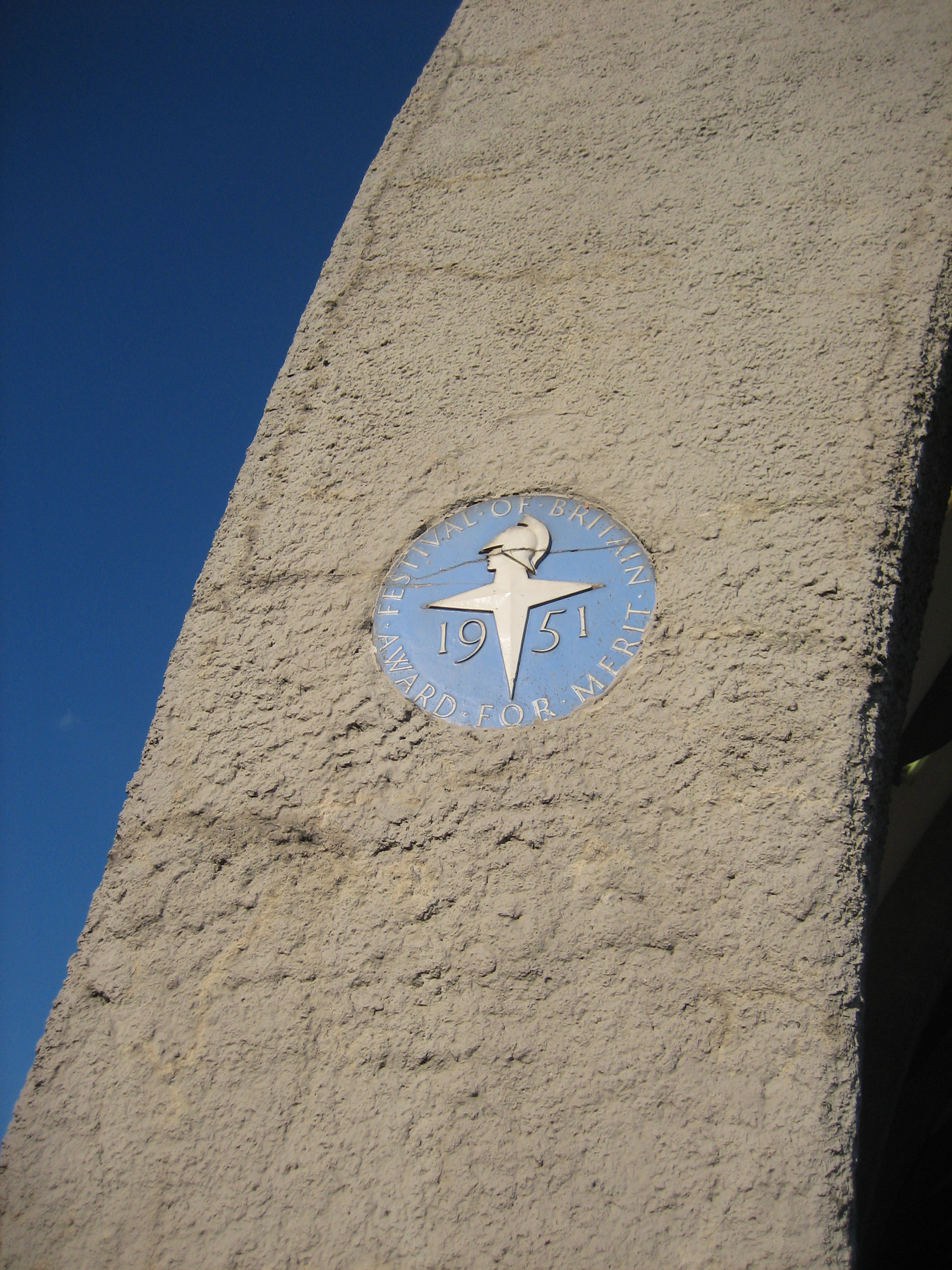
All changeThe bus station at Newbury Park sits side-by-side with its Central line namesake, but dwarfs it utterly in terms of ambition and awe. It’s that most rare yet wondrous of things: a utility that is also a piece of art. Unsurprisingly it’s won an award, but not your trifling, two-a-penny sort of bauble:

Them's were the daysAh yes, the Festival of Britain: one of those events you sense became more than the sum of its parts only when it was over.

The bus station is the work of Oliver Hill, and it opened on 6 July 1949, just two years after this part of the Central line was electrified. Seeing the building grow to completion in post-war austerity-wracked suburbia must have been an attraction both bemusing but also – you hope – a little inspiring.

There’s a simple, almost childlike elegance to the building. It might be made of plain materials, but there’s beauty in the way it manages to combine easy functionality with grand intent. It’s also very homely. It’s the sort of place in which you’d feel happy to linger, which is just as well given its purpose.

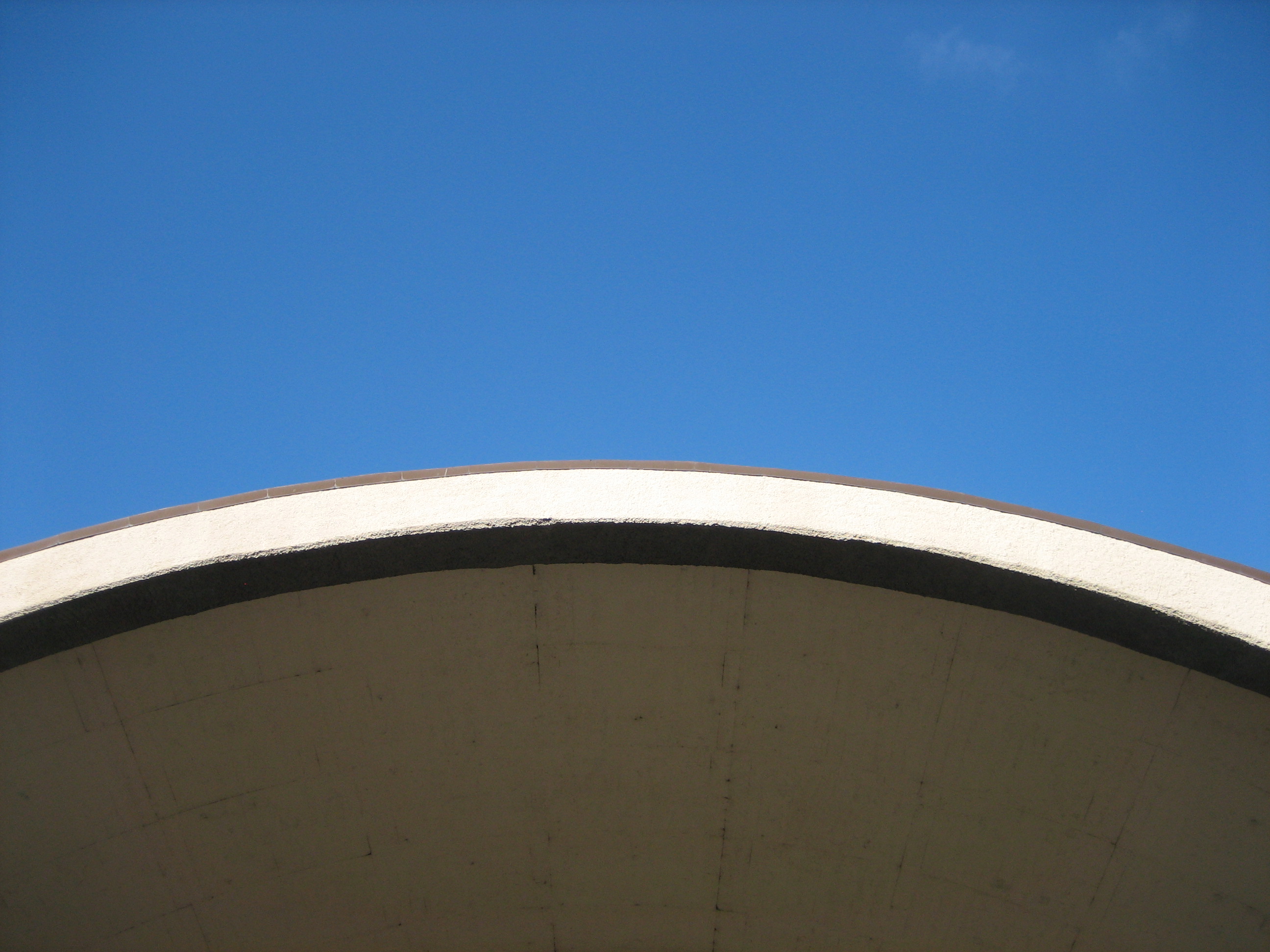
The whole structure seems larger than it really is (always a good thing) and on the day I visited the roof looked close to scraping the sky:

SoaringIt’s not quite Oliver Hill’s masterpiece; that can be found in Morecambe. But it’s undoubtedly the man’s most visited and valuable work. What a pity Newbury Park station itself can’t compete. But then maybe nothing could – or should.

Dome, sweet dome

Every home should have oneIt looks like it was designed by Ken Adam for one of the more opulent Bond films of the 1970s – perhaps as part of Hugo Drax’s jungle lair in Moonraker, or as one of the furnishings inside Stromberg’s undersea base in The Spy Who Loved Me.

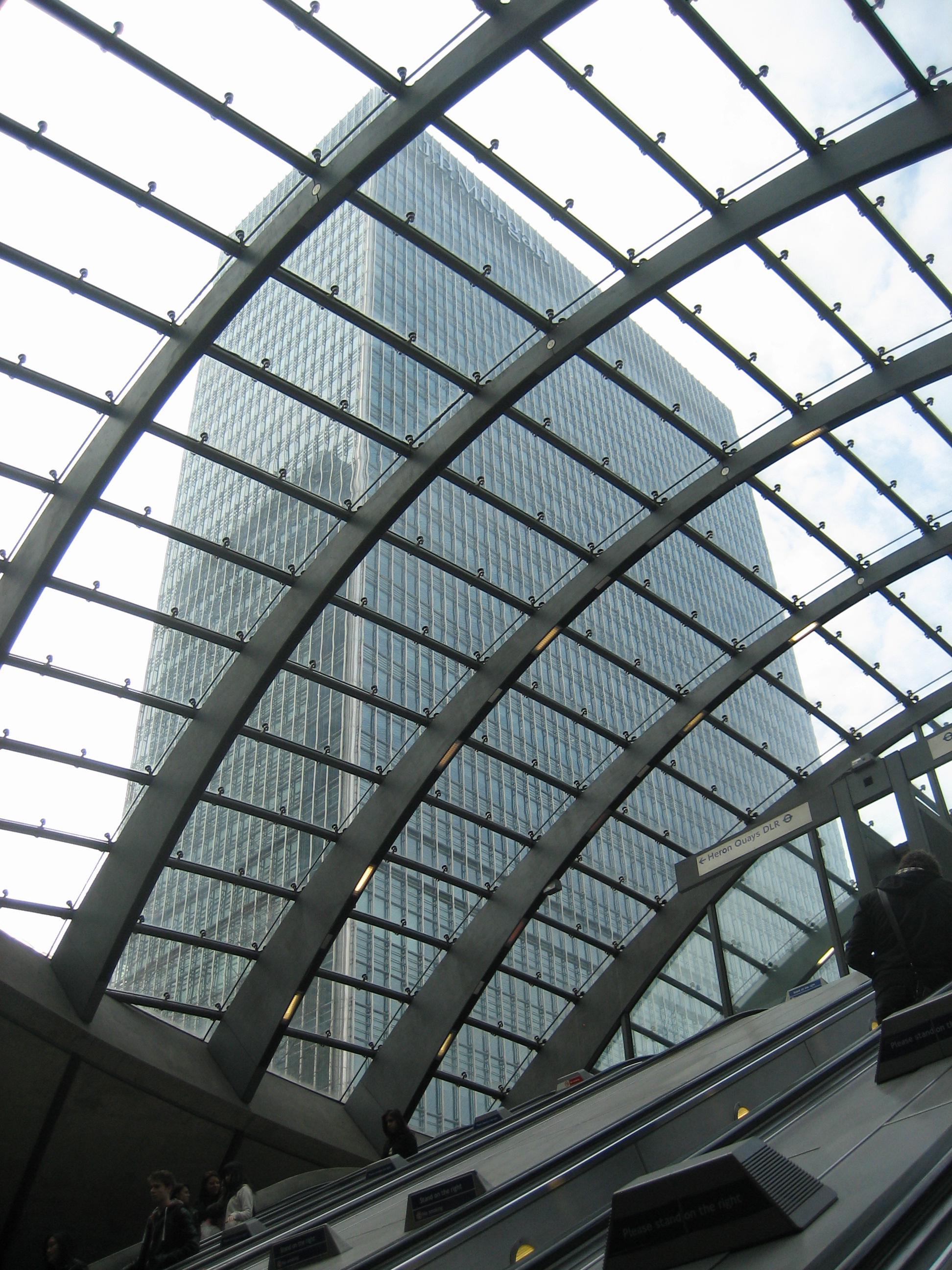
In fact this fantastically strident and gleaming phalanx of escalators was designed by Norman Foster, as part of the western entrance to his Docklands masterpiece that is Canary Wharf station:

What's it Wharf?Ken Livingstone pressed the button that first started these escalators whirring, back on 17 September 1999.

I’d argue that they hold their own against each and every one of the area’s many elevated landmarks, if not actually edging them by virtue of sliding in graceful solitude underground rather than jostling for attention in the sky.

Rising up out of the station towards the stunning glass canopy over the entrance, you’re greeted with a view that tells you exactly what kind of world into which you’ve arrived:

Every penny of itAs for the view that greets you when travelling in the opposite direction, as you descend into the immense catacombs of the station itself… that deserves a whole separate entry all to itself.