Archive

Metropolitan line

Harrow right through meSlip away from London as dusk nears and head westwards towards Metro-land. Ride the train towards Uxbridge and you’ll see how once more the Underground offers some of its most tranquil sensations when it has shaken free of its titular lair. The line rises high above street level, poking its nose over rooftops and chimneys and the tallest of trees. Step off at West Harrow and you’ll find views worth lingering on the platform for.
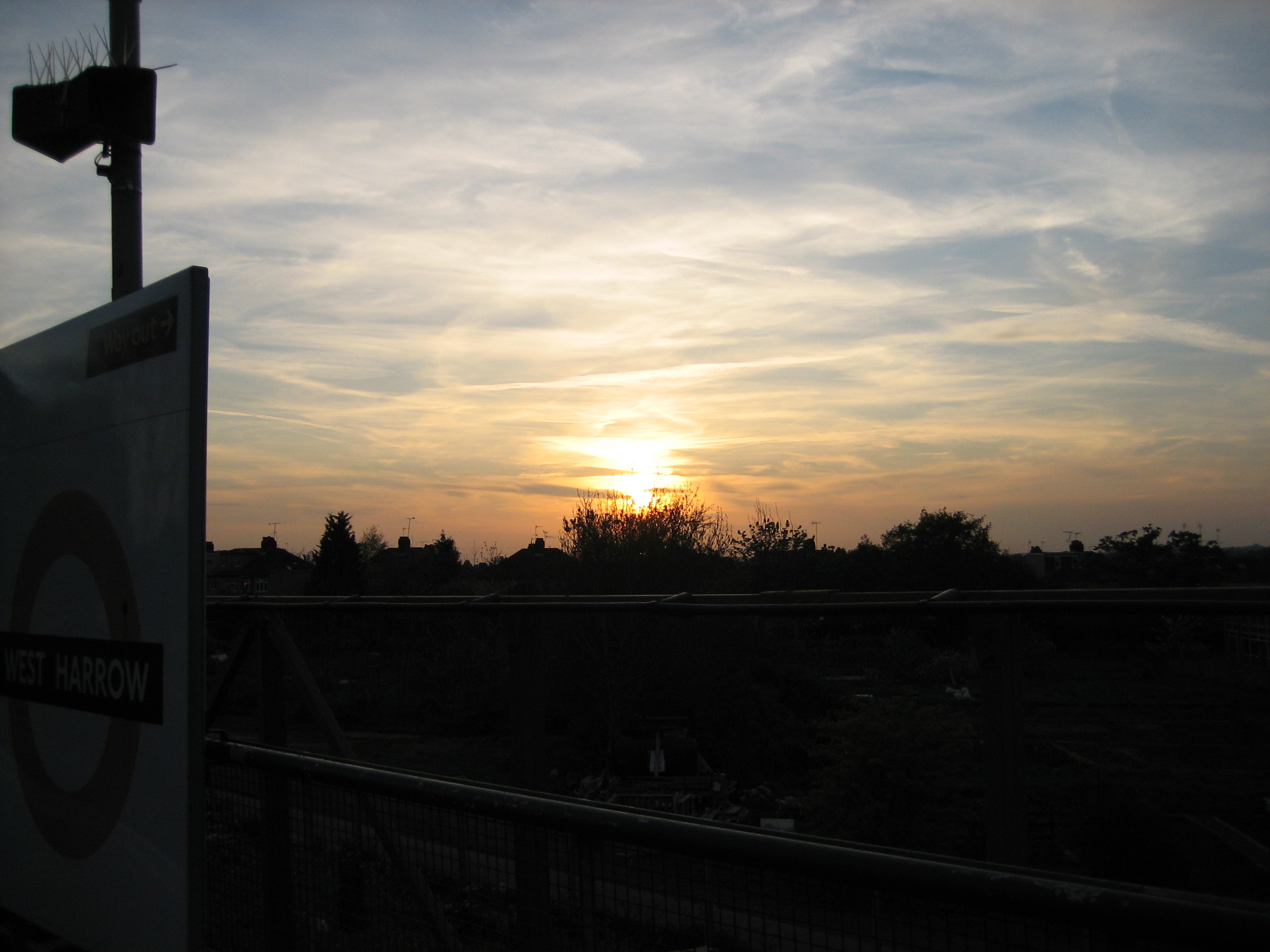
Westward? Oh!The station building itself can’t really hold a candle to these provincial panoramas. It selflessly defers to its surroundings, helpfully distracting you from its less than notable design – only to try and redeem itself by co-opting the sunset into a kind of backcloth against which to display its tiny wares, like a thimble salesman setting up pitch in front of Westminster Abbey.
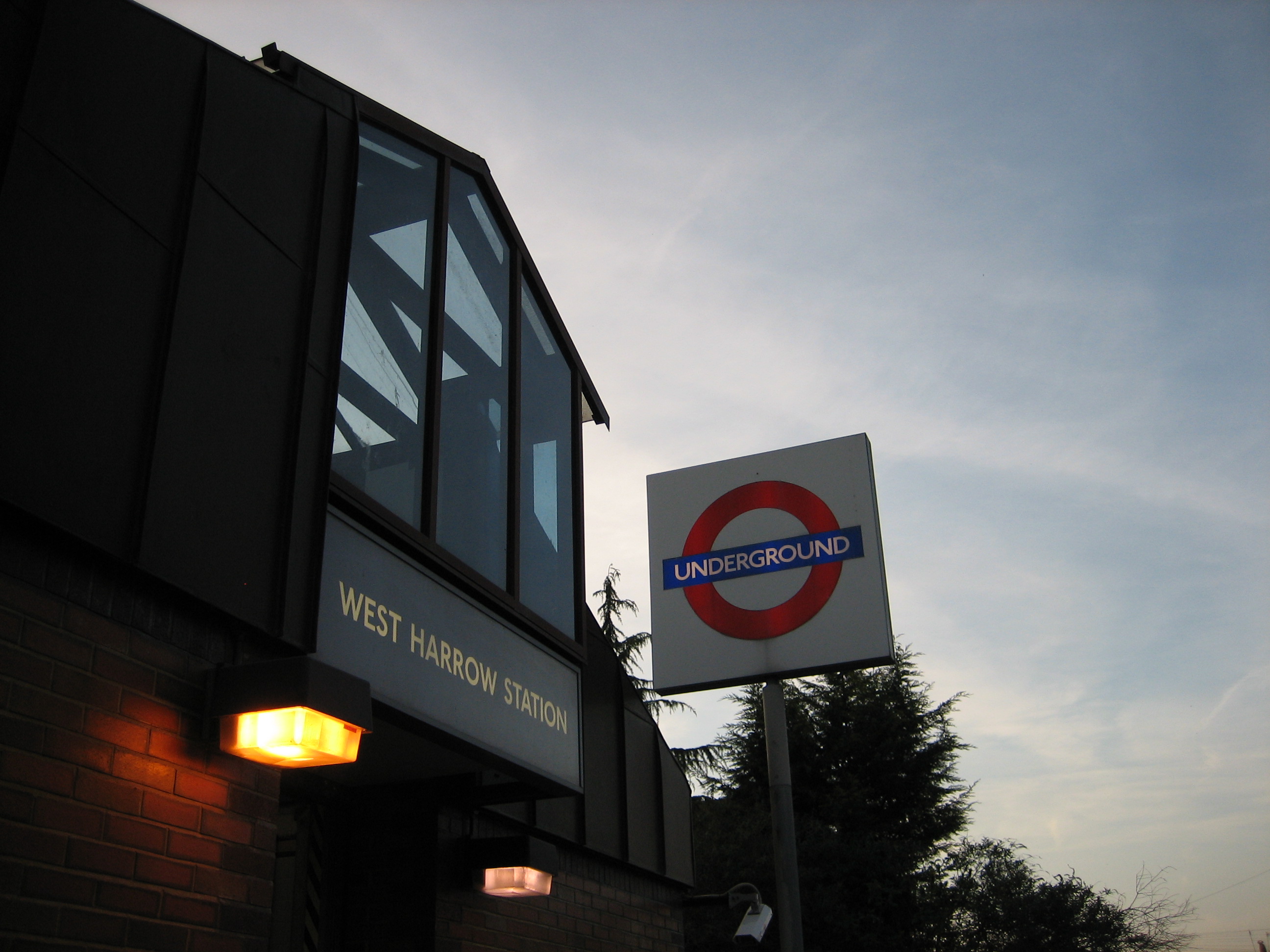
Look behind youI suppose there are worse examples of less used and even lesser loved out-of-town stations. But there aren’t many better examples of ones that make up for their deficiencies on the ground with such breathtaking sideshows in the sky.

I am not a number, I am a free man!

Wheel on the wingI could have rounded up all of this station’s treasures in one single entry, but that would have made for a very long read where too many delights jostled for too much attention. So this is the third time I’ve doffed a hat to Uxbridge, and the first in which I’ve stepped outside its walls to see if the exterior holds its own against the glittering interior.

It more than does.

Bridge of sighsWelcome to a Bridge of sighs.

The beautiful sculptures on the top are by Joseph Armitage, who also designed the National Trust oak leaves symbol and provided carvings for a number of the UK’s finest inter-war institutions, including the former Commercial Bank of Scotland in Glasgow.

In a literal sense, the sculptures are wings with wheels. But to me they represent something of the thrill and the wonder that you experience, unprompted, at the start of any long journey: sensations that bloom when you’re a child, but which surely linger inside you somewhere for the rest of your days.

Anything that also commemorates the progressive power of technology is fine with me. Those wheeled wings get extra marks for including leaf springs.

Then there’s the entrance itself, crowned by a glorious chunk of massive fontage:

Man of lettersI’m normally suspicious of a man of letters, but I’d make an exception for these.

Charles Holden and L H Bucknell designed the entire station, including the sleek and dashing entrance, through which characters from Dennis Potter’s Pennies from Heaven quite possibly passed on their way to their latest emotionally cathartic flashback or song-and-dance number.

And finally there is this, standing alone in front of the entrance, reaching into the sky, a beacon for the town and signpost to the city:

Perfect circleIt might be 15 miles west of Charing Cross, but Uxbridge station is one of London’s finest monuments.

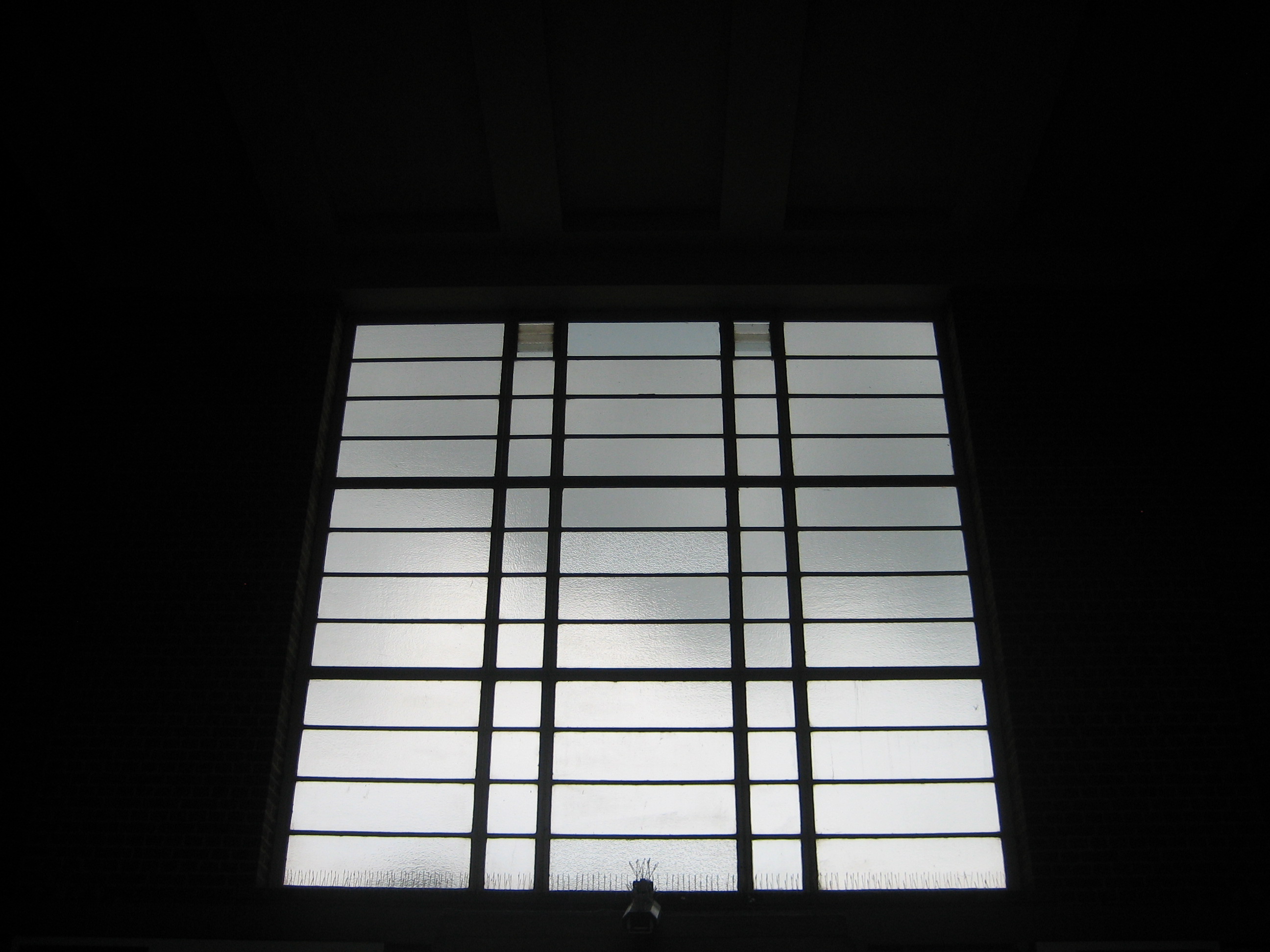
Through a glass darklyDarkness can be just as attractive as light on the Underground.

In the hands of the right architect, it gets deployed for mathematical as well as sensory effect. It becomes more than something to be accommodated expediently, and instead resembles something to be manipulated skilfully – and daringly.

The gigantic ticket hall at Eastcote is one such an example. The darkness doesn’t cling to the shoulders of people passing in and out, or lurk pointedly in the corners of your eyes. It’s only there if you want it to be there. Yet its presence isn’t an accident. It is part of the design.

I'll get me 'CoteBrick, concrete and glass: the holy trinity of 1930s-era London Underground. But it’s modernity, not divinity, that guided the construction of this cunningly beautiful station, both in principle and practice. Light pours in; darkness pours out. The enormous glass panels are dazzling whichever and wherever you look at – and through – them:

To say the very EastThe secret to all of this? Height. Look how tall the ticket hall stands. Think how much brightness is deliberately allowed inside. Then consider why it is that so many of the greatest Underground stations reach so far above ground. There’s a sort of inverse proportionality going on here, but I’m stumped if I can express it as an equation.

Well, other than light + dark x Charles Holden = something profoundly illuminating.

I’ll get me ‘Cote.