Archive

Numbers 1-25

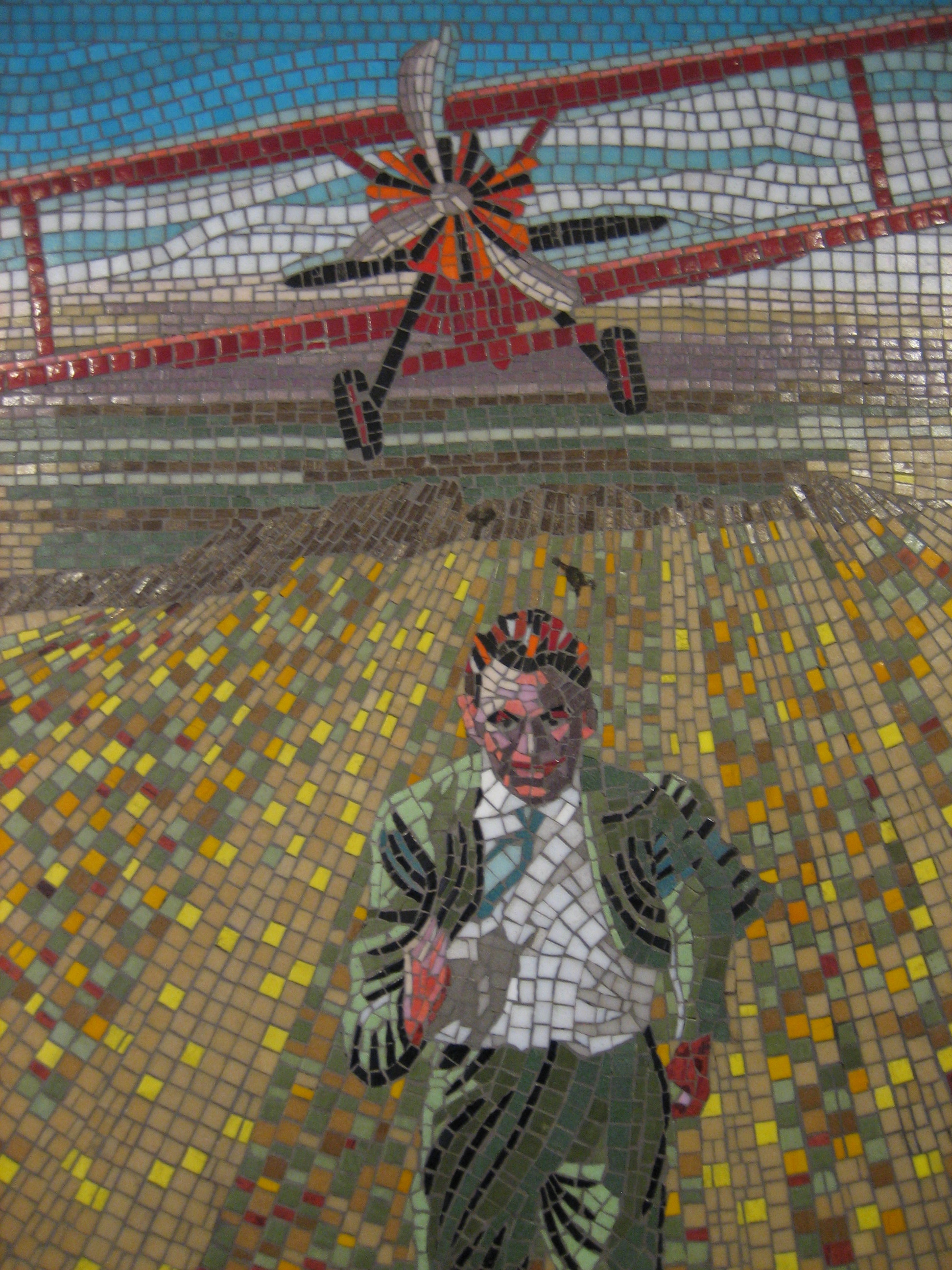
A spot of dustingWaltham Forest borough council commissioned these mosaics to mark the centenary of Alfred Hitchcock’s birth. The director was born in Leytonstone in 1899; each design commemorates a memorable moment from his cinematic career.

Bad hair dayThey were created by the Greenwich Mural Workshop and unveiled in 2001.

Leytonstone station is reached from either the western or eastern end of a long subway, along which are positioned the mosaics. It means you only get to see half the designs on your way to or from the platforms – that’s if you’re bothering to look at all:

Eastern entranceNobody was paying them any notice while I was there. In fact, me taking photographs of the mosaics was attracting more attention than the mosaics themselves. It’s a shame when something so intriguing becomes so familiar as to be almost invisible.

Captions provide information on which film is represented by which design, which is useful for those less familiar depictions:
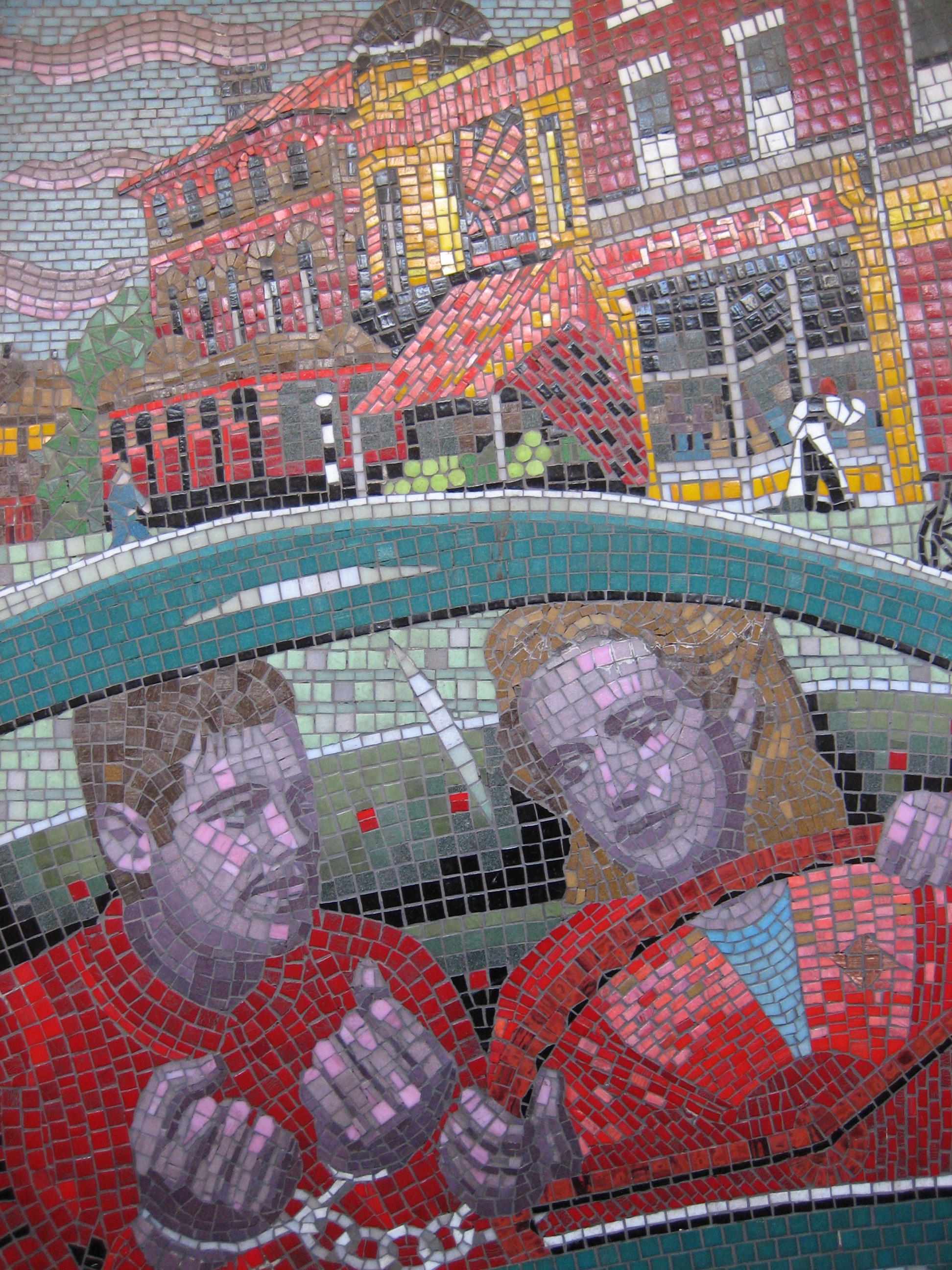
SaboteurThere are 17 in total, 14 showing scenes from films, three symbolising moments in Hitchcock’s career. If you’re not rushing to or from a train at Leytonstone, all of the designs are worth close inspection. Or for that matter, any sort of inspection at all.

Number 17

Cementing a reputationOne of London’s finest landmarks belongs to one of London’s least-used railway lines.

It represents the highest point on the Underground network above ground (almost 18 metres in height) but serves a station that is visited by close to the fewest number of passengers on the whole of the network to which it belongs.

It’s an object of awe-inducing size and unquestionable beauty, yet chances are it is rarely seen by anyone in the capital save those who live and work in the neighbourhood.

Out in any weatherThe viaduct that carries that Northern line from Finchley Central over the Dollis Brook to Mill Hill East is impossible to appreciate while inside a carriage trundling across its top.

You can pick up a sense of the structure’s accomplishments by virtue of the views across the surrounding countryside (and it is countryside, even here, in the centre of the borough of Barnet). But you need to make a five-minute journey on foot from either station to the valley floor to sample its full wonder.

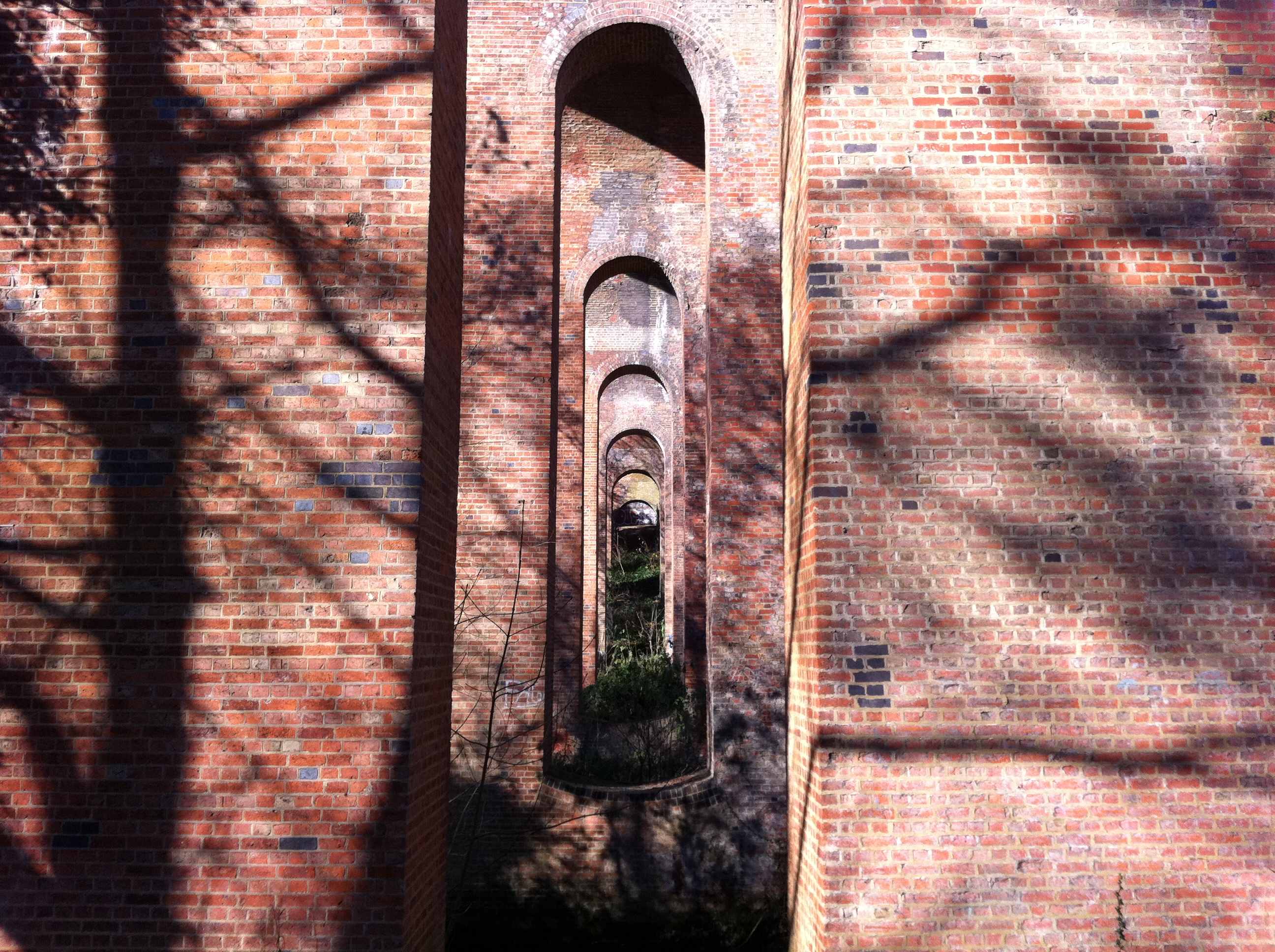
The archesTo stand underneath one of its arches is a rather giddy experience. Everything is simply so… big. So fantastically, addictively, uncompromisingly big. But not big in a bombastic, ill-conceived way. This is big done with foresight, skill and style.

Thousands upon thousands of bricks curve, glide and dance in every direction. The sun throws shadows that are both scintillating and eerie, and which play out against huge bursts of illumination:

More archesThe viaduct has been in use since 1867. John Fowler is the man to thank, the genius (and for once the word is justified) who acted as chief engineer for the very first chunk of the Underground, the Metropolitan railway; the Forth railway bridge; Grosvenor Bridge, the first railway bridge over the Thames; the original stations at Liverpool Central, Manchester Central, Sheffield Victoria and St Enoch in Glasgow; and many other highlights of Victorian civil engineering.

It’s almost laughable that the paltry single stump of a track that runs apologetically from Finchley Central to Mill Hill East has been blessed with such splendour and majesty.

But that’s what makes the Underground so great: that its artistic peaks often lie among its remunerative troughs, yet both somehow continue to exist, side-by-side.

I dream my dreams away

*Con*crete? No! PRO-crete!An especially ghastly phrase to have entered the modern business lexicon – one of many – is “do a deep dive”. “Let’s do a deep dive into these figures,” people say, and expect you to be impressed. Instead you are rankled, because the phrase is meaningless and exists solely to make its speaker feel like they sound professional.

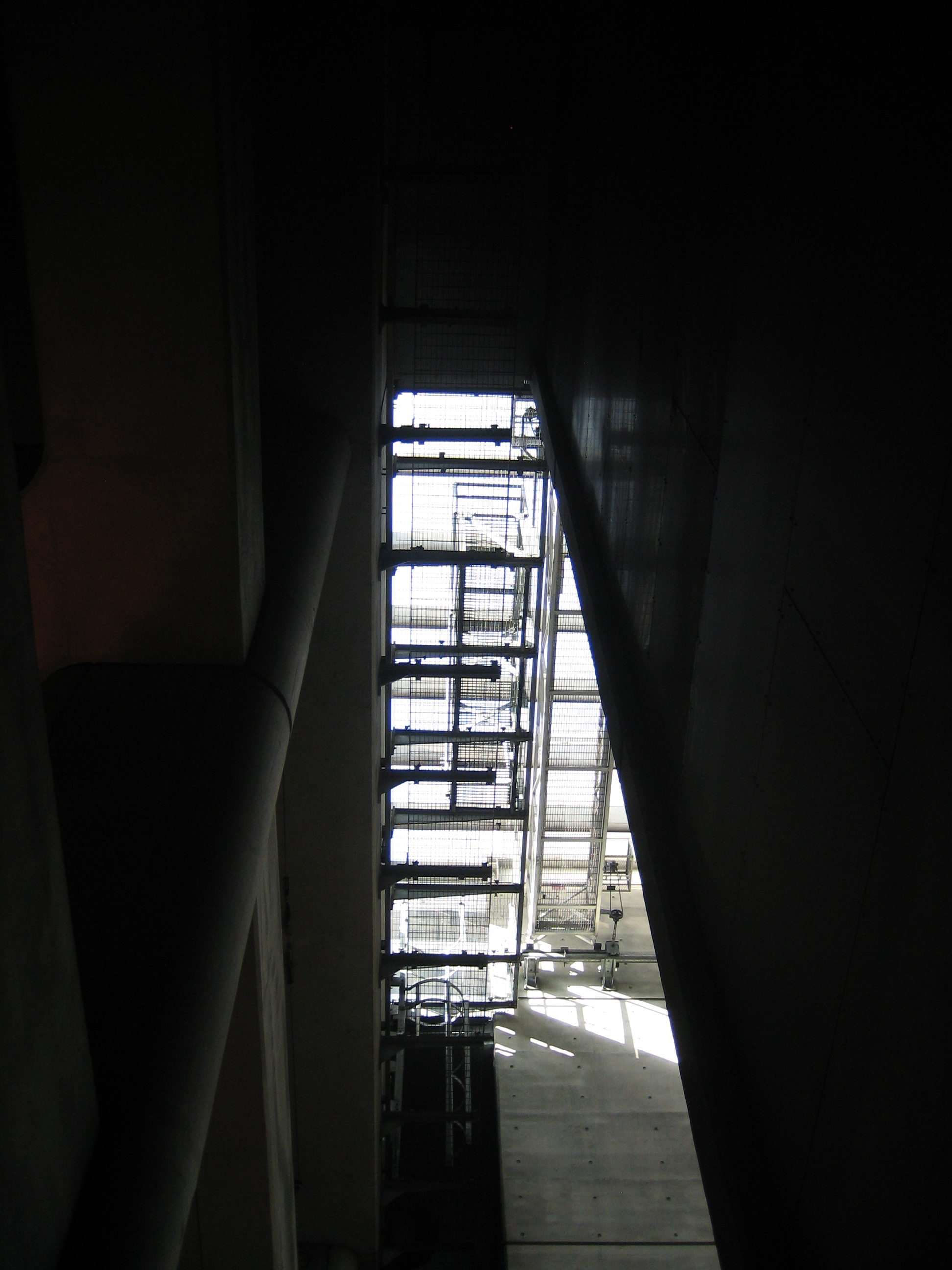
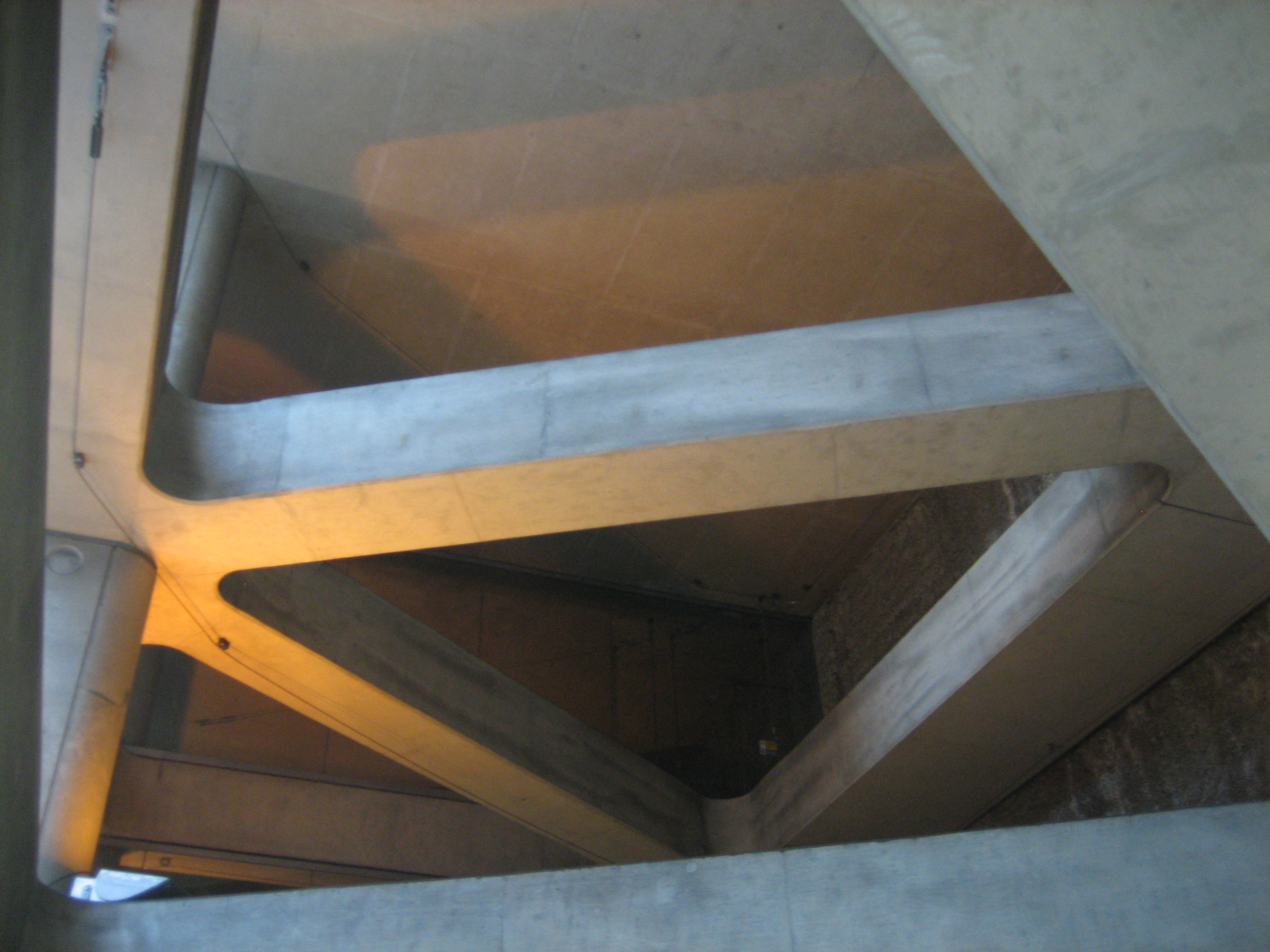
You cannot dive, deep or otherwise, into figures. What you can do is dive into something that exists, and which is tangible. The exceptional Bermondsey station allows you to dive deeply – not literally, mind – into a catacomb of concrete that, thanks to its breathtaking design by Ian Ritchie, never once loses sight of daylight.

Beginning to see the lightInformation about the project’s history on Ritchie’s website, particularly the concept drawings, make clear what was intended from the outset: to bring “a perceptible sensitivity and ambience to the public” by using “natural light and a clear spatial experience”.

He and his team succeeded completely. The impression of enormous, liberating space is fuelled by the sympathetic illumination – and vice versa:

The future is here - and it's concrete!It’s great to be reminded of how awe-inspiring concrete can look when deployed in ways not common to the ordinary high street or suburban road.

And Ritchie seems to want us to dive both physically into the ground but figuratively into our imaginations, to touch on deep associations we have with what might pass for a futuristic world:

Deeper and downBermondsey is another gem of a station on the Jubilee line extension. I’d honestly not expected, so early into this 150, for the Jubilee to be the line way out in front in terms of mentions. But there you go. So much for Charles Holden (for now, at least).