Archive

Piccadilly line

Light fantasticI’ve talked before of how some Underground stations, like all of us from time to time, feel better in the dark.

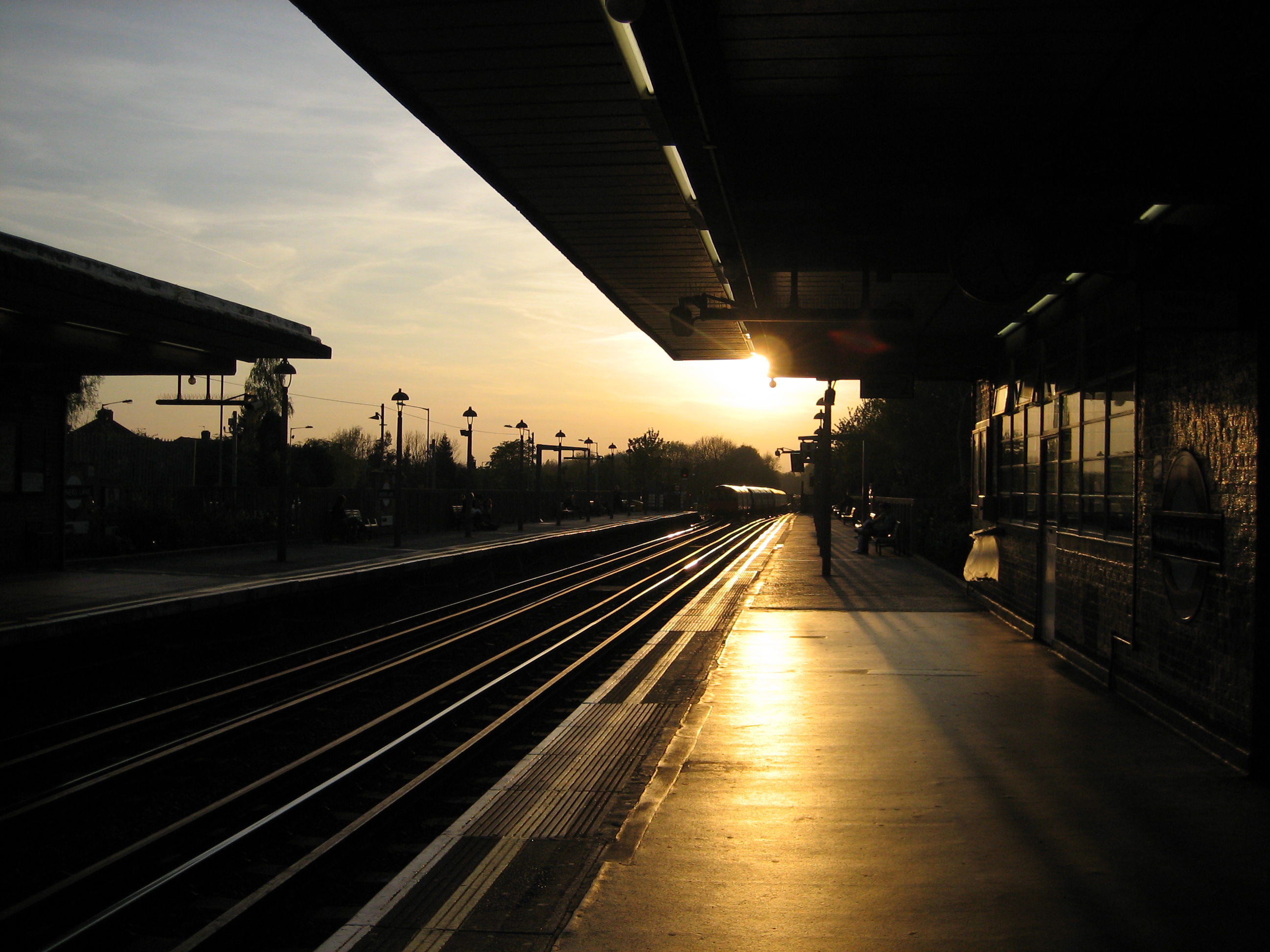
There are also parts of the network that are most flattered by light, specifically the arc of the sun. Obviously these stations are above ground, but they’re not always obviously candidates for celebration.

For much of the time, the most that can be said to commend the platforms at Rayners Lane are the flower beds:
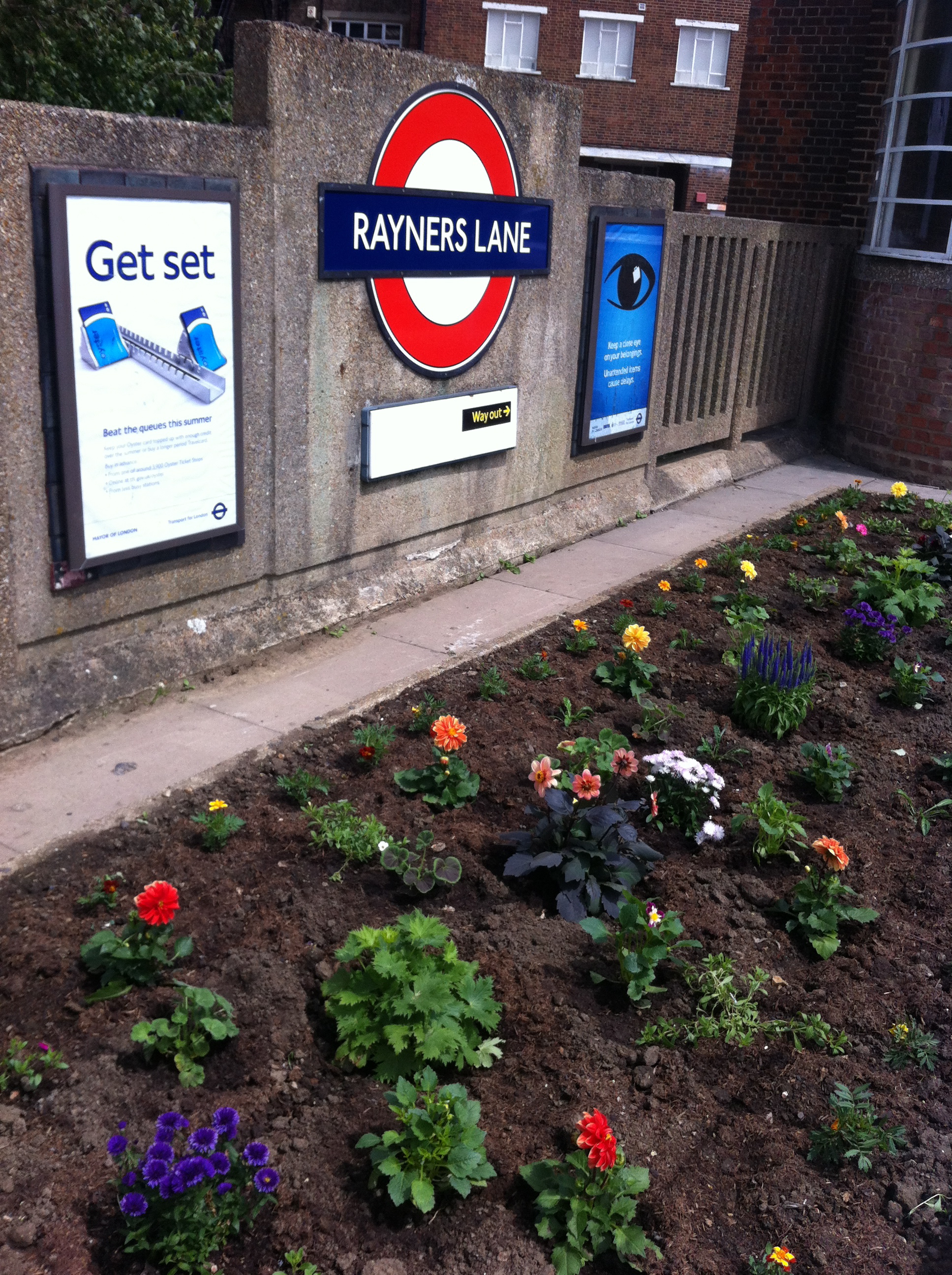
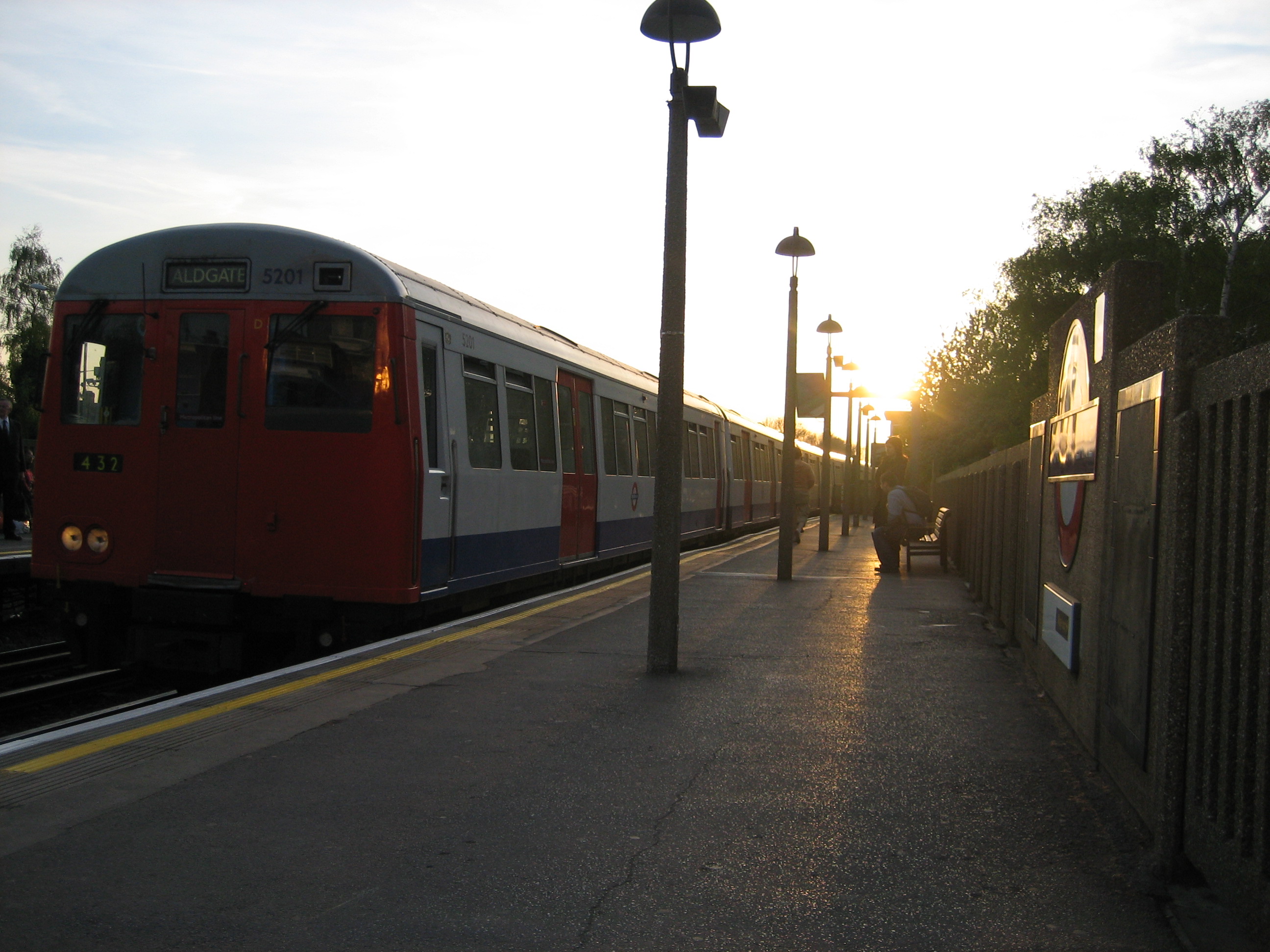
Insert your own "blooming" pun hereBut when the sun starts to set, there’s a clear sky, and you’re facing westbound, something rather beautiful happens.
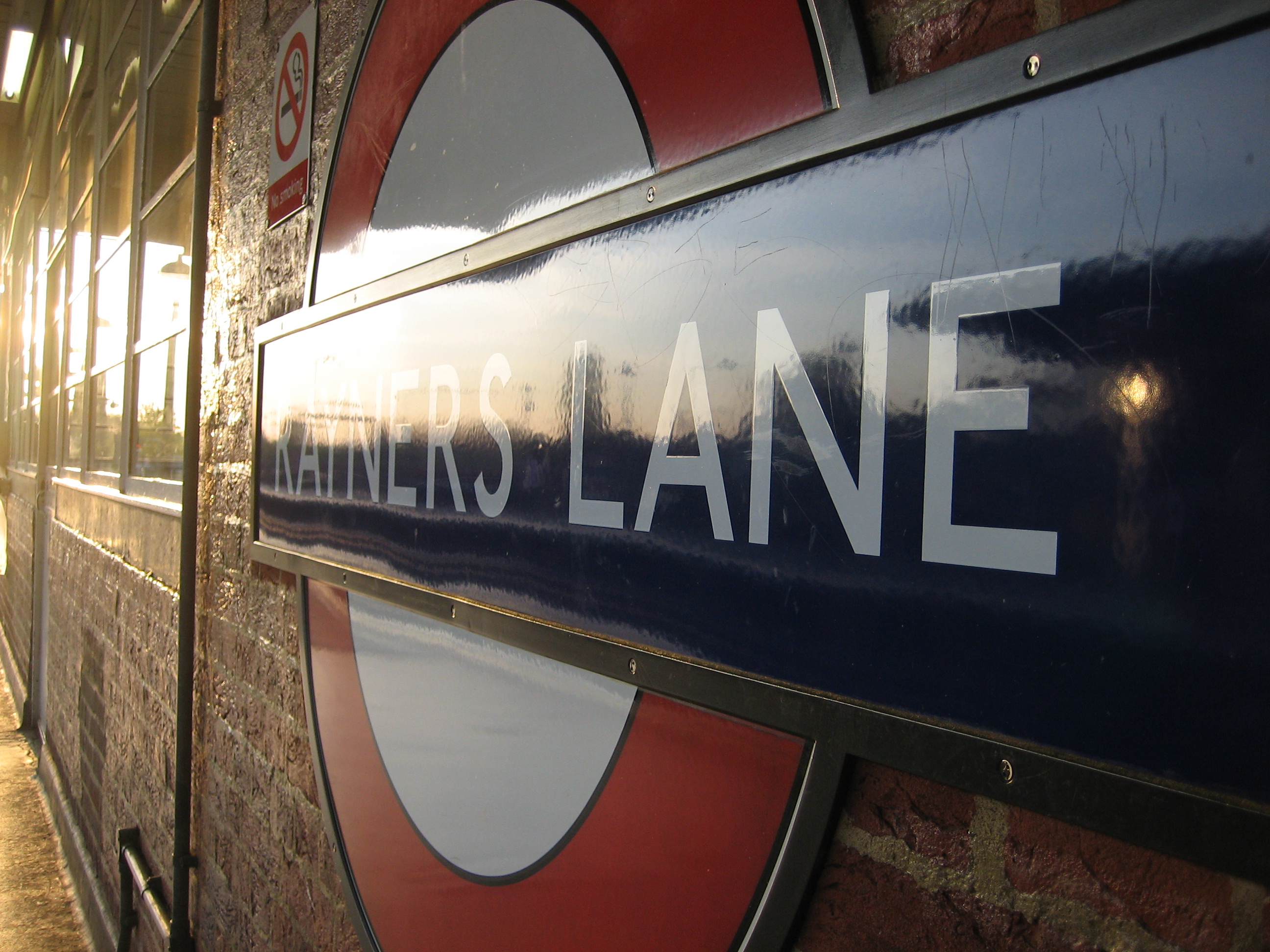
Let the sun sign inThe platforms are ideally aligned for what astronomers would call an “event”, though in this instance, it’s the juxtaposition of light and metal rather than any celestial bodies. An occasional passing human body won’t diminish the effect, mind:
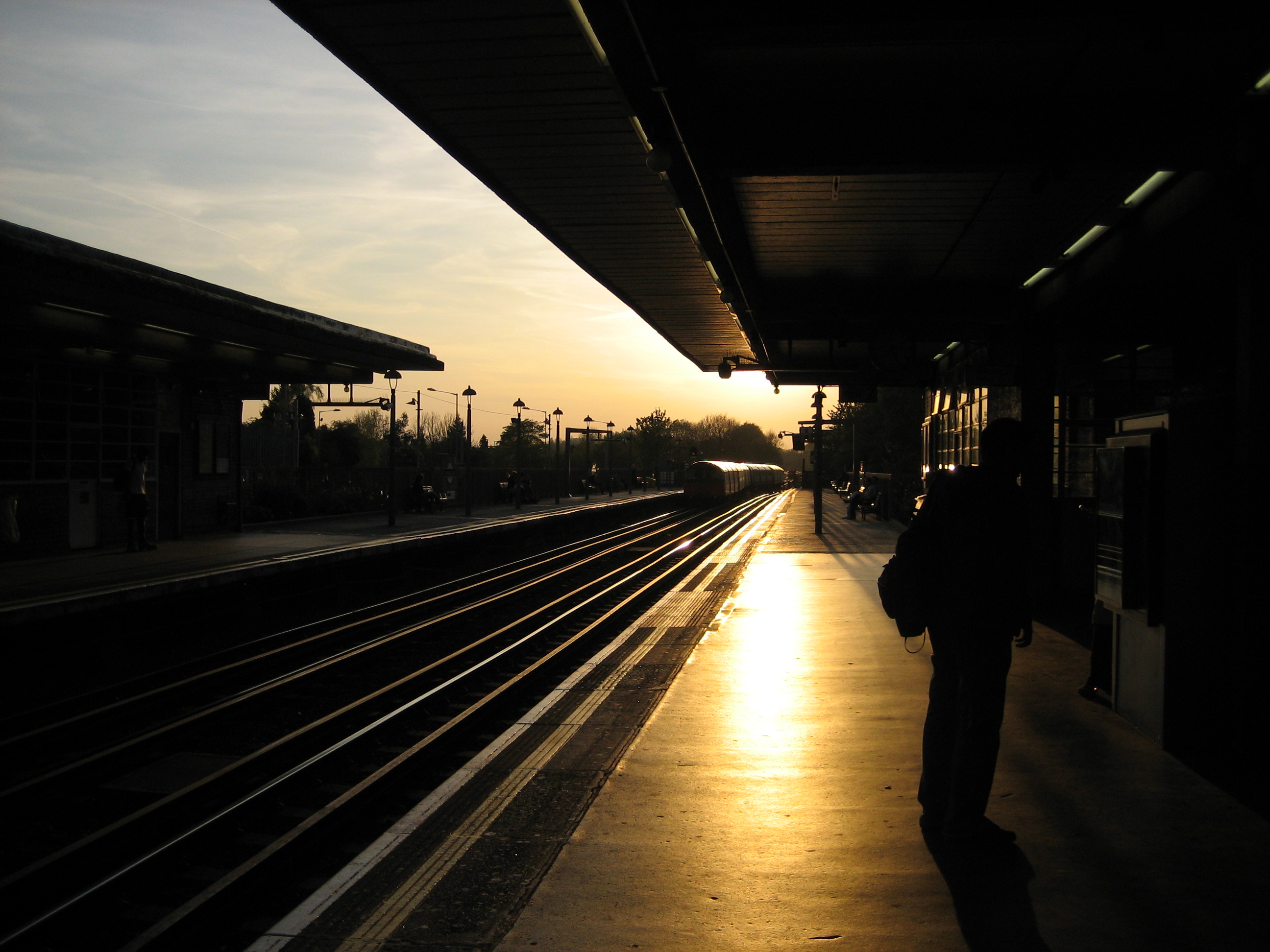
The long day closesOther stations undoubtedly play host to similar solar-kissed moments. But Rayners Lane is the most extreme, and the most magical, I’ve so far experienced.
Valediction

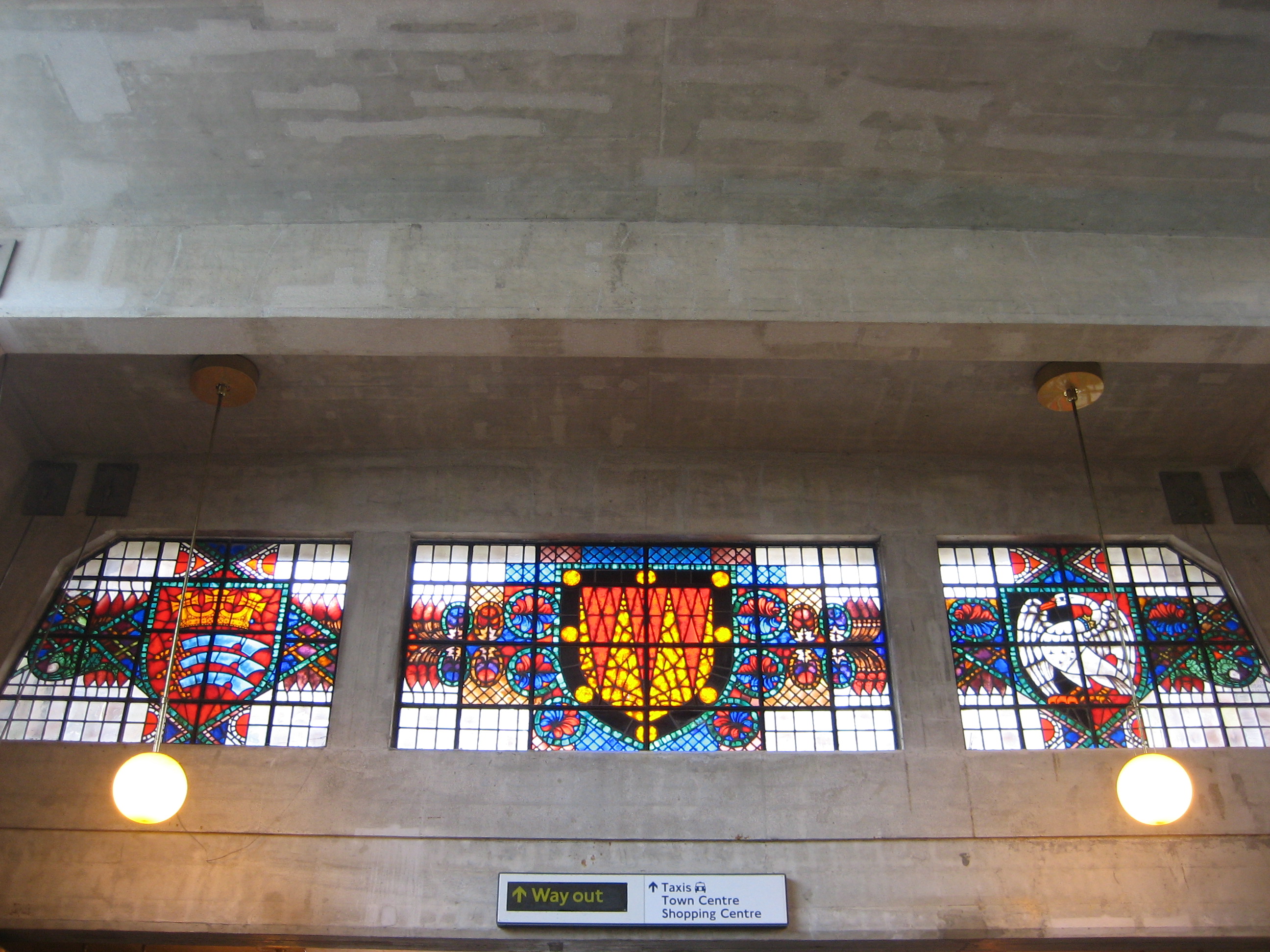
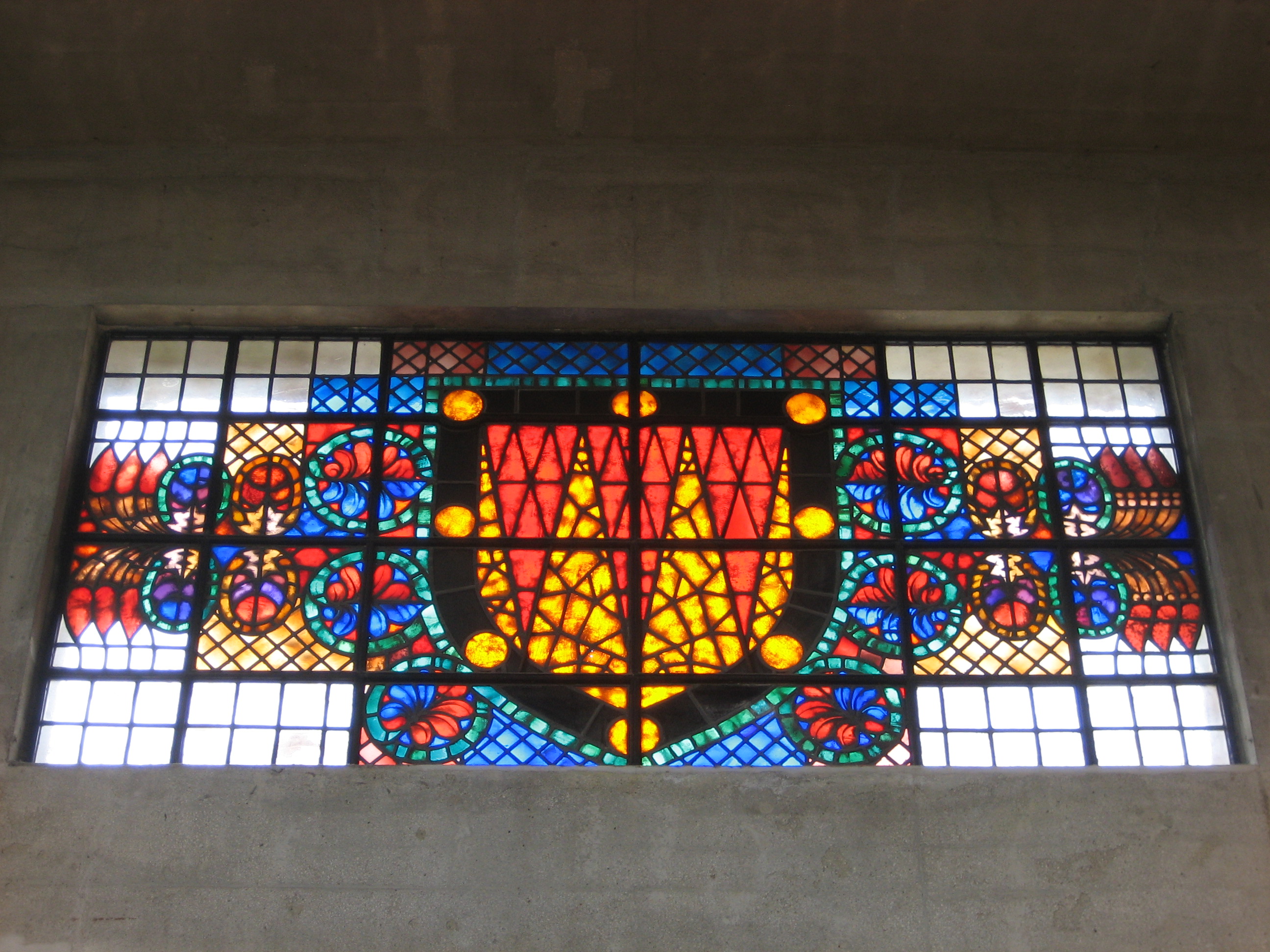
Colour me smittenI think this might be the only station on the Underground that has stained glass (though I’m more than happy to be proved wrong).

The three panels sit above the exit and are only visible to people leaving the station: a fitting location for what is essentially a translucent multi-coloured equivalent of a “Welcome to Uxbridge” slogan:

Which window shall we go through today?They were created by the Hungarian artist Ervin Bossányi, who emigrated to the UK in 1934: just four years before Uxbridge station was rebuilt in its present form to a design by Charles Holden.

During a hugely successful career in this country Bossányi would make stained glass for, among others, the University of London, the Victoria and Albert Museum and York Minster.

But the three designs he produced for Holden must count statistically as his most viewed – and perhaps simultaneously, like Oliver Hill’s bus station at Newbury Park and Eric Aumonier’s archer at East Finchley, his most under-appreciated, by virtue of their home being not an imperious seat of learning or popular tourist attraction but an ordinary railway terminus.

Of course I would argue that Uxbridge is anything but ordinary, and I’ll return to rave about some of its other stunning features another time.

For now I’ll merely sing the praises of this trio of handsome gems, which depict, from left to right: the arms of the old Middlesex County Council, an institution abolished by Tory minister Keith Joseph in the early 1960s; the arms of the Basset family, esteemed local landowners of centuries’ standing; and a historic emblem of Buckinghamshire.

And were there ever need for a more contemporary representation, may I suggest something to do with Press Gang, which was filmed in Uxbridge and which remains the finest children’s TV drama series ever made.

Knock on OakwoodBy way of illustrating who wins in a Holden v Green contest, here’s an example of the former’s architectural genius just a few stops up the Piccadilly line from the latter’s Caledonian Road.

The inside of Oakwood, which opened in 1933, is a vast, dazzling playground of modernist design.

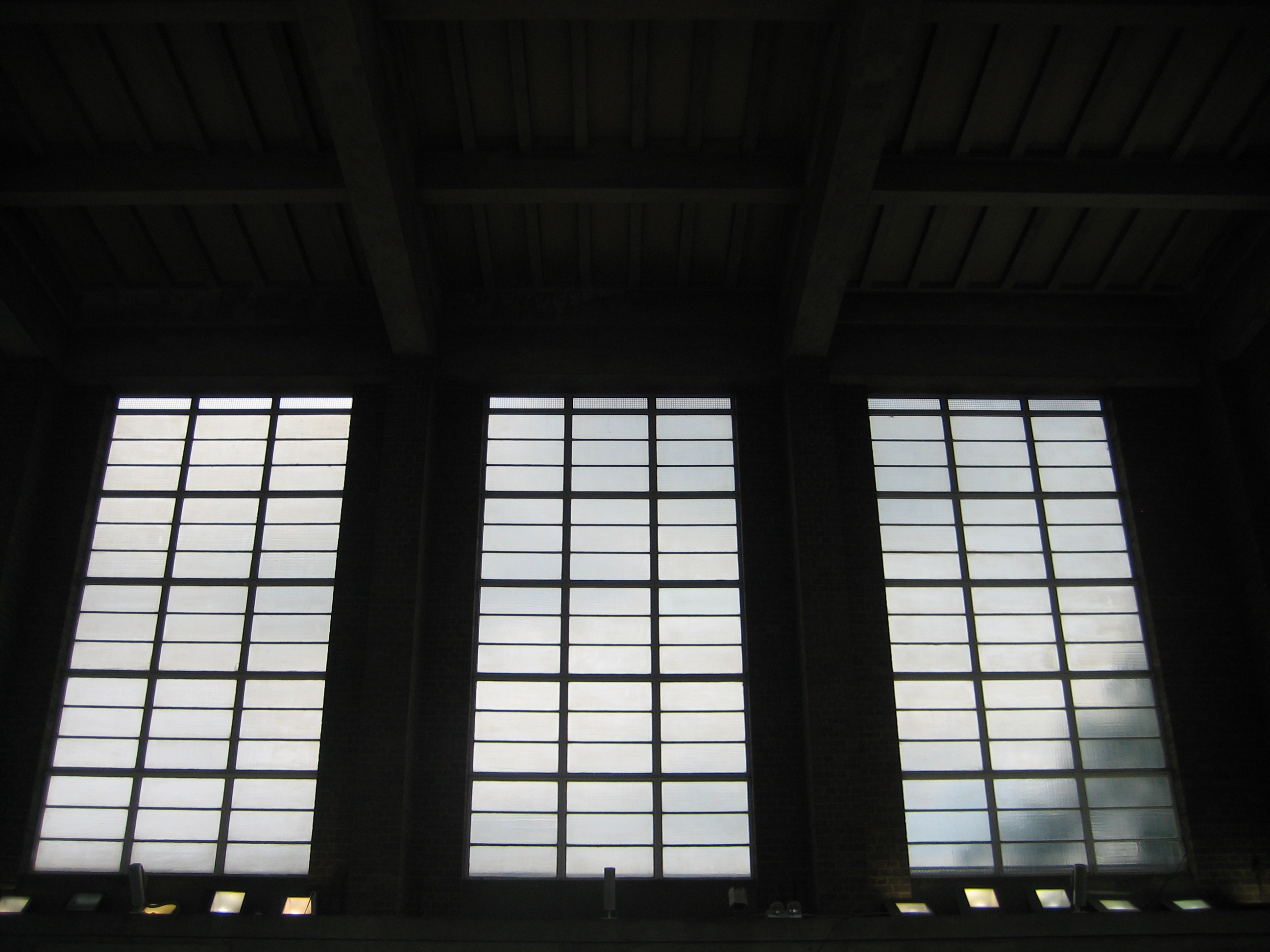
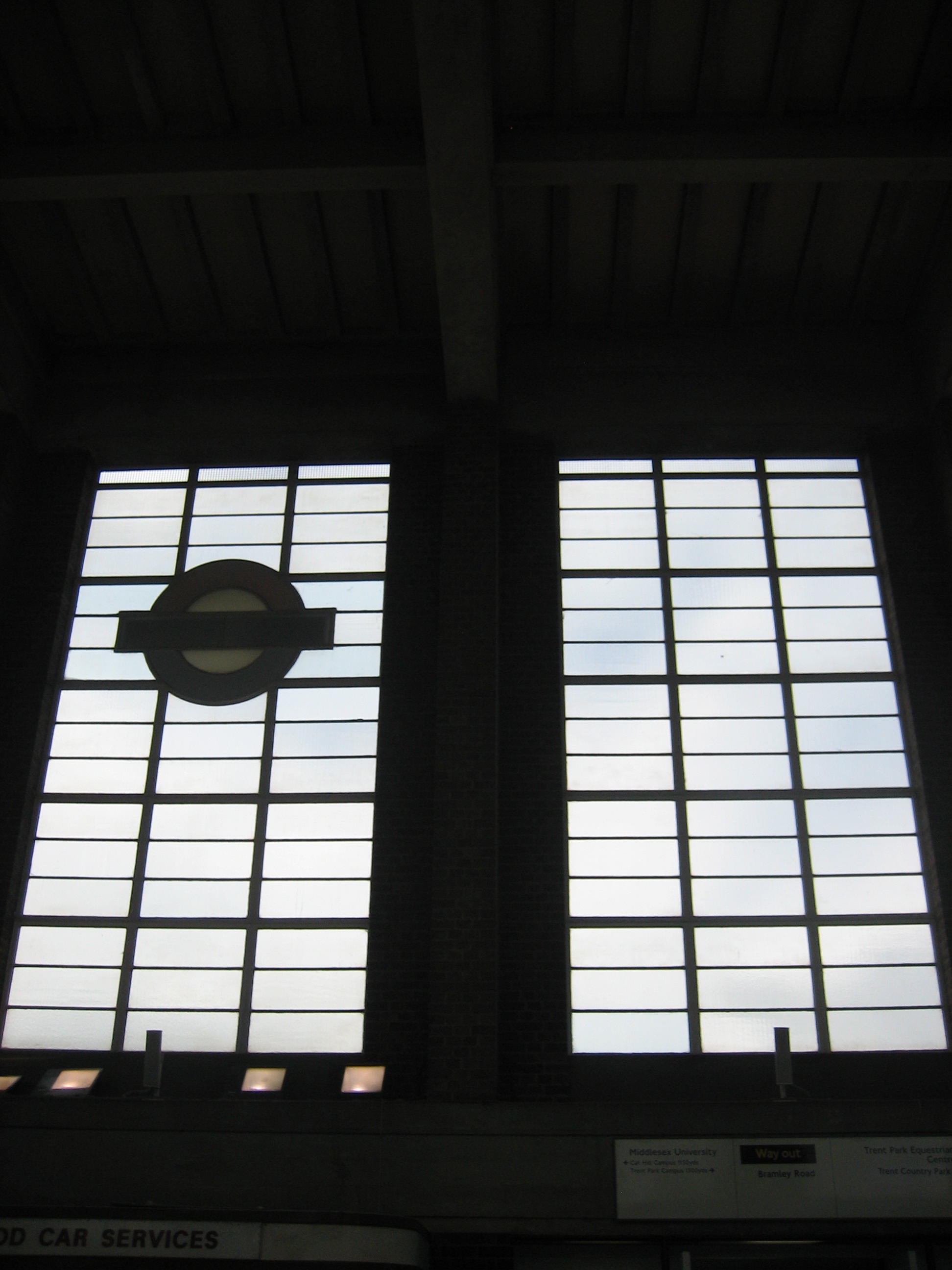
The building is, frankly, enormous, the sort more common to a mainline station than a mere metropolitan network. Those excitingly mammoth windows pictured above send natural light pouring into the sleek and spacious booking hall, in turn creating all sorts of bewitching shadows and illuminations.

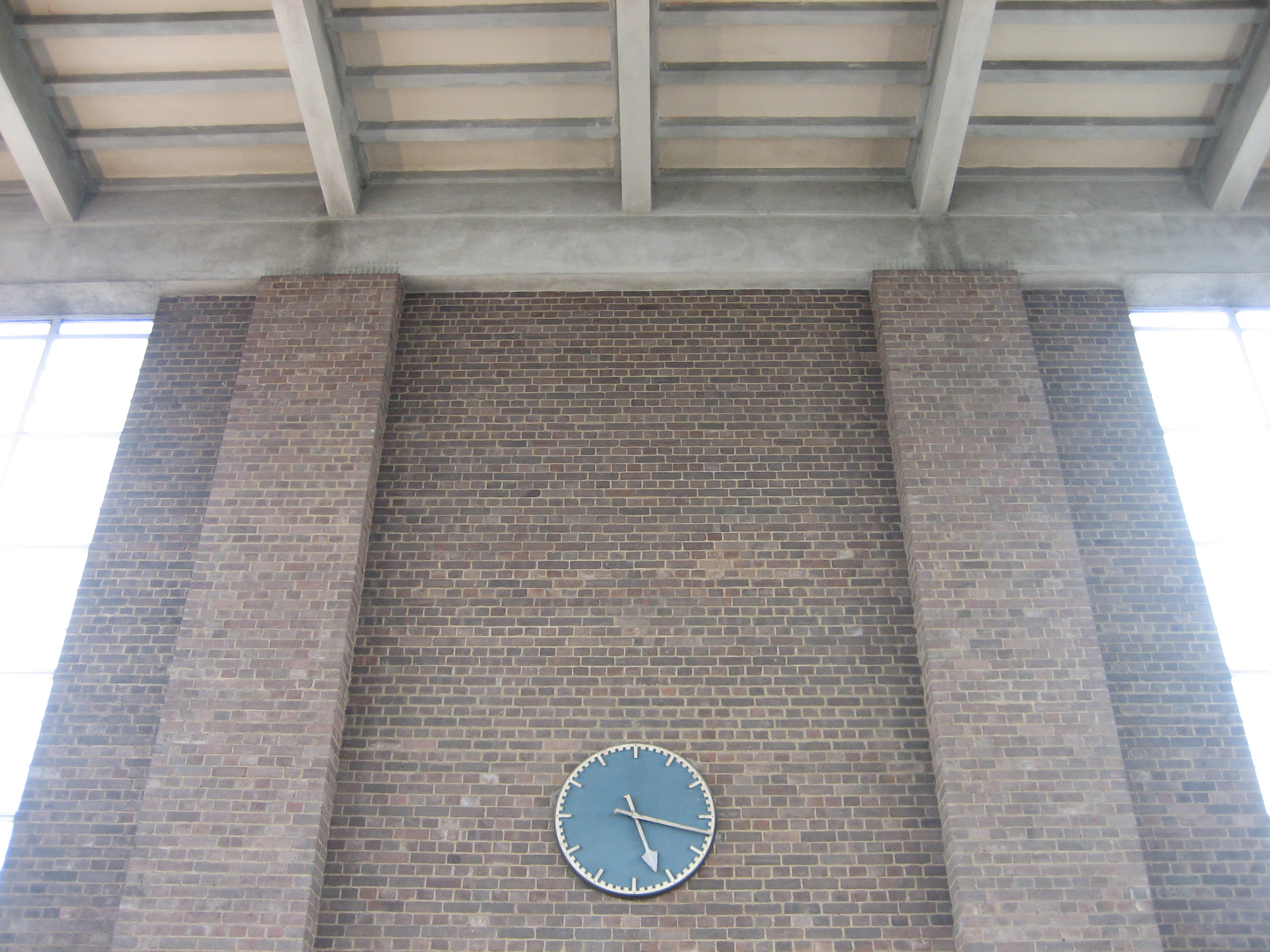
Then there’s the ceiling, a giant’s crochet of great hunks of cement, perched on top of massive walls of clean, crisp, perfect-aligned brickwork. There’s no need for ornamentation or extra decoration or even much in the way of colour. The station’s design creates its own beauty. Nothing more needs to be added.

Well, except for one neatly-positioned, charmingly-crafted clock:

Sign o'the timeThe scale and ambition of the place caught my breath. I stopped in my tracks when I walked in, stunned by what was around me. I tried to linger as long as I could before inviting suspicion from passengers and staff, none of whom seemed to be lifting their eyes a few feet above the ground.

A shame, because we are blessed and incredibly flattered by buildings like this. Apologies for sounding painfully preachy, but it feels, well, really quite humbling that someone thought it worth bestowing so much love and attention on such as ostensibly functional assignment.

Three cheers for Charles Holden!

(And I haven’t even started on the exterior of Oakwood… not to mention the platforms…)

Let's go through the roundel window