Archive

Piccadilly line

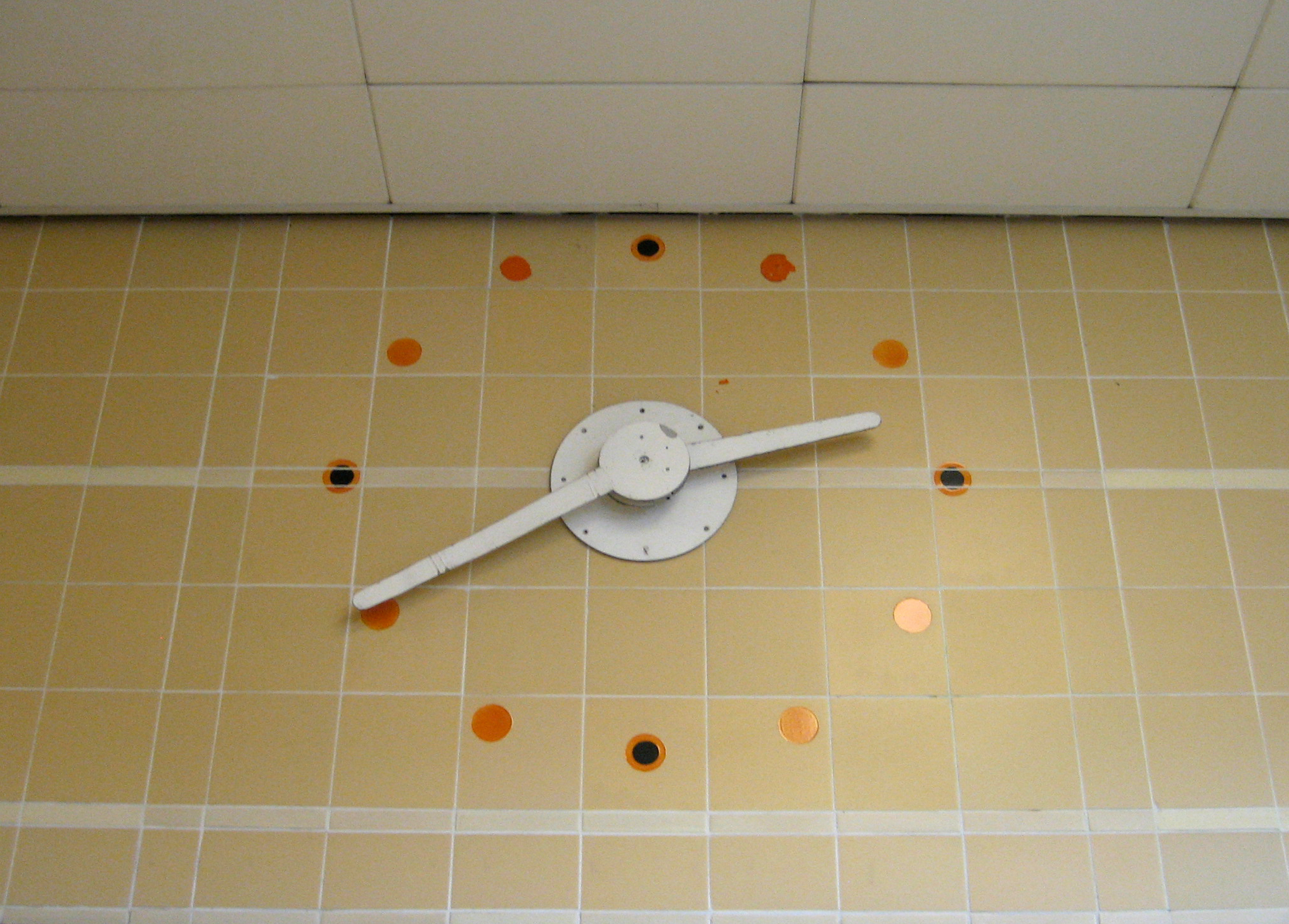
Face of surpriseIf I’d only waited a few more minutes. For then I could have trotted out the old “stands the clock at ten to three?” doggerel, and I’d have had a not-at-all-hoary-and-cliched opening remark all ready made.

But no. I’d already loitered a little too long for comfort in the ticket hall of a station a little too empty of people to not draw too much attention to my endeavours. I had to grab what time I could – which, in this instance, was 2.40.
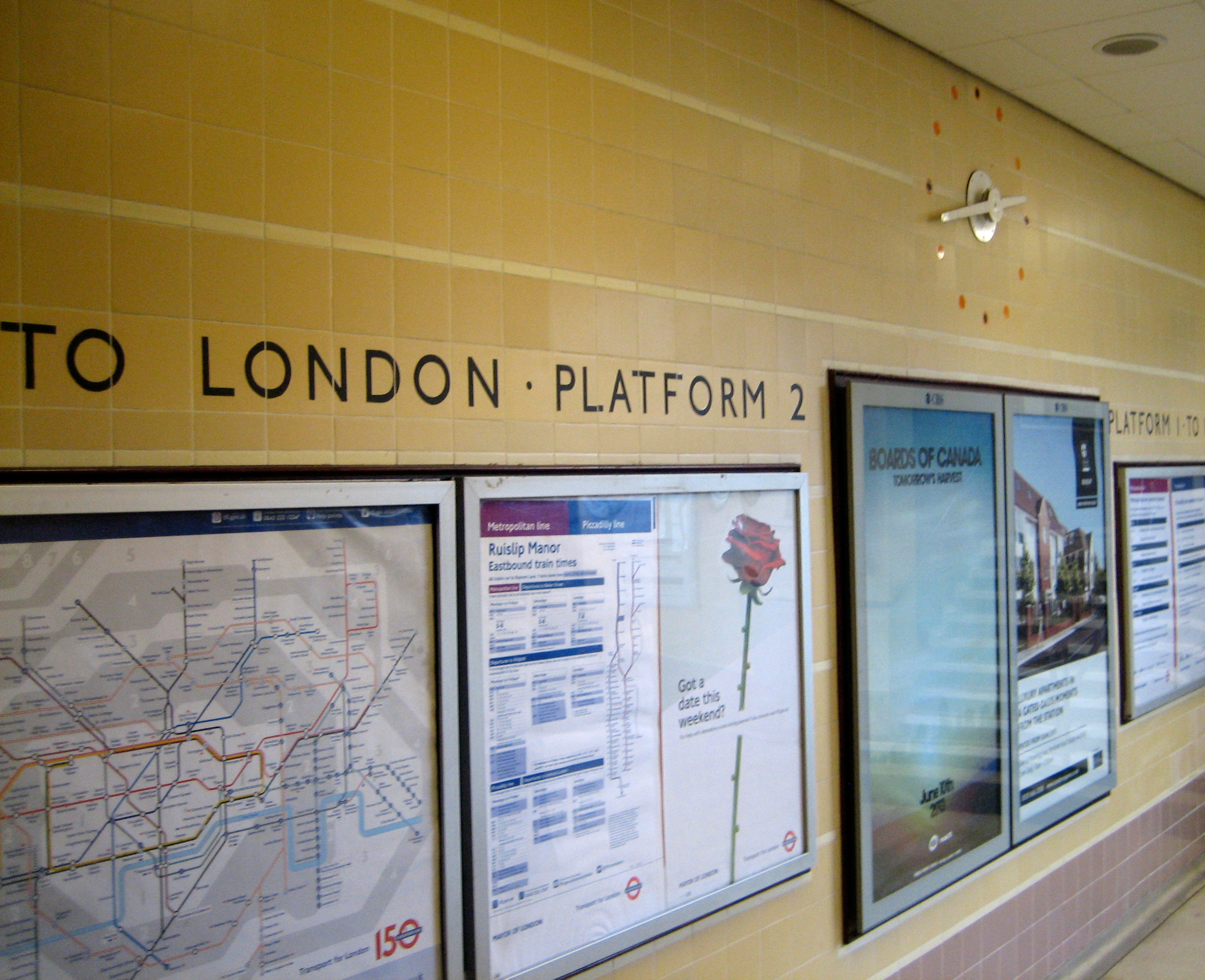
This way to LondonThe simplicity and the economy of the clock’s design is entrancing. There’s no room for superfluities like letters or – heaven forbid – numbers, because there’s no point.

As I’ve said before, a glance at a clock face is all most of us ever need (or have time for, ahem.) It follows that the essentials of a clock can, if done sensitively, become components of a broader statement, not merely of information but of style.

Those small circular daubs of colour: look at them, as John Betjeman would say. Do you see how they subtly echo the Underground roundel, in particular the ones positioned at each quarter-hour?

And that stencilled instruction “To London”: surely a reminder of how remote and isolated Ruislip still was when the station was rebuilt in the late 1930s?

Perhaps most striking of all is the colour. You don’t get this much cream in one dose in many Underground stations. There’s enough to rival the total tonnage of afternoon teas in Grantchester.

Which reminds me…
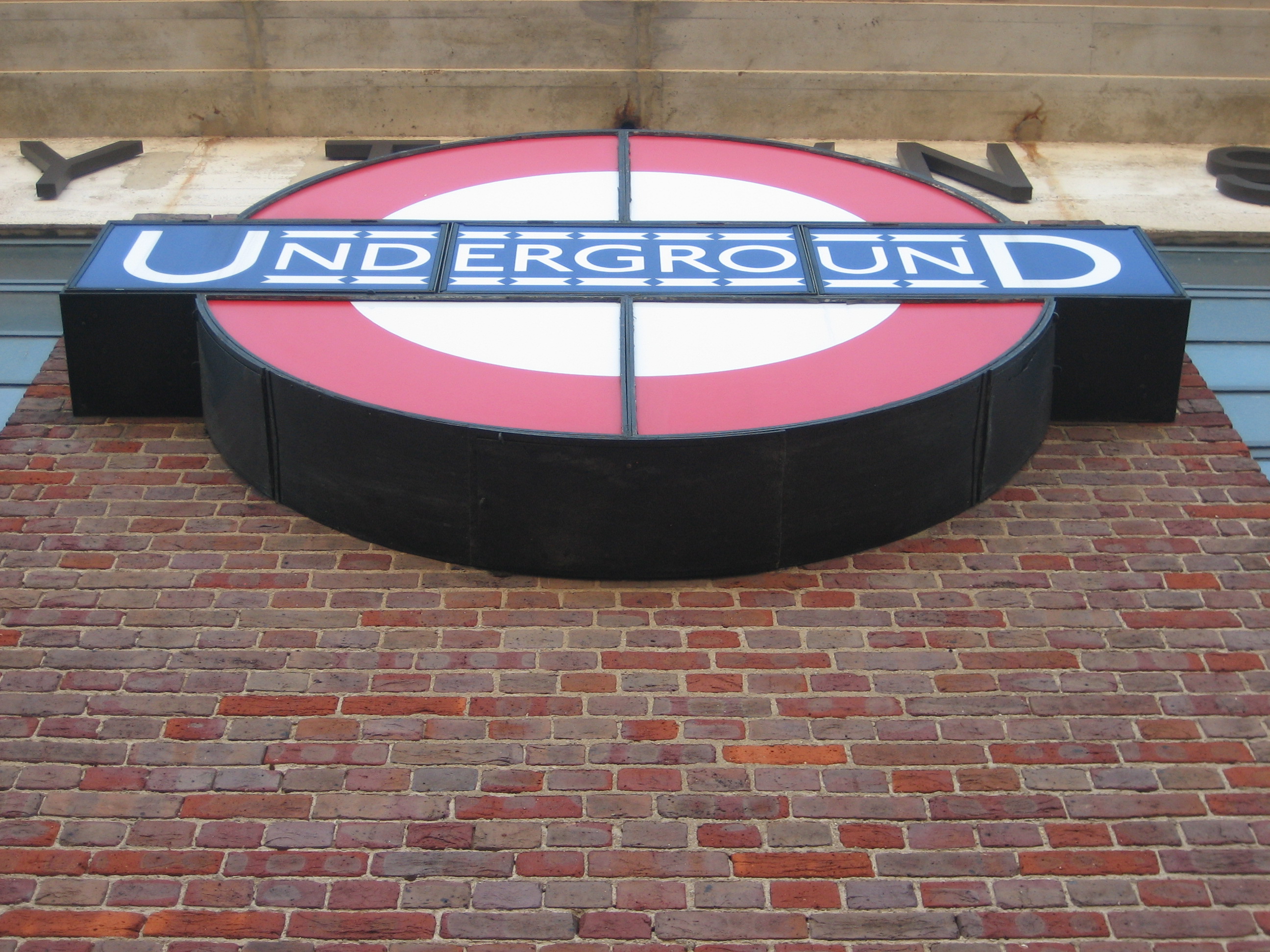
Enormo-roundelIf quantity of roundels isn’t your thing, how about heft?

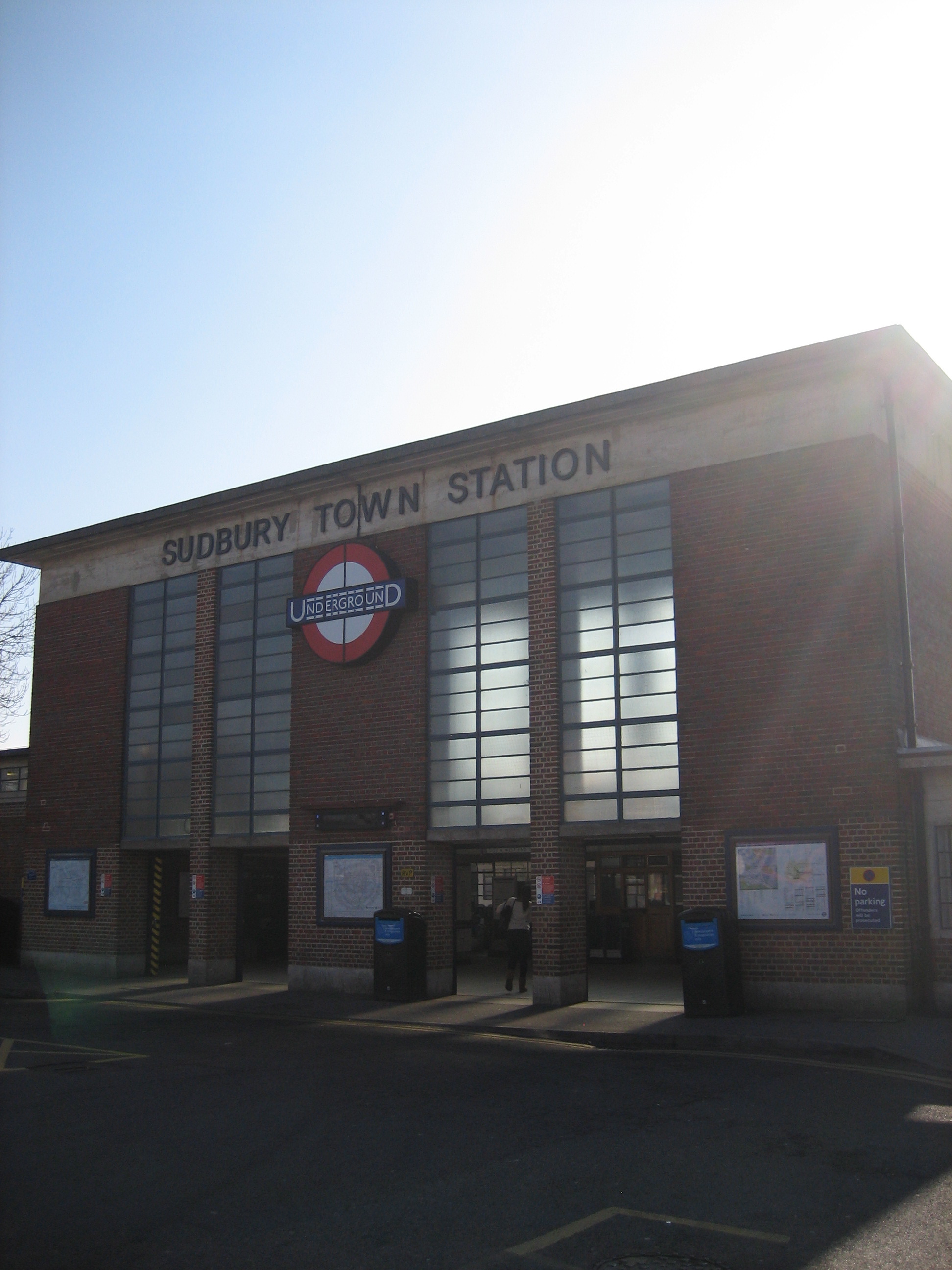
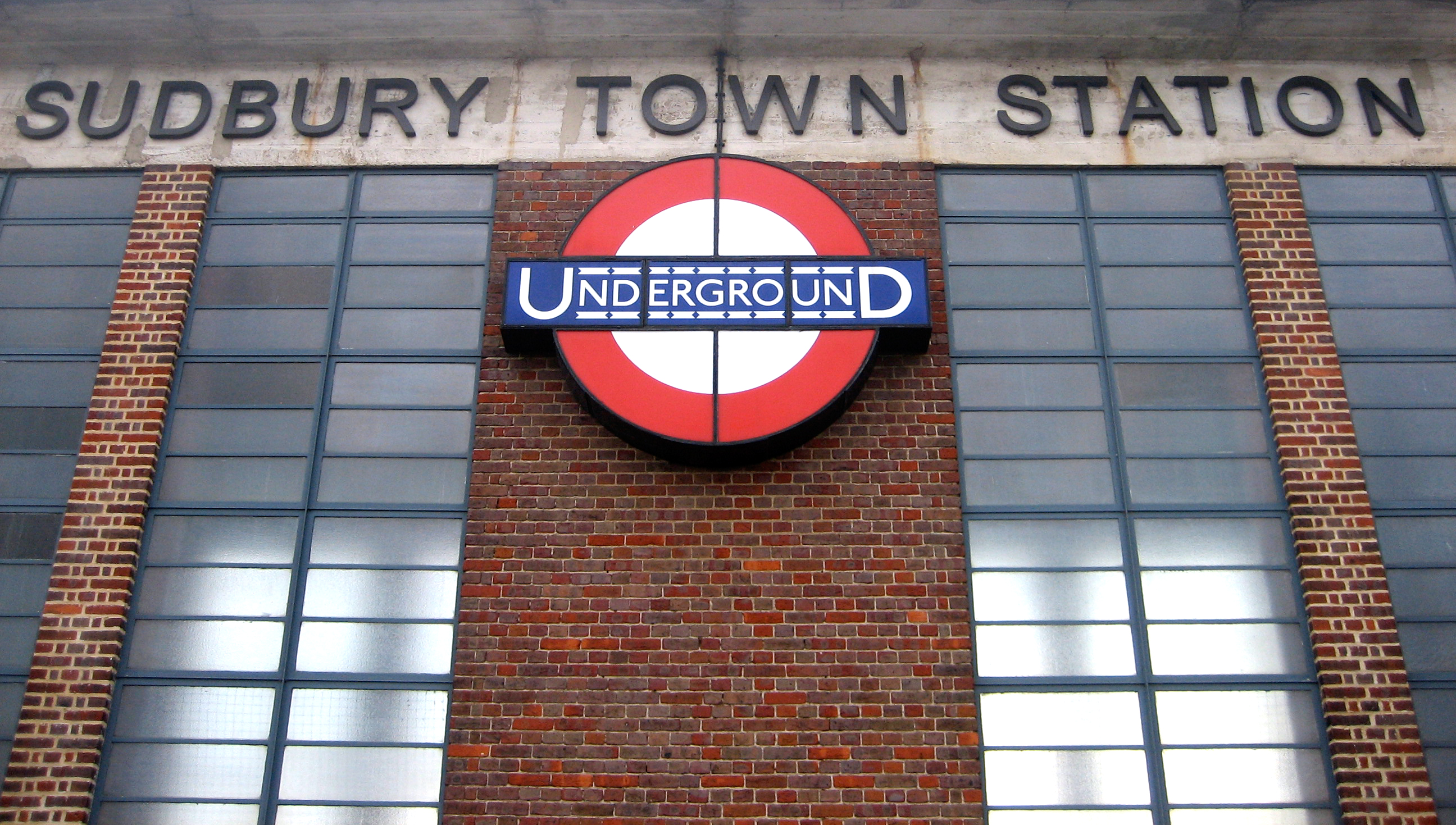
Mounted just above the main entrance to Sudbury Town station is one of the largest, not to say thickest, roundels I have ever seen. It is an enormo-roundel.

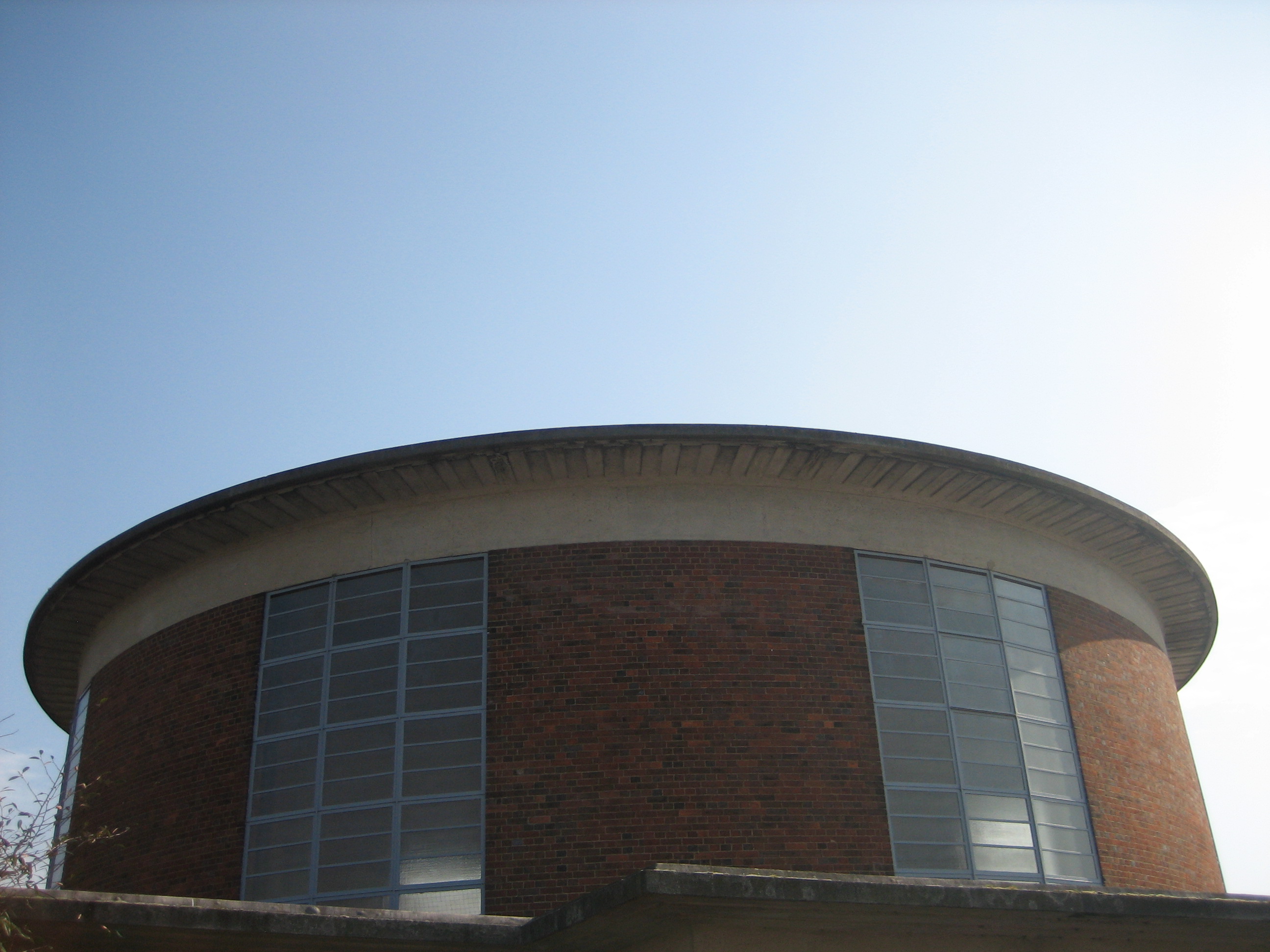
This is wholly fitting, because Sudbury Town is an enormo-station. It’s another Charles Holden box of delights, but what a box:

Box cleverImagine having this on your doorstep. A few dozen people do. Lucky bastards.

Were plans for such a building submitted today, I suspect they would not be approved. We’ve become a population more bothered by back yards than beauty. Back in the 1930s and 40s, poverty, war and reconstruction brought people into the streets. Now it is planning permission sub-clauses.

Imaginative and exciting building could and should happen anywhere. If it’s breathtaking to boot, like Sudbury Town station, so much the better. I can understand people objecting to something if it is impractical or uninspiring. I can’t understand anyone objecting to something just because it is new.

Sud's lawThere’s a slightly restorative feel to a building like this. I’d rank it alongside tasting air after a thunderstorm or a dip in a geothermal spring. (I’ll leave you to decide which I’ve experienced most recently).

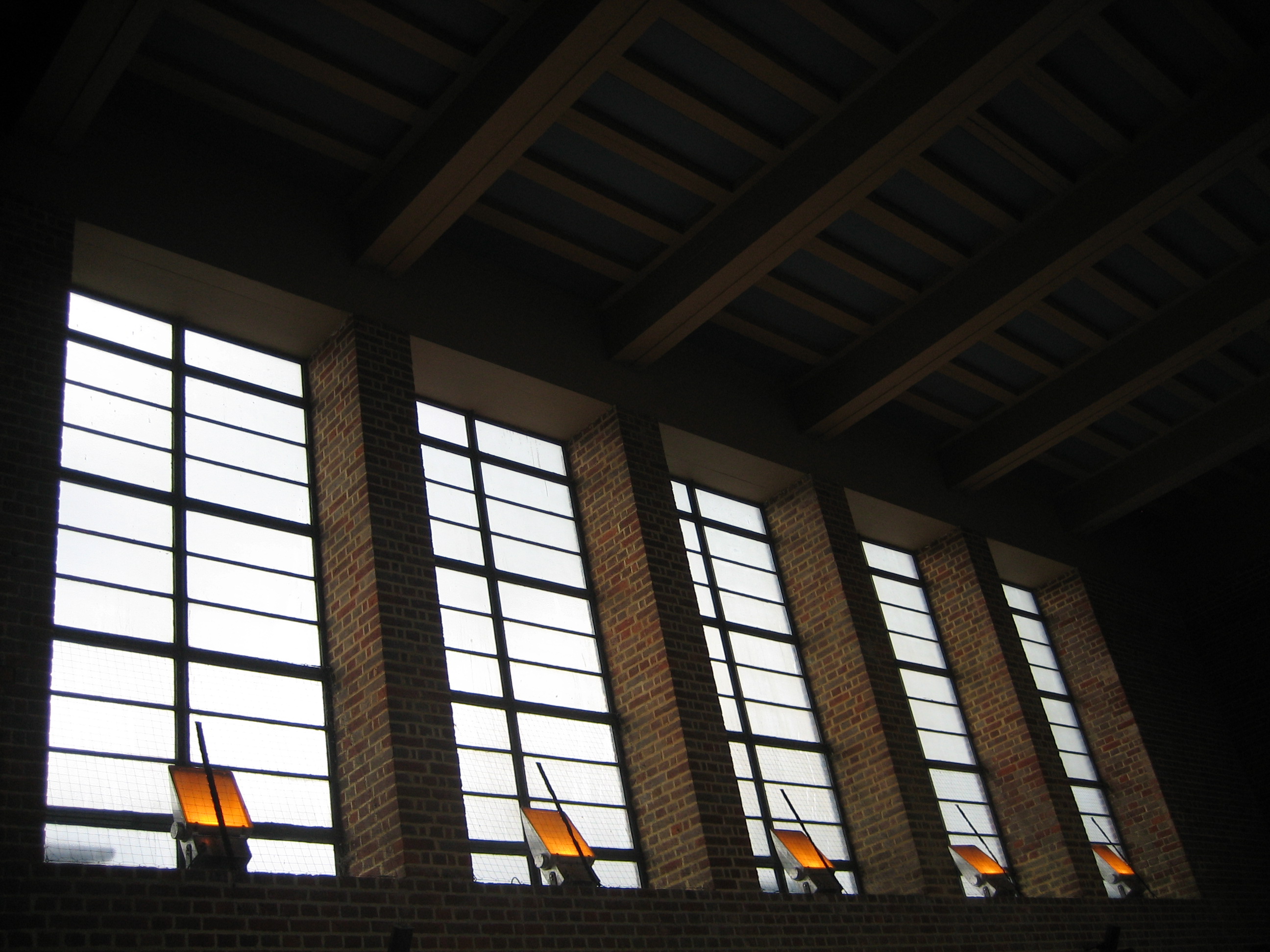
The reason could lie with the crisp freshness that still clings to Sudbury Town, like the folds in a newly-printed map, decades after it opened in 1932. Perhaps it’s the attention to detail, like the barometer inside the ticket hall. Maybe it’s to do with that most bountiful of all Holden’s architectural flourishes: natural light, which flirts its way around those always-ravishing clerestory windows:

Clerestory? Morning gloryOr it could just be that enormo-roundel, which leaves me a bit giddy, and also wishing I could have one on my living room wall.

Lifesize, naturally.

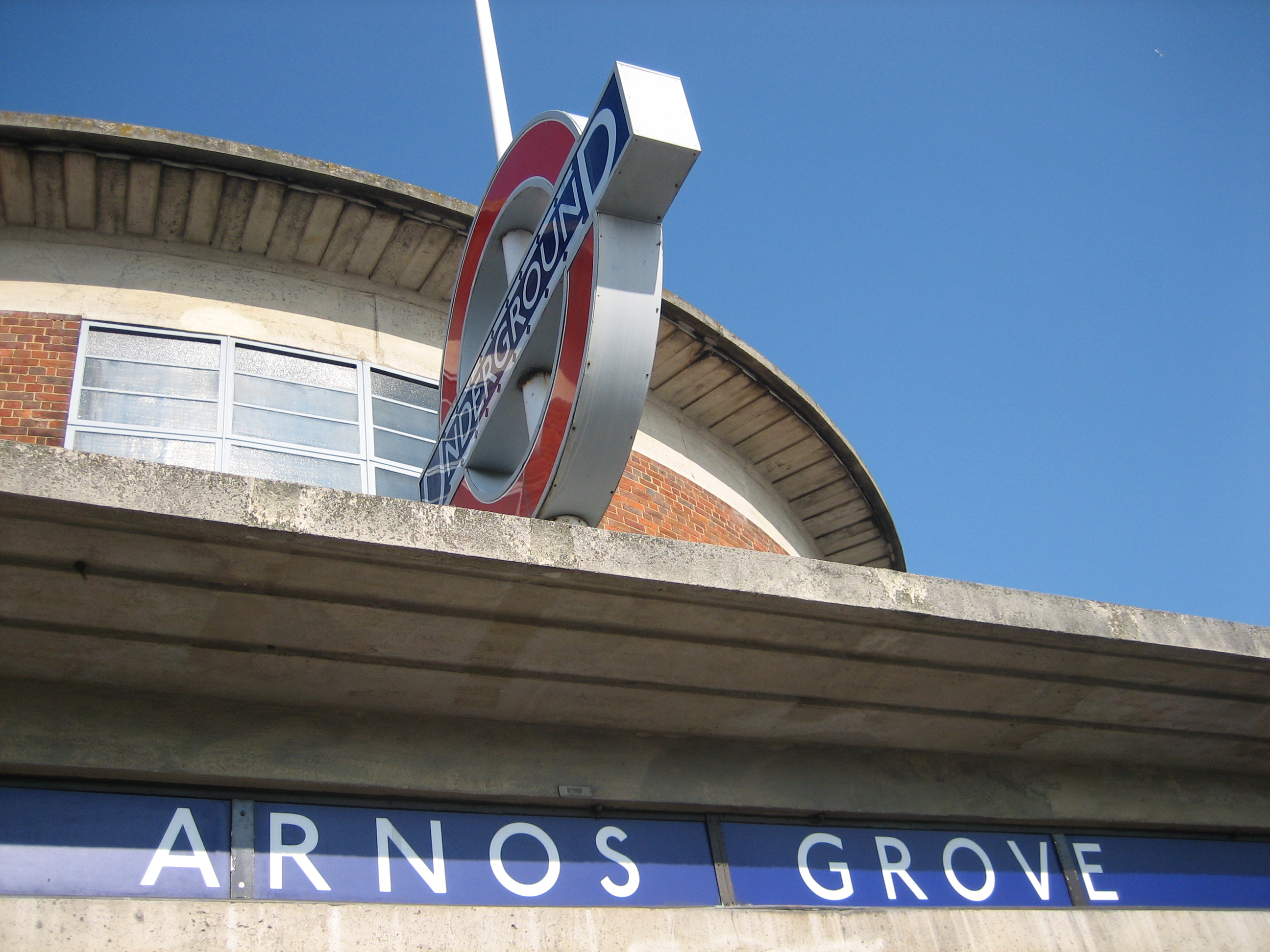
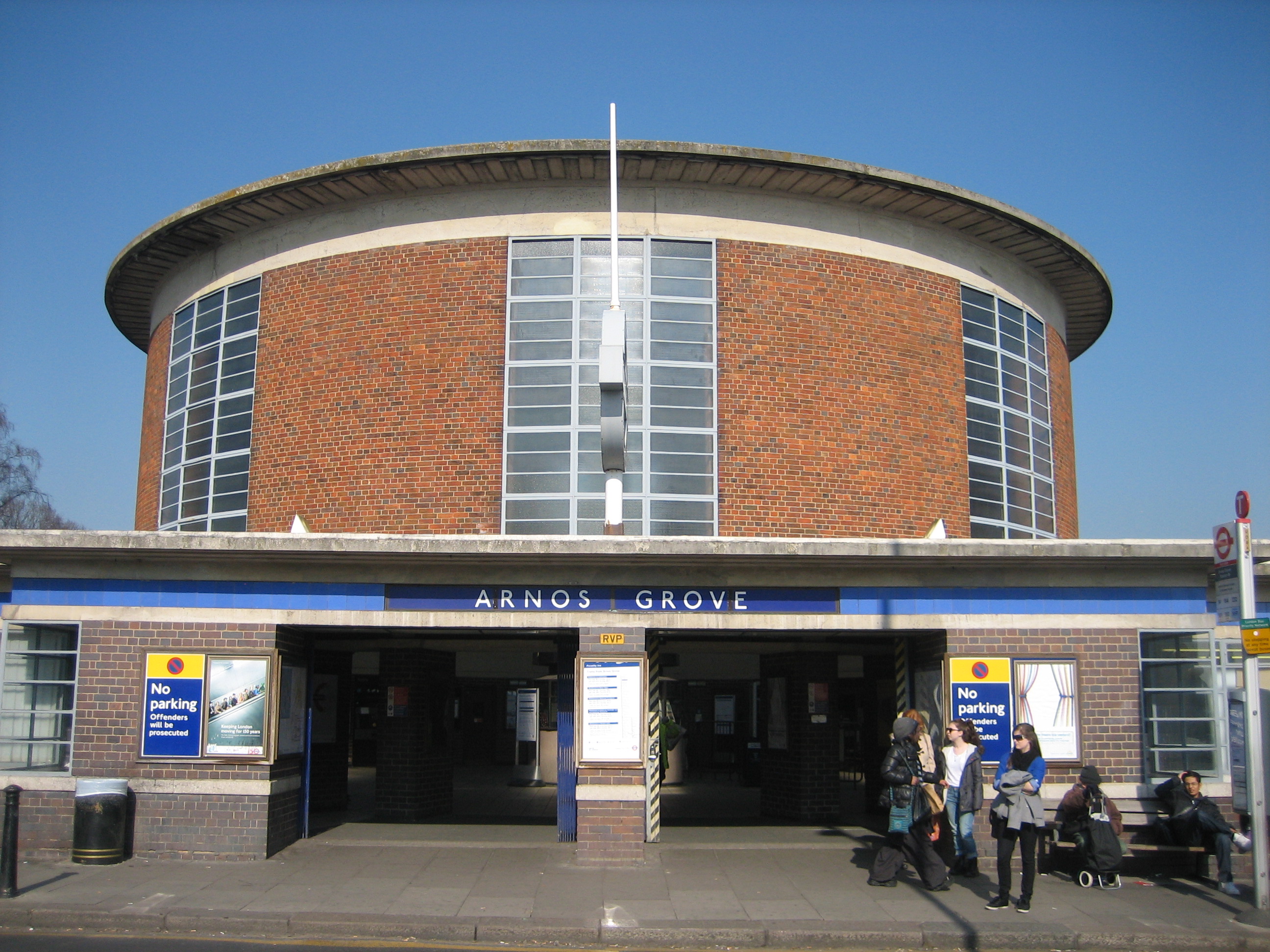
Banging the drumPeter York calls them “embassies of modernism”. Michael Gove calls them “prison houses of the soul”. I call the Piccadilly stations designed by Charles Holden one of the finest ensembles in the land. A bracing, lustrous orchestra of sensations. Their massed ranks of roundels, passimeters, turrets and Dalek stalks deployed in shimmering harmony, resonating up and down north London. A bit of bombast here, a bit of delicacy there, the odd cheeky homage thrown in for good measure.

It’s an ensemble that can fizz as well as flutter, that whirls as well as soothes. And in the centre, keeping everyone else in time and in line, the thunderous, glorious magic drum that is Arnos Grove.

Pa-ra-pa-pa-pumApologies for the more-fanciful-than-usual wittering, but I don’t feel too steady on my feet. Because I’ve already bowed my head long and low to the wonder that is the interior of this station. How to pay equal tribute to the equally wondrous exterior? What more is there to say about Charles Holden, about whom I’ve been banging a drum for a good portion of the last 100 posts?

Well, one mark of Holden’s genius is that he always does have something new to say, and another mark is that he does so with such visually self-evident swagger. The only thing he can really apologise for is trying. And that’s more than can be said for most of us.

Arnos Grove looks like it has just tunnelled its way up from some kind of subterranean concrete Eldorado. It is like nothing on Earth (well, almost) yet somehow intensely familiar. The distinctiveness of the place attracts, rather than repels. You feel almost propelled towards it, like bathwater skipping its way down a plughole. It’s the opposite of being flung outwards by a centrifuge. It is this poster made real.

Grove is in the heartThere are many, many Underground stations that can cheer, amuse and sometimes thrill me when I step inside. There are a few that go further – stations that bewitch and flatter. But there’s only one that revives me. That picks me up, no matter how deep I’ve sunk. That actually, in a very clumsy, reserved, hope-nobody’s-looking, British kind of way, lifts my heart.

Beyond that, there’s really not much more I can say about Arnos Grove.

For when Charles Holden bangs the drum, there are no words to describe the way I feel.

Still Holden his own